For more information about senior living options: (866) 208-4318
3.9 from 33 reviews
5 stars
17
4 stars
7
3 stars
2
2 stars
2
1 stars
5
Friendship Manor Costs & Pricing
At Friendship Manor, the monthly costs for various room types reflect a unique positioning within the broader context of Rock Island County and Illinois. For a studio, residents can expect to pay $3,672, which is notably higher than the county's average of $3,184 but lower than the state average of $4,028. In the case of a one-bedroom unit, the monthly fee is $4,701 - considerably above both Rock Island County's average of $3,570 and Illinois' statewide figure of $3,527. The two-bedroom option stands at $5,382, exceeding not only the county's rate of $4,256 but also surpassing Illinois' average of $4,208. This pricing suggests that while Friendship Manor may be positioned at a premium compared to local options for studios and one-bedrooms, its two-bedroom rates still reflect competitive value when evaluated against state averages.
Floor plans
Friendship Manor
Rock Island County
Illinois
Studio
$3,672
$3,184
$4,028
1 Bedroom
$4,701
$3,570
$3,527
2 Bedrooms
$5,382
$4,256
$4,208
Assisted Living communities with a similar price nearby
Residents and families consistently describe caring, helpful staff, with occasional exceptions tied to timeliness and follow-through.
Across reviews, families repeatedly say staff are friendly, courteous, and responsive to day-to-day needs, and several describe feeling reassured that loved ones are safe and well cared for. A number of visitors also mention positive interactions during tours, including staff who are accommodating and helpful. There are also a few serious negative reports about staff behavior and missed support, including one caregiver-not-showing issue handled only after a manager was reached.
common3 reviews mention this
Food quality stands out
Meals are frequently described as a highlight, even though one reviewer mentions limited meal frequency.
Several reviews mention the food in strong terms, including comments about very good food and “amazing” food. One reviewer, however, contrasts that meal service was limited during their visit, saying they only offered one meal a day. Overall, the tone is positive when it comes to dining, with the main disagreement centered on how many meals are offered.
differentiator2 reviews mention this
Care continues through skilled nursing
A key draw is the ability to receive care at higher levels within the same community over time.
Families who toured describe a strong reason for choosing the community: continuing care available up to skilled nursing without waiting for an open spot on a different level. Another visitor also points to the facility’s “progressive need” model, describing the idea of moving as needs change instead of starting over elsewhere.
common2 reviews mention this
Therapy and rehab support
Residents and visitors mention therapy and rehab support that helped with recovery.
Two reviews connect the community to therapy and rehab experiences, including positive feedback about outpatient therapy and physical therapy after surgery. Another review describes the rehab therapists as fantastic during a rehabilitation stay, even though it also includes concerns about staff follow-through on oxygen orders. Taken together, therapy is described as a meaningful part of the experience, with the concern focused more on medical oversight than the therapy team itself.
caveat3 reviews mention this
Some areas feel dated
Some families feel the facility can look dated or needs upgrades.
Multiple reviews point to age and upgrades as a concern, describing the building as old or dated and noting that some facilities could use improvement. One visitor also says the facility didn’t feel as bright and airy as other communities they saw, even while still recognizing that the community offers a lot for residents. These comments don’t dominate every review, but they come up often enough to be a clear recurring theme.
How we summarize
Counts show how many written reviews mention each theme; a review can touch several themes, and only frequently mentioned themes are displayed.
Features
Housing
97 resident community capacity
Types of Care
Assisted Living
Continuing Care Retirement Community (CCRC)
Independent Living
Memory Care
Skilled Nursing Facility
Pets
Cats allowed
Dogs allowed
Amenities
Activities on-site
Air-conditioning
Beautician on-site
Beauty salon
Cable or satellite TV
Computer center
Devotional services off-site
Devotional services on-site
Fitness room
Fully furnished
Gaming room
Garden
Housekeeping services
Indoor common areas
Kitchenette
Move-in coordination
Outdoor space
Private bathrooms
Respite or short term stays offered
Restaurant-style dining
Small library
Telephone
Wellness center
Wi-Fi/high-speed internet available
Transportation
Quad City (5 miles away)
Community operated transportation
Transportation arrangement
Transportation arrangement (non-medical)
Care Services
24-hour call system
24-hour supervision
Activities of daily living assistance
Ambulatory care
Assistance with bathing
Assistance with dressing
Assistance with transfers
Diabetes diet
Diabetic care
Meal preparation and service
Medication management
Special dietary restrictions
Dining
Diabetes diet
Low / no sodium
Meals provided
No Sugar
Restaurant style dining
Special dietary restrictions
Activities
Art classes
Catholic services
Community-sponsored activities
Concierge services
Devotional activities offsite
Devotional activities on-site
Educational speakers / life long learning
Fitness programs
Happy hour
Live dance or theater performances
Live musical performances
Other religious services
Planned day trips
Protestant services
Resident-run activities
Scheduled daily activities
Trivia games
Nearby Places of Interest
This part of Rock Island, Illinois, offers a variety of amenities that may be appealing to seniors looking for a place to live. With several hospitals and healthcare facilities in close proximity, residents can easily access medical care when needed. There are also numerous pharmacies nearby for convenient prescription pick-ups. In terms of dining options, there are fast food chains as well as sit-down restaurants offering a range of cuisine. For those who enjoy outdoor activities, the area features several parks where one can relax or exercise. Additionally, there are places of worship for spiritual support and cafes for socializing with friends or enjoying a cup of coffee. Overall, this part of Rock Island provides a well-rounded community that caters to the needs and interests of seniors.
Hospitals
Genesis Medical Center (0.5 miles)
Community Health Care (2 miles)
Kahl Home For The Aged (2.6 miles)
Edgerton Women's Health Center (2.8 miles)
Genesis West - Neuro (3.7 miles)
Genesis Cancer Care Institute (3.7 miles)
Select Health Systems (4.7 miles)
Physicians
Digestive Disease Specialists (0.8 miles)
Metro MRI Center (0.8 miles)
Rock Island Optometric Center Limited (0.8 miles)
The Center for Neurosciences, Dr Assaf (0.9 miles)
At Friendship Manor, the monthly costs for various room types reflect a unique positioning within the broader context of Rock Island County and Illinois. For a studio, residents can expect to pay $3,672, which is notably higher than the county's average of $3,184 but lower than the state average of $4,028. In the case of a one-bedroom unit, the monthly fee is $4,701 - considerably above both Rock Island County's average of $3,570 and Illinois' statewide figure of $3,527. The two-bedroom option stands at $5,382, exceeding not only the county's rate of $4,256 but also surpassing Illinois' average of $4,208. This pricing suggests that while Friendship Manor may be positioned at a premium compared to local options for studios and one-bedrooms, its two-bedroom rates still reflect competitive value when evaluated against state averages.
The features at Friendship Manor play a crucial role in supporting residents with dementia or Alzheimer's by ensuring their safety, dignity, and overall well-being. The 24-hour supervision provides a secure environment where trained staff can promptly respond to any needs, reducing anxiety for both residents and their families. Assistance with activities of daily living, including bathing and dressing, helps maintain personal hygiene and encourages independence while promoting self-esteem. Providing help with transfers ensures mobility is safely managed, preventing falls and enhancing comfort. Meal preparation and service guarantee that nutritional needs are met in a familiar setting, which is essential for cognitive functioning. Lastly, medication management ensures that residents receive the correct medications at the right times, mitigating health risks associated with lapses in care. Collectively, these services create a supportive atmosphere where residents can thrive amidst the challenges posed by memory impairments.
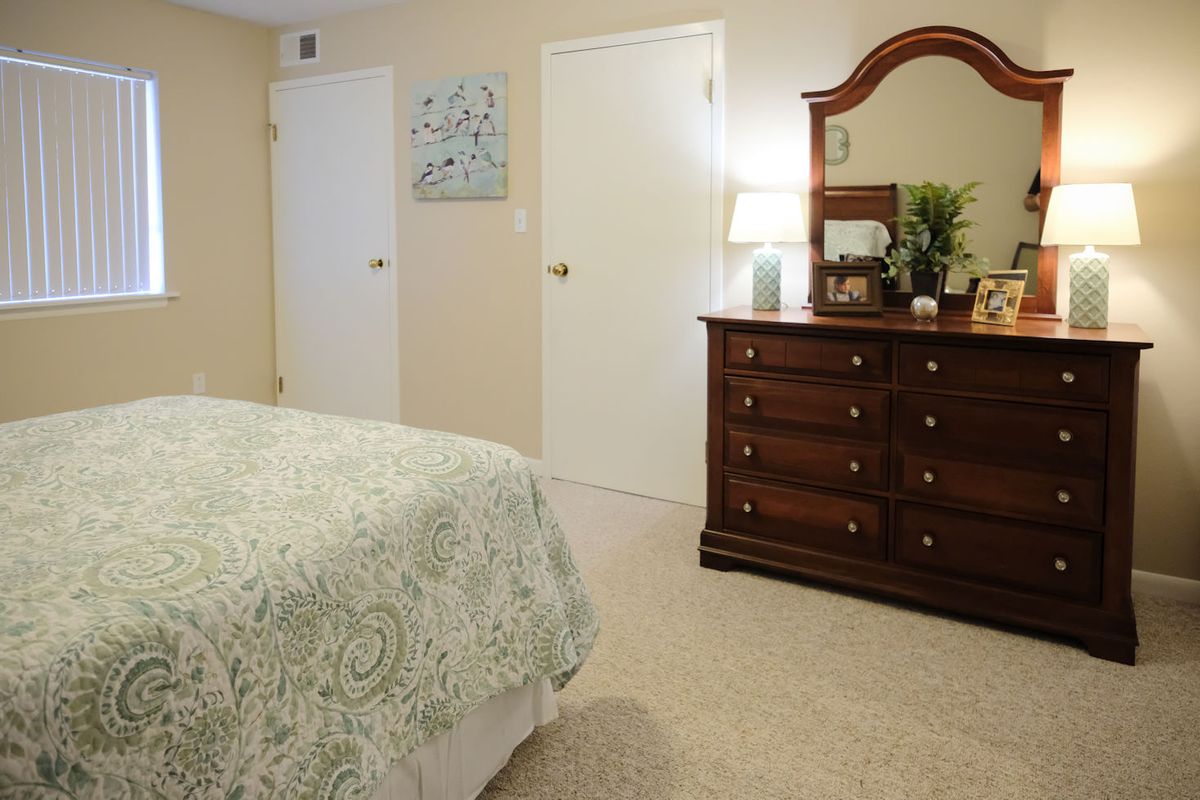
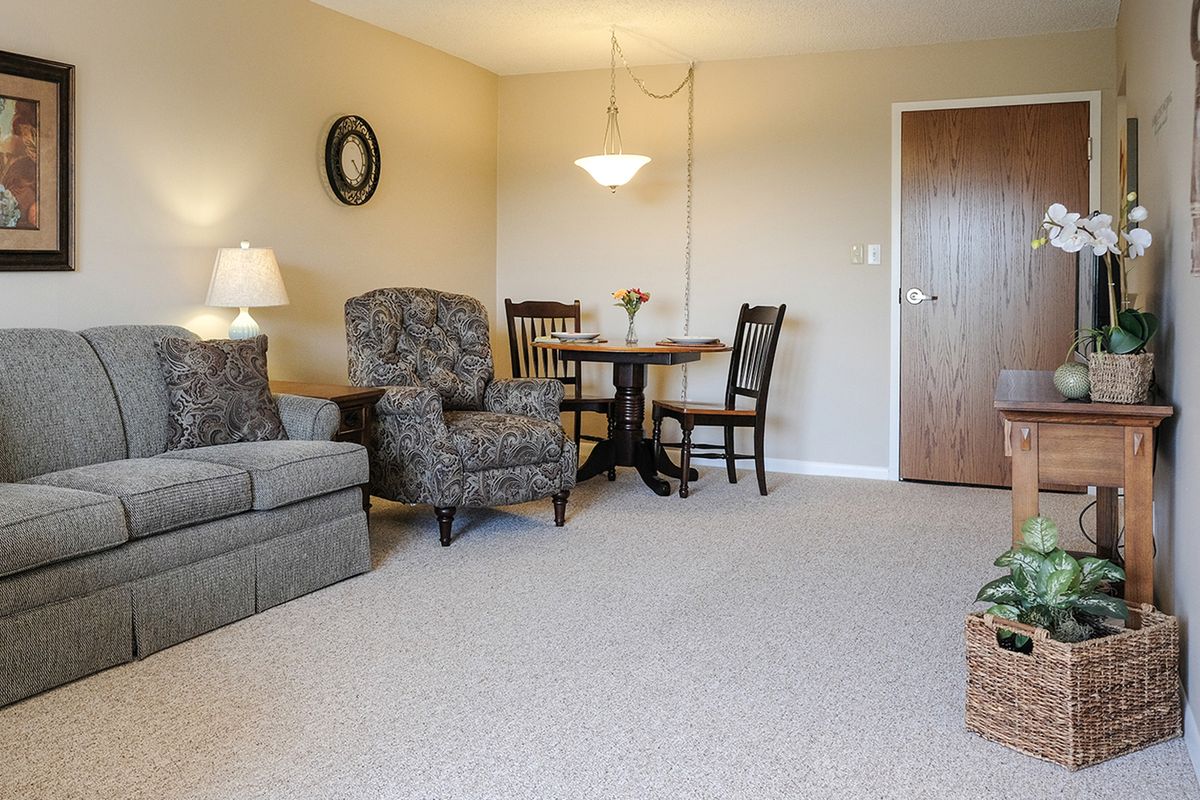
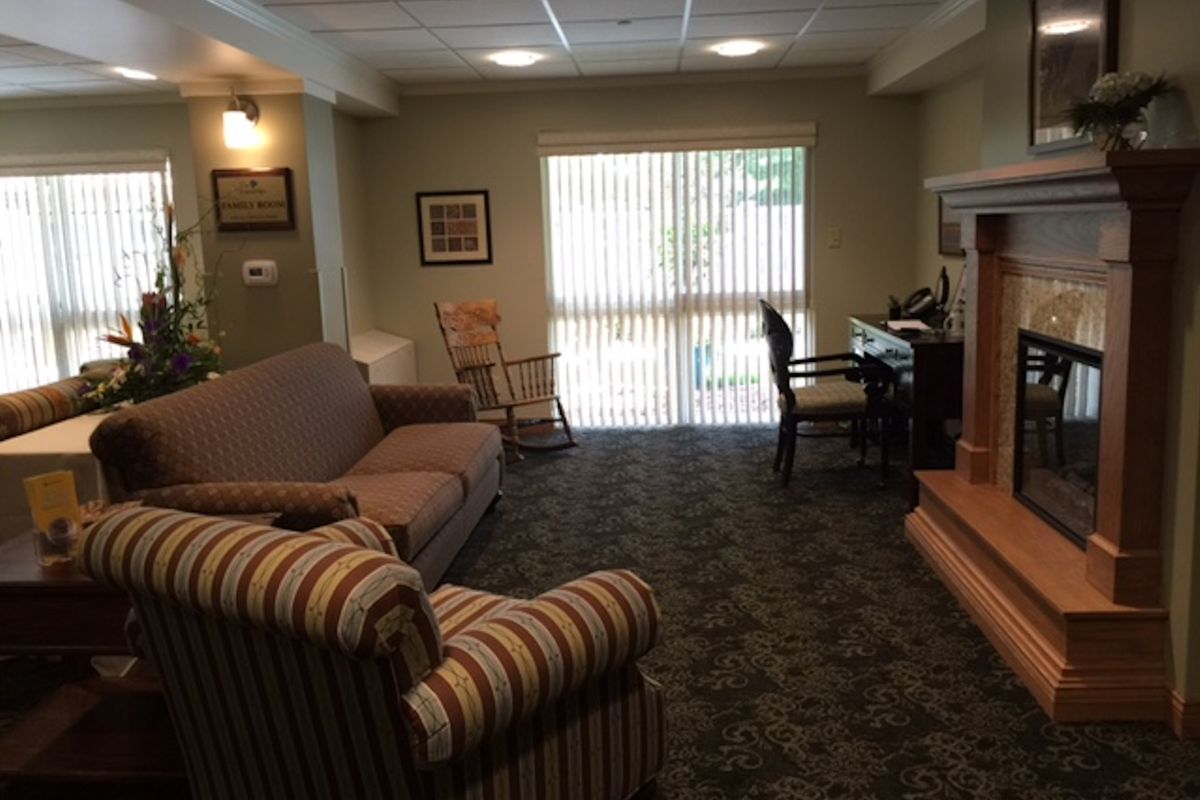
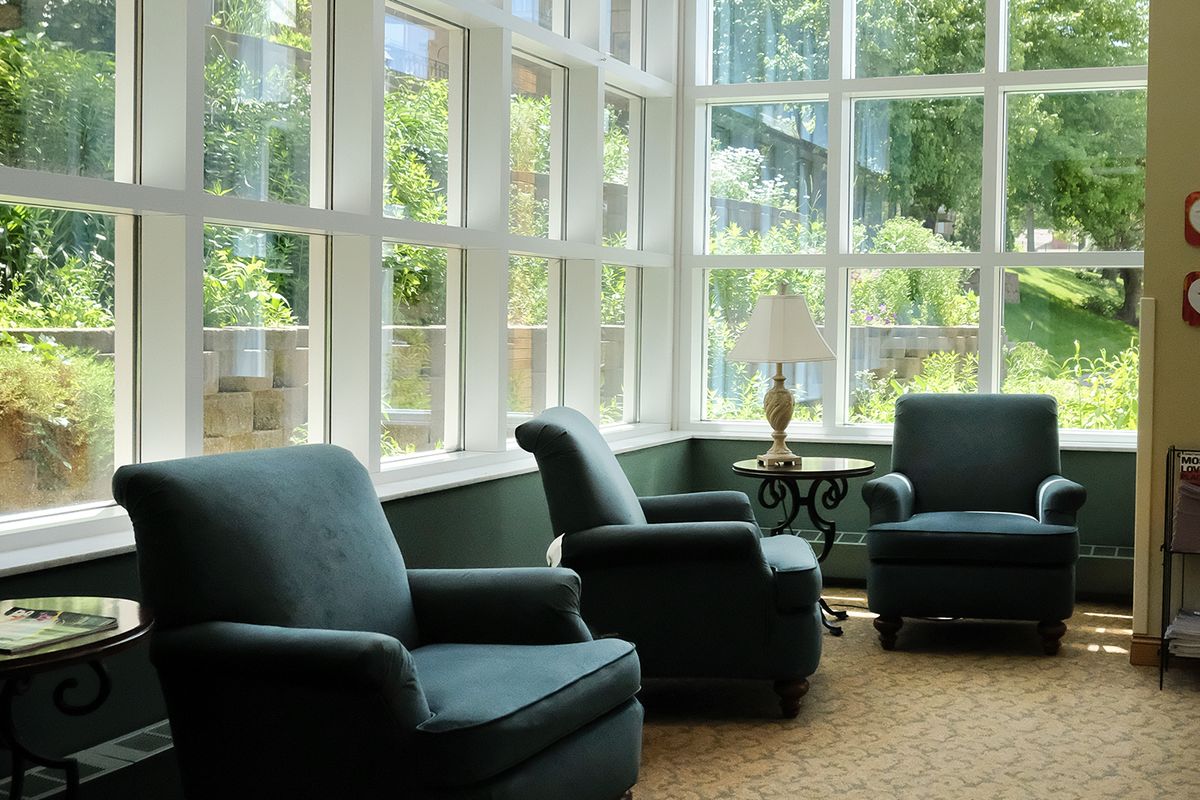
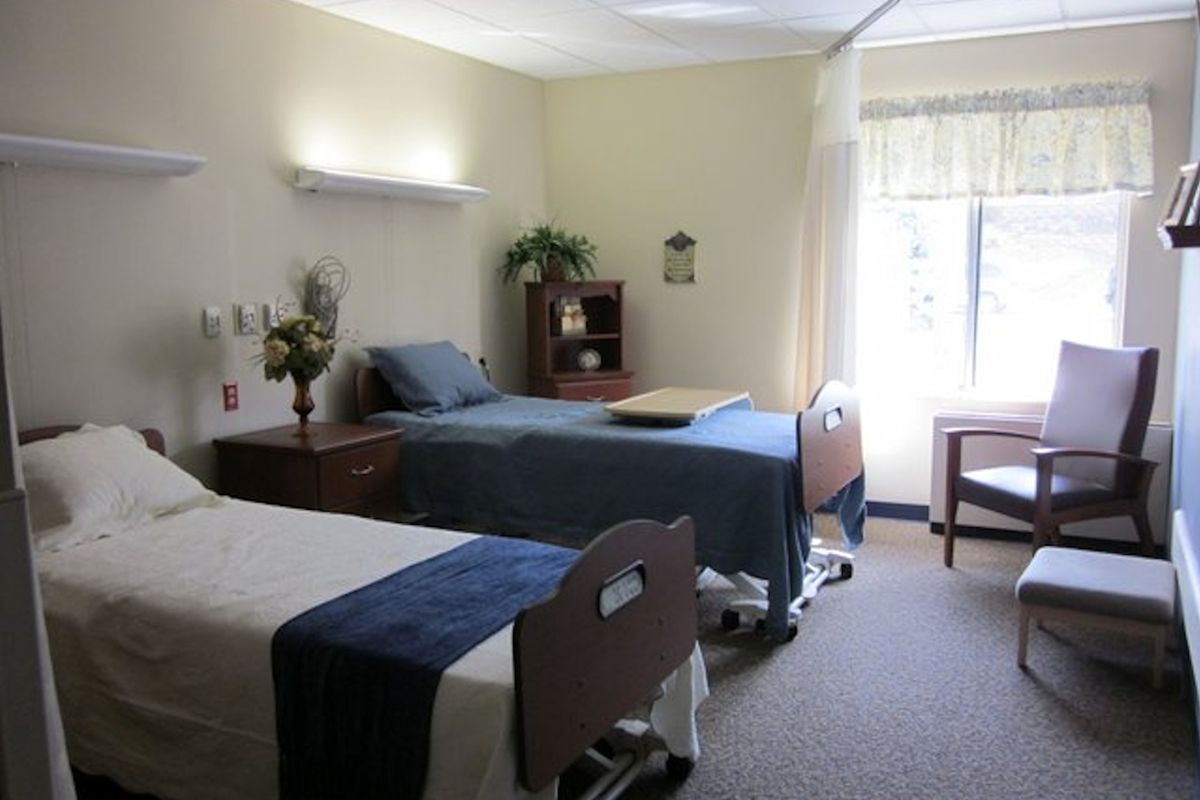
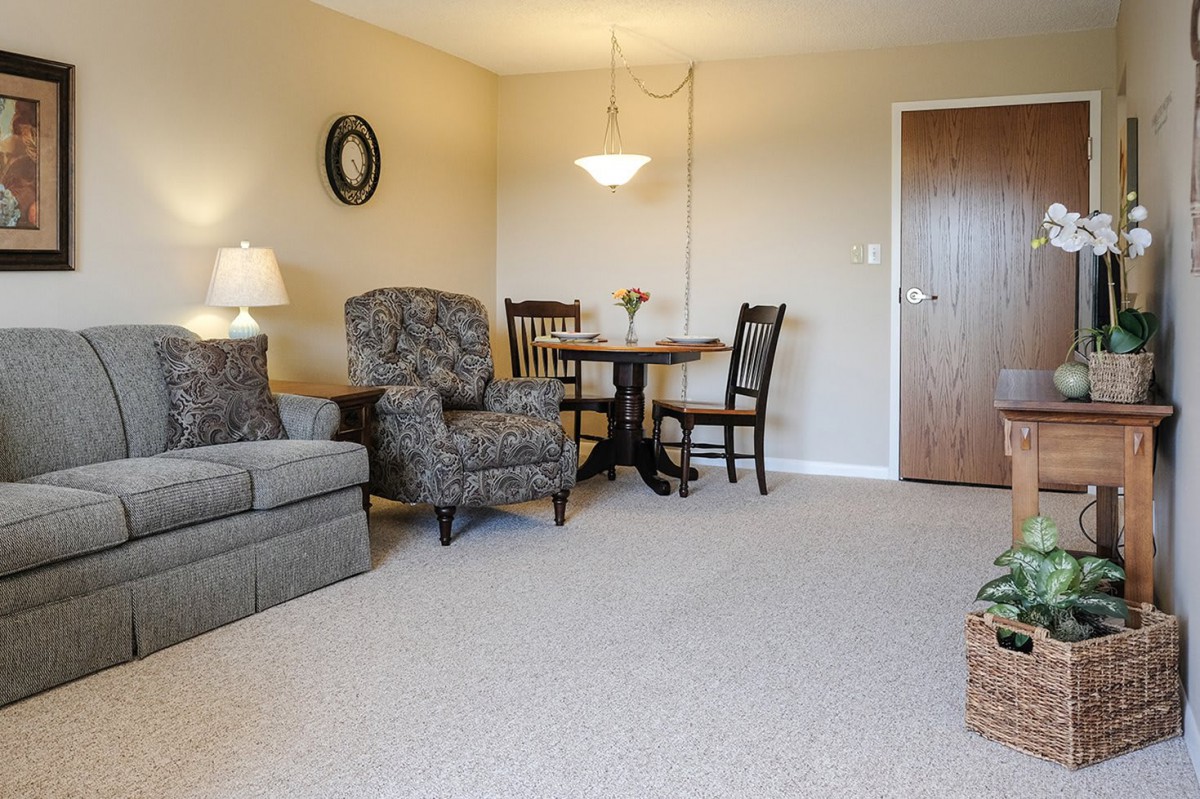
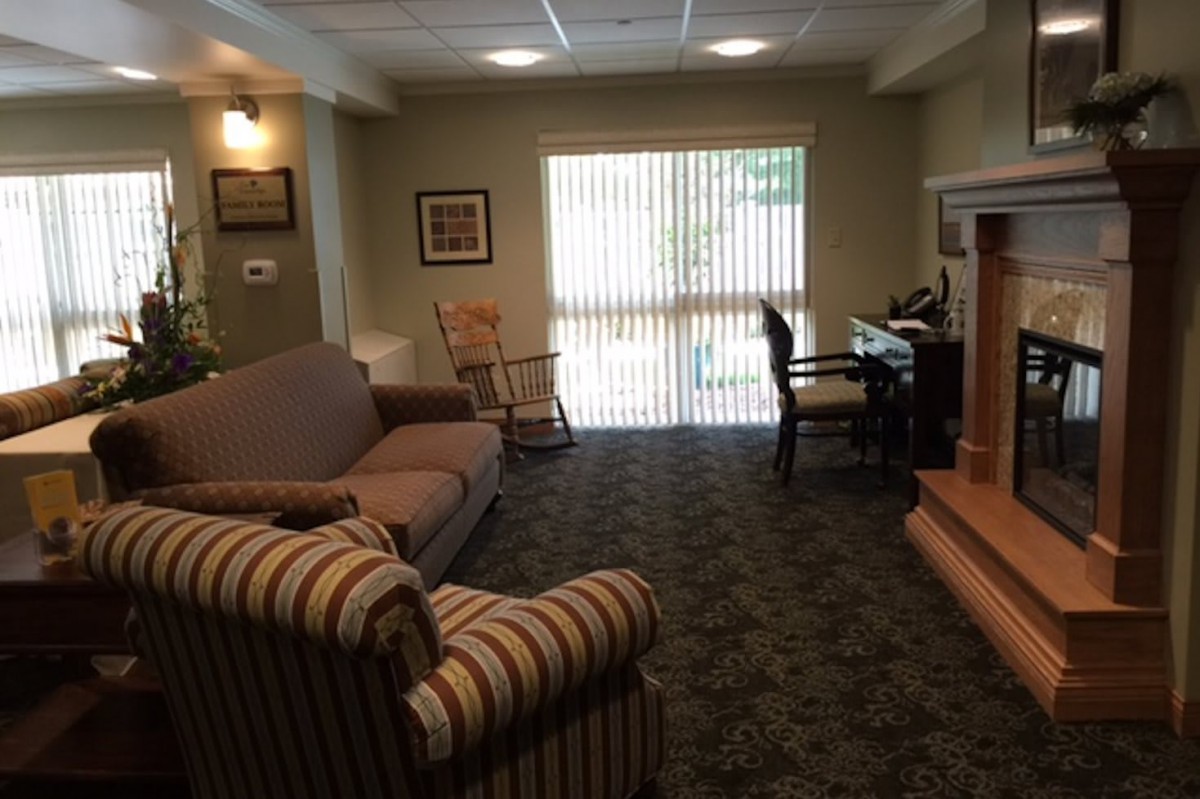
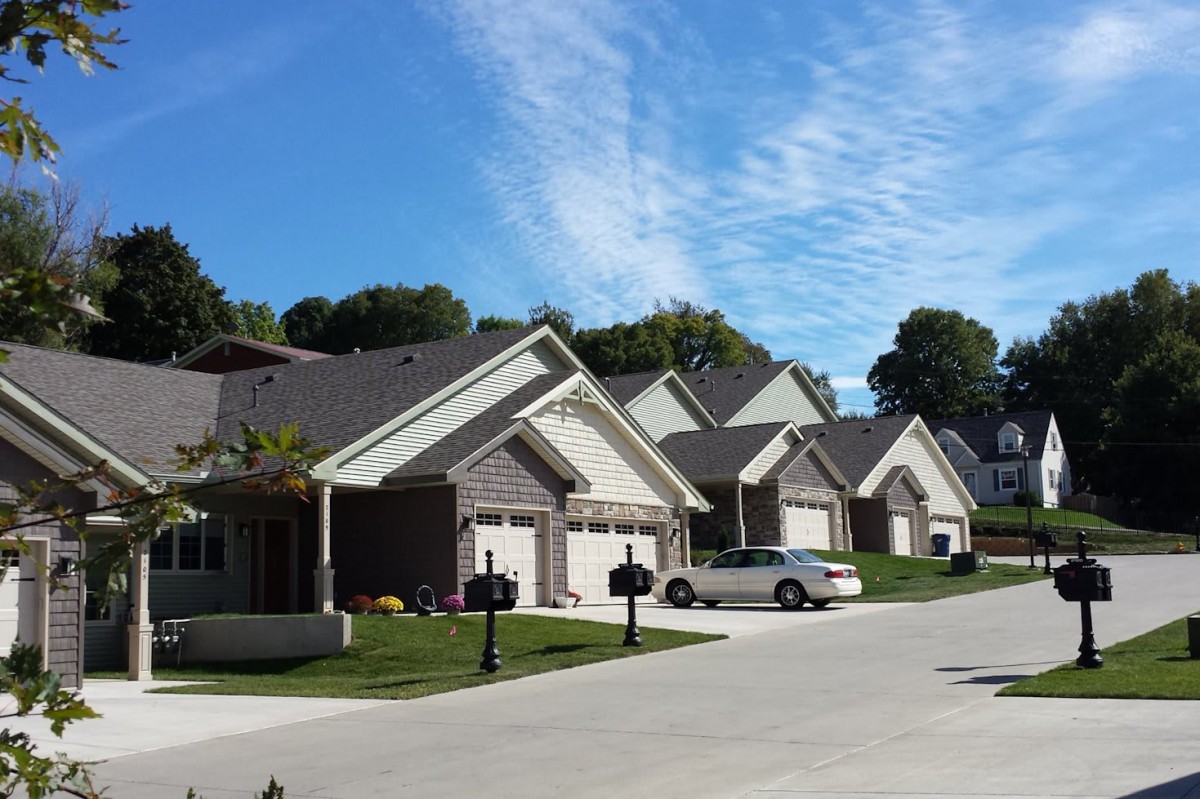
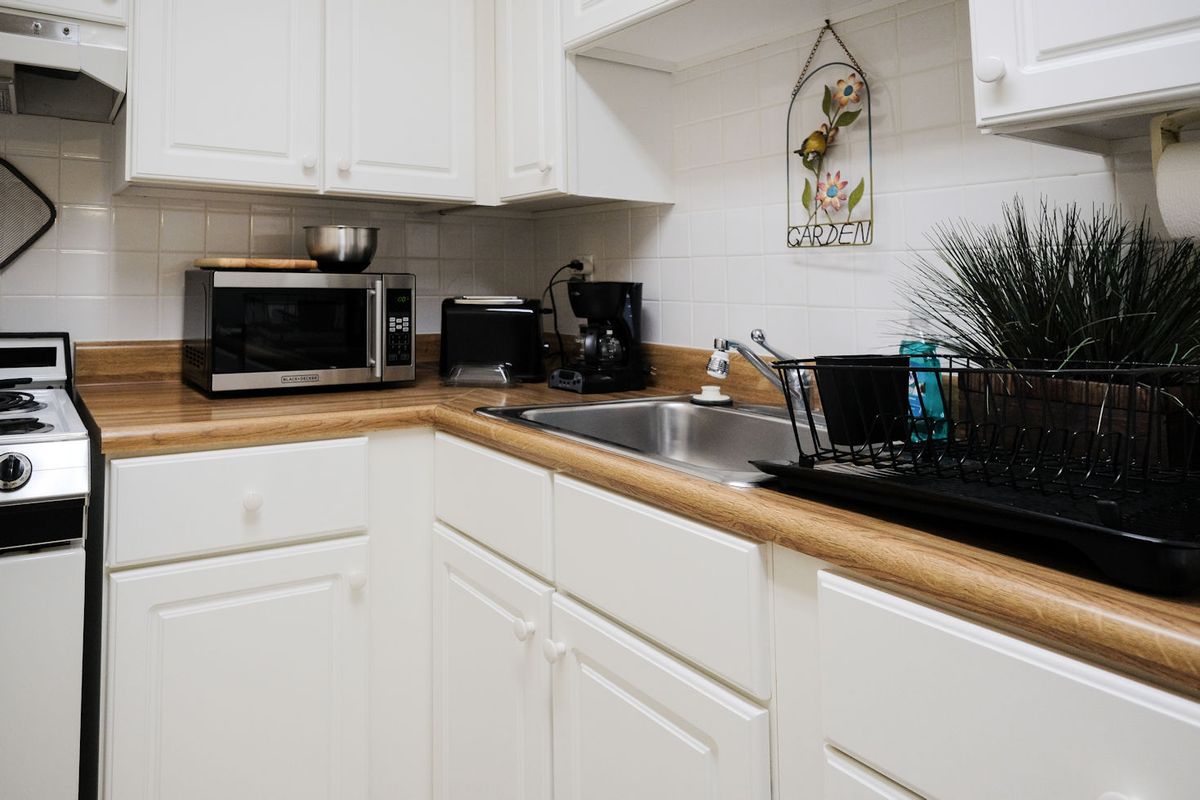
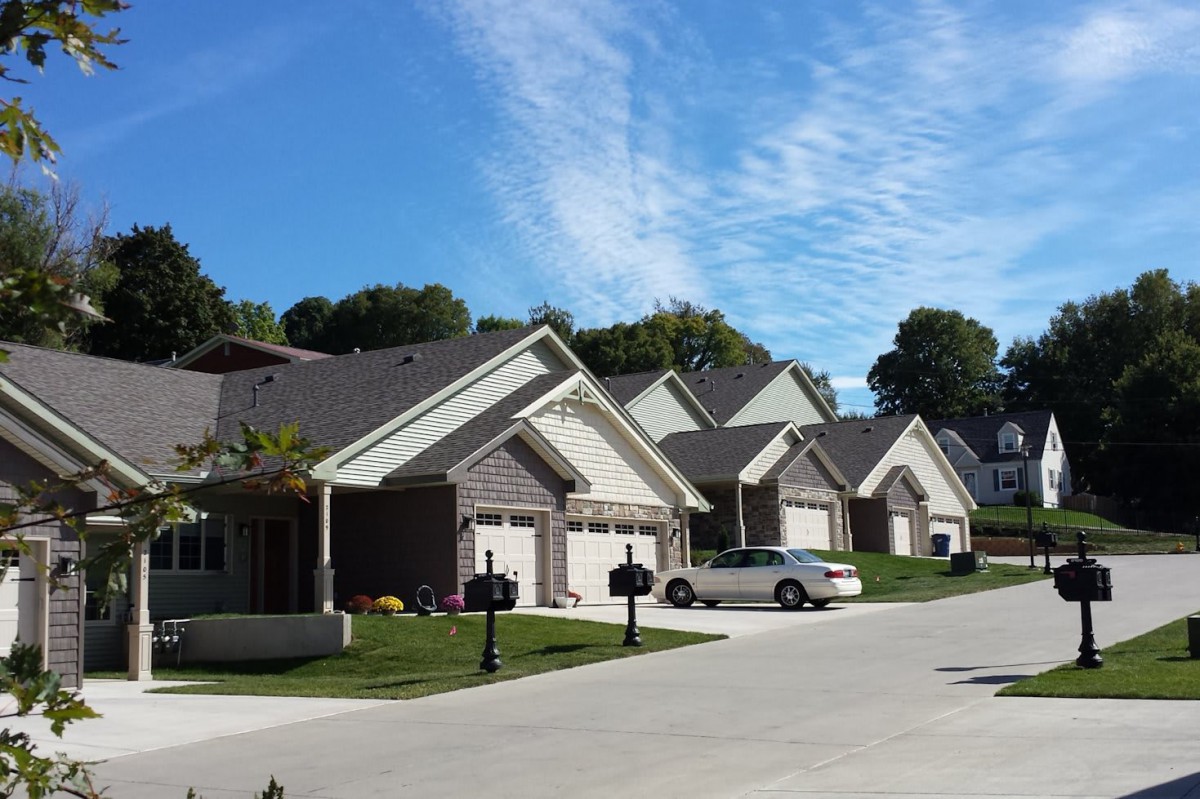
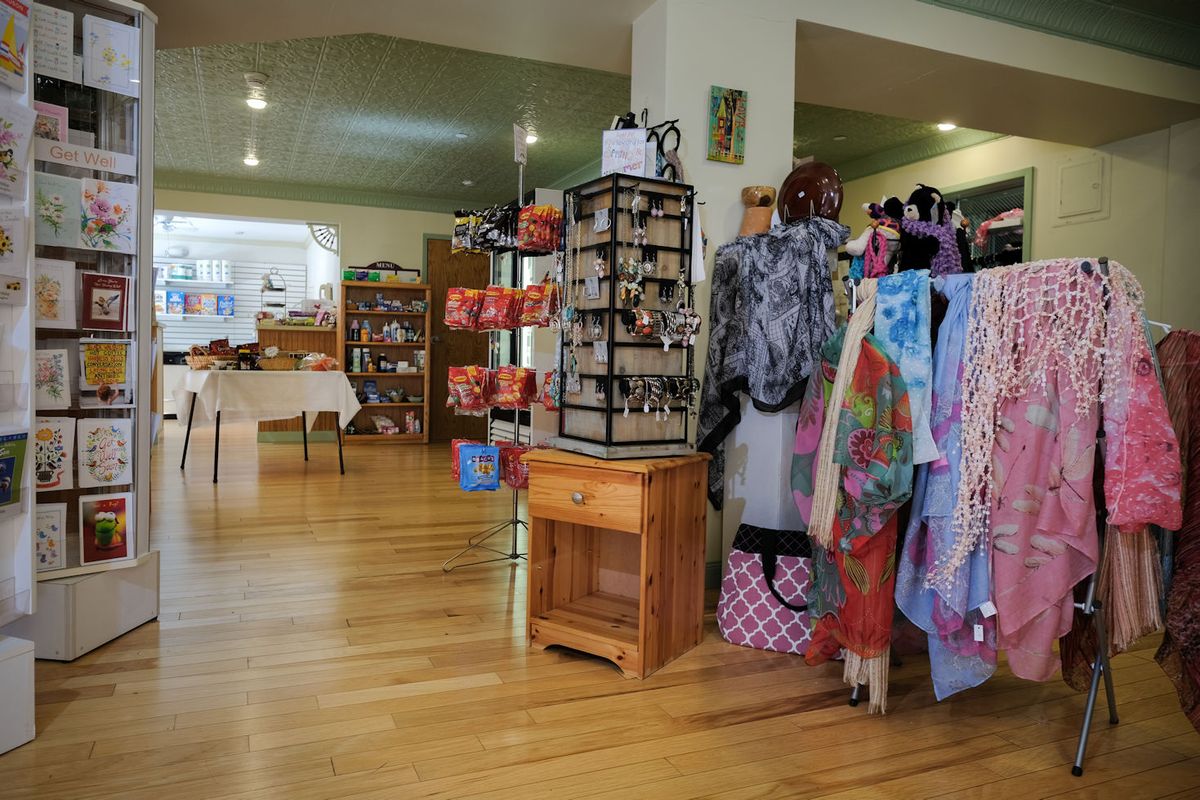
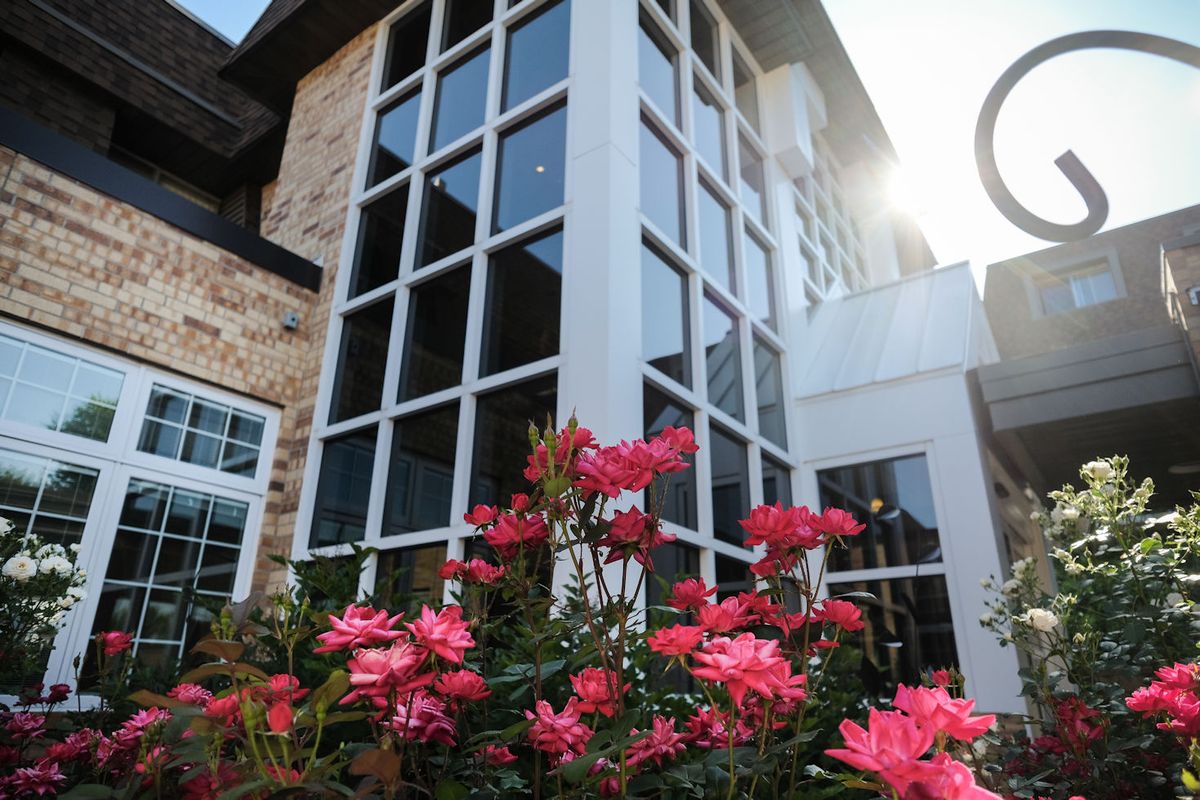
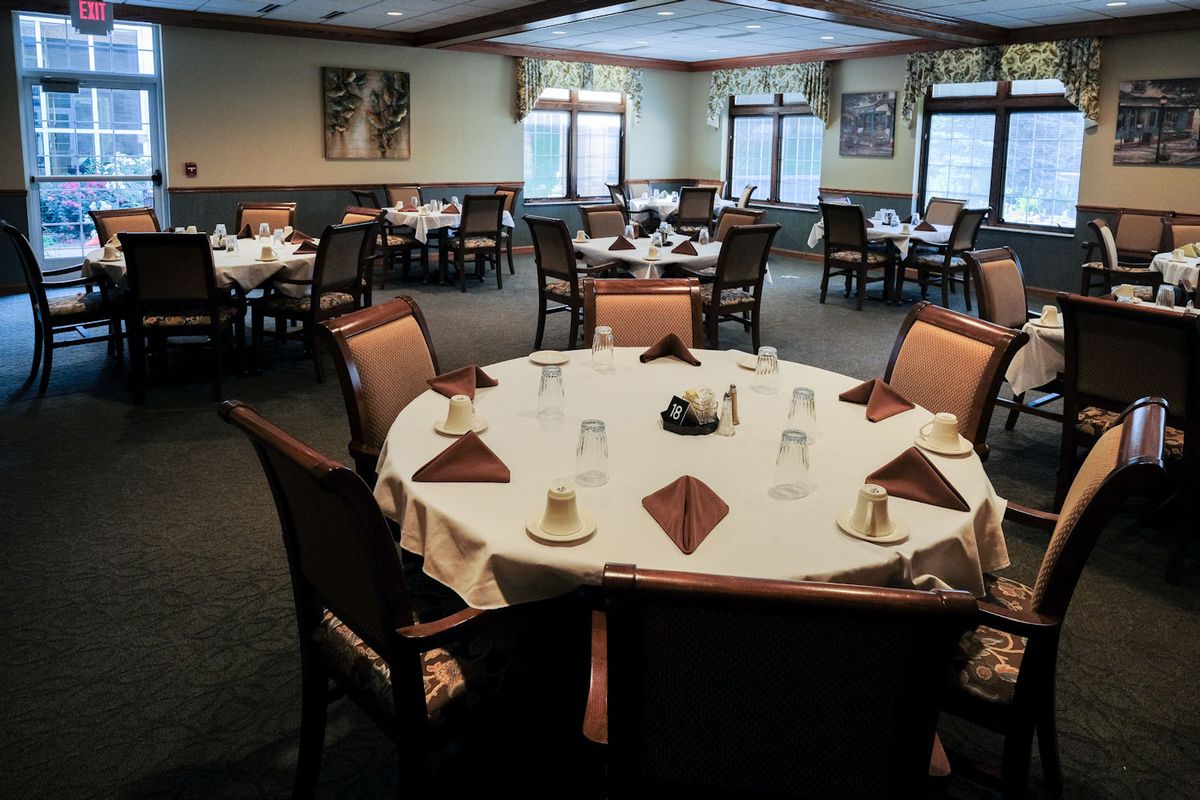
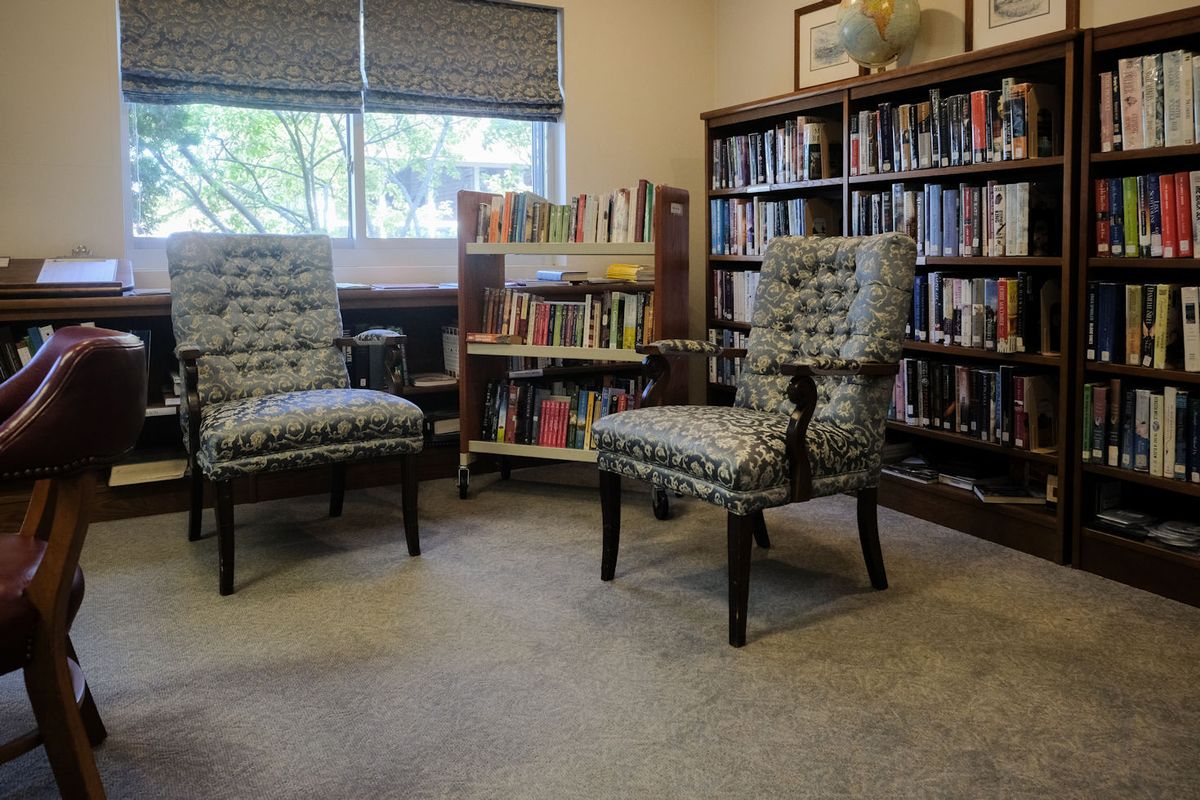
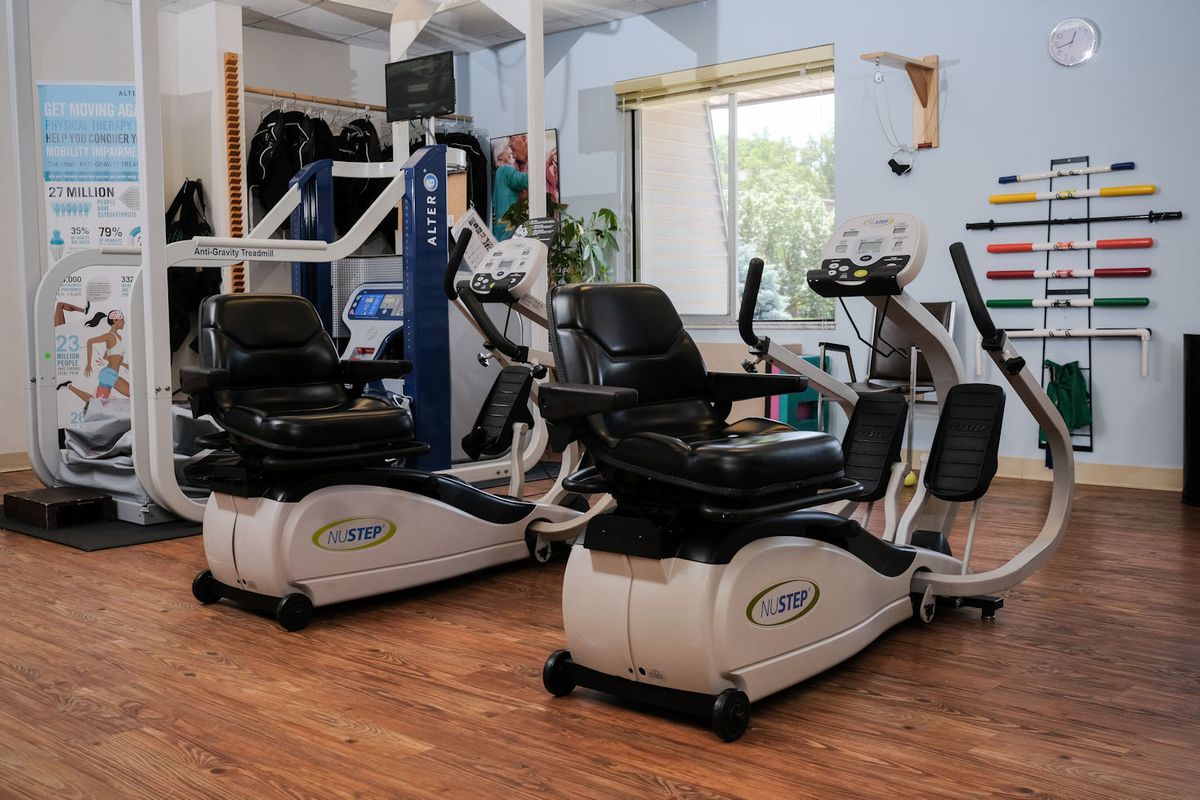
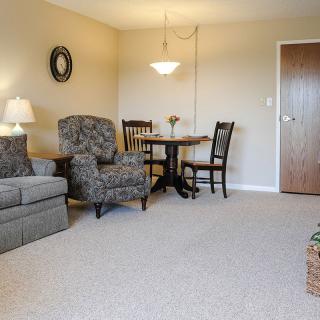
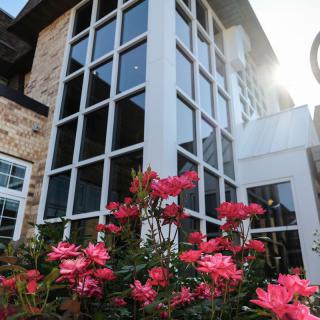
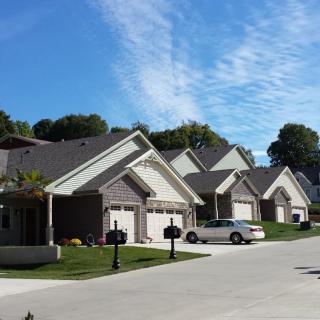
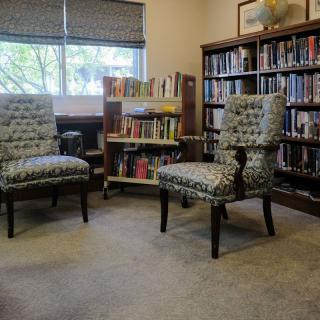
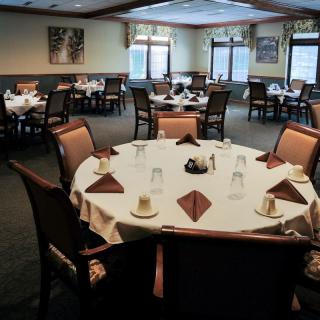
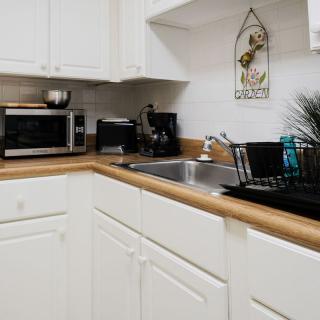
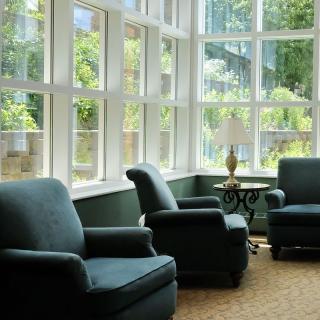
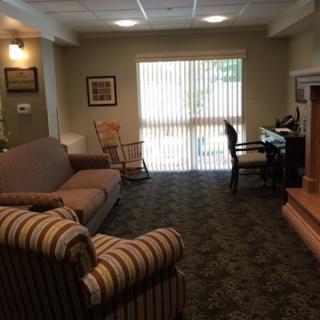
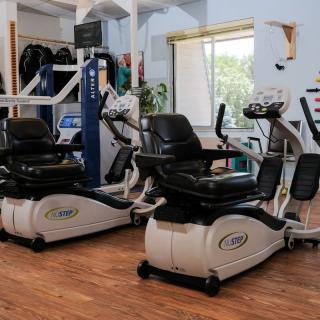
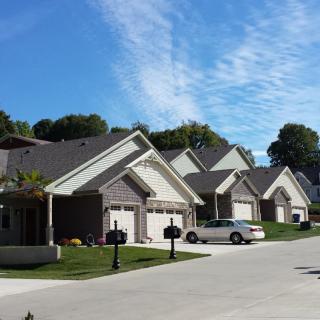
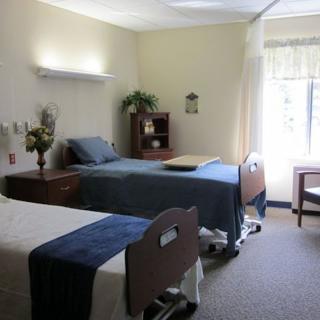
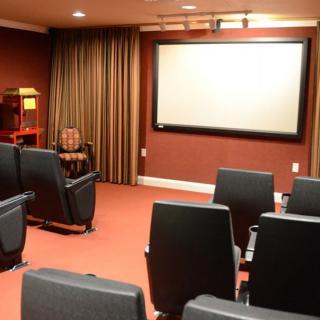
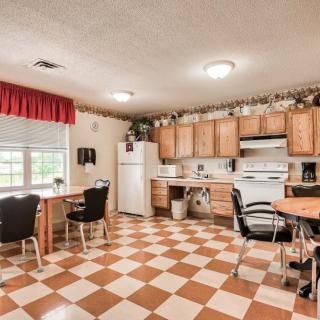
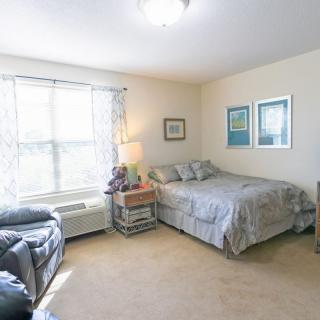
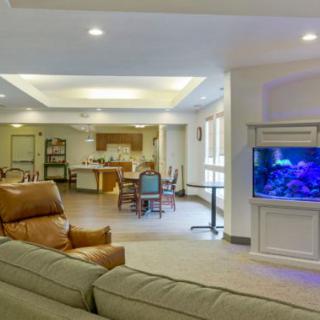
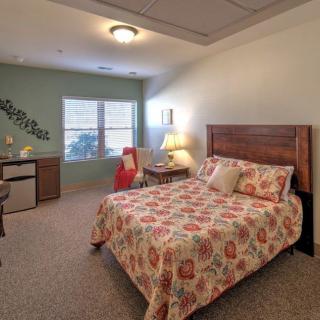
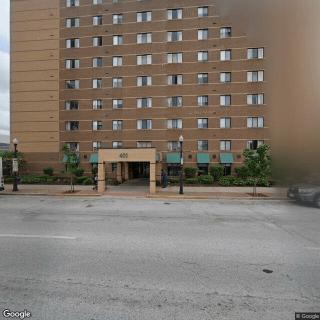
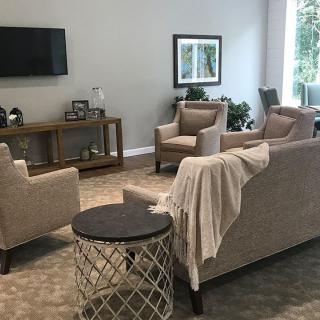
Friendship Manor on seniors.fyi includes 16 photos including images showing interior, windows, living room, dining, bedroom, natural light, decor, landscaping, and more.
Nearby Communities
Ninth Street Place
Rock Island, IL
Great access to dining, parks, and healthcare nearby.
Trinity Medical Center - West
Rock Island, IL
2.3 from 119 reviews
Intimate, well-equipped community with 24/7 supervision, ADL support, medication management, and restaurant-style dining.
Generations At Rock Island
Rock Island, IL
2.6 from 42 reviews
Consistent, individualized attention from friendly staff and engaging activities.
The Coventry Apartments
Rock Island, IL
3.4 from 21 reviews
Strong nearby healthcare, dining, and parks.
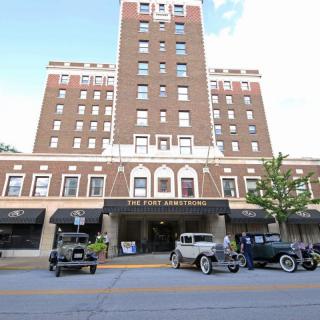
Fort Armstrong
Rock Island, IL
4 from 52 reviews
$3,800 to $5,000 / month
Caring staff and engaging activities
St Anthony's Nursing & Rehab Center
Rock Island, IL
3.5 from 47 reviews
$5,000 / month
Compassionate, professional staff in a clean, community-focused setting.
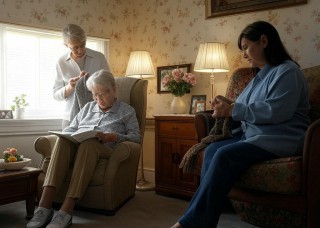
At-home dementia care expenses vary widely based on care levels, location, and caregiver expertise, with monthly costs for home health aides exceeding $4,500 and specialized care potentially surpassing $100,000 annually. While families favor in-home care for its comfort and personalized attention, they must consider financial planning and the challenges of caregiver fatigue.
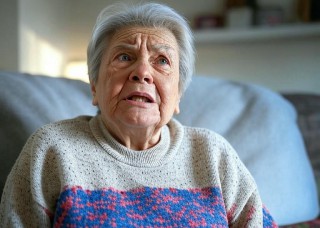
The article discusses the late stages of dementia, detailing the progression from mild to severe impairment and highlighting key characteristics such as profound cognitive decline and dependency in daily activities. It emphasizes care strategies focused on comfort and dignity, the importance of advance directives, and the emotional support needed for family caregivers facing this challenging journey.
The article examines the link between certain medications and increased dementia risk, particularly in older adults, emphasizing that long-term or high-dose use of anticholinergics, benzodiazepines, and other drug classes can exacerbate cognitive impairment. It calls for careful medication evaluation and shared decision-making to mitigate these risks while managing treatment efficacy.
Exercise Equipment, Gym, Fitness, and Excercise Equipment
Natural Light
Bookshelves, Library, and Reading Area
Healthcare
Piano
Clouds
Dining Table
Additional Photos
Get PricingAsk A QuestionSchedule A TourContact Senior Advisor
By clicking submit, you agree to our Partner's Terms of Use. You
also consent to receive calls and texts, which may be autodialed, from our Partner. Your consent is not a condition to
using our Partner's service. Please visit our Partner's Privacy Policy for information about their privacy practices.



 97 resident community capacity
 Assisted Living
 Continuing Care Retirement Community (CCRC)
 Independent Living
 Memory Care
 Skilled Nursing Facility
 Cats allowed
 Dogs allowed
 Activities on-site
 Air-conditioning
 Beautician on-site
 Cable or satellite TV
 Computer center
 Devotional services off-site
 Fitness room
 Fully furnished
 Gaming room
 Garden
 Housekeeping services
 Indoor common areas
 Kitchenette
 Move-in coordination
 Outdoor space
 Private bathrooms
 Respite or short term stays offered
 Restaurant-style dining
 Small library
 Telephone
 Wellness center
 Wi-Fi/high-speed internet available
 Quad City (5 miles away)
 Community operated transportation
 24-hour call system
 Ambulatory care
 Assistance with bathing
 Assistance with dressing
 Assistance with transfers
 Diabetes diet
 Diabetic care
 Medication management
 Special dietary restrictions
 Art classes
 Catholic services
 Concierge services
 Educational speakers / life long learning
 Happy hour
 Live dance or theater performances
 Live musical performances
 Planned day trips
 Trivia games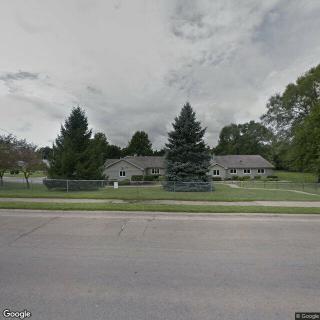
 Great access to dining, parks, and healthcare nearby.

 Estimating the Expenses of At-Home Dementia Care: A Detailed Exploration
 Comprehensive Insights on the Late Stages of Dementia: What to Expect and How to Provide Care
 Medications Associated with Dementia Risk: A Comprehensive Overview