
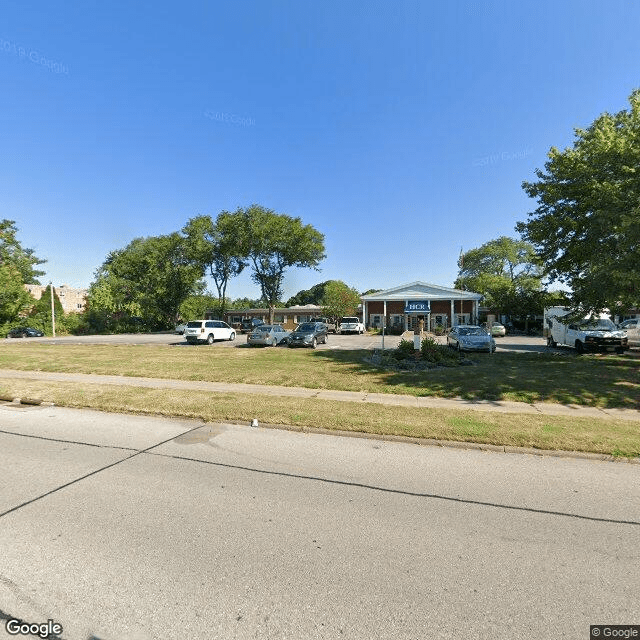
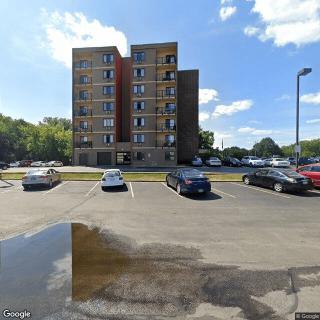
833 16th Ave, Moline, IL 61265
To contact a resident: (309) 764-6744
For more information about senior living options: (866) 208-4318
Overall Review of Heartland Health Care Center Moline
Pros
 The physical therapy and occupational therapy teams were very understanding of her mom's needs and checked in on her throughout the day to see how she was doing.
 - The nurses and CNAs were very nice and friendly and treated her like family.
- When she pushed her call light, the staff came right in and helped.
- The reviewer would take her back in the blink of an eye because her mom was there for weeks and never treated badly.
Cons
 The staff are not friendly and are very impatient.
- The medical assistants and nurses are not patient-friendly.
- They would not be returning to either place.
Review
Heartland Health Care Center Moline is best suited for residents who need focused rehabilitation and value a caregiving culture that can feel like family. The facility’s strongest selling point is its rehabilitation pipeline: physical therapy and occupational therapy staff who tailor treatment to the individual, with therapists who understand the patient’s limits and push toward meaningful gains. When a resident is supported by nurses and CNAs who check in throughout the day and respond quickly to call lights, recovery tends to stay on track and comfort remains high. Families with ongoing rehab needs, or those who bounce between hospital and home, will find the daily rhythm here aligns with a push-to-independence mindset and a supportive, involved care team.
Nonetheless, there are clear caveats that should guide a decision. The reviews show a split in perceived bedside warmth, with some residents' families reporting consistently friendly, family-like care, while others describe staff as unfriendly and impatient. That variance is not merely cosmetic: it can color daily life, mood, and satisfaction with care, especially for residents who rely on steady, patient communication. For households seeking a uniformly upbeat front-line culture or less risk of terse interactions, alternatives with more consistent interpersonal climate may be worth exploring. The mixed rating, two five-star endorsements alongside two one-star warnings, signals a real difference in experience by shift or department rather than a single, uniform standard.
From a clinical and rehabilitation standpoint, the positives are tangible and meaningful. The physical and occupational therapy teams are described as understanding and responsive to evolving needs, with therapists who monitor progress and adjust plans as the day unfolds. The nursing and CNA staff, when at their best, treat residents with warmth, making them feel seen and supported. The quick turnaround on call lights further reduces frustration and risk, preserving dignity and safety. For families prioritizing functional recovery and timely assistance, these elements create a credible case for Heartland Moline as a center that can deliver steady rehab momentum and reassuring daily presence.
Yet the negative impressions cannot be dismissed. The explicit claim that staff are not friendly and are impatient casts a shadow over daily experiences and can undermine trust with caregivers. The ambiguity about whether the clinic affiliation cited by some reviewers is connected to the care center adds another layer of caution, suggesting that potential residents should verify the day-to-day clinical oversight and consistency. If staff warmth and patience are non-negotiable in choosing a long-term home, these reports are a reason to proceed with a healthy degree of skepticism and to probe during tours how staffing patterns might affect person-centered care.
That said, the strong rehab orientation provides offsetting leverage. For residents able to engage consistently with therapy plans, the availability of dedicated PT/OT support can drive meaningful functional gains that may outweigh occasional interpersonal misgivings. The ability to rely on staff who treat residents like family in the best cases can produce a comfortable, trustworthy environment where emotional comfort complements clinical care. In practice, families should prioritize confirming what shifts deliver that positive tone, who the primary caregivers will be, and how the team communicates progress to families on a regular basis.
Practical next steps: schedule a candid tour focused on therapy sessions, bedside care, and call-light response, and request to meet both the therapy team and the charge nurse on the unit selected for the resident. Ask about staffing ratios, turnover, and how concerns are escalated and resolved. If possible, arrange a short trial stay to assess consistency across days and shifts. For families who prize rehab progress and a warm, family-like atmosphere, Heartland Health Care Center Moline can be a strong choice. If unwavering warmth on day-to-day interactions is the top criterion, it may be prudent to compare with other communities where the interpersonal climate reads as more consistently welcoming.
 Skilled Nursing Facility
 Quad City (4 miles away)
 High acuity care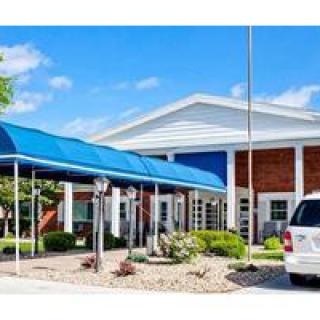


 Understanding the Nuances of Palliative Care and Hospice: A Comprehensive Exploration
 Fecal Incontinence in Older Adults: A Comprehensive Guide
 Recognizing the Journey: Understanding and Navigating Anticipatory Grief