Waverly Inn

Save

  • Interior

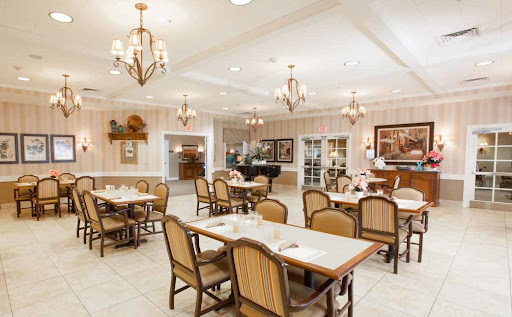
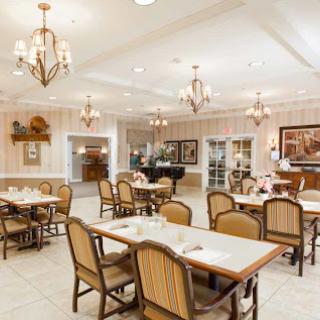
    A cozy dining area featuring elegant chandeliers and comfortable seating.
  • Decor

    A beautifully designed living room featuring a patterned sofa, floral centerpiece, and elegant decor.
  • Building

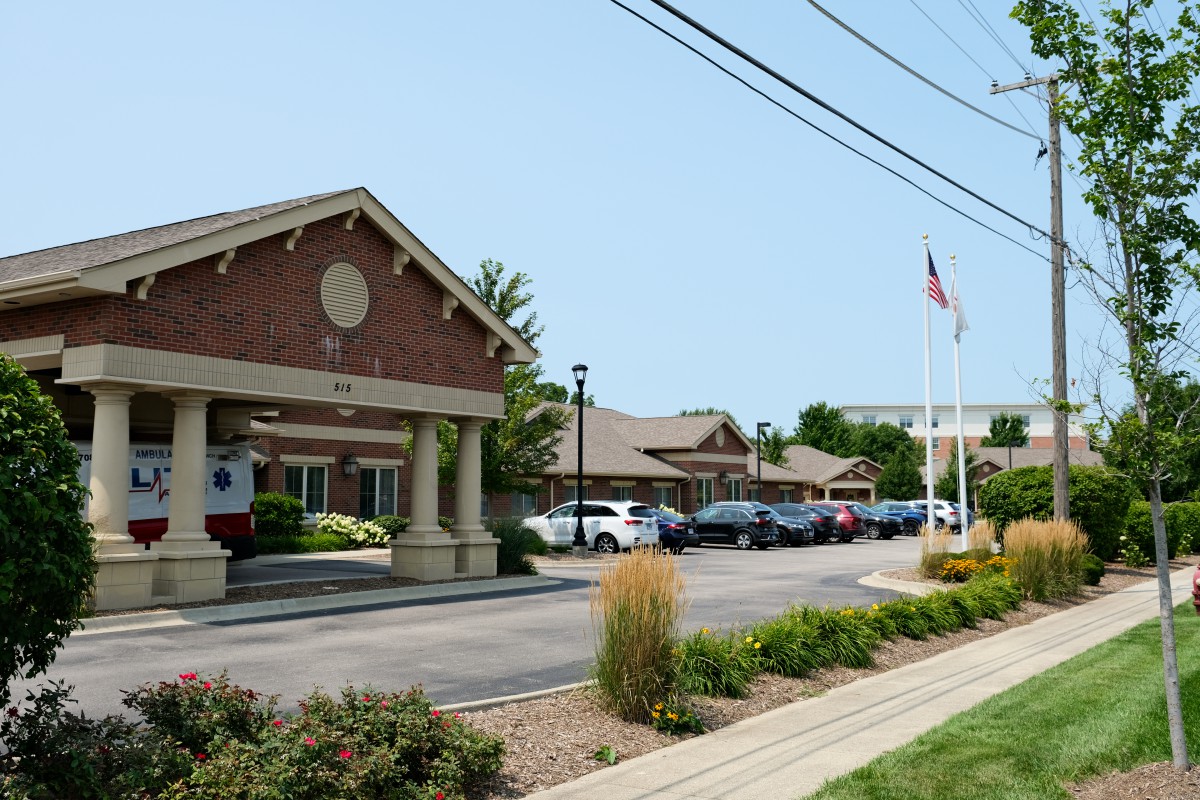
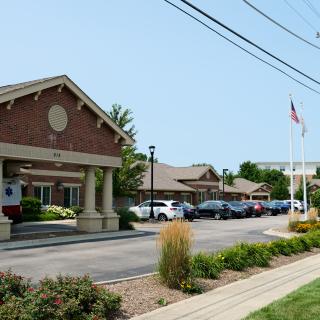
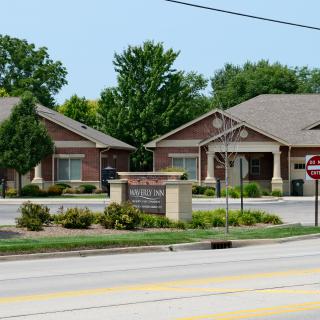
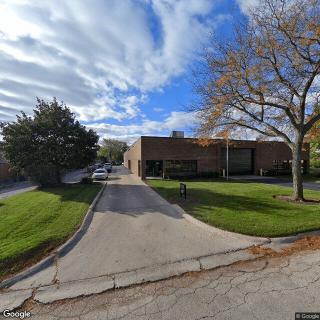
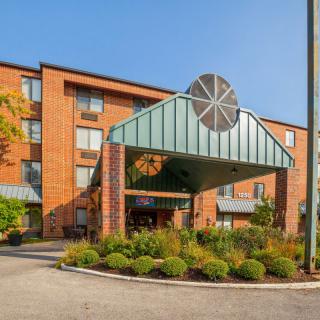
    A commercial building with a parking lot and landscaping, featuring an American flag.
  • Architecture

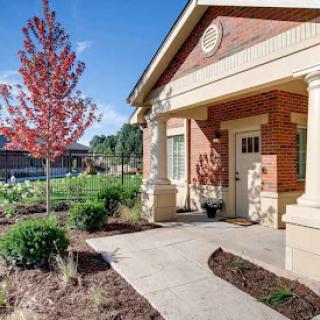
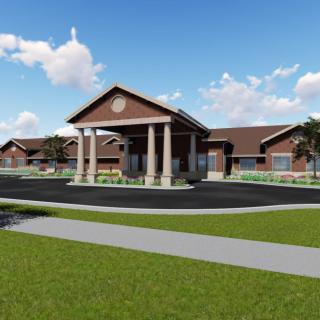
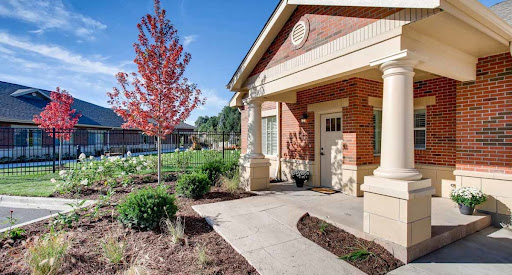
    A charming building with a welcoming entrance, surrounded by landscaped gardens and vibrant trees.
  • Trees

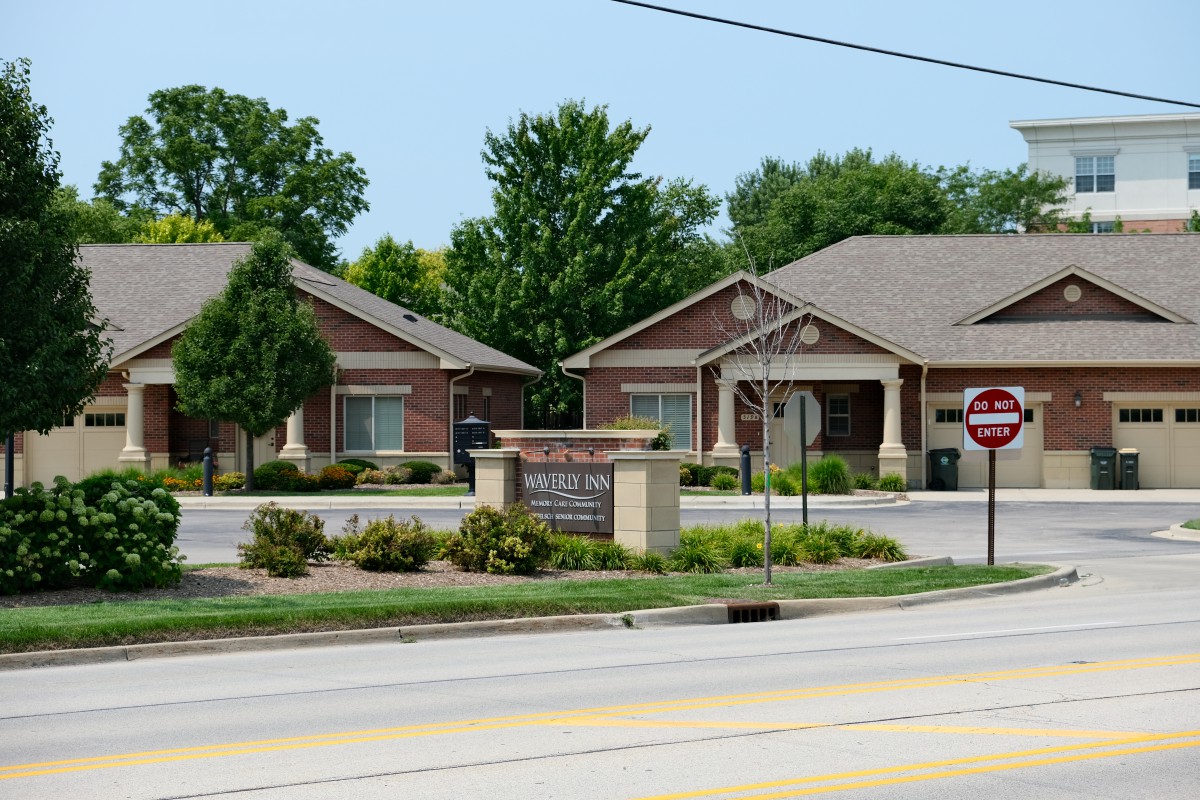
    Suburban buildings with landscaped surroundings and street signage.
  • Windows

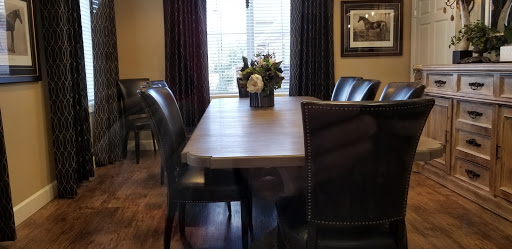
    A cozy dining room featuring a wooden table, leather chairs, and a floral centerpiece.
  • Landscaping

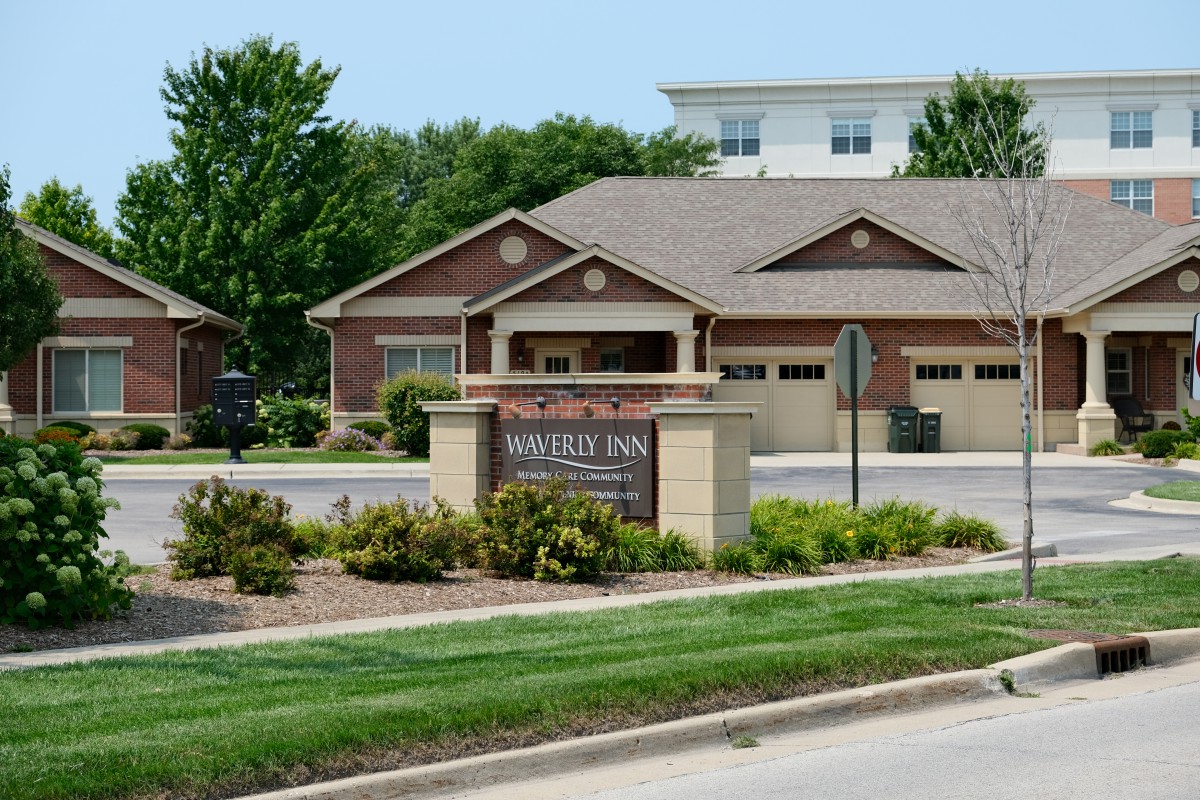
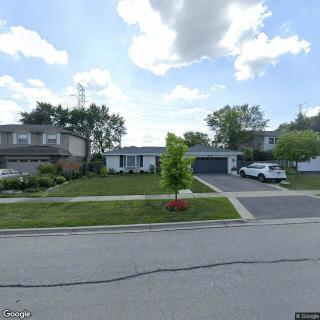
    A suburban residential building with well-maintained landscaping.
  • Lighting

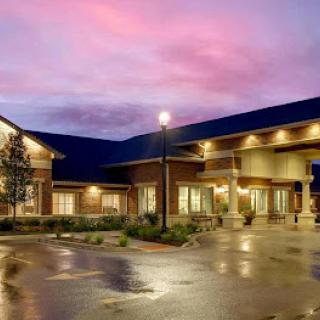
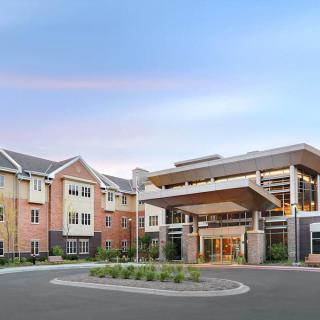
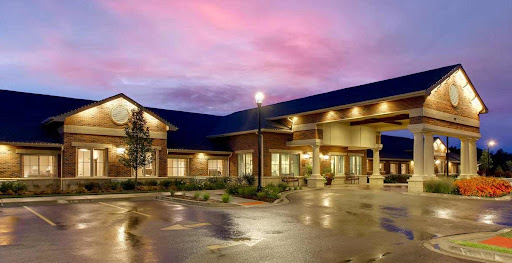
    A modern hotel at dusk, reflecting vibrant colors in the sky after rain.
  • Garden

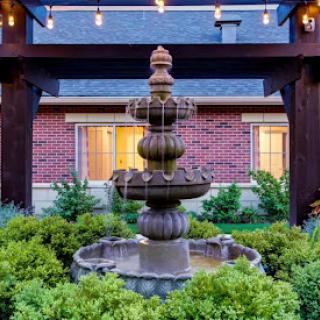
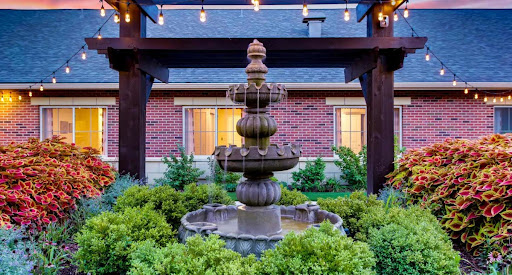
    A beautifully designed fountain surrounded by lush greenery, illuminated in the evening.
  • Road

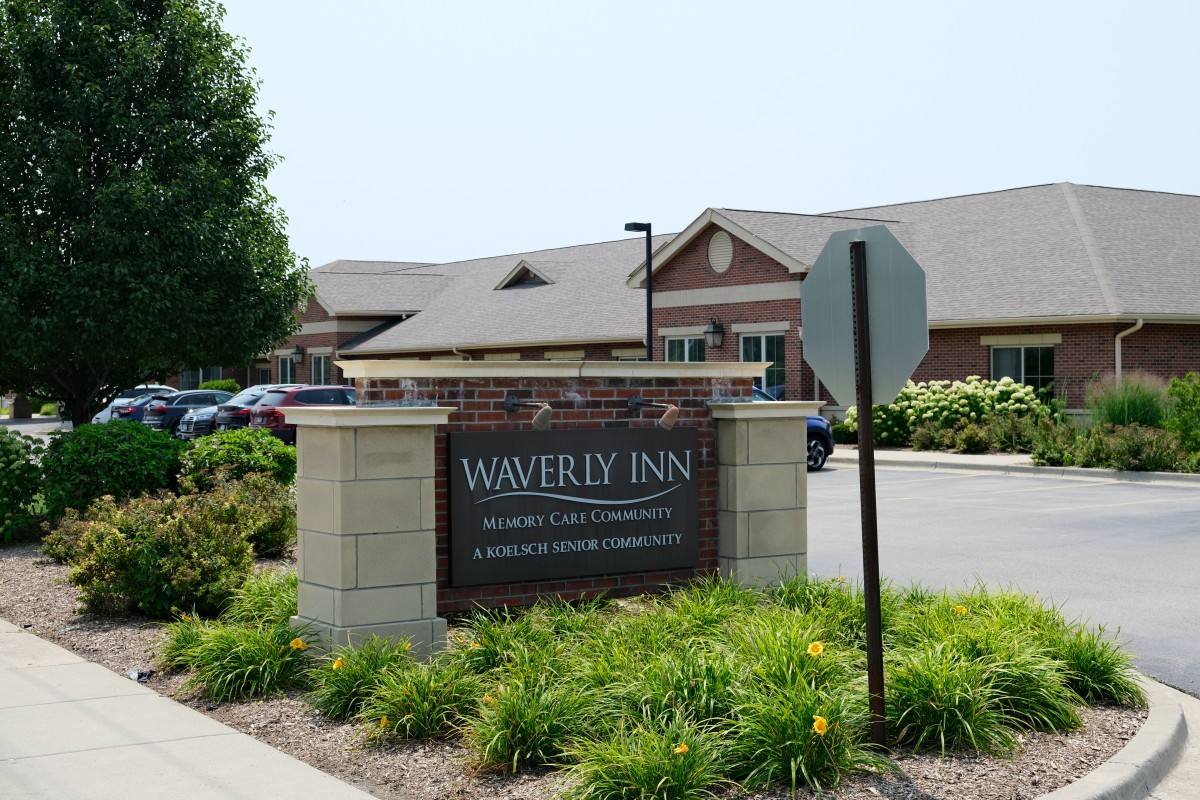
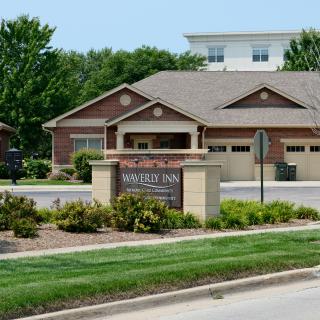
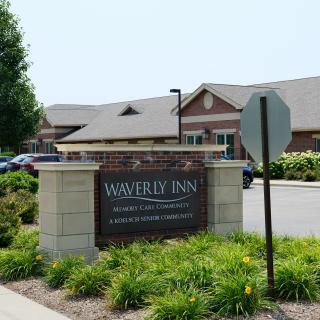
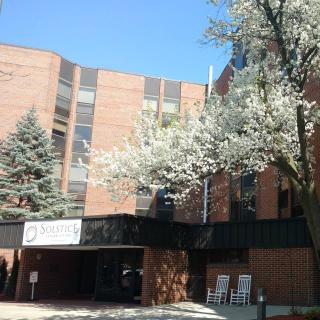
    Entrance sign for Waverly Inn with a building and landscaped area in the background.

Waverly Inn

515 West Rand Road, Arlington Heights, IL 60004

For more information about senior living options: (844) 490-3973

4.8 from 43 reviews
5 stars
41
4 stars
0
3 stars
0
2 stars
1
1 stars
1

Memory Care

Overall Review of Waverly Inn

Pros

  • pro The staff treat residents like family and are gracious.
  • pro The care team provides care with dignity and compassion.
  • pro Communication with families is terrific.
  • pro The facility feels like a home, with clean, warmly decorated spaces.
  • pro The staff take an all-hands-on-deck approach to resident care.
  • pro The facility is described as a hidden gem with a welcoming culture.
  • pro The staff are kind, caring, and quick to respond.
  • pro Tours are informative, and the staff are knowledgeable.
  • pro The environment is beautiful, clean, and inviting.

Cons

  • pro Organizationally Waverly falters big time.
  • pro My father fell numerous times at the facility with little to no communication to us as family.
  • pro The medical doctor after he fell and broke his hip, told us that the staff knew my dad to be a fall risk due to all those instances, but no one reached out to us to let us know what precautions could be taken.
  • pro While in the hospital recuperating for his broken hip no one from the Waverly management reached out to let us know how he was doing in the hospital all they sent was an emailed bill for next months rent.
  • pro When transitioning him back to the Waverly from skilled nursing the day of management and nursing staff finally let us know that he could not return.
  • pro Letting us know as a family that late in the game just shows how organizationally inept Waverly happens to be.
  • pro That's pretty much where the positives stop.

Review

Waverly Inn stories come from a chorus of families who describe a warm, welcoming atmosphere where care feels personal, attentive, and deeply human. In both Memphis and the Chicago-area locations, reviewers consistently highlight a sense of hospitality that starts at the moment you enter and continues through every interaction with the staff. Many speak of staff who treat residents as if they were family, with patience, kindness, and a steady, professional approach to the demanding realities of memory care. The tone across these messages is one of gratitude for individuals who go above and beyond to answer questions, ease transitions, and create a home-like rhythm in daily life.

Memories from Memphis emphasize responsiveness and professionalism, capped by specific gratitude to staff who guided families with clarity. One reviewer thanked the team for answering every question professionally, noting a positive experience with Sharon Bounds in particular. That sentiment - having questions addressed with care and competence - recurs throughout the feedback, underscoring how important it is to families that the process feels respectful, clear, and supportive from first contact through ongoing residency.

In Arlington Heights, the sentiment is especially familial and long-lasting. One family shared that their mother lived at Waverly Inn for more than five years and received "extraordinary care." They described staff who treated their loved one with dignity as she declined, and they highlighted ongoing, terrific communication that gave them confidence and peace of mind. The staff were celebrated as a second family, from the moment of move-in to everyday life, with the environment described as cozy, clean, and decorated with memorabilia that honored the residents' eras. The care team - nurses, CNAs, reception, kitchen, activities, custodial, laundry, maintenance, administration, and even hospice - was praised for their compassionate, patient approach and for truly knowing each resident's personality to tailor care accordingly. This view of Waverly Inn as a "home" where residents feel seen and valued is echoed by many, especially in the way the facility's common areas and rooms are described as inviting and respectful of dignity.

Tours and move-ins repeatedly emerge as moments when families feel impressed and reassured. Exec Director Lauren is singled out for her leadership during tours, bringing information, humor, and a sense of confidence that makes the decision easier for families weighing options. Positive mention is given to staff such as Alex, the facilities manager, for helping transform rooms into home-like spaces, and to Karen, the sales representative, for making the process smooth from start to finish. The initial impressions - cleanliness, a home-like feel, and a lack of odors - are consistently recorded as signs of a well-kept environment. The phrase "pictures hung on the wall before I set them down" captures the sense that the space is thoughtfully prepared to welcome new residents.

Beyond the initial impressions, the community is described as a place where care extends well beyond personal needs. Reviewers repeatedly note an "all hands-on deck" culture, where every staff member contributes to a caring atmosphere. The environment is described as intimate and warm, with rooms that feel like apartments and common areas that invite social interaction, all of which fosters comfort for residents and peace of mind for families. Dementia care is presented as a challenging journey made more manageable by staff who are described as kind, experienced, and capable of balancing safety with respect and empathy. Across multiple testimonials, residents' needs are met with a blend of professional skill and personal attention.

Yet, not every experience is without its cautions. One family recounts organizational shortcomings that stand in contrast to the otherwise glowing portrayals: repeated falls with little initial communication to the family, a physician's note that labeled the loved one a fall risk without timely updates, and hospital bills that arrived without context about the resident's status. The transition back to Waverly Inn was described as late and imperfect, with management's decision about continued care conveyed at a late stage. This perspective serves as an important reminder that, for some families, questions about fall prevention, proactive communication during hospital stays, and timely, proactive updates are essential when evaluating memory-care options.

Still, the broader thread of feedback emphasizes a wide consensus of strength: Waverly Inn is spoken of as a "hidden gem" in the memory-care space, a place where kind, capable staff, generous policies, delicious menus, engaging activities, and a respectful, dignified approach to aging with dementia come together to create a strong, supportive community. The praise includes stories of exceptionally attentive team members - Octavia the CNA is named repeatedly for her loving professionalism; Lauren's leadership is credited with guiding tours and the day-to-day experience; and families celebrate outings, meaningful routines, and the chance for their loved ones to be part of a lively, caring environment. From the early days of move-in to the long arc of memory-care journeys, these reviews sketch a portrait of a facility that many families come to rely on as a steady source of comfort, companionship, and high-quality care.

In sum, Waverly Inn emerges as a place of substantial, often exceptional care, underpinned by a culture of warmth, respect, and community. The strongest messages center on staff who greet residents like family, leadership that delivers clear guidance and calm, and a lived sense of home that makes life more dignified and meaningful for people living with dementia. While there are legitimate concerns raised by a minority of reviewers - primarily around communication and organizational responsiveness - the overwhelmingly positive experiences, the strong emphasis on staff devotion, and the home-like, person-centered environment make Waverly Inn a compelling option for families seeking compassionate memory-care support. Prospective families are encouraged to ask detailed questions about safety measures, fall prevention, hospital-to-home communication, and billing practices, while also weighing the many heartfelt stories of care, connection, and community that permeate these reviews.

Features

Housing

  • 60 resident community capacity 60 resident community capacity

Types of Care

  • Memory Care Memory CareMemory care is crucial for seniors as it provides specialized support and services for individuals with dementia or Alzheimer's disease. These programs offer a safe and secure environment where residents receive personalized care, cognitive stimulation, and help with daily activities. Memory care helps seniors maintain their independence, quality of life, and dignity while also providing peace of mind for their families.

Amenities

  • Air-conditioning Air-conditioningAir conditioning is important for seniors as they are more vulnerable to heat-related illnesses and may have underlying health conditions that make it difficult for them to regulate their body temperature. It helps to keep them comfortable, safe, and healthy in hot weather.
  • Beauty salon Beauty salonBeauty salons are important for seniors because they provide a space for them to feel pampered, socialize, and maintain their personal grooming and hygiene. Regular visits to a beauty salon can help boost seniors' self-esteem and overall well-being.
  • Cable or satellite TV Cable or satellite TVCable or satellite TV is important for seniors because it provides entertainment, news, and companionship, helping to combat loneliness and boredom. It also offers a wide range of programming options tailored to different interests and preferences.
  • Computer center Computer centerA computer center is essential for seniors as it provides access to technology, communication tools, and resources that can enhance their daily lives. It allows them to stay connected with loved ones, engage in online activities, and learn new skills, ultimately promoting socialization and mental stimulation.
  • Dining room Dining roomDining rooms are important for seniors as they provide a space for socialization, connection, and nutritious meals. They offer opportunities for residents to bond over shared meals, foster a sense of community, and promote healthy eating habits. Dining rooms also ensure that seniors have access to well-balanced meals tailored to their dietary needs and preferences.
  • Fitness room Fitness roomHaving a fitness room in a senior living community is essential for seniors to stay active, maintain their physical health, and improve their overall well-being. Regular exercise can help prevent falls, reduce the risk of chronic diseases, and promote mental sharpness. It also provides social opportunities for residents to connect with others and enjoy a sense of community.
  • Fully furnished Fully furnishedFully furnished senior living communities are important for seniors because they provide convenience, comfort, and a hassle-free moving experience. Seniors can easily settle into their new living space without the stress of having to buy and move furniture. This allows them to focus on enjoying their new home and community.
  • Gaming room Gaming roomGaming rooms are important for seniors as they provide a fun and engaging environment for socializing, cognitive stimulation, and physical activity. Games can improve memory, problem-solving skills, and overall mental well-being while fostering friendships and reducing feelings of isolation.
  • Garden GardenGardens are important for seniors as they provide a peaceful and therapeutic environment for relaxation, physical activity, and socialization. Being in nature has been shown to reduce stress, improve mood, and promote overall well-being. Gardens also offer opportunities for seniors to engage in gardening activities, which can improve mobility, flexibility, and cognitive function. Additionally, gardens create a sense of community and connection with others who share a passion for plants and outdoor spaces.
  • Housekeeping services Housekeeping servicesHousekeeping services are important for seniors because they help maintain a clean and safe living environment, promote independence, and reduce the risk of accidents or illnesses. Additionally, having assistance with household chores can alleviate physical strain and allow seniors to focus on other aspects of their well-being.
  • Kitchenette KitchenetteKitchenettes are important for seniors living in senior living communities because they provide the convenience and independence of being able to prepare simple meals and snacks in the comfort of their own living space. This can help promote a sense of autonomy and well-being for seniors, allowing them to maintain some level of control over their dietary choices and daily routines.
  • Move-in coordination Move-in coordinationMove-in coordination is important for seniors because it helps ease the transition into their new living environment. It ensures that all logistics, such as packing, organizing movers, and setting up utilities are taken care of, allowing seniors to focus on settling in and adjusting to their new home. Having a smooth move-in process can alleviate stress and anxiety, making the transition smoother and more enjoyable for seniors.
  • Outdoor space Outdoor spaceOutdoor spaces are important for seniors as they provide opportunities for physical activity, social interaction, exposure to natural light and fresh air, and a sense of connection to nature. Having access to outdoor spaces can improve overall well-being and quality of life for older adults living in senior communities.
  • Private bathrooms Private bathroomsPrivate bathrooms are important for seniors in senior living communities because they provide independence, dignity, and comfort. Having a private bathroom allows seniors to maintain their personal hygiene routines without the need for assistance, promoting a sense of autonomy and privacy. Additionally, private bathrooms help prevent the spread of infections and provide a safe and clean environment for seniors to navigate safely.
  • Restaurant-style dining Restaurant-style diningRestaurant-style dining is important for seniors because it allows them to enjoy delicious, nutritious meals in a social and upscale setting. This enhances their dining experience, promotes healthy eating habits, and fosters socialization with fellow residents, ultimately contributing to their overall well-being and quality of life.
  • Small library Small librarySmall libraries are important for seniors as they provide access to a variety of reading materials, including books, newspapers, and magazines. This can help stimulate their minds, keep them engaged, and provide a sense of community through book clubs and other social activities. Additionally, reading has been shown to improve cognitive function and overall mental well-being in older adults.
  • Telephone TelephoneTelephones are important for seniors as they provide a lifeline for communication with loved ones, emergency services, and healthcare providers. They offer a sense of security and independence, enabling seniors to stay connected and access assistance when needed.
  • Wellness center Wellness centerWellness centers are important for seniors because they offer a variety of programs and services that promote physical, mental, and emotional well-being. These centers provide opportunities for exercise, socialization, education, and relaxation, helping seniors maintain their overall health and quality of life.
  • Wi-Fi/high-speed internet available Wi-Fi/high-speed internet availableWi-Fi/high-speed internet is important for seniors to stay connected with loved ones, access online resources, and participate in virtual activities to combat feelings of loneliness and isolation. It also allows them to easily manage healthcare needs, access entertainment, and engage in lifelong learning opportunities.

Transportation

  • Chicago O'Hare International (10 miles away) Chicago O'Hare International (10 miles away)
  • Community operated transportation Community operated transportationCommunity operated transportation is crucial for seniors as it provides them with the means to access essential services, social activities, and medical appointments. It allows seniors to maintain their independence and quality of life by ensuring they can participate in activities outside of their homes. Additionally, community-operated transportation services offer a safe and reliable way for seniors to travel without having to rely on family or friends for assistance.
  • Transportation arrangement Transportation arrangementTransportation arrangements are crucial for seniors as they may face challenges with driving, mobility, or access to public transportation. Having reliable transportation services ensures that seniors can easily attend appointments, social activities, and maintain their independence and quality of life.
  • Transportation arrangement (non-medical) Transportation arrangement (non-medical)Transportation arrangements are essential for seniors as they provide access to essential services, activities, and social interactions outside the home. This service helps maintain independence, mobility, and overall well-being for seniors who may have limited transportation options.

Care Services

  • 12-16 hour nursing 12-16 hour nursing12-16 hour nursing care is crucial for seniors in order to ensure around-the-clock monitoring, timely medication administration, and prompt response to any health concerns or emergencies. This level of care helps to promote the overall well-being and safety of seniors living in senior living communities.
  • 24-hour call system 24-hour call system24-hour call systems are important for seniors because they provide peace of mind and immediate assistance in case of emergencies. This technology ensures that help is always available, promoting safety and security for elderly individuals living alone or in assisted living facilities.
  • 24-hour supervision 24-hour supervision24-hour supervision is important for seniors to ensure their safety, well-being, and access to immediate assistance in case of emergencies or health issues. This constant support provides peace of mind for both seniors and their loved ones, allowing them to age in place with dignity and security.
  • Activities of daily living assistance Activities of daily living assistanceActivities of daily living assistance are important for seniors because they provide essential support with tasks such as eating, bathing, dressing, and mobility. This assistance helps seniors maintain their independence, dignity, and overall quality of life as they age.
  • Assistance with bathing Assistance with bathingAssistance with bathing is crucial for seniors as it helps maintain personal hygiene, prevents infections, and ensures their overall well-being and comfort. It also provides a sense of dignity and independence for seniors who may struggle with this task on their own.
  • Assistance with dressing Assistance with dressingAssistance with dressing is important for seniors because it helps maintain their independence, promotes personal hygiene, prevents accidents and injuries, and improves overall quality of life. This service ensures that seniors can continue to dress comfortably and confidently, despite any physical limitations they may have.
  • Assistance with transfers Assistance with transfersAssistance with transfers is crucial for seniors as it helps prevent falls and injuries, maintains their independence, and ensures they can safely navigate their living environment. It also provides peace of mind for both seniors and their loved ones.
  • Coordination with health care providers Coordination with health care providersCoordination with health care providers is crucial for seniors to ensure proper medical care, medication management, and overall well-being. This collaboration helps prevent overlapping treatments, track progress more effectively, and provide comprehensive support tailored to individual needs.
  • Dementia waiver Dementia waiverDementia waivers are essential for seniors as they provide critical protections and accommodations for those experiencing cognitive decline. These waivers ensure individuals with dementia receive appropriate care, support, and resources to maintain their quality of life and dignity as they navigate the challenges of this progressive condition.
  • Diabetes diet Diabetes dietA diabetes diet is crucial for seniors as it helps manage blood sugar levels, reduce risks of complications, and improve overall health and well-being. By following a balanced and nutritious diet tailored to their specific needs, seniors can better control their diabetes and enhance their quality of life.
  • Hospice waiver Hospice waiverHospice waivers are important for seniors because they allow individuals to receive specialized end-of-life care and support at home or in a hospice facility. This waiver ensures that seniors can access the necessary resources and services to maintain comfort and dignity during their final days.
  • Meal preparation and service Meal preparation and serviceMeal preparation and service are crucial for seniors as they may have limited mobility or energy to cook nutritious meals. Having access to healthy and convenient food options can ensure they are getting the proper nutrition needed to maintain their overall health and well-being.
  • Medication management Medication managementMedication management is crucial for seniors to ensure they are taking the right medications at the correct dosages and times. This helps prevent adverse drug interactions, reduces the risk of medication errors, and promotes overall health and well-being. Proactive management also allows for adjustments as needed based on changing health conditions or new prescriptions.
  • Mental wellness program Mental wellness programMental wellness programs are essential for seniors as they promote cognitive stimulation, emotional support, and social engagement. These programs help prevent isolation, depression, and cognitive decline, ultimately enhancing the overall quality of life for older adults.
  • Mild cognitive impairment Mild cognitive impairment"Mild cognitive impairment" is important for seniors because it is an early stage of cognitive decline that can potentially progress to more severe conditions such as dementia. Recognizing and addressing mild cognitive impairment can help seniors receive appropriate care and support to maintain their quality of life and independence for as long as possible.
  • Special dietary restrictions Special dietary restrictionsSpecial dietary restrictions are important for seniors because age-related changes in metabolism and health conditions can make it difficult for their bodies to process certain foods. By following a diet tailored to their specific needs, seniors can maintain their overall health and well-being, manage chronic conditions, and reduce the risk of complications such as malnutrition or food interactions with medications.
  • Specialized memory care programming Specialized memory care programmingSpecialized memory care programming is crucial for seniors with cognitive impairments such as dementia or Alzheimer's disease. These programs provide a safe and supportive environment tailored to the unique needs of individuals with memory loss, helping them maintain their independence, dignity, and quality of life.
  • Transportation arrangement (medical) Transportation arrangement (medical)Transportation arrangements for medical purposes are essential for seniors as they may have difficulty driving themselves to appointments or accessing public transportation. Having reliable and safe transportation options ensures that seniors can receive timely medical care and maintain their health and well-being.
  • Transportation to doctors appointments Transportation to doctors appointmentsTransportation to doctors' appointments is crucial for seniors as it ensures they have access to necessary medical care and support for their health needs. Without reliable transportation, seniors may struggle to attend important appointments, leading to potential delays in treatment and health complications. Providing transportation services helps seniors maintain their overall well-being and quality of life.

Dining

  • Diabetes diet Diabetes dietA diabetes diet is crucial for seniors as it helps manage blood sugar levels, reduce risks of complications, and improve overall health and well-being. By following a balanced and nutritious diet tailored to their specific needs, seniors can better control their diabetes and enhance their quality of life.
  • Special dietary restrictions Special dietary restrictionsSpecial dietary restrictions are important for seniors because age-related changes in metabolism and health conditions can make it difficult for their bodies to process certain foods. By following a diet tailored to their specific needs, seniors can maintain their overall health and well-being, manage chronic conditions, and reduce the risk of complications such as malnutrition or food interactions with medications.

Activities

  • Community-sponsored activities Community-sponsored activitiesCommunity-sponsored activities are important for seniors as they provide opportunities for social interaction, mental stimulation, and physical activity. These activities can help improve overall well-being, combat loneliness and isolation, and promote a sense of belonging and purpose among older adults.
  • Concierge services Concierge servicesConcierge services are essential for seniors as they provide assistance with daily tasks and errands, enhance their quality of life by offering convenience and personalized care, and promote a sense of safety and security.
  • Fitness programs Fitness programsFitness programs are crucial for seniors as they help improve strength, flexibility, balance, and overall well-being. Staying active can reduce the risk of chronic diseases, improve mental health, and enhance quality of life in older adults.
  • Planned day trips Planned day tripsPlanned day trips are important for seniors because they offer opportunities for socialization, mental stimulation, and physical activity. They provide a change of scenery and help seniors stay engaged and connected to their community, promoting overall well-being and quality of life.
  • Resident-run activities Resident-run activitiesResident-run activities are important for seniors as they encourage social interaction, creativity, and a sense of autonomy. These activities empower seniors to stay engaged and active in their community while fostering meaningful connections with their peers.
  • Scheduled daily activities Scheduled daily activitiesScheduled daily activities are important for seniors because they provide structure, socialization, mental stimulation, and physical activity. Engaging in regular activities can improve overall well-being and quality of life for seniors living in a community setting.

Description

Waverly Inn in Arlington Heights, IL is an assisted living community that offers a wide range of amenities to cater to the needs and preferences of its residents. The community features a beauty salon for personal grooming needs, as well as cable or satellite TV for entertainment. Community operated transportation ensures easy access to various destinations, while a computer center allows residents to stay connected with loved ones and engage in online activities.

Meals are provided in a spacious dining room, offering restaurant-style dining experience. The community also includes a fitness room and outdoor space for physical activity and relaxation. A gaming room provides opportunities for recreational activities, while a small library offers an environment for quiet reading and learning.

Residents can enjoy fully furnished accommodations with private bathrooms and kitchenettes, ensuring comfort and convenience. Housekeeping services ensure that living spaces are kept clean and tidy. Move-in coordination is available to assist new residents with the transition.

The well-being of residents is prioritized through the presence of a wellness center, allowing individuals to maintain their health through various programs and services. Wi-Fi/high-speed internet access provides connectivity throughout the community.

Care services at Waverly Inn include 24-hour call system and supervision, ensuring round-the-clock assistance when needed. Staff members provide assistance with activities of daily living such as bathing, dressing, and transfers. They also coordinate with health care providers to ensure comprehensive care.

Specific dietary needs including diabetes diet and special dietary restrictions are accommodated by the dining options available. Medication management is provided to ensure proper administration of medications.

Waverly Inn offers specialized memory care programming for those with dementia or mild cognitive impairment. Additionally, a mental wellness program supports the overall emotional well-being of residents.

Transportation arrangement is available both for non-medical purposes such as shopping trips or social events, as well as medical purposes like doctor's appointments. Residents can also benefit from concierge services for additional support.

A variety of activities are offered to cater to different interests and preferences. Fitness programs ensure physical well-being, while planned day trips and resident-run activities encourage social engagement. Scheduled daily activities provide additional opportunities for recreation.

The community is conveniently located near several amenities, with cafes, parks, pharmacies, physicians, restaurants, places of worship, and hospitals all in close proximity.

At Waverly Inn in Arlington Heights, IL, residents can expect a welcoming and supportive environment where their needs are met and their well-being is prioritized.

Nearby Places of Interest

Restaurants

  • McDonald's (0.6 miles)
  • Raising Cane's Chicken Fingers (0.7 miles)
  • Olive Garden (1 miles)
  • McDonald's (1.5 miles)
  • Portillo's Hot Dogs (1.5 miles)
  • Restaurant.com (1.5 miles)
  • McDonald's (2.1 miles)

Pharmacies

  • Walgreens (0.8 miles)
  • Walgreens (1.4 miles)
  • CVS Pharmacy (2.2 miles)
  • Walgreens (2.4 miles)
  • Walgreens (2.6 miles)
  • Walgreens (2.7 miles)
  • Walgreens (2.8 miles)

Places of Worship

  • St Thomas Of Villanova (1.3 miles)
  • St Francis de Sales Parish (7.2 miles)
  • St Hubert Church (7.4 miles)
  • Willow Creek Community Church (7.7 miles)

Parks

  • Lake Arlington (1.3 miles)
  • Ned Brown Preserve (5 miles)
  • South Park (7 miles)
  • Olympic Park (7 miles)
  • Cuba Marsh Forest Preserve (7 miles)
  • Fabbrini Park (7.4 miles)
  • Abrahamsen Park (7.7 miles)

Cafes

  • Starbucks (1.4 miles)
  • Starbucks (2.3 miles)
  • Cafe Zupas (4.2 miles)
  • Starbucks (4.5 miles)
  • Starbucks (7.6 miles)
  • Starbucks (8.2 miles)
  • Panera Bread (8.4 miles)

Physicians

  • Premier Eye Care & Surgery (2.5 miles)
  • Ferber, Stuart Nch Buffalo Grove Outpatient Care Center (3 miles)
  • Arlington Eye Physicians (3.6 miles)
  • Stuart Bergman-Bock MD - Northshore University Health Systems (5.5 miles)
  • NorthShore University HealthSystem - GI & General Surgery (8.1 miles)
  • NorthShore Medical Group (8.3 miles)
  • Northwestern Memorial Physicians Group (8.3 miles)

Hospitals

  • NCH Northwest Community Hospital (3.5 miles)
  • Glenbrook Hospital (7.2 miles)

Theaters

  • Regal Lincolnshire & Imax (5.2 miles)
  • AMC Streets of Woodfield 20 (5.9 miles)

Transportation

  • Metra (5.8 miles)
  • Metra (7.9 miles)

Frequently Asked Questions

Where is Waverly Inn?
Does Waverly Inn provide care for residents with dementia or Alzheimer's disease?
What photos are available for Waverly Inn in Arlington Heights, Illinois?

Nearby Communities

Related Resources

  • reminiscence therapyExploring the Power of Reminiscence Therapy for Individuals With Dementia

    Reminiscence therapy helps individuals with dementia recall past memories through structured discussions and meaningful objects, enhancing mood, relationships, and sense of identity while celebrating their lives. It can be practiced in formal settings or at home, requiring sensitivity to personal histories and cultural backgrounds.

  • reminiscence therapyAn In-Depth Look at Reminiscence Therapy in Dementia Care

    Reminiscence therapy is a structured method for older adults, especially those with dementia, to share life stories using prompts and sensory cues, fostering emotional well-being, social engagement, and self-identity. It aims to improve quality of life by enhancing interpersonal connections and cognitive stimulation while requiring careful facilitation to avoid distressing memories.

  • dementia hallucinationsDementia-Related Hallucinations: Causes, Experiences, and Practical Approaches

    Dementia, particularly Lewy body dementia, often involves hallucinations that can significantly distress both patients and caregivers due to disruptions in sensory processing and neurotransmitter imbalances. Effective management includes compassionate communication, environmental adjustments, and a multidisciplinary approach to care while addressing the emotional needs of caregivers.