In Church Creek, the pricing for various room types reflects a strategic advantage in affordability compared to both Cook County and the broader Illinois region. For instance, a studio apartment is priced at $3,000, which is notably lower than the county average of $3,762 and the state average of $4,028. Similarly, a one-bedroom unit at Church Creek costs $3,300, slightly above Cook County's rate of $3,256 but still more manageable than the state's average of $3,527. The two-bedroom option stands at $4,400; while this is comparable to Cook County's price of $4,412, it offers better value when viewed against Illinois' average of $4,208. Overall, Church Creek presents compelling options for residents seeking reasonable living expenses with varying needs.
Floor plans
Church Creek
Cook County
Illinois
Studio
$3,000
$3,762
$4,028
1 Bedroom
$3,300
$3,256
$3,527
2 Bedrooms
$4,400
$4,412
$4,208
Assisted Living communities with a similar price nearby
Residents and families repeatedly describe staff as friendly and quick to help.
Across multiple reviews, residents and families say the staff is courteous, attentive, and willing to answer questions or follow through. Several reviews mention timely help when assistance is needed, plus staff members who feel thorough and kind during day-to-day interactions. A few memory care reviews also highlight the nursing team and CNAs for care and communication, while other reviews express concern when staffing levels feel stretched.
common22 reviews mention this
Food and dining feel consistently strong
Dining is a recurring point of praise, with residents describing meals as enjoyable.
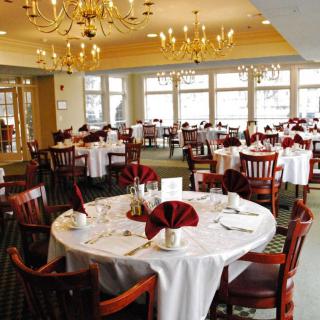
Many reviews describe the food as good or even excellent, and several call out the dining room experience as clean and restaurant-like. Residents also mention variety and daily activities tied to meals, including themed or holiday meals in some cases. A few reviews temper the praise by pointing to slow meal service or not enough servers, and one dining-related review focuses on an unacceptable conflict during a meal.
common17 reviews mention this
Activities help residents stay engaged
The community’s activity schedule is a frequent reason residents stay social.
Reviews repeatedly mention daily activities and events, including clubs, games, exercise options, and off-site outings. Several residents describe participating in programs they enjoy and meeting friends through shared activities. A few caveats appear as well: some reviews say the facility can feel busy or large, and one mentions needing more encouragement to acclimate to activities.
caveat5 reviews mention this
Memory care staffing concerns come up
Some memory care reviews describe care getting harder as staffing and ratios change.
While multiple memory care reviews praise the nurses and CNAs for kindness and competent care, several also express worry that staffing levels and ratios have decreased. Those concerns include CNAs and nurses covering too many responsibilities during meal and medication routines, plus experienced team members leaving. Other reviews say early care was better and that changes later led to reduced care, with families looking for alternatives.
differentiator7 reviews mention this
Pricing generally reads as value
Many families frame the overall cost as more reasonable than comparable options.
Several reviews say the pricing is reasonable or more affordable than other local senior living options, including for respite and longer stays. At the same time, not everyone agrees—one review says it can be expensive relative to the amount of daily activities, especially when more nursing care is needed. Overall, the community is presented as having pricing that can fit a range of needs, including add-on services.
common14 reviews mention this
Clean, hotel-like environment matters
Reviews frequently describe the building as clean and more like a hotel than a nursing home.
Many reviews comment on cleanliness and upkeep, including descriptions of the facility being spotless and well maintained. Multiple families also say the environment feels open and bright, with a hotel-like or resort feel in parts of the community. A few reviews include constraints—one says the facility felt too much like a hotel for their loved one, and others mention construction or remodeling during visits.
How we summarize
Counts show how many written reviews mention each theme; a review can touch several themes, and only frequently mentioned themes are displayed.
Features
Housing
56 resident community capacity
1-bedroom apartments
2-bedroom apartments
Studio apartments
Types of Care
Assisted Living
Independent Living
Memory Care
Skilled Nursing Facility
Pets
Cats allowed
Dogs allowed
Amenities
Activities off-site
Activities on-site
Air-conditioning
Bath tubs
Beautician on-site
Beauty salon
Cable or satellite TV
Computer center
Devotional services off-site
Devotional services on-site
Dining room
Fitness room
Full kitchen
Fully furnished
Gaming room
Garden
General store
Ground floor units
Guasts at mealtime
Guest parking
Housekeeping services
Indoor common areas
Kitchenette
Laundry
Move-in coordination
Outdoor common areas
Outdoor space
Overnight guests
Party space
Private bathrooms
Private cleaning services
Resident parking
Respite or short term stays offered
Restaurant-style dining
Small library
TV room
Telephone
VA Benefits Consultation
Wellness center
Wheelchair accessible showers
Wi-Fi/high-speed internet available
Transportation
Chicago O'Hare International (8 miles away)
Chicago Midway (23 miles away)
Community operated transportation
Transportation & parking
Transportation arrangement
Transportation arrangement (non-medical)
Care Services
12-16 hour nursing
24-hour call system
24-hour supervision
Activities of daily living assistance
Ambulatory care
Assistance with bathing
Assistance with dressing
Assistance with transfers
Coordination with health care providers
Dementia waiver
Diabetes diet
Diabetic care
High acuity care
Hospice care
Hospice waiver
Incontinence care
Meal preparation and service
Medication management
Mental wellness program
Mild cognitive impairment
Physical therapy
Special dietary restrictions
Specialized memory care programming
Transportation arrangement (medical)
Transportation to doctors appointments
Dining
Diabetes diet
Guest meals
International cuisine
Low / no sodium
Meals provided
No Sugar
Professional chef
Restaurant style dining
Room service
Special dietary restrictions
Special dining programs
Vegetarian
Activities
Activities off-site
Art classes
Arts and crafts
Book club
Catholic services
Community-sponsored activities
Concierge services
Cooking club
Day trips and outings
Devotional activities offsite
Devotional activities on-site
Educational speakers / life long learning
Fitness programs
Games
Gardening club
Happy hour
Karaoke
Live musical performances
Live well programs
Planned day trips
Protestant services
Religious services
Resident-run activities
Scheduled daily activities
Stories
Wii bowling
Wine tasting
Yoga / chair yoga
Languages Spoken
English
Spanish
Nearby Places of Interest
This area of Arlington Heights, Illinois offers a convenient and diverse range of amenities for seniors looking to settle in the community. With several reputable eye physicians and hospitals nearby, residents can easily access quality healthcare services. Additionally, there are numerous dining options such as Portillo's Hot Dogs, Culver's, Maggiano's, and more for those who enjoy dining out. For those who prefer a quiet afternoon at a cafe, there are several Starbucks locations in the vicinity. Nature lovers will appreciate the proximity to parks like Ned Brown Preserve and Lake Arlington for leisurely walks or picnics. The area also offers easy access to transportation options with the airport transit system nearby. Overall, this part of Arlington Heights provides a well-rounded and convenient living environment for seniors.
Physicians
Arlington Eye Physicians (0.1 miles)
Premier Eye Care & Surgery (6.1 miles)
Ferber, Stuart Nch Buffalo Grove Outpatient Care Center (6.3 miles)
Physicians Cosmetic Institute (7.3 miles)
Alexian Doctors Building 2 (7.4 miles)
Hospitals
NCH Northwest Community Hospital (0.3 miles)
Ascension Alexian Brothers - Behavioral Health Hospital (7.2 miles)
Alexian Brothers Women and Children's Hospital (7.4 miles)
In Church Creek, the pricing for various room types reflects a strategic advantage in affordability compared to both Cook County and the broader Illinois region. For instance, a studio apartment is priced at $3,000, which is notably lower than the county average of $3,762 and the state average of $4,028. Similarly, a one-bedroom unit at Church Creek costs $3,300, slightly above Cook County's rate of $3,256 but still more manageable than the state's average of $3,527. The two-bedroom option stands at $4,400; while this is comparable to Cook County's price of $4,412, it offers better value when viewed against Illinois' average of $4,208. Overall, Church Creek presents compelling options for residents seeking reasonable living expenses with varying needs.
Church Creek's comprehensive memory care services are designed to address the unique challenges faced by residents with dementia or Alzheimer's disease. The 24-hour supervision ensures a safe environment where residents receive constant support, promoting security and peace of mind for both them and their families. Assistance with activities of daily living, such as bathing, dressing, and transfers, helps maintain dignity while enabling independence as much as possible. Coordination with health care providers facilitates timely medical interventions, while incontinence care and meal preparation cater to specific physical needs. Medication management ensures adherence to prescribed treatments, minimizing confusion that can arise with cognitive impairment. Programs focused on mental wellness and specialized memory care programming engage residents actively, thereby enhancing their cognitive function and emotional well-being. Additionally, access to physical therapy fosters mobility and strength, which are crucial for overall health. Finally, transportation arrangements for medical appointments further ensure that residents have uninterrupted access to healthcare services essential for their condition.
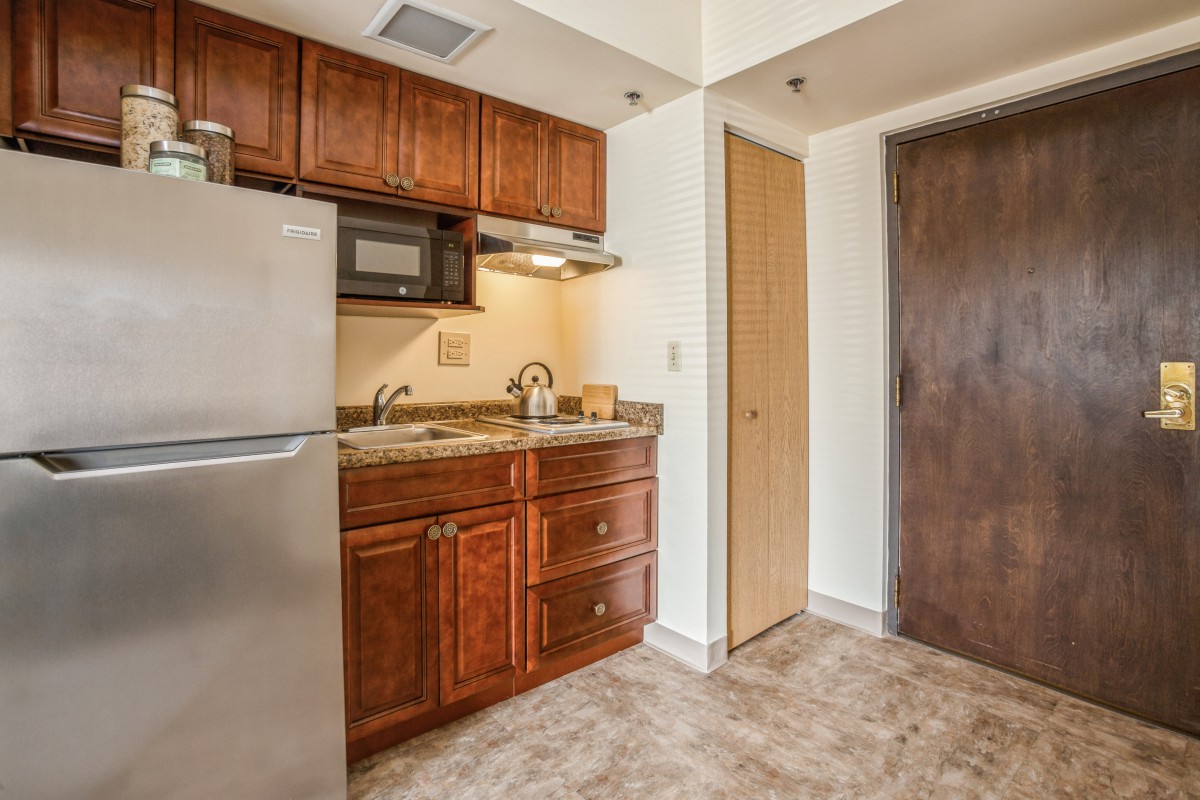
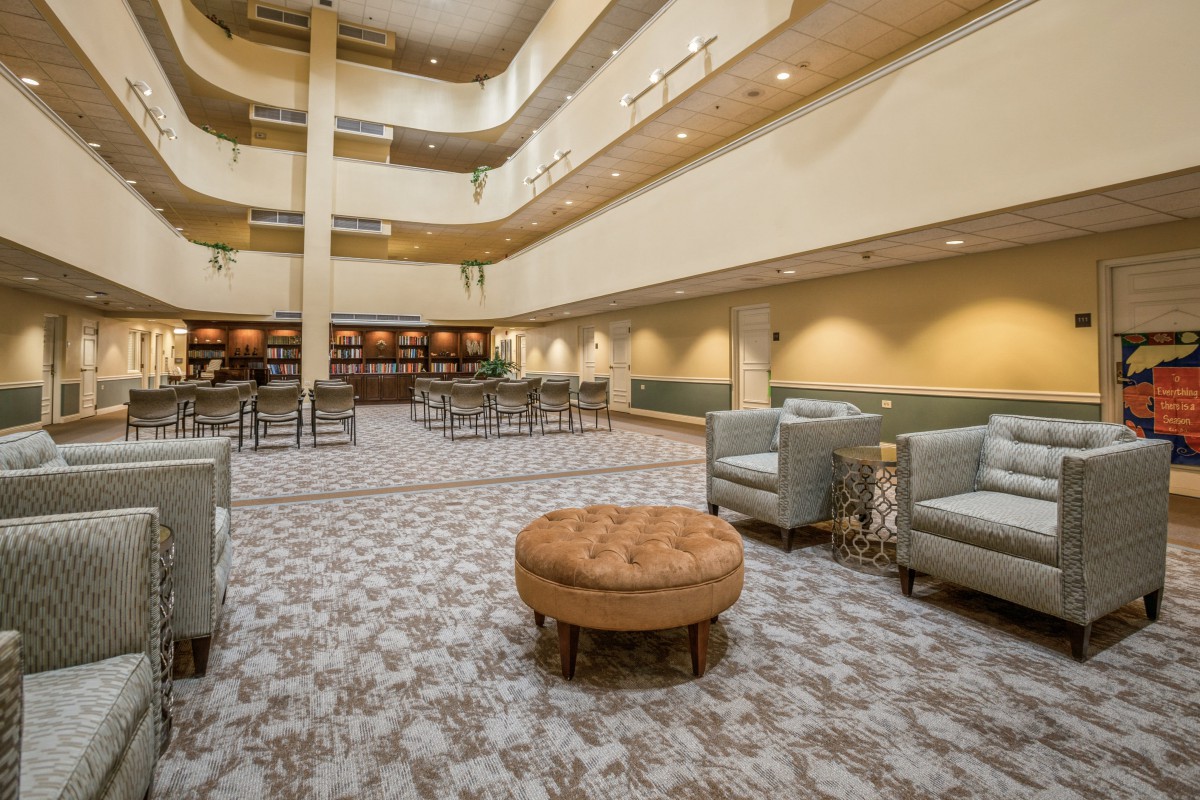
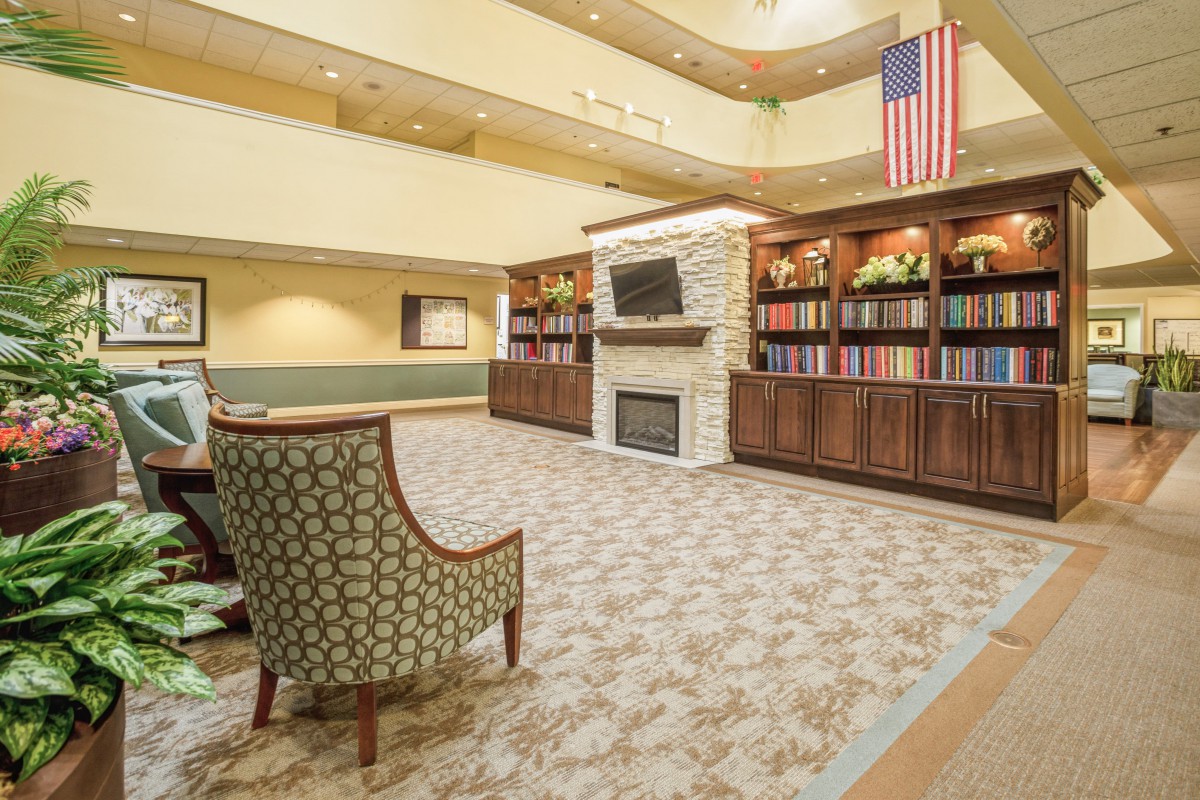
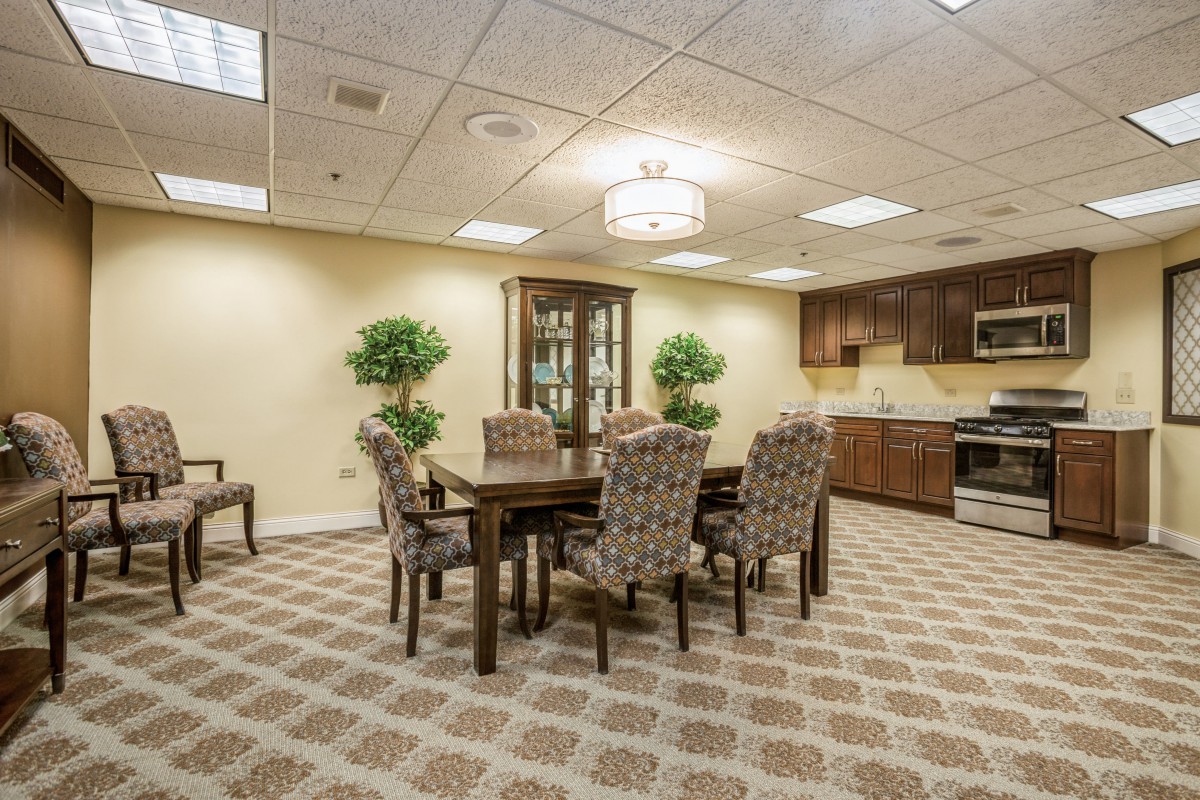
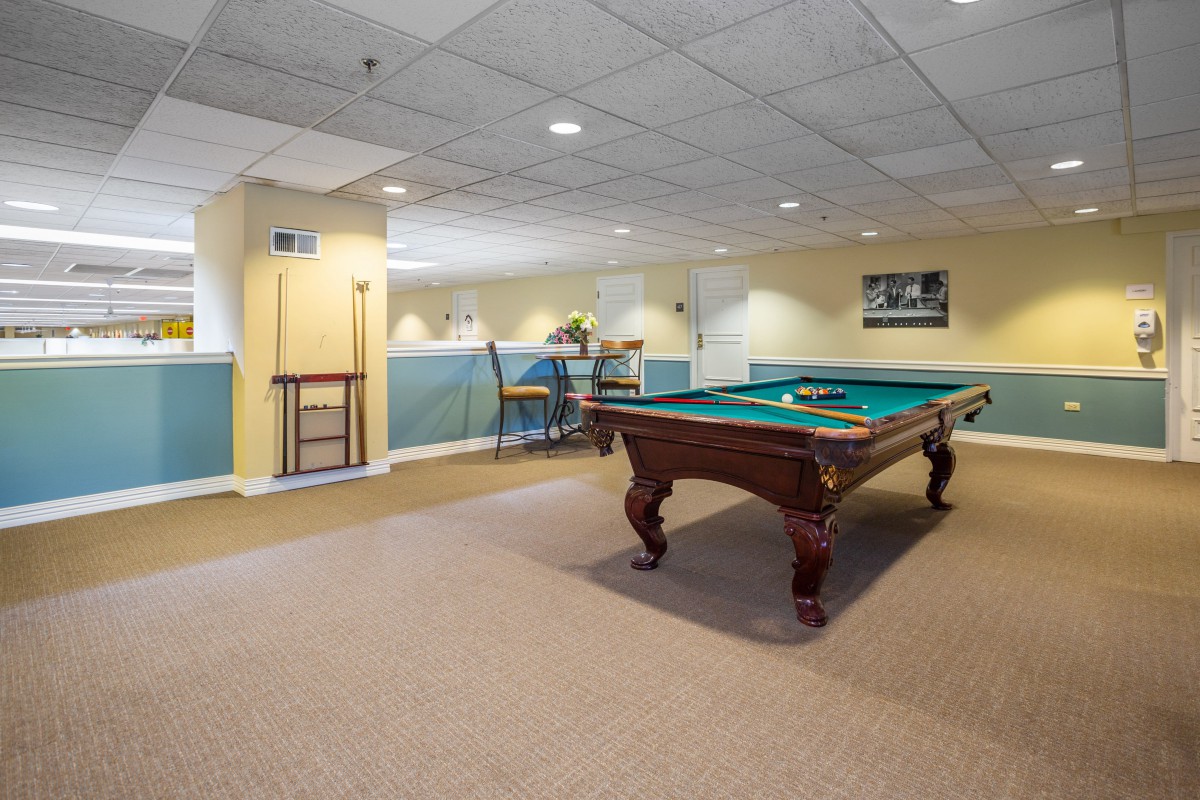
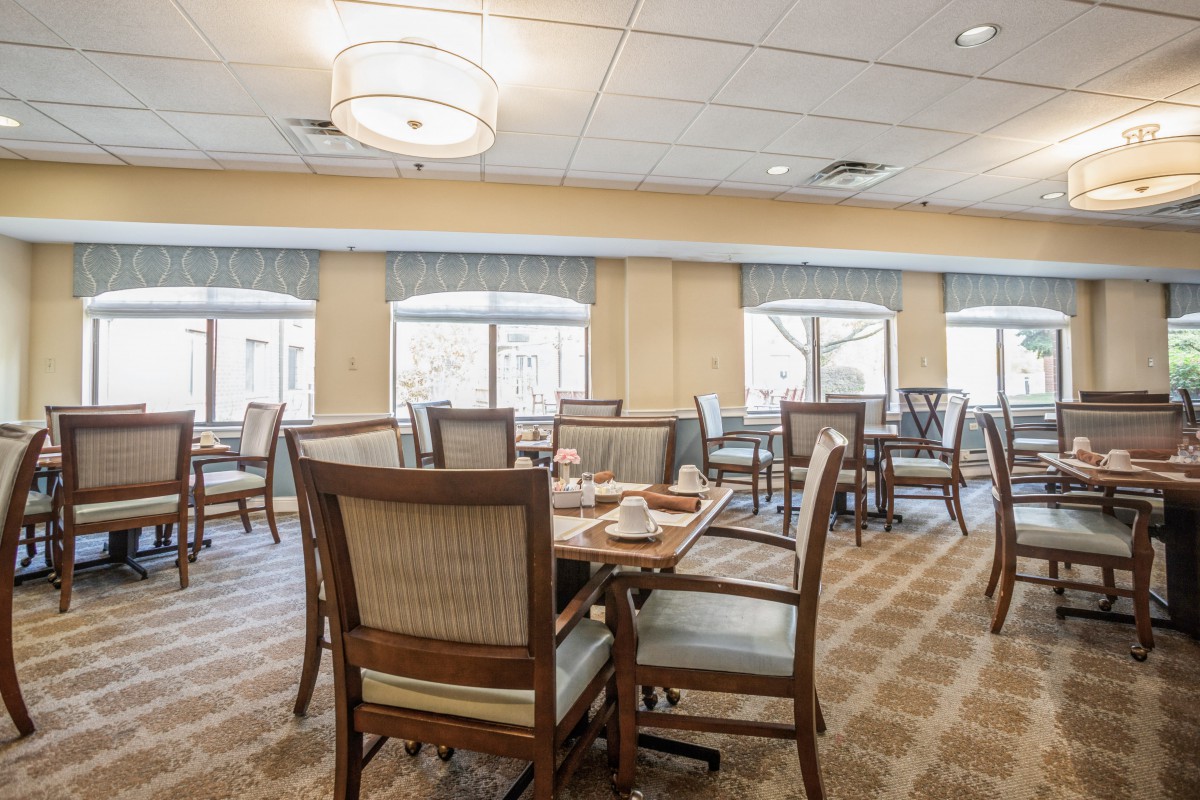
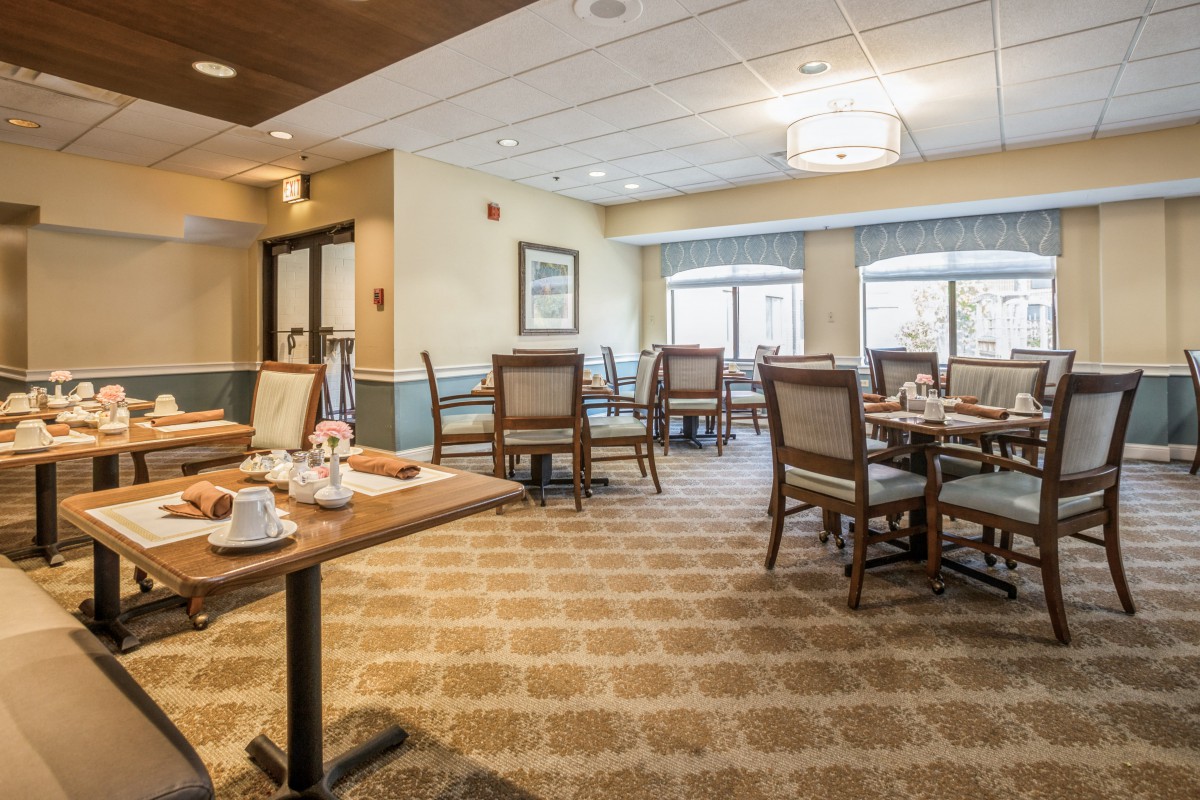
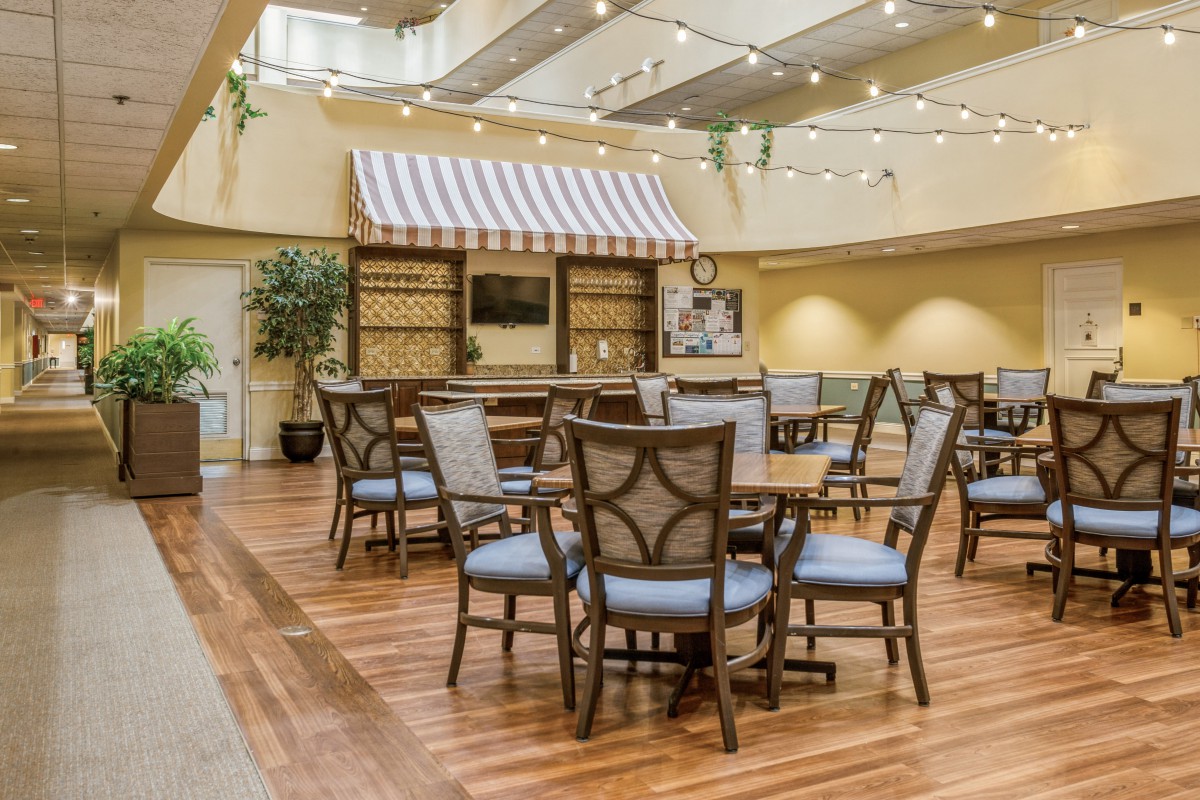
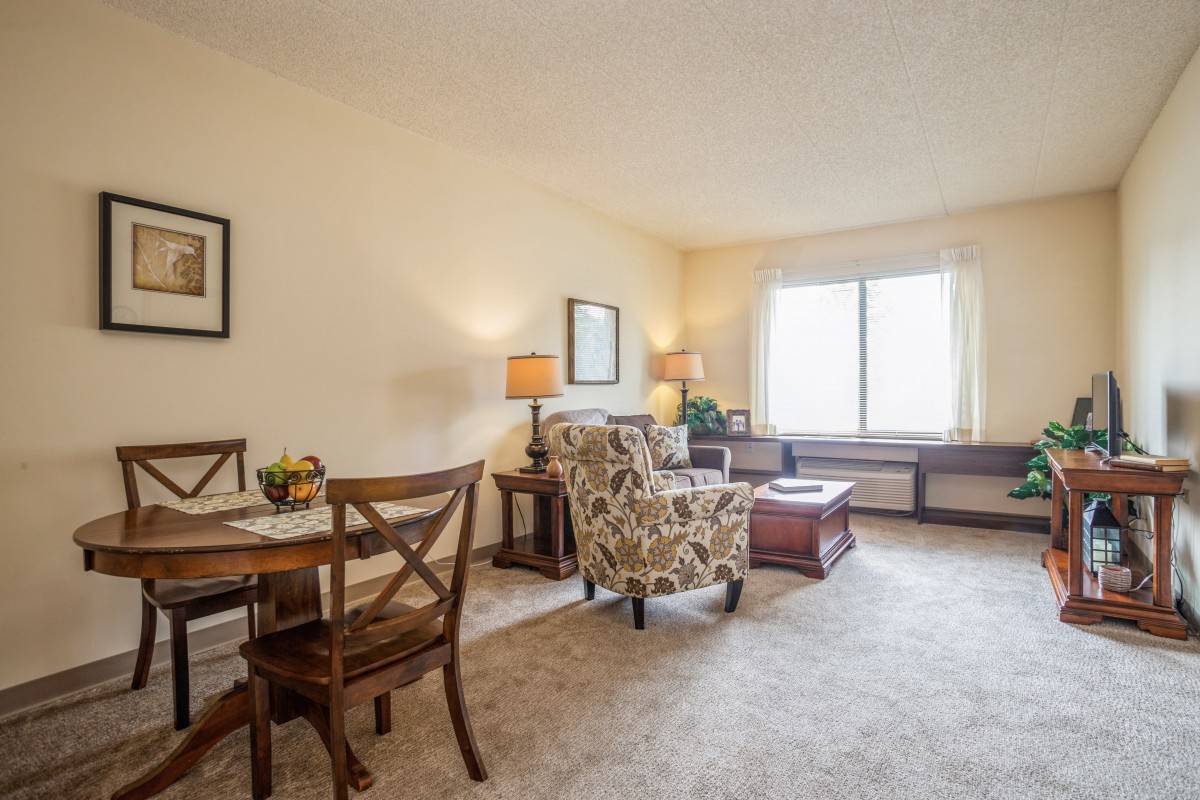
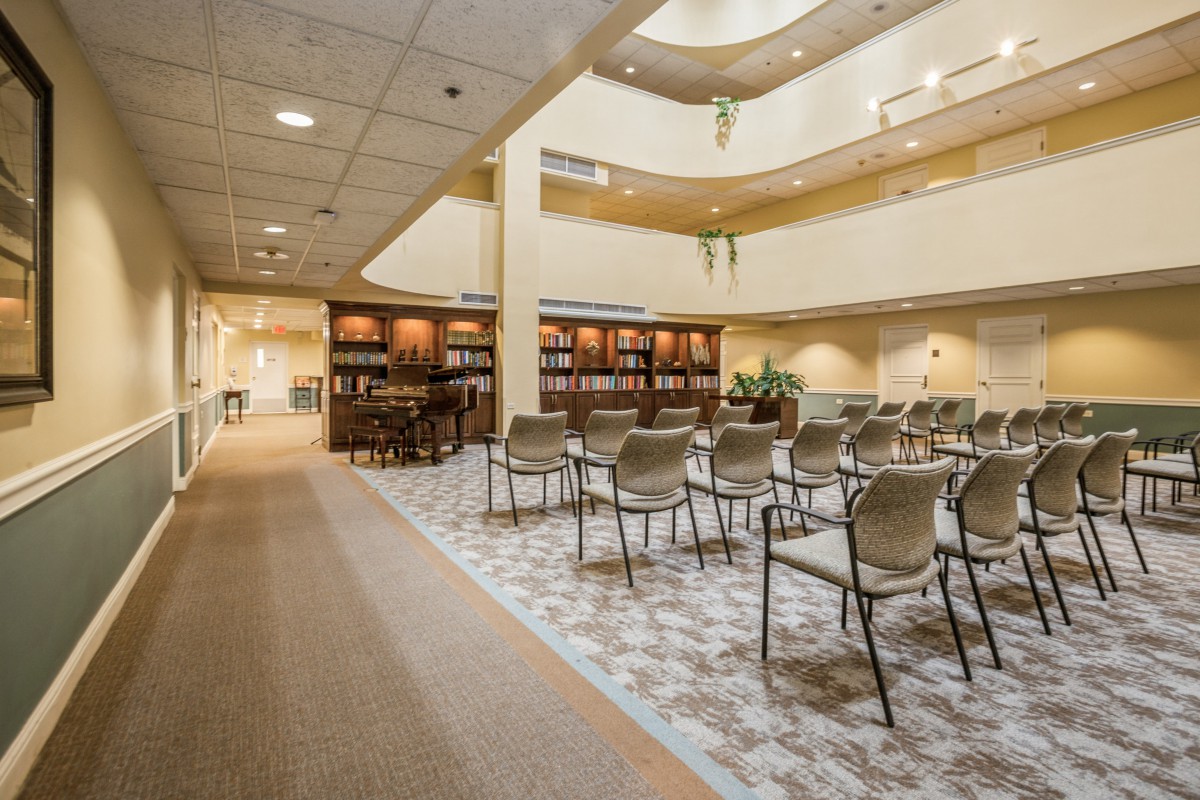
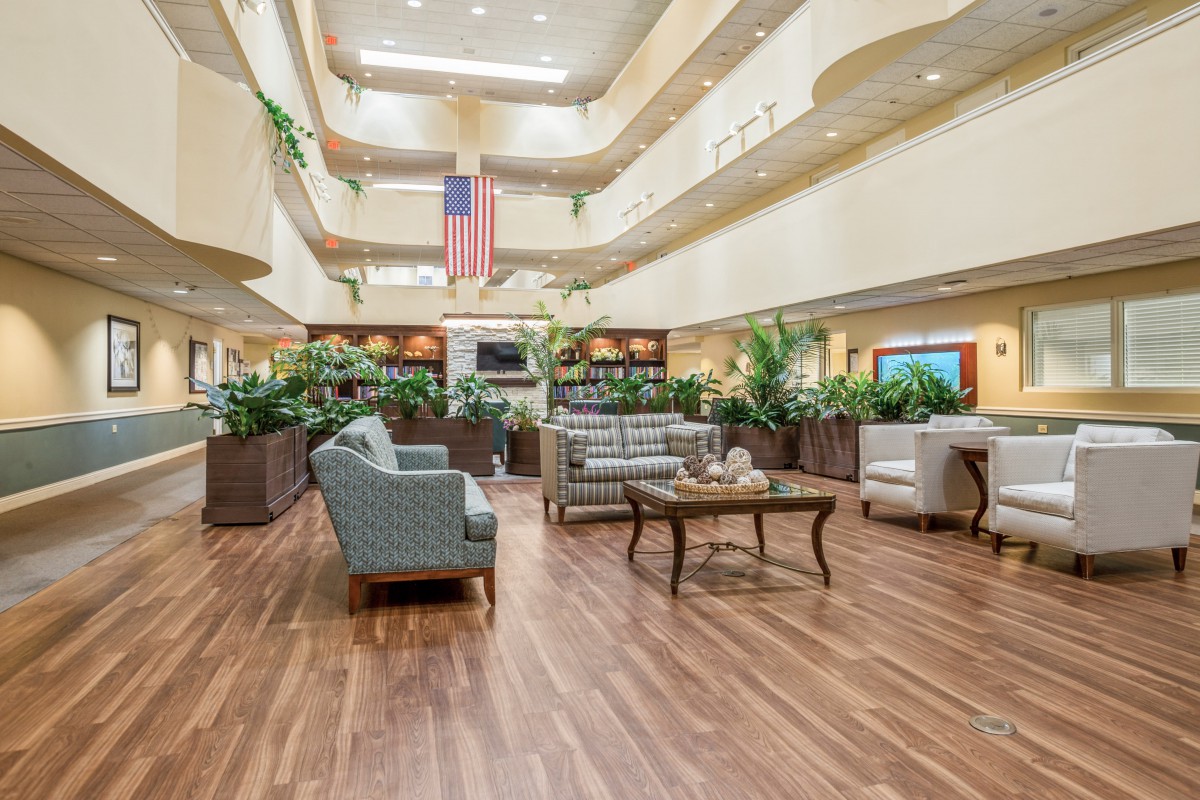
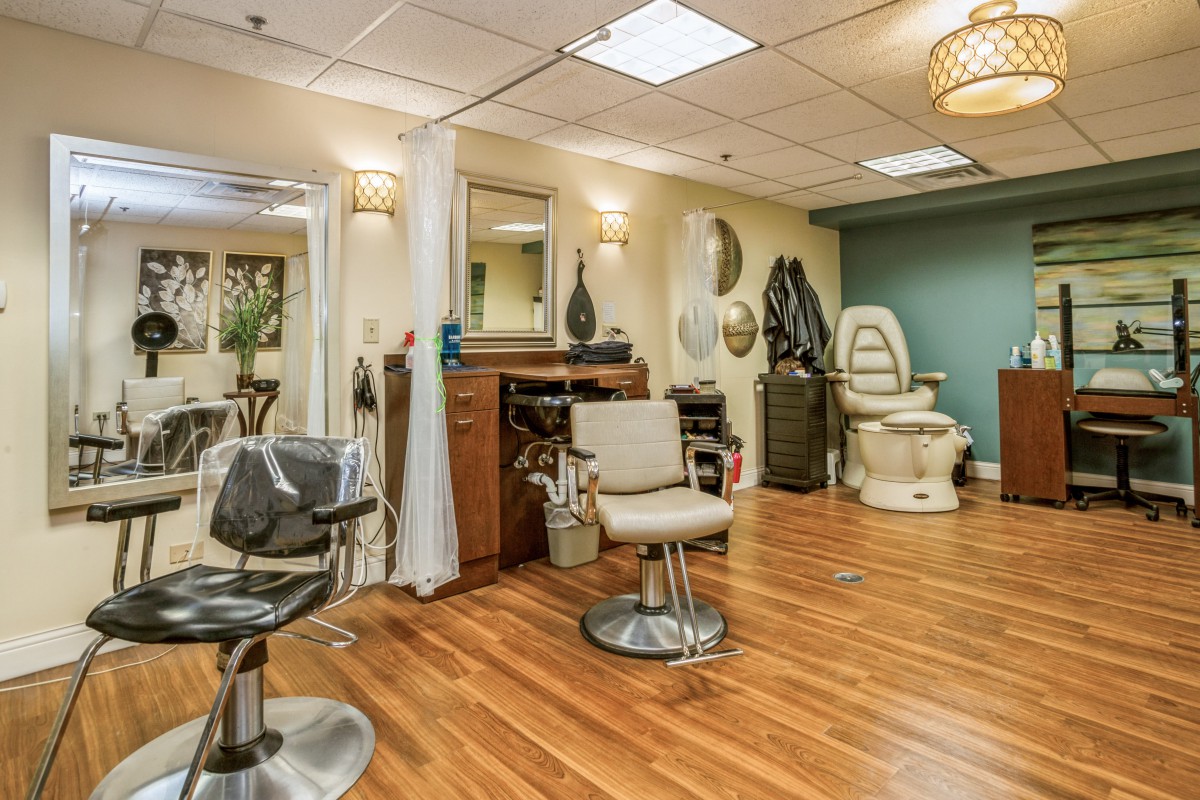
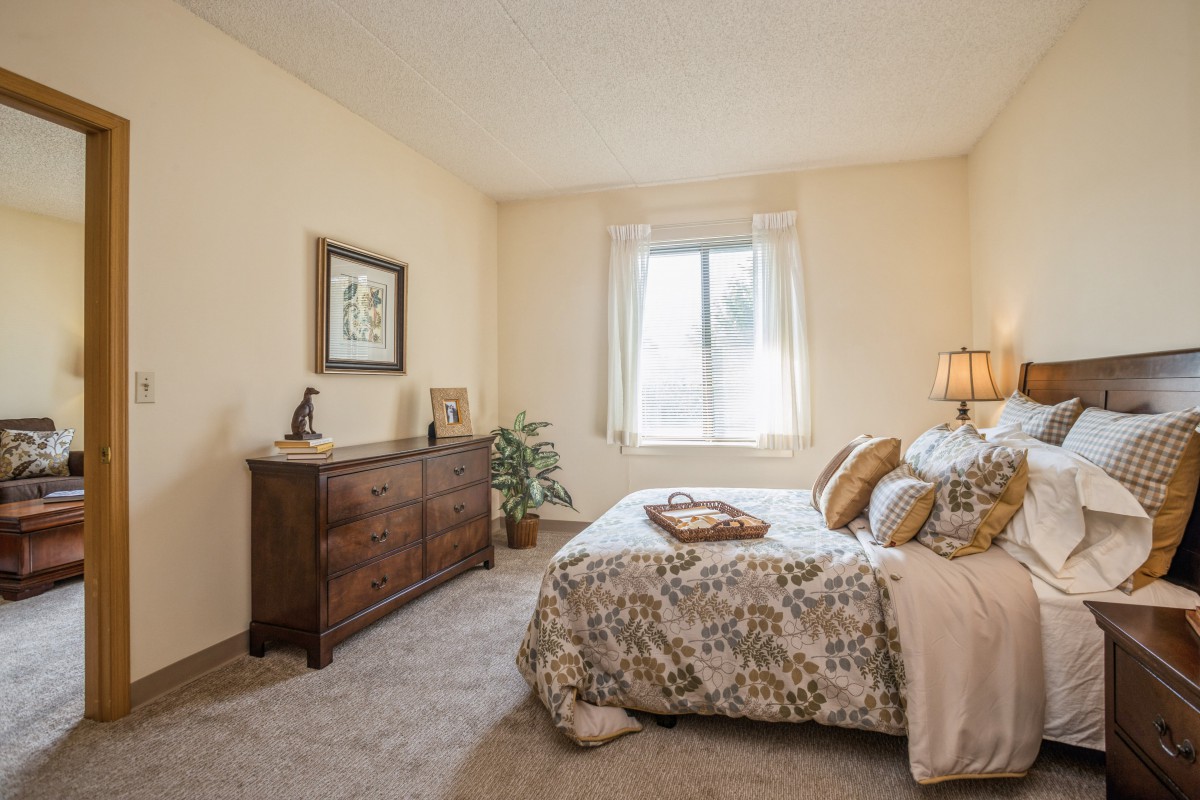
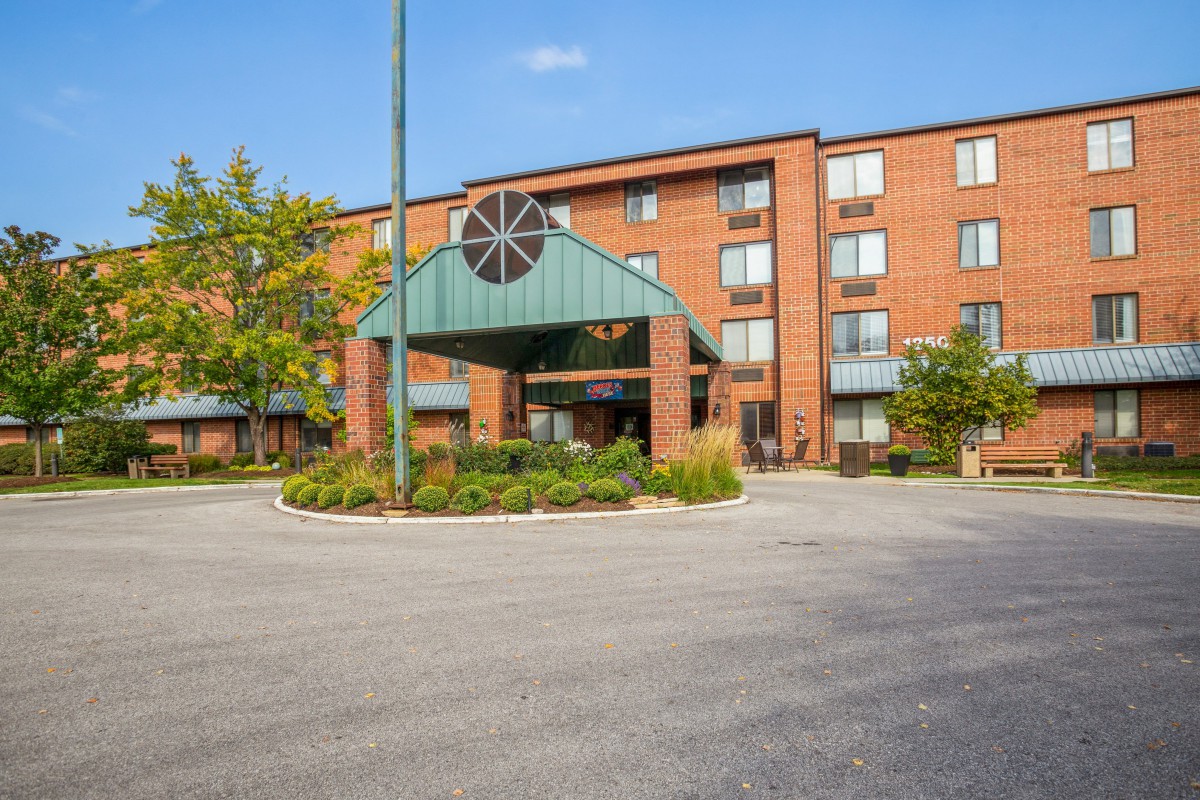
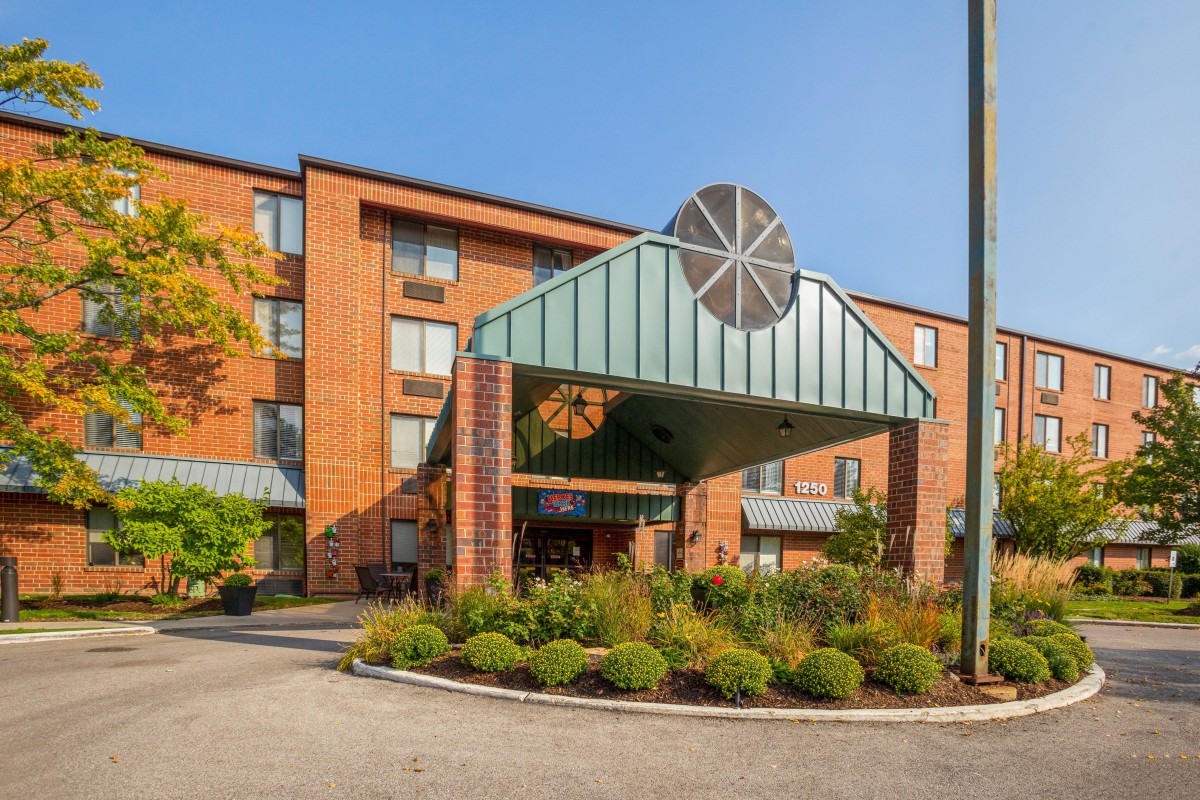
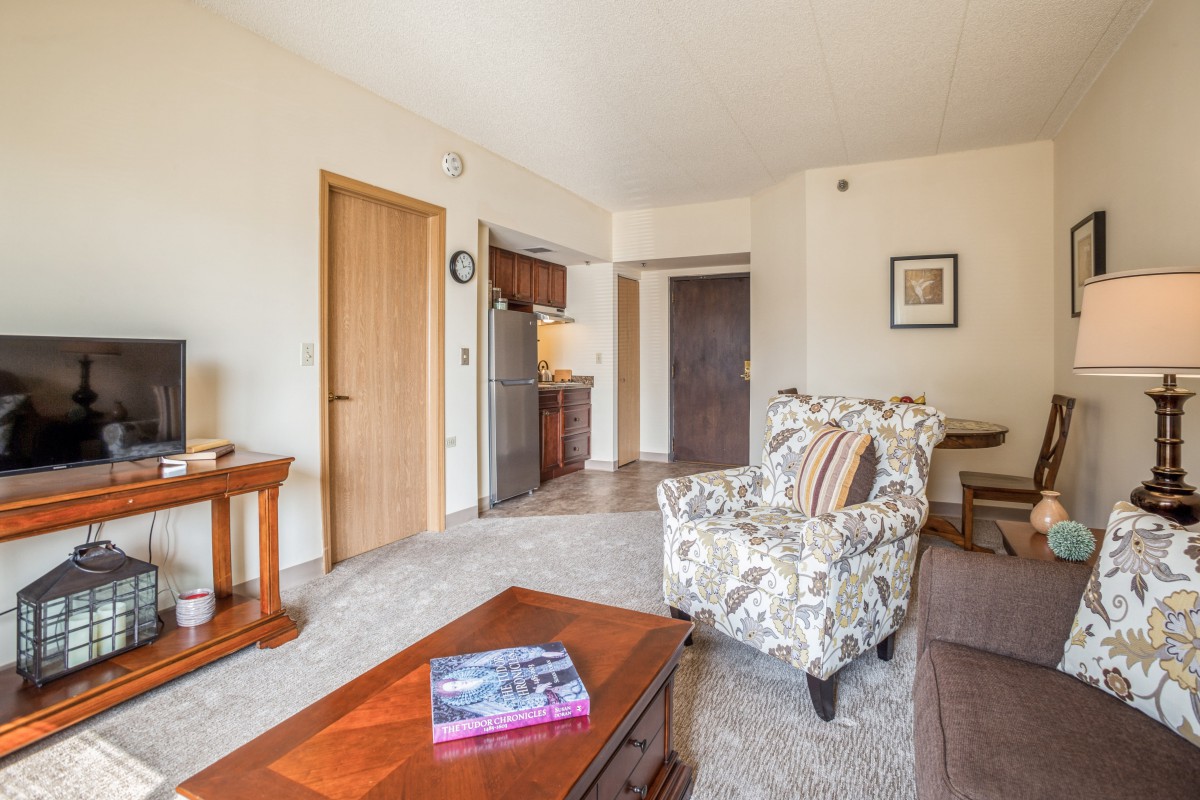
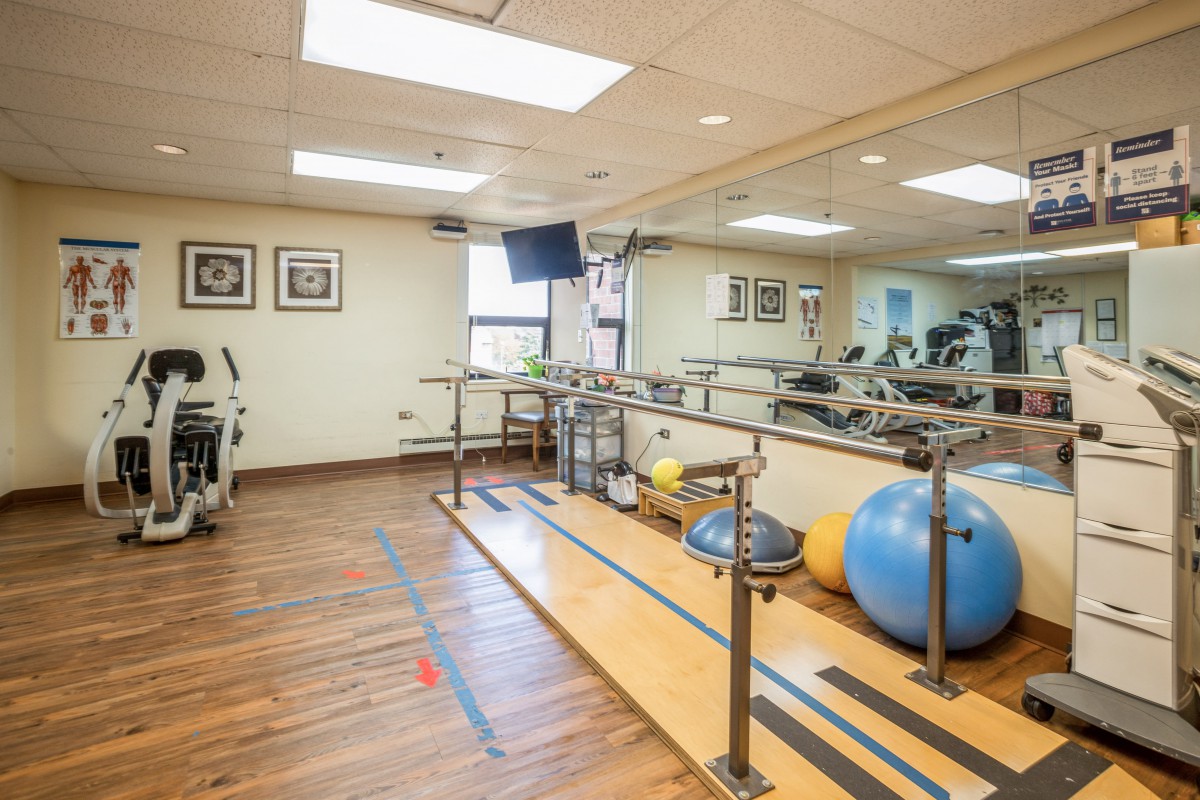
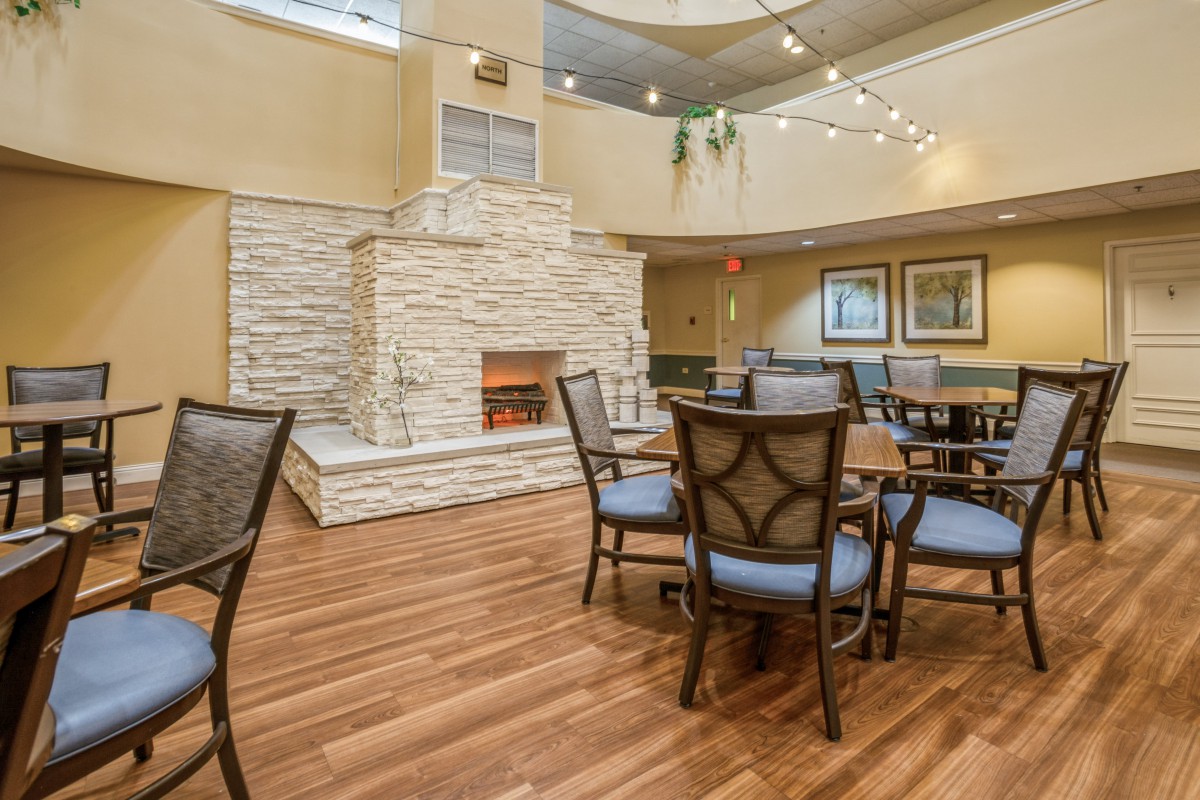
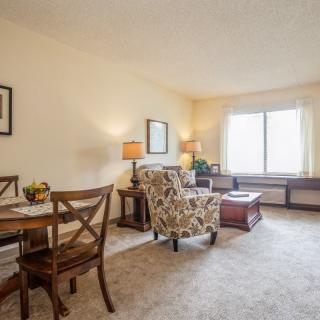
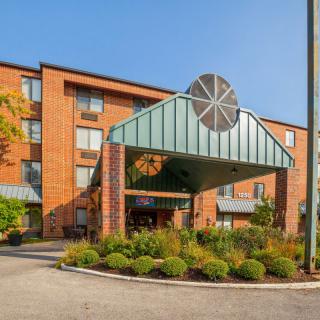
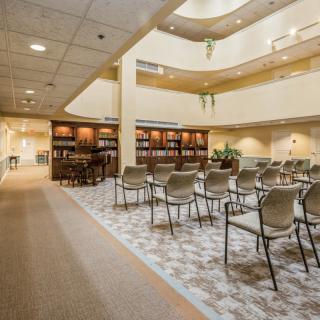
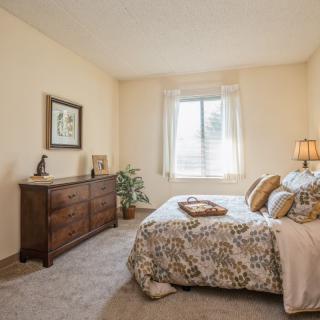
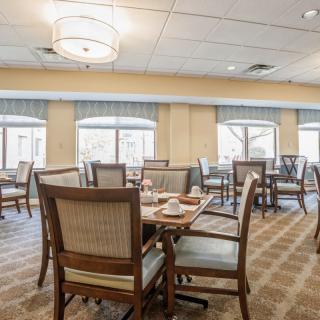
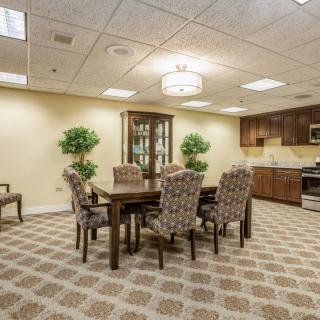
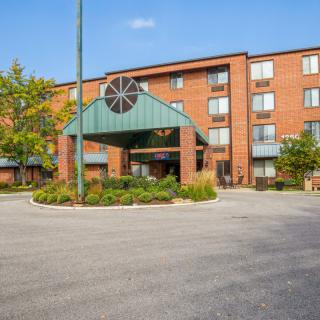
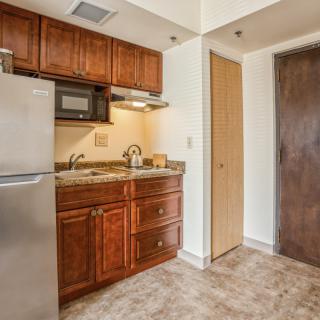
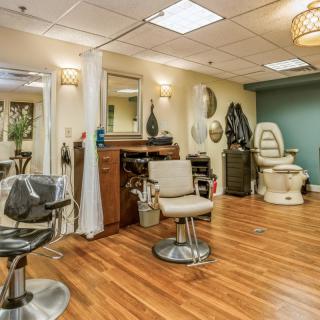
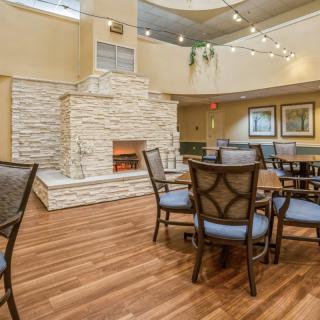
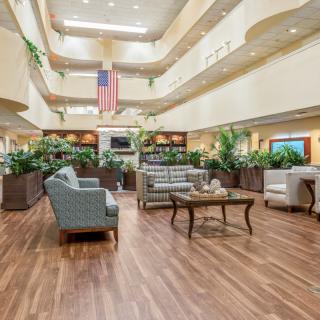
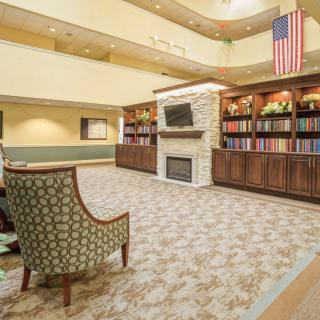
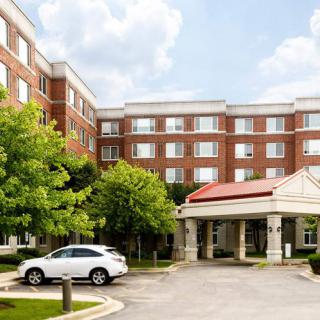
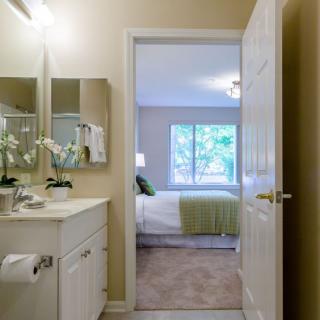
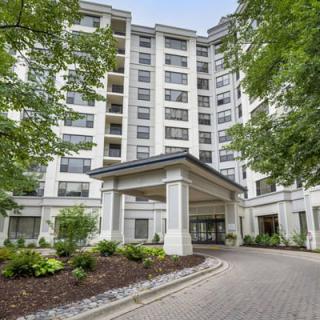
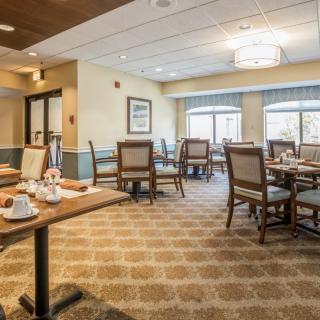
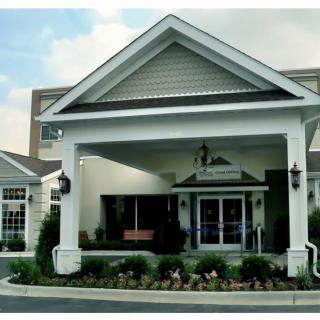
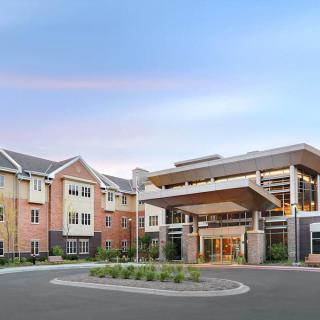
Church Creek on seniors.fyi includes 19 photos including images showing interior, dining, decor, windows, lobby, seating area, fireplace, billiards, and more.
Nearby Communities
Manorcare Of Arlington Heights
Arlington Hts, IL
4.3 from 49 reviews
$5,000 / month
Comprehensive amenities and 24/7 care.
Assisting Hands Home Care - Arlington Heights, IL
Arlington Heights, IL
4.9 from 54 reviews
Consistently courteous, dependable, and helpful service.
Plum Creek Supportive Living Community
Rolling Meadows, IL
4.3 from 64 reviews
$4,195 to $5,195 / month
Friendly, caring staff and a lively activity calendar create a welcoming, home-like atmosphere.
Plum Creek
Rolling Meadows, IL
4.5 from 35 reviews
Intimate setting with comprehensive care and robust amenities.
All-Ways Caring Svc Inc
Arlington Heights, IL
Convenient location with nearby amenities and hospital access.
Orsini Home Health Inc
Arlington Heights, IL
Excellent access to healthcare, dining, entertainment, and parks in a vibrant Arlington Heights area.
The Moorings of Arlington Heights
Arlington Heights, IL
4.3 from 85 reviews
$2,760 to $3,800 / month
Knowledgeable staff and a pleasant environment with engaging activities.
Lutheran Home
Arlington Heights, IL
3.9 from 145 reviews
$6,778 to $9,132 / month
Private rooms with dignity-focused memory care and engaging activities.
Transitioning from assisted living to memory care is driven by an individual's cognitive decline and specific needs, requiring careful evaluation of indicators like increased confusion and wandering. The process involves consulting medical professionals, researching suitable communities, considering financial and legal aspects, and ensuring effective communication for personalized care plans.
The article differentiates between assisted living and memory care, explaining that assisted living supports seniors with daily activities while promoting independence, whereas memory care provides specialized services for individuals with dementia, focusing on secure environments and cognitive support. It also addresses staff training, safety considerations, costs, family involvement, and transition strategies for families navigating these care options.
The article outlines effective communication strategies for interacting with loved ones with dementia, highlighting the need for empathy, patience, and understanding while emphasizing supportive approaches like using simple language, minimizing distractions, and focusing on feelings over facts to maintain dignity and foster connection. It also suggests seeking professional guidance when needed as communication challenges evolve.
Get PricingAsk A QuestionSchedule A TourContact Senior Advisor
By clicking submit, you agree to our Partner's Terms of Use. You
also consent to receive calls and texts, which may be autodialed, from our Partner. Your consent is not a condition to
using our Partner's service. Please visit our Partner's Privacy Policy for information about their privacy practices.





 56 resident community capacity
 1-bedroom apartments
 Assisted Living
 Independent Living
 Memory Care
 Skilled Nursing Facility
 Cats allowed
 Dogs allowed
 Activities off-site
 Air-conditioning
 Bath tubs
 Beautician on-site
 Cable or satellite TV
 Computer center
 Devotional services off-site
 Dining room
 Fitness room
 Full kitchen
 Fully furnished
 Gaming room
 Garden
 General store
 Ground floor units
 Guest parking
 Housekeeping services
 Indoor common areas
 Laundry
 Move-in coordination
 Outdoor common areas
 Overnight guests
 Party space
 Private bathrooms
 Respite or short term stays offered
 Restaurant-style dining
 Small library
 Telephone
 VA Benefits Consultation
 Wellness center
 Wheelchair accessible showers
 Wi-Fi/high-speed internet available
 Chicago O'Hare International (8 miles away)
 Community operated transportation
 12-16 hour nursing
 24-hour call system
 Ambulatory care
 Assistance with bathing
 Assistance with dressing
 Assistance with transfers
 Diabetes diet
 Diabetic care
 High acuity care
 Hospice care
 Incontinence care
 Medication management
 Mental wellness program
 Physical therapy
 Special dietary restrictions
 Transportation arrangement (medical)
 Art classes
 Book club
 Catholic services
 Concierge services
 Cooking club
 Day trips and outings
 Educational speakers / life long learning
 Games
Games Happy hour
 Karaoke
 Live musical performances
 Wii bowling
 Wine tasting
 English
 Comprehensive amenities and 24/7 care.

 When to Transition from Assisted Living to Memory Care: Key Indicators, Steps, and Finding the Right Community
 Understanding the Distinctions: Assisted Living and Memory Care Explained
 How to Communicate with a Loved One Living with Dementia: 10 Supportive Strategies