Lutheran Home offers a range of housing options with costs that are notably higher than both the county and state averages. For example, a studio room at Lutheran Home is priced at $6,778 per month, significantly exceeding Cook County's average of $3,762 and Illinois' average of $4,028. Similarly, the one-bedroom unit at Lutheran Home costs $8,151, contrasting sharply with Cook County's rate of $3,256 and Illinois' statewide average of $3,527. The two-bedroom accommodations follow this trend, listed at $9,132 compared to Cook County's more affordable rate of $4,412 and Illinois' average of $4,208. These figures highlight a distinct premium associated with living at Lutheran Home, suggesting a focus on enhanced services or amenities in comparison to other local facilities.
Floor plans
Lutheran Home
Cook County
Illinois
Studio
$6,778
$3,762
$4,028
1 Bedroom
$8,151
$3,256
$3,527
2 Bedrooms
$9,132
$4,412
$4,208
Skilled Nursing Facilities with a similar price nearby
Residents and families repeatedly describe staff as caring and supportive.
Across many reviews, residents and families say the staff treats people with kindness and provides help that makes recovery and day-to-day life feel more manageable. Multiple reviewers specifically mention nurses, CNA support, and therapists taking time with needs, answering questions, and encouraging progress. Some reviews also contrast that with moments when staffing or responsiveness felt insufficient, but even then they often acknowledge that certain individual caregivers were attentive.
differentiator22 reviews mention this
Rehab and therapy get praised
Rehabilitation and therapy are a frequent reason people recommend this community.
A significant number of reviews highlight physical and occupational therapy as a key part of their experience, often describing therapists as knowledgeable, motivating, and focused on individual progress. Several people connect the therapy experience to meaningful functional gains, improved mobility, or a quicker path toward discharge. A smaller set of reviews takes the opposite view, describing minimal rehab or delays, but the overall pattern in the reviews emphasizes therapy engagement.
caveat18 reviews mention this
Food quality is mixed
Dining reviews range from “varied and tasty” to “not desirable” or cold.
Some reviewers are pleasantly surprised by the food, describing it as good, varied, and even impressive, with options to order from a regular menu. Others report problems such as food not being desirable, arriving cold, or feeling unappetizing. While the community offers restaurant-style dining and multiple diet-related dining options, reviews still vary widely in how meals land day to day.
common27 reviews mention this
Clean, organized environment
Residents frequently describe the facility as clean and well maintained.
Many reviews mention cleanliness and upkeep, often saying rooms and common areas are kept clean and the facility feels organized. Several families describe private rooms or suites and note that accommodations feel comfortable and maintained. A smaller set of reviews complains about neglect-related issues, but the majority of comments point to a tidy, well-kept environment.
caveat23 reviews mention this
Staffing and communication concerns
Some families report long waits, poor communication, or inconsistent help.
A recurring theme in the less favorable reviews is understaffing and the resulting experience—such as call buttons not being answered quickly, limited assistance during nights, or delays with basic needs. Several reviewers also mention communication breakdowns, including confusion around medication or discharge planning and difficulty getting in touch with leadership. Even reviewers who are generally positive sometimes add that staffing levels can affect responsiveness at certain times.
common10 reviews mention this
Private rooms support dignity
Private-room housing is repeatedly mentioned as a meaningful benefit.
Multiple reviews highlight the importance of private rooms, including people who appreciate having their own space during rehab or long-term stays. Families also mention private bathroom setup and describe rooms as clean and well cared for. In the negative reviews, criticisms tend to focus more on staffing and responsiveness than on the room setup itself.
How we summarize
Counts show how many written reviews mention each theme; a review can touch several themes, and only frequently mentioned themes are displayed.
Features
Housing
100 resident community capacity
1-bedroom apartments
2-bedroom apartments
Studio apartments
Types of Care
Assisted Living
Day Program
Memory Care
Skilled Nursing Facility
Pets
Cats allowed
Dogs allowed
Amenities
Activities off-site
Activities on-site
Air-conditioning
Beautician on-site
Beauty salon
Cable or satellite TV
Cafe
Computer center
Devotional services off-site
Devotional services on-site
Dining room
Fitness room
Fully furnished
Gaming room
Garden
General store
Ground floor units
Guasts at mealtime
Guest parking
Home sale assistance
Housekeeping services
Indoor common areas
Kitchenette
Laundry
Move-in coordination
Outdoor common areas
Outdoor space
Overnight guests
Party space
Private bathrooms
Resident parking
Respite or short term stays offered
Restaurant-style dining
Small library
Spa
TV room
Telephone
Wellness center
Wheelchair accessible showers
Wi-Fi/high-speed internet available
Transportation
Chicago O'Hare International (9 miles away)
Chicago Midway (25 miles away)
Community operated transportation
Transportation & parking
Transportation arrangement
Transportation arrangement (non-medical)
Transportation to doctors appointments
Care Services
12-16 hour nursing
24-hour call system
24-hour supervision
Activities of daily living assistance
Assistance with bathing
Assistance with dressing
Assistance with transfers
Companion care
Diabetes diet
Diabetic care
Hospice care
Incontinence care
Meal preparation and service
Medication management
Mental wellness program
Mild cognitive impairment
Personal care assistants
Physical therapy
Psychiatric care
Special dietary restrictions
Specialized memory care programming
Dining
Diabetes diet
Gluten-free
Guest meals
Kosher
Low / no sodium
Meals provided
No Sugar
Professional chef
Restaurant style dining
Room service
Special dietary restrictions
Special dining programs
Vegan
Vegetarian
Activities
Activities off-site
Arts and crafts
Book club
Catholic services
Community-sponsored activities
Concierge services
Cooking classes
Cooking club
Day trips and outings
Devotional activities offsite
Devotional activities on-site
Educational speakers / life long learning
Fitness programs
Games
Gardening club
Karaoke
Live musical performances
Live well programs
Other religious services
Planned day trips
Religious services
Resident-run activities
Scheduled daily activities
Stories
Visiting Rabbi
Visiting chaplain or priest
Nearby Places of Interest
This part of Arlington Heights, Illinois offers a convenient and accessible location with a variety of amenities nearby. With multiple pharmacies in close proximity, access to healthcare services is readily available. Additionally, there are numerous dining options including popular chains such as Raising Cane's Chicken Fingers and Olive Garden, as well as local favorites like Photo's Hotdogs. Several places of worship are also within reach for spiritual fulfillment. Nearby parks provide opportunities for relaxation and outdoor activities, while various hospitals and physicians offer quality healthcare services. Transportation options include the Metra for easy travel to neighboring areas. Overall, this area provides a well-rounded and comfortable living environment suitable for seniors looking for a vibrant community with accessible amenities.
Pharmacies
Walgreens (1 miles)
Walgreens (1.6 miles)
Walgreens (2.4 miles)
Walgreens (2.9 miles)
CVS Pharmacy (3.4 miles)
Walgreens (3.6 miles)
Walgreens (3.7 miles)
Restaurants
Raising Cane's Chicken Fingers (1.1 miles)
McDonald's (1.2 miles)
Olive Garden (1.3 miles)
Culver's (2.4 miles)
Photo's Hotdogs (2.5 miles)
Mariano's Fresh Market (2.6 miles)
Restaurant.com (2.9 miles)
Places of Worship
St Thomas Of Villanova (1.7 miles)
St Hubert Church (6.2 miles)
Willow Creek Community Church (7.3 miles)
St Francis de Sales Parish (8.3 miles)
Parks
Lake Arlington (2 miles)
Ned Brown Preserve (3.5 miles)
Olympic Park (5.6 miles)
Abrahamsen Park (6.5 miles)
Fabbrini Park (6.6 miles)
South Park (7.8 miles)
Cuba Marsh Forest Preserve (7.8 miles)
Hospitals
NCH Northwest Community Hospital (2 miles)
Glenbrook Hospital (7.2 miles)
Ascension Alexian Brothers - Behavioral Health Hospital (8 miles)
Alexian Brothers Women and Children's Hospital (8.2 miles)
St Alexius Medical Center (8.4 miles)
Physicians
Arlington Eye Physicians (2.1 miles)
Premier Eye Care & Surgery (4 miles)
Ferber, Stuart Nch Buffalo Grove Outpatient Care Center (4.4 miles)
Stuart Bergman-Bock MD - Northshore University Health Systems (6.9 miles)
Lutheran Home offers a range of housing options with costs that are notably higher than both the county and state averages. For example, a studio room at Lutheran Home is priced at $6,778 per month, significantly exceeding Cook County's average of $3,762 and Illinois' average of $4,028. Similarly, the one-bedroom unit at Lutheran Home costs $8,151, contrasting sharply with Cook County's rate of $3,256 and Illinois' statewide average of $3,527. The two-bedroom accommodations follow this trend, listed at $9,132 compared to Cook County's more affordable rate of $4,412 and Illinois' average of $4,208. These figures highlight a distinct premium associated with living at Lutheran Home, suggesting a focus on enhanced services or amenities in comparison to other local facilities.
The comprehensive features offered by Lutheran Home are essential in addressing the unique needs of residents with dementia or Alzheimer's disease. Around-the-clock supervision ensures a safe environment, while personalized assistance with activities of daily living, such as bathing and dressing, helps maintain dignity and promotes independence. These services are complemented by support during transfers and incontinence care, allowing for comfort and security throughout daily routines. Thoughtful meal preparation and service cater to nutritional needs, alongside medication management that ensures adherence to necessary treatments. The implementation of a mental wellness program stimulates cognitive function, which is vital for individuals experiencing mild cognitive impairment. Additionally, physical therapy enhances mobility and overall health, while specialized memory care programming focuses on activities that fortify cognitive skills and emotional well-being. Together, these features create a holistic approach that fosters quality of life for residents navigating the challenges of memory loss.
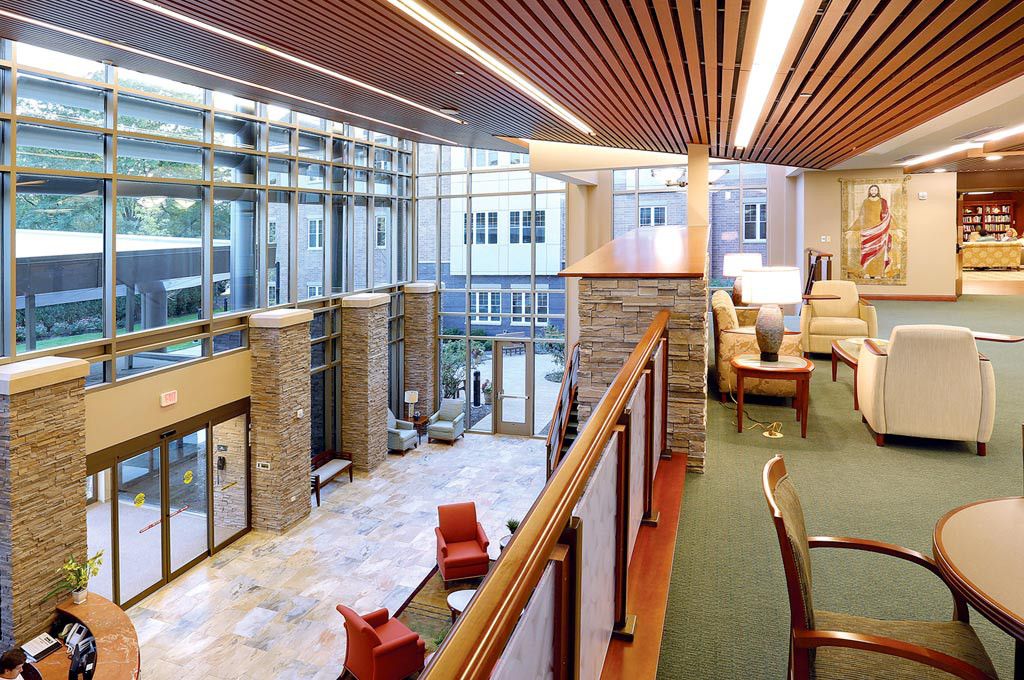
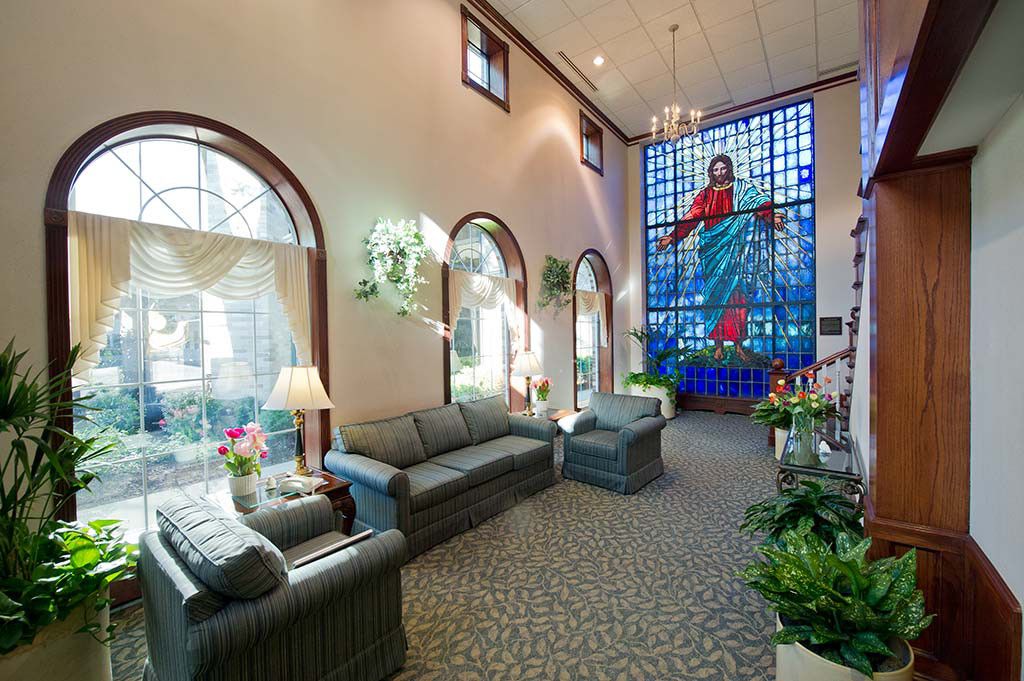
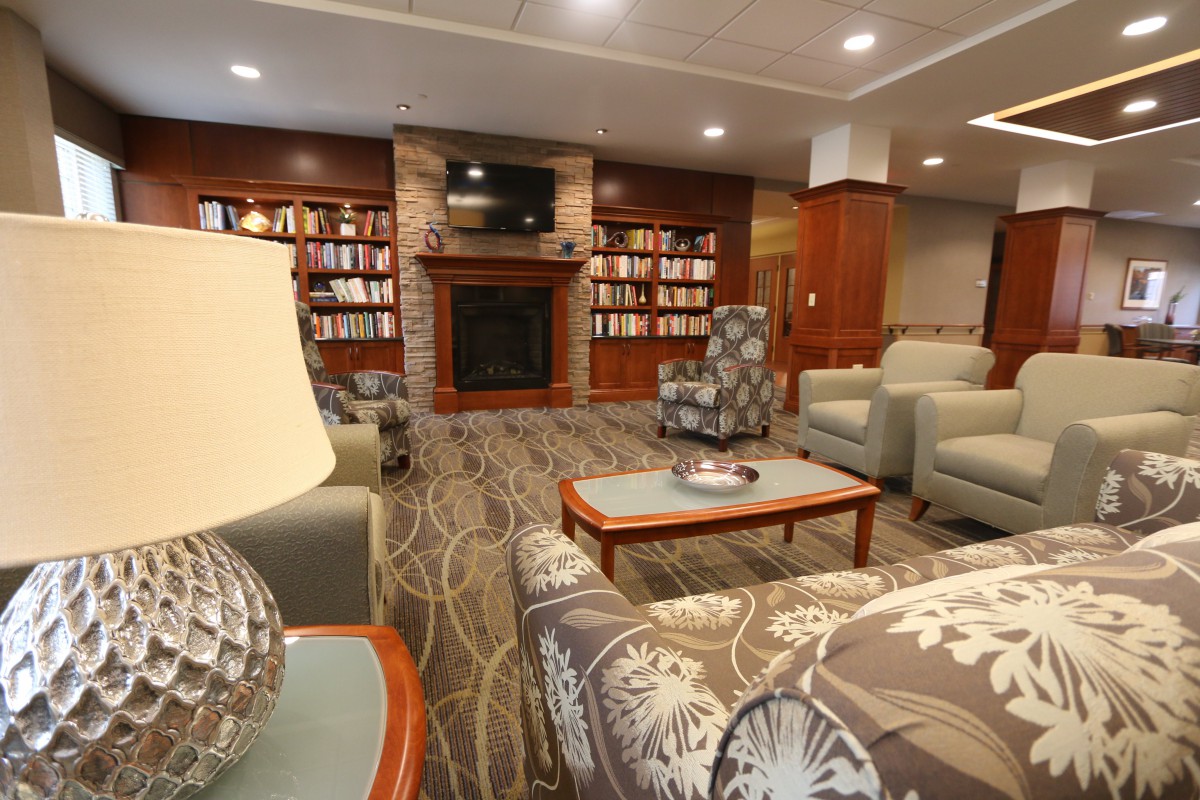
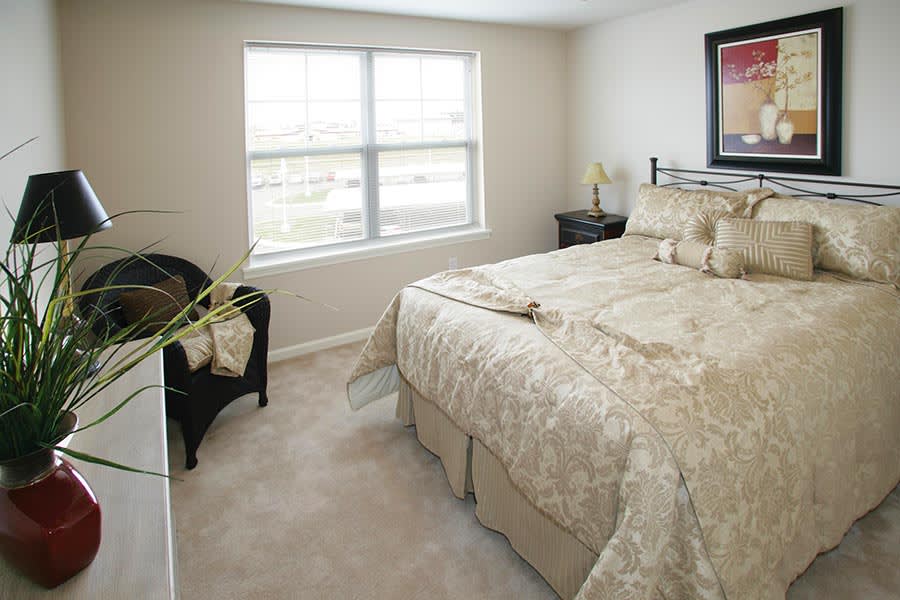
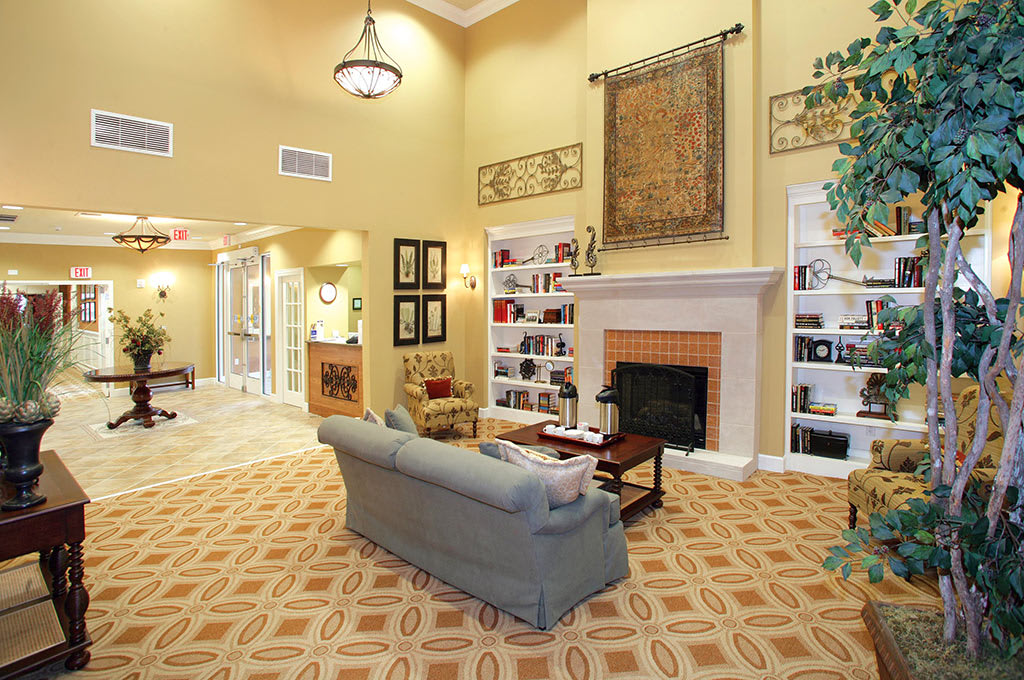
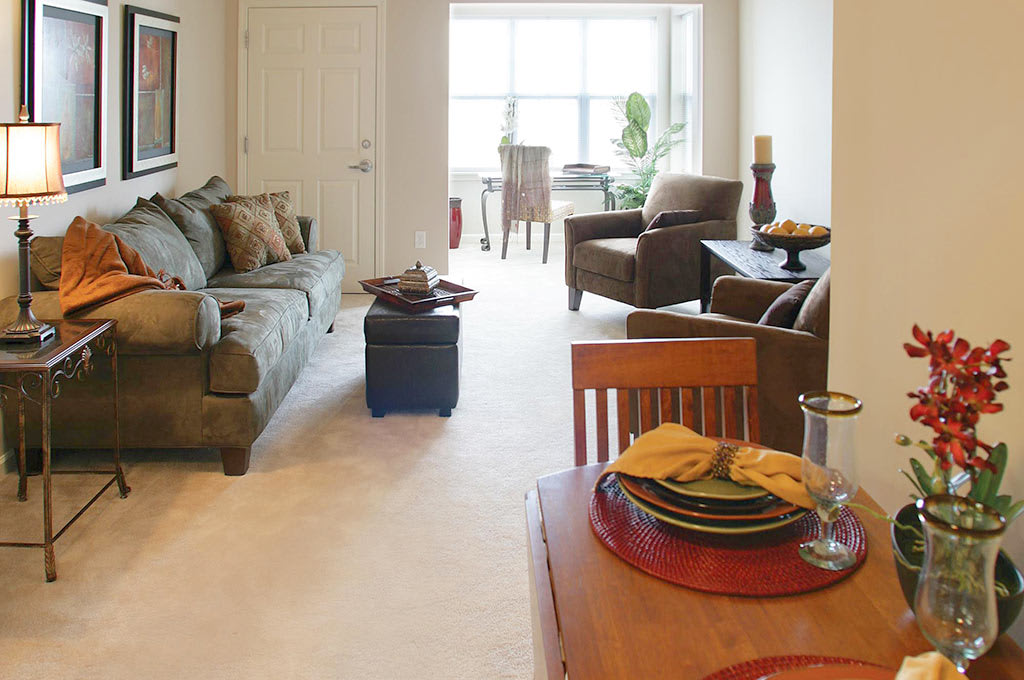
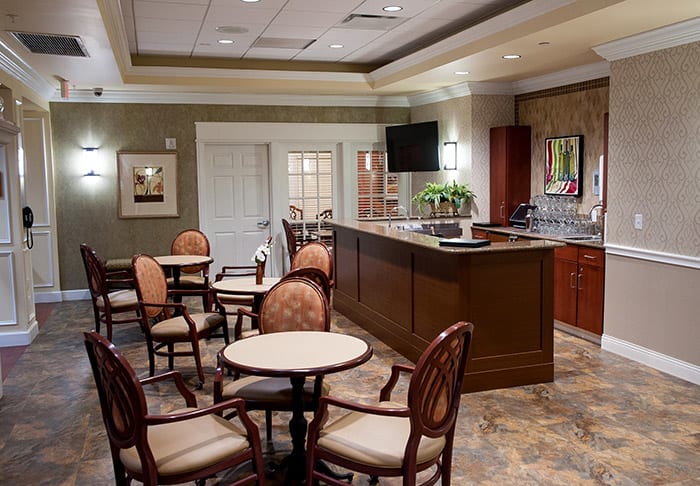
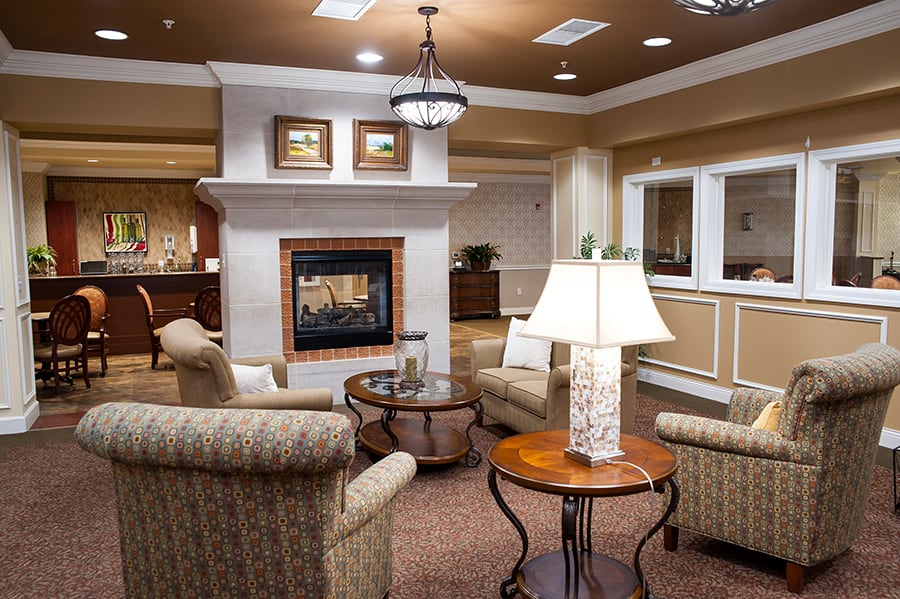
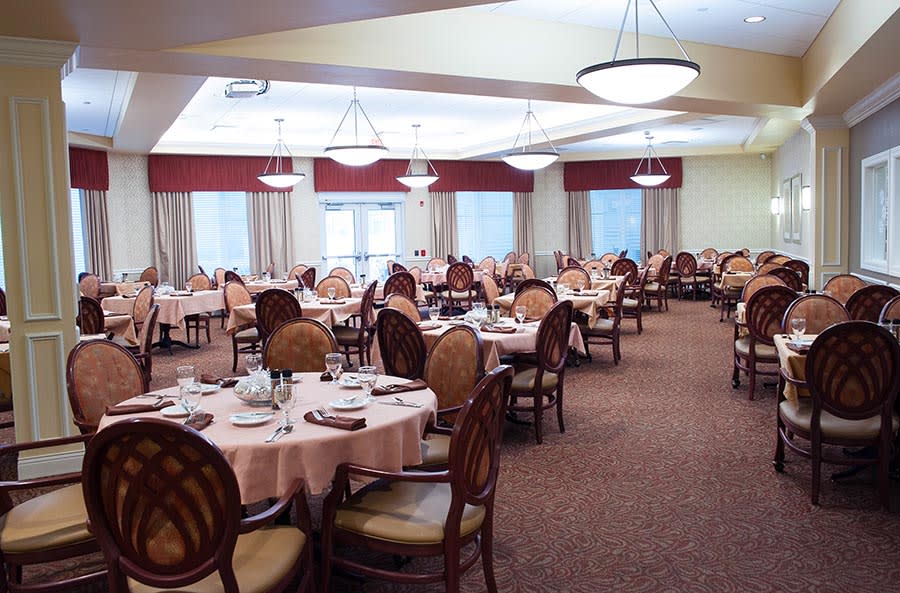
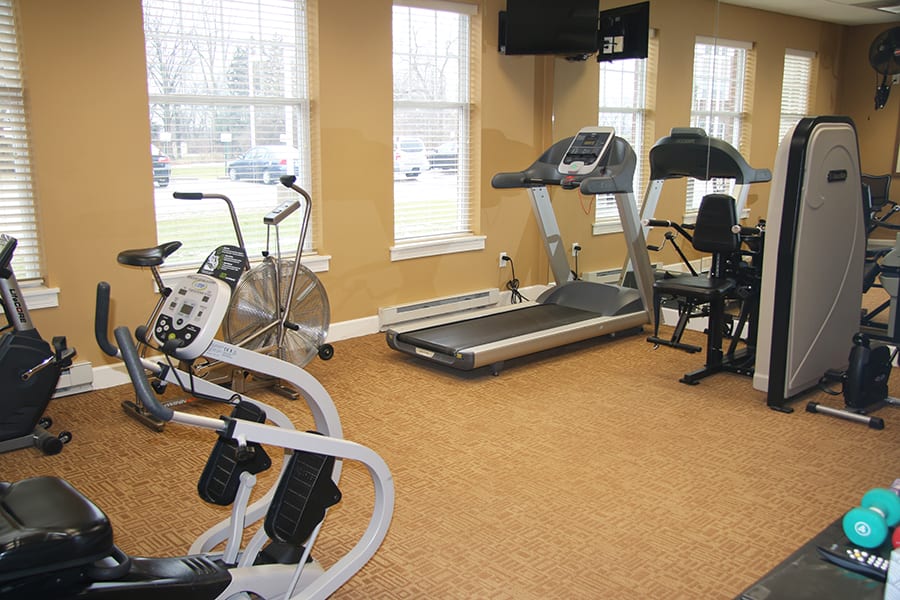
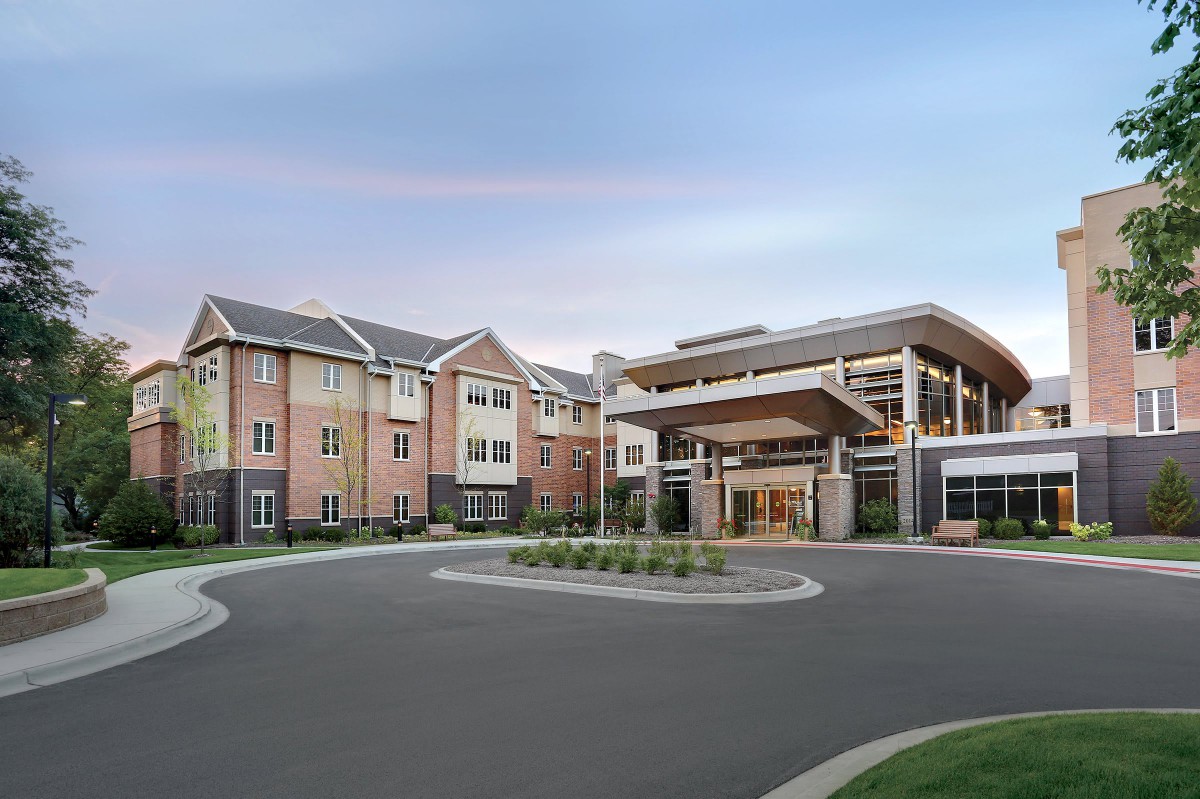
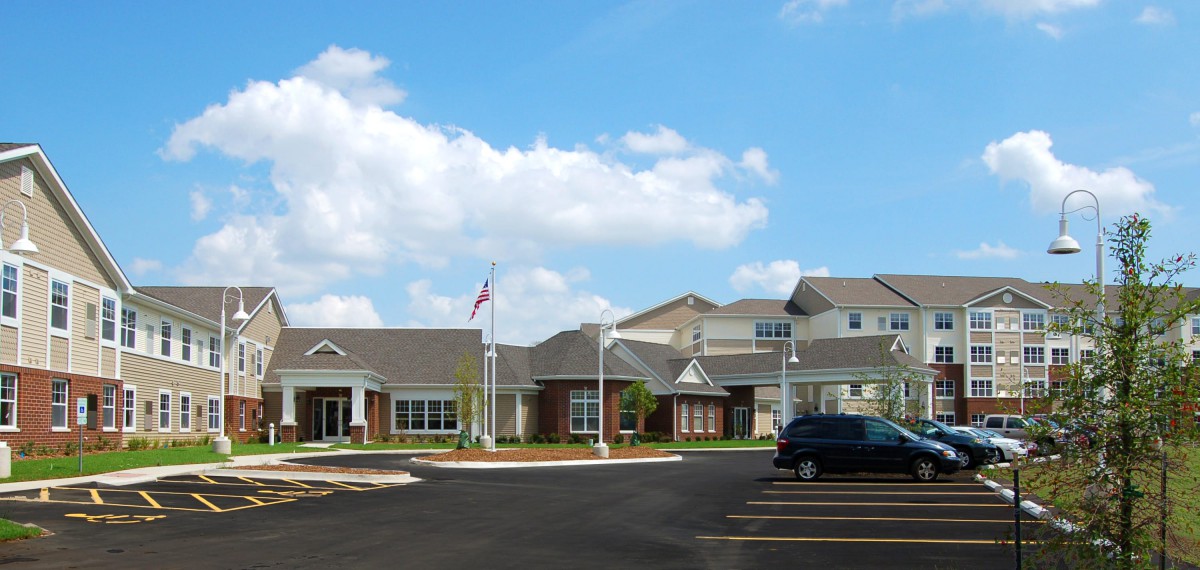
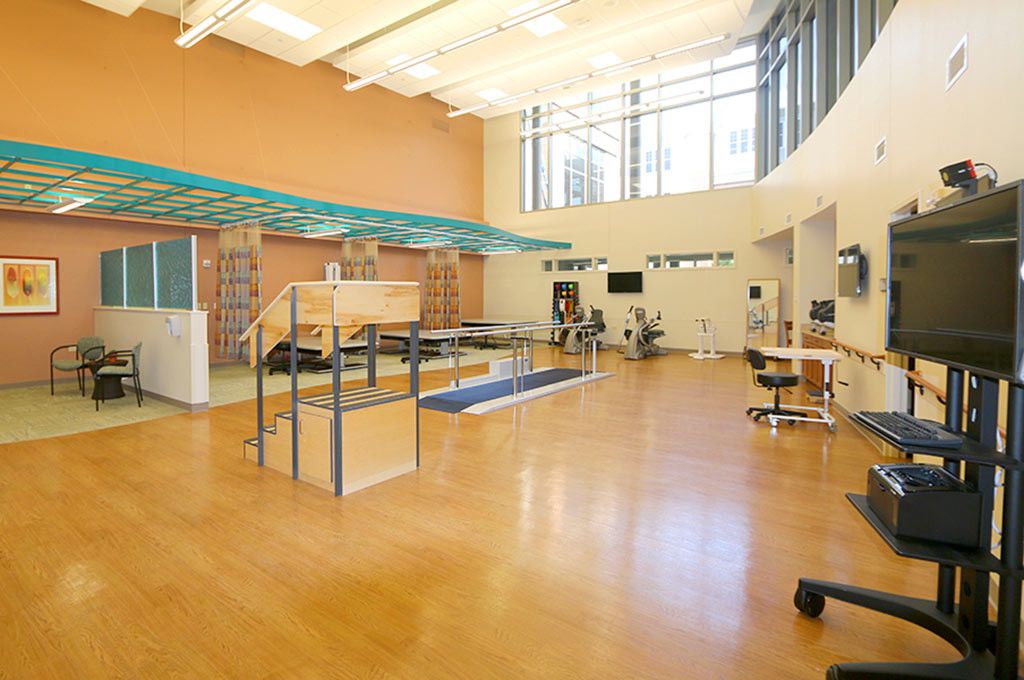
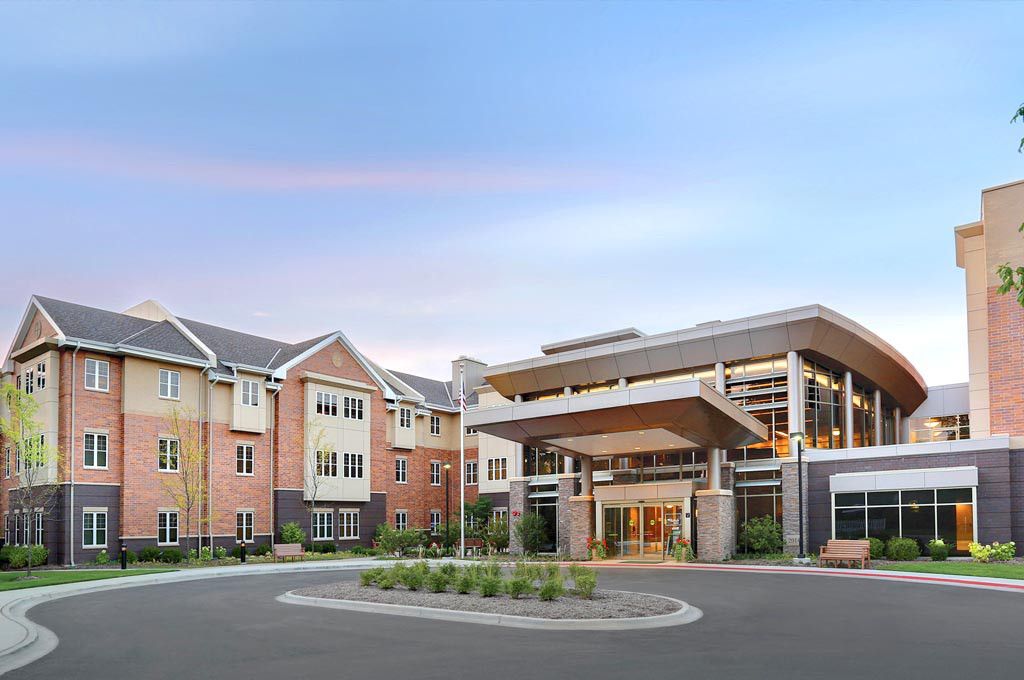
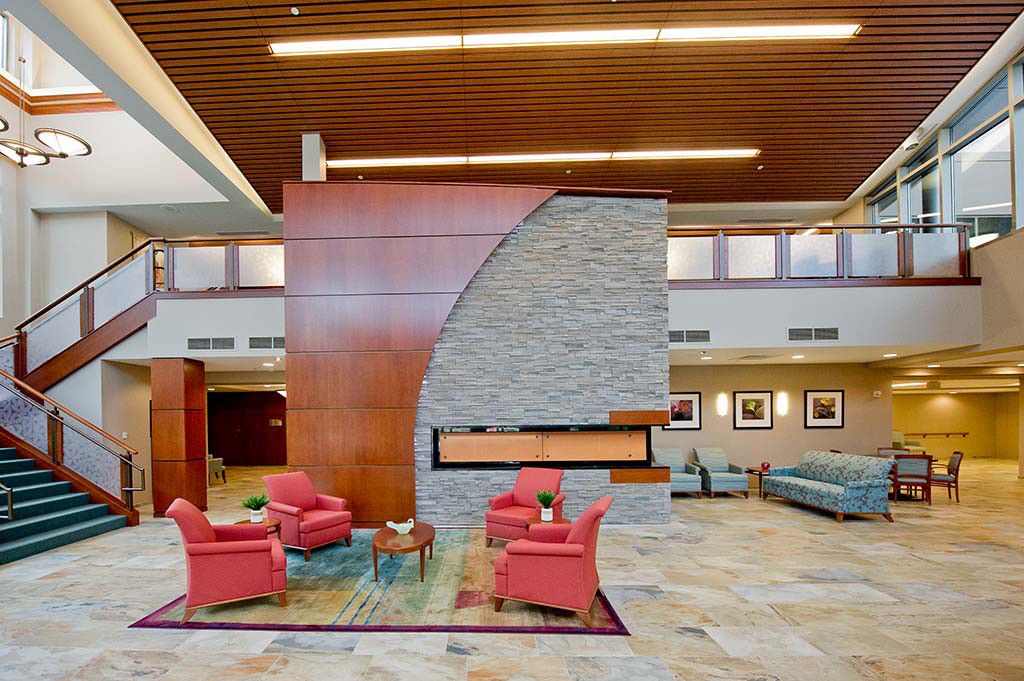
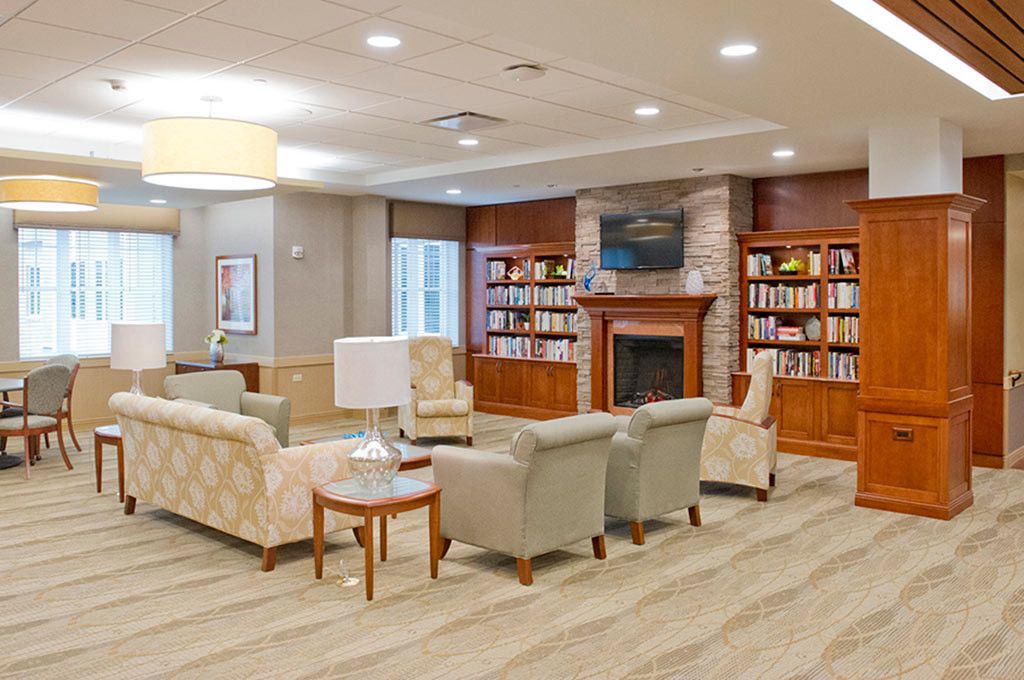
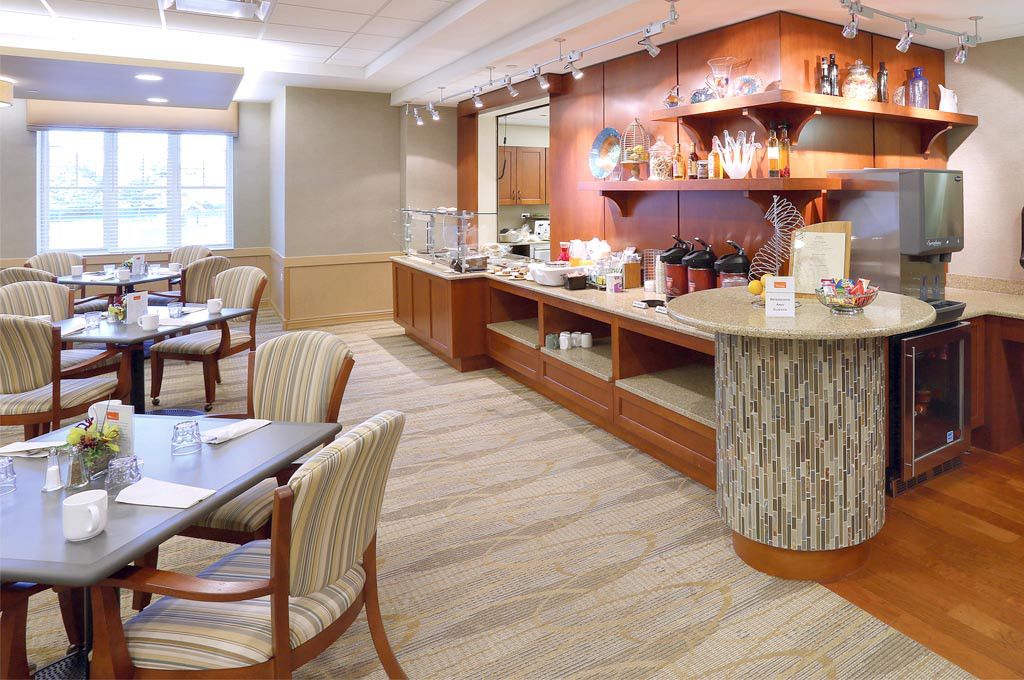
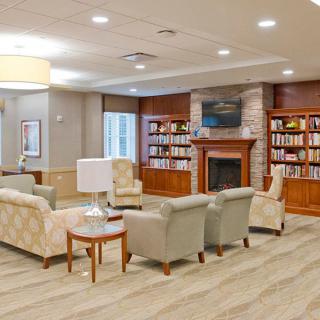
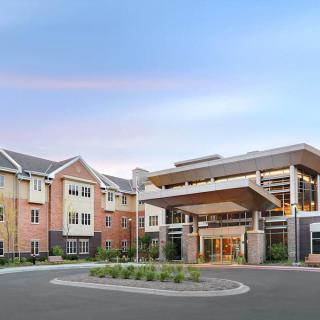
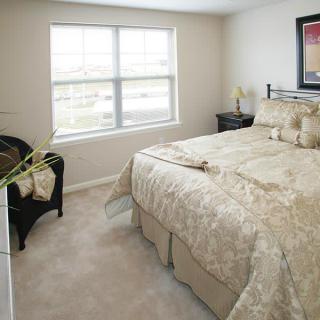
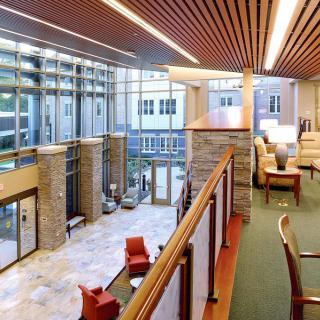
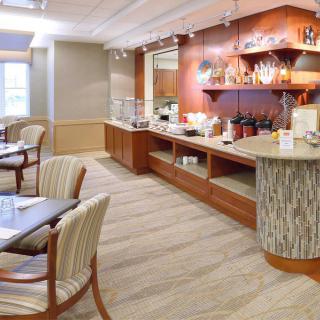
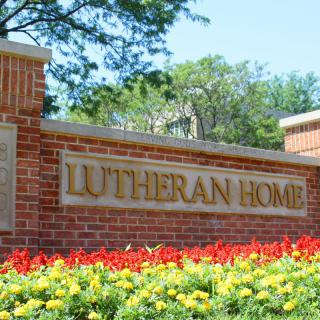
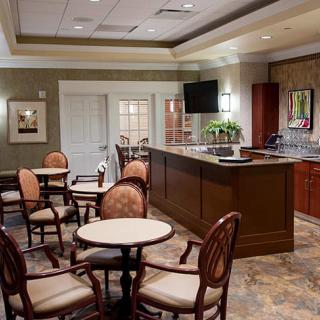
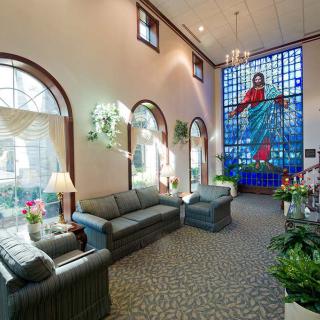
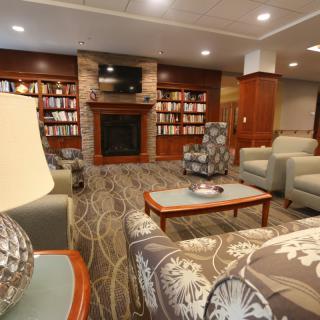
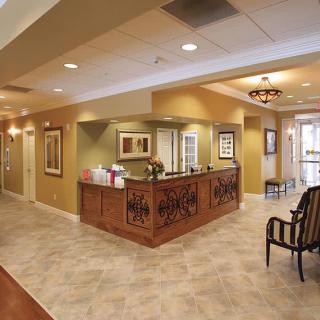
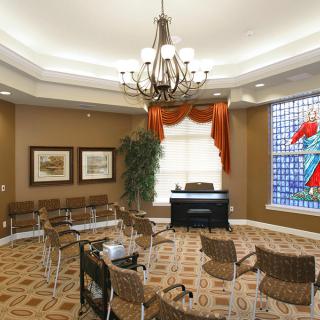
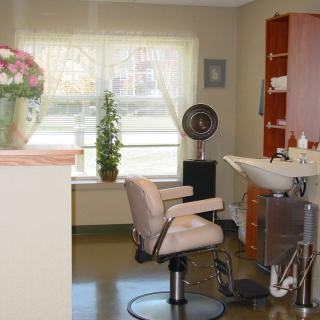
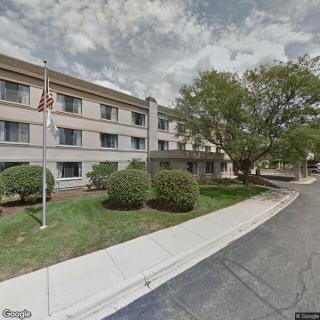
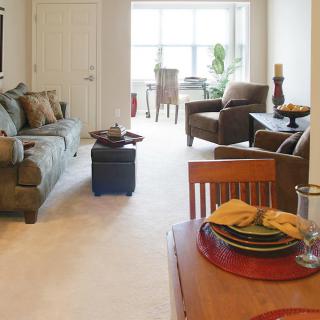
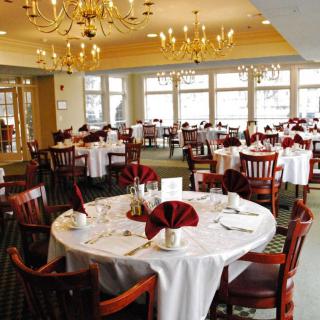
Lutheran Home on seniors.fyi includes 27 photos including images showing interior, dining, decor, fireplace, living room, lobby, architecture, windows, and more.
Dementia, primarily caused by Alzheimer's disease but also linked to other conditions, leads to cognitive decline impacting memory and daily functioning, with individuals experiencing varied awareness of their impairments. Despite memory loss, emotional connections persist, enabling responses to familiar stimuli, highlighting the need for caregivers to provide compassionate support that recognizes both limitations and retained emotional depth.
The article presents five subtle indicators of dementia, such as memory lapses and mood swings, to help families assess cognitive decline in loved ones. It emphasizes early detection, open communication, and seeking professional help while providing practical support steps.
Dementia encompasses progressive neurological disorders that impair cognitive functions and can lead to paranoia due to cognitive decline and emotional changes. The article discusses the triggers of paranoia in dementia, caregiver strategies for managing it, and the importance of distinguishing between dementia-related paranoia and other psychiatric conditions.
Get PricingAsk A QuestionSchedule A TourContact Senior Advisor
By clicking submit, you agree to our Partner's Terms of Use. You
also consent to receive calls and texts, which may be autodialed, from our Partner. Your consent is not a condition to
using our Partner's service. Please visit our Partner's Privacy Policy for information about their privacy practices.






 100 resident community capacity
 1-bedroom apartments
 Assisted Living
 Day Program
 Memory Care
 Skilled Nursing Facility
 Cats allowed
 Dogs allowed
 Air-conditioning
 Beautician on-site
 Cable or satellite TV
 Cafe
Cafe Computer center
 Devotional services off-site
 Dining room
 Fitness room
 Fully furnished
 Gaming room
 Garden
 General store
 Ground floor units
 Guest parking
 Home sale assistance
 Housekeeping services
 Indoor common areas
 Kitchenette
 Laundry
 Move-in coordination
 Outdoor common areas
 Overnight guests
 Party space
 Private bathrooms
 Respite or short term stays offered
 Restaurant-style dining
 Small library
 Spa
Spa Telephone
 Wheelchair accessible showers
 Wi-Fi/high-speed internet available
 Chicago O'Hare International (9 miles away)
 Community operated transportation
 12-16 hour nursing
 24-hour call system
 Assistance with bathing
 Assistance with dressing
 Assistance with transfers
 Companion care
 Diabetes diet
 Diabetic care
 Hospice care
 Incontinence care
 Medication management
 Mental wellness program
 Physical therapy
 Psychiatric care
 Special dietary restrictions
 Arts and crafts
 Book club
 Catholic services
 Concierge services
 Cooking classes
 Day trips and outings
 Educational speakers / life long learning
 Games
Games Karaoke
 Live musical performances
 Visiting Rabbi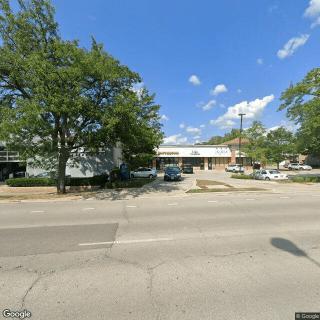
 Convenient location with extensive nearby amenities (cafes, restaurants, parks, healthcare, theater, worship, hospital).


 Delving into the Inner World of Dementia: Insights into Thoughts and Awareness
 Five Subtle Dementia Indicators to Observe: An In-Depth Guide to Understanding “Does My Mom Have Dementia?”
 Dementia, Paranoia, and Caregiver Guidance: Understanding the Connection