
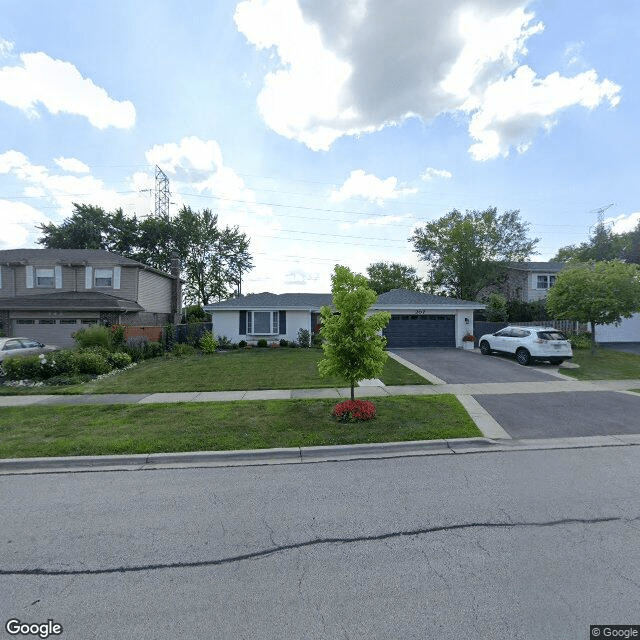
207 W. Appletree Lane, Arlington Heights, IL 60004
To contact a resident: (847) 797-8646
For more information about senior living options: (866) 208-4318
Home Sweet Home Arlington Heights Costs & Pricing
Home Sweet Home Arlington Heights offers competitive pricing for its semi-private rooms, with a monthly cost of $4,200. This is notably lower than the average costs in Cook County, which stands at $5,192, and even more favorable compared to the state average in Illinois at $5,146. By providing quality accommodations at a more accessible rate, Home Sweet Home Arlington Heights positions itself as a financially appealing choice for residents seeking a supportive living environment without compromising on care or comfort.
| Floor plans | Home Sweet Home Arlington Heights | Cook County | Illinois |
|---|---|---|---|
| Semi-Private | $4,200 | $5,192 | $5,146 |
Memory care communities with a similar price nearby
-
from -$700 / mo
Pheasant Branch
$3,500 to $4,000 / month22.3 miles away -
from -$700 / mo

Galloway Senior Living
$3,500 to $6,000 / month21.7 miles away -
from -$332 / mo
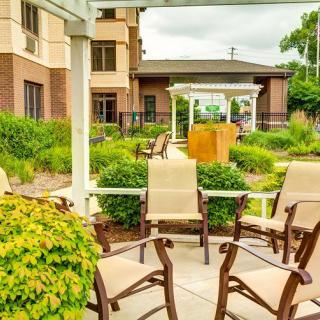
The Auberge At Highland Park
$3,868 to $5,628 / month9.2 miles away -
from +$800 / mo
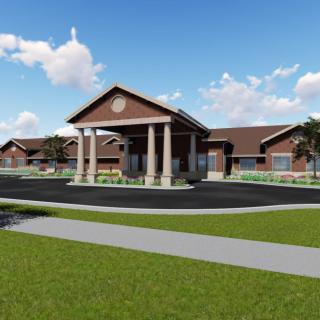
Waverly Inn Memory Care & Cottages
$5,000 to $9,800 / month0.3 miles away -
from -$220 / mo

Clarendale of Addison
$3,980 to $6,940 / month12.9 miles away
Overall Review of Home Sweet Home Arlington Heights
Pros
 The facility is a perfect place for the elderly who cannot care for themselves, and it is clean, homey, and safe.
- Home Sweet Home looks nothing like a nursing home, and the care is wonderful.
- The community is absolutely tremendous and seems like an answer to prayers.
- The community offers activities such as coloring, and visits with loved ones are great.
- The loved one is more alert, more interactive, and talks most of the time.
- The staff are very hands-on and loving, which pleases families.
- HSH is wonderful; it is always clean and residents look well cared for.
- Home Sweet Home is a great alternative to a traditional nursing home, with top-notch care.
- HSH has developed trustworthy relationships with amazing doctors.
- The backyard is beautiful.
Cons
 They would not place him in a home where only women resided.
- There were no activities; residents mostly watched TV all day.
- There was no real effort to engage residents, including those with dementia.
- The environment discouraged conversation and favored keeping everyone quiet.
- It seemed to cater to people who were quiet and uninterested in socializing.
- Staff could benefit from training to better engage with residents, especially those with dementia.
Review
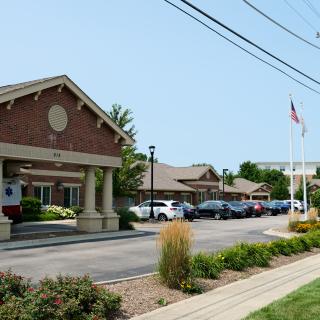
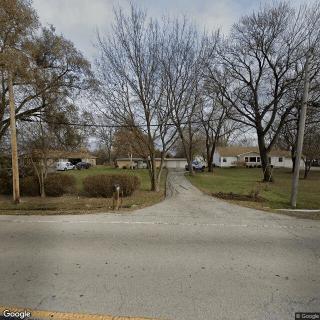
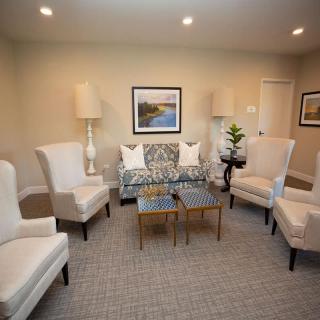
Home Sweet Home Arlington Heights is best suited for seniors who cannot fully care for themselves but do not require the clinical bustle of a large nursing facility. With eight residents in a ranch-style home, the setting prioritizes safety, predictable routines, and deeply personal attention over throughput. It works best for families seeking a truly home-like atmosphere where caregivers know each resident by name, routines stay consistent, and daily life follows familiar rhythms. In short, this community targets elders who value dignity, privacy, and hands-on support delivered with a warm, local touch.
Key strengths show up in several clear, substantive ways. Cleanliness is consistently emphasized, with residents dressed and the home kept in commendable condition. The care is described as hands-on and loving, with staff forming trusting relationships and even sharing resident stories with doctors, which reinforces coordinated, attentive oversight. The small size enables close monitoring and quick response to needs, reducing the sense of impersonality common in larger facilities. An outdoor garden and a path for gentle exercise provide tangible opportunities for movement and fresh air, while meals from scratch contribute to a true home-cooked feel. Families repeatedly note improved alertness and engagement in loved ones, delivering real peace of mind about daily care and safety.
Yet, there are notable drawbacks that families should weigh. Not every resident thrives in a quiet, low-activity environment; one reviewer described a vibe that leans toward quieting activity, with residents often reclining and watching TV rather than engaging. The concern about limited social programming centers on whether there is enough meaningful daily interaction, particularly for those who crave steady structure or stimulating activities. A mention of gender composition and preferences for a more diverse resident mix hints at potential misalignment for some individuals. While the staff-to-resident ratio is strong (two caregivers for eight residents), the result can translate into fewer opportunities for high-energy programming or a broad slate of daily activities.
Who may want alternatives becomes the pivotal question here. Families seeking a more program-rich setting, or a facility with explicit, dementia-focused programming, may prefer a different option. Those prioritizing robust group activities, a dynamic social calendar, or a larger, more diverse community might feel the quiet atmosphere limits social stimulation. For residents who respond best to frequent organized engagement and greater variety in day-to-day programming, a larger assisted-living or memory-care community could better meet expectations and reduce the risk of boredom or under-stimulation.
The pros, when weighed against the cons, make a compelling case for the right resident. The strongest justification rests on safety, trust, and intimacy. A home-like atmosphere, meticulous cleanliness, consistently attentive caregivers, and access to medical relationships translate into reliable daily care and reduced caregiver turnover distress for families. The intimate setting yields predictable routines, enhancing comfort for residents who reject the bustle of bigger facilities. Outdoor space, scratch-made meals, and visible staff involvement help counterbalance concerns about limited activity by enabling natural, unstructured interaction and spontaneous social moments that can feel meaningful in small doses.
Bottom-line guidance: for families prioritizing a calm, intimate, home-like environment with a small, dedicated care team, Home Sweet Home Arlington Heights stands out as a compelling option. It delivers cleanliness, trusted staff, and clear peace of mind that a loved one is known and watched over. Those who require richer programming, more structured activities, or a larger, more socially active setting should consider alternatives with more expansive calendars and dementia-focused programming. In making a decision, weigh the value placed on quiet, consistent care against the desire for constant social stimulation, and let the residentā€™s temperament and preferences guide the final choice.
 Board and Care Home
 Memory Care
 Activities off-site
 Beautician on-site
 Indoor common areas
 Outdoor common areas
 Respite or short term stays offered
 Wheelchair accessible showers
 Chicago O'Hare International (10 miles away)
 Ambulatory care
 Diabetic care
 High acuity care
 Incontinence care
 Meals provided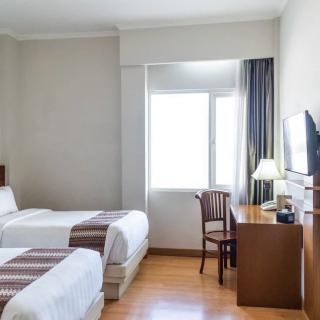


 A Thorough Discussion of Medications Potentially Linked to Dementia Risk
 Why Do Dementia Patients Sleep So Much? Understanding Oversleeping, Stages, and Care Approaches
 8 Key Indicators That Suggest It May Be Time to Transition from Assisted Living to Skilled Nursing Care