Garden Court at the Village in San Mateo, CA

Save
Garden Court at the Village

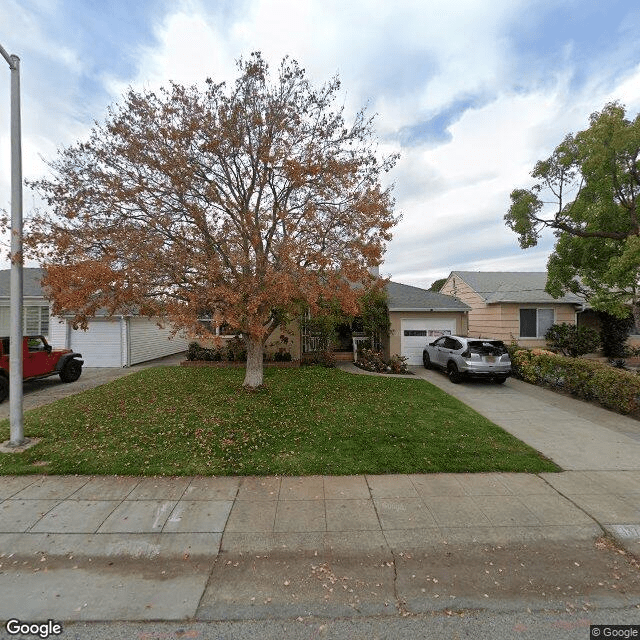
Garden Court at the Village in San Mateo, CA

137 Poinsetta Avenue, San Mateo, CA 94403

For more information about senior living options: (844) 490-3973

4.4 from 58 reviews
5 stars
33
4 stars
19
3 stars
5
2 stars
0
1 stars
1

Assisted Living Board and Care Home Memory Care Respite Care

Garden Court at the Village Costs & Pricing

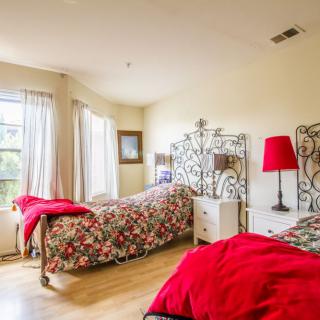
At Garden Court at the Village, the costs for accommodations reflect a competitive pricing structure when compared to both San Mateo County and the broader California market. For a semi-private room, residents can expect to pay $3,800 per month, which is slightly lower than the county average of $3,830 while being notably higher than the state average of $3,333. In contrast, private rooms are priced at $5,500 monthly - this exceeds both the county's average of $4,281 and California's average of $3,939. These figures highlight Garden Court's positioning within the local landscape, offering options that cater to different preferences and budgets while still maintaining a quality living environment for its residents.

Floor plansGarden Court at the VillageSan Mateo CountyCalifornia
Semi-Private$3,800$3,830$3,333
Private$5,500$4,281$3,939

What level of care are you interested in?

Assisted Living

Memory Care

Independent Living

Skilled Nursing Facility

Continuing Care Retirement Community (CCRC)CCRC

Other


Request a tour at Garden Court at the Village

    Overall Review of Garden Court at the Village

    Pros

    • pro The space is beautiful for an intimate wedding.
    • pro It is small but very well maintained.
    • pro The venue hosted an event and it was wonderful; it accommodated 112 guests in the Redwood Room and the outdoor gazebo, and it is a very affordable space for large gatherings.
    • pro The garden is nice to visit and enjoy, with a variety of plants to view, enjoy, and purchase at bargain prices.
    • pro The garden and fountain area are nice, and the staff are incredibly nice.
    • pro It is a calming and relaxing place to collect one's thoughts.
    • pro It is a great spot to relax and enjoy the garden that others have lovingly tended.
    • pro The Garden Center is a nice place to visit, with a rose garden and a little lake.
    • pro The setting is beautiful for an event.
    • pro The location is wonderful for weddings.
    • pro The place is great for browsing and finding all kinds of goodies, with excellent customer service.
    • pro It is beautiful for an outdoor memorial.
    • pro The group enjoyed a picnic there, which was beautiful and a great time.
    • pro The staff's advice helped the cherry trees develop buds, and the experience is highly recommended.
    • pro Beresford Park is a pretty area to visit.

    Cons

    • pro It is usually closed, though it looks nice.
    • pro It was closed with no signage indicating open hours or days, which was very disappointing.
    • pro Garden Court was not chosen because the owner would not be there full-time to care for the mother.
    • pro The nearby ball-field can get pretty loud in the evenings.
    • pro It needs more disabled parking spaces.
    • pro The care facility's other residents with advanced dementia limited the mother's opportunities for peer interaction.

    Review

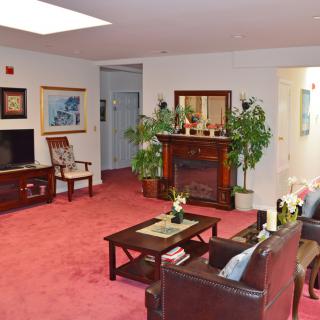
    Garden Court at the Village in San Mateo is best suited for seniors who prize a serene, garden-forward setting, a smaller, personable community, and dependable staff support. It works well for residents who enjoy gentle outdoor spaces, easy access to green areas, and a social environment that can accommodate casual clubs, gatherings, and family events. The facility doubles as a charming venue with spaces like the Redwood Room and a gazebo, enabling memorable celebrations without leaving the campus. Families prioritizing a calm, aesthetically pleasing atmosphere paired with reliable caregiving will find the core appeal here lies in the setting as much as in the care.

    Those who may want to consider alternatives are primarily families seeking intensive memory-care programming or a larger, more campus-like environment. While several reviewers praise staff responsiveness and activity options, the community's intimate scale can limit peer interaction for residents with advanced dementia or significant behavioral needs. For families requiring robust, structured dementia care with around-the-clock supervision, or for those who want ample on-site parking and a more expansive, multi-building footprint, other options may deliver a tighter fit. Accessibility considerations, like parking, should be vetted, as at least one reviewer noted the need for more disabled parking space.

    On the upside, care quality and staff engagement stand out as primary strengths. Reviewers consistently commend the warmth and attentiveness of the team, with administrators and caregivers making a tangible difference in daily life. The menu is described as varied and appealing, and the community tends to be clean and well maintained, contributing to a comfortable, respectful living environment. The garden itself regularly earns praise as a restorative retreat - calming, picturesque, and well tended - giving residents and families a pleasant hub for relaxation, strolling, and social encounters. Activities and opportunities to participate in the garden culture, plant education, and community gatherings add tangible value beyond basic custodial care.

    Yet some drawbacks temper the otherwise favorable impression. The garden center and related campus features can be inconsistent in availability, with reports of hours and access not always clear to visitors. While staff are praised when the setting is open, these occasional closures can disrupt family or guest plans for events or visits. Parking accessibility is another practical concern, with calls for more disability parking spaces to reduce barriers for residents and guests arriving for tours, appointments, or family events. Additionally, while the care team excels for many residents, the most advanced memory-care needs may require a level of peer interaction and supervision that this intimate setting cannot consistently guarantee.

    For decision-making purposes, prospective families should prioritize a few concrete checks. First, confirm the memory-care offerings and staff-to-resident ratios to ensure alignment with the level of supervision and stimulation required. Second, tour during times when garden spaces, event rooms, and program staffing are active to see how the environment supports both independent living and social engagement. Third, test accessibility and parking logistics, including the availability of disabled parking and the ease of navigating the campus for visitors and potential residents. Finally, evaluate the balance between the community's tranquility and the family's need for robust activities, family-centered events, and peer interaction for varying cognitive abilities.

    In the end, Garden Court at the Village presents a compelling choice for families prioritizing a garden-rich, thoughtfully run, small-community atmosphere with strong caregiving, solid dining options, and flexible event spaces. Its strengths - staff responsiveness, cleanliness, an appealing menu, and serene grounds - create a backdrop where daily life feels manageable and pleasant. The trade-offs are clear: for seniors needing intense memory-care programming or expansive campus amenities, alternatives may serve better. For those drawn to a quiet yet connected setting where meaningful social moments can happen amid flowers and trees, Garden Court stands out as a practical, confident recommendation. Schedule a visit with specific questions about memory-care capacity, accessibility, and event-use policies to confirm the fit.

    Features

    Housing

    • 6 resident community capacity 6 resident community capacity

    Types of Care

    • Assisted Living Assisted LivingAssisted living facilities provide crucial support and care for seniors who may need help with daily tasks such as medication management, bathing, and meal preparation. These communities offer a safe and comfortable environment where seniors can maintain their independence while receiving the assistance they need to thrive in their golden years.
    • Board and Care Home Board and Care HomeBoard and care homes provide a smaller, more intimate setting for seniors who require assistance with daily tasks but do not need the level of care offered by a nursing home. They offer personalized care, meals, and social activities in a homelike environment, ensuring that seniors receive individualized attention and support in their golden years.
    • Memory Care Memory CareMemory care is crucial for seniors as it provides specialized support and services for individuals with dementia or Alzheimer's disease. These programs offer a safe and secure environment where residents receive personalized care, cognitive stimulation, and help with daily activities. Memory care helps seniors maintain their independence, quality of life, and dignity while also providing peace of mind for their families.
    • Respite Care Respite CareRespite care provides temporary relief for caregivers, allowing them to recharge and attend to their own needs. It also gives seniors the opportunity to socialize, receive professional care, and experience a change of scenery, promoting overall well-being and reducing feelings of isolation.

    Amenities

    • Cable or satellite TV Cable or satellite TVCable or satellite TV is important for seniors because it provides entertainment, news, and companionship, helping to combat loneliness and boredom. It also offers a wide range of programming options tailored to different interests and preferences.
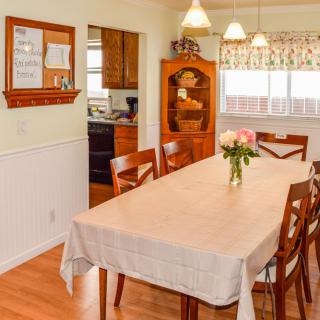
    • Dining room Dining roomDining rooms are important for seniors as they provide a space for socialization, connection, and nutritious meals. They offer opportunities for residents to bond over shared meals, foster a sense of community, and promote healthy eating habits. Dining rooms also ensure that seniors have access to well-balanced meals tailored to their dietary needs and preferences.
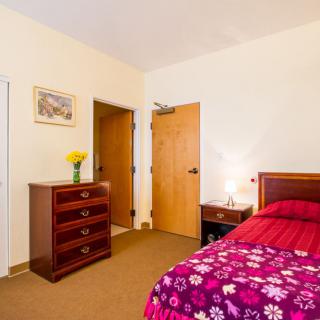
    • Fully furnished Fully furnishedFully furnished senior living communities are important for seniors because they provide convenience, comfort, and a hassle-free moving experience. Seniors can easily settle into their new living space without the stress of having to buy and move furniture. This allows them to focus on enjoying their new home and community.
    • Garden GardenGardens are important for seniors as they provide a peaceful and therapeutic environment for relaxation, physical activity, and socialization. Being in nature has been shown to reduce stress, improve mood, and promote overall well-being. Gardens also offer opportunities for seniors to engage in gardening activities, which can improve mobility, flexibility, and cognitive function. Additionally, gardens create a sense of community and connection with others who share a passion for plants and outdoor spaces.
    • Housekeeping services Housekeeping servicesHousekeeping services are important for seniors because they help maintain a clean and safe living environment, promote independence, and reduce the risk of accidents or illnesses. Additionally, having assistance with household chores can alleviate physical strain and allow seniors to focus on other aspects of their well-being.
    • Move-in coordination Move-in coordinationMove-in coordination is important for seniors because it helps ease the transition into their new living environment. It ensures that all logistics, such as packing, organizing movers, and setting up utilities are taken care of, allowing seniors to focus on settling in and adjusting to their new home. Having a smooth move-in process can alleviate stress and anxiety, making the transition smoother and more enjoyable for seniors.
    • Outdoor space Outdoor spaceOutdoor spaces are important for seniors as they provide opportunities for physical activity, social interaction, exposure to natural light and fresh air, and a sense of connection to nature. Having access to outdoor spaces can improve overall well-being and quality of life for older adults living in senior communities.
    • Private PrivatePrivacy is important for seniors as it allows them to maintain their independence, dignity, and sense of control over their own lives. It also gives them the space and freedom to relax, reflect, and engage in activities that bring them joy and fulfillment. Creating private spaces within senior living facilities is crucial for promoting overall well-being and quality of life.
    • Telephone TelephoneTelephones are important for seniors as they provide a lifeline for communication with loved ones, emergency services, and healthcare providers. They offer a sense of security and independence, enabling seniors to stay connected and access assistance when needed.
    • Wi-Fi/high-speed internet available Wi-Fi/high-speed internet availableWi-Fi/high-speed internet is important for seniors to stay connected with loved ones, access online resources, and participate in virtual activities to combat feelings of loneliness and isolation. It also allows them to easily manage healthcare needs, access entertainment, and engage in lifelong learning opportunities.

    Transportation

    • San Francisco International (7 miles away) San Francisco International (7 miles away)
    • Metropolitan Oakland International (13 miles away) Metropolitan Oakland International (13 miles away)
    • San Jose International (23 miles away) San Jose International (23 miles away)

    Care Services

    • 24-hour supervision 24-hour supervision24-hour supervision is important for seniors to ensure their safety, well-being, and access to immediate assistance in case of emergencies or health issues. This constant support provides peace of mind for both seniors and their loved ones, allowing them to age in place with dignity and security.
    • Activities of daily living assistance Activities of daily living assistanceActivities of daily living assistance are important for seniors because they provide essential support with tasks such as eating, bathing, dressing, and mobility. This assistance helps seniors maintain their independence, dignity, and overall quality of life as they age.
    • Ambulatory care Ambulatory care"Ambulatory care services provide essential medical support and treatment to seniors without requiring hospitalization, allowing them to maintain their independence and quality of life while managing chronic conditions or receiving routine medical care."
    • Assistance with bathing Assistance with bathingAssistance with bathing is crucial for seniors as it helps maintain personal hygiene, prevents infections, and ensures their overall well-being and comfort. It also provides a sense of dignity and independence for seniors who may struggle with this task on their own.
    • Assistance with dressing Assistance with dressingAssistance with dressing is important for seniors because it helps maintain their independence, promotes personal hygiene, prevents accidents and injuries, and improves overall quality of life. This service ensures that seniors can continue to dress comfortably and confidently, despite any physical limitations they may have.
    • Assistance with transfers Assistance with transfersAssistance with transfers is crucial for seniors as it helps prevent falls and injuries, maintains their independence, and ensures they can safely navigate their living environment. It also provides peace of mind for both seniors and their loved ones.
    • Coordination with health care providers Coordination with health care providersCoordination with health care providers is crucial for seniors to ensure proper medical care, medication management, and overall well-being. This collaboration helps prevent overlapping treatments, track progress more effectively, and provide comprehensive support tailored to individual needs.
    • Diabetes diet Diabetes dietA diabetes diet is crucial for seniors as it helps manage blood sugar levels, reduce risks of complications, and improve overall health and well-being. By following a balanced and nutritious diet tailored to their specific needs, seniors can better control their diabetes and enhance their quality of life.
    • Meal preparation and service Meal preparation and serviceMeal preparation and service are crucial for seniors as they may have limited mobility or energy to cook nutritious meals. Having access to healthy and convenient food options can ensure they are getting the proper nutrition needed to maintain their overall health and well-being.
    • Medication management Medication managementMedication management is crucial for seniors to ensure they are taking the right medications at the correct dosages and times. This helps prevent adverse drug interactions, reduces the risk of medication errors, and promotes overall health and well-being. Proactive management also allows for adjustments as needed based on changing health conditions or new prescriptions.
    • Special dietary restrictions Special dietary restrictionsSpecial dietary restrictions are important for seniors because age-related changes in metabolism and health conditions can make it difficult for their bodies to process certain foods. By following a diet tailored to their specific needs, seniors can maintain their overall health and well-being, manage chronic conditions, and reduce the risk of complications such as malnutrition or food interactions with medications.
    • Transportation arrangement (medical) Transportation arrangement (medical)Transportation arrangements for medical purposes are essential for seniors as they may have difficulty driving themselves to appointments or accessing public transportation. Having reliable and safe transportation options ensures that seniors can receive timely medical care and maintain their health and well-being.
    • Transportation to doctors appointments Transportation to doctors appointmentsTransportation to doctors' appointments is crucial for seniors as it ensures they have access to necessary medical care and support for their health needs. Without reliable transportation, seniors may struggle to attend important appointments, leading to potential delays in treatment and health complications. Providing transportation services helps seniors maintain their overall well-being and quality of life.

    Dining

    • Diabetes diet Diabetes dietA diabetes diet is crucial for seniors as it helps manage blood sugar levels, reduce risks of complications, and improve overall health and well-being. By following a balanced and nutritious diet tailored to their specific needs, seniors can better control their diabetes and enhance their quality of life.
    • Special dietary restrictions Special dietary restrictionsSpecial dietary restrictions are important for seniors because age-related changes in metabolism and health conditions can make it difficult for their bodies to process certain foods. By following a diet tailored to their specific needs, seniors can maintain their overall health and well-being, manage chronic conditions, and reduce the risk of complications such as malnutrition or food interactions with medications.

    Activities

    • Community-sponsored activities Community-sponsored activitiesCommunity-sponsored activities are important for seniors as they provide opportunities for social interaction, mental stimulation, and physical activity. These activities can help improve overall well-being, combat loneliness and isolation, and promote a sense of belonging and purpose among older adults.
    • Scheduled daily activities Scheduled daily activitiesScheduled daily activities are important for seniors because they provide structure, socialization, mental stimulation, and physical activity. Engaging in regular activities can improve overall well-being and quality of life for seniors living in a community setting.

    Description

    Garden Court at the Village in San Mateo, CA is an assisted living community that specializes in providing exceptional memory care services. Located in a vibrant neighborhood, residents can enjoy a variety of amenities and conveniences nearby.

    For those who love dining out or grabbing a quick bite, there are several cafes and restaurants within close proximity to Garden Court. These options offer a range of cuisines to cater to various preferences and dietary needs.

    Nature enthusiasts will appreciate the abundance of parks near the community. With ten parks nearby, residents can take leisurely strolls, have picnics with loved ones, or simply soak up the beauty of their surroundings in peaceful green spaces.

    Ensuring easy access to important healthcare services, there are eleven pharmacies and five physicians located near Garden Court at the Village. This allows residents to conveniently fill prescriptions, attend medical appointments, and receive personalized healthcare whenever needed.

    Transportation is made hassle-free with four nearby transportation options. Whether it's a scheduled outing or a routine trip for everyday errands, residents can rely on accessible transportation services for safe and convenient travel within the area.

    Cultural entertainment is also within reach as there is one theater close by where residents can enjoy movies, live performances, or other forms of artistic expression.

    When it comes to healthcare emergencies or specialized medical attention, three hospitals are situated nearby for added peace of mind. This ensures that residents have quick access to quality healthcare facilities should the need arise.

    Overall, Garden Court at the Village offers not only top-notch memory care but also an ideal location surrounded by numerous amenities and services that enhance the quality of life for its residents.

    Nearby Places of Interest

    Located in San Mateo, California, this neighborhood offers a range of amenities and services that cater to the needs of seniors. With multiple pharmacies and medical facilities in close proximity, including San Mateo Medical Center and Kaiser Permanente Redwood City Medical Center, residents can easily access healthcare services. Additionally, the area boasts several parks such as Leo J Ryan Memorial Park and Laurelwood Park for leisurely walks or picnics. For dining options, there are fast-food chains like McDonald's and In-N-Out Burger, as well as upscale restaurants like Lark Creek Grill. Transportation is convenient with the Hillsdale Station and San Carlos Airport nearby for easy travel. Overall, this neighborhood provides a mix of convenience, healthcare accessibility, and recreational opportunities for seniors looking to settle in a vibrant community.

    Transportation

    • Hillsdale Station (0.3 miles)
    • San Carlos Airport (SQL) (2.8 miles)
    • San Carlos Airport Control Tower (3.1 miles)
    • Redwood City Caltrain Station (5 miles)
    • Millbrae Caltrain Station (6.7 miles)
    • Boarding Area C (7.2 miles)
    • Delta Sky Club (7.2 miles)

    Theaters

    • Cinepolis San Mateo (0.5 miles)

    Pharmacies

    • Walgreens (0.6 miles)
    • CVS Pharmacy (0.7 miles)
    • CVS Pharmacy (1.4 miles)
    • CVS Pharmacy (1.6 miles)
    • CVS Pharmacy (2.3 miles)
    • Walgreens (2.4 miles)
    • CVS Pharmacy (2.8 miles)

    Hospitals

    • San Mateo Medical Center (0.7 miles)
    • Mills-Peninsula Radiology (2.5 miles)
    • Sequoia Hospital (4.6 miles)
    • Kaiser Permanente Redwood City Medical Center (5.1 miles)
    • Mills-Peninsula Health Services (6.2 miles)
    • A & C Convalescent Hospital (7.2 miles)
    • VA Medical Center-Menlo Park (8.8 miles)

    Cafes

    • Starbucks (1.4 miles)
    • Starbucks (5 miles)
    • Philz Coffee (5.1 miles)
    • Coffeebar (5.1 miles)
    • Starbucks (7.2 miles)
    • San Francisco Giants Clubhouse (7.7 miles)

    Parks

    • Leo J Ryan Memorial Park (1.7 miles)
    • Laurelwood Park (2 miles)
    • Central Park (2.2 miles)
    • Marlin Park (2.4 miles)
    • Highlands Park (3.3 miles)
    • Burton Park (3.4 miles)
    • Crestview Park (3.8 miles)

    Restaurants

    • McDonald's (2 miles)
    • In-N-Out Burger (2.6 miles)
    • Chick-Fil-A (4.4 miles)
    • In-N-Out Burger (4.9 miles)
    • New England Lobster Market & Eatery (6.3 miles)
    • In-N-Out Burger (6.5 miles)
    • Lark Creek Grill (7.3 miles)

    Physicians

    • Urology: San Carlos Center: Palo Alto Medical Foundation (2.5 miles)
    • Bundy Opticians (2.5 miles)
    • California Skin Institute (2.9 miles)
    • California Skin Institute (4.7 miles)
    • Redwood City Women's Health Center (4.7 miles)
    • Kaiser RWC Birch Building (5.2 miles)
    • CCRM Fertility of San Francisco (7.3 miles)

    Frequently Asked Questions

    How much does it cost to live at Garden Court at the Village in San Mateo, CA?
    Where is Garden Court at the Village?
    Does Garden Court at the Village provide care for residents with dementia or Alzheimer's disease?

    Nearby Communities

    • Peninsula Village

      Peninsula Village

      San Mateo, CA


      pro Cozy, home-like setting with furnished rooms, meals, outdoor space, activities, and care coordination.
    • Judy's Homes For The Elderly Pacific Blvd

      Judy's Homes For The Elderly Pacific Blvd

      San Mateo, CA


      pro Intimate setting with 24/7 supervision and full on-site amenities.

    • Judy's Home For The Elderly 1

      Judy's Home For The Elderly 1

      San Mateo, CA


      pro 24/7 supervision with comprehensive daily living assistance and convenient amenities.

    • Pacific Care Home

      Pacific Care Home

      San Mateo, CA

       
      $4,800 / month

      pro Small, home-like setting with memory care and around-the-clock supervision.

    • Pacific Care Home II

      Pacific Care Home II

      San Mateo, CA

      5 from 2 reviews
      $4,800 / month

      pro Attentive, caring staff in a small, home-like setting with engaging activities and strong family communication.

    • B&B Residential Facilities (13 W)

      B&B Residential Facilities (13 W)

      San Mateo, CA


      pro Fully furnished accommodations with garden/outdoor space and 24-hour supervision for personalized, safe assisted living.

    • Atria at Foster Square

      Atria at Foster Square

      Foster City, CA

      4.6 from 201 reviews
      $7,000 to $12,900 / month

      pro Bright, clean, upscale community with friendly staff and engaging activities.

    • Bonnie Brae Terrace

      Bonnie Brae Terrace

      Belmont, CA

      4.2 from 21 reviews
       

      pro Varied resident activities and a dedicated fourth-floor unit for higher care in a pleasant setting.

    • Burlingame Villa

      Burlingame Villa

      Burlingame, CA

      3.6 from 17 reviews
      $4,395 to $5,595 / month

      pro Caring, attentive staff in a home-like setting with a well-kept garden and engaging activities.

    Related Resources

    • does my mom have dementia quiz5 Early Indicators of Dementia and What You Can Do

      The content outlines five key early indicators of dementia, including significant memory loss and confusion about time and place, while emphasizing the need for professional evaluation and emotional support for both individuals showing symptoms and their caregivers. It encourages family members to monitor these signs closely and use online quizzes for initial awareness.

    • when should someone with dementia go into a care home8 Important Indicators That Memory Care May Be Necessary

      The article highlights eight indicators that a loved one with dementia may require specialized memory care, emphasizing the emotional and logistical challenges families encounter in this decision. It discusses signs such as difficulties with daily tasks, safety concerns, and caregiver burnout, suggesting that memory care facilities can provide the necessary support and structured environments for those experiencing cognitive decline.

    • what do dementia patients think aboutDelving into the Inner World of Dementia: Insights into Thoughts and Awareness

      Dementia, primarily caused by Alzheimer's disease but also linked to other conditions, leads to cognitive decline impacting memory and daily functioning, with individuals experiencing varied awareness of their impairments. Despite memory loss, emotional connections persist, enabling responses to familiar stimuli, highlighting the need for caregivers to provide compassionate support that recognizes both limitations and retained emotional depth.


    Get Pricing Ask A Question Schedule A Tour Contact Senior Advisor