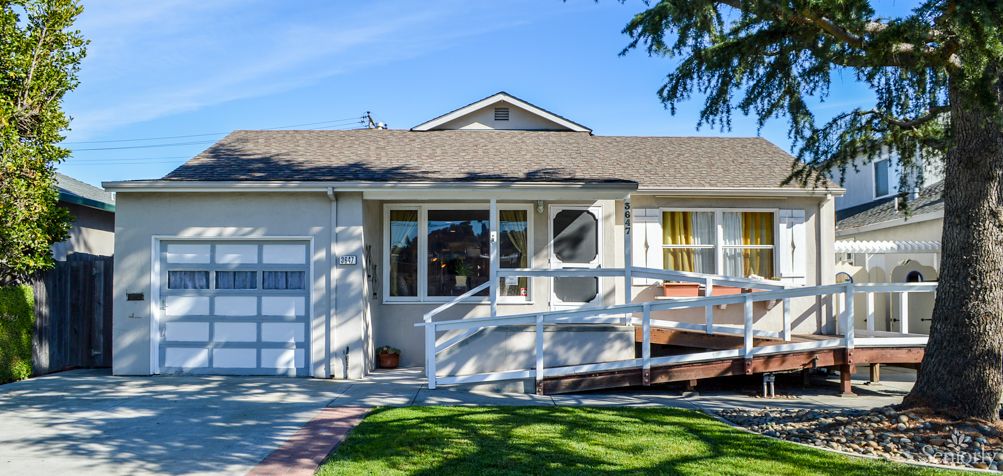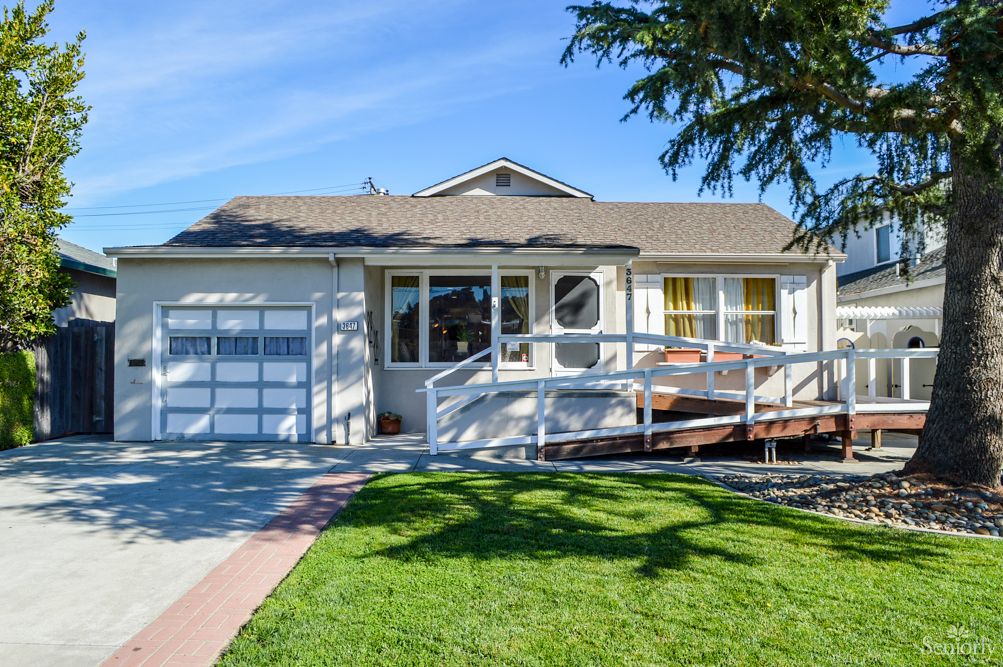

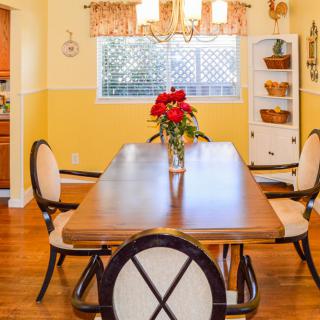
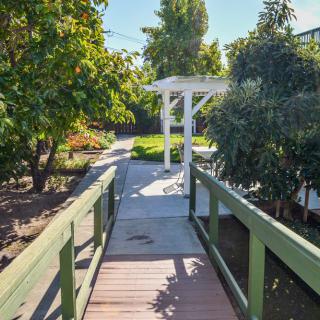
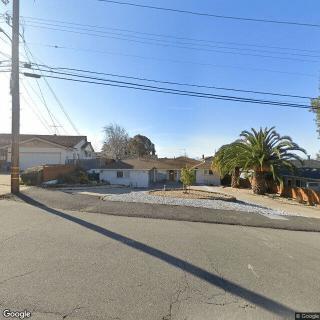
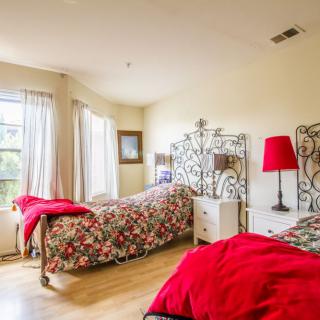
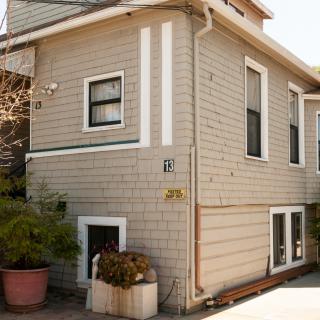
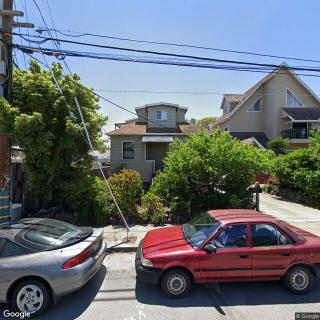
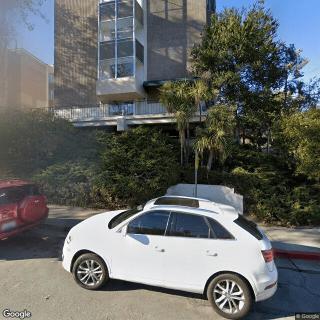
3647 Pacific Boulevard, San Mateo, CA 94403
For more information about senior living options: (866) 208-4318
Pacific Care Home Costs & Pricing
Pacific Care Home offers a private room at a monthly cost of $4,800, which is notably higher than the average rates in San Mateo County and the broader California region. In comparison, San Mateo County sees an average cost of $4,281 for similar accommodations, while statewide averages are even lower at approximately $3,939. This positions Pacific Care Home as one of the premium options for residential care, likely reflecting its unique services and amenities that cater to residents seeking enhanced comfort and personalized attention.
| Floor plans | Pacific Care Home | San Mateo County | California |
|---|---|---|---|
| Private | $4,800 | $4,281 | $3,939 |
Memory care communities with a similar price nearby
-
from +$200 / mo
Blessing Home
$5,000 to $6,000 / month17.6 miles away -
from -$800 / mo
Golden Age Of Channing Way
$4,000 to $5,000 / month14.6 miles away -
from +$300 / mo

Aegis of Moraga
$5,100 to $6,150 / month22.5 miles away -
from +$900 / mo
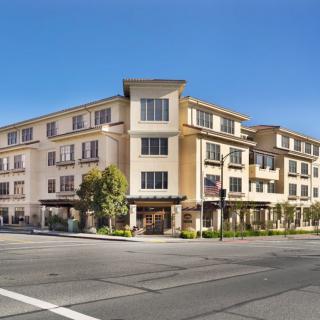
Sunrise of Burlingame
$5,700 to $9,000 / month6.4 miles away -
from -$805 / mo
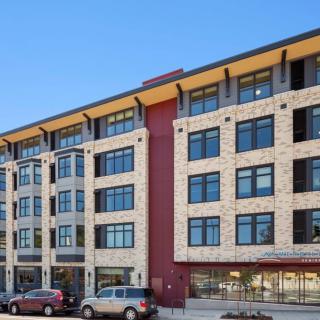
Merrill Gardens at Rockridge
$3,995 to $8,500 / month20.9 miles away
Overall Review of Pacific Care Home
Pros
 They are grateful for the care their dad received at Pacific Care Home.
- The caregivers are friendly and kind.
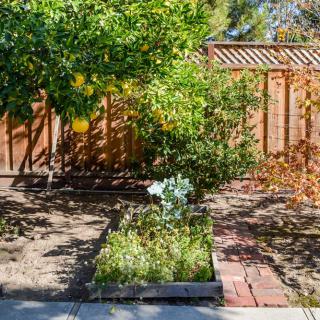
- The home is clean and sunny.
- It is a delightful place to visit a loved one.
- Pacific Care Home provides a safer environment for a parent in care.
- They highly recommend Pacific Care Home for a mom or dad.
Cons
 The family notes that their dad fell twice in two weeks while receiving at-home care, requiring 17 stitches on his head and a fractured hip.
- The review implies safety concerns with the prior at-home care, highlighting the need to move him to a much safer environment.
Review
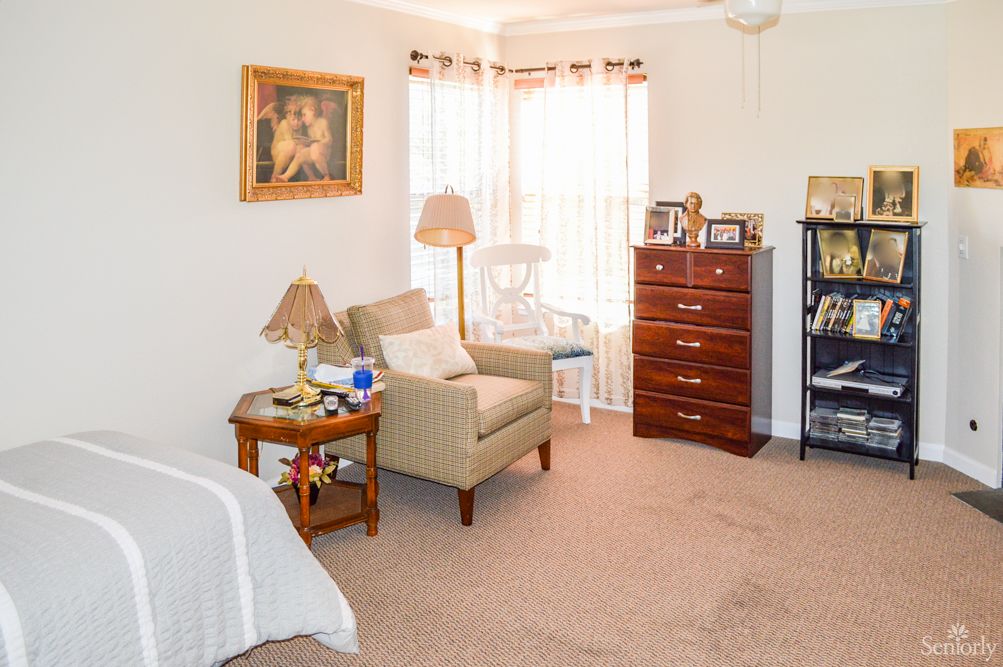
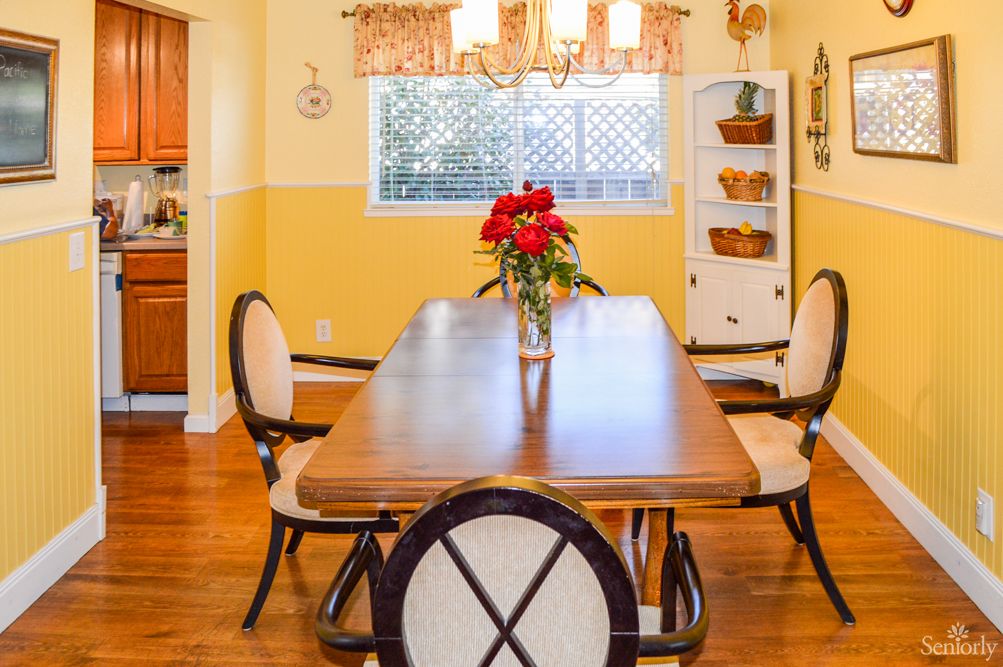
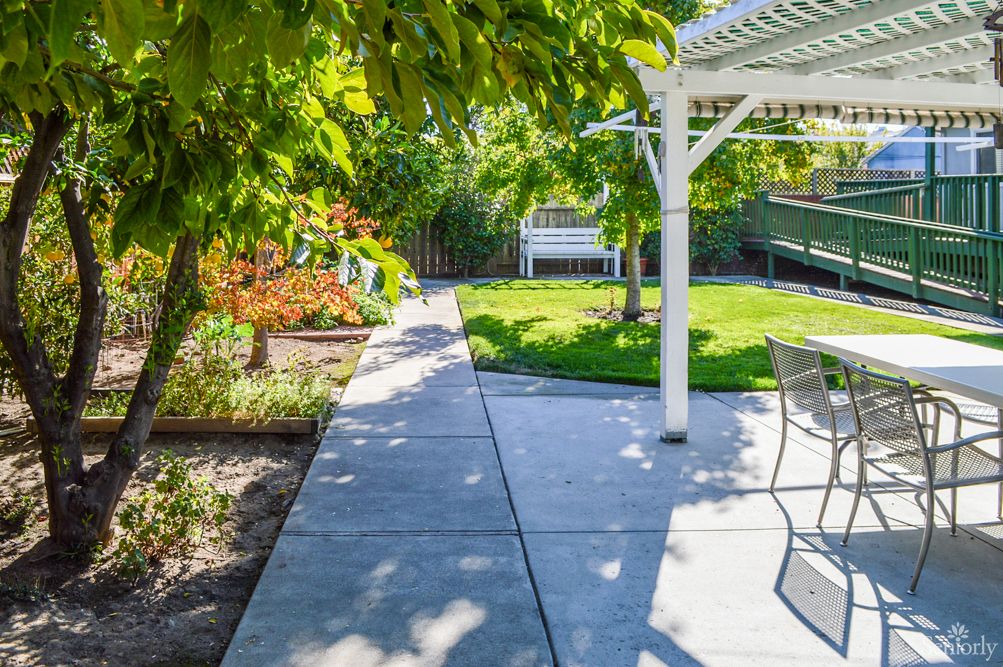
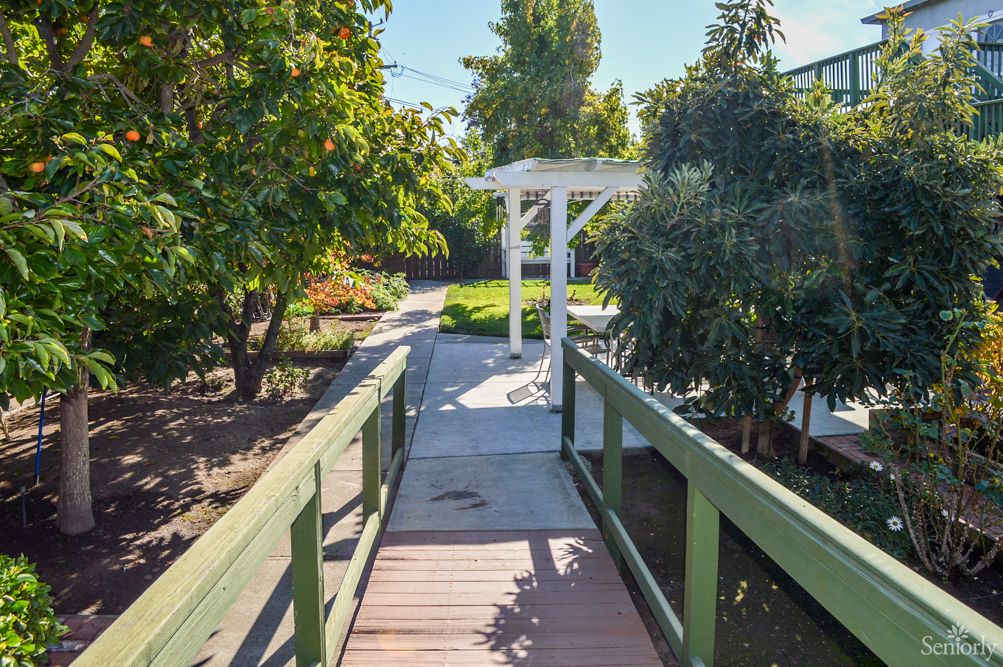
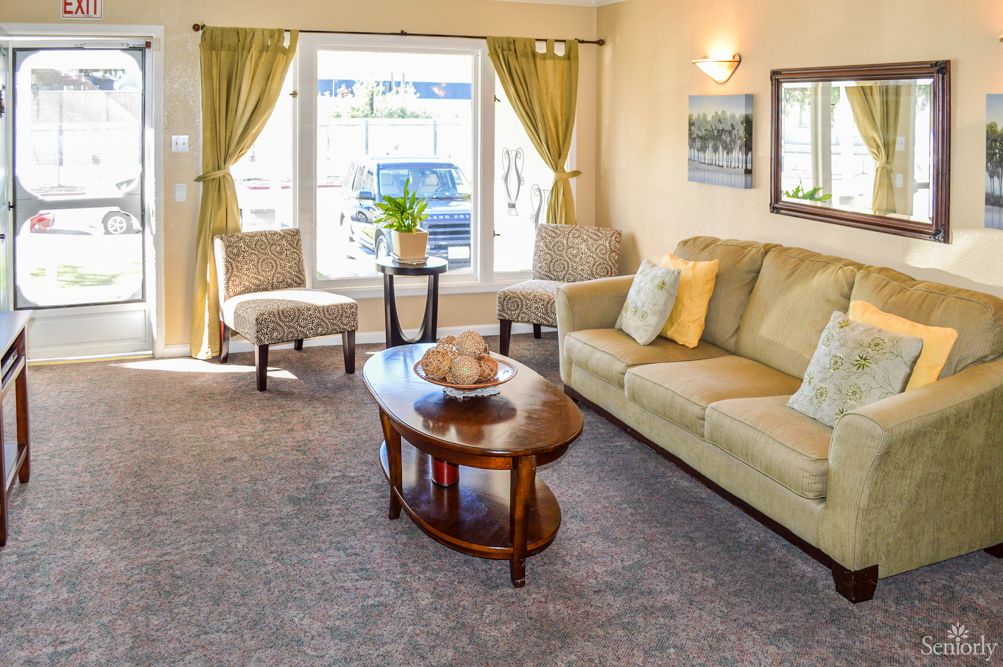
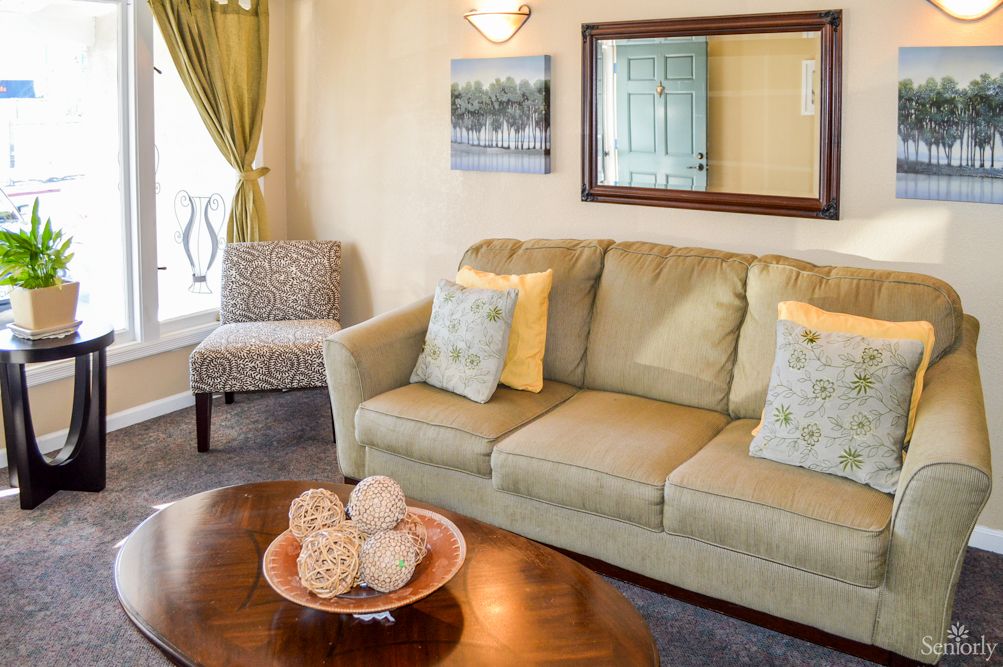
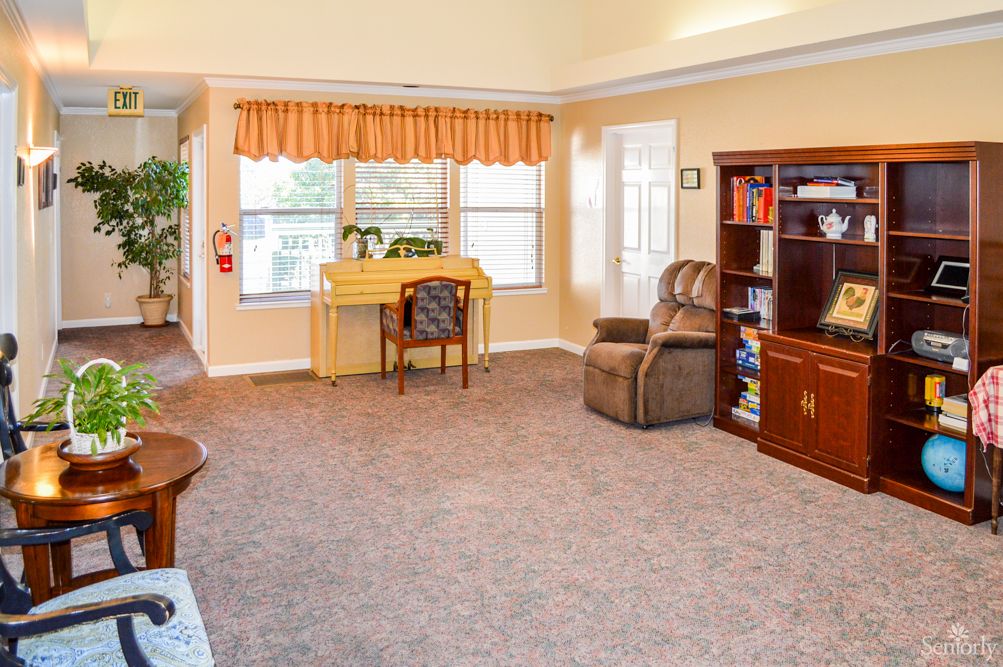
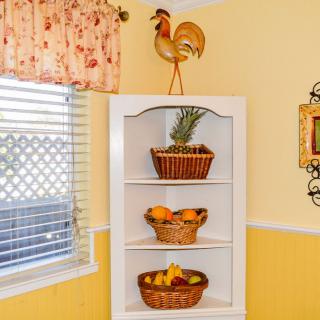
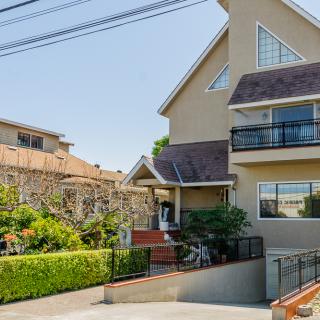
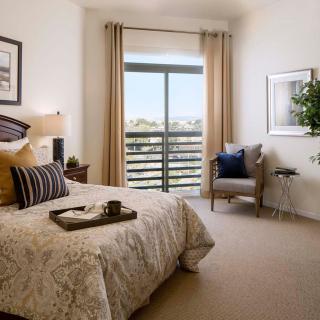
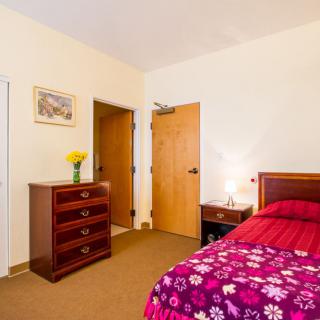
Pacific Care Home in San Mateo is best suited for families seeking a small, home-like setting that prioritizes safety, warmth, and easy, in-person visiting. The recent experience of a family moving a loved one from at-home care after back-to-back falls underscores a key strength: this community can deliver a safer, more supervised environment without sacrificing personal connection. The home’s ambiance, clean, sunny, and inviting, supports daily comfort and dignity, while caregivers are described as friendly and kind. For families prioritizing trust, a calm daily rhythm, and visible attentiveness, Pacific Care Home presents a compelling option.
Those with higher medical acuity or specialized care needs may want to consider alternatives. The single-family experience highlights safety and companionship, but it does not establish readiness for intensive skilled nursing, complex wound care, or dementia-specific programming found in larger or more medically focused communities. For elders requiring frequent on-site medical interventions, rehabilitation services, or highly structured cognitive therapies, a facility with a broader clinical footprint could be a more appropriate fit. In short, Pacific Care Home shines as a nurturing, low-disturbance setting rather than a hospital-within-a-home.
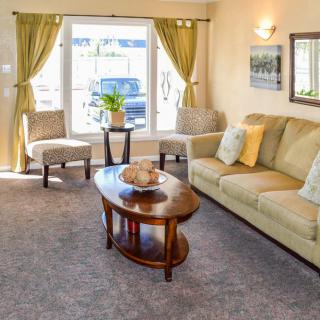
The key advantages, safety-focused care, warm staff interactions, and a bright living environment, offset several potential limitations inherent in a small residential model. The caregiver team’s friendliness and kindness translate into attentive supervision and more personalized attention, which is precisely what motivates a move from at-home care after multiple injuries. A clean, sunny home posture also reduces agitation for many seniors and simplifies family visits, which in turn strengthens continuity of care and oversight. While medical resources may be more limited than at larger campuses, the ease of daily observation and rapid response to minor concerns can meaningfully reduce worry for families in transition.
Equally important is the ability to visit and engage with the resident without logistical friction. The praise for a delightful visiting environment matters as much as any formal programming because it sustains emotional well-being and helps families stay involved. A smaller, clearly governed setting often means fewer barriers to spontaneous family interaction, quick scheduling of visits, and a sense that the loved one remains a central member of the household. This practical accessibility is not just comfort, it translates into more reliable oversight and a stronger sense of security for families monitoring mobility, falls, and daily routines.
To make a well-informed decision, prospective residents should seek specifics during tours. Inquire about the staff-to-resident ratio and how staffing levels adapt during evenings and weekends, especially after a fall or new injury. Ask how medical needs are managed on-site, what level of nursing support is available, and how medications are administered and reviewed. Explore meals, daily activities, and what programs exist to foster engagement and socialization, as well as the policies governing guest visits and overnight stays. Understanding these operational details will illuminate whether the home’s warmth and safety translate into reliable, ongoing support.
In sum, Pacific Care Home stands out for families prioritizing a safe, intimate, and visit-friendly home setting in San Mateo. It delivers a compelling value proposition for seniors transitioning from home care who want cleanliness, a sunny environment, and genuinely caring staff. However, for those requiring robust medical oversight, extensive rehabilitative services, or dementia-specific programming, alternatives with larger clinical footprints should be considered. The right choice hinges on balancing the palpable benefits of a nurturing, home-like atmosphere against the practical needs for medical intensity and structured cognitive support.
 6 resident community capacity
 Assisted Living
 Board and Care Home
 Memory Care
 Activities off-site
 Cable or satellite TV
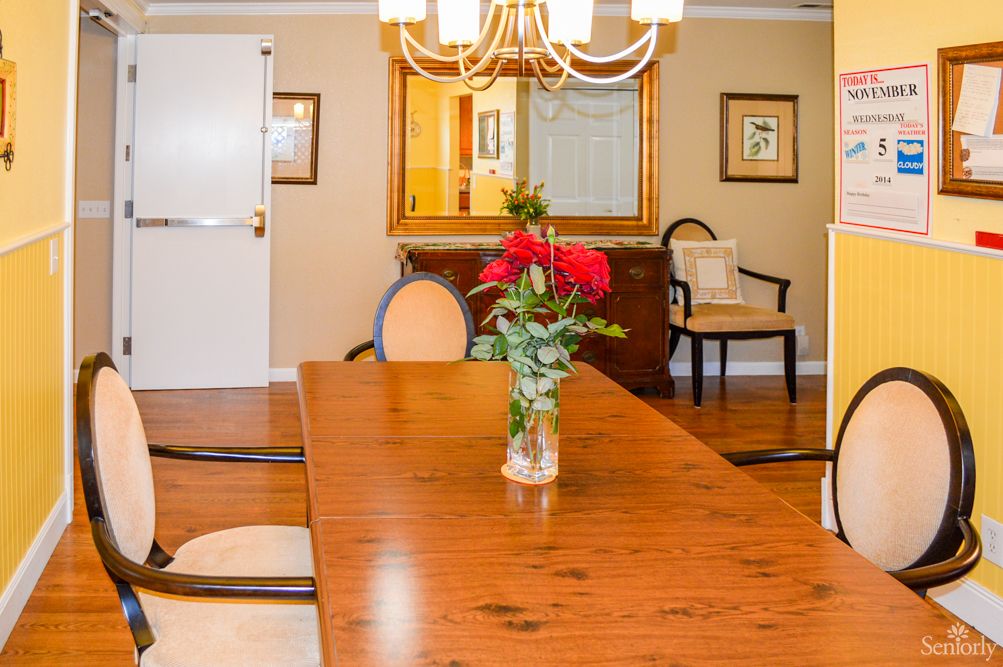
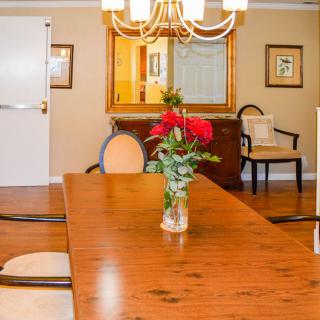
 Dining room
 Fully furnished
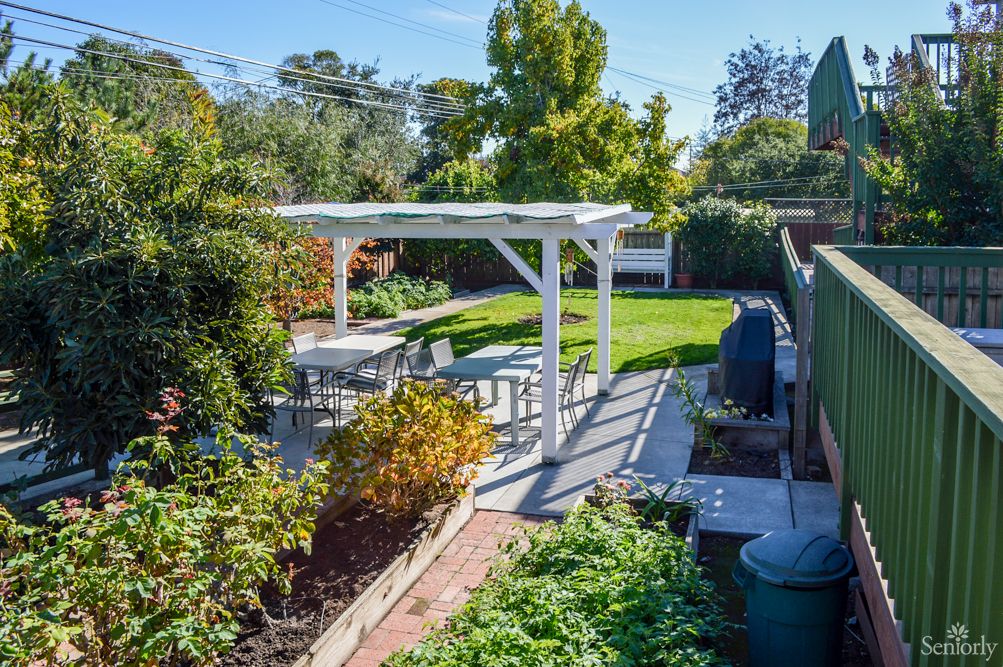
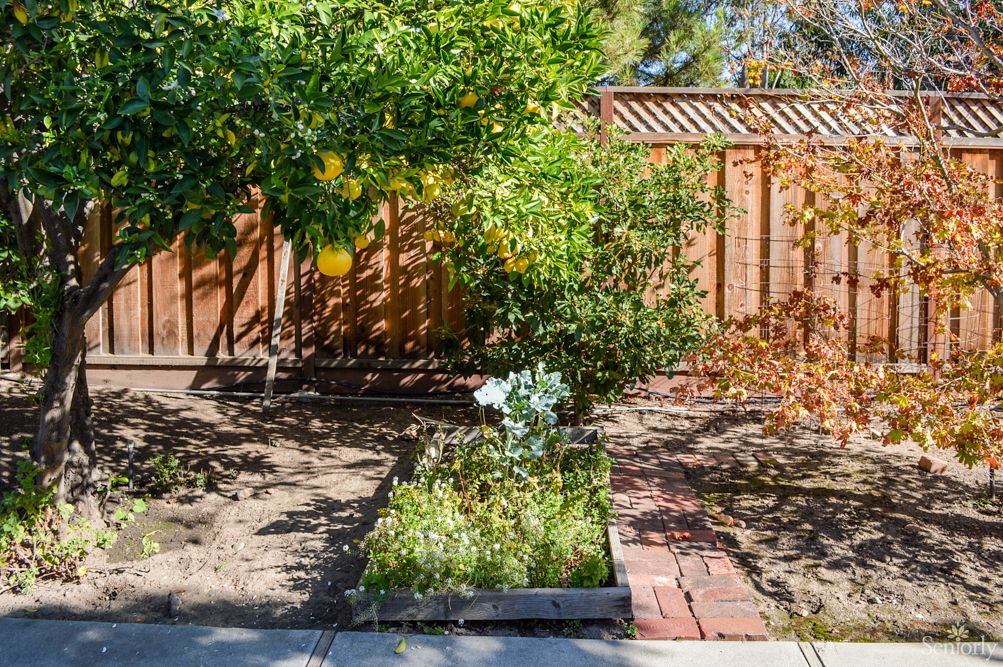
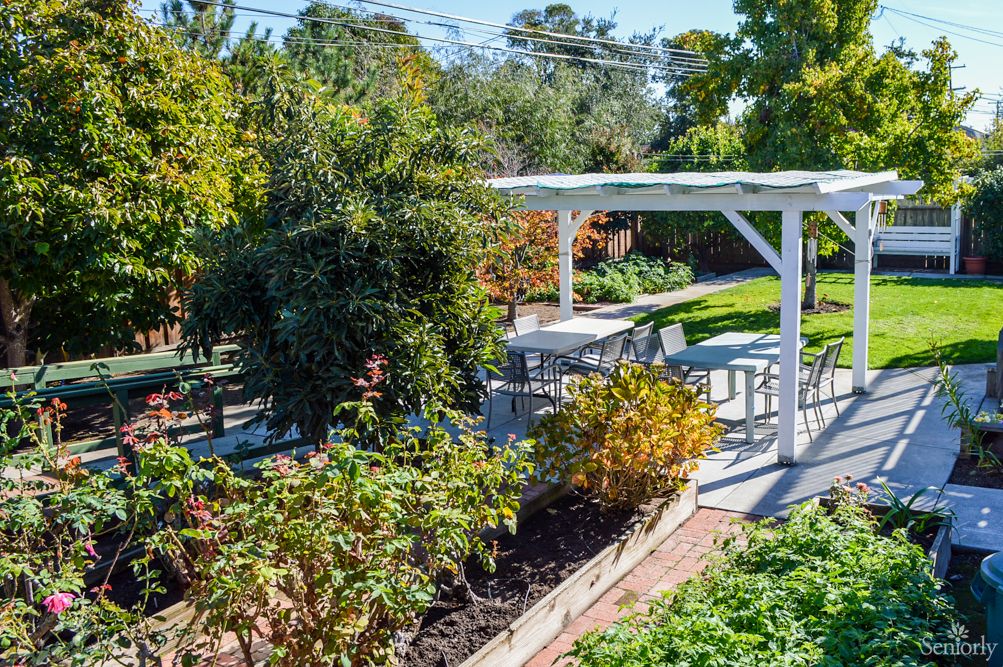
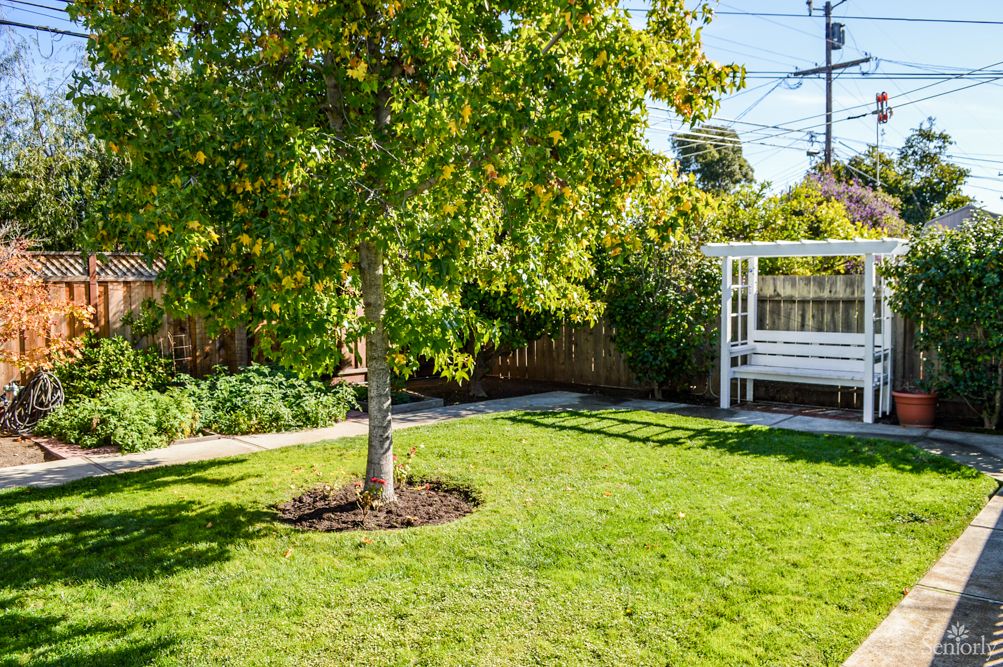
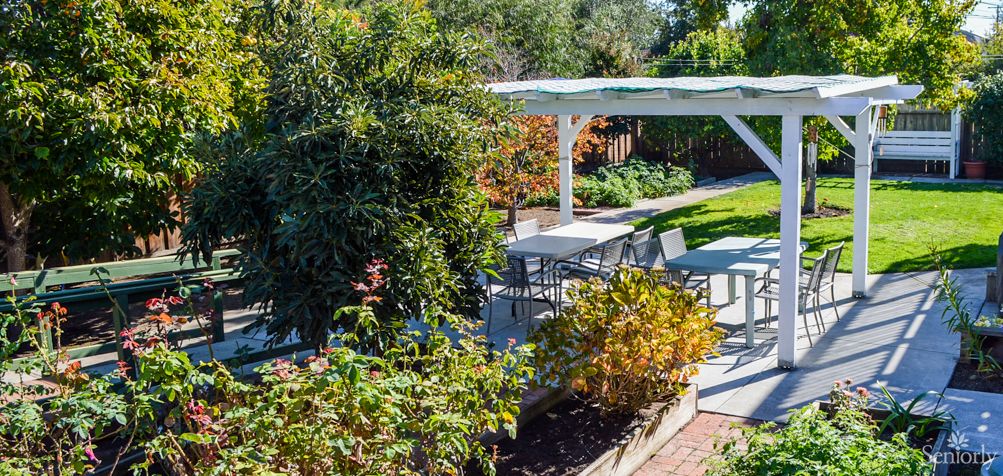
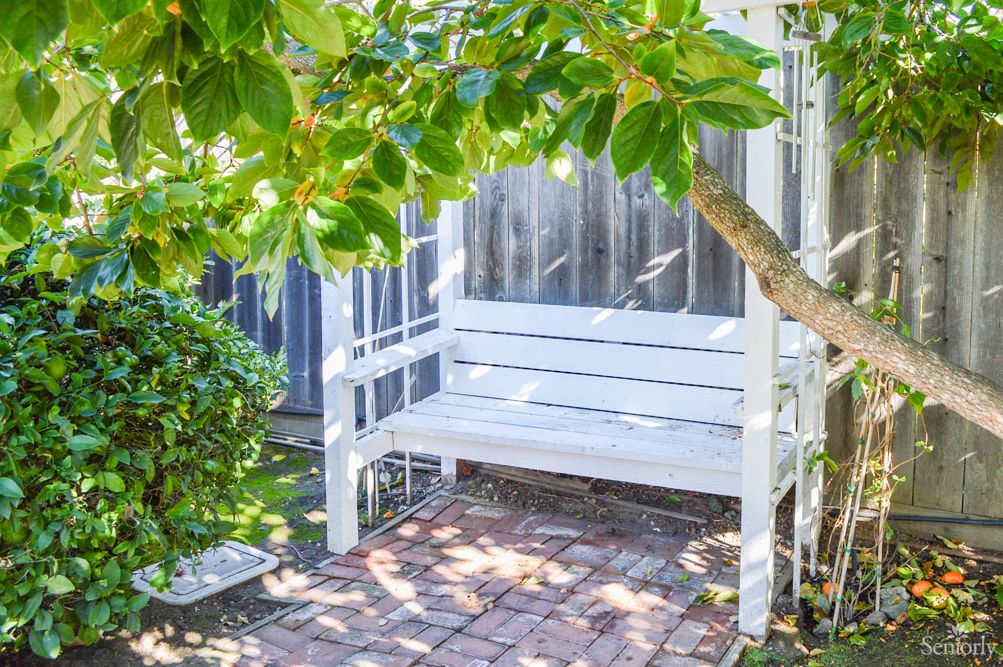
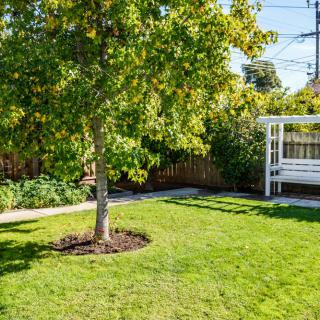
 Garden
 Housekeeping services
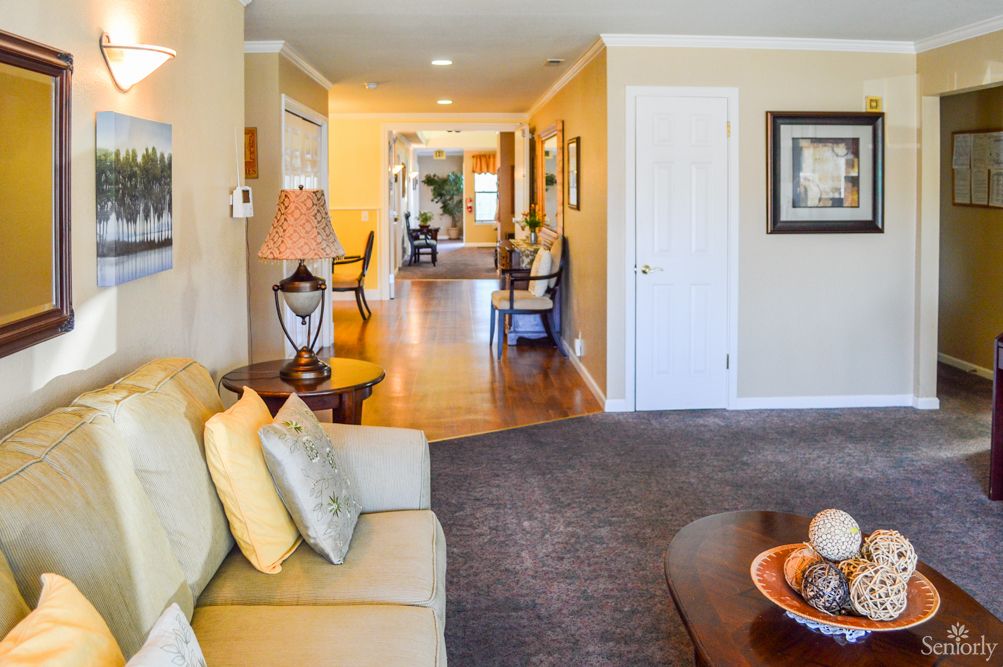
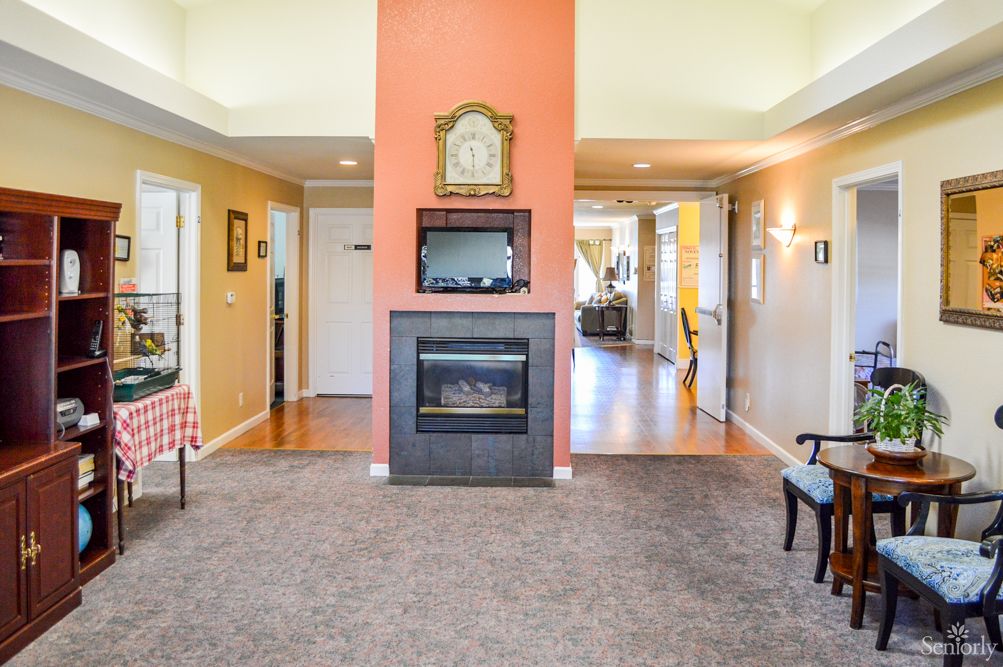
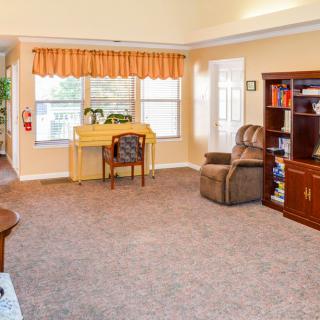
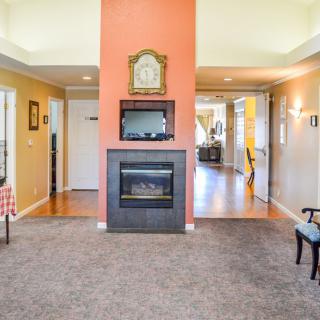
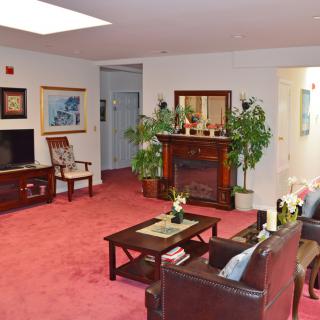
 Indoor common areas
 Move-in coordination
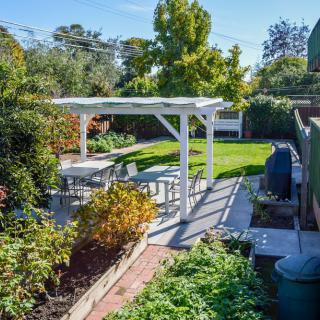
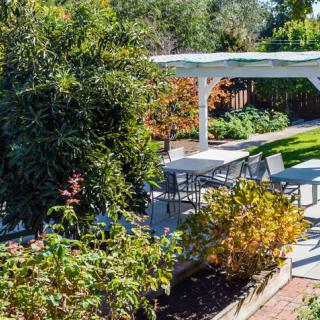
 Outdoor common areas
 Private
 Private bathrooms
 Respite or short term stays offered
 Small library
 Telephone
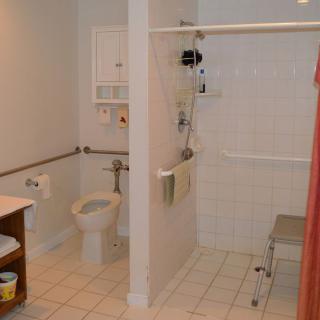
 Wheelchair accessible showers
 San Francisco International (7 miles away)
 24-hour supervision
 Assistance with bathing
 Assistance with dressing
 Assistance with transfers
 Diabetes diet
 Diabetic care
 High acuity care
 Incontinence care
 Meal preparation and service
 Medication management
 Mental wellness program
 Special dietary restrictions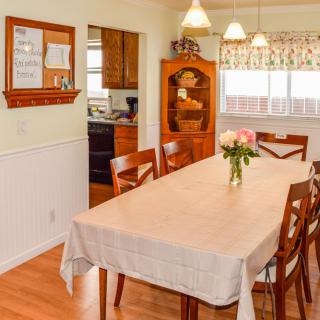
 Understanding Dementia Through Its Seven Stages: A Comprehensive Look at Progression and Expectations
 A Holistic Dementia Care Guide: Effective Strategies for Memory Support
 Memory Care Pathways: A Holistic Guide to Dementia Support