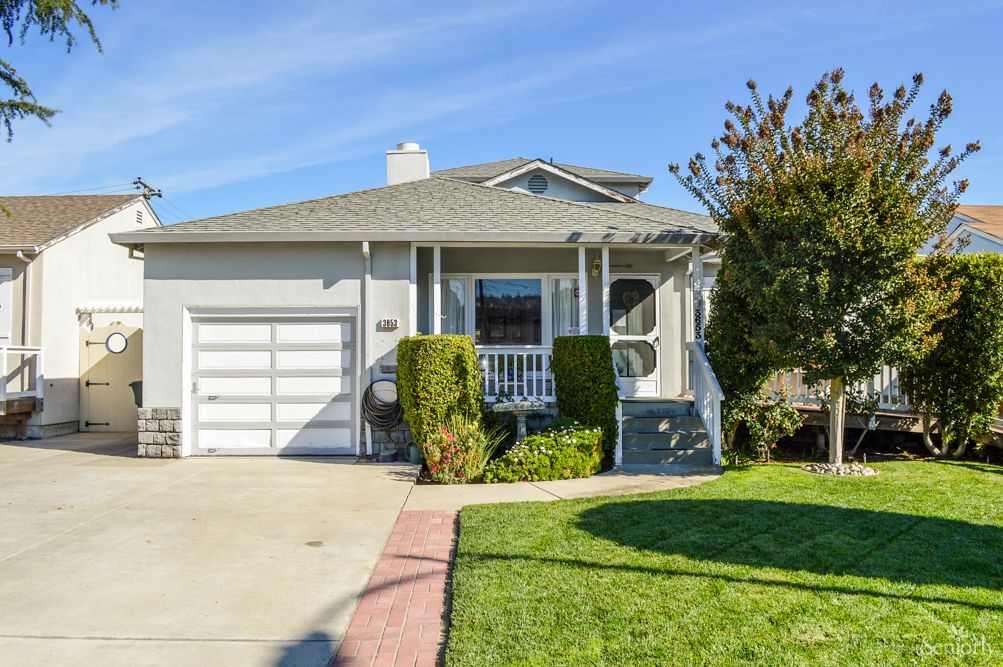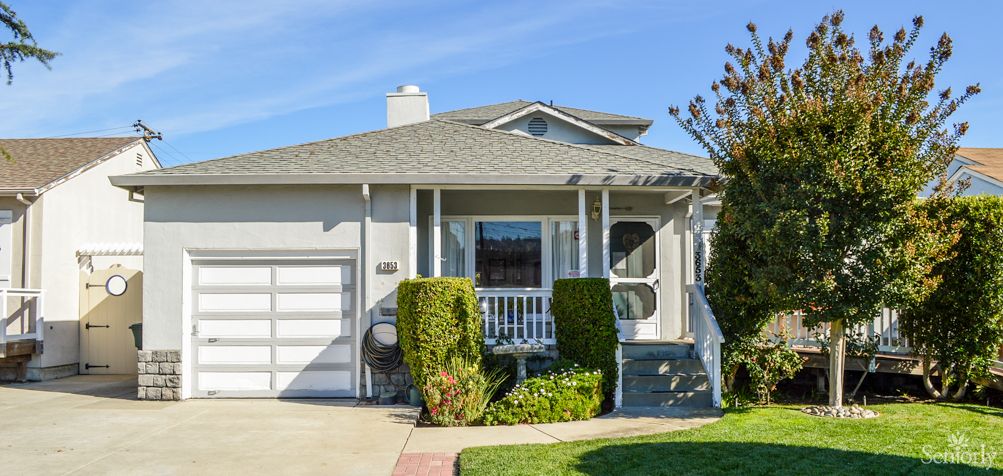
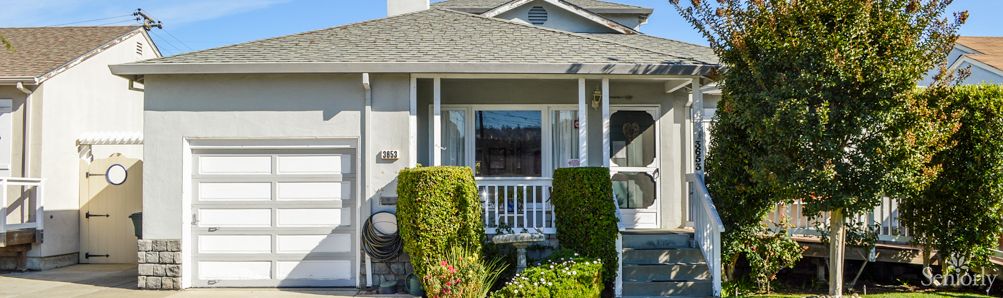
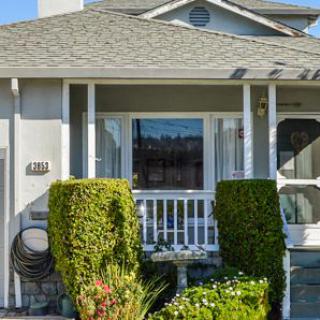
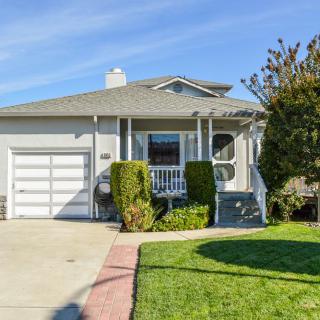
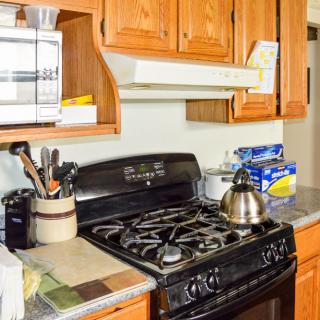
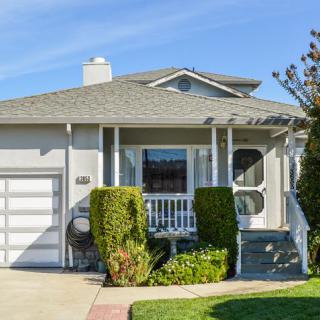
3653 Pacific Boulevard, San Mateo, CA 94403
For more information about senior living options: (866) 208-4318
Pacific Care Home II Costs & Pricing
Pacific Care Home II offers private rooms at a monthly cost of $4,800, which is notably higher than the average rate of $4,281 for San Mateo County and significantly above the statewide average of $3,939 across California. This pricing reflects the facility's commitment to providing specialized care and quality amenities that may not be available in other homes. While it sits at the higher end of the spectrum, prospective residents and their families may find value in the tailored services and environment Pacific Care Home II provides, suggesting a potential trade-off between cost and personalized care experience.
| Floor plans | Pacific Care Home II | San Mateo County | California |
|---|---|---|---|
| Private | $4,800 | $4,281 | $3,939 |
Memory care communities with a similar price nearby
-
from +$200 / mo
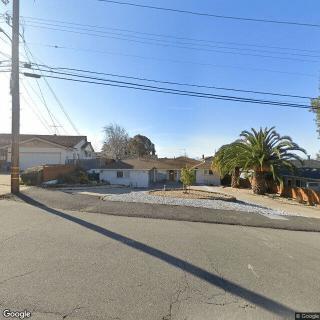
Blessing Home
$5,000 to $6,000 / month17.6 miles away -
from -$800 / mo
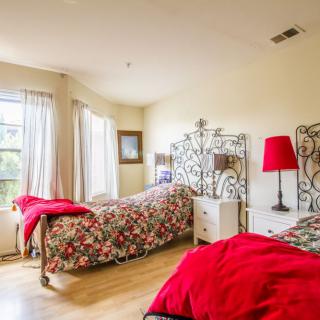
Golden Age Of Channing Way
$4,000 to $5,000 / month14.6 miles away -
from +$300 / mo
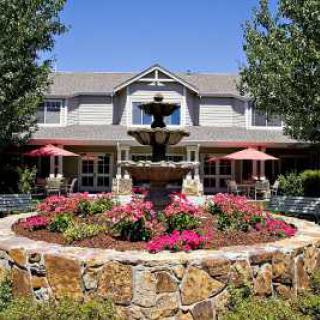
Aegis of Moraga
$5,100 to $6,150 / month22.5 miles away -
from +$900 / mo
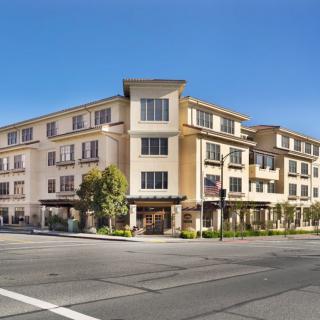
Sunrise of Burlingame
$5,700 to $9,000 / month6.4 miles away -
from -$805 / mo
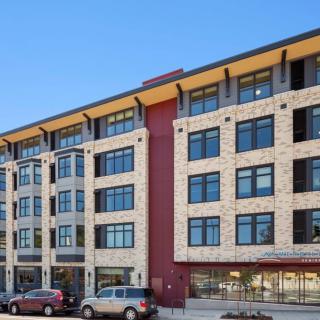
Merrill Gardens at Rockridge
$3,995 to $8,500 / month20.9 miles away
Overall Review of Pacific Care Home II
Pros
 The caregivers are friendly and kind.
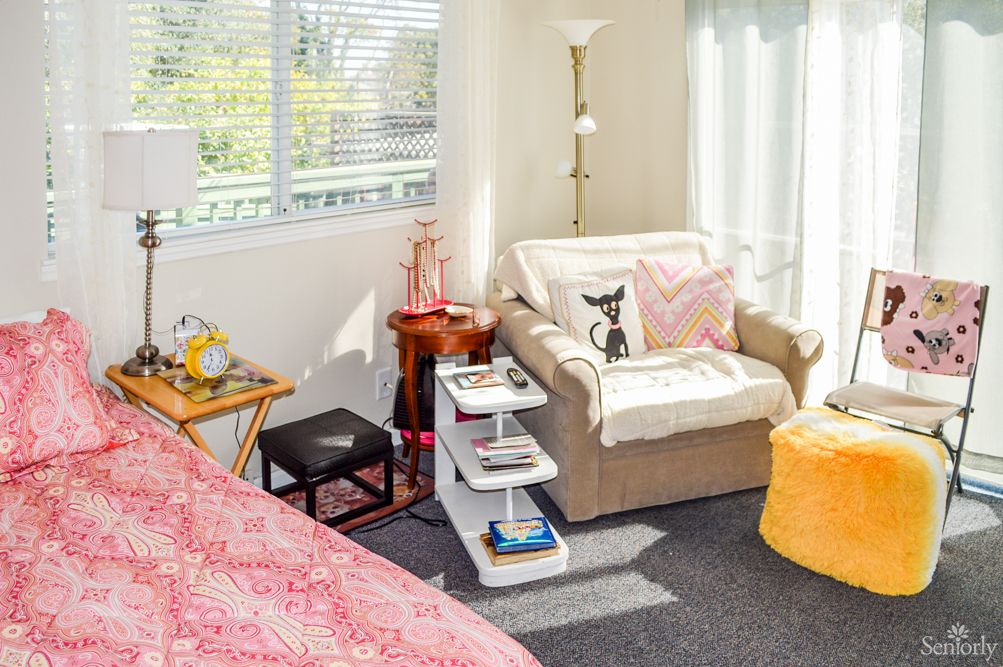
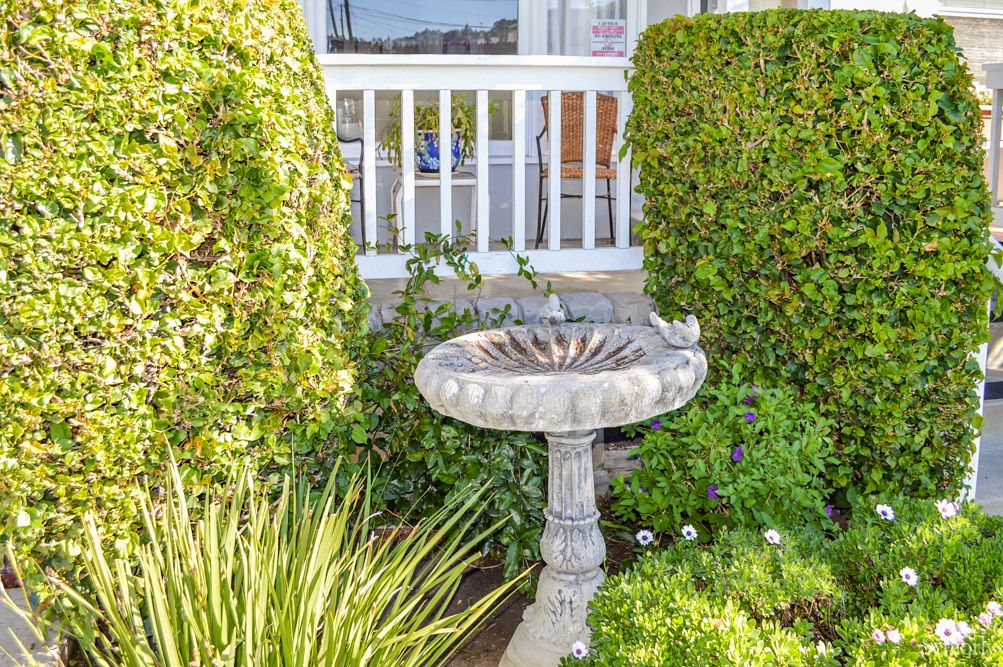
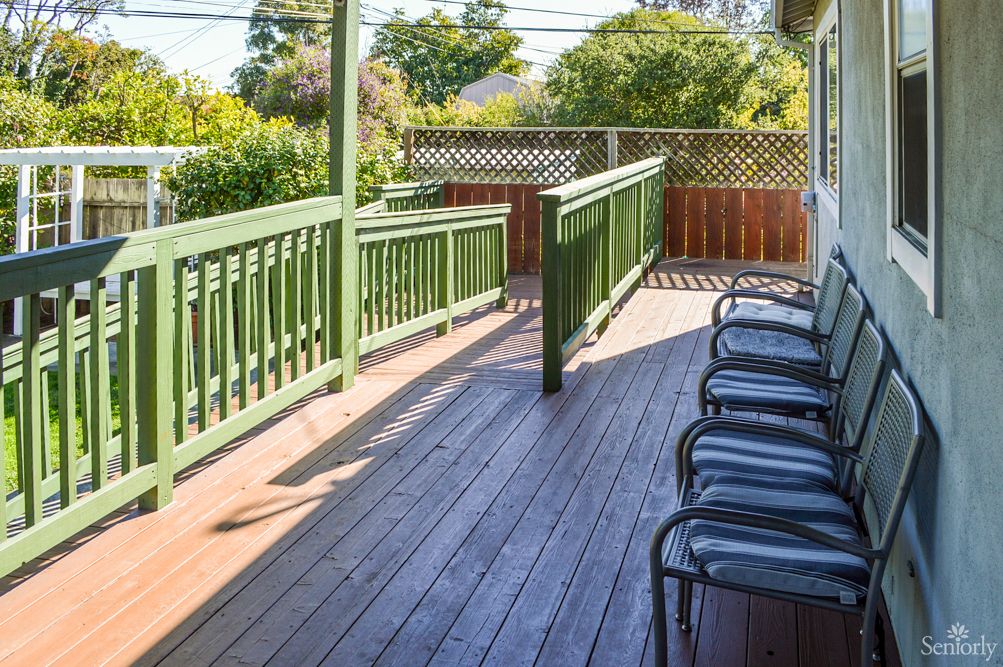
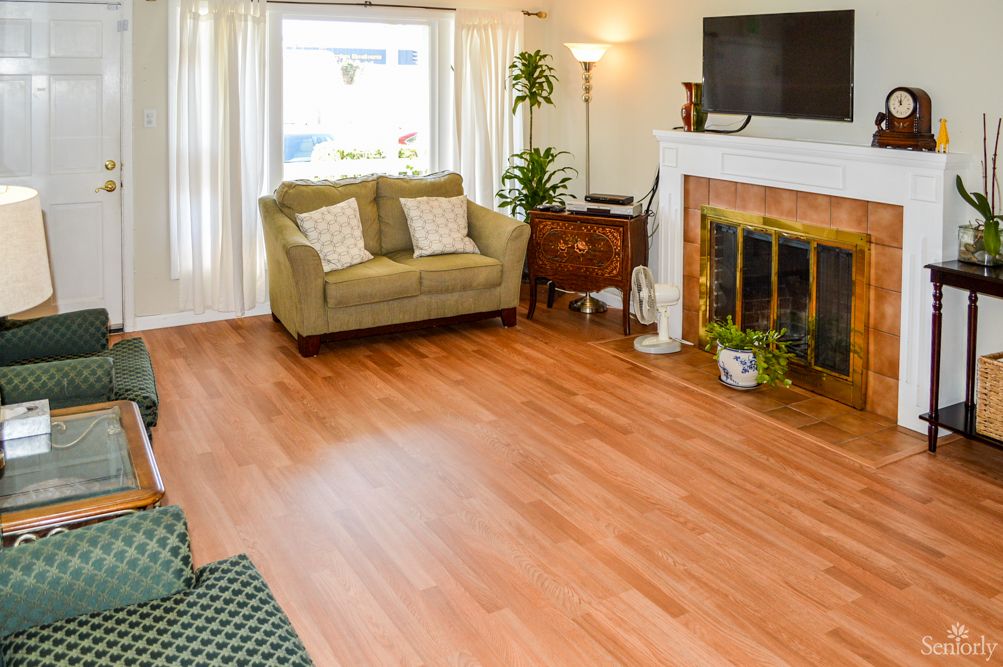
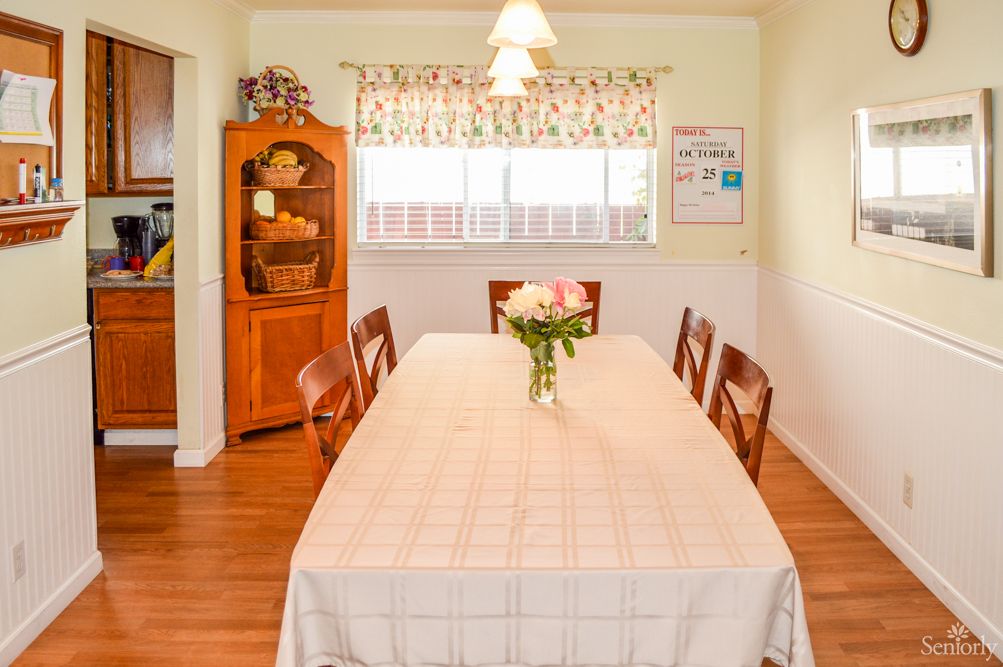
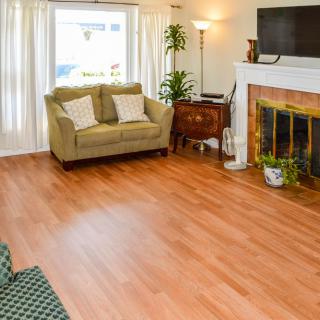
- The home is very clean and sunny.
- It is a delightful place to visit a loved one.
- The caretakers are pleasant and attentive.
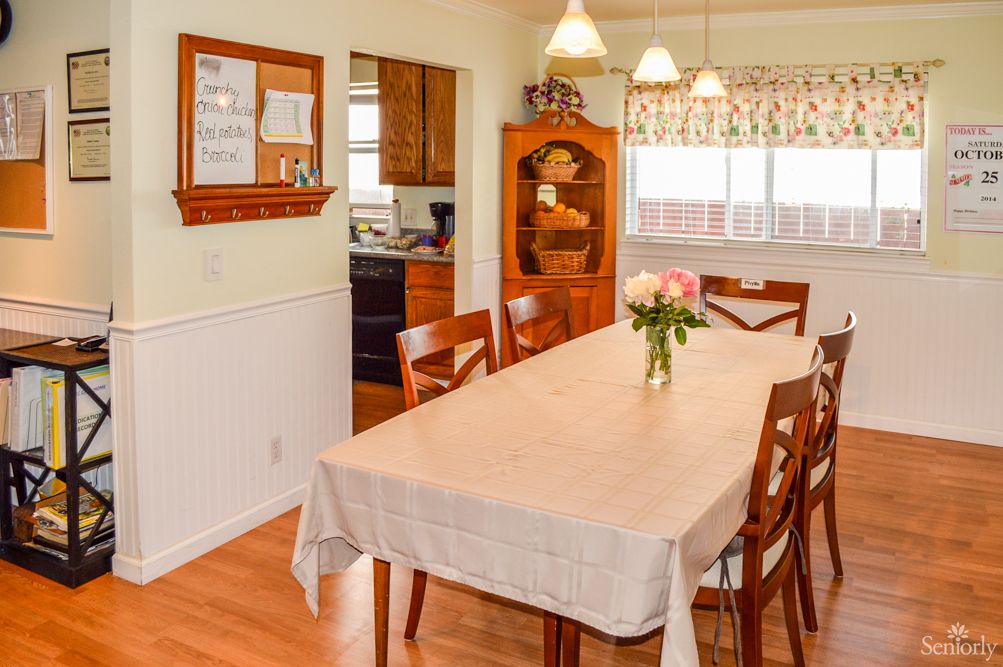
- The meals are very good.
- The activities are great, with daily visitors and outdoor options.
- There are barbecues at least four times a year.
- The home feels small and intimate, with only six residents.
Cons
 The father fell twice in two weeks while in home care, sustaining a head injury requiring 17 stitches and a fractured hip.
- The at-home care is portrayed as unsafe due to these injuries.
- The decision to move him to a safer environment underscores dissatisfaction with the previous care.
Review
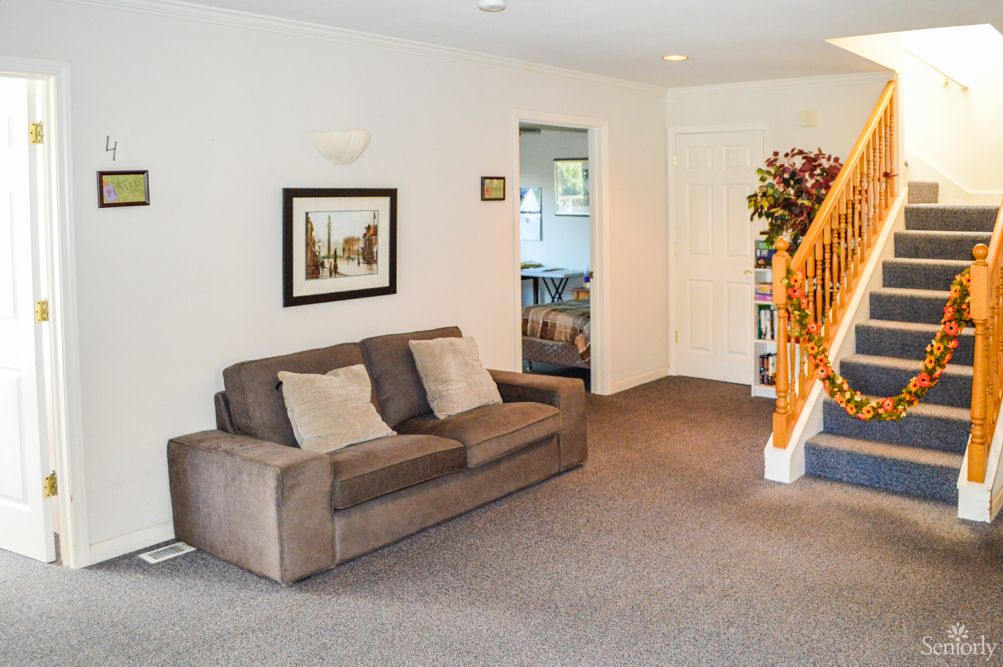
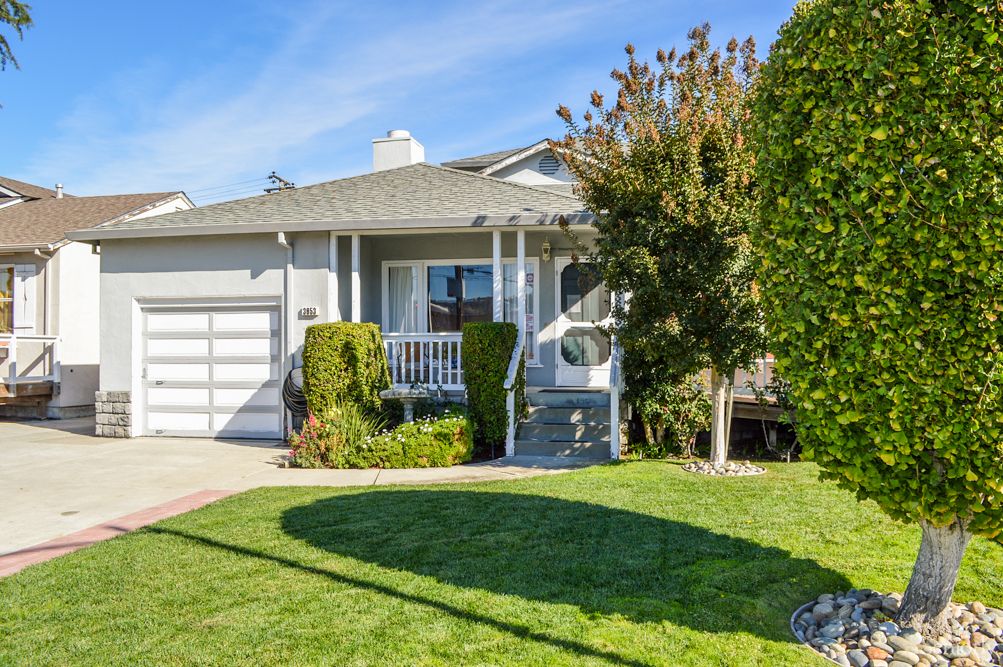
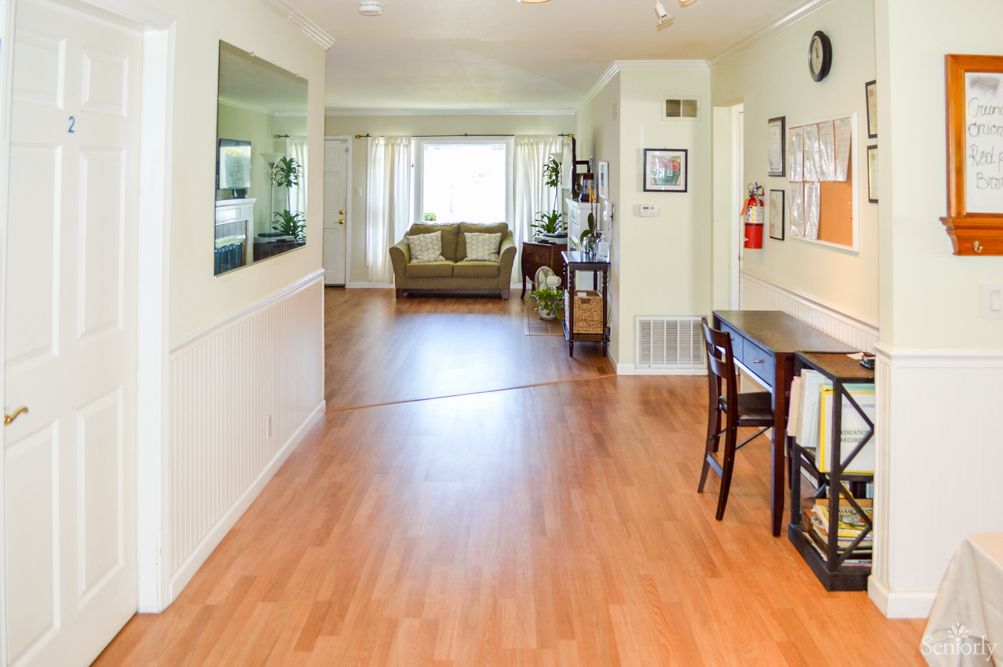
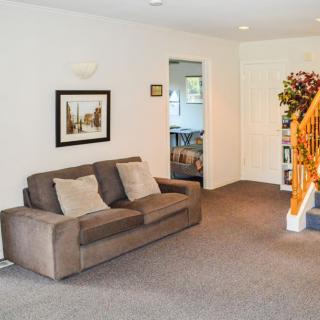
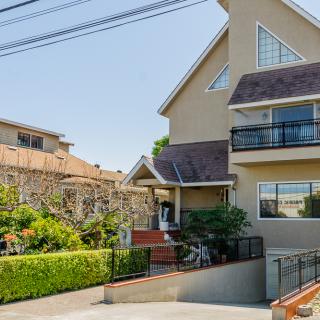
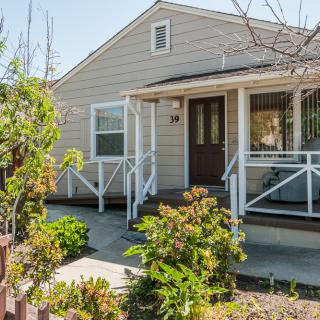
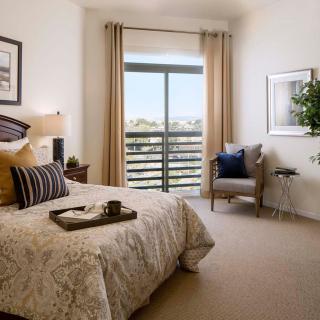
Pacific Care Home II in San Mateo is best suited for seniors who want a safely run, intimate, home-like environment where daily care is highly personalized and family involvement comes first. The setting shines for loved ones who value safety and a comfortable, small-house experience over campus-scale amenities. With only a handful of residents, this community delivers a level of attention that often gets diluted in larger facilities. It is especially appealing for families navigating a transition from home care after injuries or frailty and seeking a place that feels more like a well-kept private home than a medical institution.
Those who may want to consider alternatives include residents requiring robust, 24/7 skilled medical oversight, or specialized memory care with locked safety features and dementia-focused programming. The reviews do not reveal a large clinical footprint or extensive medical staffing, which means families with complex wound care, infusion therapy, or intensive nursing needs may find the resource level insufficient. Similarly, families seeking a wide array of high-traffic social events, campus-style theaters, or formal, structured day programs may prefer a larger community with more diversified programming.
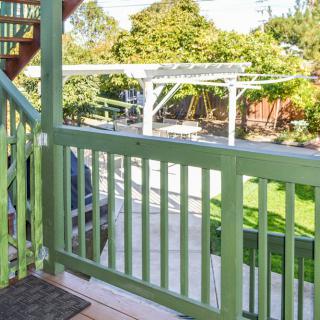
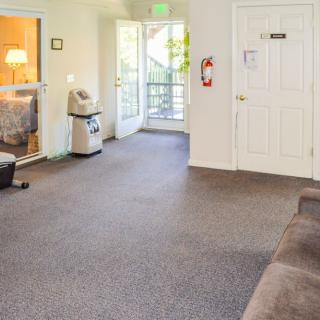
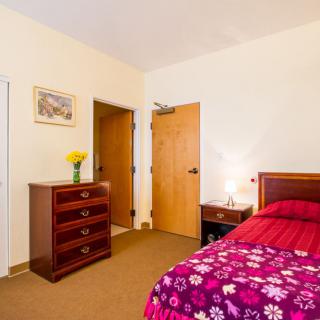
The strongest pro-argument here is the high-touch, person-centered care that a six-resident home can offer. Caregivers come across as friendly, attentive, and responsive, which translates directly into quicker assistance, fewer missed cues, and a sense of safety that matters after a fall or health setback. The home itself is described as clean and sunny, reinforcing comfort and well-being. A homelike atmosphere isn’t cosmetic; staff involvement is visible in everyday details, sharing feedback with families, noting what a resident did or tried, and communicating promptly about any concerns. This combination of warmth and responsiveness offsets the absence of a larger clinical footprint.
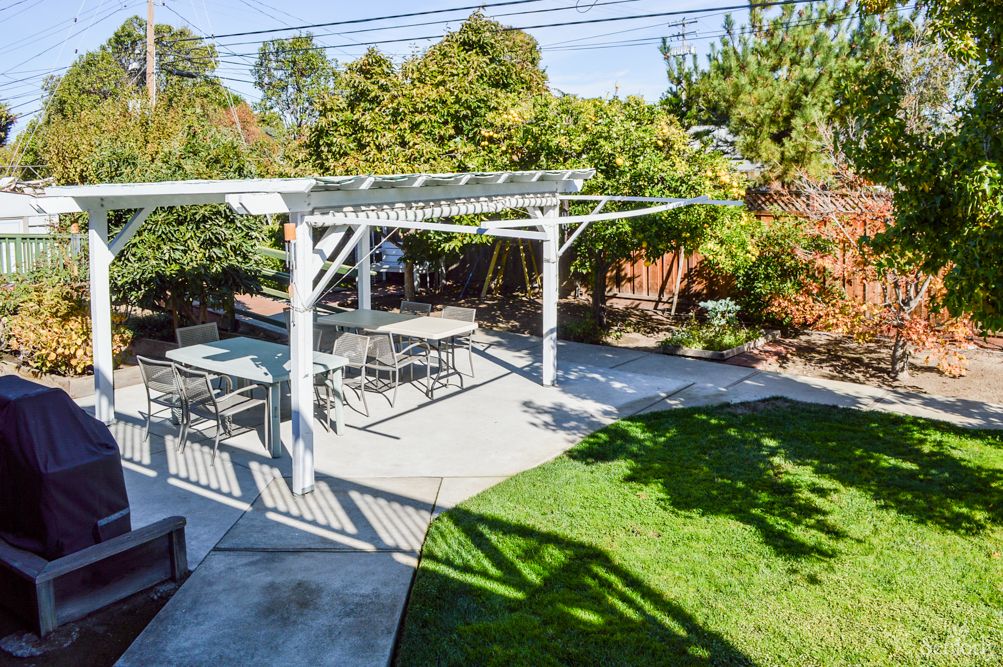
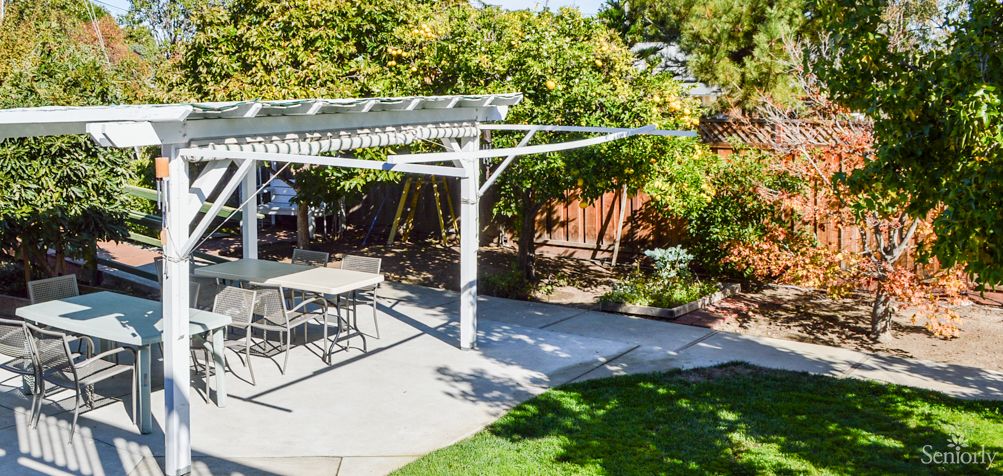
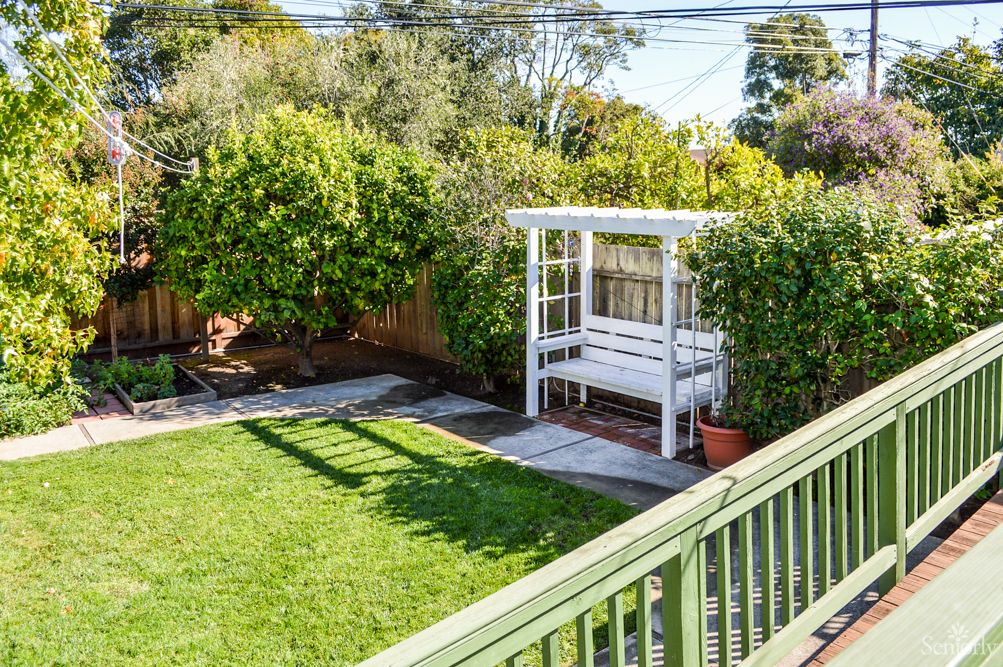
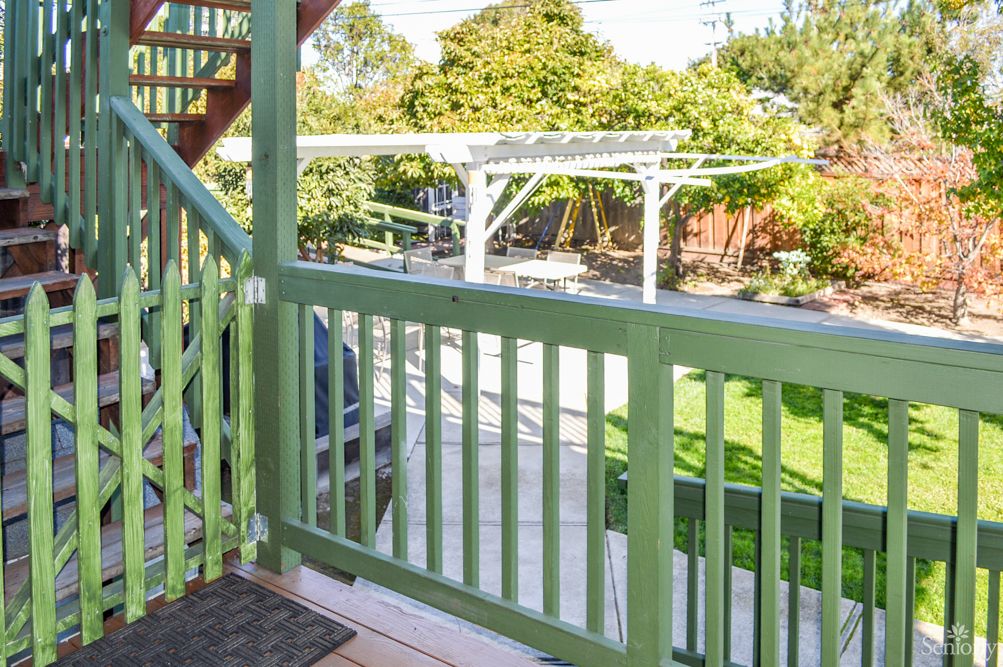
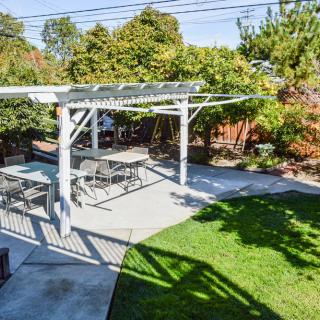
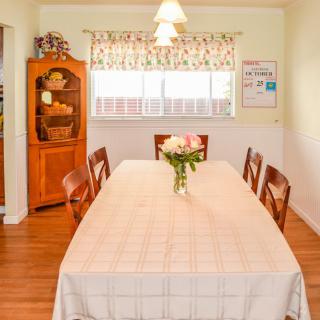
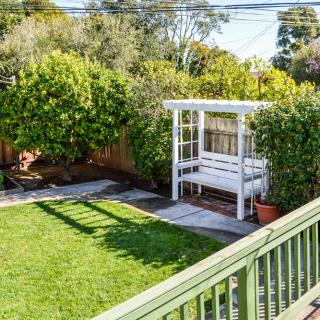
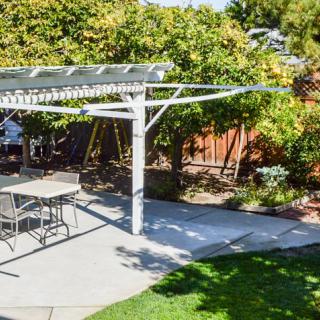
Equally compelling are the social and activity elements that keep residents engaged without overwhelming them. The program includes everyday guest visits, opportunities for outdoor movement in a backyard space, and approachable arts or music activities when weather permits. Shared meals are part of the routine, with the promise of good food, and the occasion for informal family-style interactions, an important counterweight to potential loneliness in memory-impairing or aging processes. Seasonal social touches, like barbecue gatherings a few times a year, reinforce a sense of community and continuity that families often seek.
Communication stands out as a practical pillar of value. Staff are described as clear and timely in updates, ensuring families are informed about daily progress, needs, or changes in a loved one’s condition. This level of transparency reduces the anxiety that accompanies transitions to care settings and helps families maintain trust in the caregiving team. The fact that caregivers actively relay daily happenings and respond to concerns quickly translates into a feeling of partnership with families, rather than a distant, impersonal arrangement.
From a decision standpoint, Pacific Care Home II represents a strong choice for those prioritizing a safe, home-like environment with intimate staffing and visible resident engagement. The benefits, personalized attention, clean and cheerful spaces, reliable communication, and a robust social routine, tend to outweigh the limitations inherent in a small-scale operation. However, this is not the pick for families needing extensive medical services on site or highly specialized dementia care. In such cases, alternatives with larger clinical teams and dedicated memory-care wings may be more appropriate.
A practical path forward is clear: arrange a visit to observe how staff interact with residents, confirm the staff-to-resident ratio, and sample meals to assess quality and variety. Inquire about the consistency of daily programming and how family communication is managed on an ongoing basis. If safety, warmth, and a sense of belonging in a small community align with priorities, Pacific Care Home II provides a compelling fit. If medical complexity or dementia-specific needs dominate the decision, explore other options that offer greater clinical depth while maintaining a comparable level of personal attention.
 6 resident community capacity
 Assisted Living
 Board and Care Home
 Memory Care
 Respite Care
 Activities off-site
 Cable or satellite TV
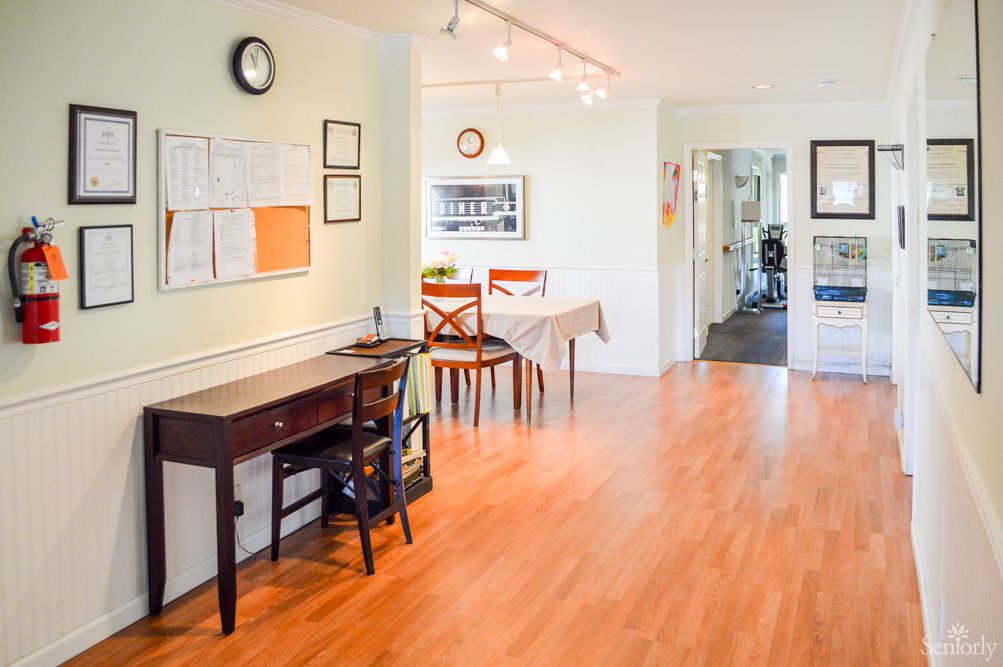
 Dining room
 Fully furnished
 Garden
 Housekeeping services
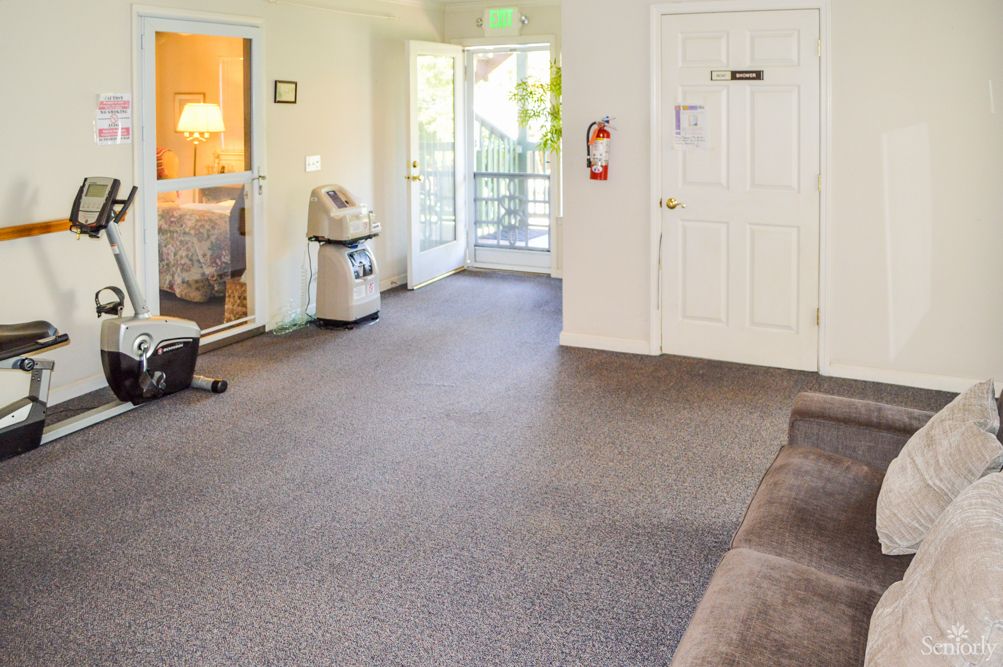
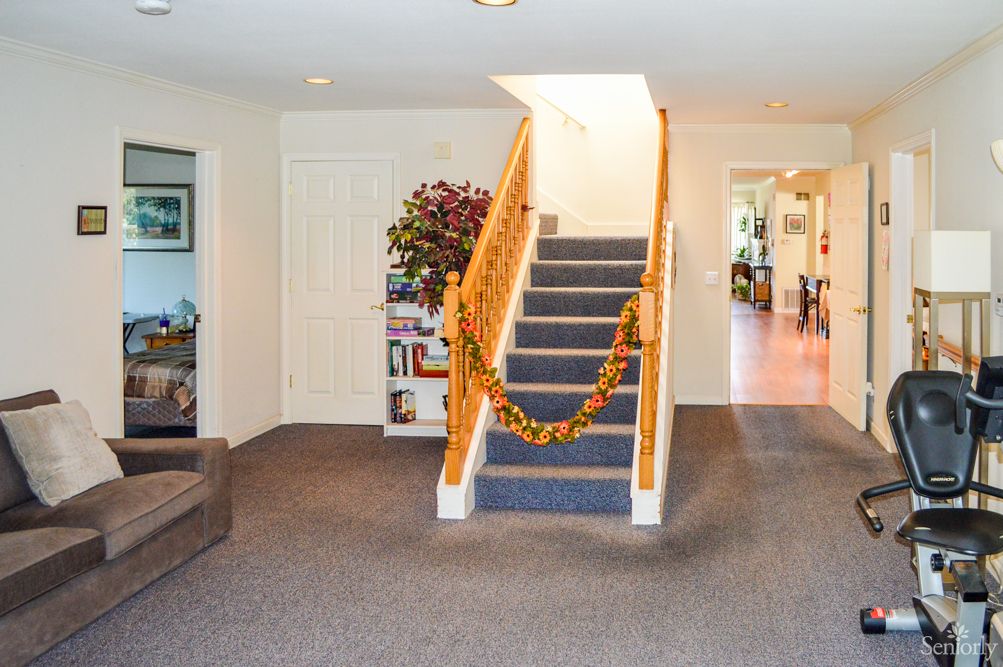
 Indoor common areas
 Move-in coordination
 Outdoor common areas
 Private
 Private bathrooms
 Small library
 Telephone
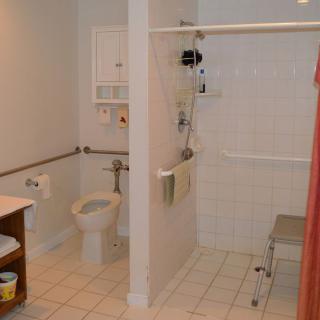
 Wheelchair accessible showers
 San Francisco International (7 miles away)
 24-hour supervision
 Assistance with bathing
 Assistance with dressing
 Assistance with transfers
 Diabetes diet
 Diabetic care
 High acuity care
 Incontinence care
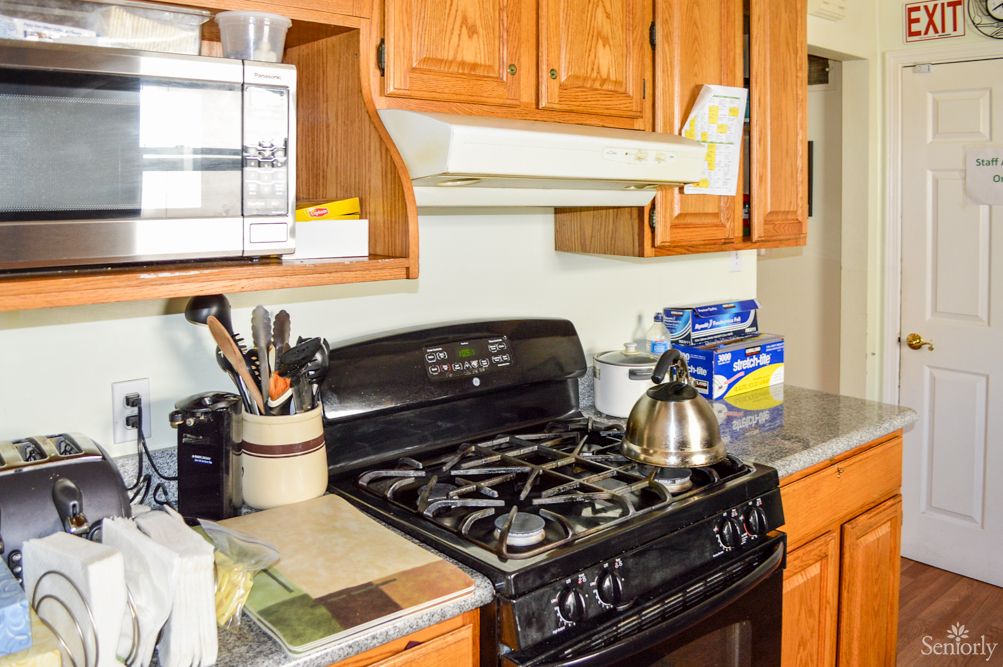
 Meal preparation and service
 Medication management
 Mental wellness program
 Special dietary restrictions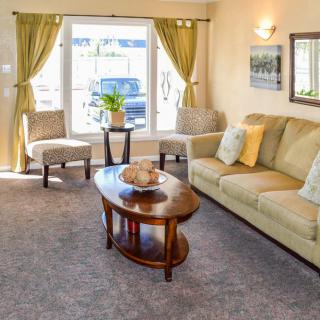
 When Dementia Sparks Anger and Aggression: Understanding the Connection and Ways to Cope
 Dementia Behaviors: In-Depth Understanding and Effective Coping Strategies
 5 Early Indicators of Dementia and What You Can Do