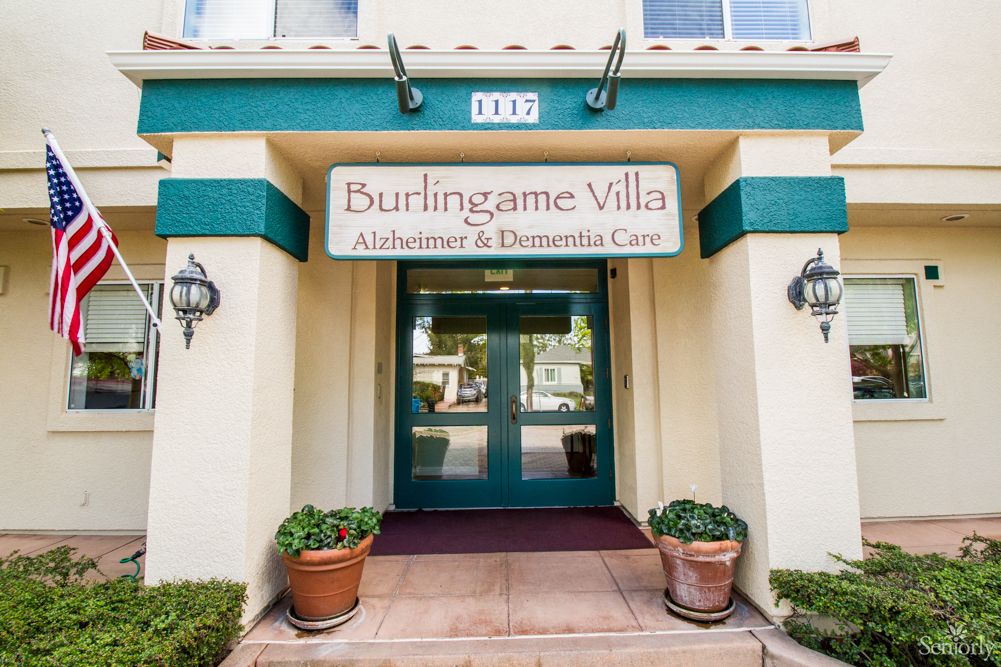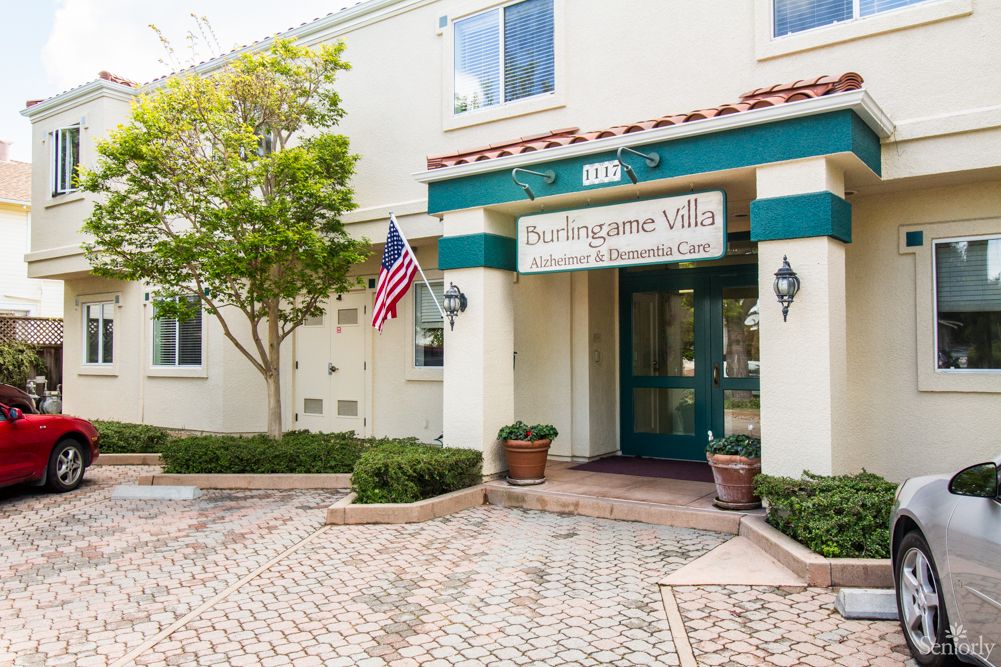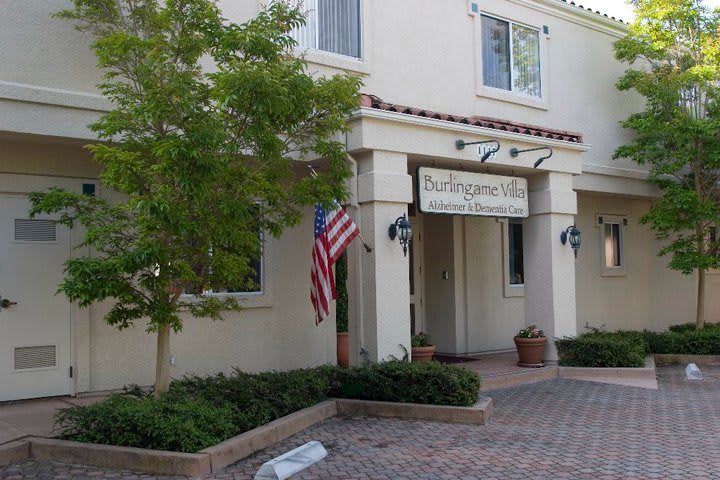
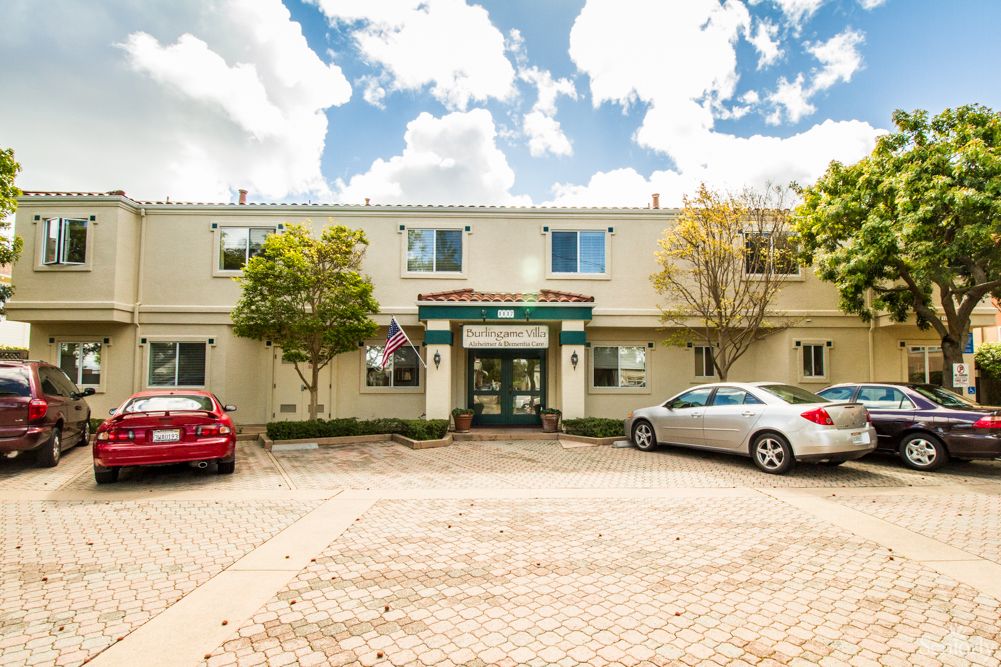

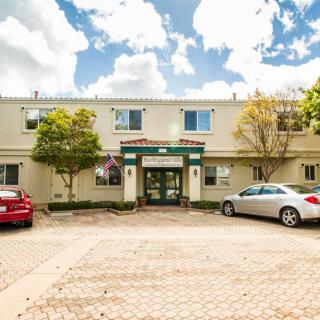
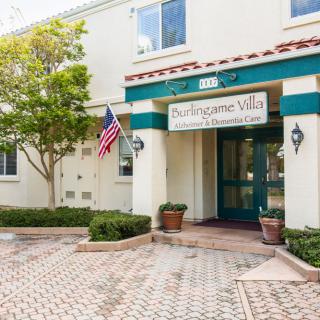

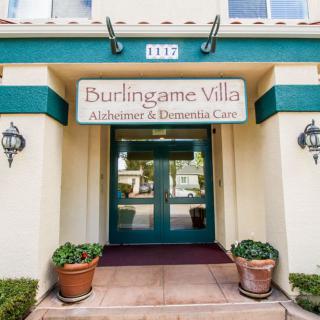

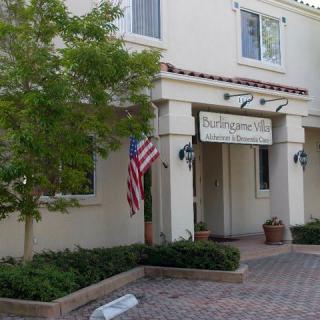

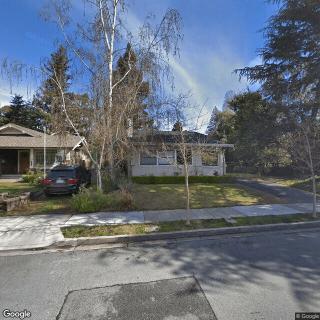
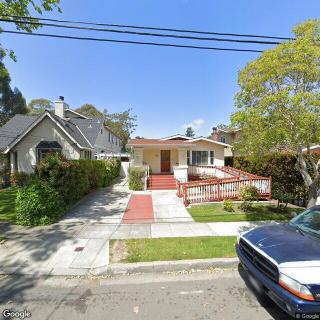
1117 Rhinette Avenue, Burlingame, CA 94010
For more information about senior living options: (866) 208-4318
Burlingame Villa Costs & Pricing
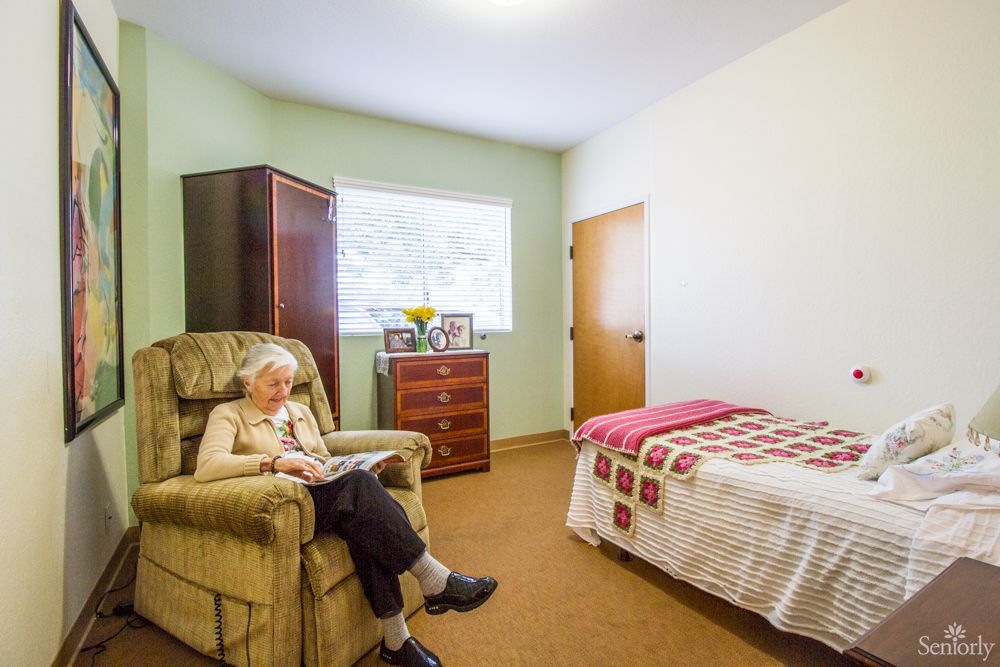
At Burlingame Villa, the monthly costs for accommodation reflect a premium compared to both San Mateo County and state averages. For a semi-private room, residents can expect to pay $4,395, which is notably higher than the county's average of $3,830 and California's average of $3,333. Similarly, the studio option is priced at $5,595, exceeding San Mateo County's average of $5,178 and California's overall average of $4,145. While these rates position Burlingame Villa above the regional benchmarks, they suggest a commitment to providing enhanced services and amenities that may appeal to individuals seeking a higher standard of care and comfort in their living arrangements.
| Floor plans | Burlingame Villa | San Mateo County | California |
|---|---|---|---|
| Semi-Private | $4,395 | $3,830 | $3,333 |
| Studio | $5,595 | $5,178 | $4,145 |
Memory care communities with a similar price nearby
-
from +$605 / mo
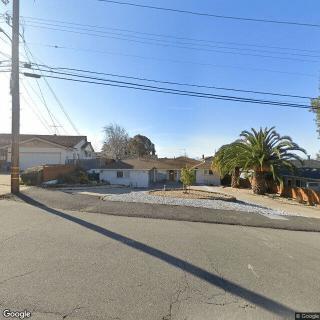
Blessing Home
$5,000 to $6,000 / month18.5 miles away -
from -$395 / mo
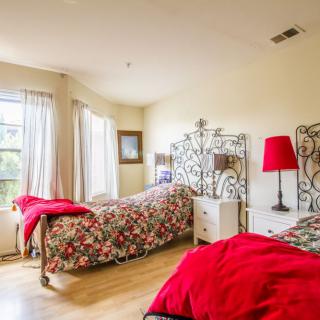
Golden Age Of Channing Way
$4,000 to $5,000 / month12.6 miles away -
About the same
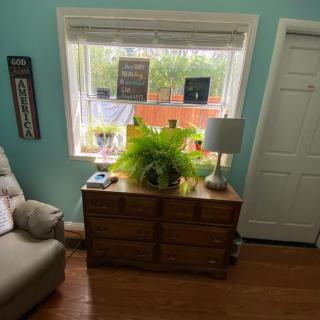
Lafayette Gardens
$4,500 to $5,000 / month25.0 miles away -
from +$705 / mo

Aegis of Moraga
$5,100 to $6,150 / month21.3 miles away -
from -$400 / mo
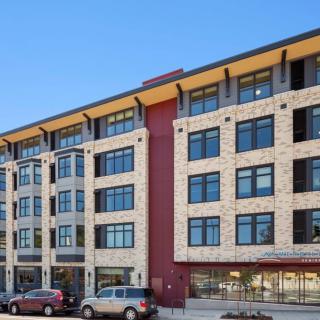
Merrill Gardens at Rockridge
$3,995 to $8,500 / month18.3 miles away
Overall Review of Burlingame Villa
Pros
 The Burlingame Villa staff are professional, patient, and incredibly caring, treating residents with immense dignity.
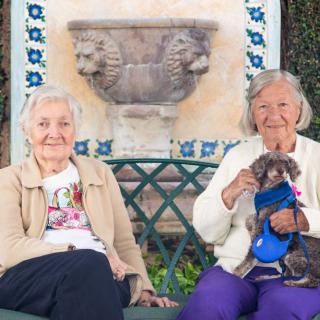
- The Burlingame Villa community is welcoming and feels like a second home.
- Administrators and staff go above and beyond, giving families peace of mind that loved ones are safe and well cared for.
- Caregivers act with respect and love for residents and their families, with relationships at the heart of their work.
- Families feel a genuine sense of belonging to the Burlingame Villa community.
- The staff and management treat everyone like family, becoming an extension of the families they serve.
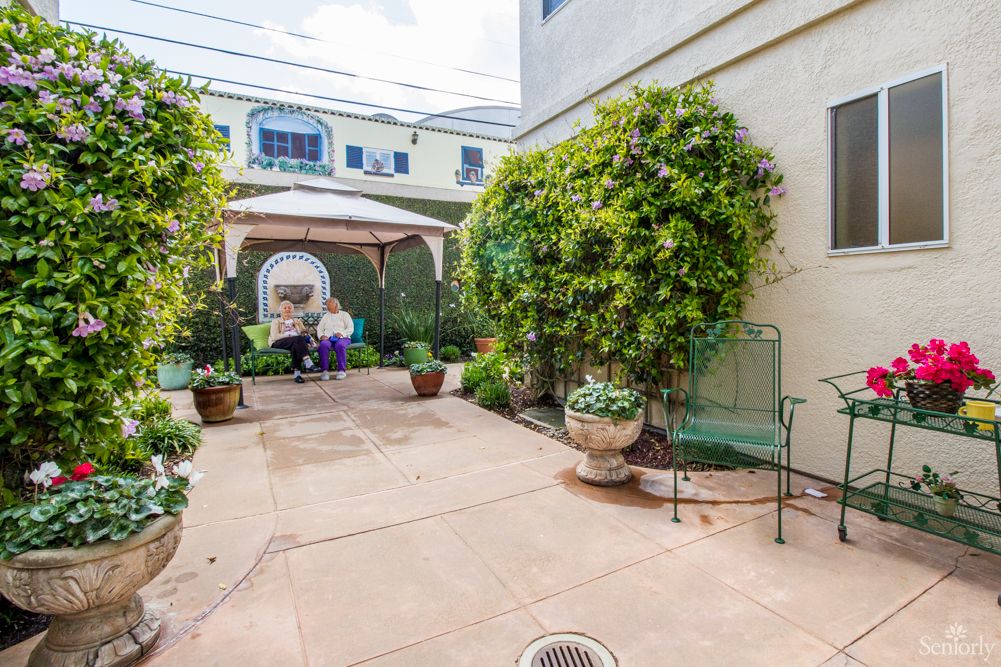
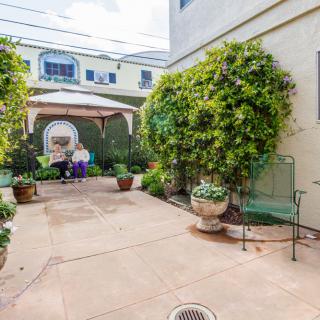
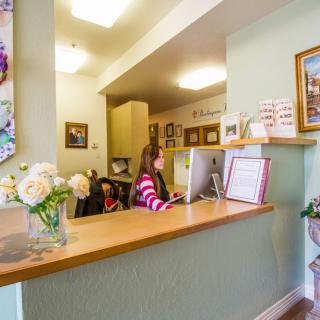
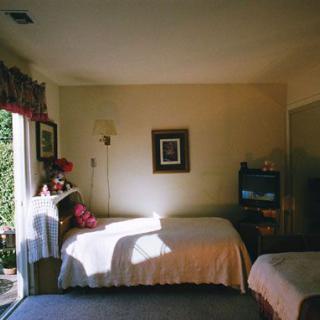
- The facility is kept very clean and provides a beautiful, peaceful environment.
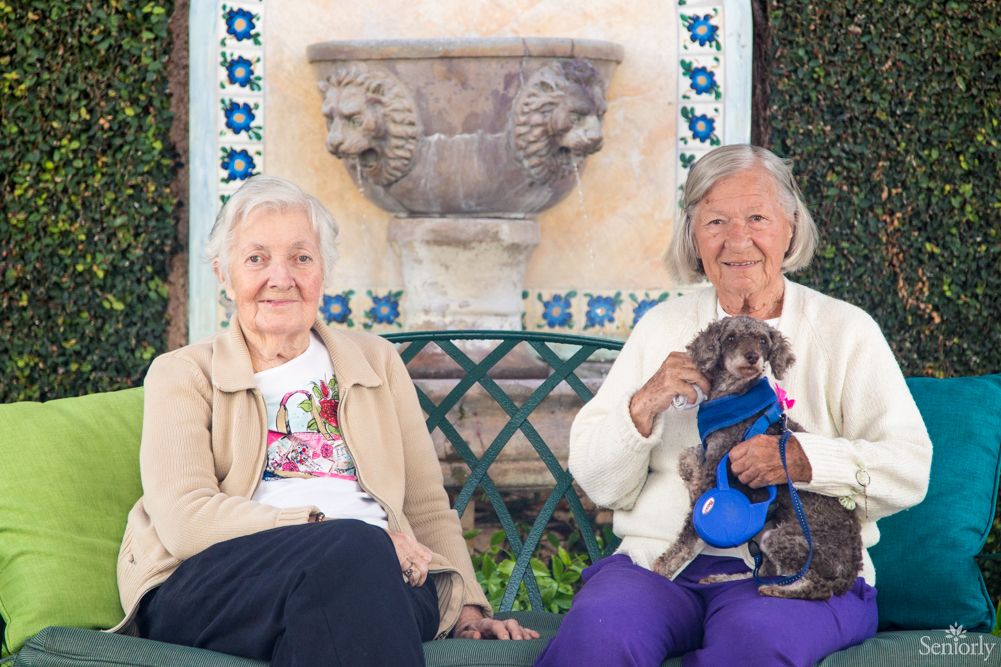
- The surroundings include a well-kept garden that is serene and calming.
Cons
 They do not provide proper treatment to the elderly.
 - They are not punctual in serving food, offering medicine, or providing adequate support.
- The manager does not handle the elderly well, and the service is filthy.
- The food is served raw and unflavored, and residents are treated unfairly for the manager’s profit.
- It is too focused on Alzheimer’s and low-functioning residents.
- There are too few staff for the number of residents, and there is no on-site medical staff; the rooms smell funny.
Review
Burlingame Villa is best suited for families seeking a memory-care oriented, home-like setting where a committed, compassionate staff treats residents with dignity and warmth. The community shines for loved ones who need 24/7 supervision due to dementia or memory-loss conditions and who value relationships at the center of daily life. When the goal is consistent routines, meaningful engagement, and a sense of belonging, Burlingame Villa often rises to meet those expectations. The testimonials repeatedly highlight a culture of care where staff, administration, and caregivers work in concert to keep residents safe, respected, and included in a family-like environment. For families prioritizing a heartfelt, interpersonal caregiving dynamic over clinical flash, this is a strong match.
That said, several reviewers counsel considering alternatives if medical intensity, modern amenities, or budget constraints dominate the decision. Potential residents with higher medical needs requiring on-site nursing oversight may find Burlingame Villa lacking, as one account notes the absence of a resident nurse and limited on-site medical staffing. Pricing is another factor; at roughly six and a half thousand dollars monthly in some reviews, the facility sits at a premium tier for the region, and families on tighter budgets may seek more cost-effective options. For those who insist on a sleek, up-to-date interior or a larger campus with broad rehab services, there are other communities that may deliver more comprehensive medical infrastructure and contemporary aesthetics.
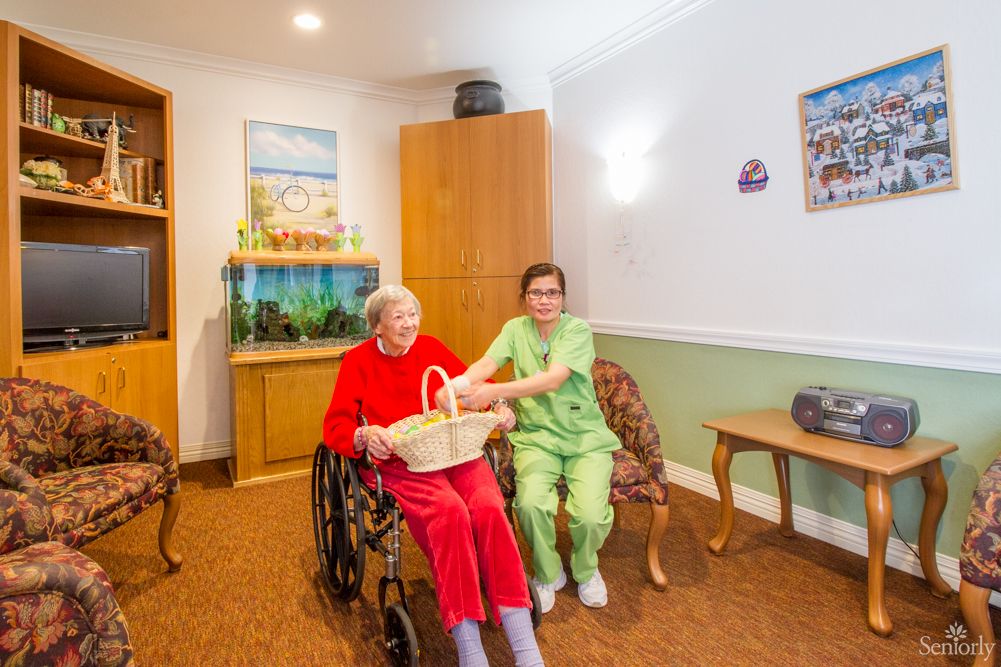
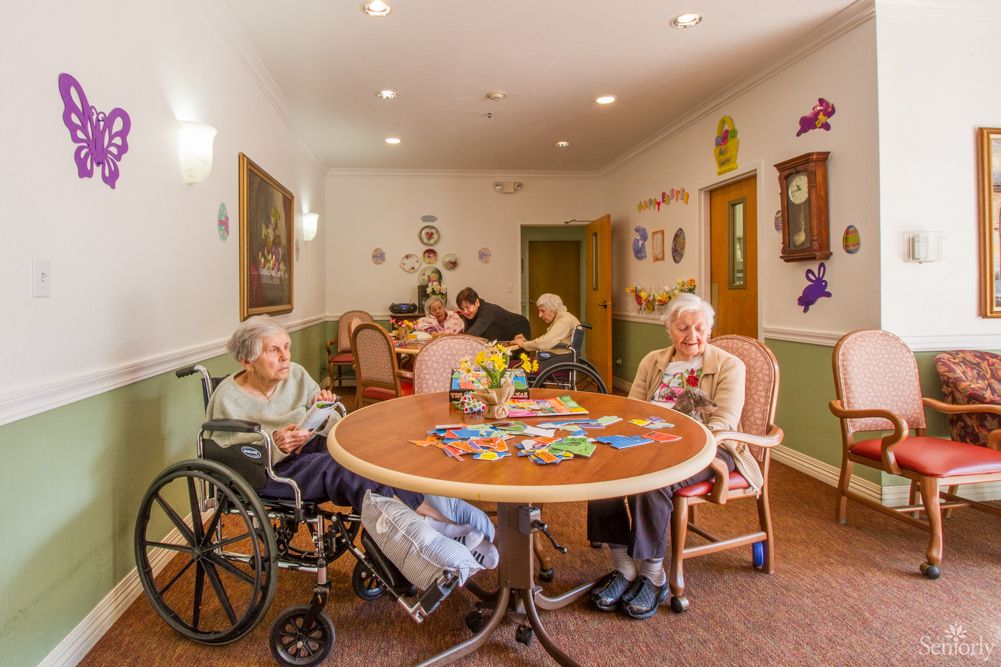
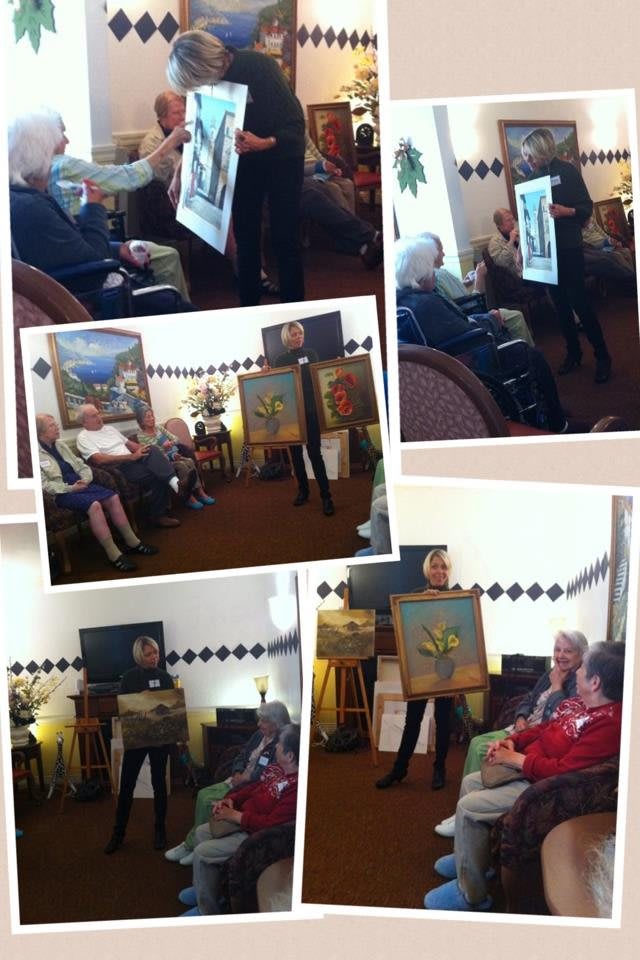
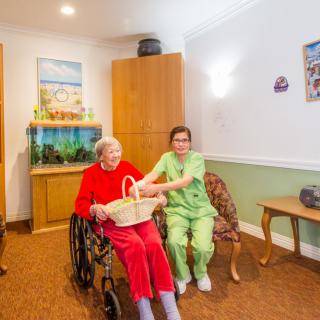
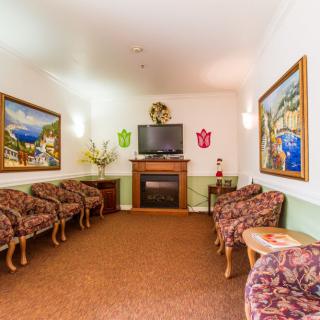
The strongest case for Burlingame Villa rests on its proven strengths: genuine caregiver respect, patient interactions, and a culture that centers relationships. Residents and families repeatedly describe authentic belonging, with caregivers who attend to individual needs and coordinate with families. The environment is portrayed as peaceful and garden-forward, offering a home-like atmosphere rather than a clinical, impersonal setting. Activities are designed to accommodate a range of participation levels, ensuring that even residents with different capabilities can stay engaged. For memory-care trajectories, this combination of compassionate staff and structured social programming often translates into meaningful daily quality of life, where the human touch can outweigh physical décor or clinical conveniences.
Yet the cons cited across reviews cannot be dismissed without consideration. A subset of reviewers questions the consistency of care, food service delays, uneven attention to medications, and perceptions of managerial priorities that skew toward administrative concerns rather than resident experience. Several accounts describe a depressing or dated interior, limited common spaces, and facility-specific shortcomings such as small dining/activities areas and a perceived shortage of staff during evenings. The lack of on-site nursing or regular medical oversight emerges in critiques, along with worries about the balance between Alzheimer’s-focused programming and the needs of higher-functioning residents. Taken together, these elements create a risk profile: strong relational care offsetting some operational fragility, but not universally.
For families evaluating Burlingame Villa, a practical checklist helps anchor the decision. First, verify current staff-to-resident ratios, especially during evenings, and confirm whether licensed nursing staff are routinely available on-site or only for transport to appointments. Second, assess the dining experience and medication administration processes: are meals timely and nutritious, and are medications managed by qualified staff with timely dosing? Third, explore the scope of memory-care programming: does the calendar truly accommodate multiple levels of cognitive function, from supports to independent living, and are there opportunities for purposeful activity and family involvement? Finally, price versus value must be weighed against the non-negotiables: how important is a modern interior, a larger campus, or immediate access to in-house medical care? The reviews place price in a clear frame: it is a premium option, justified for some by the emotional and social benefits but not universally for all care needs.
In conclusion, Burlingame Villa presents a compelling option for families prioritizing a warm, relationship-centered memory-care home where staff feel like an extension of the family and where daily life emphasizes safety, dignity, and shared moments. The community often delivers the kind of soft, consistent care that can sustain residents with memory impairment and their families through challenging stages, especially when a loved one thrives on routine, reassurance, and a personable care team. However, caregivers should enter with eyes open about potential gaps in medical staffing, the facility’s aging infrastructure, and the financial commitment required. If the top priority is a nurturing, family-style environment for dementia care and the family can accommodate potential trade-offs in medical coverage and modernization, Burlingame Villa is a strong, dependable choice. If, instead, robust clinical oversight, contemporary amenities, or budget-conscious options dominate the decision, it would be prudent to widen the search to alternatives that foreground those criteria.
 27 resident community capacity
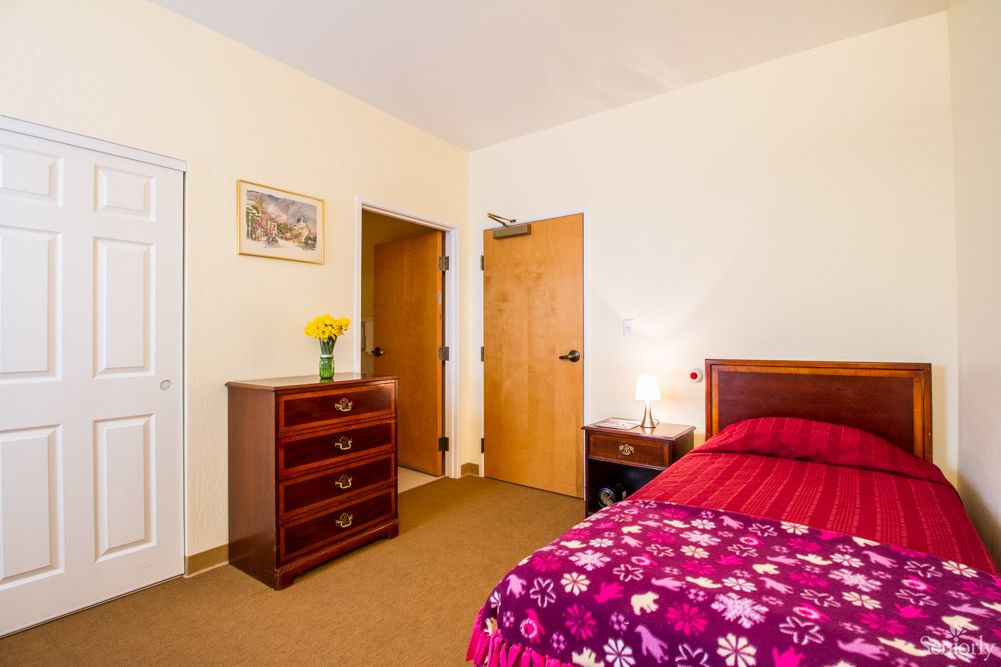
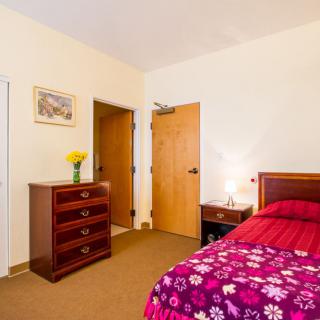
 Studio apartments
 Assisted Living
 Board and Care Home
 Memory Care
 Dogs allowed
 Activities on-site
 Beautician on-site
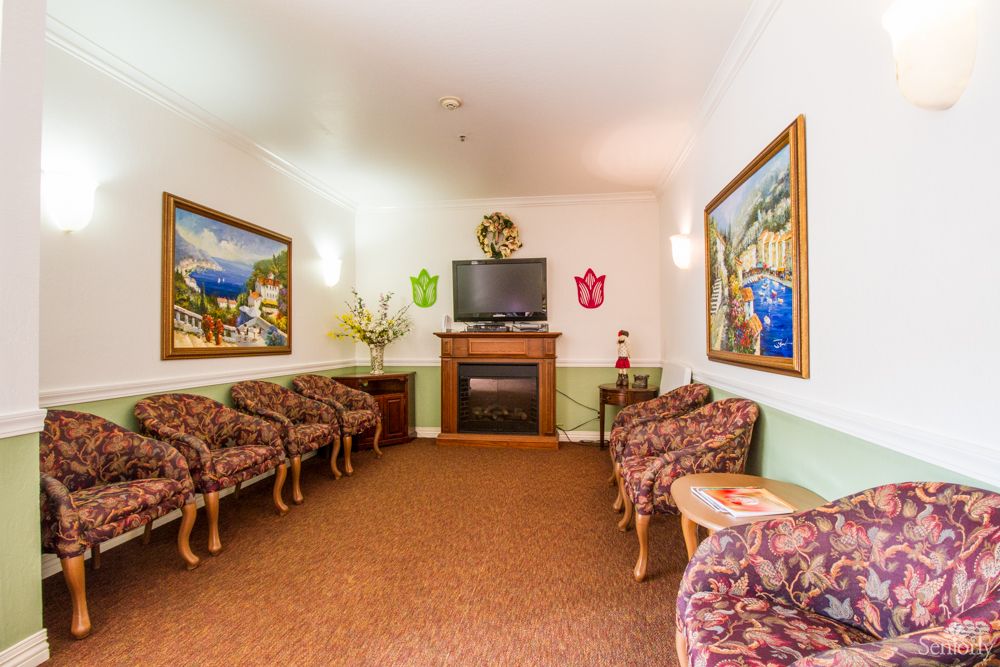
 Cable or satellite TV
 Devotional services on-site
 Dining room
 Financing advice
 Fully furnished
 Garden
 Guest parking
 Housekeeping services
 Indoor common areas
 Kitchenette
 Laundry
 Move-in coordination
 Outdoor common areas
 Party space
 Respite or short term stays offered
 Restaurant-style dining
 Security gate
 Small library
 Telephone
 Wheelchair accessible showers
 Wi-Fi/high-speed internet available
 San Francisco International (2 miles away)
 Transportation & parking
 24-hour call system
 Ambulatory care
 Assistance with bathing
 Assistance with dressing
 Assistance with transfers
 Diabetes diet
 Diabetic care
 Hospice care
 Incontinence care
 Medication management
 Mental wellness program
 Special dietary restrictions
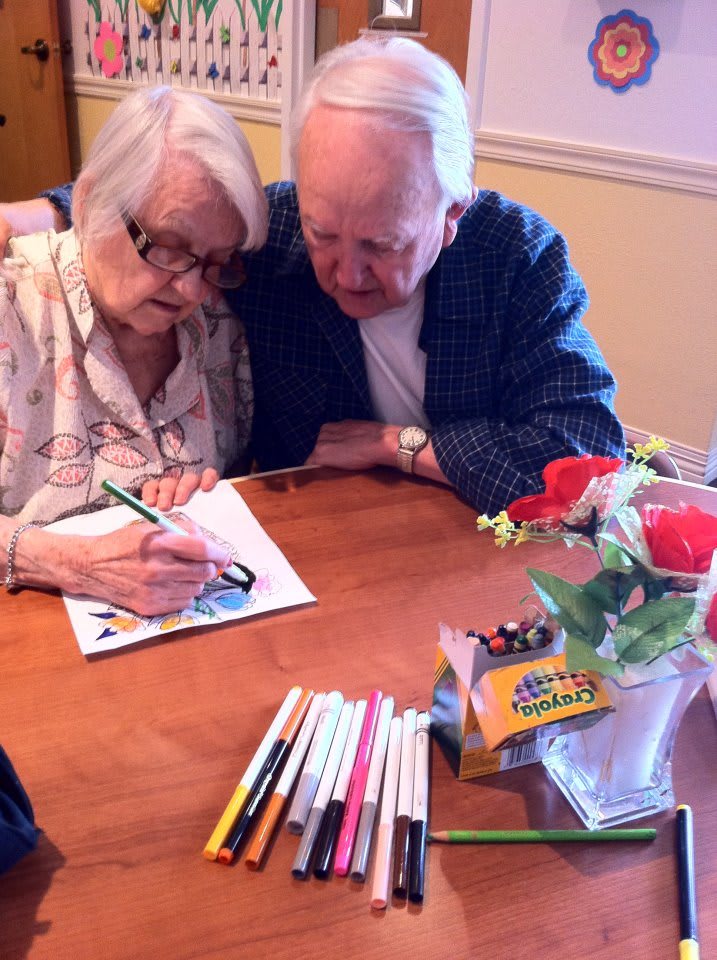
 Arts and crafts
 Cooking club
 Fitness programs
 Games
Games Live musical performances
 Stories
 Tai Chi
 English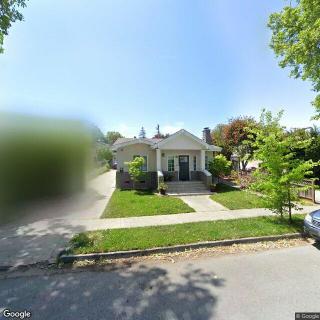


 When Dementia Sparks Anger and Aggression: Understanding the Connection and Ways to Cope
 Dementia Behaviors: In-Depth Understanding and Effective Coping Strategies
 5 Early Indicators of Dementia and What You Can Do