
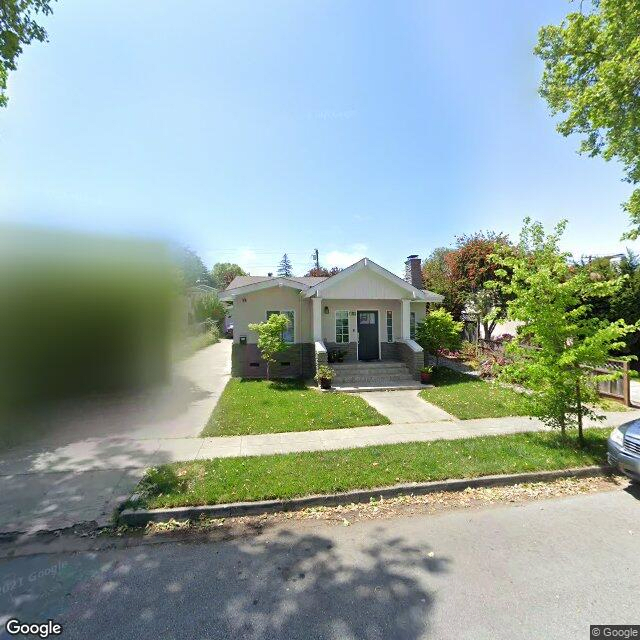
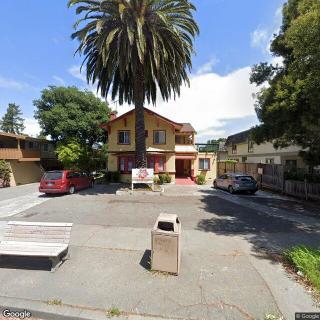
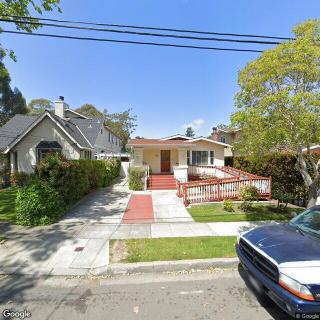
1035 Chula Vista Ave., Burlingame, CA 94010
To contact a resident: (650) 630-3000
For more information about senior living options: (866) 208-4318
Burlingame Manor Costs & Pricing
At Burlingame Manor, the monthly costs for room types reflect a competitive positioning within San Mateo County and the broader California market. The semi-private rooms are priced at $3,500, which is notably lower than the county average of $3,830, offering residents an attractive option for shared accommodations. For those seeking more privacy, the private rooms are available at $4,000; this too is slightly more affordable compared to the county average of $4,281. Overall, Burlingame Manor presents a valuable balance between quality care and cost efficiency, making it a compelling choice for individuals or families navigating senior living options in the area.
| Floor plans | Burlingame Manor | San Mateo County | California |
|---|---|---|---|
| Semi-Private | $3,500 | $3,830 | $3,333 |
| Private | $4,000 | $4,281 | $3,939 |
Memory care communities with a similar price nearby
-
from -$305 / mo
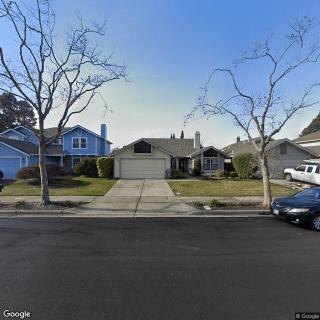
Harbor Bay Assisted Living
$3,195 to $5,000 / month12.6 miles away -
from +$500 / mo
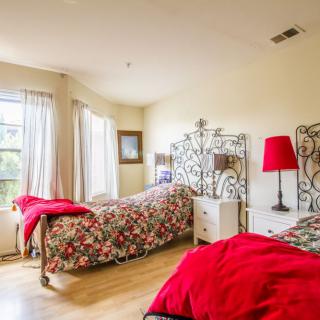
Golden Age Of Channing Way
$4,000 to $5,000 / month12.6 miles away -
About the same
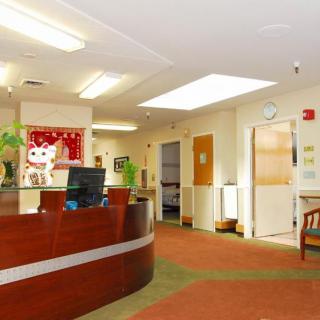
East Bay Assisted Living
$3,500 to $5,000 / month16.3 miles away -
from +$495 / mo
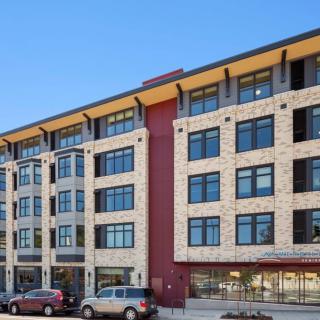
Merrill Gardens at Rockridge
$3,995 to $8,500 / month18.3 miles away -
from +$550 / mo
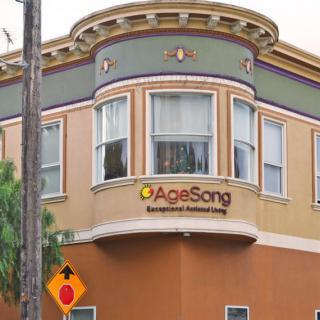
The Village at Hayes Valley
$4,050 to $6,900 / month13.7 miles away
Overall Review of Burlingame Manor
Pros
 The staff at Burlingame Manor are very knowledgeable and friendly toward residents' needs.
Review
Burlingame Manor is best suited for families seeking an assisted‑living environment where dependable, personable care is the centerpiece. The community appears to prioritize staff knowledge and a friendly approach to resident needs, creating a lived-in feel that can ease transitions for seniors who value consistent human interaction over spectacle or sprawling campus amenities. For residents who derive comfort from knowing caregivers understand daily routines, preferences, and triggers, Burlingame Manor offers a reassuring, steady rhythm that can reduce anxiety and confusion in ordinary days and medical bumps alike.
Those weighing options should consider alternatives if the senior’s needs include high medical complexity, memory‑care specialization, or a demand for a wide menu of structured activities and varied programs. The reviews provide a strong positive signal about staff demeanor and competence but offer little insight into clinical oversight, memory‑care capability, or the breadth of activities and amenities. Families seeking transparent cost structures, extensive on‑site services, or a proven track record in specialty care may want to compare Burlingame Manor against peers with more clearly defined memory-care options or larger programming calendars.
The primary pros in Burlingame Manor’s profile are tangible and meaningful: staff who are knowledgeable and genuinely attentive to resident needs. This combination translates into practical advantages, timely assistance with daily tasks, proactive safety monitoring, responsive communication with families, and a collaborative approach to care planning. In assisted living, such attributes often compensate for limitations elsewhere, since reliable staff can adapt to changing routines, recognize subtle shifts in health or mood, and coordinate with family members to adjust plans promptly. The two corroborating reviews, though brief, reinforce a consistent service culture that can make a meaningful difference in daily life.
However, the paucity of detail beyond the staff characterization leaves several potential gaps unaddressed. There is no explicit information in the supplied feedback about meal quality, activity calendars, living arrangements (private vs. shared rooms), transportation services, or the exact scope of medical or nursing support. The rating of four stars from two reviews suggests solid performance but not a broad or compelling body of evidence on outcomes, amenities, or value. For families, this translates into a need for direct verification: request current sample menus, review the activity schedule, tour the facility at varying times, and inquire about staffing ratios, on‑site nursing availability, and the process for care‑plan updates.
The officers of Burlingame Manor can mitigate these questions by demonstrating a transparent, resident‑centered operating model during visits. Families should probe how team members are trained, how quickly aides respond to call bells, and who oversees clinical care, whether a licensed nurse is available around the clock, how medication management is handled, and what happens when a resident’s needs escalate. Equally important is understanding the social and cognitive stimulation framework: what daily activities exist, how residents are matched to meaningful routines, and how family input is incorporated into care plans. A candid discussion about expectations in the first 90 days can reveal whether strengths in staff attitudes reliably translate into sustained quality of life.
In the end, Burlingame Manor offers a convincing value proposition for families prioritizing dependable, knowledgeable, and friendly caregiving within a calm, intimate setting. It is a compelling choice for seniors who want to feel genuinely seen and supported by the staff, with care coordination that makes daily life smoother and safer. Those who require robust medical oversight, dementia‑specific programming, or expansive activity options should approach with careful due diligence and consider additional options for comparison. A well‑timed visit that features direct questions about programming, dining, and clinical services will determine if Burlingame Manor is the right fit or if another community better aligns with the full spectrum of needs.
 Board and Care Home
 Memory Care
 Activities on-site
 Devotional services on-site
 Indoor common areas
 Outdoor common areas
 Private
 Private bathrooms
 Respite or short term stays offered
 Wheelchair accessible showers
 San Francisco International (2 miles away)
 Diabetic care
 High acuity care
 Incontinence care
 Medication management
 Kosher

 Memory Care Pathways: A Holistic Guide to Dementia Support
 Comprehending Evening Confusion in Dementia: Causes, Manifestations, and Support
 Delirium and Dementia: Unraveling the Key Differences