
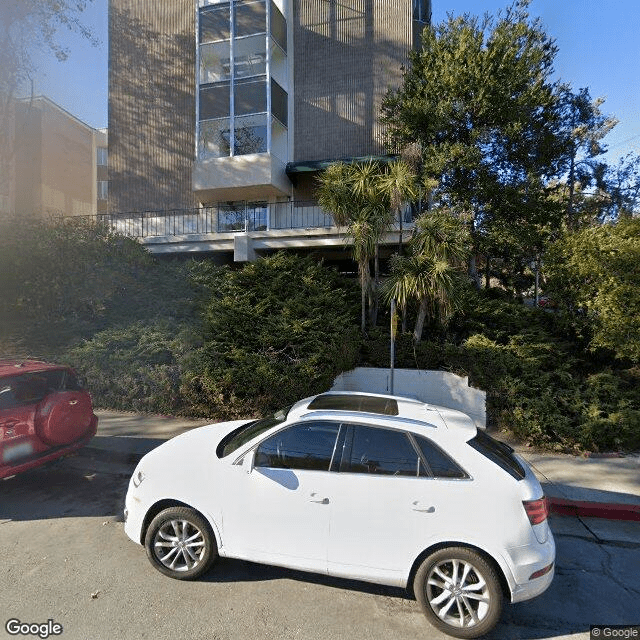
2400 Carlmont Dr, Belmont, CA 94002
To contact a resident: (650) 593-1818
For more information about senior living options: (866) 208-4318
Overall Review of Bonnie Brae Terrace
Pros
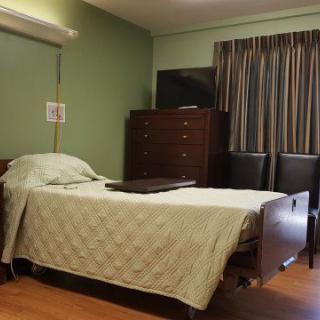
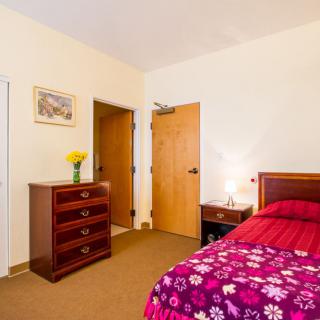
 The building remains clean and in good shape.
- It is a nice place for seniors.
- The main building's fourth floor provides 26 assisted-living rooms, its own dining area, and 24-hour staff on duty.
- There are daily activities for all seniors, along with a nice library and a large dining room.
- Bingo is offered every Friday and there are monthly outings.
- It is the best place to work and live.
- It is a great place for independent senior living.
- The staff are comforting and the facility is clean.
- The food looks good.
Cons
 The cost affected the girlfriend who lives there.
- The facility was taken back by the original owner and is having issues.
- The food was cut back due to cost, and quality declined.
- The front door buzzer system has been broken for a while.
- The food was not very good and there wasn’t much of a selection.
- The facility was not licensed for dementia care.
Review
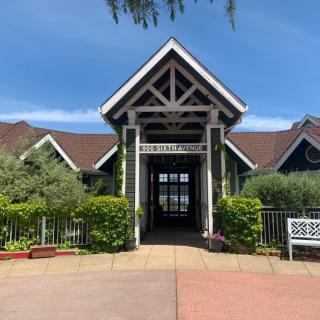
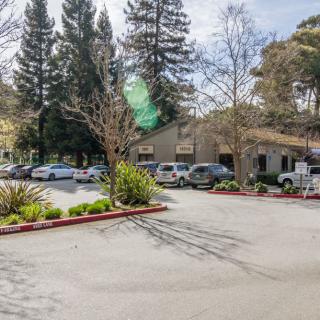
Bonnie Brae Terrace in Belmont is best suited for active, independent seniors who want a community with abundant daily programming, visible staff, and a campus-style layout. The property comprises multiple buildings and a fourth floor dedicated to assisted living, where residents have their own dining area and around-the-clock staff. For families seeking a socially rich environment, the long-running activities calendar, daily programs, a well-stocked library, a large dining room, bingo on Fridays, and monthly outings, provides structure, engagement, and opportunities for connection with peers and caregivers alike. This is not a sterile, low-activity option; it is a place built for ongoing participation and easy access to support.
Those who should consider alternatives include families prioritizing dementia or memory-care services, as well as those who demand consistently high dining quality and stable operations. Several reviews flag operational strains tied to ownership changes, with cost-cutting pressures visible in food quality and a front-door entry system that has been nonfunctional for an extended period. While the building itself remains clean and well-maintained, these issues signal potential variability in service levels and reliability that can be consequential for residents who rely on predictable routines and secure access.
The strongest offset to these drawbacks is the robust social and support framework. The fourth-floor assisted-living wing with its own dining area and 24/7 staffing creates a clear, accessible level of care without forcing a move to a separate facility. The presence of three buildings on campus means residents can transition within the same community as needs evolve, preserving familiarity and social ties. A strong sense of warmth is repeatedly noted in reviews, and staff are described as comforting and attentive, which matters greatly to seniors who value personal, person-centered care in a familiar setting.
Nonetheless, meaningful cautions remain. The facility is not licensed for dementia care, and memory-support capacity is limited within a HUD-capable framework, offering only a finite number of rooms for residents requiring extra help. For families planning ahead for progressive memory needs, this limitation can translate into challenging, last-minute search dynamics. In addition, the dining program has faced criticism for quality and selection, and the entry system issues highlight ongoing maintenance and safety considerations that should not be dismissed. These factors collectively temper expectations for a worry-free experience, especially for residents with higher care demands or exacting preferences.
Practically, families should align expectations with the realities reflected in these reviews. If a lively social calendar, accessible on-site staff, and a desire to remain within a single campus as care needs change are primary objectives, Bonnie Brae offers tangible value. If dementia care, strict security, or culinary standards are top priorities, exploring alternatives with stronger dementia programs and more consistent operations is prudent. Prospective residents should arrange a visit, speak directly with current residents and staff about daily routines, and verify the current status of the front-door system and any ongoing maintenance improvements. Understanding the ownership background and any anticipated changes can also clarify the trajectory of service quality.
In sum, Bonnie Brae Terrace delivers practical, experience-based value for seniors who want an active, community-focused environment and can tolerate some operational uncertainties. It excels for independent to lightly assisted residents who benefit from a dense activity schedule, accessible care on the fourth floor, and the comfort of a familiar, multi-building setting. It is less well-matched for those needing reliable dementia care or unwavering, top-tier dining quality, where alternatives may offer stronger alignment with needs and expectations. Families armed with clear priorities and a candid view of current constraints will emerge with a well-founded choice about whether Bonnie Brae stands up to their care goals.
 Independent Living
 San Francisco International (9 miles away)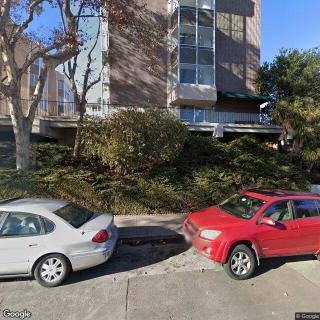

 In-Home Care Costs in 2025: A Detailed State-by-State Exploration
 Understanding Home Health Care: A Comprehensive Guide
 Home Health Care Demystified: A Comprehensive Guide for Families and Caregivers