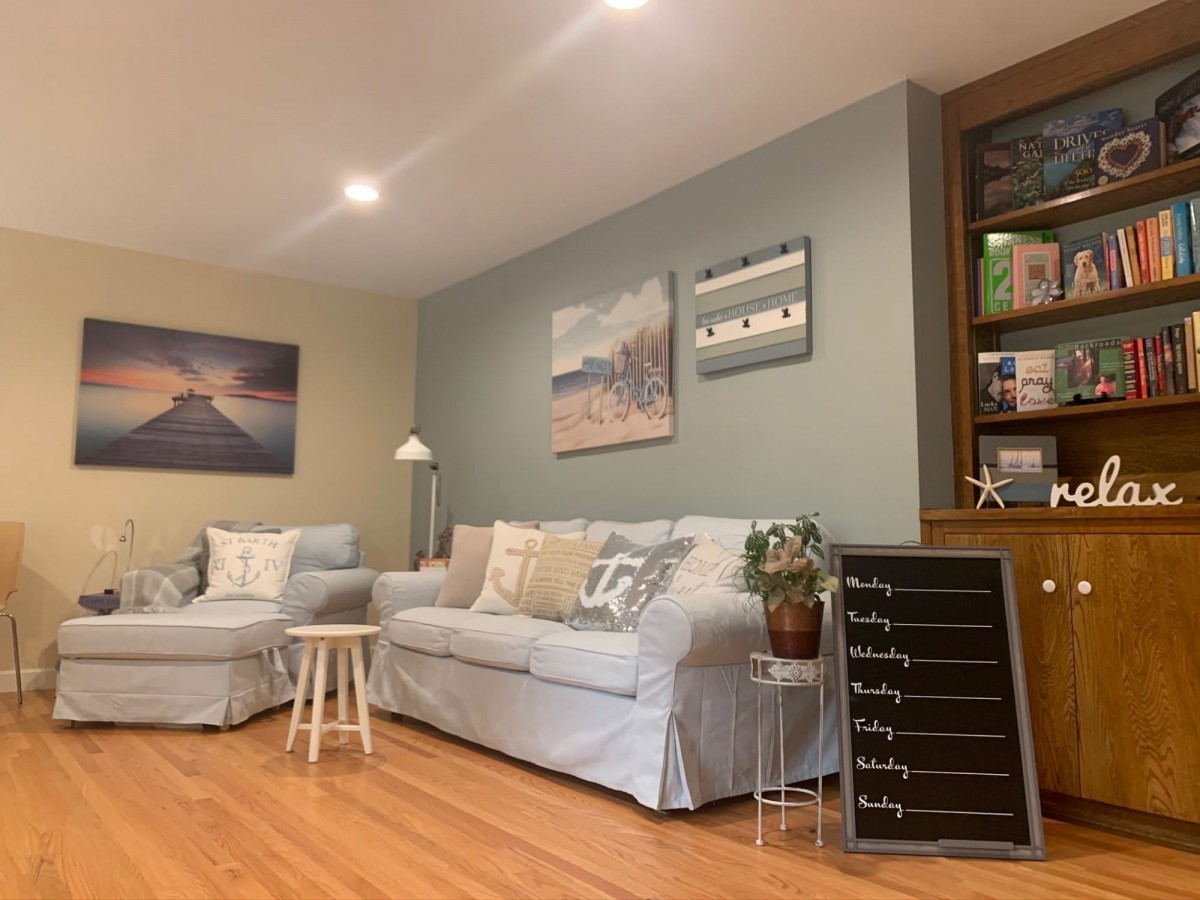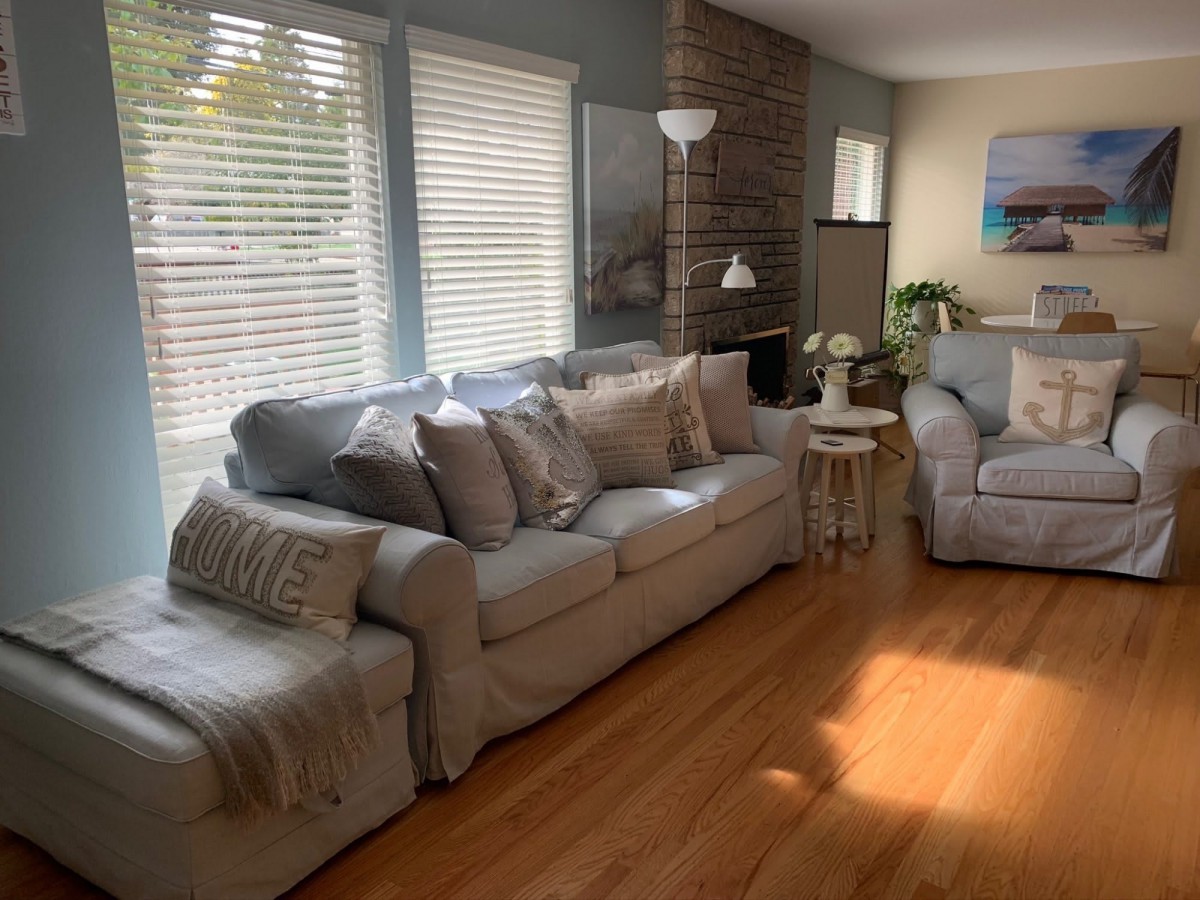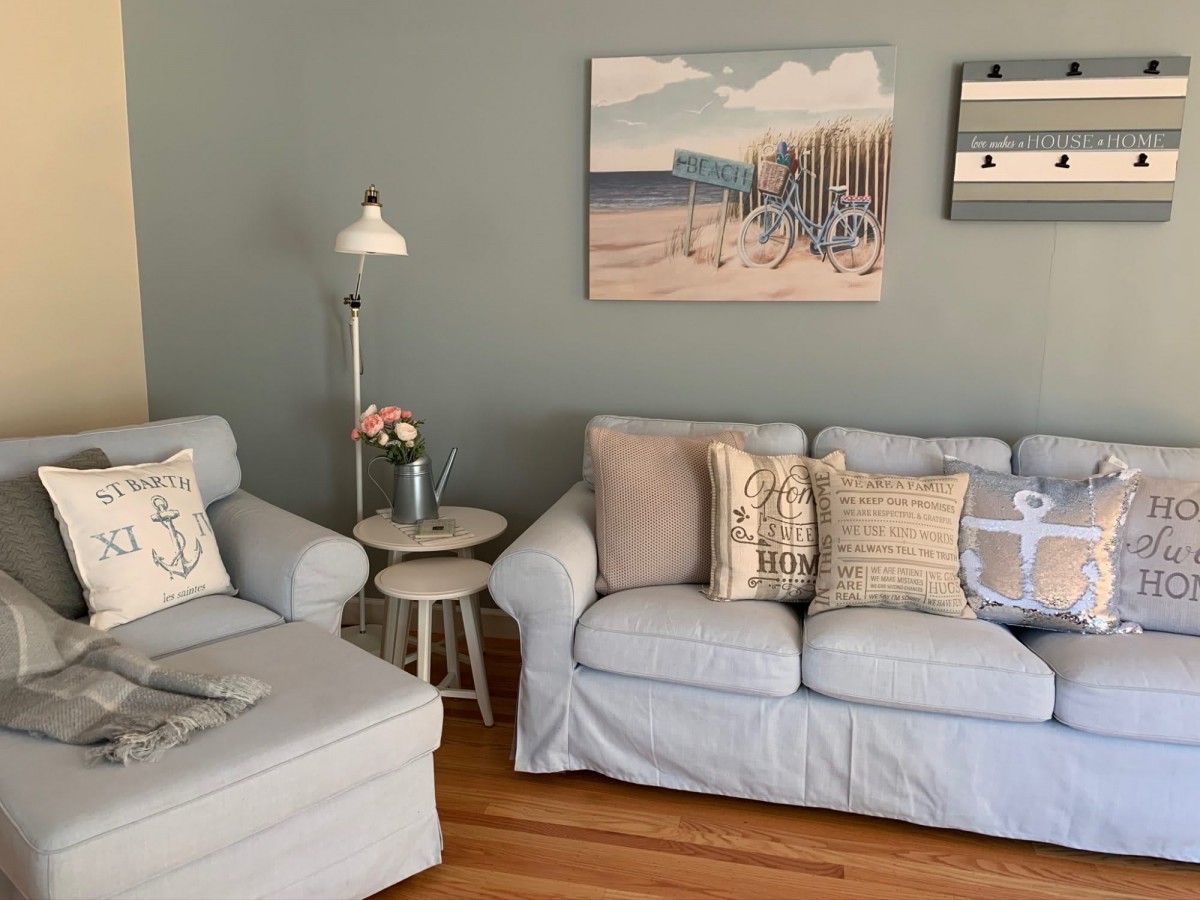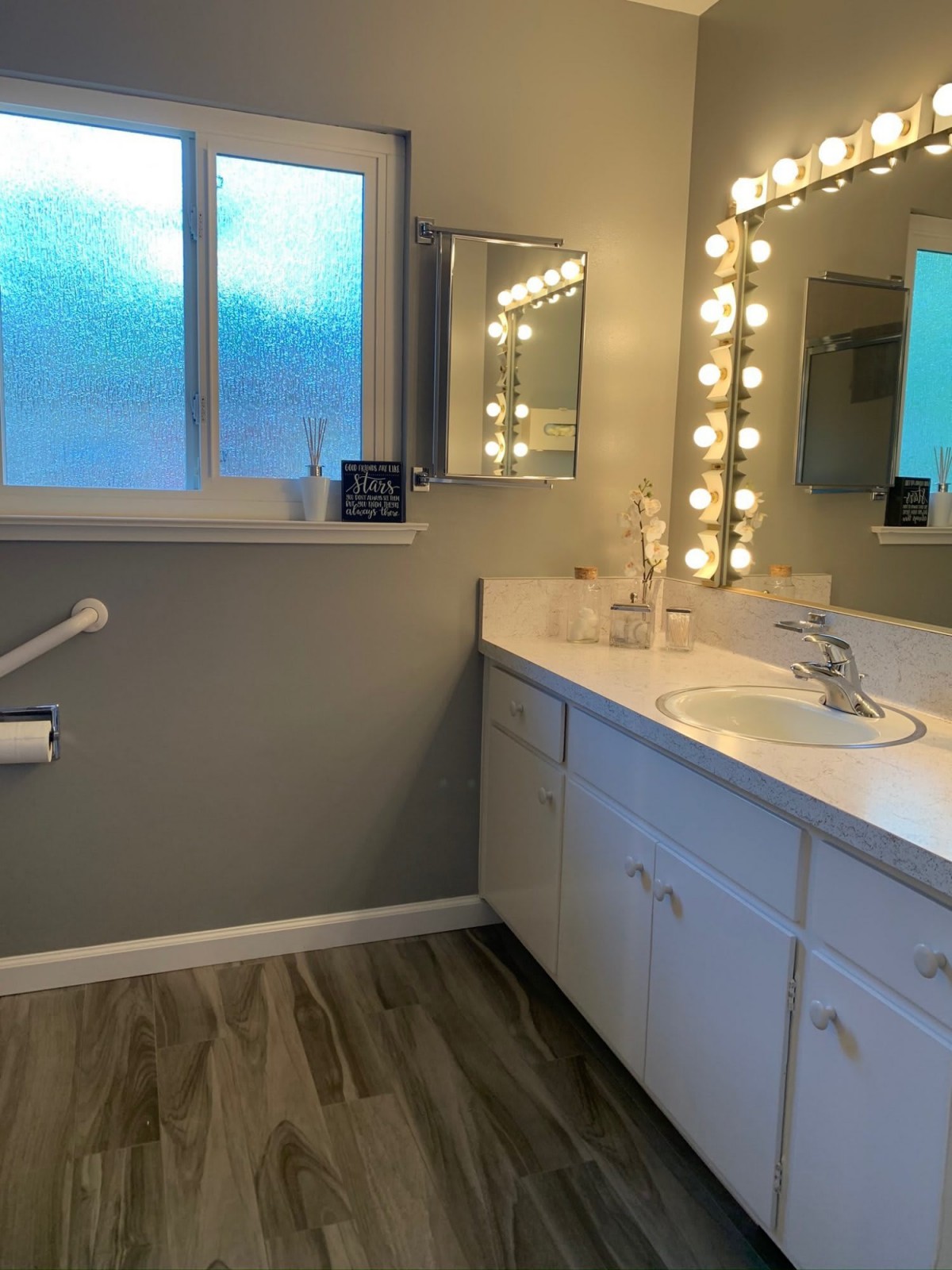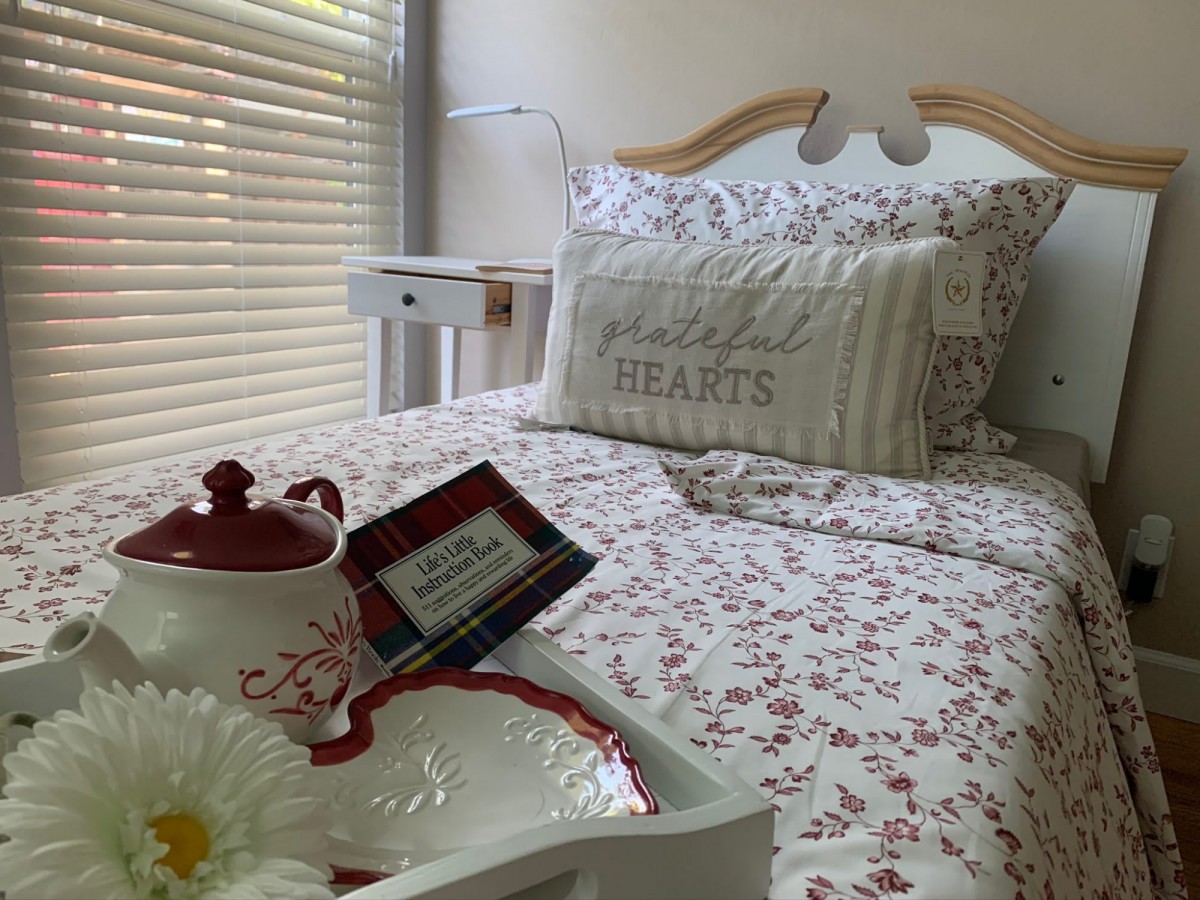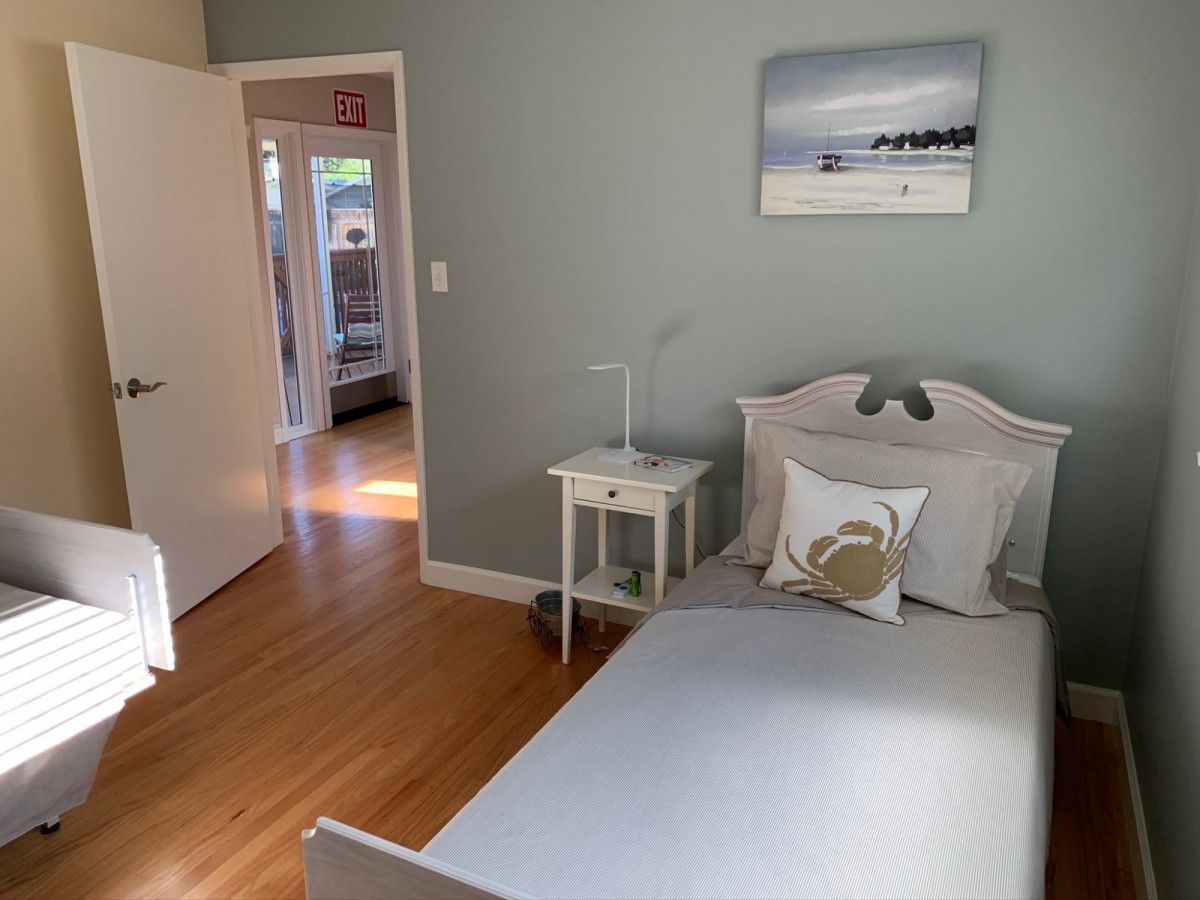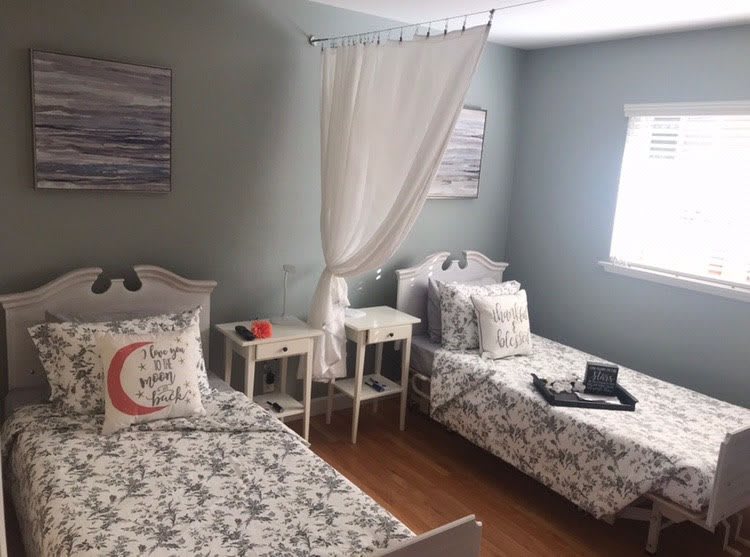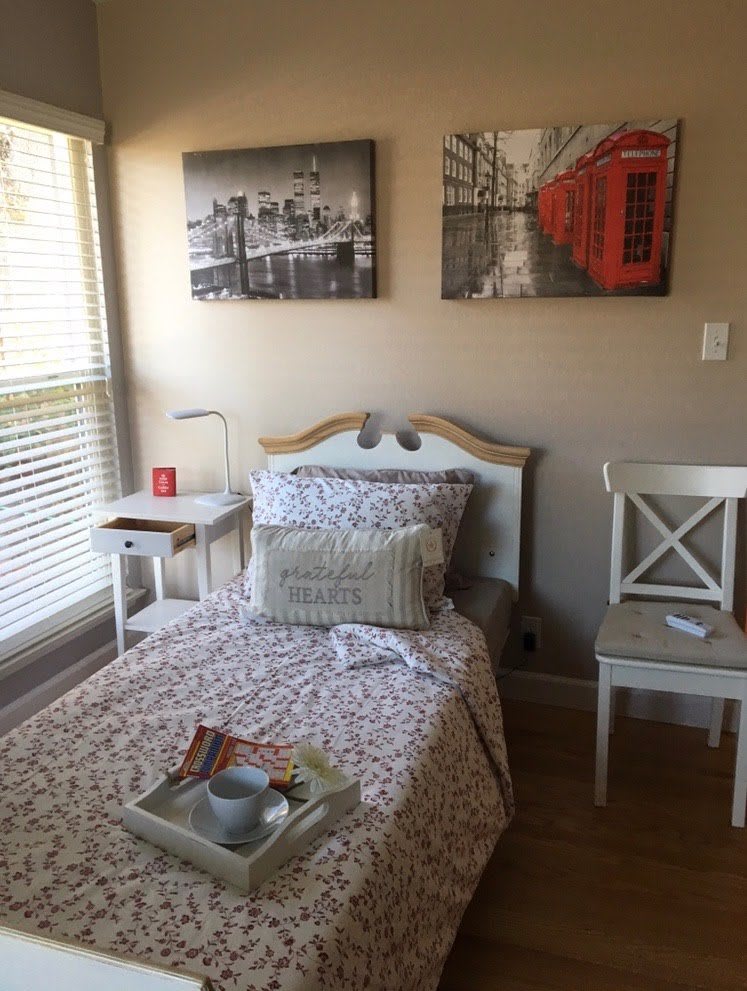

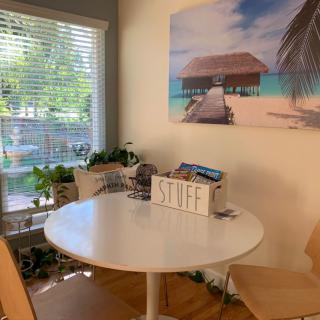

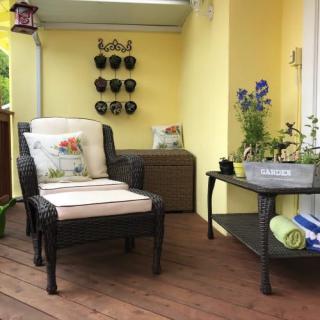

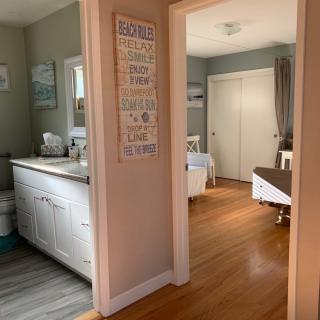
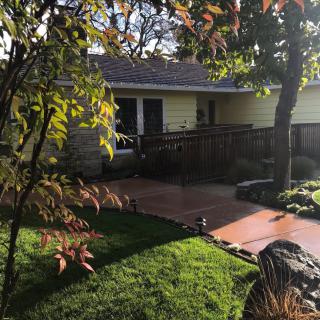



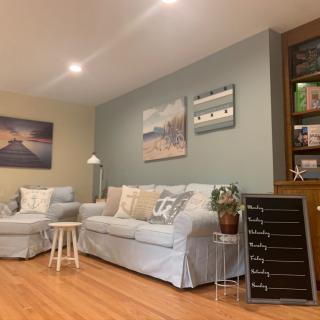
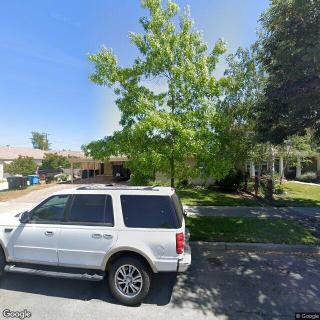
471 Santa Clara Avenue, Redwood City, CA 94061
For more information about senior living options: (866) 208-4318
Atherton Gardens Costs & Pricing
Atherton Gardens offers a semi-private room at a monthly cost of $5,000, which is notably higher than the averages for both San Mateo County and the wider California region. In comparison, the average monthly cost in San Mateo County stands at $3,830, while the statewide average is even lower at $3,333. This pricing reflects not only the premium amenities and services that Atherton Gardens provides but also its commitment to offering a supportive living environment tailored to residents' needs. While it may represent a significant investment compared to other options in the area, many families find that the enhanced quality of care and lifestyle available here justifies the additional expense.
| Floor plans | Atherton Gardens | San Mateo County | California |
|---|---|---|---|
| Semi-Private | $5,000 | $3,830 | $3,333 |
Assisted Living communities with a similar price nearby
-
About the same

Blessing Home
$5,000 to $6,000 / month20.3 miles away -
from -$500 / mo
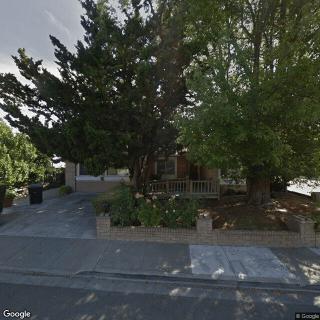
Pleasanton Senior Care Villa
$4,500 / month23.1 miles away -
from +$800 / mo

East West Care
$5,800 / month1.9 miles away -
from +$700 / mo

Sunrise of Burlingame
$5,700 to $9,000 / month13.3 miles away -
from +$395 / mo

Merrill Gardens At Campbell
$5,395 to $9,295 / month18.8 miles away
Overall Review of Atherton Gardens
Pros
 Atherton Gardens is described as a beautiful, welcoming, and safe home.
- The caregivers are kind and affectionate professionals who treat residents like family.
- The staff quickly learn residents’ preferences and tailor care accordingly.
- The environment is friendly, with loving support and coordinated care with hospice and family.
- The home is immaculately clean and cared for with compassion and skill.
- The team communicates openly with families, answering questions and addressing concerns.
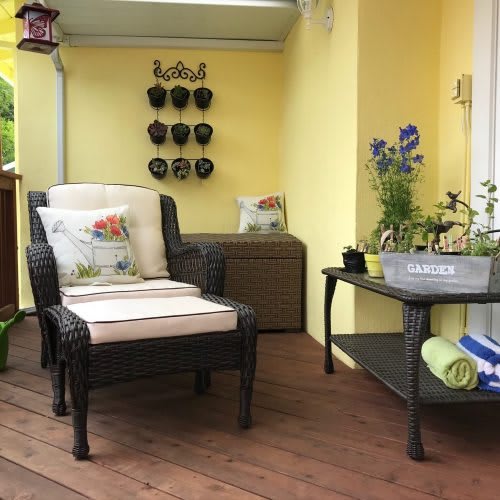
- Residents have opportunities to enjoy the outdoors in a peaceful setting.
Cons
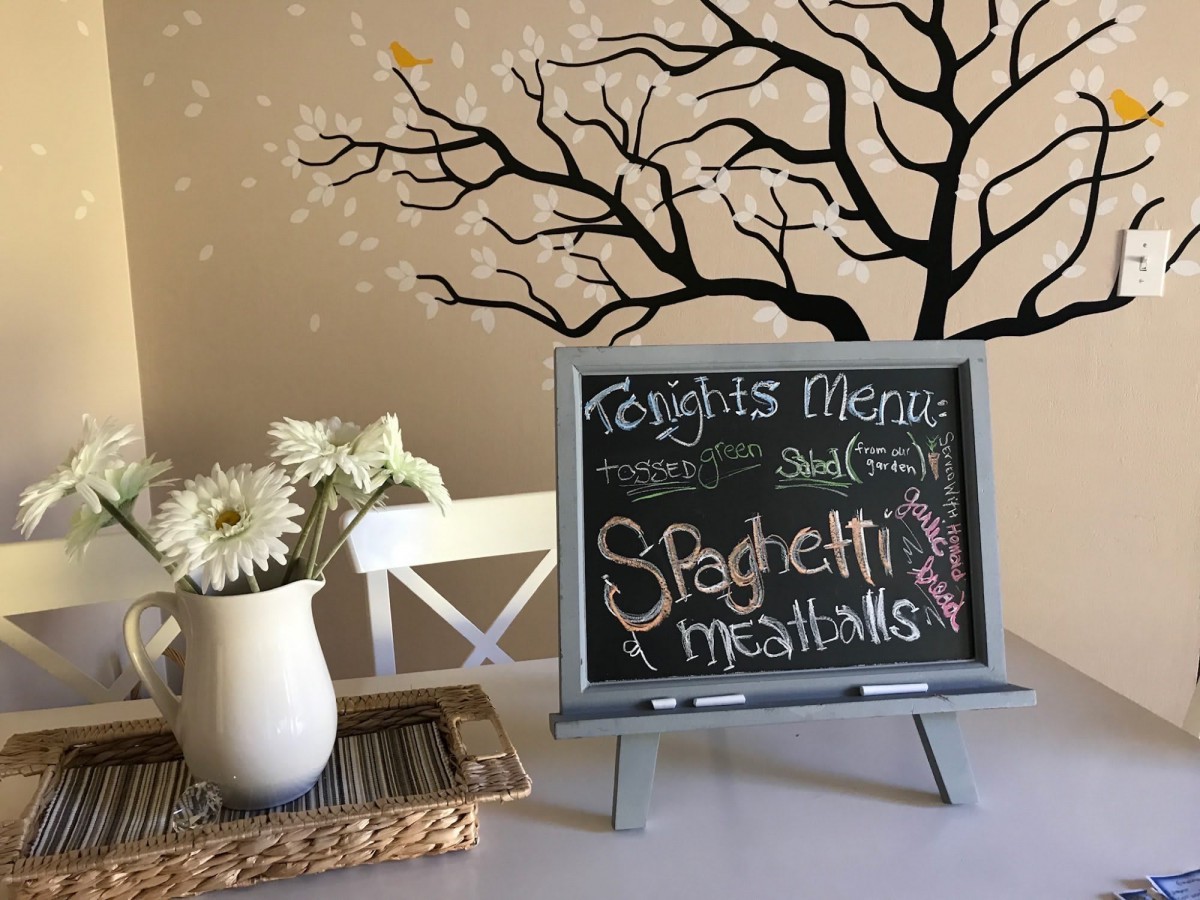
 The dad did not always enjoy the meals.
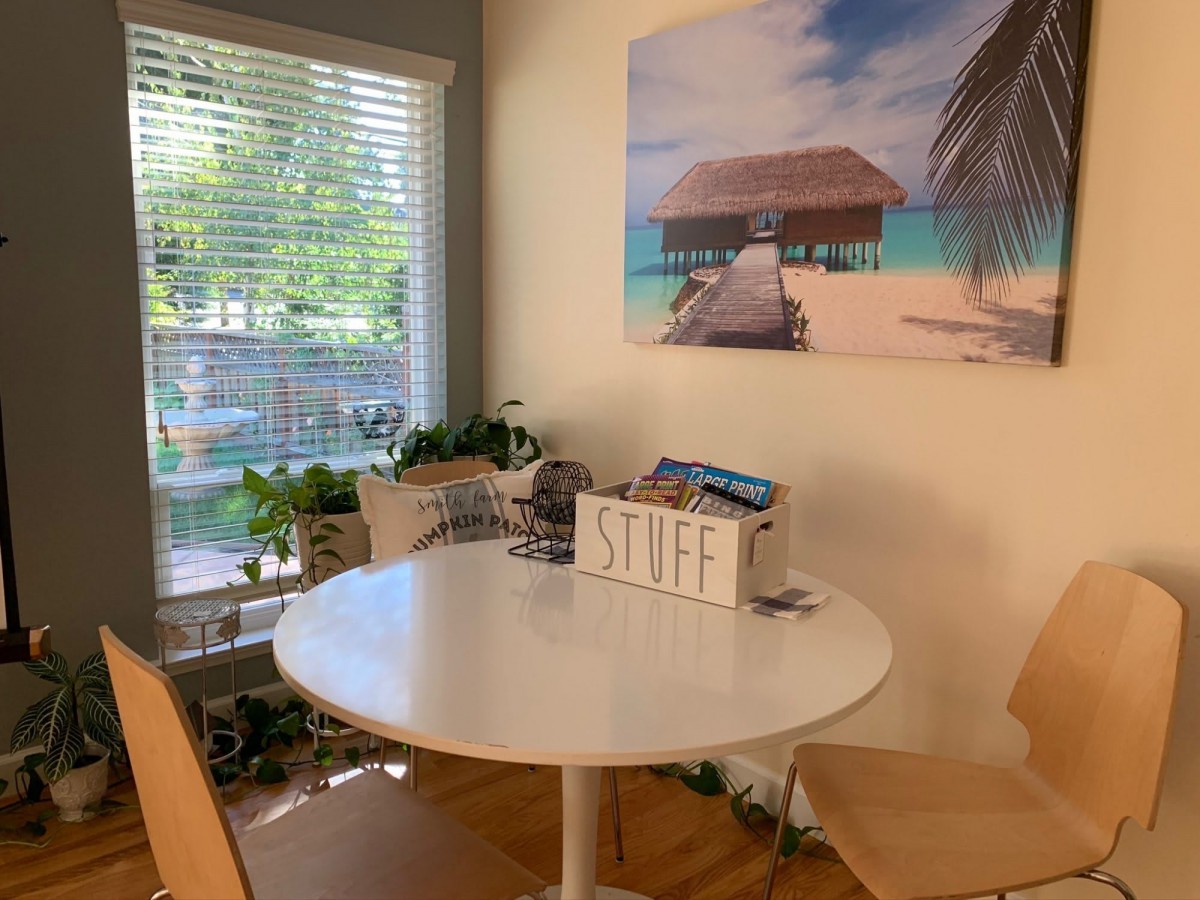
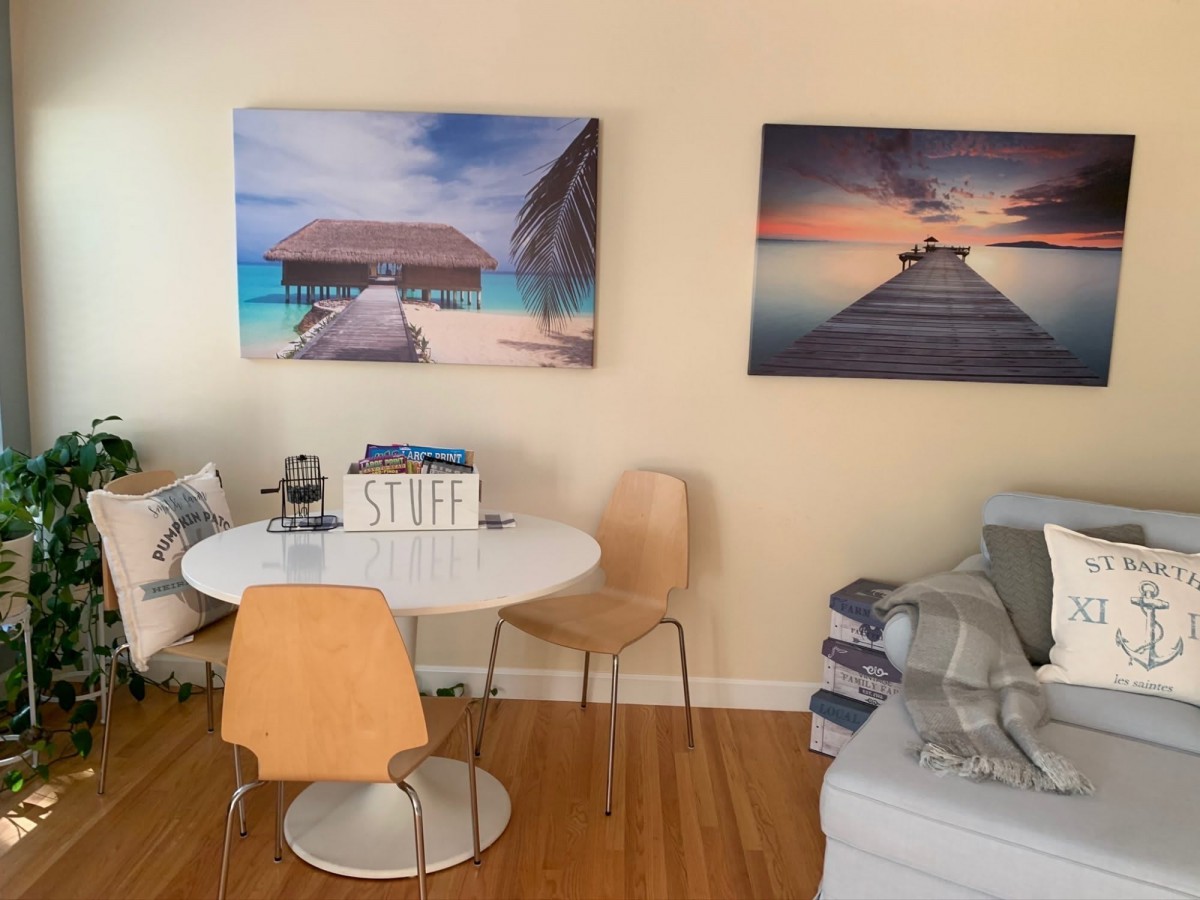
- There were no guest speakers or big bingo games because there were only a few residents.
Review
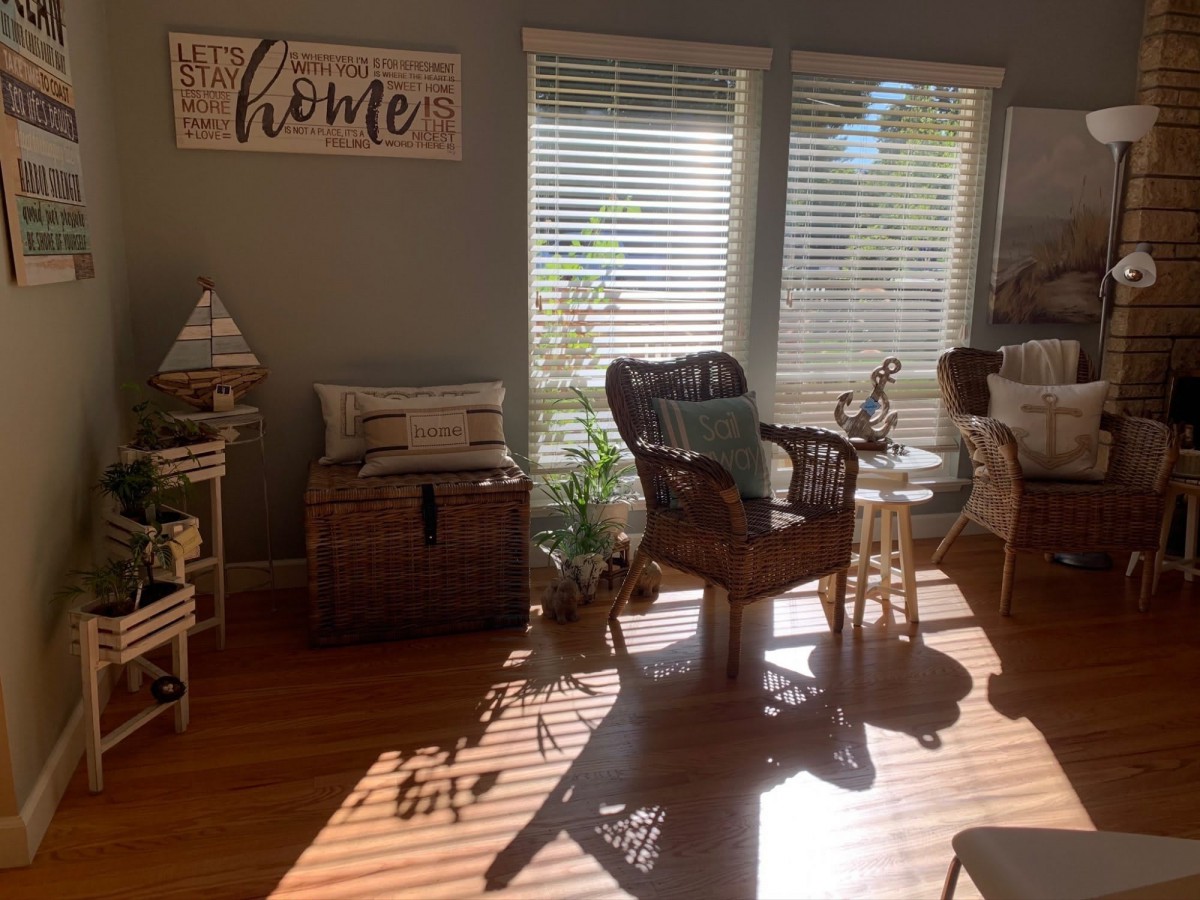
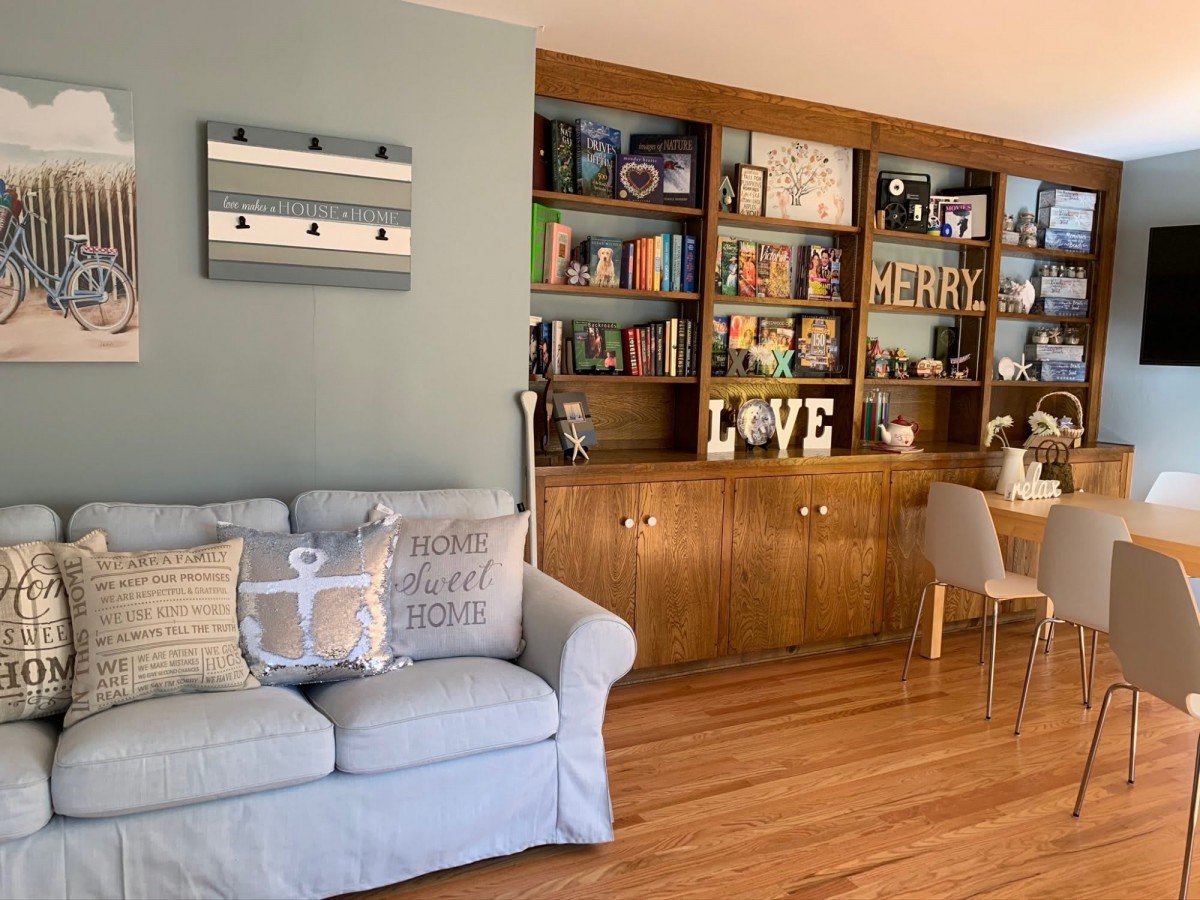
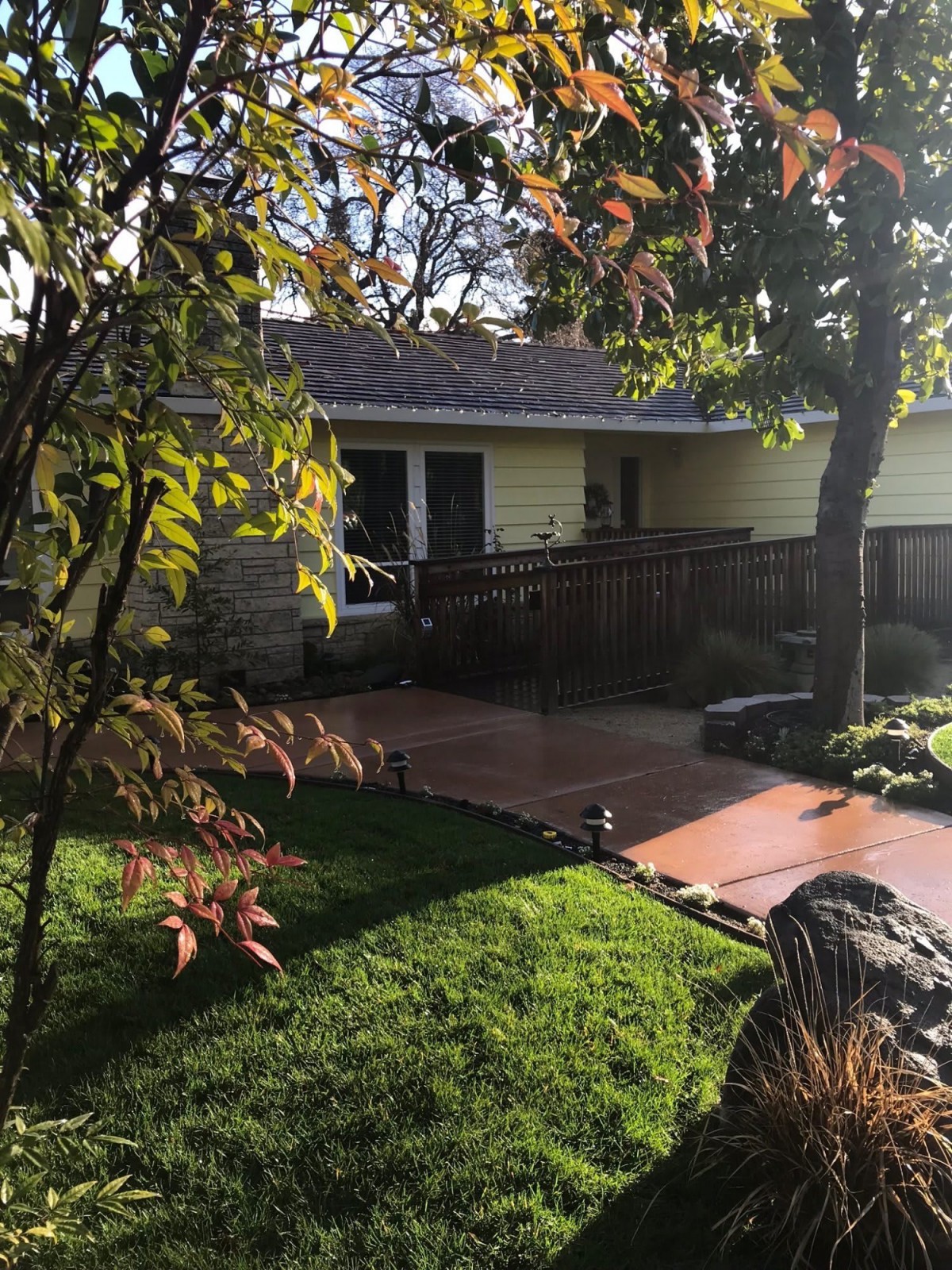
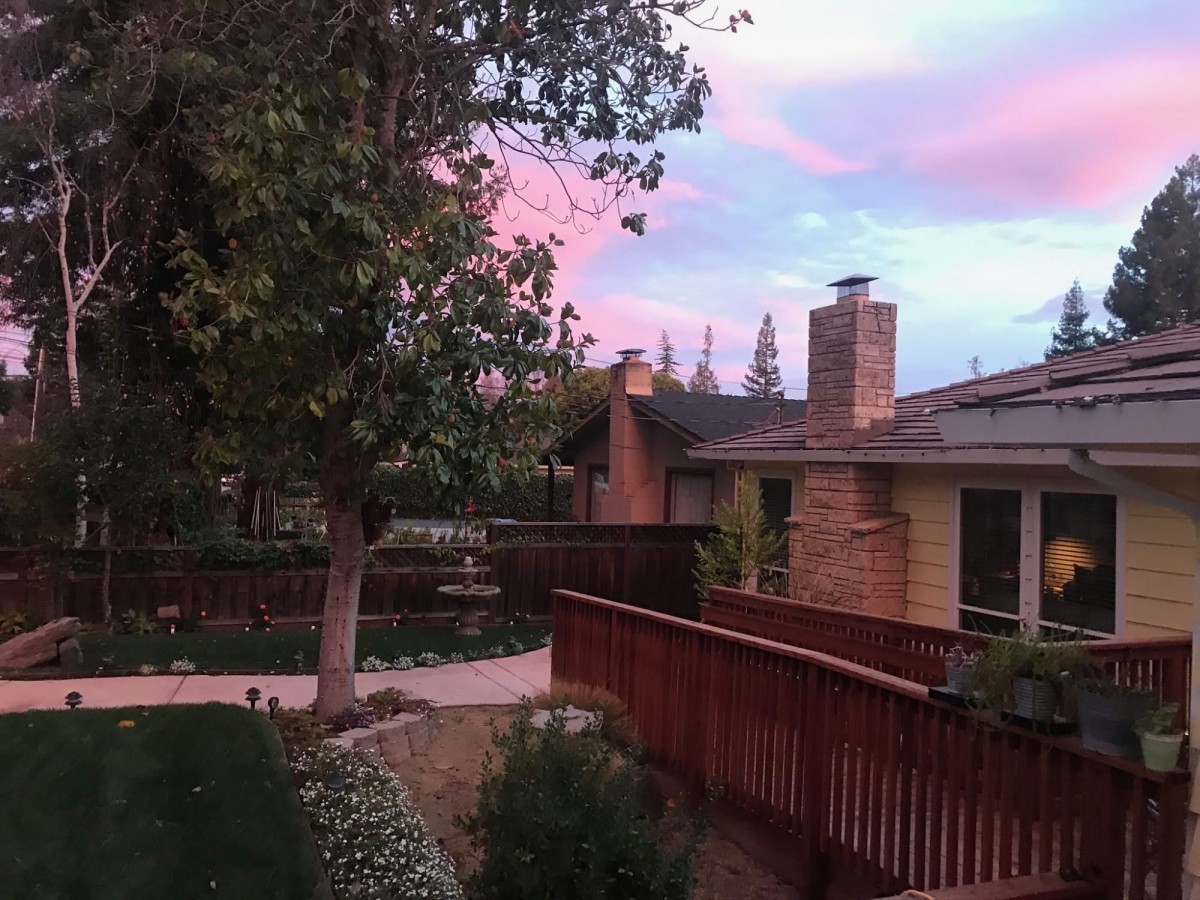
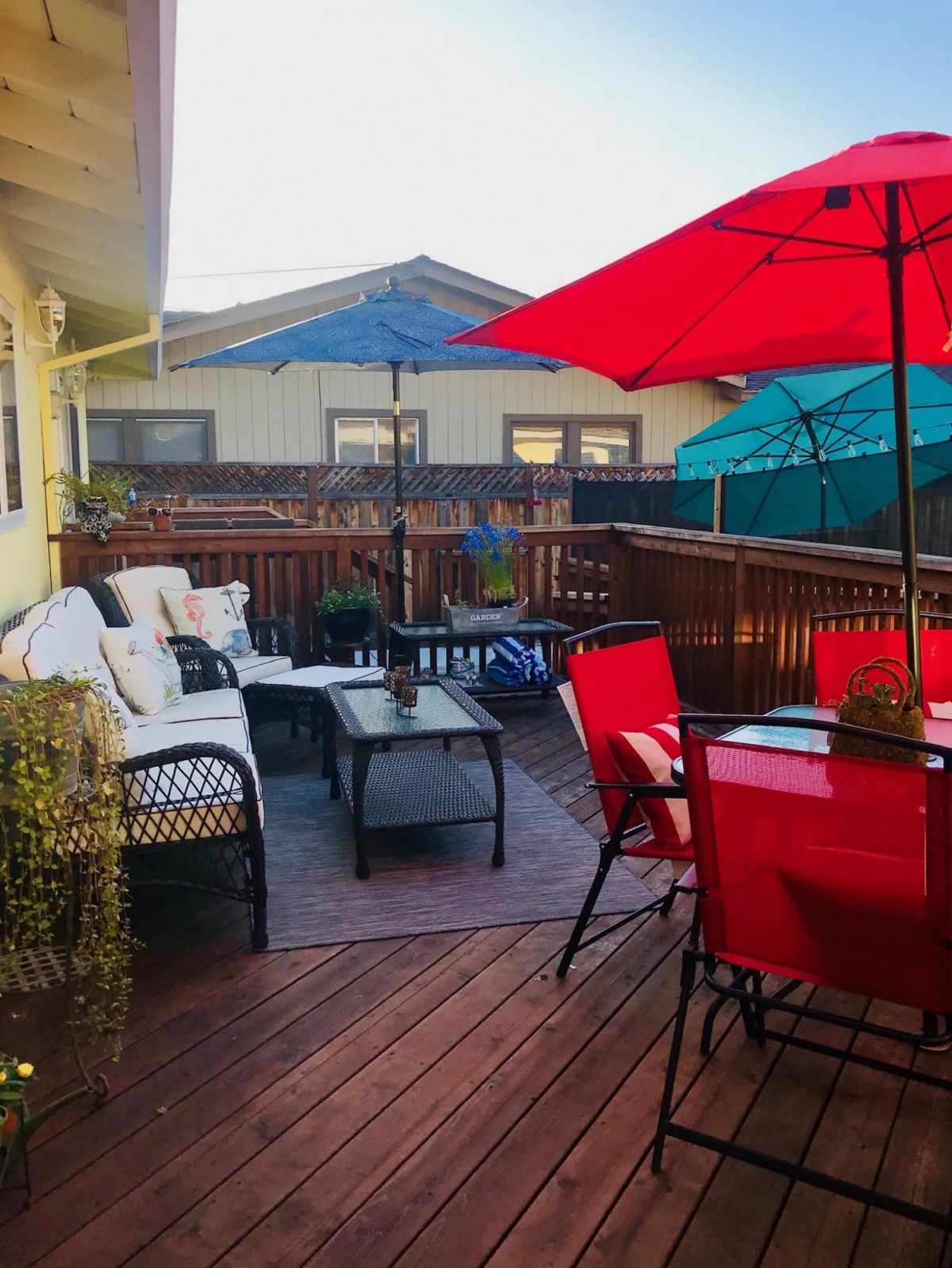
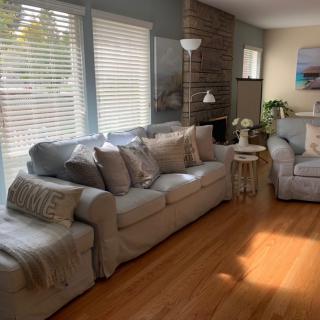
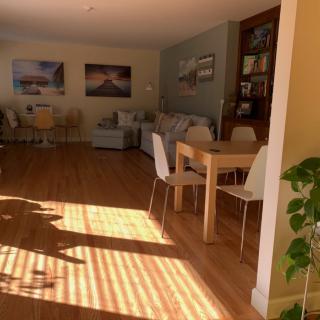
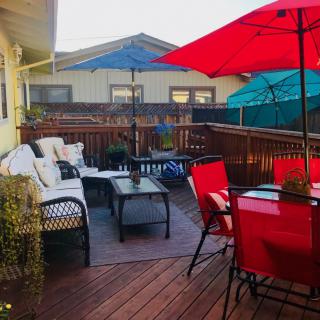
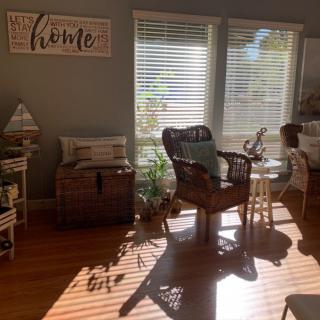
Atherton Gardens is best suited for families seeking a warm, intimate, home-like environment where the caregiving is deeply personal and relationships with staff feel like extended family. The community shines for seniors who benefit from highly attentive, compassionate care, especially during transitions such as hospital discharge or hospice-related days when coordination with outside providers matters. The setting favors a calm, low-stimulus atmosphere with easy access to outdoor spaces, a deck and backyard that residents can enjoy with staff support. This is not a campus built for constant programming or high-energy social scenes; it is a place that prioritizes safety, dignity, and individualized attention in a smaller, more manageable footprint.
The reviews point to clear who may want to consider alternatives. Families chasing a bustling activities calendar, frequent guest speakers, or large-group events may be disappointed by Atherton Gardens’ more intimate rhythm. Similarly, those who require a wide variety of dining experiences or more chef-driven, ever-changing menus might find the offerings limited. In short, Atherton Gardens excels when personal connection and routine support outweigh the need for constant stimulation or culinary variety, and it falls short for those whose expectations center on a powerhouse social calendar or extensive meal diversity.
On the positive side, the strongest pro is the staff’s evident dedication and heart-driven care. The caregivers are described as kind, affectionate professionals who make the environment welcoming and safe. The facility’s cleanliness is highlighted as immaculate, reinforcing a sense of trust and pride in daily operations. Importantly, the care philosophy comes through in concrete ways, staff learn individual preferences, coordinate closely with hospice teams, and communicate openly with families. This combination, heart-led care, reliability, and transparent family engagement, creates a foundation where residents feel respected, valued, and truly cared for in a meaningful, tangible way.
The most notable drawback centers on activity and dining variety. With only a small number of residents, the community understandably cannot sustain the large-scale programming seen at bigger facilities. This translates into fewer guest speakers, fewer big-group activities, and a dining experience that may not align with every palate. For residents who crave constant engagement or who have specialized dietary preferences that require broad options, the limitations could weigh more heavily. However, in a setting where personalized attention and emotional safety are paramount, these drawbacks can be managed with proactive scheduling and flexible meal accommodations.
The favorable factors, an intimate, family-like environment; staff who treat residents with heartfelt respect; and seamless coordination with outside care teams, tend to offset the main cons for those who prioritize stability and continuity in care over social bustle. When a resident’s preferences are quickly learned and honored, the need for a relentless activity schedule diminishes. The peace of the outdoor spaces, combined with consistent, compassionate caregiving, can make Atherton Gardens the right match for families seeking a trusted home where a loved one receives dignified, attentive support at every stage of aging or end-of-life care.
In practical terms, Atherton Gardens is a strong recommendation for families who value warmth, clear communication, and hands-on, customized care delivered with a genuine sense of care and family involvement. It is less compelling for those whose priority is vigorous programming, diverse dining adventures, or a campus-wide social scene. Prospective families should weigh the comfort of a small, heart-centered community against the desire for richer activities and menus, and use a visit to observe caregiver interactions and confirm how dining and activity needs can be accommodated. The verdict: Atherton Gardens excels as a trusted, intimate option where residents are treated like family and care is delivered with heart, especially for hospice-adjacent or transition needs.
 6 resident community capacity
 Assisted Living
 Board and Care Home
 Activities off-site
 Cable or satellite TV
 Devotional services on-site
 Dining room
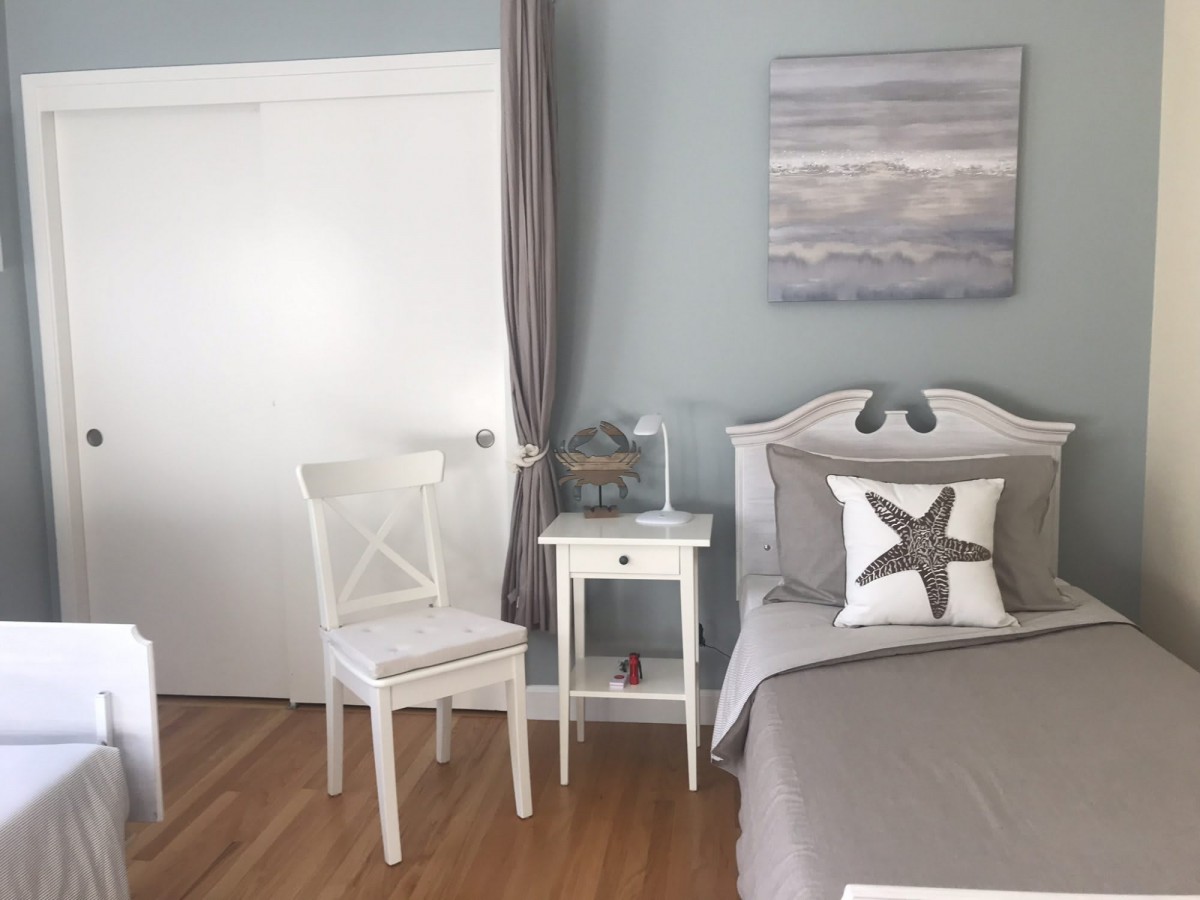
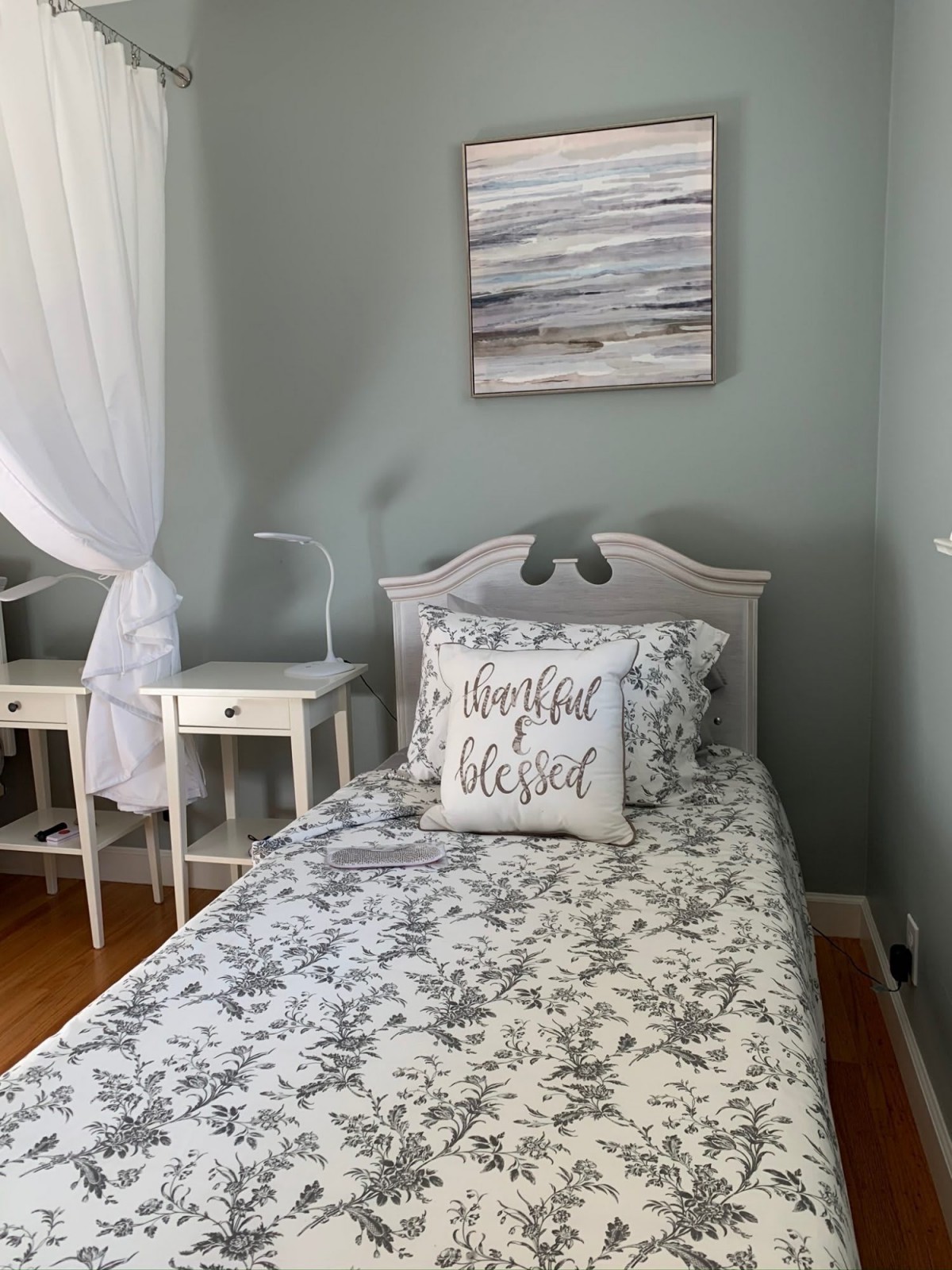
 Fully furnished
 Garden
 Housekeeping services
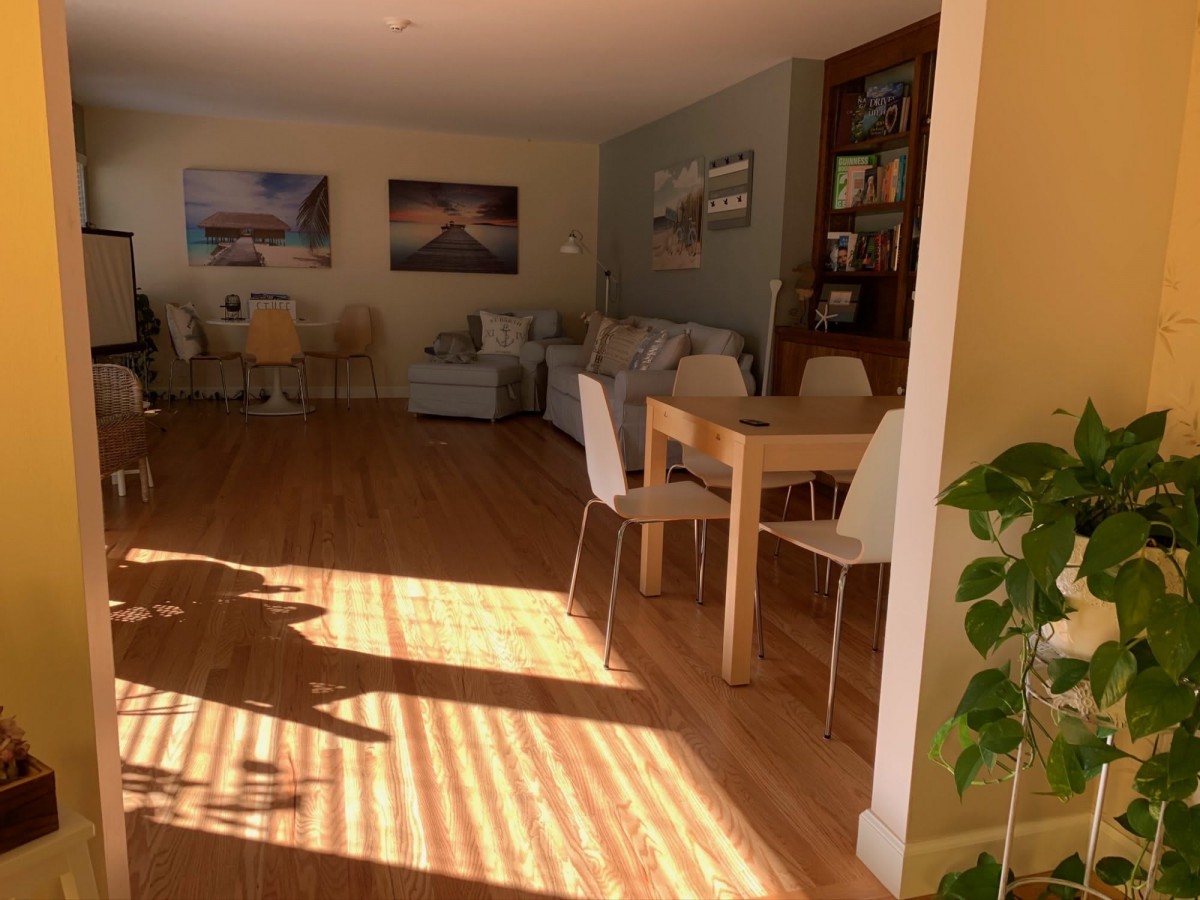
 Indoor common areas
 Move-in coordination
 Outdoor common areas
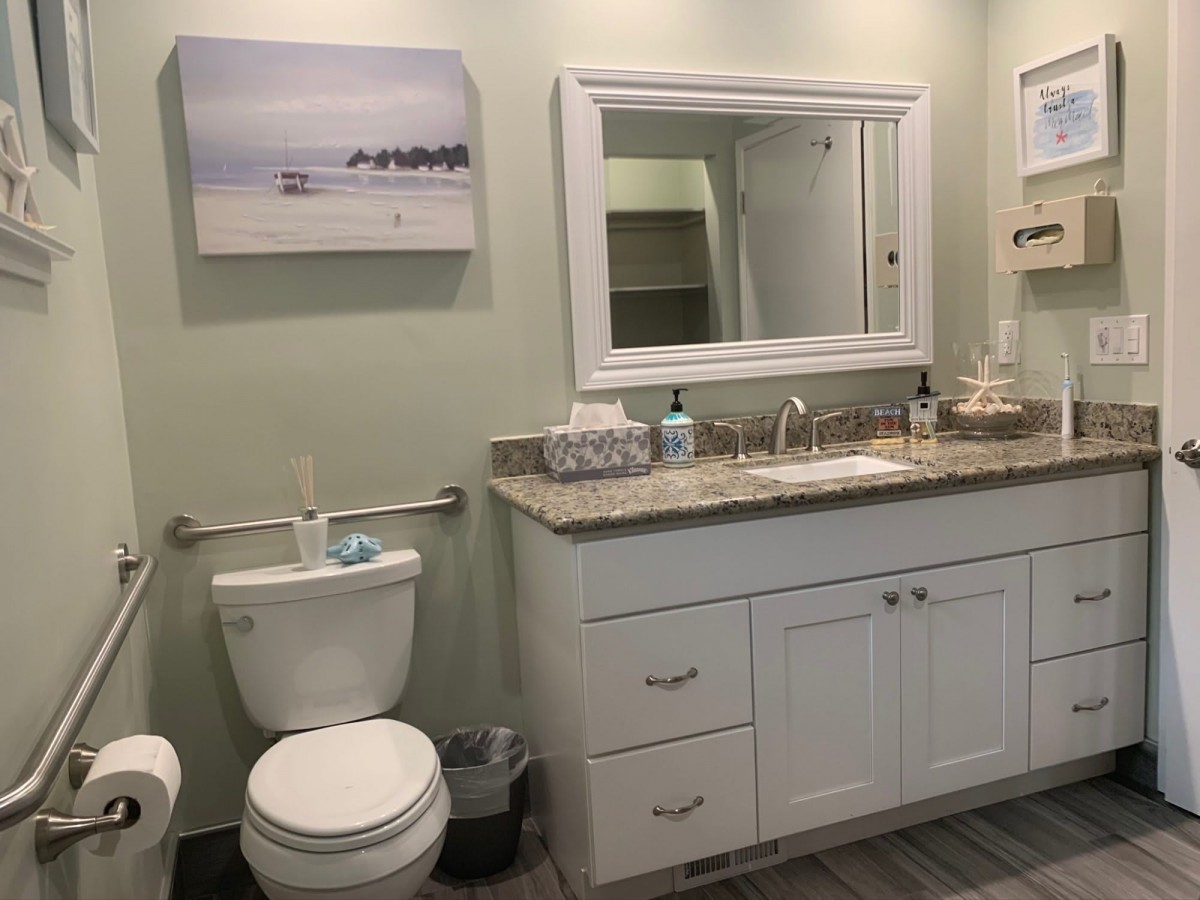
 Private bathrooms
 Respite or short term stays offered
 Swimming pool / hot tub
 Telephone
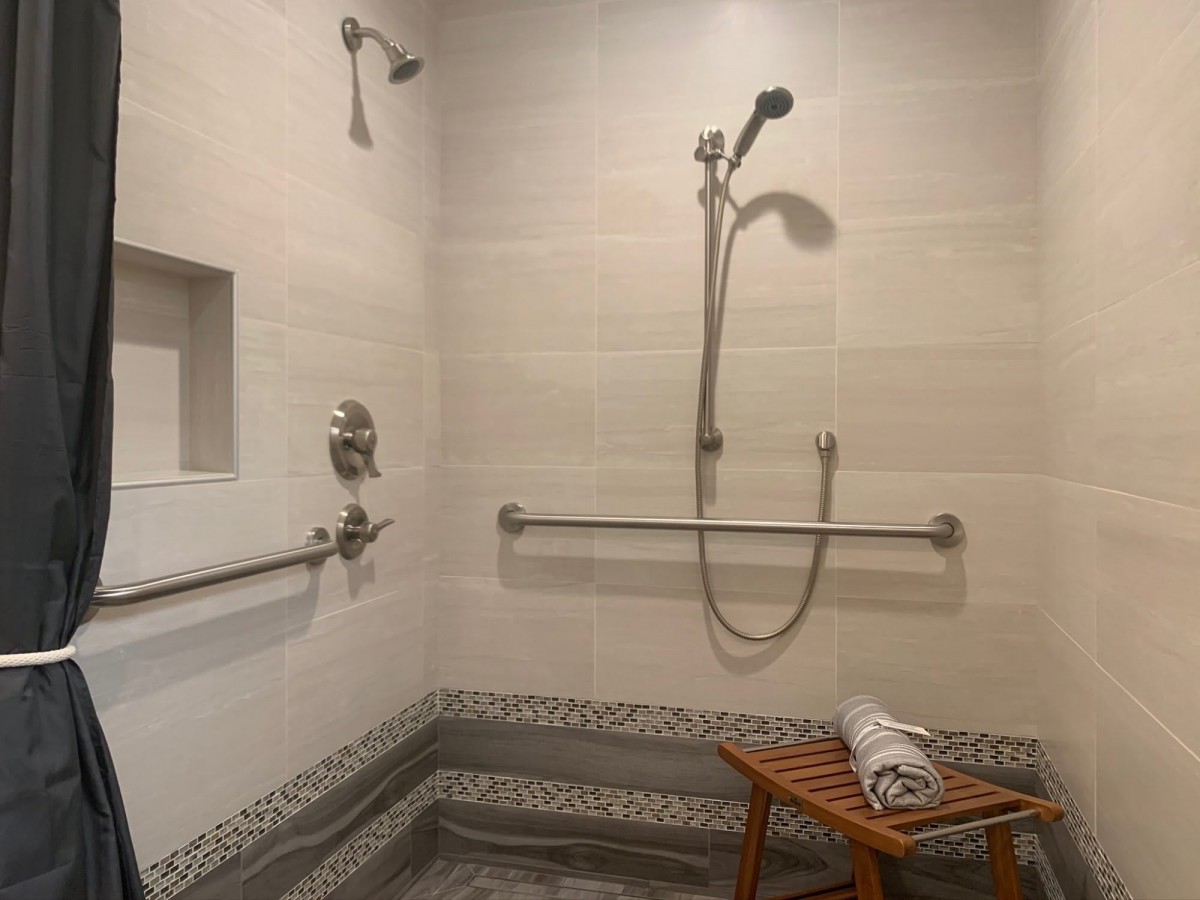
 Wheelchair accessible showers
 Wi-Fi/high-speed internet available
 San Francisco International (14 miles away)
 24-hour supervision
 Ambulatory care
 Assistance with bathing
 Assistance with dressing
 Assistance with transfers
 Diabetes diet
 Incontinence care
 Meal preparation and service
 Medication management
 Special dietary restrictions
 Transportation arrangement (medical)
 Transportation to doctors appointments
 Art classes
 Cooking classes
 Day trips and outings
 Educational speakers / life long learning
 Forever fit
 Karaoke
 Live dance or theater performances
 Live musical performances
 Live well programs
 Wine tasting
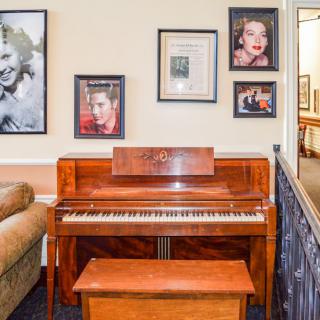


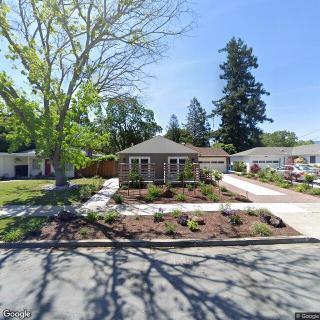

 8 Key Indicators That Suggest It May Be Time to Transition from Assisted Living to Skilled Nursing Care
 Vibrant Senior Living: A Comprehensive Guide for Active Older Adults
 When to Transition from Assisted Living to Memory Care: Key Indicators, Steps, and Finding the Right Community