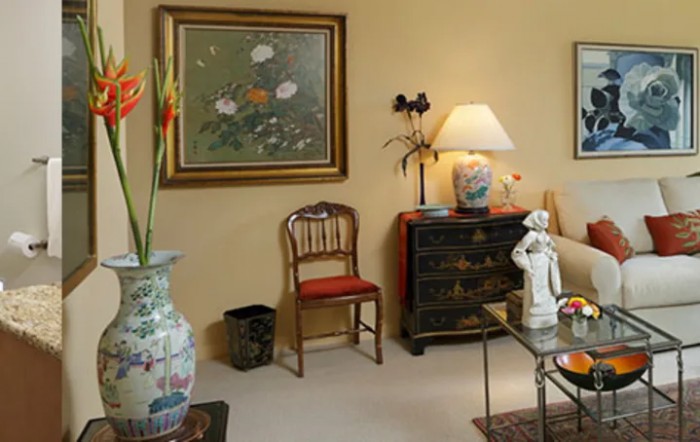
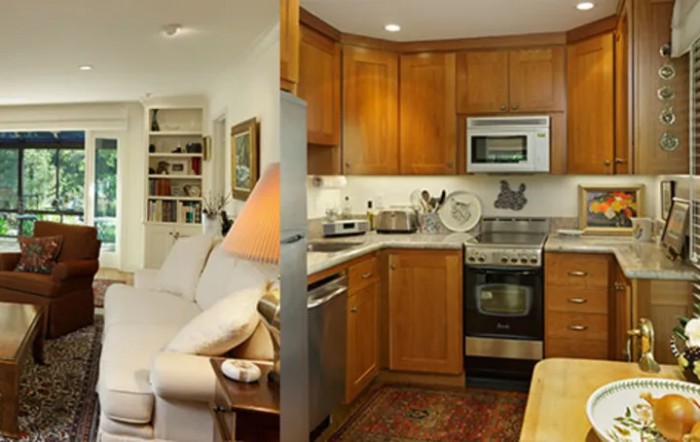
501 Portola Road, Portola Valley, CA 94028
For more information about senior living options: (866) 208-4318
Overall Review of The Sequoias-Portola Valley
Pros
 The Sequoias proved to be true to its reputation.
- The staff were well trained, respectful, knowledgeable, helpful, and kind.
- They were organized and shared expectations in an orientation-style meeting with the family.
- The PT and OT were great.
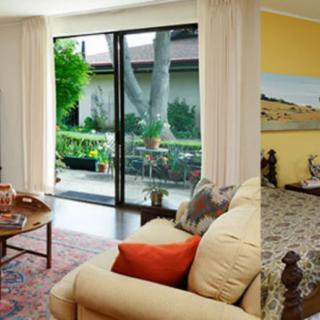
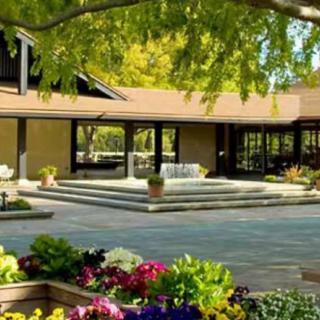
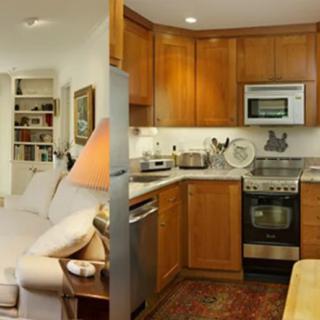
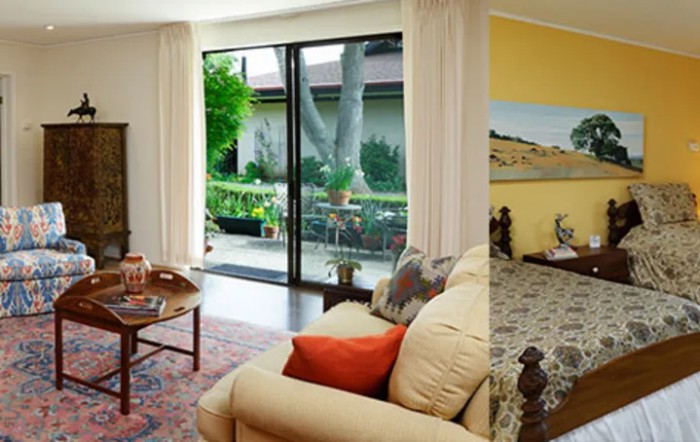
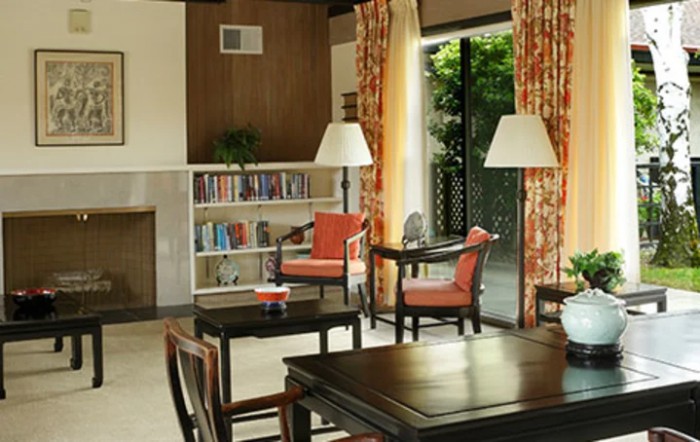
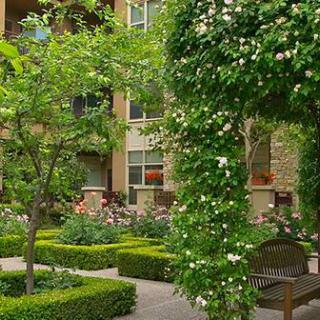
- The drive to the facility is beautiful, and the rooms have views of the gardens.
- The Sequoias-Portola Valley is an excellent facility.
- It offers three levels of care.
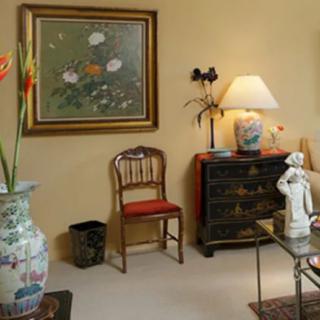
- It offers one- and two-bedroom apartments.
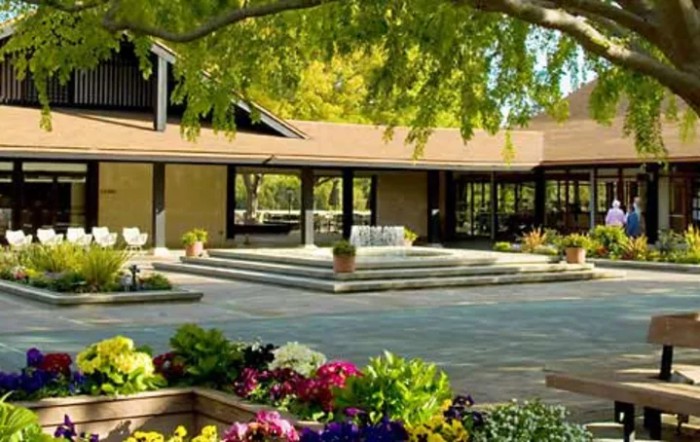
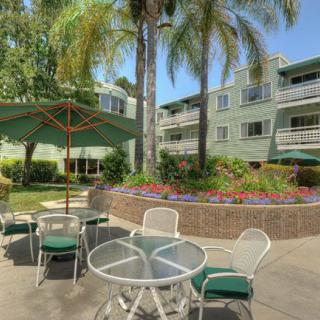
- The grounds are beautifully kept.
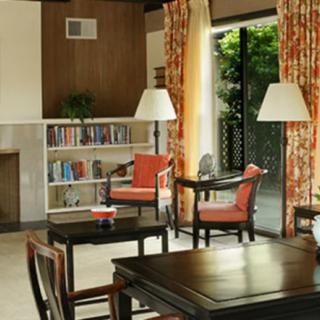
- The facilities include a swimming pool, a gym, and an arts-and-crafts room.
Cons
 The front guest room was horrible, with no closet or a place to hang clothes.
- The bathroom sink was ridiculously tiny, and the toilet was very low—not ADA.
- The remodel replaced two twin beds with one larger bed, leaving less space than before.
- A maid entered the room while they were sleeping, indicating a lack of privacy and the need for a Do Not Disturb sign.
- There is a two-and-a-half-year waiting list and an entrance fee plus monthly fee structure that they dislike.
Review
The Sequoias-Portola Valley is best suited for families seeking a top-tier skilled nursing environment within a well-regarded continuing care campus. This community excels for residents who anticipate a long-term transition through care levels and who want highly trained, attentive staff backed by organized care coordination. It suits families who value professional therapy services, physical and occupational, and who appreciate a serene, scenic setting with well-kept grounds, clear onboarding, and a transparent outline of who will care for whom. For seniors who want a campus that already integrates independent living, assisted living, and skilled nursing, The Sequoias offers a seamless continuum under one umbrella, reducing the burden of moving again as care needs evolve.
That said, several realities merit careful consideration before committing. A prolonged waitlist, reported at roughly two-and-a-half years, can push families to explore options with sooner availability, especially if current needs are urgent. The financial structure can also be a hurdle: an upfront entrance fee coupled with ongoing monthly fees may not fit every budget or long-range planning model. These financial elements make it essential to compare with alternatives that provide more flexible pricing or shorter timelines to move in. Additionally, a subset of experiences highlights room and privacy concerns in guest accommodations, suggesting the need to scrutinize unit layouts, privacy controls, and ease of access for visitors prior to selecting any specific apartment or guest suite.
On the upside, the core pros consistently stand out. The staff is repeatedly described as exceptionally trained, respectful, knowledgeable, and responsive, with a cohesive care team that includes nurses, CNAs, therapists, a dietitian, and administrative personnel who work in harmony. Families report that orientation sets clear expectations and roles, which reduces confusion and accelerates trust. Therapy services, particularly PT and OT, are singled out as high quality, helping residents regain or maintain function after surgeries or illness. The campus environment reinforces positive experiences, beautiful grounds, well-maintained facilities, reliable housekeeping, and nutritious meals tailored to dietary needs, all of which contribute to a sense of stability and well-being for residents and families alike.
The most notable drawbacks concentrate on accessibility and cost-related aspects rather than the care delivered. The guest-room experience can fall short of expectations, with reports of undersized spaces, limited storage, non-ADA configurations, and occasional intrusions during rest. These rim-shot concerns matter less to permanent residents who benefit from consistent services but can impact family time and comfort during visits. Beyond physical spaces, the financial model remains a critical determinant for many families: the combination of an entrance fee and ongoing monthly costs can be a deal-breaker for once-lucrative plans or tighter budgets. Prospective residents should verify current pricing, inclusions, and any potential assessments that affect long-term affordability.
Ultimately, the pros tend to offset the cons for those who prize clinical excellence, predictable routines, and a serene setting in a Bay Area location. The Sequoias-Portola Valley delivers dependable, professional care with robust therapy options and a culture of attentiveness that families find reassuring during medical transitions. The three-tiered care model provides clarity about future needs, enabling families to plan with confidence rather than fear disruptive changes. The beauty of the campus, gardens, scenery, and accessible, one-level living options on the grounds, adds tangible value that goes beyond clinical metrics. While cost and wait times are real considerations, they are countered by the quality of care, the strength of the care team, and the peace of mind that comes from a trusted, established sponsor.
For families weighing a choice, this community earns its reputation through execution: exceptional clinical staff, transparent care planning, and a supportive environment that makes transitions smoother. The practical verdict is clear. The Sequoias-Portola Valley is a strong fit for those who can navigate the waitlist and pricing, and who prioritize a premier SNF experience embedded in a full continuum of care. If immediacy, flexible pricing, or ultra-updated guest accommodations drive the decision, it is wise to compare alternatives with shorter admissions timelines, month-to-month options, or no entrance-fee models. A thorough visit, probing room configurations, privacy measures, and the admissions team's clarity about cost structures, will crystallize whether this community aligns with the patient’s trajectory and the family’s expectations.
 328 resident community capacity
 1-bedroom apartments
 Continuing Care Retirement Community (CCRC)
 Memory Care
 Skilled Nursing Facility
 Air-conditioning
 Beautician on-site
 Cable or satellite TV
 Computer center
 Dining room
 Fitness room
 Full kitchen
 Fully furnished
 Gaming room
 Garden
 Golf
Golf Hiking trails
 Housekeeping services
 Laundry
 Move-in coordination
 Outdoor patio
 Outdoor space
 Overnight guests
 Party space
 Private bathrooms
 Resident parking
 Restaurant-style dining
 Security gate
 Small library
 Spa
Spa Swimming pool
 Telephone
 Wi-Fi/high-speed internet available
 San Jose International (16 miles away)
 Community operated transportation
 24-hour call system
 Activities of daily living assistance
 Assistance with bathing
 Assistance with dressing
 Assistance with transfers
 Diabetes diet
 Medication management
 Physical therapy
 Special dietary restrictions
 Arts and crafts
 Concierge services
 Games
Games Planned day trips
 Stories
 English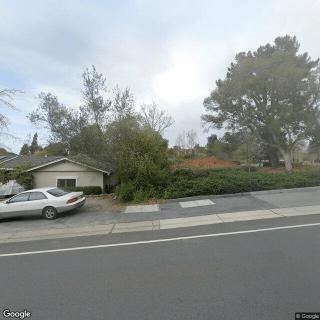

 Delving into the Inner World of Dementia: Insights into Thoughts and Awareness
 Five Subtle Dementia Indicators to Observe: An In-Depth Guide to Understanding “Does My Mom Have Dementia?”
 Dementia, Paranoia, and Caregiver Guidance: Understanding the Connection