
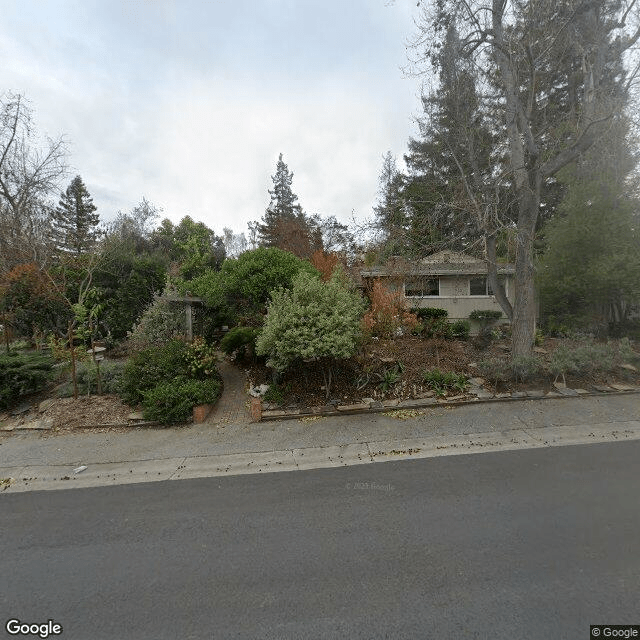
735 Monte Rosa Drive, Menlo Park, CA 94025
For more information about senior living options: (866) 208-4318
Orchid Lan Costs & Pricing
Orchid Lan offers a unique positioning in the market with its monthly costs reflecting the high-quality services and accommodations it provides. For a private room, Orchid Lan charges $4,800, which is notably higher than the average for San Mateo County at $4,281 and significantly above the California state average of $3,939. When considering two-bedroom arrangements, Orchid Lan's pricing of $8,795 stands out compared to San Mateo County's $6,605 and California's average of $5,270. This pricing structure underscores Orchid Lan's commitment to offering exceptional care and amenities tailored to meet the needs of its residents, attracting those who value quality above all else despite the premium cost associated with its offerings.
| Floor plans | Orchid Lan | San Mateo County | California |
|---|---|---|---|
| Private | $4,800 | $4,281 | $3,939 |
| 2 Bedrooms | $8,795 | $6,605 | $5,270 |
Assisted Living communities with a similar price nearby
-
from +$200 / mo
Blessing Home
$5,000 to $6,000 / month21.4 miles away -
from -$800 / mo
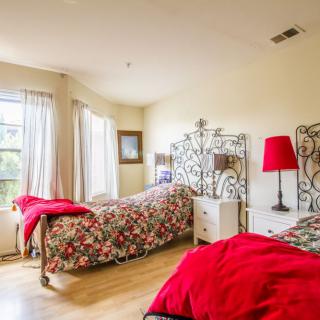
Golden Age Of Channing Way
$4,000 to $5,000 / month22.1 miles away -
from -$300 / mo
Pleasanton Senior Care Villa
$4,500 / month23.4 miles away -
from -$800 / mo
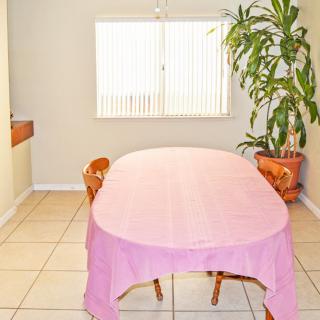
Grace Garden
$4,000 to $5,000 / month22.7 miles away -
from +$900 / mo
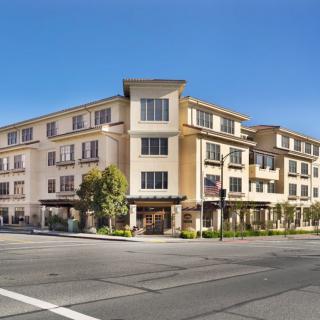
Sunrise of Burlingame
$5,700 to $9,000 / month15.2 miles away
Overall Review of Orchid Lan
Pros
 She loves it there.
- Her overall health seems to have improved since she arrived.
- The owners and the staff have been wonderful in meeting her needs.
- He loves the freedom it provides him, not having to worry about food, cleaning, or laundry.
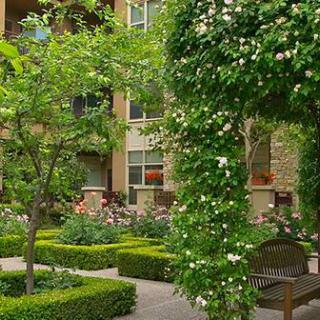
- The grounds are beautiful, and the staff is very nice.
- Her personal needs, medication management, and day-to-day care are all handled by a very loving team.
- The garden setting is beautiful.
- The guide was a very pleasant person who was smart and able to provide details about the community.
Cons
 The reviewer felt the community was not the best, though it was still acceptable.
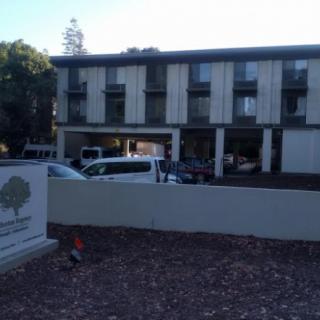
- The facility could use a few updates around the place.
- They felt the facility could not meet their level of care.
- The facility did not appear to be as clean.
Review
Orchid Lane in Menlo Park is best suited for seniors who prize a warm, home-like atmosphere where daily life is smoothly managed by a devoted team. The reviews suggest a setting that feels intimate rather than institutional: private board-and-care style touches, light-filled spaces, and garden surround that invite relaxed meals and quiet strolls. The core appeal is a reliable, personal touch, care that anticipates needs, medication management that stays on track, and a staff culture that families describe as genuinely caring. When independence is important but daily chores begin to feel burdensome, this community provides a practical balance: residents retain autonomy for walking, reading, and social moments, while a caring staff eliminates the ordinary stresses of housekeeping, laundry, and meal planning.
Those weighing alternatives should consider whether the priority is a larger campus with more extensive on-site medical services, higher-acuity support, or a more modern, recently renovated aesthetic. The reviews acknowledge that not every family will find this model fits every need. A tour that left one observer unconvinced pointed to a facility that could use updates and felt not all expectations around cleanliness or level of care were met. In short, households pursuing aggressive rehabilitation, memory care with specialized programming, or a facility that feels cutting-edge may prefer other options that emphasize clinical breadth or contemporary interiors. Orchid Lane’s strengths sit beside a reminder that it may not be the right fit for higher-level medical requirements.
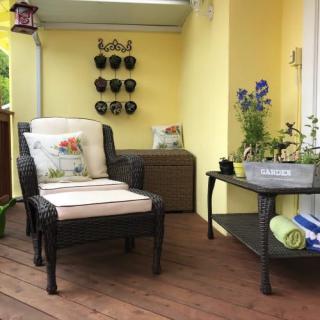
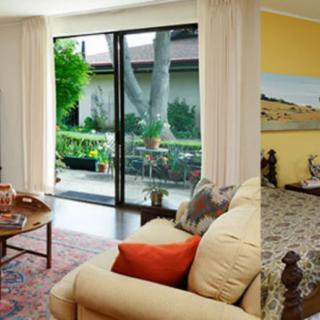
The strongest pros, consistent, attentive care; approachable ownership; and a setting that supports independent routines, offset several notable drawbacks in practical ways. Families repeatedly cite loving, attentive staff and owners who ensure every need is addressed, a factor that builds trust and reduces the burden on family caregivers. The upside of a private-board-and-care structure is palpable in day-to-day life: personalized attention, clearer lines of accountability, and the ability to tailor activities to individual rhythms. The pretty grounds and open, light-filled common areas further mitigate the occasional need for upgrades by delivering daily joy, social connection, and a sense of safety. While some rooms and decor may feel dated, the real value lies in dependable care and a true sense of community.
Stability and longevity emerge as decisive advantages. Instances of long stays, over two years in one example, and twelve years at another operator’s location, signal a management style that prioritizes continuity. Families describe a staff culture that remains steady over time, a factor that frequently translates into fewer care gaps and better knowledge of each resident’s preferences. The combination of beautiful outdoor spaces with a consistent team creates a cycle of familiarity, reducing anxiety for residents who thrive on routine. In practice, this is the kind of environment where small daily rituals, a preferred seating ritual at meals, a familiar afternoon walk, or a library nook for a favorite book, become meaningful anchors.
To make a well-informed decision, focus questions should drive the tour and discussions. Inspect cleanliness and maintenance honestly, especially if a reviewer suggested improvements. Probe how medication management is organized in real terms, who administers, how doses are reconciled, and how changes in regimens are communicated to family and physicians. Ask about meal service specifics, the dining environment, and opportunities for alfresco meals or flexible daily schedules. Inquire about activities, transportation, and memory-care capabilities if those needs might arise, and confirm whether private-board-and-care options remain available as needs evolve. Finally, quantify what “comfort” and “care quality” look like for the resident: safety features, staff-to-resident ratios, and the responsiveness of the team when alarms or calls come in.
The bottom-line recommendation is clear: Orchid Lane is a strong fit for families seeking a warm, person-centered home where care quality is judged by attentiveness, reliability, and everyday kindness as much as by facility polish. It is especially compelling for residents who value independence within a supportive framework and for families who want a stable, long-tenured team that anticipates needs. However, it may not satisfy those who require high-acuity medical supervision, rapid access to cutting-edge therapies, or pristine, modern interiors. For such families, evaluating alternatives with broader clinical services or newer renovations is prudent. A disciplined tour, candid discussions about care expectations, and a clear plan for how daily duties will be handled will reveal whether Orchid Lane aligns with the resident’s health status and lifestyle goals, or whether another option better matches the anticipated care trajectory.
 6 resident community capacity
 Assisted Living
 Board and Care Home
 Cable or satellite TV
 Dining room
 Fully furnished
 Garden
 Housekeeping services
 Move-in coordination
 Outdoor space
 Private
 Telephone
 Wi-Fi/high-speed internet available
 San Jose International (16 miles away)
 24-hour supervision
 Activities of daily living assistance
 Assistance with bathing
 Assistance with dressing
 Assistance with transfers
 Diabetes diet
 Diabetic care
 High acuity care
 Meal preparation and service
 Medication management
 Special dietary restrictions
 Transportation arrangement (medical)
 Transportation to doctors appointments



 How and When Medicaid May Cover Assisted Living Costs
 A Detailed Exploration of Assisted Living Medicaid Waivers Across the United States
 Comprehensive Residential Support and Assisted Living Solutions for Individuals with Disabilities