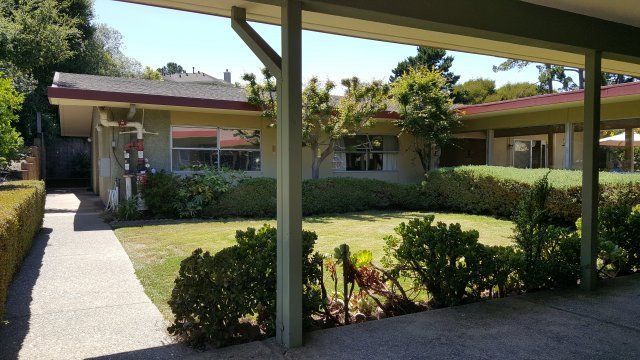
2140 Carlmont Drive, Belmont, CA 94002
For more information about senior living options: (866) 208-4318
Overall Review of Carlmont Gardens Nursing Center
Pros
 Carlmont Gardens is praised for compassionate, empathetic care from its staff.
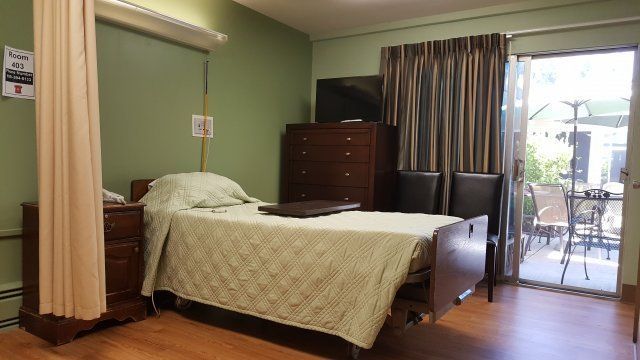
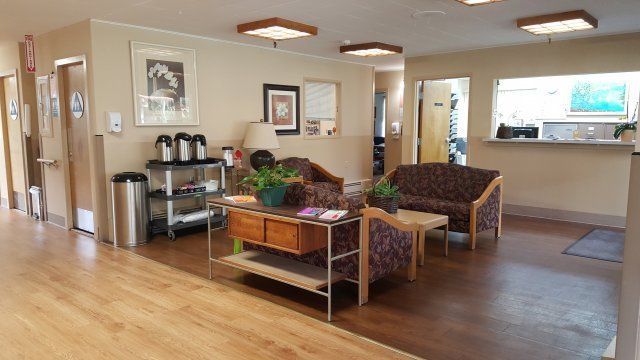
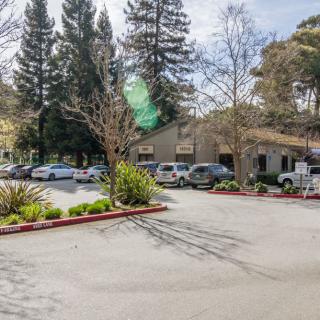
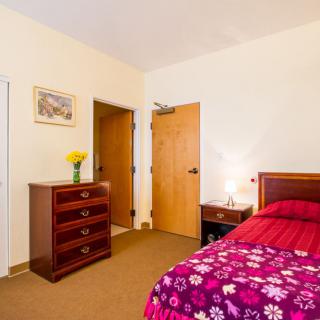
- The facility is clean, well-maintained, and conveniently located with designated parking.
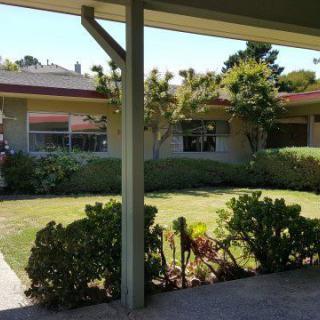
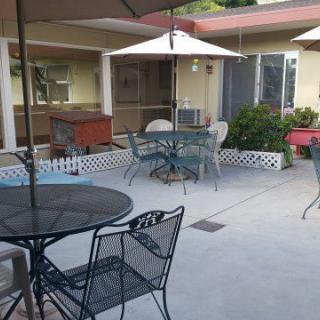
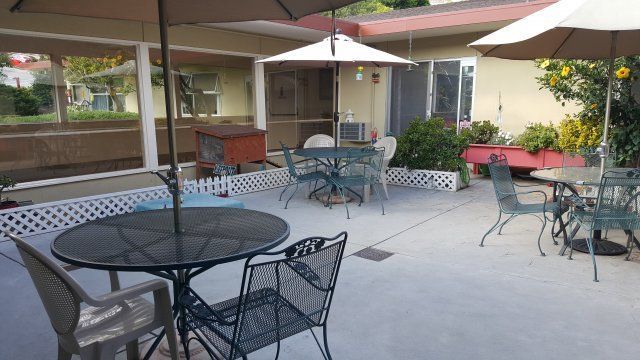
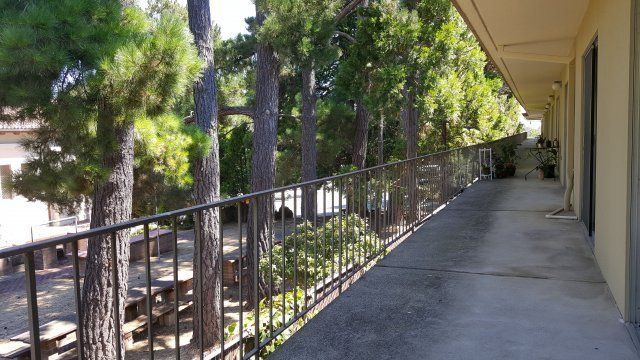
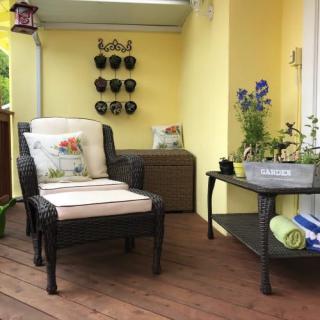
- The grounds include a garden and a bunny, adding charm to the environment.
- The staff’s kindness and support provide meaningful comfort to families.
- Residents can participate in activities and weekly communion.
- The food is delicious and well-liked by residents.
- Many staff members are warm and friendly, including a strong Filipino caregiving team.
Cons
 The reviewer describes Mission House as providing a terrible experience.
- The reviewer labels Carlmont Gardens a horrifying place.
- The reviewer accuses management of directing staff to violate patient rights and abuse the elderly.
- The reviewer states that the nurses are among the worst, with some sleeping when they should be working.
- The reviewer says they would never recommend the facility and advises others to take their family elsewhere.
Review
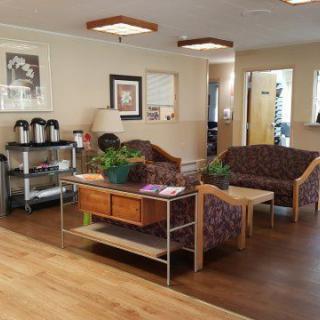
Carlmont Gardens Nursing Center is best suited for families prioritizing genuine, compassionate care in a setting that supports end-of-life comfort and social engagement. The facility tends to shine when staff interactions matter most: empathetic nurses, social workers, and cleaning staff who step in with warmth during difficult moments, and a culture that can rally around a resident’s family in times of transition. Families with loved ones who benefit from meaningful activity, community involvement, and religious support will find value in the weekly communion, access to a community room, and opportunities to participate in activities. The location’s practicality, an accessible Belmont address with on-site parking and a garden-and-bunny charm, adds a practical layer to the emotional comfort.
However, potential residents should consider alternatives if consistent, high-frequency nursing attentiveness is non-negotiable. Reviews reveal a mixed reliability of bedside care, with some reports of staff shortages or uneven vigilance on certain shifts. Allegations of management directions that compromised patient rights, along with anecdotes about nurses not being fully present, signal that staffing stability and administrative oversight can be uneven. For families that cannot tolerate variability in day-to-day clinical responsiveness or who require a consistently rigorous standard of care across all shifts, exploring other facilities with documented, uniform performance would be prudent.
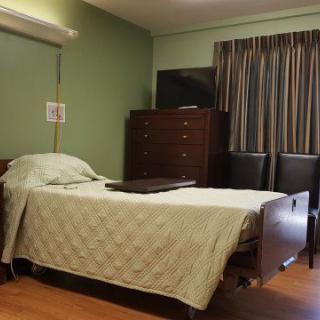
The strongest offset to these concerns is the unmistakable depth of human connection described in multiple experiences. When the staff is functioning at their best, the care relationship feels personal and trustworthy: the same care team offering practical help, emotional support, and a sense of continuity during a crisis or a family member’s final days. The hospice milieu at Carlmont Gardens, where the team personally shepherded a family through a loved one’s last moments, illustrates how a well-led, compassionate crew can transform a difficult situation. That emotional bedrock, alongside clean rooms, a pleasant garden environment, and food that residents and families praise, can dramatically reduce the anxiety of placement.
On the practical side, the facility’s advantages include a retained sense of hominess in an older, well-kept building, thoughtful amenities like a dedicated parking area, and a demonstrated commitment to social and spiritual life. A dedicated activities program and community spaces help bedridden residents stay engaged, and the praise for food quality is not incidental to overall satisfaction. These positives matter when evaluating long-term placement, especially for families balancing infection control with the need for meaningful daily experiences. The combination of warmth, routine, and social engagement can compensate for some infrastructural drawbacks, particularly for residents who value connection and personal attention over pristine modernity.
Still, the negatives are nontrivial and real. The reality of an aging facility means maintenance and modernization may lag behind newer campuses, which matters for families prioritizing the latest safety and convenience features. The presence of conflicting anecdotes, ranging from patient-rights concerns to perceived lapses in staffing, means that any decision should be grounded in current, direct observation. Tours, conversations with the social worker, and candid discussions with current staff can reveal how a given shift typically operates and whether the day-to-day experience aligns with expectations for safety, dignity, and respect.
In the end, Carlmont Gardens serves as a solid option for families seeking a hospitable, person-centered environment where care teams genuinely try to do right by residents and their families. It is most compelling for those who prize compassionate interaction, social activity, and religious nourishment as part of daily life, and who are comfortable with an older physical plant that may require continued attention. For families prioritizing a uniformly flawless staffing track record, cutting-edge amenities, or a pristine new atmosphere, alternatives with stronger documented staffing consistency and modernization may be more appropriate. A careful, in-person evaluation remains essential to determine fit.
 74 resident community capacity
 Skilled Nursing Facility
 Air-conditioning
 Beauty salon
 Cable or satellite TV
 Computer center
 Dining room
 Fitness room
 Fully furnished
 Gaming room
 Garden
 Housekeeping services
 Kitchenette
 Move-in coordination
 Outdoor space
 Private bathrooms
 Restaurant-style dining
 Small library
 Telephone
 Wellness center
 Wi-Fi/high-speed internet available
 San Francisco International (9 miles away)
 Community operated transportation
 12-16 hour nursing
 24-hour call system
 Activities of daily living assistance
 Assistance with bathing
 Assistance with dressing
 Assistance with transfers
 Diabetes diet
 Medication management
 Mental wellness program
 Special dietary restrictions
 Concierge services
 Planned day trips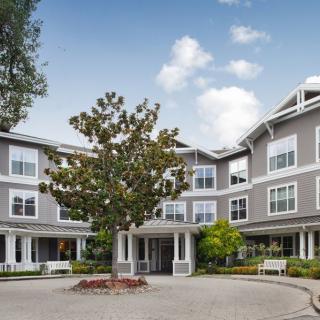



 Home Health Care Aides: Understanding Their Role and Supporting Your Family
 Urinary Tract Infections in Older Adults: Comprehensive Insights on Symptoms, Treatment, and Prevention
 California's Form 602A: An In-Depth Examination of Senior Care Assessment