Grand Brook Memory Care Rogers at Pinnacle Hills Costs & Pricing
At Grand Brook Memory Care Rogers at Pinnacle Hills, the monthly costs reflect a commitment to specialized care and quality living for residents with memory challenges. The facility offers semi-private rooms at $6,595 per month, significantly higher than the average rates in Benton County and across Arkansas, which are $3,855 and $3,651 respectively. For those seeking more privacy, studio accommodations are available for $7,150 monthly; this too surpasses local averages of $3,734 in Benton County and a state average of $2,863. The elevated pricing indicates not only the premium services provided but also the focus on creating a supportive environment tailored to meet the needs of individuals requiring memory care.
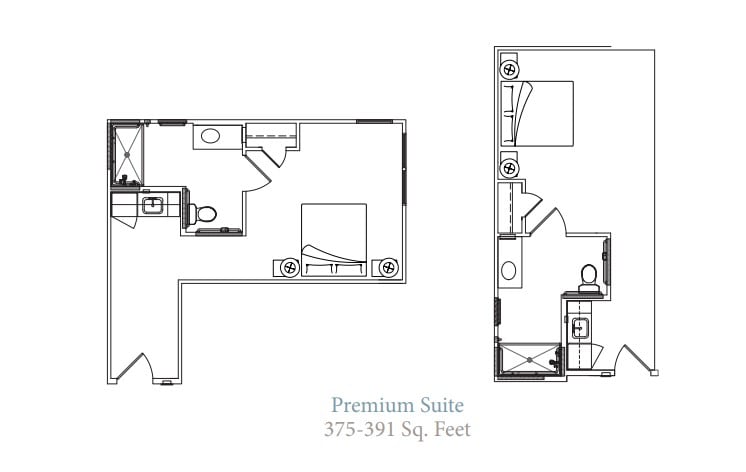
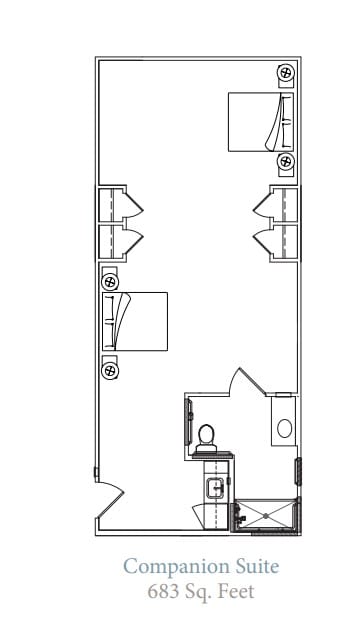
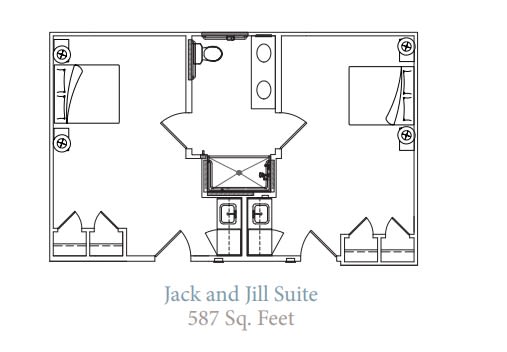
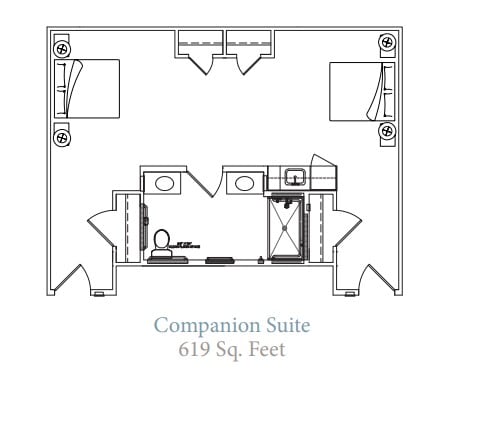
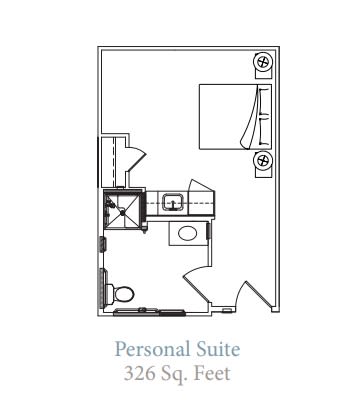
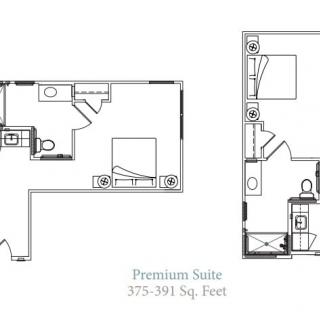
Floor plans
Grand Brook Memory Care Rogers at Pinnacle Hills
Benton County
Arkansas
Semi-Private
$6,595
$3,855
$3,651
Studio
$7,150
$3,734
$2,863
Overall Review of Grand Brook Memory Care Rogers at Pinnacle Hills
common2 reviews mention this
Care feels personalized and responsive
Residents and families describe consistent staff communication and responsiveness to needs.
Multiple reviews highlight that staff communicate clearly with families and proactively share updates when something changes. Residents are also described as being well supported when families raise concerns, with staff working toward solutions.
common2 reviews mention this
Clean, home-like environment
Reviews consistently mention a clean, home-like setting rather than an institutional feel.
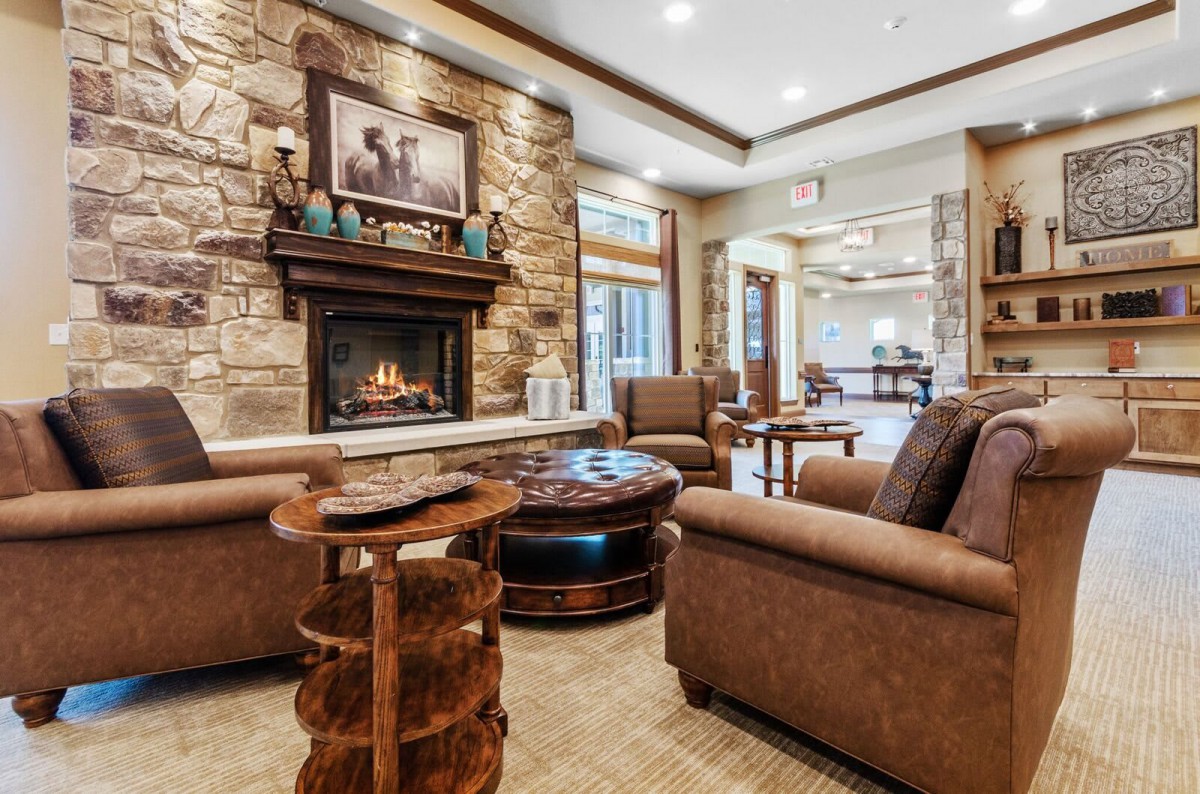
Several families describe the facility as immaculate and well maintained, including comments about it being clean and comfortable day to day. Reviews also point to a layout and atmosphere that feel more like a residence than a nursing facility.
common2 reviews mention this
Activities keep residents engaged
Residents are kept engaged with frequent daily activities.
Reviews describe residents participating in activities often, with families noticing improvements in mood and engagement. Even when participation is limited at first, reviewers say staff work to involve residents and encourage them to take part as able.
differentiator2 reviews mention this
Memory care for dementia needs
This community is repeatedly recommended specifically for dementia and Alzheimer’s care needs.
Reviews frame Grand Brook as a good fit for families looking for memory care rather than general assisted living. Families mention that staff understand dementia-related routines and changing needs over time, which supports day-to-day safety and comfort.
caveat3 reviews mention this
Food is well liked, with notes
Dining gets praise overall, but some families want changes to portions and variety.
Some reviews describe meals and snacks as wonderful, nutritious, and delicious. At least one reviewer also says they would improve the dining experience by offering bigger portions and a larger variety on the menu.
How we summarize
Counts show how many written reviews mention each theme; a review can touch several themes, and only frequently mentioned themes are displayed.
Features
Types of Care
Memory Care
Pets
Dogs allowed
Amenities
Air-conditioning
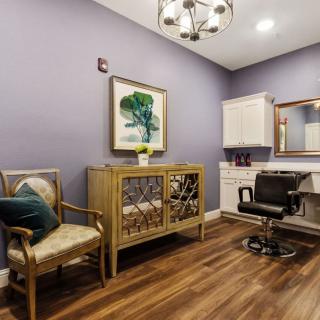
Beautician on-site
Garden view
Ground floor units
Handicap accessible
Respite or short term stays offered
Wheelchair accessible showers
Wi-Fi/high-speed internet available
Transportation
Northwest Arkansas Regional (7 miles away)
Care Services
Ambulatory care
Diabetic care
High acuity care
Incontinence care
Medication management
Dining
Special dining programs
Activities
Art classes
Bible study group
Catholic services
Cooking classes
Devotional activities on-site
Educational speakers / life long learning
Jewish services
Mormon/LDS services
Other religious services
Protestant services
Visiting Rabbi
Visiting chaplain or priest
Videos
Nearby Places of Interest
This part of Rogers, Arkansas offers a variety of amenities and services that cater to seniors looking for a comfortable and convenient living environment. With several physicians, hospitals, pharmacies, and rehabilitation centers in close proximity, residents have access to quality healthcare options. In addition, there are plenty of dining options ranging from casual cafes to well-known chain restaurants for those who enjoy dining out. The area also features parks for outdoor recreation and relaxation, as well as theaters for entertainment. Transportation is easily accessible with multiple airports nearby. Overall, this part of Rogers provides a well-rounded and convenient setting for seniors seeking a vibrant community with easy access to essential services.
Physicians
Taylor Plastic Surgery Institute (0.2 miles)
Mercy Medical Specialties (1.5 miles)
Rogers Medical Center (1.5 miles)
Highlands Oncology Group P.A. (2.5 miles)
Daniel S. Bradford, MD (2.5 miles)
Parkhill the Clinic for Women (3.2 miles)
Premier Dermatology & Skin Renewal Center (3.2 miles)
Restaurants
Newk's Franchise (0.5 miles)
Chick-Fil-A (0.7 miles)
Pickleman's Gourmet Cafe (1.1 miles)
Twin Peaks (1.2 miles)
Local Lime (1.3 miles)
Five Guys Burgers & Fries (1.7 miles)
Mojito's Mexican Grill (1.7 miles)
Hospitals
4Th Floor Waiting Room (1.4 miles)
Mercy Hospital (1.4 miles)
Tracie Kirkland, APN (2 miles)
Emily Turner, APN (2 miles)
Everest Rehabilitation Hospital (2.5 miles)
Northwest Medical Center - Bentonville (3.5 miles)
Decision Point - Preferred Family Healthcare (6.5 miles)
At Grand Brook Memory Care Rogers at Pinnacle Hills, the monthly costs reflect a commitment to specialized care and quality living for residents with memory challenges. The facility offers semi-private rooms at $6,595 per month, significantly higher than the average rates in Benton County and across Arkansas, which are $3,855 and $3,651 respectively. For those seeking more privacy, studio accommodations are available for $7,150 monthly; this too surpasses local averages of $3,734 in Benton County and a state average of $2,863. The elevated pricing indicates not only the premium services provided but also the focus on creating a supportive environment tailored to meet the needs of individuals requiring memory care.
Medication management at Grand Brook Memory Care Rogers at Pinnacle Hills ensures that residents receive their medications accurately and on schedule, which is crucial for maintaining their overall health and managing symptoms associated with dementia or Alzheimer's disease. This systematic approach minimizes the risk of medication errors, allowing caregivers to monitor residents' responses to treatments more effectively. Incontinence care further supports the dignity and comfort of residents by providing discreet and compassionate assistance. This feature addresses a common issue in individuals with cognitive impairments, reducing anxiety for both residents and families while promoting hygiene and well-being. Together, these services create a supportive environment that caters to the unique needs of those living with memory-related challenges.
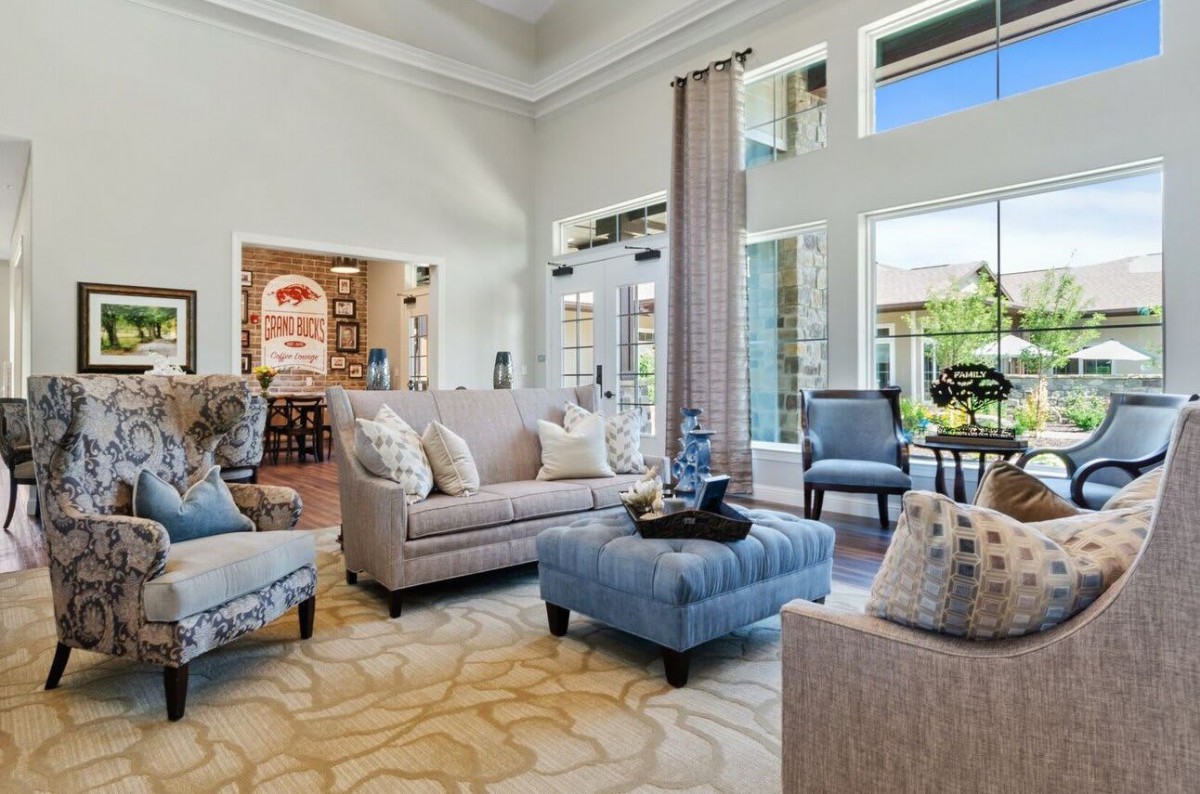
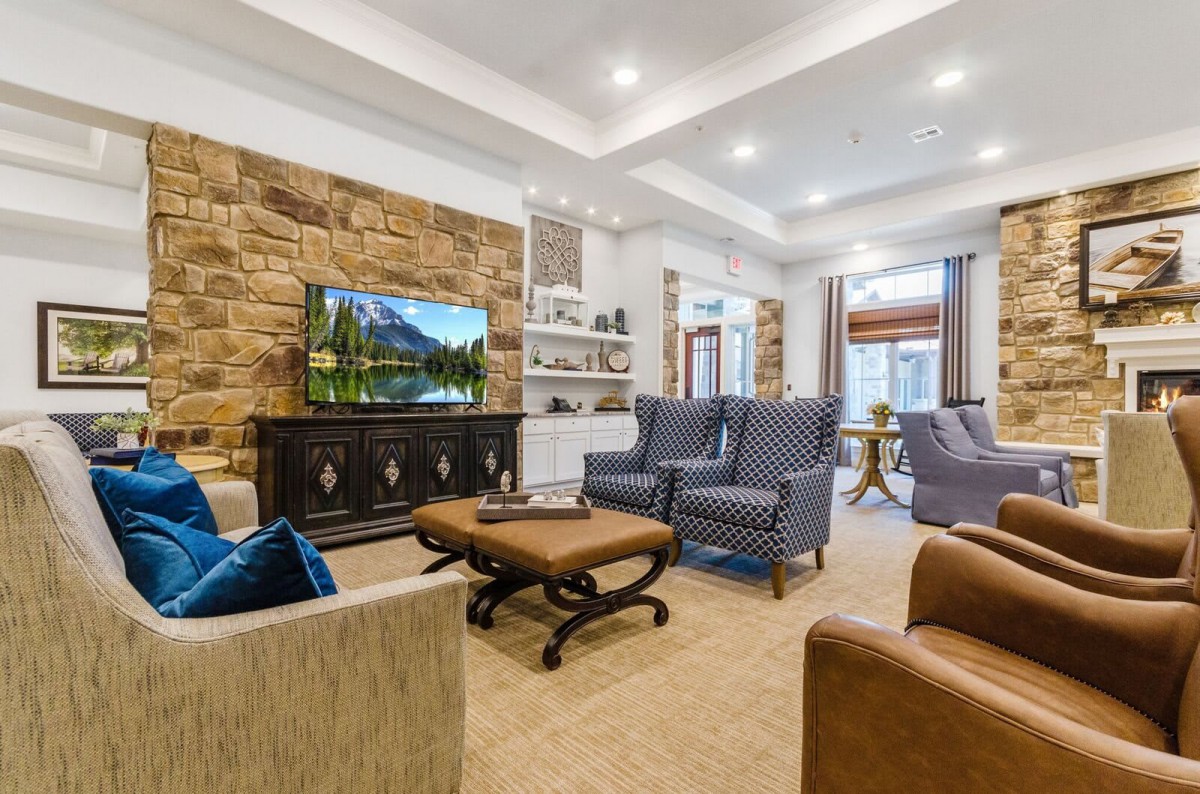
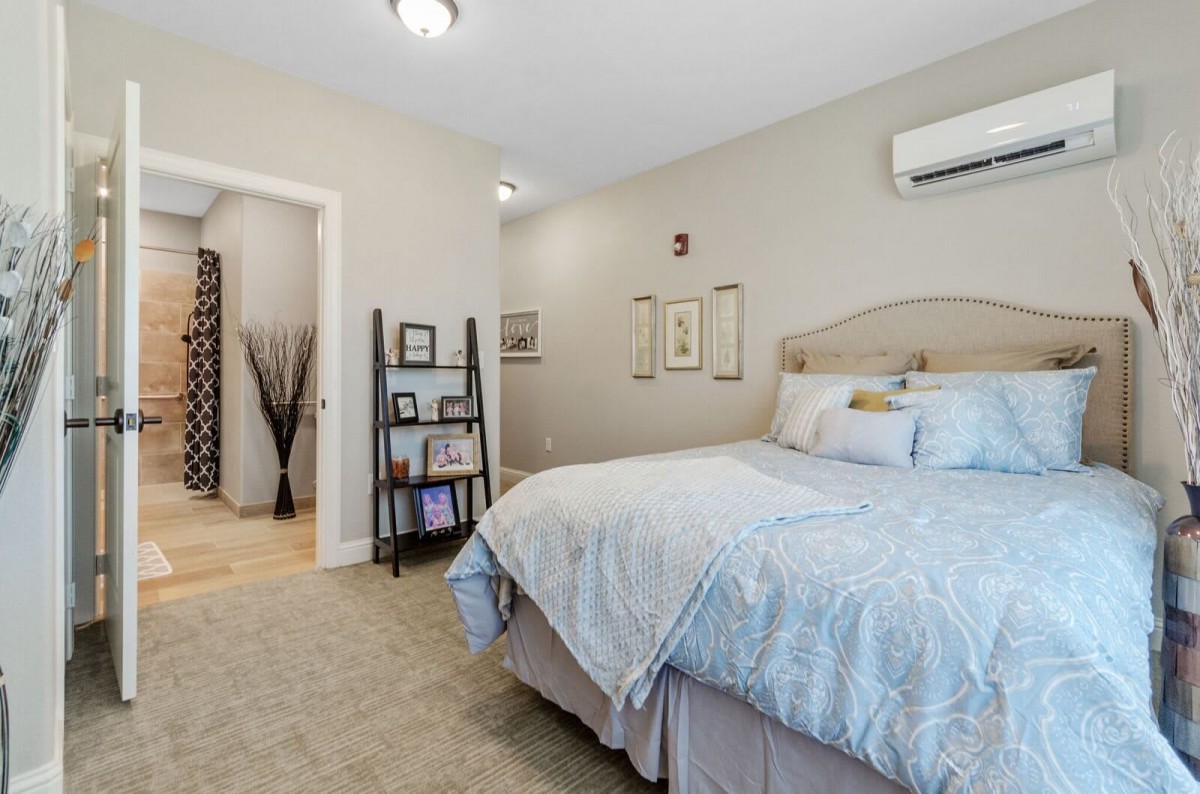
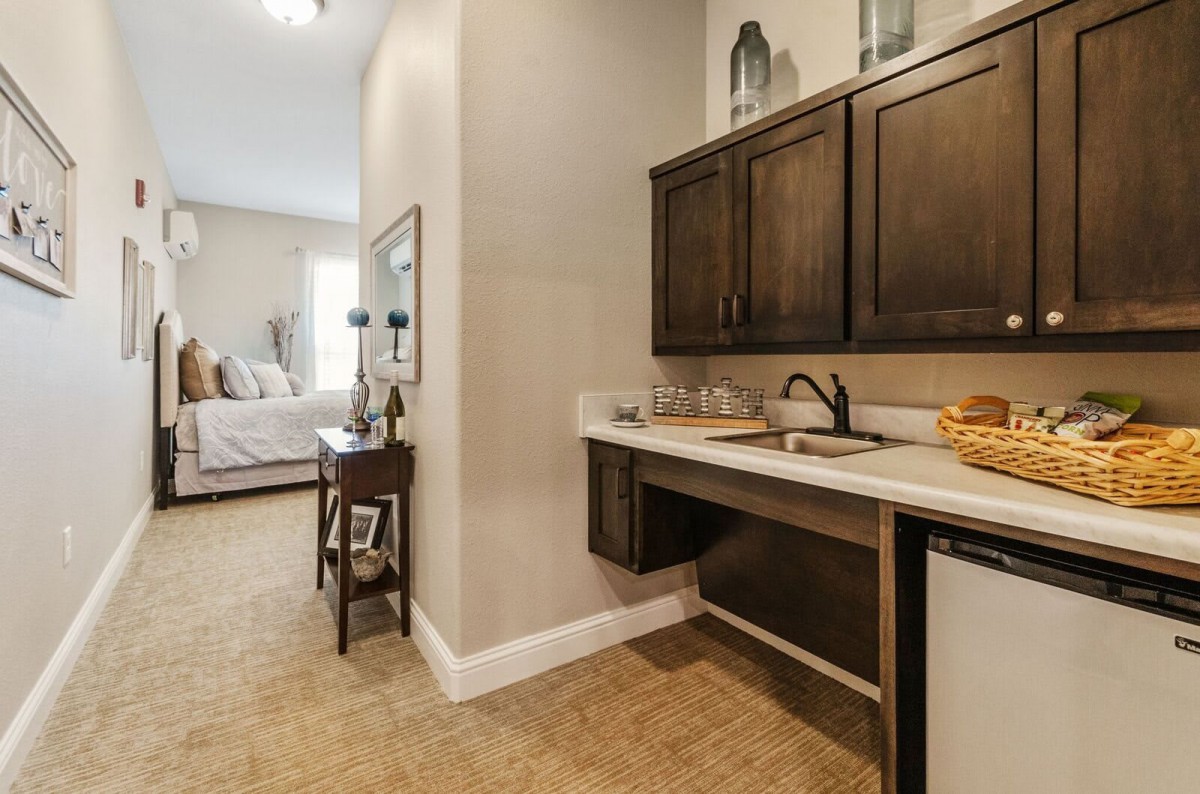
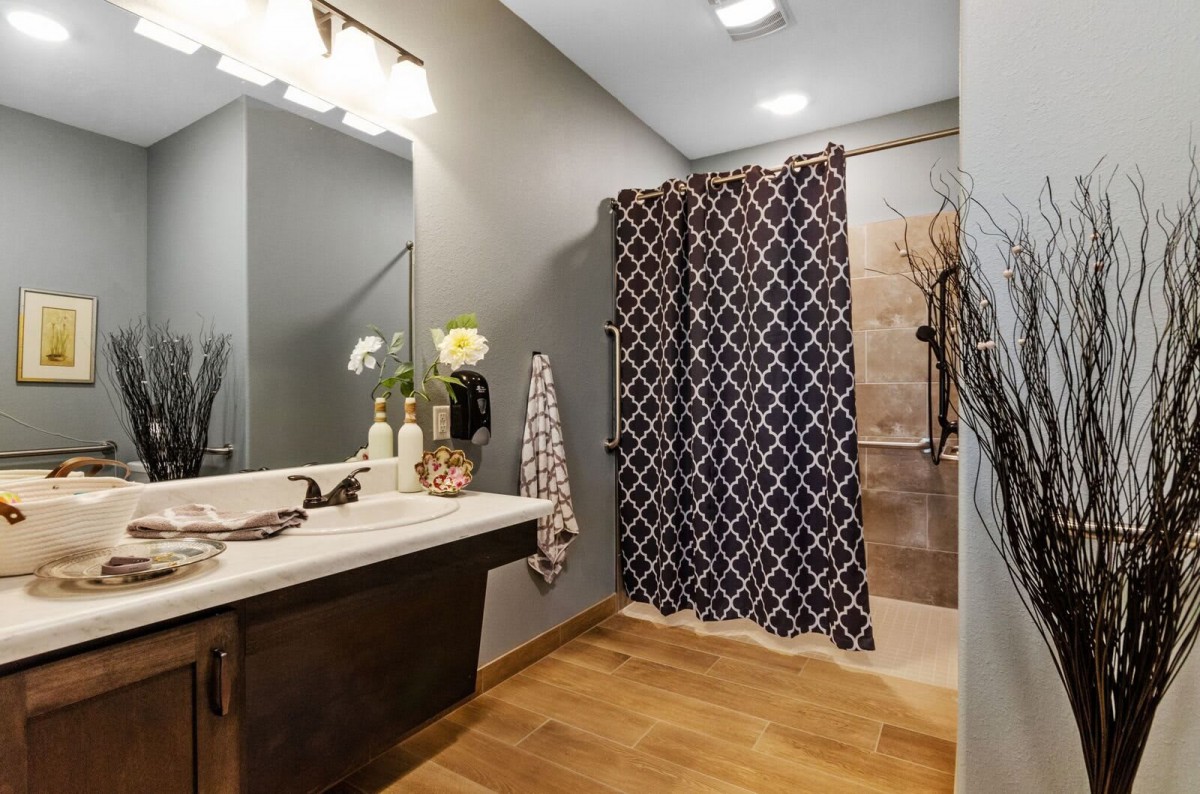
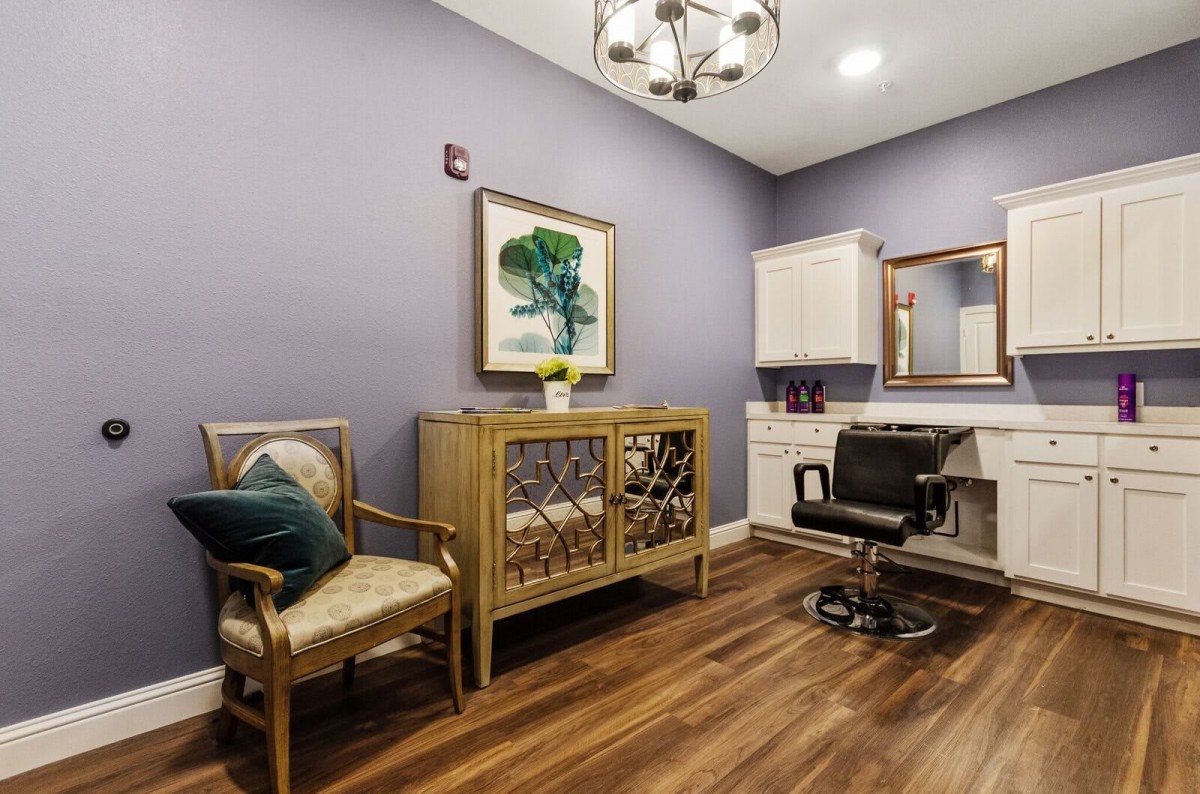
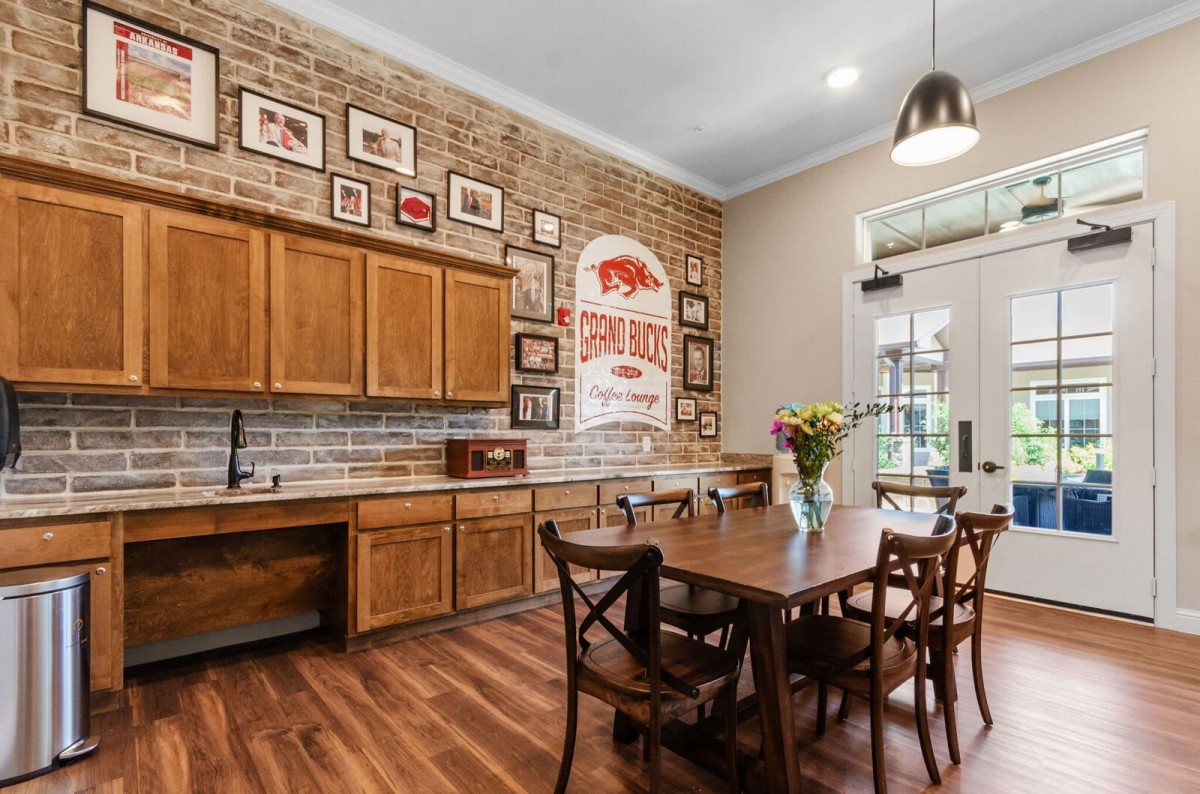
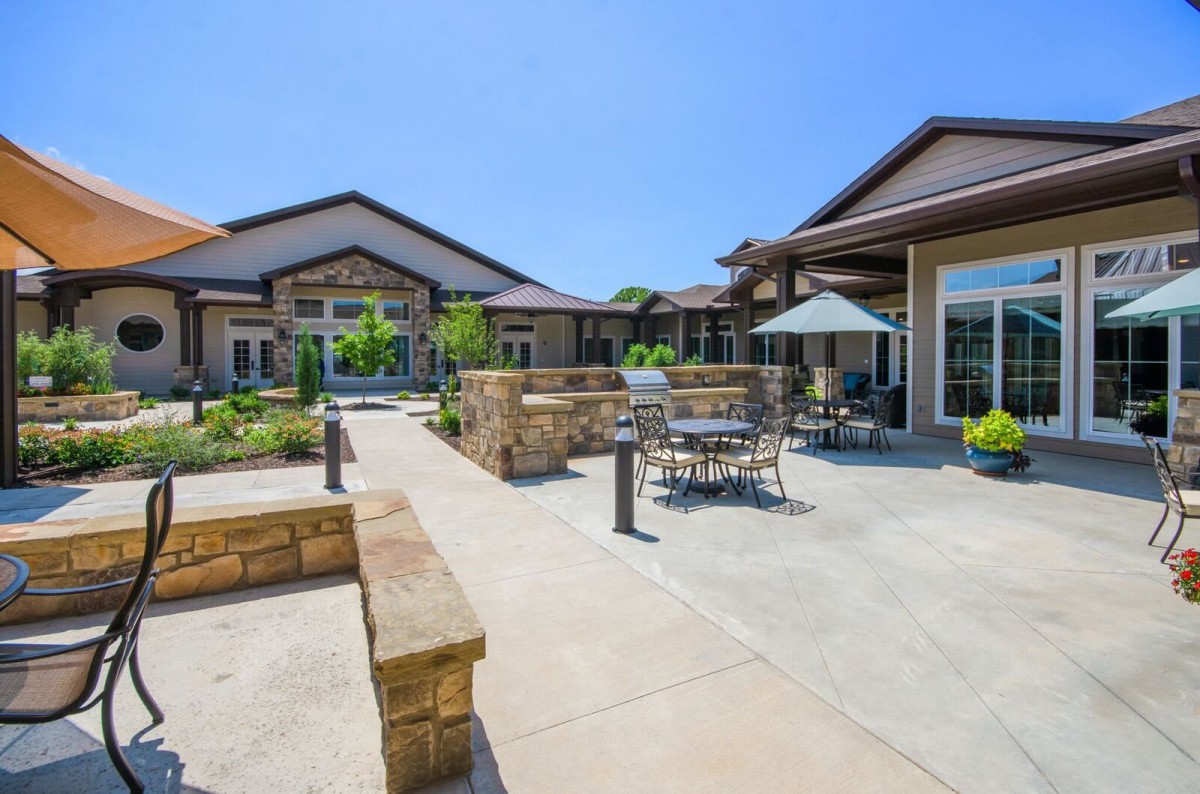
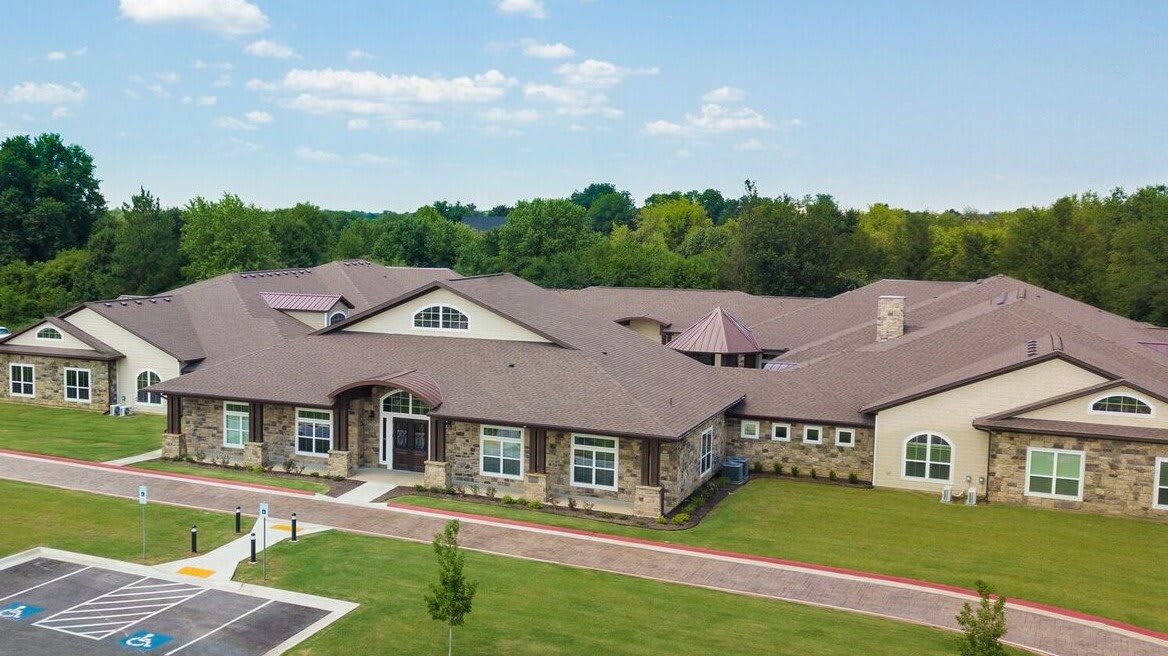
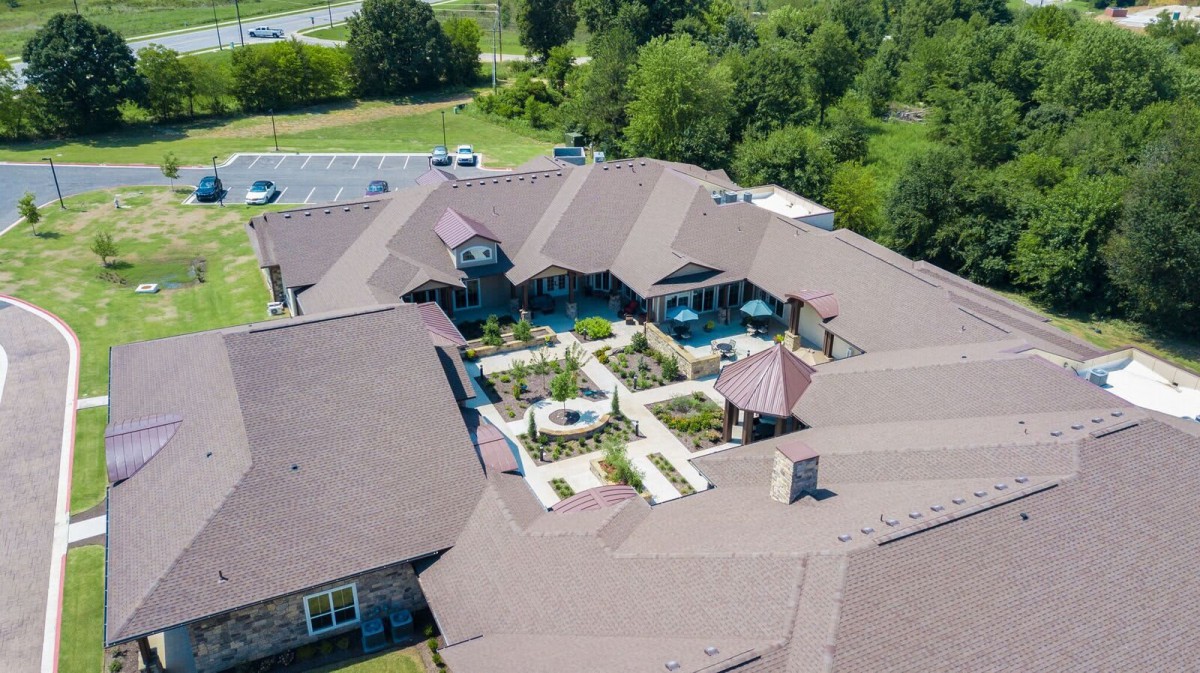
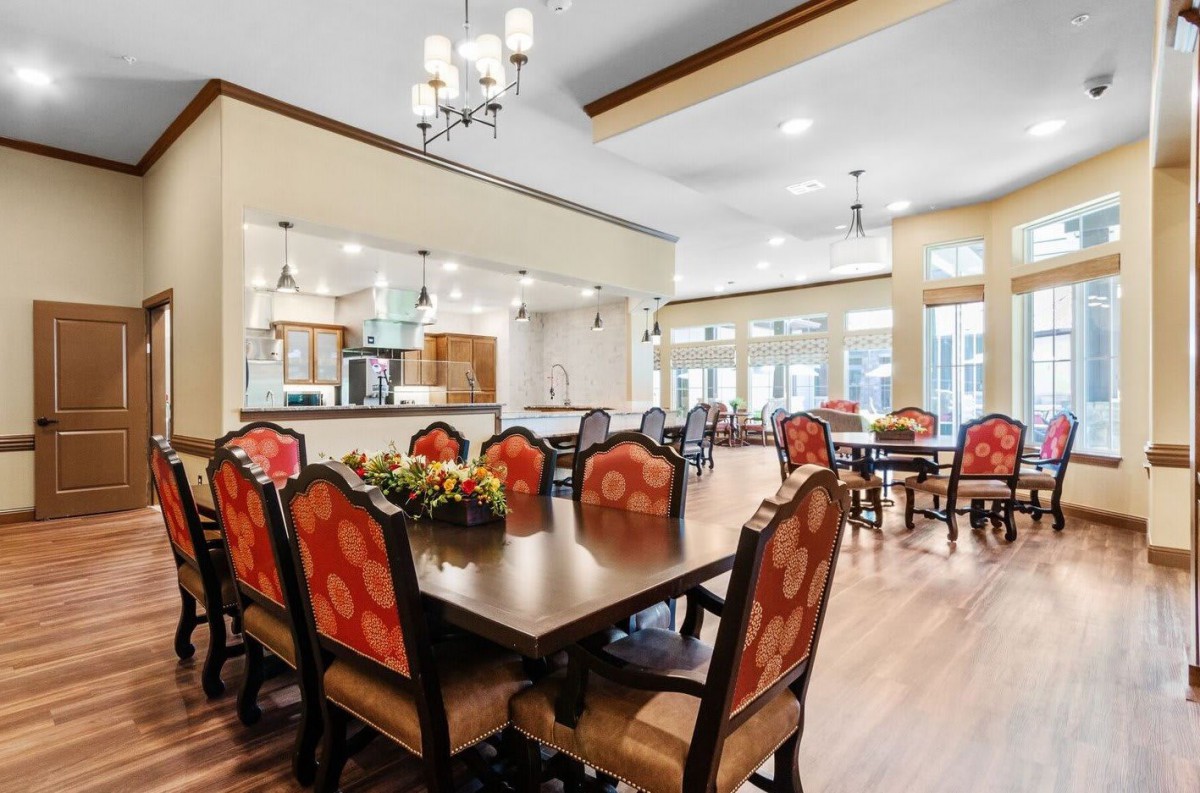
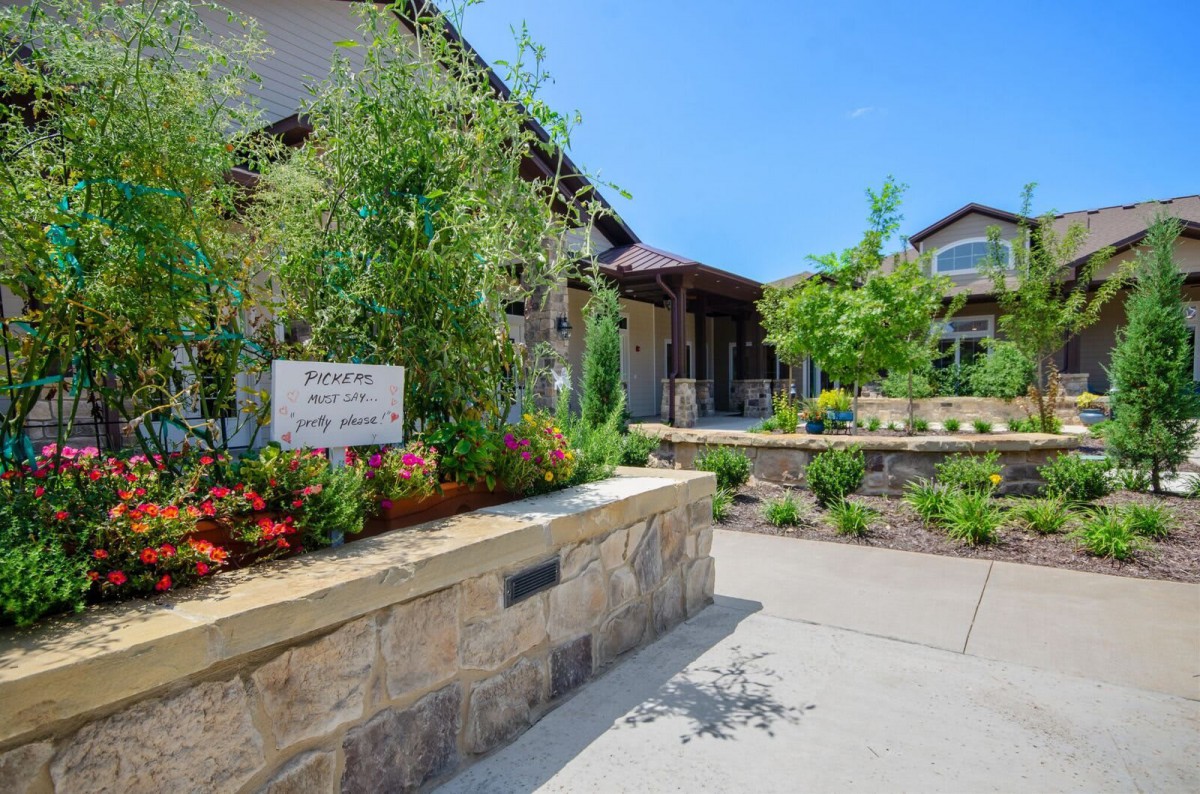
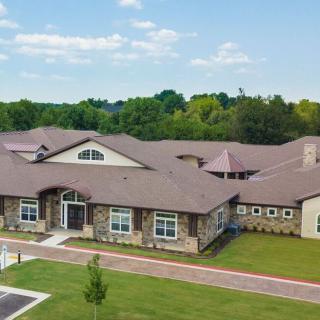
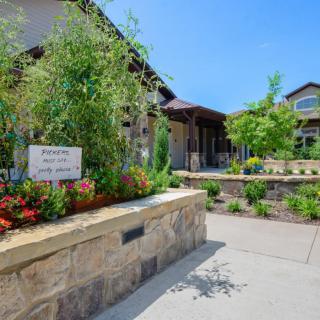
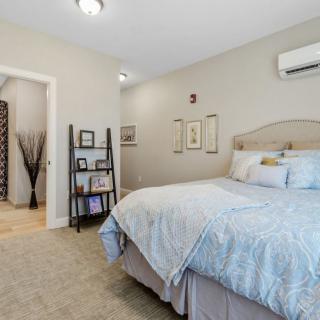
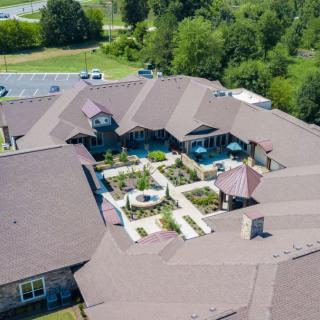
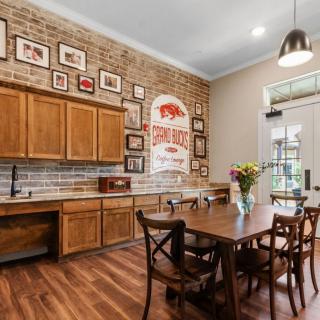
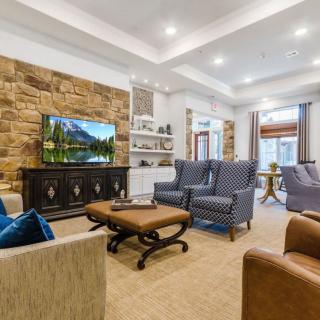
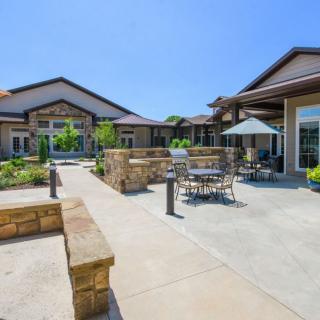
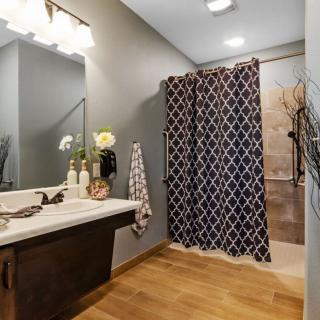
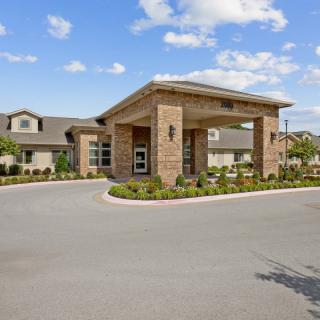
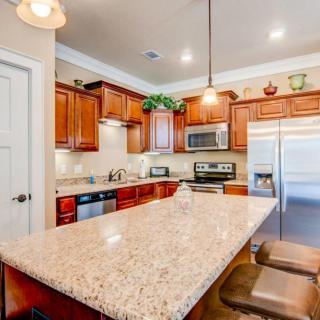
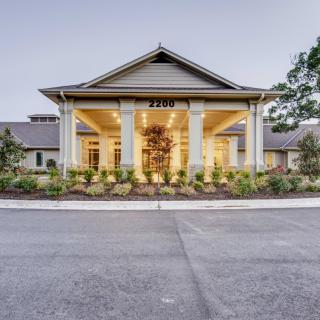
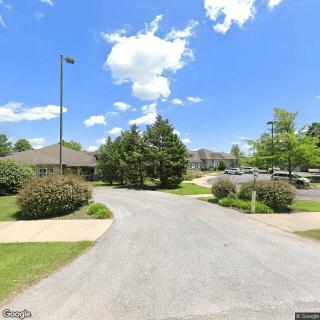
Grand Brook Memory Care Rogers at Pinnacle Hills on seniors.fyi includes 21 photos including images showing interior, floor plan, decor, architecture, living room, building, landscaping, bedroom, and more.
Nearby Communities
Jamestown Nursing And Rehab
Rogers, AR
4 from 60 reviews
Attentive staff, clean facility, robust rehabilitation services, and convenient transportation for appointments.
Magnolia Place Memory Care & Transitional Assisted Living
Rogers, AR
4.5 from 34 reviews
Specialized memory care with 24/7 supervision and dementia-focused programming in private furnished suites.
Magnolia Place Transitional Assisted Living and Memory Care
Rogers, AR
4.6 from 75 reviews
$4,200 to $6,700 / month
Warm and welcoming staff with engaging activities, clean environment, and strong family communication.
Magnolia Place Alzheimer's Special Care Center
Rogers, AR
4.6 from 29 reviews
Specialized memory care with 24/7 supervision and tailored activities.
Village on the Park - Rogers
Rogers, AR
4.5 from 83 reviews
Spacious, well-maintained rooms with restaurant-style dining and extensive amenities in a welcoming community.
Village on the Park Rogers
Rogers, AR
4.6 from 129 reviews
$3,500 to $3,995 / month
Friendly, engaged staff in a welcoming, well-maintained community.
Arbors at Pinnacle Ridge
Rogers, AR
4 from 112 reviews
Well-connected location with nearby healthcare and amenities.
Green Acres Easy Living
Rogers, AR
4.4 from 21 reviews
Small, clean facility with attentive staff, personalized spaces, and good meals.
The Gardens at Osage Terrace
Bentonville, AR
1.7 from 3 reviews
$3,060 / month
Friendly, attentive staff and a well-maintained facility.
Dementia leads to cognitive impairment and can cause emotional and behavioral changes, including aggression that arises from frustration, confusion, or fear. Effective coping strategies for caregivers include understanding dementia's nature, recognizing triggers, using empathetic communication, and employing non-pharmacological interventions like music and art therapy.
Dementia causes cognitive decline and challenging behaviors that caregivers must manage, necessitating an understanding of the neurological basis of these issues. Effective strategies and self-care for caregivers can enhance support for those with dementia and improve their daily lives.
The content outlines five key early indicators of dementia, including significant memory loss and confusion about time and place, while emphasizing the need for professional evaluation and emotional support for both individuals showing symptoms and their caregivers. It encourages family members to monitor these signs closely and use online quizzes for initial awareness.
Grand Brook Memory Care Rogers at Pinnacle Hills photos
×
Interior
Decor
Living Room
Building
Architecture
Bedroom
Trees
Dining
Seating Area
Floor Plan
Patio
Bathroom
Painting
Fitness
Interior
Decor
Bedroom
Dining and Kitchen
Living Room
Landscaping
Windows and Natural Light
Floor Plan
Building
Architecture
Bathroom
Trees
Lighting and Open Space
Garden and Outdoor
Television and Seating Area
Fireplace
Patio and Outdoor Seating
Salon and Painting
Hardwood Floor, Brick Wall, and Indoor Lighting
Courtyard
Fitness and Exercise
Aerial View
Stone Wall
Architectural Design and Room Layout
Room Design
Additional Photos
Get PricingAsk A QuestionSchedule A TourContact Senior Advisor
By clicking submit, you agree to our Partner's Terms of Use. You
also consent to receive calls and texts, which may be autodialed, from our Partner. Your consent is not a condition to
using our Partner's service. Please visit our Partner's Privacy Policy for information about their privacy practices.







 Memory Care
 Dogs allowed
 Air-conditioning
 Beautician on-site
 Garden view
 Ground floor units
 Handicap accessible
 Respite or short term stays offered
 Wheelchair accessible showers
 Wi-Fi/high-speed internet available
 Northwest Arkansas Regional (7 miles away)
 Ambulatory care
 Diabetic care
 High acuity care
 Incontinence care
 Medication management
 Special dining programs
 Art classes
 Bible study group
 Cooking classes
 Devotional activities on-site
 Educational speakers / life long learning
 Jewish services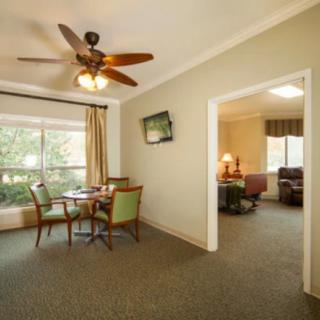
 Attentive staff, clean facility, robust rehabilitation services, and convenient transportation for appointments.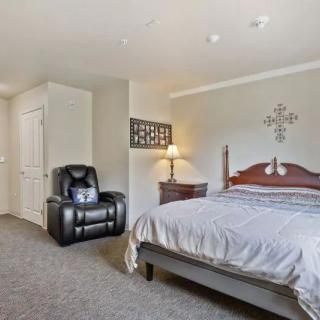


 When Dementia Sparks Anger and Aggression: Understanding the Connection and Ways to Cope
 Dementia Behaviors: In-Depth Understanding and Effective Coping Strategies
 5 Early Indicators of Dementia and What You Can Do