
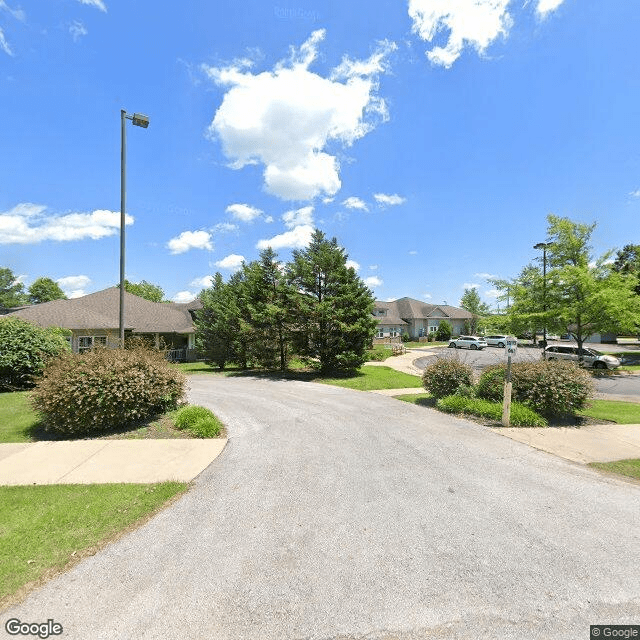
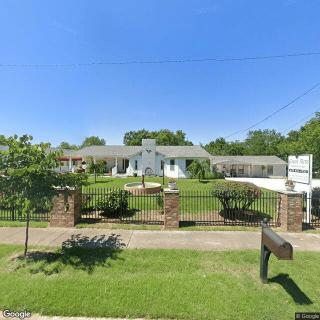
3317 SE L St, Bentonville, AR 72712
To contact a resident: (479) 254-8759
For more information about senior living options: (866) 208-4318
The Gardens at Osage Terrace Costs & Pricing
At The Gardens at Osage Terrace, the monthly cost for a studio apartment is set at $3,060. This rate positions it competitively when compared to both Benton County, where similar accommodations average around $3,734, and the broader Arkansas state average of $2,863. This suggests that while The Gardens may be slightly above the county average, it still offers a more appealing option relative to state norms. Residents can benefit from exceptional amenities and personalized care that enhance their living experience, making this choice a valuable investment in comfortable senior living.
| Floor plans | The Gardens at Osage Terrace | Benton County | Arkansas |
|---|---|---|---|
| Studio | $3,060 | $3,734 | $2,863 |
Assisted Living communities with a similar price nearby
-
from +$440 / mo
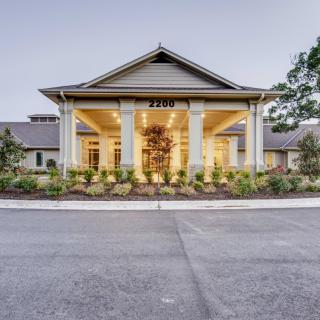
Village on the Park Rogers
$3,500 to $3,995 / month4.1 miles away -
from +$240 / mo

Village on the Park Bentonville
$3,300 to $4,150 / month3.5 miles away -
from +$340 / mo
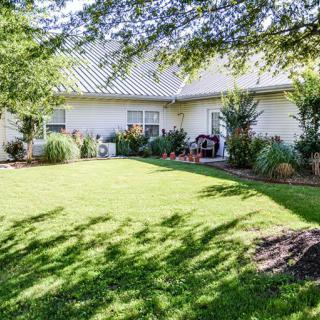
The Bungalows at Springdale
$3,400 to $4,000 / month10.9 miles away -
from -$185 / mo

Innisfree Senior Living
$2,875 to $3,695 / month2.4 miles away -
from -$560 / mo
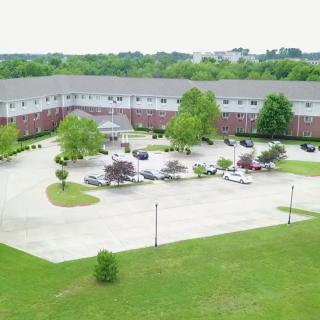
The Meadows Assisted Living Community
$2,500 to $3,735 / month0.5 miles away
Overall Review of The Gardens at Osage Terrace
Pros
 The residents are amazing and friendly.
- The practitioners are good at keeping up to date with resident care.
- The people were nice at Gardens at Osage Terrace.
- They gave us a good tour.
Cons
 The management is not hands-on and delegates duties to staff who are not licensed or qualified to perform certain tasks.
- The administrator does not have good rapport with the residents and dictates what they can and cannot do.
- Residents are told what to do and when to do it; residents’ rights do not seem to come into play.
- Prospective families are advised to look closely before considering this place for a loved one.
- The environment feels like a hospital ward rather than a welcoming home.
- There was an allegation that a staff member exploited a resident’s funds by gambling with her money.
Review
The Gardens at Osage Terrace in Bentonville is best suited for seniors who want a warm, socially engaged resident community and dependable medical oversight from licensed practitioners, even if the building itself carries a more institutional feel. Families leaning on routine clinical monitoring and clear daily care routines will find a workable backbone here, provided expectations align with a setting that leans toward hospital-like efficiency rather than a cozy home atmosphere. In short, this is a practical choice for those who value current care and friendly neighbors, not a place marketed as a cottage-style sanctuary.
Explicitly, those who should consider alternatives are families seeking strong, hands-on leadership, rigorous resident-rights protections, and a consistently home-like ambiance. If direct accountability for staff conduct, transparent financial safeguards, and a collaborative culture with residents are nonnegotiables, this community is unlikely to satisfy. The standout incident involving a staff member allegedly exploiting a resident’s funds is a stark reminder of a real risk that cannot be dismissed. For families prioritizing autonomy, safety, and a setting that feels less procedural, it’s prudent to screen other options more aggressively.
On the upside, residents are described as amazing and friendly, and the practitioners are said to stay current with care needs. A good tour left potential residents with confidence that the care team understands routines and preferences, which translates into reliable daily support and predictable medical oversight. These strengths matter for daily mood, engagement, and safety, especially for residents who depend on attentive monitoring. Yet these positives operate inside a framework where governance gaps can undermine trust, and favorable impressions may obscure deeper frictions between administration, licensed staff, and families.
The principal drawbacks center on a management approach that appears not to be hands-on enough, with duties delegated to staff who may not be licensed or fully qualified to perform certain tasks. Administrators who dictate restrictions rather than partnering with residents can extinguish a sense of control and autonomy. Resident rights do not seem consistently prioritized, which leaves families uneasy about day-to-day decision-making and the ability to advocate effectively. The hospital ward vibe intensifies these concerns, making the setting feel less like home and more like a managed institution, with potential consequences for privacy, personalization, and long-term satisfaction.
Smart due-diligence steps matter, and they should be applied with resolve. Families weighing this community should seek direct conversations with the administrator and the care director, asking for concrete examples of licensing compliance, incident reporting, and how resident rights are safeguarded week to week. Probe the actual financial controls to prevent any misuse of funds and demand transparency about who makes what decisions and how residents and families can appeal. Arrange visits that capture both the polished tour and the ordinary rhythm of daily life, speaking with current residents about autonomy, safety, and active participation in activities.
Bottom line: The Gardens at Osage Terrace offers a friendly, serviceable nursing- and care-oriented environment with a solid clinical backbone, but governance gaps and a real risk of financial exploitation weigh heavily against it. For families prioritizing autonomy, consistent hands-on leadership, and a home-like atmosphere, this is not the best fit. Alternatives that combine stronger resident-rights protections, clearer accountability, and a more intimate, less hospital-like ambiance deserve serious consideration. If proceeding, enter with a stringent due-diligence plan, concrete expectations, and a readiness to pivot quickly if signs of safe, respectful operation are not evident.
 Assisted Living
 Activities on-site
 Devotional services off-site
 Indoor common areas
 Northwest Arkansas Regional (7 miles away)
 Ambulatory care
 Diabetic care
 Meals provided



 8 Key Indicators That Suggest It May Be Time to Transition from Assisted Living to Skilled Nursing Care
 Vibrant Senior Living: A Comprehensive Guide for Active Older Adults
 When to Transition from Assisted Living to Memory Care: Key Indicators, Steps, and Finding the Right Community