
#5 Halstead Circle Suite 2, Rogers, AR 72756
To contact a resident: (479) 246-0140
For more information about senior living options: (866) 208-4318
Home Helpers Costs & Pricing
Home Helpers offers competitive pricing for its services in Madison County, Arkansas. For semi-private accommodations, the monthly cost matches the county rate at $3,041, which is notably lower than the state average of $3,651. Similarly, the private room option at Home Helpers is priced at $3,649 - aligning with local costs while remaining more affordable compared to the state average of $4,236. This pricing structure reflects a commitment to providing quality care that remains accessible to families in the community while delivering valuable support tailored to individual needs.
| Floor plans | Home Helpers | Madison County | Arkansas |
|---|---|---|---|
| Semi-Private | $3,041 | $3,041 | $3,651 |
| Private | $3,649 | $3,649 | $4,236 |
Senior living communities with a similar price nearby
-
from +$459 / mo

Village on the Park Rogers
$3,500 to $3,995 / month3.1 miles away -
from +$159 / mo
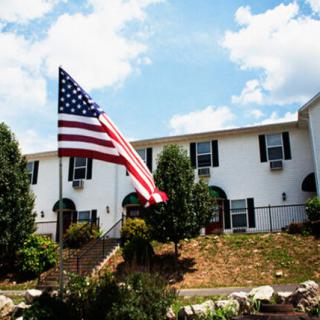
Prestige Assisted Living
$3,200 / month24.6 miles away -
from +$259 / mo

Village on the Park Bentonville
$3,300 to $4,150 / month5.4 miles away -
from +$359 / mo

The Bungalows at Springdale
$3,400 to $4,000 / month11.1 miles away -
from +$559 / mo

Pinnacle Springs Retirement Community
$3,600 to $4,950 / month1.8 miles away
Overall Review of Home Helpers
Pros
 Shannon is helpful and bubbly.
- Shannon's personality can turn any bad day into a good day.
- Reviews from patients referred to Home Helpers have all been positive.
Cons
 Home Helpers provided some of the most unprofessional and unsafe care.
- Caregivers were routinely late or didn’t show up at all.
- The company sent male caregivers despite explicit instructions that only female caregivers should be used.
- Many caregivers appeared poorly trained and unable to assist with mobility as promised.
- A caregiver dropped the mother on the floor.
- Caregivers failed to follow critical instructions to thicken food and beverages, resulting in pneumonia, an emergency room visit, and hospitalization.
- The company refused to return calls and did not refund the deposit and unused prepaid care.
- The company showed a shocking lack of accountability, competence, and concern for patient safety.
- The orientation process was chaotic and poorly organized, with staff pressuring the reviewer about a prior negative review.
Review
Home Helpers in Rogers, AR is best suited for families that must juggle tight budgets with very hands-on oversight. This agency is not a strong fit for seniors who require consistently reliable, highly skilled care, or for households that cannot monitor day-to-day caregiver performance closely. The core takeaway is that dependable, professional care is not reliably demonstrated here, and any decision to use this provider should be accompanied by stringent safeguards, rapid escalation paths, and a clear plan to switch providers if issues arise. In practical terms, it serves only those families willing to supervise care almost as a second layer of staffing, accepting the risk that services can falter in ways that put safety at risk and money at stake.
There are a few glimmers of value in the mix. Positive interpersonal moments do exist when the right staff are present, and at least one caregiver is described as engaging and empathetic. A handful of conversations and community references suggest that, in favorable scenarios, a caregiver can be pleasant and personable, which can help with mood and daily companionship. That said, these softer strengths do not translate into consistent, predictable care, nor do they resolve the fundamental reliability and safety gaps that show up in multiple accounts. The contrast between occasional cordial interactions and repeated operational failures creates a volatile experience for families who depend on routine, clarity, and accountability.
The most compelling and troubling disclosures center on reliability, safety, and accountability. Caregivers frequently miss shifts or fail to show up, undermining daily routines and raising concerns about safety, especially for residents with mobility needs. In one critical incident, a caregiver who was not the preferred gender was assigned despite explicit instructions, illustrating a stubborn gap in caregiver-matching and adherence to family preferences. Training appears uneven, with caregivers sometimes unable to perform basic tasks or respond to mobility needs, and there is a stark, alarming report of a caregiver dropping a resident. Perhaps most consequential is the financial betrayal: deposits and prepaid hours were not refunded after services ended, and communication from the agency on accountability or remediation was lacking. Taken together, these patterns, missed visits, safety missteps, poor alignment with family preferences, and unaddressed billing disputes, collapse the trust necessary to sustain long-term in-home care.
The pros, where they exist, do not meaningfully offset the dominant cons. A few staff members can bring warmth and a moments-to-moments improvement in mood, but warmth without dependability is insufficient for elders who require strict schedules, precise instructions, and consistent competency in daily living tasks and safety protocols. Positive anecdotes are encouraging at the individual level, yet they fail to overcome the systemic gaps in coverage, training, accountability, and transparent financial handling. In short, the potential upside of a kind, personable caregiver is repeatedly erased by missed visits, safety incidents, and unresolved financial concerns, leaving families with an elevated burden to supervise and correct course.
For families weighing options, a cautious read is essential: consider alternatives if safety, reliability, and clear ownership of care outcomes are non-negotiable. This agency is not advisable for seniors with complex medical needs, significant mobility challenges, or a household expecting predictable, medically aware caregiving. If the decision leans toward Home Helpers, prepare for active governance: insist on a written service agreement with explicit back-up staffing plans, guaranteed coverage, and a strict policy for substitutions; require a robust intake process that honors gender preferences and training credentials; demand documented safety protocols, including handling of texture-modified diets and safe transfer techniques; and insist on timely, complete refunds for any unused hours or deposits. Equally important is obtaining solid references from multiple families who have used the agency long enough to assess consistency, not just initial impressions.
Actionable due diligence steps should be taken before enrollment: verify the agency’s licensing and any recent regulatory or consumer complaints, request a detailed staffing plan with caregiver qualifications and back-up coverage, and arrange a trial period with formal feedback loops. Families should request a written safety protocol tailored to the resident’s needs, including how meals are prepared and how choking risks are mitigated, and confirm that back-up caregivers are available at short notice. Finally, establish a clear escalation path, who to contact, how disagreements are handled, and how refunds or credits are processed if the arrangement does not meet agreed-upon standards. If these safeguards cannot be secured, the prudent course is to pursue other, more established home-care providers with transparent policies, stronger clinician oversight, and demonstrable records of safety and reliability.
 Northwest Arkansas Regional (9 miles away)






 Comprehensive Approaches for Arthritis: A Detailed Guide to Symptoms, Causes, and Care
 Comprehensive Insights and Practical Strategies to Help Older Adults Avoid Falls
 6 Crucial Ways an Elder Law Attorney Assists Families