For more information about senior living options: (866) 208-4318
4.6 from 29 reviews
5 stars
26
4 stars
0
3 stars
0
2 stars
0
1 stars
3
Overall Review of Magnolia Place Alzheimer's Special Care Center
differentiator5 reviews mention this
Memory care feels specialized
Residents and families describe care that is tailored to memory care needs.
Several reviews call out dementia- and memory-care support specifically. One reviewer describes their parent’s behavior and skin issues improving during a stay, while others highlight how caregivers respond to nonverbal needs and changing abilities. A recurring point is that the programs and staff skills feel designed for a memory care population rather than a general assisted living setting. The community also offers specialized memory care programming and supports related care needs.
common4 reviews mention this
Meals and programs are praised
Dining and food-focused moments come up repeatedly in reviews.
Residents and families mention meals and day-to-day food experiences as a standout. Reviews reference great food served to residents and also highlight cooking demos and meals as part of what makes the experience feel well cared for. The community lists meal preparation and service, along with special diets tied to diabetes and other dietary restrictions.
common5 reviews mention this
Life enrichment keeps days busy
Residents have plenty to do through structured activities.
Reviewers describe staff-led and resident-engaging activities, including outings, music, cooking demos, and time outdoors. Multiple mentions point to a dedicated life enrichment director and regular programming that matches residents’ energy and interests. The community also includes scheduled daily activities and offers transportation arrangement for medical appointments.
common21 reviews mention this
Staff care and communication stand out
The staff’s kindness and hands-on support are a consistent theme.
Across reviews, families describe the staff as caring, responsive, and professional, including nurses, aides, and administrative teams. Several say caregivers help with daily needs and provide support with dignity and calm reassurance, especially during transitions. Reviews also include professional perspectives praising the care team and how they meet changing memory care needs.
common2 reviews mention this
Rooms and cleanliness earn praise
Clean, well-kept rooms are mentioned by families.
A couple of reviews specifically call out cleanliness—one describing rooms and clothing being maintained and another noting the facility felt clean and even smelled good during a visit. This aligns with the community’s housekeeping services and move-in coordination mentioned in the offering list.
How we summarize
Counts show how many written reviews mention each theme; a review can touch several themes, and only frequently mentioned themes are displayed.
Features
Housing
21 resident community capacity
Types of Care
Assisted Living
Memory Care
Amenities
Beauty salon
Cable or satellite TV
Dining room
Fully furnished
Garden
Housekeeping services
Kitchenette
Move-in coordination
Outdoor space
Telephone
Wi-Fi/high-speed internet available
Transportation
Northwest Arkansas Regional (8 miles away)
Care Services
24-hour call system
24-hour supervision
Activities of daily living assistance
Assistance with bathing
Assistance with dressing
Assistance with transfers
Coordination with health care providers
Dementia waiver
Diabetes diet
Hospice waiver
Meal preparation and service
Medication management
Mental wellness program
Mild cognitive impairment
Special dietary restrictions
Specialized memory care programming
Transportation arrangement (medical)
Transportation to doctors appointments
Dining
Diabetes diet
Special dietary restrictions
Activities
Community-sponsored activities
Resident-run activities
Scheduled daily activities
Nearby Places of Interest
Theaters
Malco Pinnacle Hills 12 (0.5 miles)
Restaurants
Five Guys Burgers & Fries (0.6 miles)
Mojito's Mexican Grill (0.6 miles)
Local Lime (0.7 miles)
Twin Peaks (0.8 miles)
Pickleman's Gourmet Cafe (0.8 miles)
Chick-Fil-A (1.3 miles)
Newk's Franchise (1.5 miles)
Pharmacies
Walgreens (0.6 miles)
Pharmavite (1.3 miles)
Walmart Pharmacy (1.5 miles)
Walgreens (2.1 miles)
Walmart Pharmacy (2.4 miles)
Walmart Pharmacy (2.7 miles)
Harps Food Stores (3.4 miles)
Hospitals
Tracie Kirkland, APN (0.7 miles)
Emily Turner, APN (0.7 miles)
4Th Floor Waiting Room (0.9 miles)
Mercy Hospital (0.9 miles)
Northwest Medical Center - Bentonville (2.4 miles)
Everest Rehabilitation Hospital (2.5 miles)
Decision Point - Preferred Family Healthcare (5.6 miles)
Physicians
Rogers Medical Center (0.9 miles)
Mercy Medical Specialties (0.9 miles)
Highlands Oncology Group P.A. (1.5 miles)
Daniel S. Bradford, MD (1.5 miles)
Natural Hearing Centers (1.7 miles)
Boozman Hof Eye Clinic (1.7 miles)
Taylor Plastic Surgery Institute (1.8 miles)
Places of Worship
Fellowship Bible Church (2.7 miles)
First Presbyterian Church (5.1 miles)
St Stephen Catholic Church (5.5 miles)
Endtime Harvest Church & School (5.9 miles)
Cafes
Onyx Coffee Lab (3.3 miles)
7 Brew Coffee (4.2 miles)
Onyx Coffee La (4.9 miles)
Starbucks (5.7 miles)
Transportation
Bentonville Municipal Airport (VBT) (3.7 miles)
Rogers Executive Carter Field Airport ROG (5.3 miles)
Magnolia Place Alzheimer's Special Care Center incorporates a variety of tailored features that support residents in managing their daily lives with dignity and safety. Assistance with dressing, bathing, and transfers ensures that individuals receive the necessary help while promoting their independence as much as possible. Medication management and meal preparation are crucial for maintaining physical health, while transportation arrangements for medical appointments facilitate access to essential healthcare services. Coordination with healthcare providers enhances comprehensive care by ensuring that medical needs are met promptly. The center's specialized programming addresses cognitive challenges through structured activities that engage residents mentally and socially, contributing to their overall mental wellness. With 24-hour supervision and a dementia waiver in place, families can have peace of mind knowing that their loved ones are safe and supported in an environment designed specifically to cater to those living with mild cognitive impairment or advanced stages of dementia.
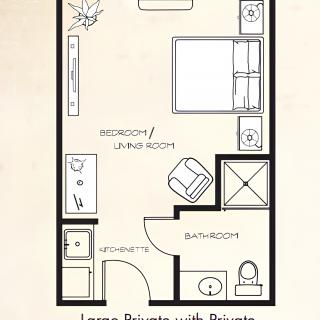
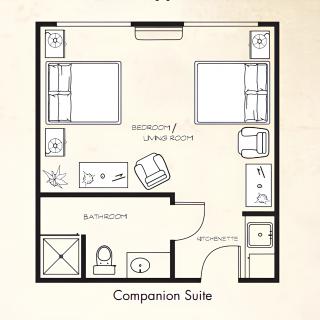
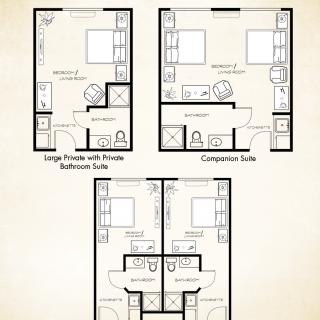
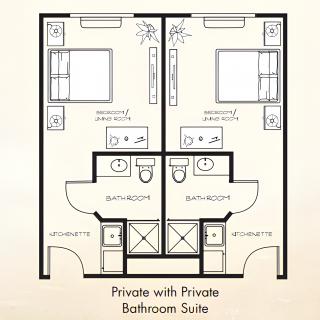
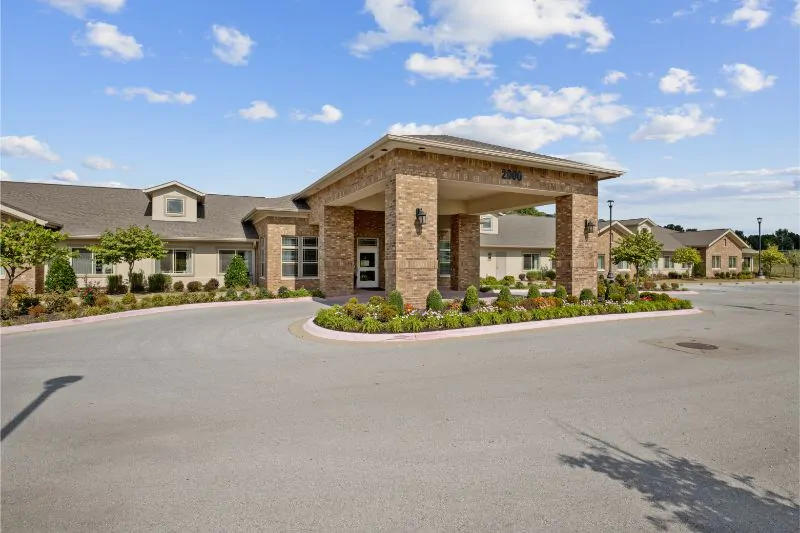
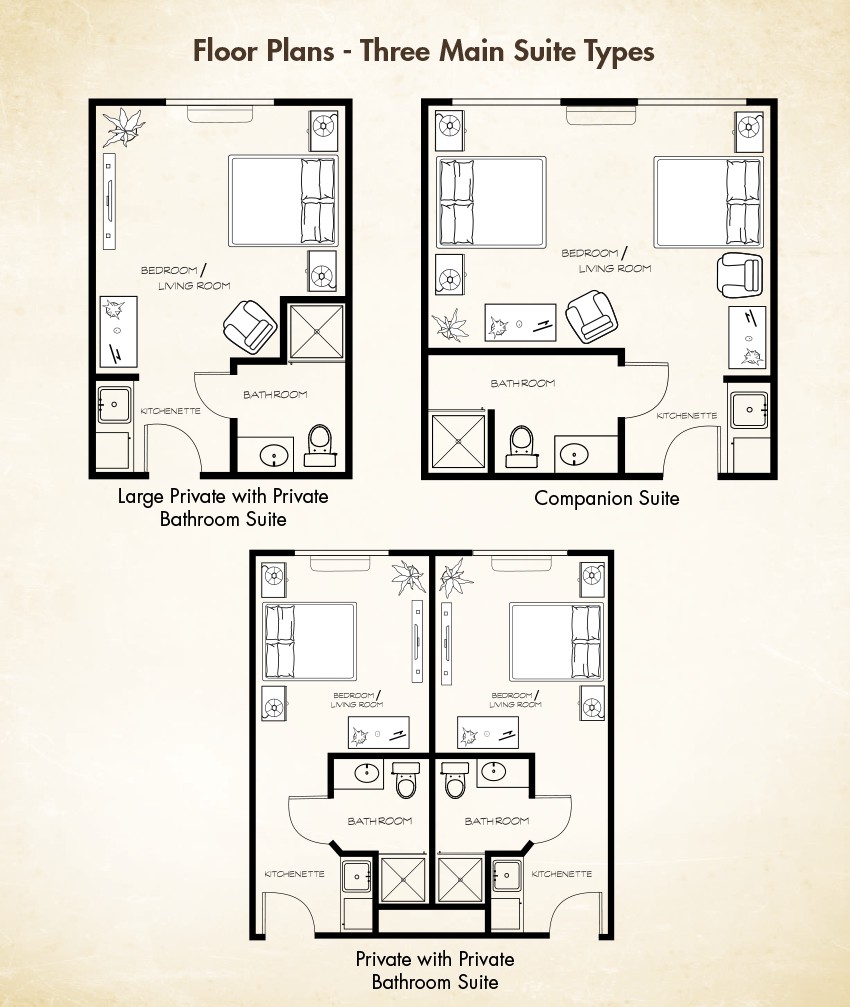
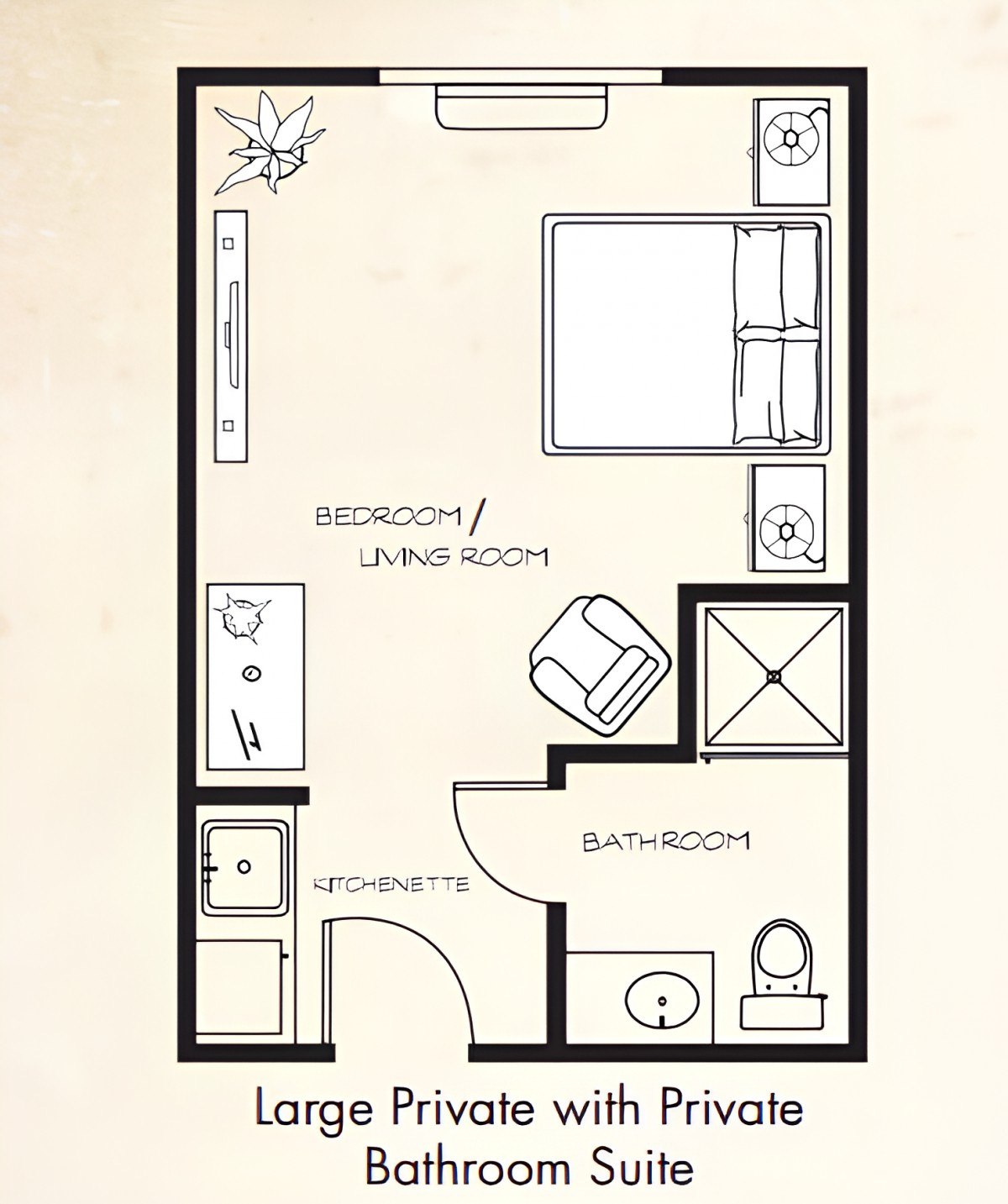
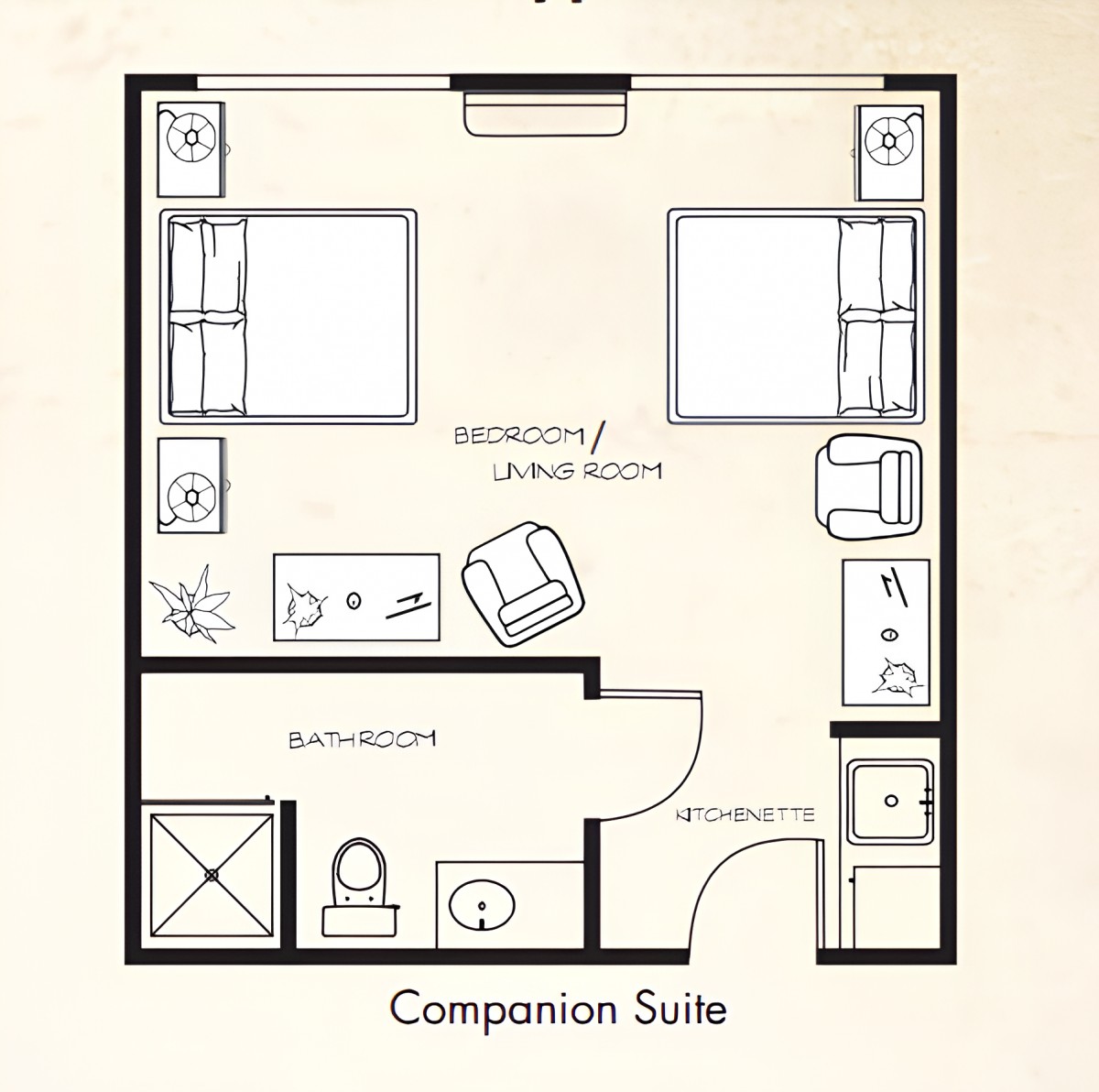
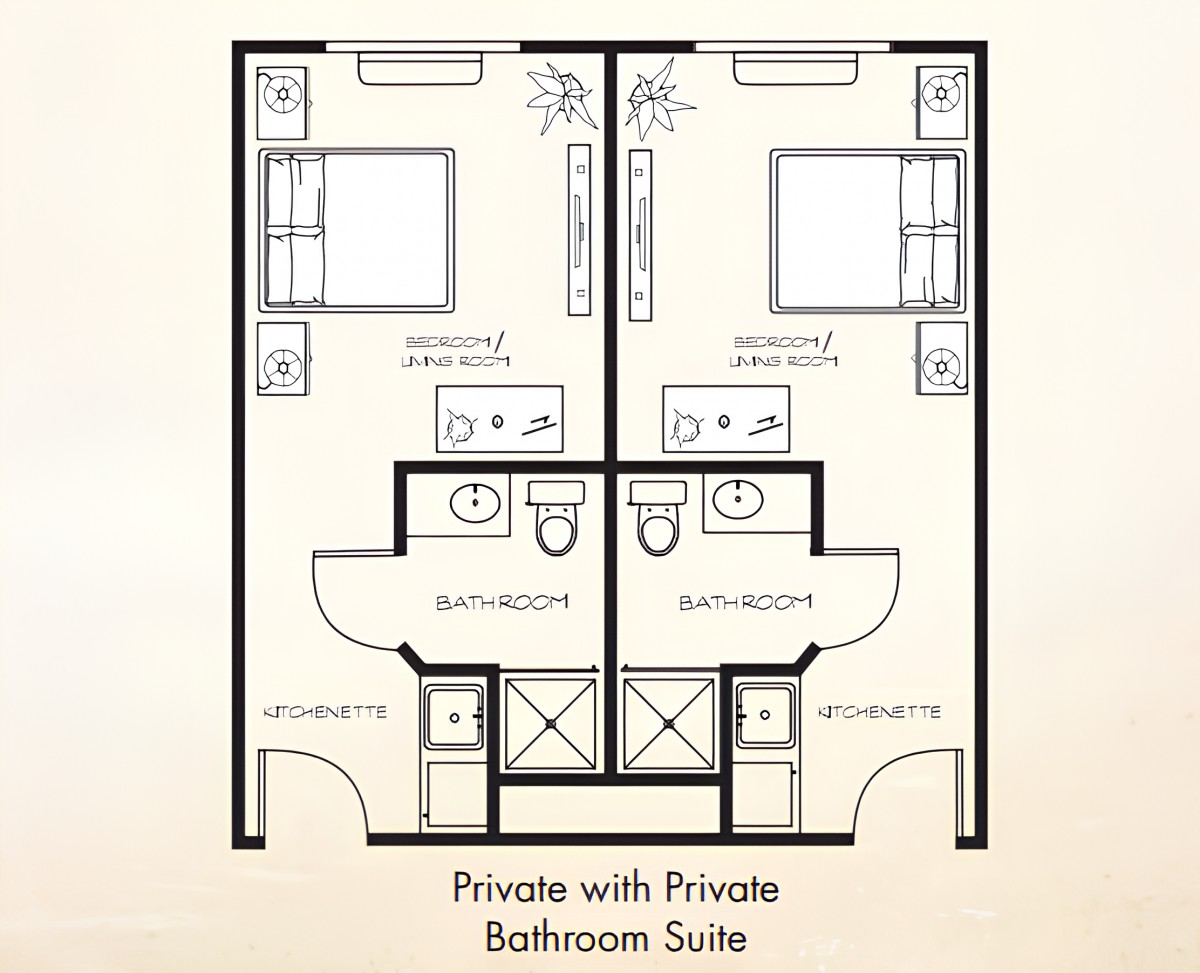
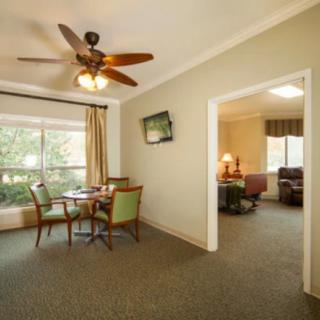
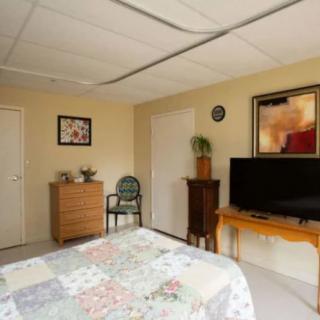
Magnolia Place Alzheimer's Special Care Center on seniors.fyi includes 5 photos including images showing floor plan, interior, bedroom, bathroom, architectural design, living space, studio apartment, room layout, and more.
Nearby Communities
Magnolia Place Memory Care & Transitional Assisted Living
Rogers, AR
4.5 from 34 reviews
Specialized memory care with 24/7 supervision and dementia-focused programming in private furnished suites.
Magnolia Place Transitional Assisted Living and Memory Care
Rogers, AR
4.6 from 75 reviews
$4,200 to $6,700 / month
Warm and welcoming staff with engaging activities, clean environment, and strong family communication.
Jamestown Nursing And Rehab
Rogers, AR
4 from 60 reviews
Attentive staff, clean facility, robust rehabilitation services, and convenient transportation for appointments.
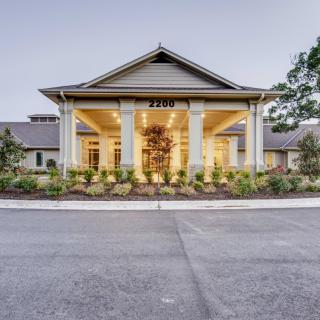
Arbors at Pinnacle Ridge
Rogers, AR
4 from 112 reviews
Well-connected location with nearby healthcare and amenities.
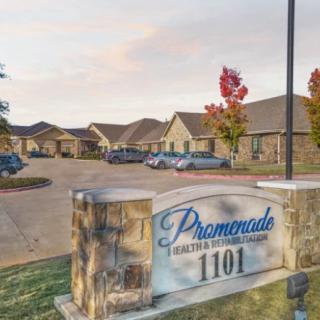
Promenade Health And Rehabilitation
Rogers, AR
4.1 from 68 reviews
Wide range of on-site amenities and comprehensive care services.
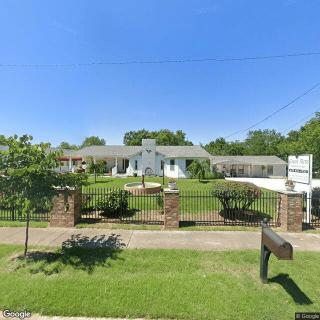
Green Acres Easy Living
Rogers, AR
4.4 from 21 reviews
Small, clean facility with attentive staff, personalized spaces, and good meals.
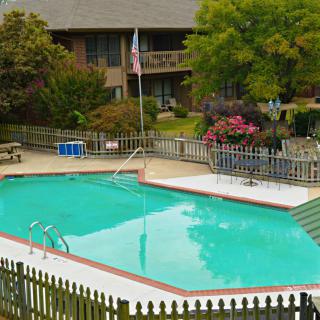
Innisfree Senior Living
Rogers, AR
4.4 from 18 reviews
$2,875 to $3,695 / month
Knowledgeable staff, friendly front desk, and a well-maintained, clean environment.
Village on the Park Rogers
Rogers, AR
4.6 from 129 reviews
$3,500 to $3,995 / month
Friendly, engaged staff in a welcoming, well-maintained community.
Rogers Health And Rehabilitation Center
Rogers, AR
3.6 from 41 reviews
Wide range of amenities and services (beauty salon, dining room, fitness room, outdoor spaces, transportation, wellness programs, 24-hour supervision).
Transitioning from assisted living to memory care is driven by an individual's cognitive decline and specific needs, requiring careful evaluation of indicators like increased confusion and wandering. The process involves consulting medical professionals, researching suitable communities, considering financial and legal aspects, and ensuring effective communication for personalized care plans.
The article differentiates between assisted living and memory care, explaining that assisted living supports seniors with daily activities while promoting independence, whereas memory care provides specialized services for individuals with dementia, focusing on secure environments and cognitive support. It also addresses staff training, safety considerations, costs, family involvement, and transition strategies for families navigating these care options.
The article outlines effective communication strategies for interacting with loved ones with dementia, highlighting the need for empathy, patience, and understanding while emphasizing supportive approaches like using simple language, minimizing distractions, and focusing on feelings over facts to maintain dignity and foster connection. It also suggests seeking professional guidance when needed as communication challenges evolve.
Magnolia Place Alzheimer's Special Care Center photos
×
Interior
Bedroom
Floor Plan
Bathroom
Interior
Bedroom and Bathroom
Floor Plan
Studio Apartment
Living Space and Architectural Design
Room Layout
Get PricingAsk A QuestionSchedule A TourContact Senior Advisor
By clicking submit, you agree to our Partner's Terms of Use. You
also consent to receive calls and texts, which may be autodialed, from our Partner. Your consent is not a condition to
using our Partner's service. Please visit our Partner's Privacy Policy for information about their privacy practices.

 21 resident community capacity
 Assisted Living
 Memory Care
 Beauty salon
 Cable or satellite TV
 Dining room
 Fully furnished
 Garden
 Housekeeping services
 Kitchenette
 Move-in coordination
 Outdoor space
 Telephone
 Wi-Fi/high-speed internet available
 Northwest Arkansas Regional (8 miles away)
 24-hour call system
 Activities of daily living assistance
 Assistance with bathing
 Assistance with dressing
 Assistance with transfers
 Diabetes diet
 Hospice waiver
 Meal preparation and service
 Medication management
 Mental wellness program
 Special dietary restrictions
 Transportation arrangement (medical)
 Transportation to doctors appointments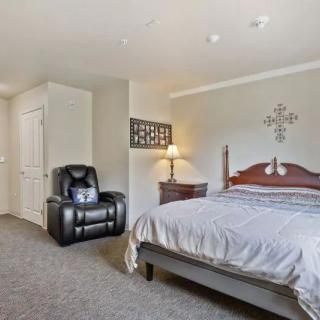
 Specialized memory care with 24/7 supervision and dementia-focused programming in private furnished suites.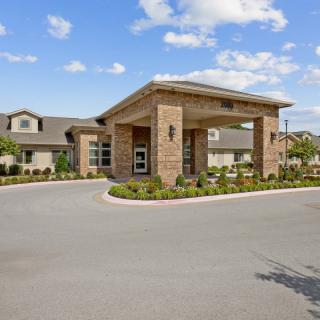

 When to Transition from Assisted Living to Memory Care: Key Indicators, Steps, and Finding the Right Community
 Understanding the Distinctions: Assisted Living and Memory Care Explained
 How to Communicate with a Loved One Living with Dementia: 10 Supportive Strategies