For more information about senior living options: (866) 208-4318
4.5 from 34 reviews
5 stars
30
4 stars
0
3 stars
0
2 stars
0
1 stars
4
Overall Review of Magnolia Place Memory Care & Transitional Assisted Living
differentiator5 reviews mention this
Memory care support feels personal
Residents’ memory care needs are met with individualized, day-to-day support.
Several reviews connect care at this community to real memory-care changes for loved ones, including dementia-related behaviors. Families describe caregivers who get to know residents and adjust help as abilities decline. One review highlights improvements related to scratching and mentions the staff’s helpful support.
common24 reviews mention this
Staff compassion is repeatedly mentioned
The staff’s compassion and attentiveness drive many positive experiences.
Across reviews, families and clinicians repeatedly describe caregivers and nursing staff as caring, patient, and attentive. Multiple reviewers mention being impressed with how staff interact with residents, including helping with daily needs and supporting transitions. Even the critical review centers on safety and care concerns, reinforcing how strongly staff performance factors into residents’ experiences here.
common4 reviews mention this
Activities and outings keep days full
Residents are kept engaged with structured activities and time outdoors.
Reviewers describe an active schedule that includes outings, music, and time outdoors. Families also mention cooking demos and residents having choices for what to do based on their energy level. One review specifically praises the life enrichment director for keeping residents busy with fun activities.
common3 reviews mention this
Meals are a frequent bright spot
Meals and dining experiences stand out in several reviews.
Multiple reviewers mention the quality of meals, with one calling out delicious food served at every meal. Another review groups meals with programs as a standout part of the experience. A family also references cooking demos and related food-focused experiences alongside day-to-day engagement.
common4 reviews mention this
Rooms and common areas stay clean
Cleanliness and room upkeep are noticed by reviewers.
Several families describe the community as clean and well maintained, including room appearance and personal upkeep. One review notes that residents’ belongings and clothing are kept in good condition. Another highlights the facility’s cleanliness from tour to tour experience.
How we summarize
Counts show how many written reviews mention each theme; a review can touch several themes, and only frequently mentioned themes are displayed.
Features
Housing
21 resident community capacity
Types of Care
Assisted Living
Memory Care
Amenities
Beauty salon
Cable or satellite TV
Dining room
Fully furnished
Garden
Housekeeping services
Kitchenette
Located close to restaurants
Located close to shopping centers
Move-in coordination
Outdoor patio
Outdoor space
Private bathrooms
Spa
Telephone
Wi-Fi/high-speed internet available
Transportation
Northwest Arkansas Regional (8 miles away)
Community operated transportation
Transportation arrangement
Transportation arrangement (non-medical)
Care Services
24-hour call system
24-hour supervision
Activities of daily living assistance
Assistance with bathing
Assistance with dressing
Assistance with transfers
Coordination with health care providers
Diabetes diet
Meal preparation and service
Medication management
Mental wellness program
Mild cognitive impairment
Respite program
Special dietary restrictions
Specialized memory care programming
Transportation arrangement (medical)
Transportation to doctors appointments
Dining
Diabetes diet
Special dietary restrictions
Activities
Community-sponsored activities
Concierge services
Fitness programs
Planned day trips
Resident-run activities
Scheduled daily activities
Nearby Places of Interest
Theaters
Malco Pinnacle Hills 12 (0.5 miles)
Restaurants
Five Guys Burgers & Fries (0.6 miles)
Mojito's Mexican Grill (0.6 miles)
Local Lime (0.7 miles)
Twin Peaks (0.8 miles)
Pickleman's Gourmet Cafe (0.8 miles)
Chick-Fil-A (1.3 miles)
Newk's Franchise (1.5 miles)
Pharmacies
Walgreens (0.6 miles)
Pharmavite (1.3 miles)
Walmart Pharmacy (1.5 miles)
Walgreens (2.1 miles)
Walmart Pharmacy (2.4 miles)
Walmart Pharmacy (2.7 miles)
Harps Food Stores (3.4 miles)
Hospitals
Tracie Kirkland, APN (0.7 miles)
Emily Turner, APN (0.7 miles)
4Th Floor Waiting Room (0.9 miles)
Mercy Hospital (0.9 miles)
Northwest Medical Center - Bentonville (2.4 miles)
Everest Rehabilitation Hospital (2.5 miles)
Decision Point - Preferred Family Healthcare (5.6 miles)
Physicians
Rogers Medical Center (0.9 miles)
Mercy Medical Specialties (0.9 miles)
Highlands Oncology Group P.A. (1.5 miles)
Daniel S. Bradford, MD (1.5 miles)
Natural Hearing Centers (1.7 miles)
Boozman Hof Eye Clinic (1.7 miles)
Taylor Plastic Surgery Institute (1.8 miles)
Places of Worship
Fellowship Bible Church (2.7 miles)
First Presbyterian Church (5.1 miles)
St Stephen Catholic Church (5.5 miles)
Endtime Harvest Church & School (5.9 miles)
Cafes
Onyx Coffee Lab (3.3 miles)
7 Brew Coffee (4.2 miles)
Onyx Coffee La (4.9 miles)
Starbucks (5.7 miles)
Transportation
Bentonville Municipal Airport (VBT) (3.7 miles)
Rogers Executive Carter Field Airport ROG (5.3 miles)
Magnolia Place Memory Care & Transitional Assisted Living offers a comprehensive range of features designed to enhance the quality of life for residents experiencing dementia or Alzheimer's disease. Assistance with dressing and bathing not only promotes personal hygiene but also fosters dignity and independence, while medication management ensures that residents receive the correct dosages at the right times, thereby minimizing potential health complications. Meal preparation and service cater to dietary needs, promoting nutrition tailored for cognitive health. Transportation arrangements facilitate access to medical appointments, ensuring continuity of care, while coordination with healthcare providers strengthens communication among caregivers and medical professionals. A focus on activities of daily living provides vital support in routine tasks that residents may struggle with, enhancing their overall functioning. The facility's 24-hour supervision guarantees a safe environment where immediate assistance is available if needed. Furthermore, specialized memory care programming alongside a mental wellness program enriches cognitive engagement and emotional support tailored specifically for those with mild cognitive impairment or advanced stages of dementia, ultimately fostering a sense of community and belonging among residents.
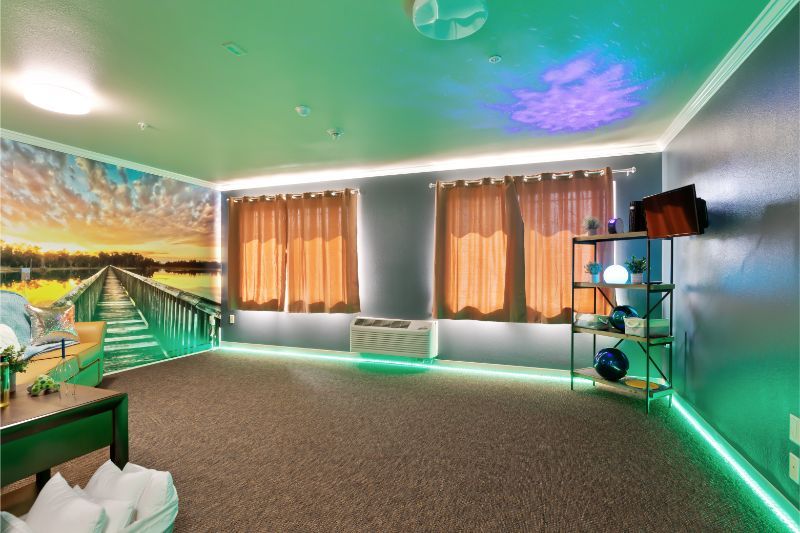
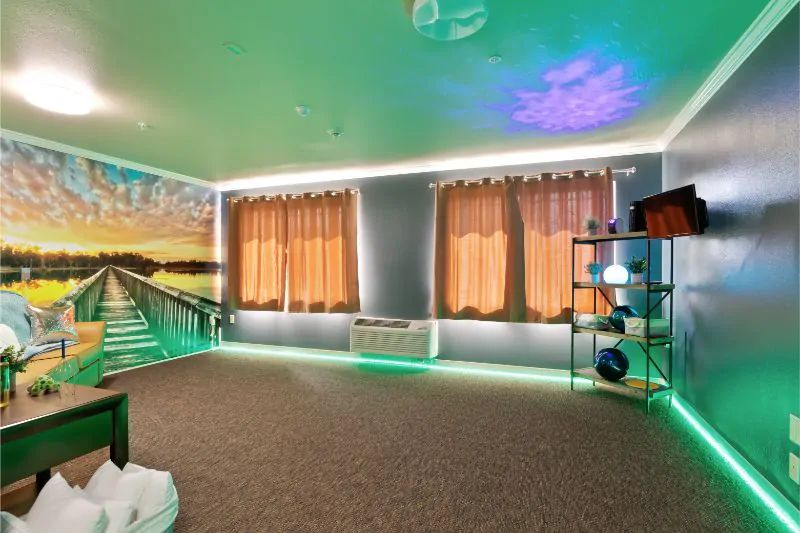
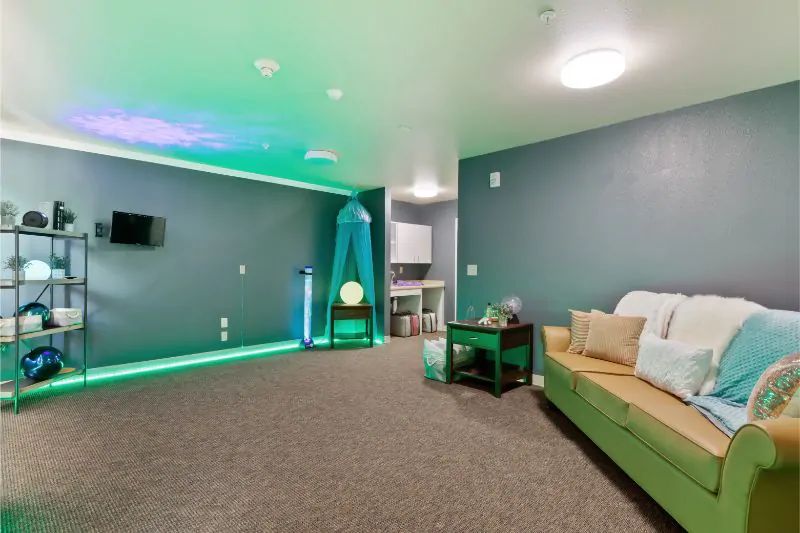
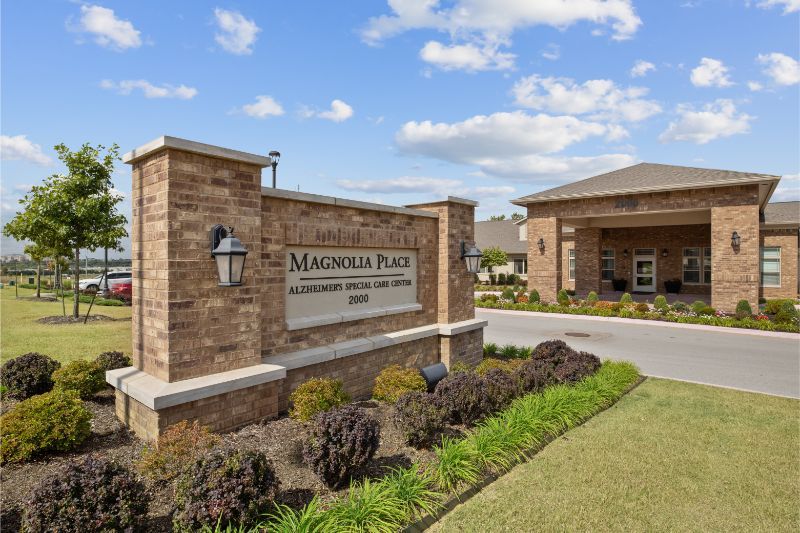
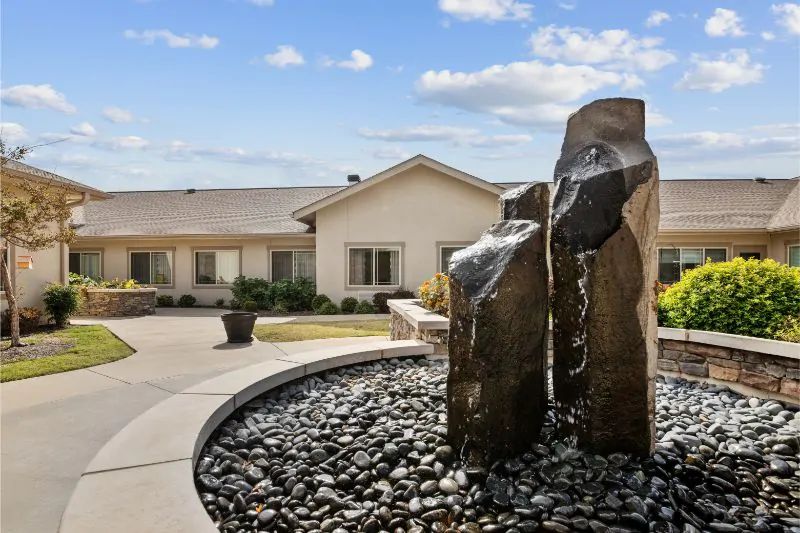
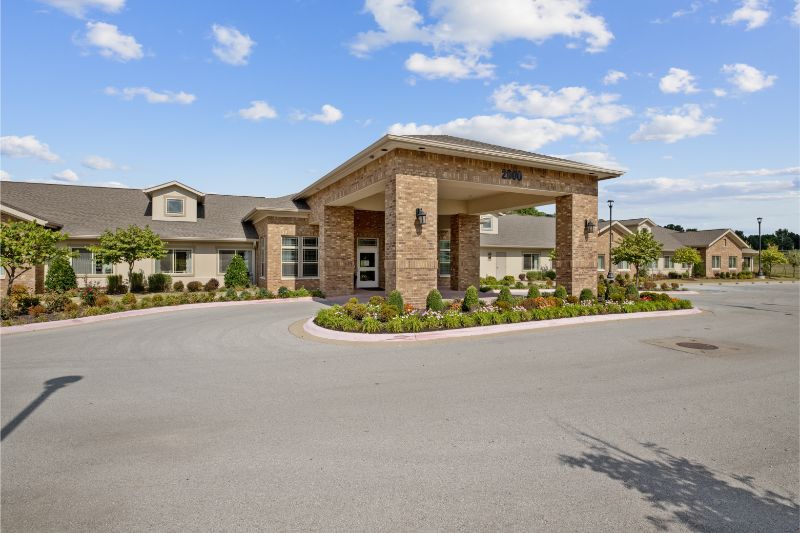
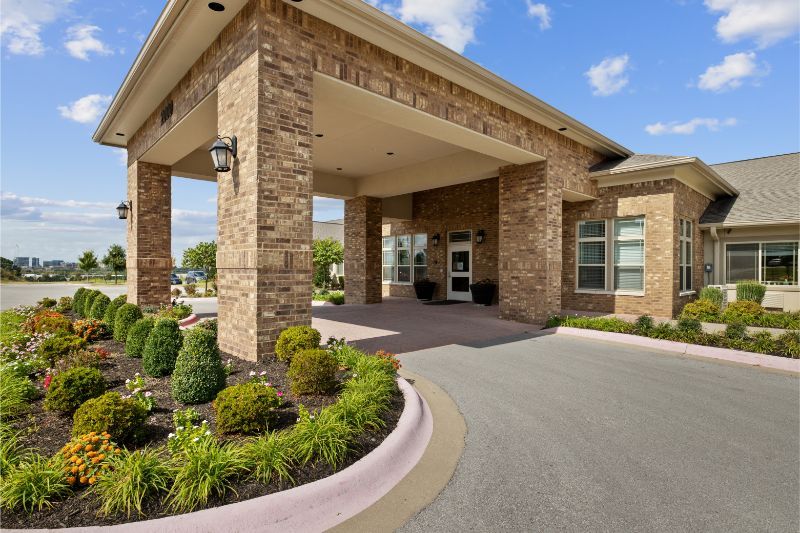
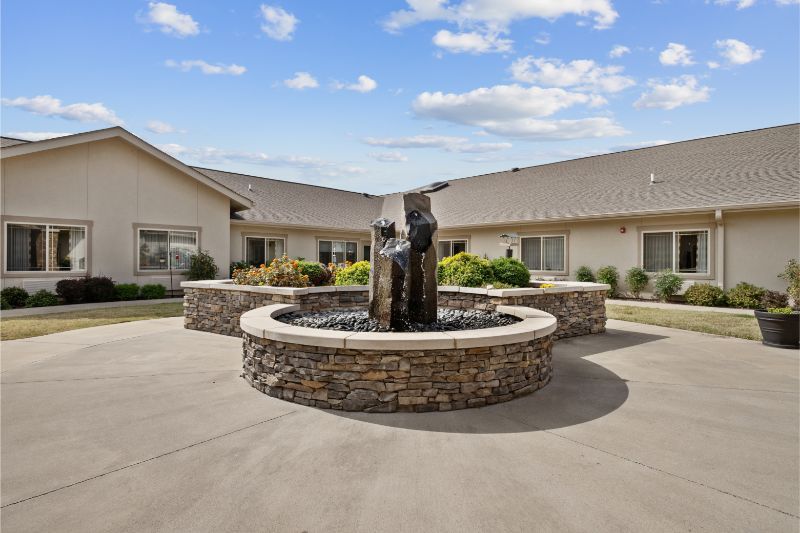
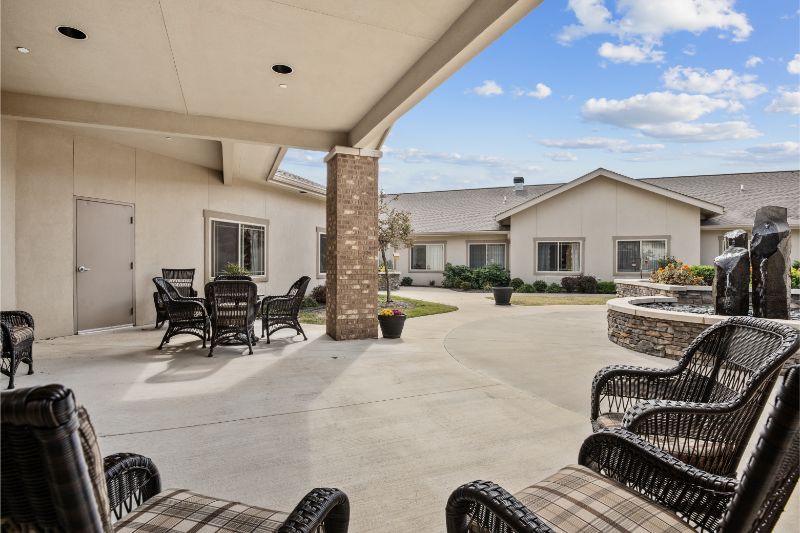
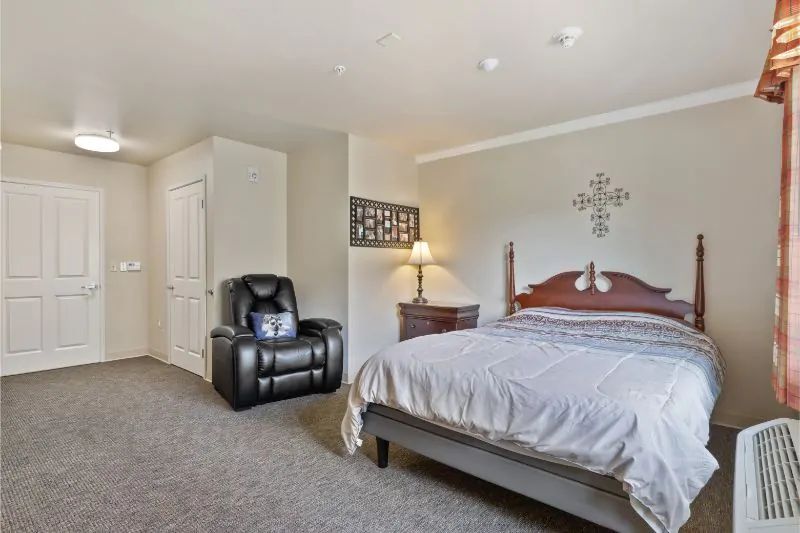
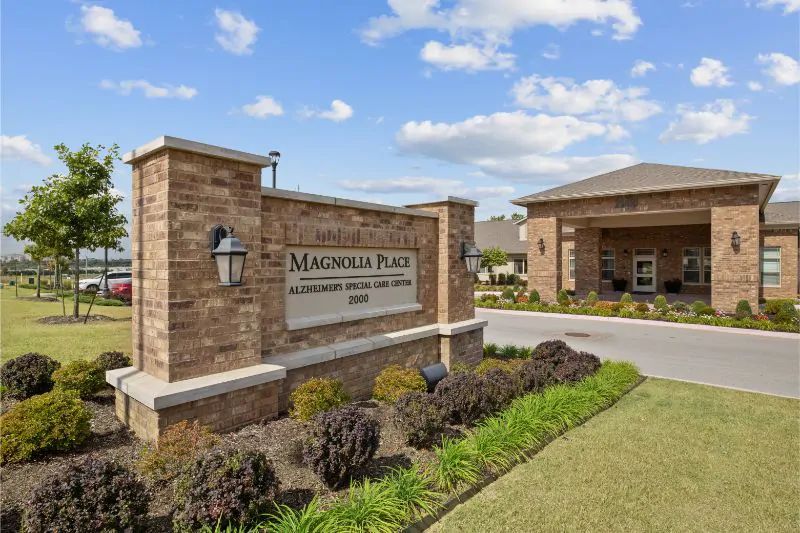
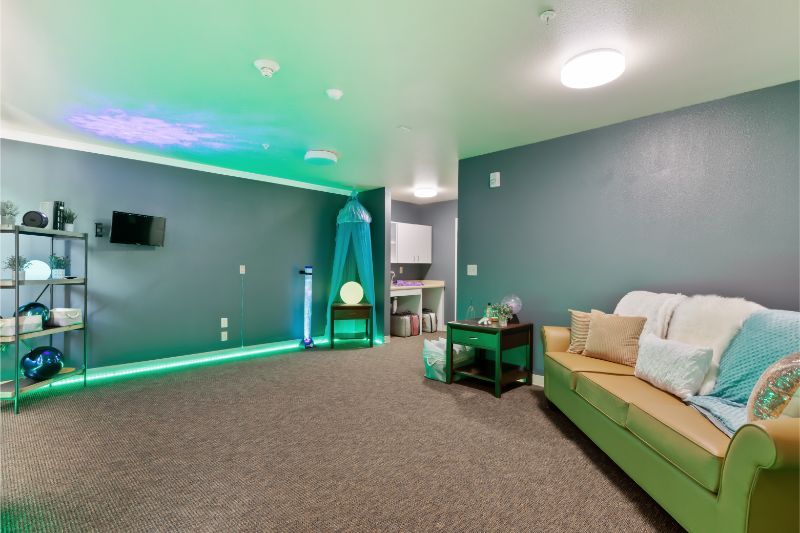
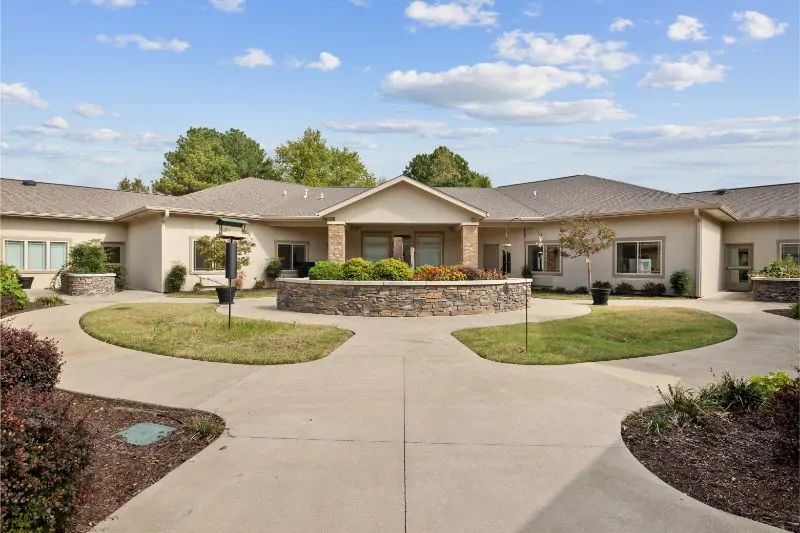
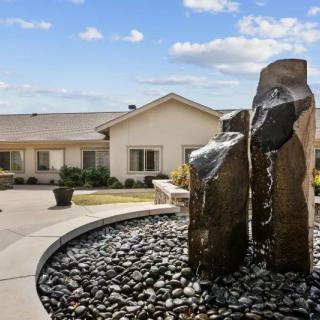
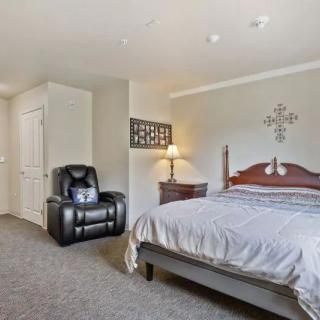
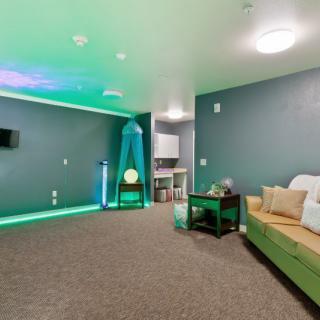
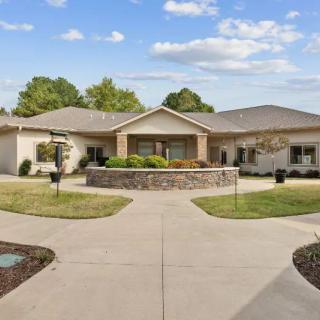
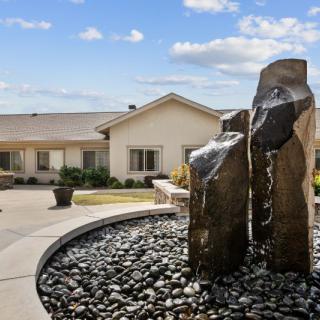
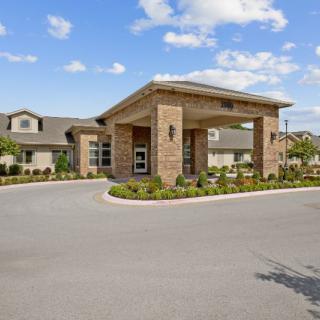
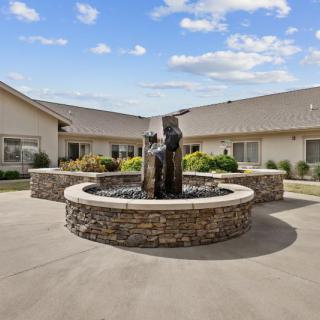
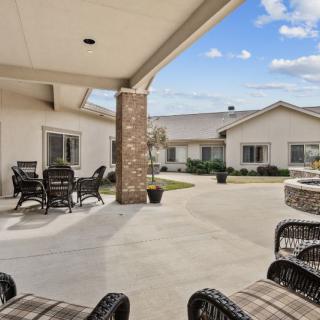
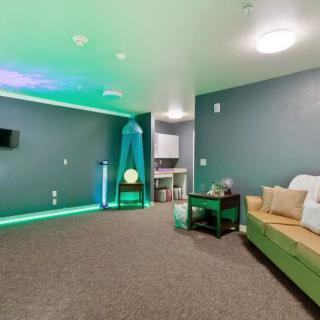
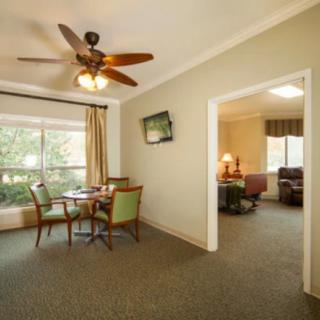
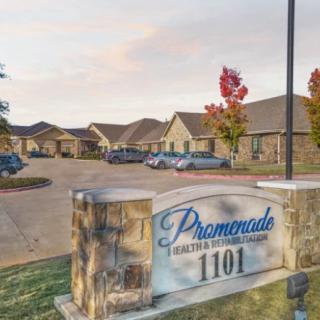
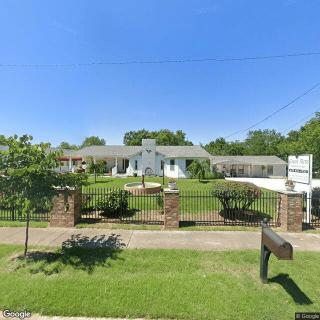
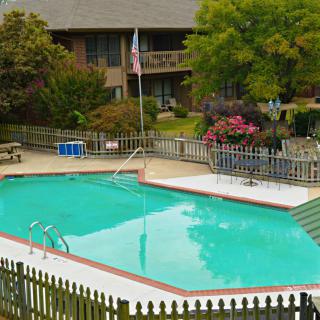
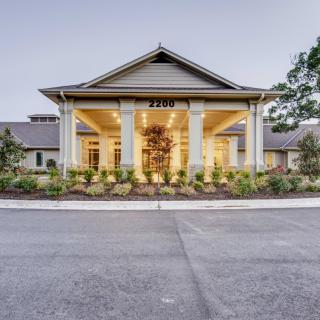
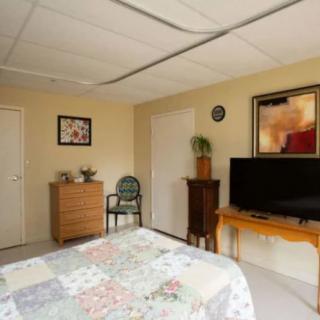
Magnolia Place Memory Care & Transitional Assisted Living on seniors.fyi includes 15 photos including images showing architecture, landscaping, building, interior, outdoor, bedroom, fountain, entrance, and more.
Nearby Communities
Magnolia Place Transitional Assisted Living and Memory Care
Rogers, AR
4.6 from 75 reviews
$4,200 to $6,700 / month
Warm and welcoming staff with engaging activities, clean environment, and strong family communication.
Magnolia Place Alzheimer's Special Care Center
Rogers, AR
4.6 from 29 reviews
Specialized memory care with 24/7 supervision and tailored activities.
Jamestown Nursing And Rehab
Rogers, AR
4 from 60 reviews
Attentive staff, clean facility, robust rehabilitation services, and convenient transportation for appointments.
Arbors at Pinnacle Ridge
Rogers, AR
4 from 112 reviews
Well-connected location with nearby healthcare and amenities.
Promenade Health And Rehabilitation
Rogers, AR
4.1 from 68 reviews
Wide range of on-site amenities and comprehensive care services.
Green Acres Easy Living
Rogers, AR
4.4 from 21 reviews
Small, clean facility with attentive staff, personalized spaces, and good meals.
Innisfree Senior Living
Rogers, AR
4.4 from 18 reviews
$2,875 to $3,695 / month
Knowledgeable staff, friendly front desk, and a well-maintained, clean environment.
Village on the Park Rogers
Rogers, AR
4.6 from 129 reviews
$3,500 to $3,995 / month
Friendly, engaged staff in a welcoming, well-maintained community.
Rogers Health And Rehabilitation Center
Rogers, AR
3.6 from 41 reviews
Wide range of amenities and services (beauty salon, dining room, fitness room, outdoor spaces, transportation, wellness programs, 24-hour supervision).
Vibrant Senior Living emphasizes active senior living communities that promote independence and engagement through diverse amenities and activities, fostering wellness and social interaction among older adults. These communities range from independent to assisted living, with a focus on personal growth, family involvement, financial planning, and leveraging technology to enhance residents' experiences.
Assisted living provides moderate support for seniors seeking independence, while memory care offers specialized support for individuals with dementia or cognitive impairments through structured routines and trained staff. Key differences include care approaches, environment security measures, staff training levels, activity types, and cost considerations.
Choosing between assisted living and nursing homes involves evaluating emotional and financial factors, with assisted living offering independence and support for daily activities at a lower cost, while nursing homes provide intensive medical care for individuals with significant health needs. The decision is influenced by personal preferences, health status, cognitive function, and varying Medicaid coverage across states.
Magnolia Place Memory Care & Transitional Assisted Living photos
×
Interior
Outdoors
Decor
Living Room
Building
Architecture
Windows
Landscaping
Lighting
Garden
Entrance
Outdoor
Patio
Television
Interior
Decor
Bedroom
Living Room and Television
Landscaping
Windows
Building
Architecture
Lighting and Wall Art
Garden
Outdoor
Entrance
Patio
Outdoors
Exterior
Courtyard
Clouds
Brick
Minimalist
Fountain
Apartment Complex
Residential Building
Get PricingAsk A QuestionSchedule A TourContact Senior Advisor
By clicking submit, you agree to our Partner's Terms of Use. You
also consent to receive calls and texts, which may be autodialed, from our Partner. Your consent is not a condition to
using our Partner's service. Please visit our Partner's Privacy Policy for information about their privacy practices.





 21 resident community capacity
 Assisted Living
 Memory Care
 Beauty salon
 Cable or satellite TV
 Dining room
 Fully furnished
 Garden
 Housekeeping services
 Kitchenette
 Located close to restaurants
 Located close to shopping centers
 Move-in coordination
 Outdoor patio
 Outdoor space
 Private bathrooms
 Spa
Spa Telephone
 Wi-Fi/high-speed internet available
 Northwest Arkansas Regional (8 miles away)
 Community operated transportation
 24-hour call system
 Activities of daily living assistance
 Assistance with bathing
 Assistance with dressing
 Assistance with transfers
 Diabetes diet
 Meal preparation and service
 Medication management
 Mental wellness program
 Respite program
 Special dietary restrictions
 Transportation arrangement (medical)
 Concierge services
 Fitness programs
 Planned day trips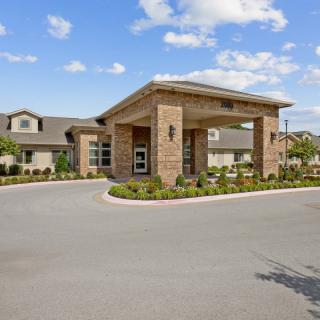
 Warm and welcoming staff with engaging activities, clean environment, and strong family communication.

 Vibrant Senior Living: A Comprehensive Guide for Active Older Adults
 Assisted Living and Memory Care: Understanding Their Core Differences
 Choosing the Right Senior Care: A Detailed Exploration of Assisted Living and Nursing Homes