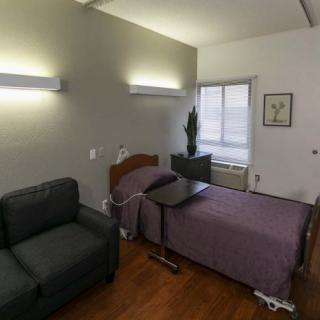
At Constant Care Arcadia, the monthly cost for a private room is $4,000, which is notably higher than the average costs in both Maricopa County and across Arizona, where prices are approximately $3,318 and $3,345, respectively. This premium pricing reflects the specialized services and personalized care offered at Constant Care Arcadia, positioning it as a provider that prioritizes quality and comprehensive support for its residents. While the costs may exceed local averages, prospective clients might find value in exceptional care standards and amenities tailored to enhance the well-being of individuals requiring assisted living.
Floor plans
Constant Care Arcadia
Maricopa County
Arizona
Private
$4,000
$3,318
$3,345
Memory care communities with a similar price nearby
Rehabilitation therapy is a major focus, and residents and families describe clear progress.
Many reviewers mention physical therapy and occupational or speech therapy as a standout part of the stay, with staff members described as knowledgeable and goal-oriented. Several stories describe recovery after hospitalization—such as returning to walking or improving swallowing—and connect that progress to the therapy team. A few reviewers also note communication and follow-through from therapists during recovery, reinforcing that therapy care drives the experience.
common16 reviews mention this
Dining earns repeated praise
Meals and dining support are repeatedly described as enjoyable and well handled.
Dining shows up often in reviews, with residents and families describing the food as delicious, varied, and meeting dietary needs. Multiple people contrast the meal experience favorably against typical institutional dining, and some mention that meals warm up or support comfort during recovery. Even where reviews were mixed, several still called out food as a strength.
common9 reviews mention this
Clean facility is a recurring theme
Cleanliness and fresh, well-kept spaces come up across many accounts of the stay.
Several reviewers describe the facility as spotless, well ordered, and free of unpleasant odors. Others add details like daily housekeeping and a comfortable, home-like feel that goes along with cleanliness. In mixed reviews, the physical appearance being “beautiful” is mentioned even when other parts of care drew criticism.
caveat4 reviews mention this
Oversight and staffing concerns appear
A smaller set of reviews raises concerns about medication oversight and staff attentiveness.
While most reviews are positive, a few describe serious problems that went beyond day-to-day care—such as medication mismanagement or not receiving medication as expected. There are also comments about staffing not being attentive enough at certain times, including slow responses when help was requested. These reviews are the main counterweight to the otherwise consistently positive accounts.
How we summarize
Counts show how many written reviews mention each theme; a review can touch several themes, and only frequently mentioned themes are displayed.
Features
Types of Care
Board and Care Home
Memory Care
Amenities
Private
Transportation
Phoenix Sky Harbor International (6 miles away)
Care Services
Ambulatory care
Diabetic care
Incontinence care
Nearby Places of Interest
This part of Scottsdale, Arizona offers a range of amenities and services that may be appealing to seniors looking for a convenient and comfortable living environment. With multiple restaurants, cafes, pharmacies, physicians' offices, and hospitals within close proximity, residents will have easy access to dining options as well as healthcare services. Additionally, there are places of worship nearby for those seeking spiritual fulfillment. The area also features parks for leisurely walks and recreational activities. For entertainment, there is a theater not far away. Transportation options such as the METRO stop and airport terminals provide convenience for traveling or visiting loved ones. Overall, this part of Scottsdale presents a vibrant and convenient setting for senior living with various resources readily available within a short distance.
At Constant Care Arcadia, the monthly cost for a private room is $4,000, which is notably higher than the average costs in both Maricopa County and across Arizona, where prices are approximately $3,318 and $3,345, respectively. This premium pricing reflects the specialized services and personalized care offered at Constant Care Arcadia, positioning it as a provider that prioritizes quality and comprehensive support for its residents. While the costs may exceed local averages, prospective clients might find value in exceptional care standards and amenities tailored to enhance the well-being of individuals requiring assisted living.
Incontinence care is a crucial feature at Constant Care Arcadia, as it addresses one of the significant challenges faced by individuals with dementia or Alzheimer's disease. By providing specialized support for maintaining dignity and comfort, the staff can ensure that residents receive prompt and respectful assistance tailored to their needs. This not only helps prevent discomfort and potential health issues, but also fosters a sense of security and trust between residents and caregivers. Such attentive care contributes to an overall positive living environment, enabling residents to focus on social engagement and cognitive therapies rather than on the distress associated with incontinence issues.
Nearby Communities
Constant Care Assisted Living Of Arcadia
Scottsdale, AZ
4.3 from 100 reviews
Small, personalized board-and-care with 24-hour supervision, coordinated healthcare, and diabetes-friendly dining.
Better Living Home
Scottsdale, AZ
Excellent access to nearby amenities and services.
Foundation for Senior Living
Scottsdale, AZ
3.9 from 57 reviews
Excellent access to dining, healthcare, worship, and cultural amenities nearby.
24 Hour Home Care - Scottsdale
Scottsdale, AZ
3.9 from 24 reviews
Convenient access to cafes, pharmacies, physicians, restaurants, theaters, and hospitals nearby.
Concentric Healthcare Solutions
Scottsdale, AZ
Convenient access to dining, medical services, cafes, parks, worship, and entertainment nearby.
Alarys Home Health
Scottsdale, AZ
3.4 from 24 reviews
Vibrant Scottsdale location with plentiful nearby amenities.
Osborn Health And Rehabilitation
Scottsdale, AZ
3.1 from 139 reviews
$2,300 to $4,000 / month
Strong physical therapy team and some caring staff.
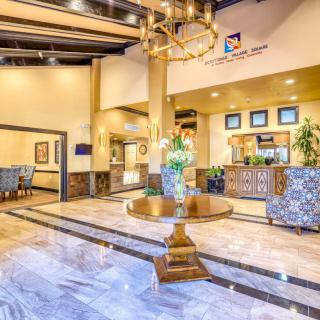
Scottsdale Village Square, A Pacifica Senior Living Community
Scottsdale, AZ
4.2 from 192 reviews
$3,175 to $5,000 / month
Caring, responsive staff in a welcoming community with engaging activities.
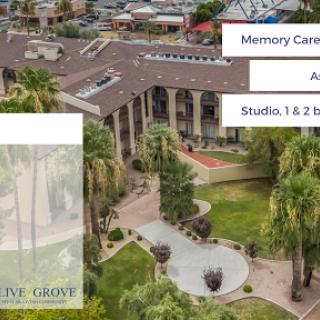
Arcadia Grove Assisted Living Home
Phoenix, AZ
3.8 from 43 reviews
Private rooms with en-suite, clean and well-maintained environment, attentive staff, and engaging activities with diabetes-friendly meals.
Reminiscence therapy is a structured method for older adults, especially those with dementia, to share life stories using prompts and sensory cues, fostering emotional well-being, social engagement, and self-identity. It aims to improve quality of life by enhancing interpersonal connections and cognitive stimulation while requiring careful facilitation to avoid distressing memories.
Dementia, particularly Lewy body dementia, often involves hallucinations that can significantly distress both patients and caregivers due to disruptions in sensory processing and neurotransmitter imbalances. Effective management includes compassionate communication, environmental adjustments, and a multidisciplinary approach to care while addressing the emotional needs of caregivers.
Alzheimer’s disease is a progressive neurological disorder that significantly impacts memory and cognitive functions, accounting for 60-80% of dementia cases, with early diagnosis being crucial yet challenging. It involves brain changes like beta-amyloid plaques and tau tangles, influenced by genetic and lifestyle factors, and while there is no cure, symptom management and support for caregivers are essential.
Get PricingAsk A QuestionSchedule A TourContact Senior Advisor
By clicking submit, you agree to our Partner's Terms of Use. You
also consent to receive calls and texts, which may be autodialed, from our Partner. Your consent is not a condition to
using our Partner's service. Please visit our Partner's Privacy Policy for information about their privacy practices.

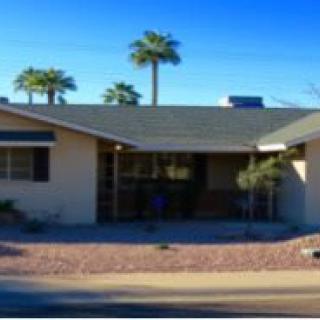
 Board and Care Home
 Memory Care
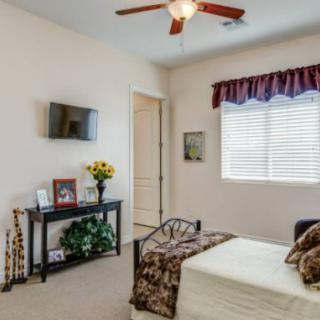
 Private
 Phoenix Sky Harbor International (6 miles away)
 Ambulatory care
 Diabetic care
 Incontinence care
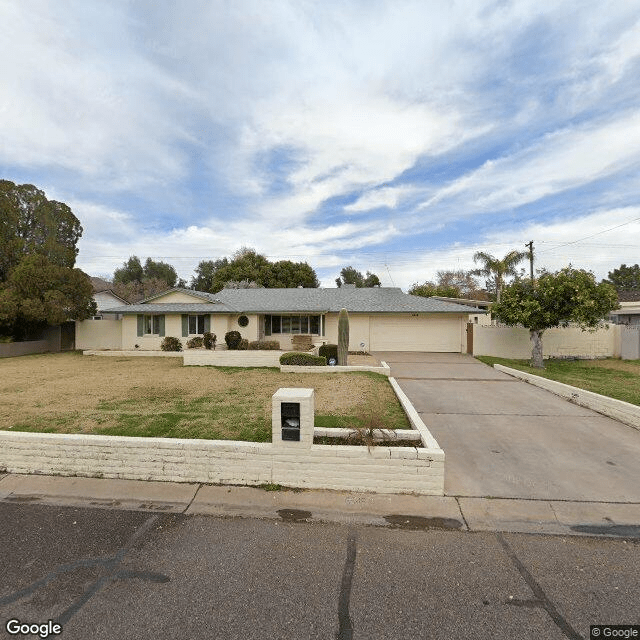
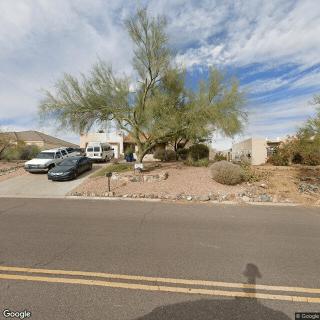
 Small, personalized board-and-care with 24-hour supervision, coordinated healthcare, and diabetes-friendly dining.
 An In-Depth Look at Reminiscence Therapy in Dementia Care
 Dementia-Related Hallucinations: Causes, Experiences, and Practical Approaches
 Illuminating Insights About Alzheimer's Disease: Ten Crucial Realities