3333 North Civic Center Plaza, Scottsdale, AZ 85251
For more information about senior living options: (866) 208-4318
3.1 from 139 reviews
5 stars
61
4 stars
10
3 stars
2
2 stars
7
1 stars
59
Osborn Health And Rehabilitation Costs & Pricing
Osborn Health and Rehabilitation offers competitive pricing for its care services compared to the surrounding region, providing an attractive option for those seeking rehabilitation support in Maricopa County. The monthly cost for a studio room is $2,300, significantly lower than the county average of $3,960 and the state average of $3,829. For a one-bedroom unit, residents will pay $3,000, which also undercuts both the county's average of $3,473 and Arizona's statewide figure of $3,532. Additionally, their two-bedroom accommodations are priced at $4,000 - slightly higher than the county's average of $4,112 but comparable to the state's average of $4,106. This pricing structure highlights Osborn Health and Rehabilitation as an appealing choice for families looking for quality care that won't break the bank.
Floor plans
Osborn Health And Rehabilitation
Maricopa County
Arizona
Studio
$2,300
$3,960
$3,829
1 Bedroom
$3,000
$3,473
$3,532
2 Bedrooms
$4,000
$4,112
$4,106
Skilled Nursing Facilities with a similar price nearby
Overall Review of Osborn Health And Rehabilitation
caveat22 reviews mention this
Call lights and care response vary
Many residents and families report slow or missed help when call buttons are used.
A recurring concern is response delays for help, including unanswered call lights and situations where residents report waiting a long time for assistance. Several reviewers describe medication issues, missed meal delivery, or staff not arriving promptly even when help was requested. Some comments also describe patients left in soiled conditions while waiting for care. On the other hand, other reviews praise attentive nursing and faster room-call or medication support, suggesting experiences vary by shift and situation.
caveat18 reviews mention this
Food quality gets mixed reviews
Meal quality is a frequent complaint, with multiple reports of unappetizing food.
Several reviews criticize meals, describing them as inedible, poor quality, or not matching what residents need for healing. Others mention specific problems like cold food, limited options, or delays in getting meals and drinks. A smaller number of reviewers say food was acceptable or even tasty, but those comments donā€™t outweigh the negative feedback. Overall, dining appears to be one of the more inconsistent day-to-day experiences described by families.
caveat14 reviews mention this
Cleanliness concerns come up often
Residents and families mention recurring cleanliness issues, including pests and odors.
Some reviewers report unpleasant conditions such as foul smells, dirty rooms, or reports of pests like cockroaches. Others describe issues that suggest hygiene and housekeeping lapses, including concerns about soiled items and inadequate cleaning. While there are also reviews that highlight cleanliness and cite cleaning crews or a well-maintained environment, the negative cleanliness stories appear repeatedly enough to be a notable caution. If you prioritize day-to-day cleanliness, these comments are worth taking seriously.
common20 reviews mention this
Therapy support is often praised
Physical and occupational therapy are repeatedly mentioned as a positive part of stays.
Many reviews focus on rehabilitation therapy, describing therapists as kind, patient, and helpful with mobility and recovery goals. Several families and patients credit PT/OT with making progress and safely improving strength or walking ability. Even when other aspects of the stay drew criticism, multiple reviewers still singled out therapy teams for doing good work. The care experience described in reviews suggests that rehab services are a consistent strength.
caveat16 reviews mention this
Staffing levels are a key concern
Multiple reviews describe understaffing that can affect timely personal care.
A number of reviews point to staffing shortages, describing long waits for help with bathroom needs, showers, or basic daily assistance. Some comments describe being left unattended for extended periods, along with difficulty getting medications or supplies in time. A few reviewers contrast that by praising staff availability and saying response times improved or felt well covered. Still, the staffing-related complaints are prominent enough to stand out as a risk factor for families considering the facility.
How we summarize
Counts show how many written reviews mention each theme; a review can touch several themes, and only frequently mentioned themes are displayed.
Osborn Health and Rehabilitation offers competitive pricing for its care services compared to the surrounding region, providing an attractive option for those seeking rehabilitation support in Maricopa County. The monthly cost for a studio room is $2,300, significantly lower than the county average of $3,960 and the state average of $3,829. For a one-bedroom unit, residents will pay $3,000, which also undercuts both the county's average of $3,473 and Arizona's statewide figure of $3,532. Additionally, their two-bedroom accommodations are priced at $4,000 - slightly higher than the county's average of $4,112 but comparable to the state's average of $4,106. This pricing structure highlights Osborn Health and Rehabilitation as an appealing choice for families looking for quality care that won't break the bank.
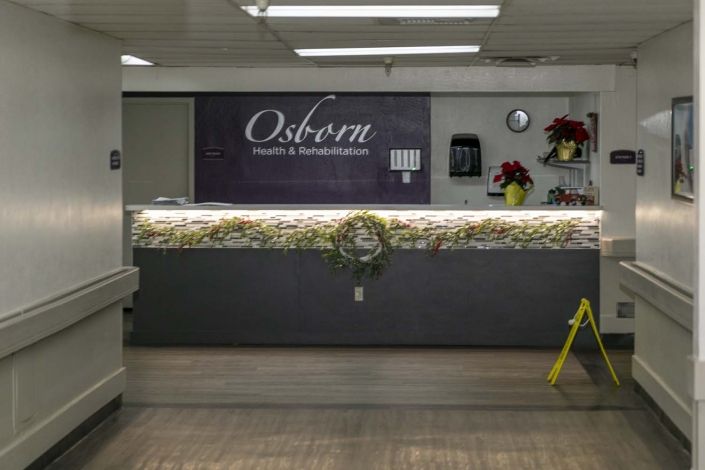
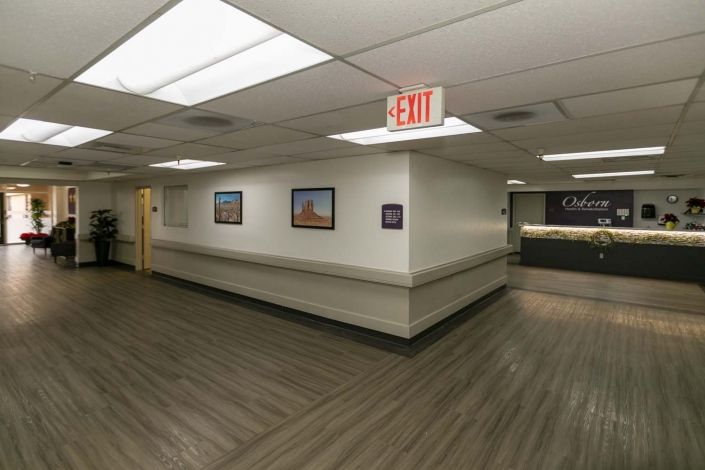
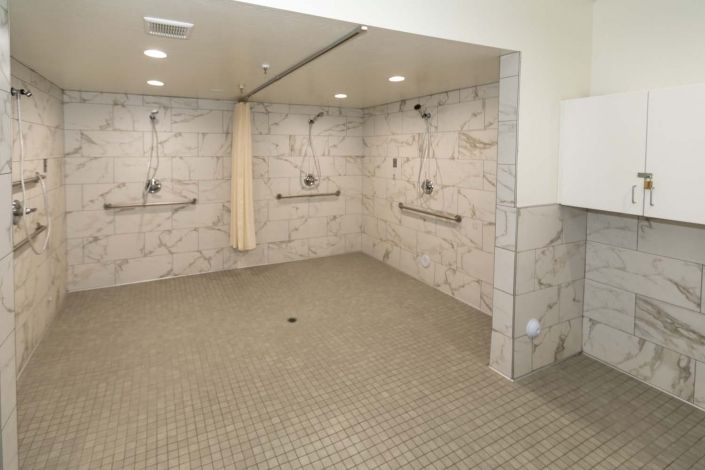
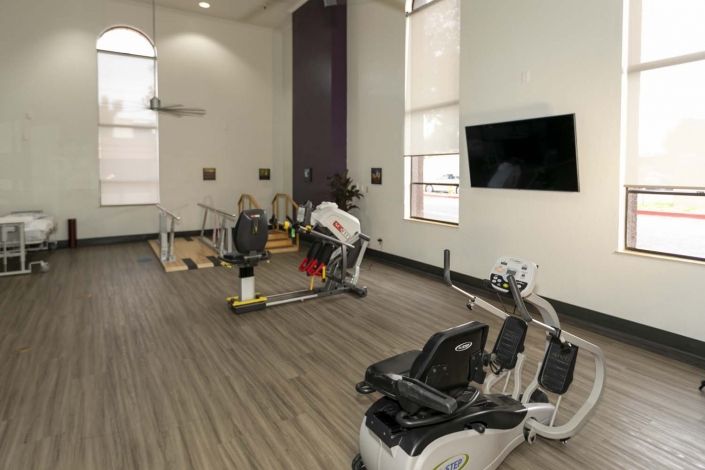
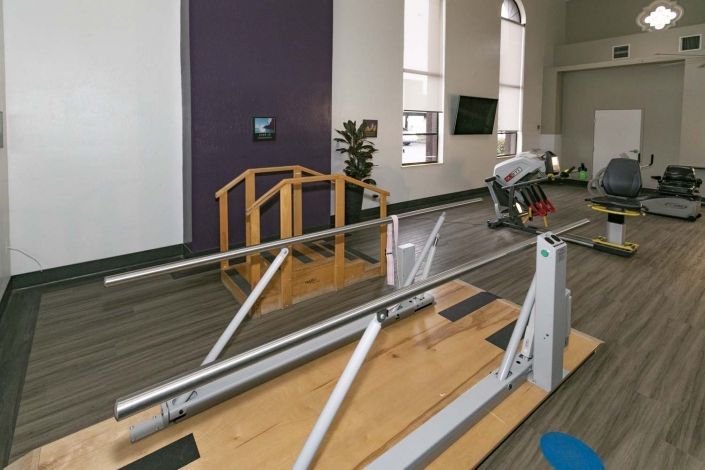
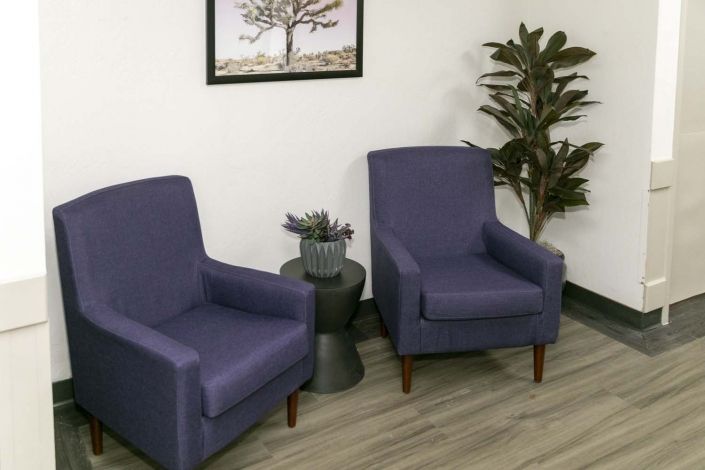
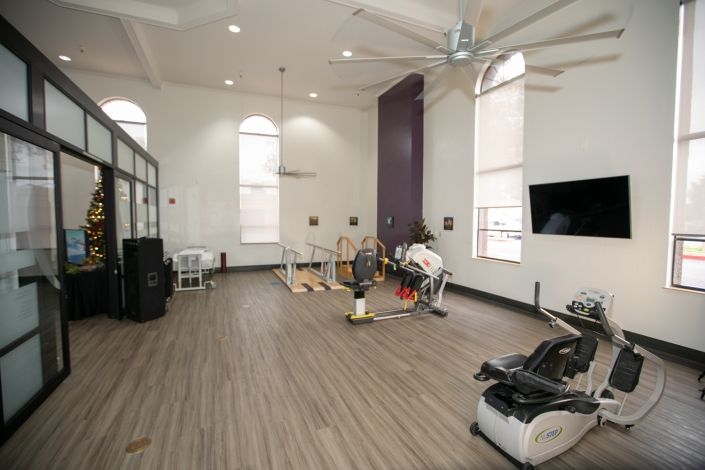
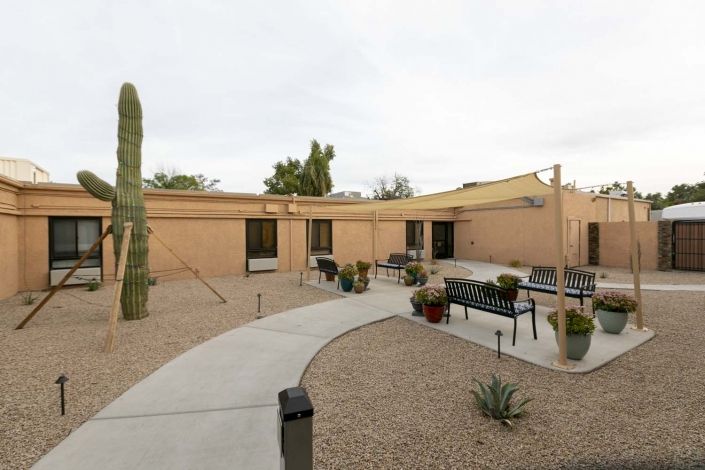
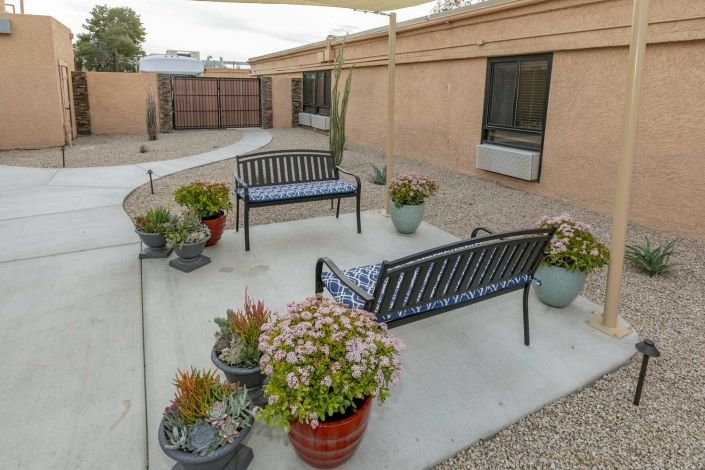
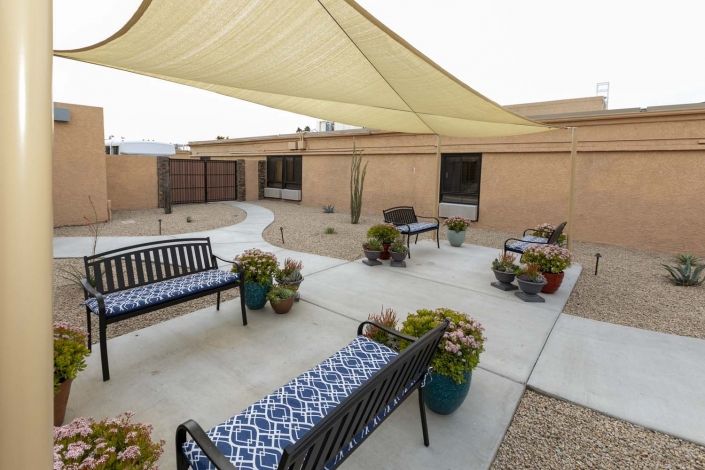
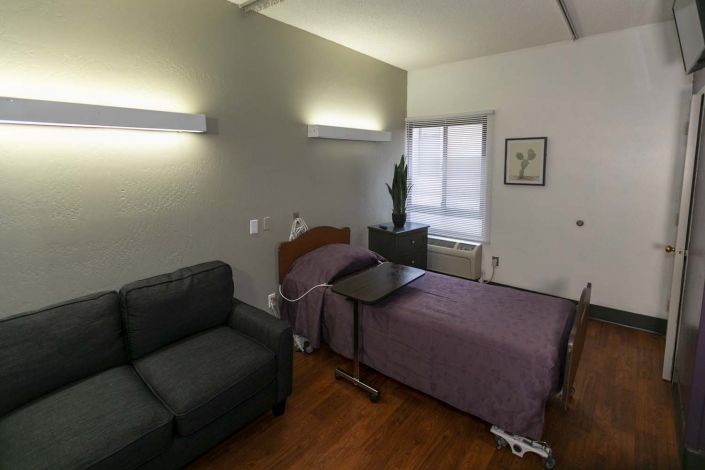
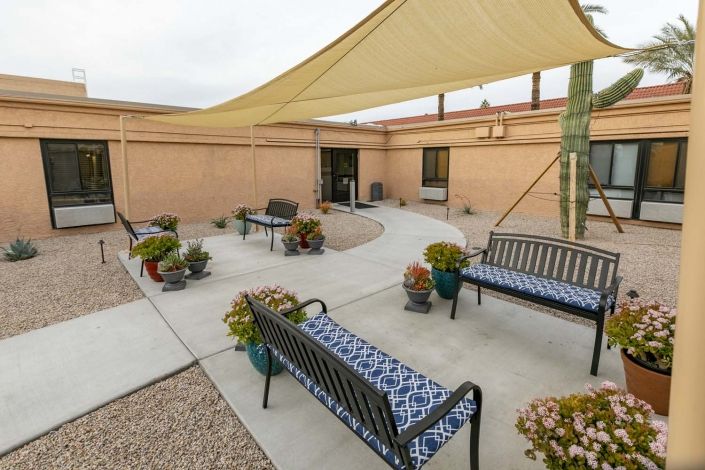
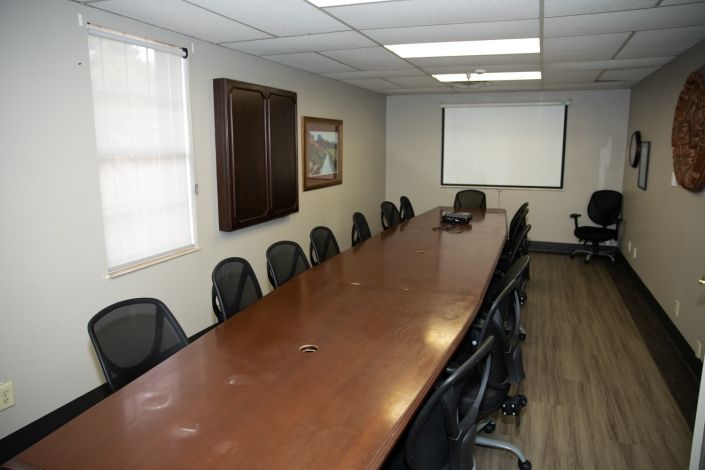
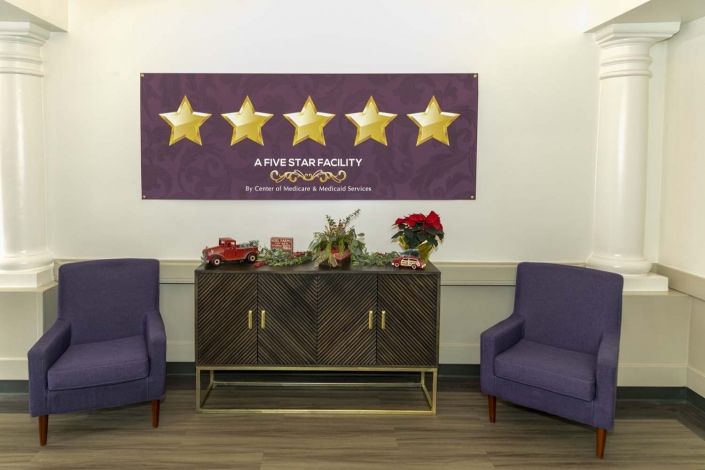
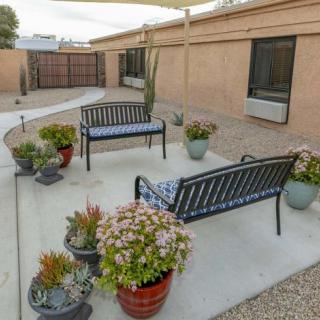
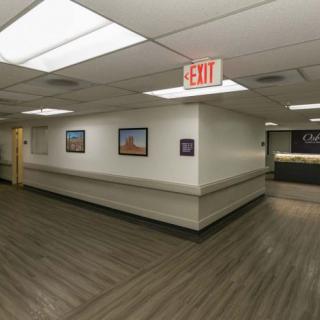
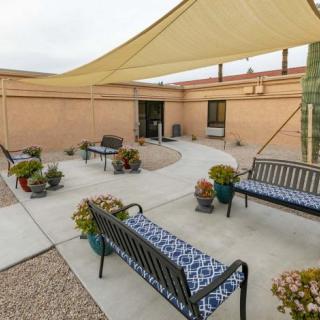
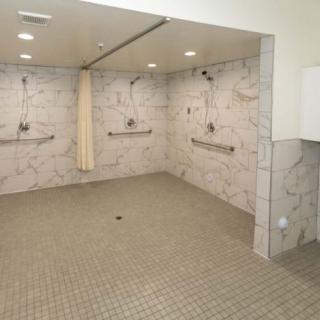
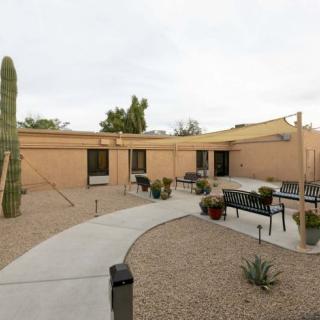
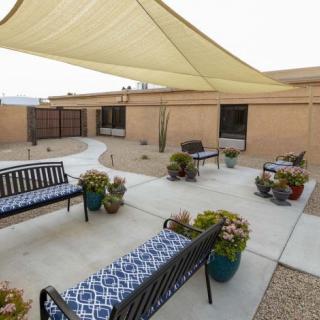
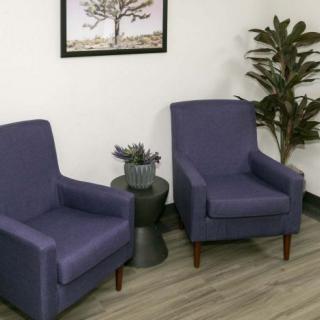
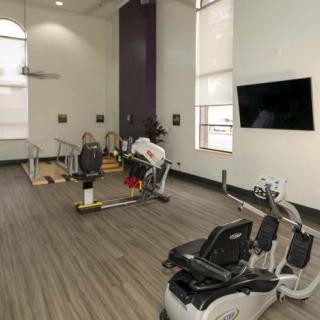
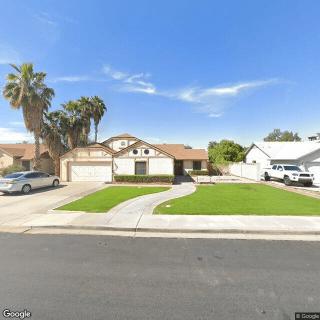
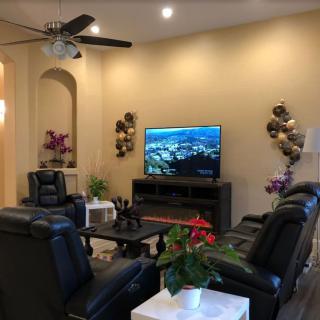
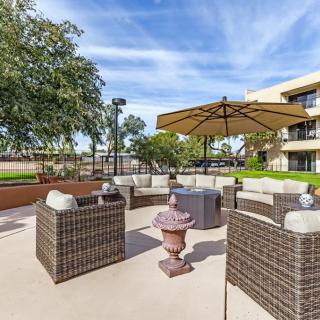
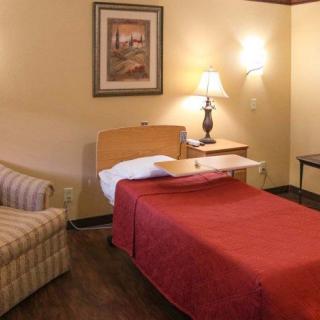
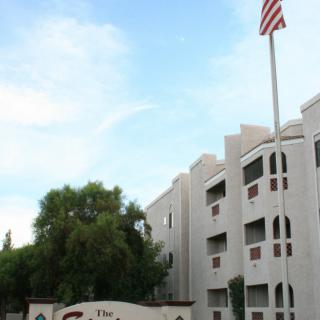
Osborn Health And Rehabilitation on seniors.fyi includes 18 photos including images showing interior, exercise equipment, decor, patio, courtyard, outdoor seating, building, workout space, and more.
Nearby Communities
Infinia of Scottsdale
Scottsdale, AZ
3.3 from 100 reviews
$4,080 to $5,340 / month
Memory care with private rooms in a well-located Scottsdale community with ample nearby amenities.
Villa Ocotillo
Scottsdale, AZ
3.8 from 39 reviews
$3,000 to $3,600 / month
Resort-like atmosphere with attentive staff, strong activities, and on-site health care.
Heritage Court Post Acute of Scottsdale
Scottsdale, AZ
4.4 from 115 reviews
$3,990 to $5,985 / month
24/7 supervision with extensive on-site amenities.
The Springs of Scottsdale
Scottsdale, AZ
4.7 from 140 reviews
$2,950 to $3,750 / month
Kind, attentive staff with strong social activities and quality dining.
Haven Of Scottsdale
Mesa, AZ
4.2 from 120 reviews
$2,928 / month
Affordable private-room rate with extensive amenities and 24/7 care.
The Valencia Home
Scottsdale, AZ
4.6 from 42 reviews
$3,000 to $5,500 / month
Consistently kind and competent staff in a well-maintained, home-like environment with good family communication.
Scottsdale Village Square, A Pacifica Senior Living Community
Scottsdale, AZ
4.2 from 192 reviews
$3,175 to $5,000 / month
Caring, responsive staff in a welcoming community with engaging activities.
Arcadia Grove Assisted Living Home
Phoenix, AZ
3.8 from 43 reviews
Private rooms with en-suite, clean and well-maintained environment, attentive staff, and engaging activities with diabetes-friendly meals.
Mirabella at ASU
Tempe, AZ
3.3 from 114 reviews
Brand-new, visually stunning facility with attentive staff and no waiting list.
Maintaining cognitive fitness through engaging in various brain games, both traditional and digital, is crucial for seniors as it enhances memory retention, problem-solving abilities, and emotional well-being while helping to protect against age-related decline. A holistic approach that includes diverse activities, physical exercise, a balanced diet, and social interaction further supports mental health and cognitive function.
The article outlines strategies for keeping seniors' minds active through brain games and apps, highlighting the importance of cognitive exercises, social engagement, and a healthy lifestyle in combating cognitive decline. It emphasizes the benefits of various types of games and offers practical tips for maintaining mental wellness through enjoyable activities while acknowledging their limitations.
The VA Aid and Attendance program offers financial assistance to veterans needing help with daily activities due to health issues, available through a pension for low-income wartime veterans or an allowance for 100% disabled individuals. Eligibility depends on medical documentation of care needs and navigating guidelines about income and service history, with funds being usable for various healthcare-related expenses.
Get PricingAsk A QuestionSchedule A TourContact Senior Advisor
By clicking submit, you agree to our Partner's Terms of Use. You
also consent to receive calls and texts, which may be autodialed, from our Partner. Your consent is not a condition to
using our Partner's service. Please visit our Partner's Privacy Policy for information about their privacy practices.








 130 resident community capacity
 Skilled Nursing Facility
 Air-conditioning
 Beauty salon
 Cable or satellite TV
 Computer center
 Dining room
 Fitness room
 Fully furnished
 Gaming room
 Garden
 Housekeeping services
 Kitchenette
 Move-in coordination
 Outdoor space
 Private bathrooms
 Restaurant-style dining
 Small library
 Telephone
 Wellness center
 Wi-Fi/high-speed internet available
 Phoenix Sky Harbor International (6 miles away)
 Community operated transportation
 12-16 hour nursing
 24-hour call system
 Activities of daily living assistance
 Assistance with bathing
 Assistance with dressing
 Assistance with transfers
 Diabetes diet
 Medication management
 Mental wellness program
 Special dietary restrictions
 Transportation arrangement (medical)
 Concierge services
 Planned day trips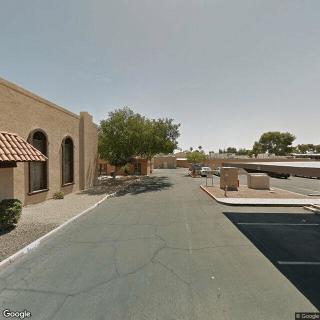
 Memory care with private rooms in a well-located Scottsdale community with ample nearby amenities.



 Engaging Brain Games and Innovative Apps to Keep Senior Minds Active
 Effective Strategies for Keeping Seniors' Minds Active: A Deep Dive into Brain Games and Apps
 In-Depth Look at the VA Aid and Attendance Program