For more information about senior living options: (866) 208-4318
3.3 from 100 reviews
5 stars
52
4 stars
7
3 stars
1
2 stars
2
1 stars
38
Infinia of Scottsdale Costs & Pricing
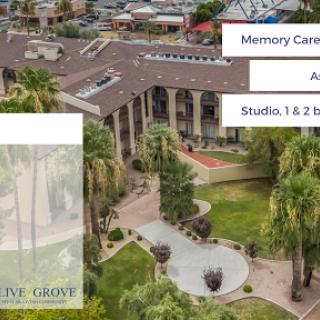
Infinia of Scottsdale presents a pricing structure that reflects its premium offerings within the context of Maricopa County and Arizona as a whole. For semi-private accommodations, Infinia charges $4,080 per month, significantly higher than the county average of $2,801 and the state average of $2,820. Private rooms also carry a considerable premium at $5,340 monthly compared to Maricopa County's $3,318 and Arizona's average of $3,345. Similarly, studio units are priced at $5,340 - outpacing both local ($3,960) and statewide ($3,829) rates. This disparity suggests Infinia provides unique services or amenities that justify these elevated costs for residents seeking exceptional care in a desirable location.
Floor plans
Infinia of Scottsdale
Maricopa County
Arizona
Semi-Private
$4,080
$2,801
$2,820
Private
$5,340
$3,318
$3,345
Studio
$5,340
$3,960
$3,829
Skilled Nursing Facilities with a similar price nearby
Residents and families describe both very kind staff and moments when help didn’t feel timely.
Many reviews highlight staff members who were friendly, compassionate, and attentive, including nurses, CNAs, therapists, and administrative staff. Several people describe smooth communication during care and gratitude for how staff supported recovery and comfort. Other reviewers report the opposite experience, saying they faced long waits for call lights, delayed responses, or a lack of proactive assistance. The overall pattern in reviews is inconsistent day to day, with strong praise in some stories and serious frustration in others.
common14 reviews mention this
Therapy and recovery progress
PT and OT are repeatedly mentioned as part of recovery and progress here.
A number of residents and families specifically call out physical and occupational therapy, describing better movement after setbacks and meaningful help during rehab. Several reviews connect therapy with safer mobility and a stronger return after hospital discharge. Even among unhappy accounts, some still acknowledge that therapy happened, though they criticize other parts of the stay. Taken together, reviews suggest therapy support is one of the more consistently noticed aspects of the experience.
caveat10 reviews mention this
Food quality earns strong reactions
Dining quality is a recurring complaint, with some describing meals as unappetizing or insufficient.
Some reviews criticize meals as disgusting, not edible, overly repetitive, or lacking in variety. Others describe limited hydration access or times when they never received food at expected moments. On the other side, at least a few people mention enjoying meals or missing the food after leaving, and some describe the food as only “OK.” Overall, dining appears to be a frequently mentioned point where experiences vary.
caveat20 reviews mention this
Care timing and staffing are questioned
Multiple reviews raise concerns about care being delayed or inadequate for residents’ needs.
Several reviewers describe call lights going unanswered for long stretches, medications not arriving on time, or residents left unattended after falls or other urgent moments. Other comments point to limited assistance with basic needs like toileting and bathing, including accounts of being left in soiled conditions for hours. A few reviews also mention communication problems and difficulties getting required follow-up or coordination during a stay. While some residents report responsive help, these negative stories are frequent enough to stand out as a major concern.
caveat12 reviews mention this
Cleanliness is praised and criticized
Cleanliness comes up in both positive and negative ways across reviews.
Some residents and families say the facility was clean, well maintained, and safe, including praise for a supportive environment. Other reviewers describe strong odor issues, dirty rooms, pests, or concerns about how cleaned areas looked and felt. There are also mixed comments tied to specific rooms or periods, suggesting the experience may vary depending on location and timing. Because both sides are present in reviews, cleanliness is not uniformly consistent in feedback.
How we summarize
Counts show how many written reviews mention each theme; a review can touch several themes, and only frequently mentioned themes are displayed.
Features
Types of Care
Memory Care
Skilled Nursing Facility
Amenities
Private
Transportation
Phoenix Sky Harbor International (6 miles away)
Nearby Places of Interest
This part of Scottsdale, Arizona, offers a convenient and bustling location with easy access to healthcare facilities such as Scottsdale Cardiovascular Center and Greenbaum Surgery Center. The area also boasts several pharmacies like Walgreens and CVS Pharmacy for all your medical needs. For leisure and dining options, there are various cafes like Starbucks and Dutch Bros Coffee, as well as diverse restaurants including Defalco's Italian Grocery and Culinary Dropout. Additionally, places of worship such as Salt River Assembly of God and Islamic Community Center of Tempe are nearby for spiritual fulfillment. With transportation options like METRO University Dr /Rural and close proximity to the airport, this area provides a mix of amenities and services that cater to seniors looking for a vibrant community in which to reside.
Infinia of Scottsdale presents a pricing structure that reflects its premium offerings within the context of Maricopa County and Arizona as a whole. For semi-private accommodations, Infinia charges $4,080 per month, significantly higher than the county average of $2,801 and the state average of $2,820. Private rooms also carry a considerable premium at $5,340 monthly compared to Maricopa County's $3,318 and Arizona's average of $3,345. Similarly, studio units are priced at $5,340 - outpacing both local ($3,960) and statewide ($3,829) rates. This disparity suggests Infinia provides unique services or amenities that justify these elevated costs for residents seeking exceptional care in a desirable location.
Dementia encompasses progressive neurological disorders that impair cognitive functions and can lead to paranoia due to cognitive decline and emotional changes. The article discusses the triggers of paranoia in dementia, caregiver strategies for managing it, and the importance of distinguishing between dementia-related paranoia and other psychiatric conditions.
Memory care activities are essential for improving the quality of life of seniors with cognitive impairments, as they stimulate cognitive function, promote well-being, and encourage social interaction through tailored strategies. These activities combine structured exercises with spontaneous tasks, sensory engagement, physical workouts, creative pursuits, and intergenerational interactions to enhance emotional connection and a sense of purpose.
Transitioning from assisted living to memory care is driven by an individual's cognitive decline and specific needs, requiring careful evaluation of indicators like increased confusion and wandering. The process involves consulting medical professionals, researching suitable communities, considering financial and legal aspects, and ensuring effective communication for personalized care plans.
Get PricingAsk A QuestionSchedule A TourContact Senior Advisor
By clicking submit, you agree to our Partner's Terms of Use. You
also consent to receive calls and texts, which may be autodialed, from our Partner. Your consent is not a condition to
using our Partner's service. Please visit our Partner's Privacy Policy for information about their privacy practices.


 Memory Care
 Skilled Nursing Facility
 Private
 Phoenix Sky Harbor International (6 miles away)
 Strong physical therapy team and some caring staff.

 Dementia, Paranoia, and Caregiver Guidance: Understanding the Connection
 Engaging Memory Care Activities That Enhance Quality of Life
 When to Transition from Assisted Living to Memory Care: Key Indicators, Steps, and Finding the Right Community