At Coronado Care & Rehabilitation, the costs for various room types reflect a premium level of care and services compared to the broader averages observed in Maricopa County and across Arizona. For instance, a semi-private room is priced at $4,200 per month, significantly exceeding the county's average of $2,801 and the state average of $2,820. Similarly, private rooms are offered at $6,300, which is substantially higher than both the county's rate of $3,318 and Arizona's average of $3,345. The facility's one-bedroom option is available for $6,750, again surpassing local and state norms - Maricopa County offers a 1-bedroom space for about $3,473 while Arizona's average sits at $3,532. This disparity in pricing indicates that Coronado Care & Rehabilitation likely provides enhanced amenities and specialized care that justify its higher costs relative to other facilities in the region.
Floor plans
Coronado Care & Rehabilitation
Maricopa County
Arizona
Semi-Private
$4,200
$2,801
$2,820
Private
$6,300
$3,318
$3,345
1 Bedroom
$6,750
$3,473
$3,532
Skilled Nursing Facilities with a similar price nearby
Multiple residents and families report delayed or unanswered help calls.
Several reviewers describe call buttons or call lights going unanswered for long periods, including situations where help was needed right away. Others also mention difficulty getting through by phone, with calls going to voicemail or staff not returning messages. In a few accounts, residents sat in urgent conditions while families felt they had to escalate repeatedly.
caveat7 reviews mention this
Cleanliness is a recurring complaint
Some reviewers say cleanliness and hygiene fell short.
A recurring concern is dirty rooms and hygiene failures, with multiple mentions of unpleasant odors and unclean living conditions. Several negative reviews also describe pests or dirty linens, and a few connect the cleanliness concerns to falls or missed basic care needs. Positive reviewers mention clean, welcoming spaces, but the negative accounts are specific and frequent enough to stand out.
caveat6 reviews mention this
Staffing levels leave people waiting
Some families say understaffing affected care responsiveness.
Some reviewers directly describe the facility as understaffed, saying patients did not receive help when they needed it. A few accounts link staffing concerns to delayed medication, missed hygiene, and residents staying soiled or without attention for extended stretches. While other reviews praise responsiveness, the understaffing mentions show up as a consistent theme in the negative feedback.
caveat2 reviews mention this
Cost runs high for the area
Pricing is described as high compared with local expectations.
One reviewer calls out that the cost is high for the area, putting the monthly figure near the $5,000 range for a semi-private room. Pricing comparisons in the listing context also show the community’s rates coming in above county and state benchmarks across unit types. Taken together, the theme is that affordability is a concern for some families.
How we summarize
Counts show how many written reviews mention each theme; a review can touch several themes, and only frequently mentioned themes are displayed.
Features
Housing
191 resident community capacity
Types of Care
Assisted Living
Memory Care
Skilled Nursing Facility
Amenities
Air-conditioning
Beauty salon
Cable or satellite TV
Computer center
Dining room
Fitness room
Fully furnished
Gaming room
Garden
Housekeeping services
Kitchenette
Move-in coordination
Outdoor space
Private
Private bathrooms
Restaurant-style dining
Small library
Telephone
Wellness center
Wi-Fi/high-speed internet available
Transportation
Phoenix Sky Harbor International (12 miles away)
Community operated transportation
Transportation arrangement
Transportation arrangement (non-medical)
Care Services
12-16 hour nursing
24-hour call system
24-hour supervision
Activities of daily living assistance
Assistance with bathing
Assistance with dressing
Assistance with transfers
Coordination with health care providers
Diabetes diet
Meal preparation and service
Medication management
Mental wellness program
Special dietary restrictions
Transportation arrangement (medical)
Transportation to doctors appointments
Dining
Diabetes diet
Special dietary restrictions
Activities
Community-sponsored activities
Concierge services
Fitness programs
Planned day trips
Resident-run activities
Scheduled daily activities
Nearby Places of Interest
This part of Phoenix, Arizona offers a variety of amenities and services that may be appealing to seniors looking for a comfortable and convenient living environment. The area features several popular restaurant options such as In-N-Out Burger, Don Ruben's Mexican Restaurant, and Beatitudes Bistro. Additionally, there are multiple pharmacies nearby including CVS Pharmacy and Walgreens for easy access to medications and healthcare supplies. For leisure activities, there are several parks within a few miles, such as Royal Palm Park and Phoenix Mountain Preserve, as well as theaters like AMC Deer Valley 30 for entertainment. Places of worship like Open Door Fellowship Church and Pure Heart Christian Fellowship provide spiritual support for residents. Medical services are easily accessible with clinics like Northwest Clinic For Children and hospitals like Abrazo Central Campus in close proximity. Overall, this area of Phoenix offers a well-rounded community with a range of amenities that cater to the needs of seniors.
Restaurants
In-N-Out Burger (1.3 miles)
Taco Bell (2.7 miles)
Don Ruben's Mexican Restaurant (3.1 miles)
McDonald's (3.4 miles)
Manuel's Mexican Food (3.5 miles)
Beatitudes Bistro (3.5 miles)
Filiberto's Mexican Food (3.6 miles)
Pharmacies
CVS Pharmacy (1.4 miles)
Walgreens (1.7 miles)
CVS Pharmacy (2.1 miles)
CVS Pharmacy (2.2 miles)
Walgreens (2.5 miles)
Walmart Pharmacy (3.3 miles)
Walgreens (3.8 miles)
Cafes
Starbucks (1.5 miles)
Starbucks (3.4 miles)
Starbucks (3.5 miles)
Panera Bread (3.9 miles)
Starbucks (4 miles)
Press Coffee - The Roastery (5 miles)
Starbucks (5.2 miles)
Parks
Royal Palm Park (2.1 miles)
Moon Valley Park (2.7 miles)
Phoenix Mountain Preserve (3 miles)
Conocido Park (3.3 miles)
Granada Park (4 miles)
Places of Worship
Open Door Fellowship Church (2.2 miles)
Pure Heart Christian Fellowship (3.5 miles)
First United Methodist Church of Phoenix (5.2 miles)
Physicians
Northwest Clinic For Children (3 miles)
West Valley Ear Nose & Throat (3.6 miles)
The CORE Institute - North Phoenix (4.5 miles)
Banner Thunderbird Surgery Center (4.8 miles)
ABC Children's Eye Specialists (5 miles)
NOAH Palomino Health Center (5 miles)
Arizona Center for Hematology and Oncology (5 miles)
At Coronado Care & Rehabilitation, the costs for various room types reflect a premium level of care and services compared to the broader averages observed in Maricopa County and across Arizona. For instance, a semi-private room is priced at $4,200 per month, significantly exceeding the county's average of $2,801 and the state average of $2,820. Similarly, private rooms are offered at $6,300, which is substantially higher than both the county's rate of $3,318 and Arizona's average of $3,345. The facility's one-bedroom option is available for $6,750, again surpassing local and state norms - Maricopa County offers a 1-bedroom space for about $3,473 while Arizona's average sits at $3,532. This disparity in pricing indicates that Coronado Care & Rehabilitation likely provides enhanced amenities and specialized care that justify its higher costs relative to other facilities in the region.
The array of services offered at Coronado Care & Rehabilitation is designed to cater comprehensively to the unique needs of residents experiencing dementia or Alzheimer's disease. Assistance with dressing and bathing ensures residents maintain personal hygiene and dignity, while medication management helps prevent confusion and ensures adherence to prescribed regimens. Meal preparation and service provide nutritious options tailored to individual dietary needs, enhancing health and well-being. Transportation arrangements facilitate access to medical appointments, ensuring continuity of care through coordination with healthcare providers. Help with activities of daily living, such as transfers, fosters autonomy and mobility, which are crucial in promoting overall quality of life. Additionally, 24-hour supervision guarantees safety and immediate support when needed, while a dedicated mental wellness program addresses cognitive stimulation and emotional health, creating an environment conducive to maintaining meaningful engagement for all residents.
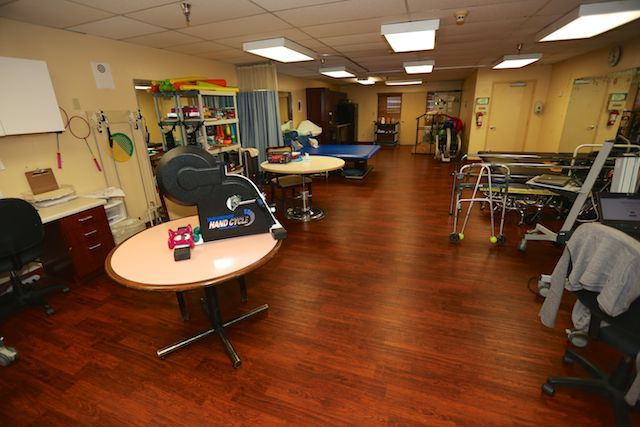
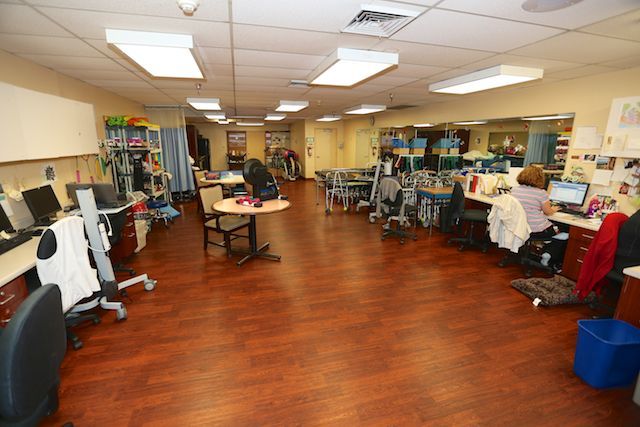
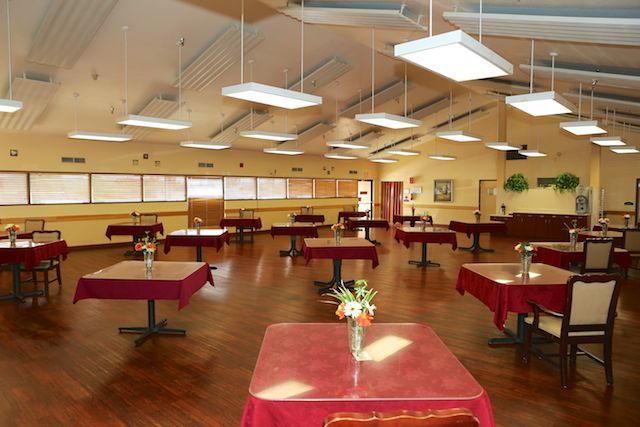
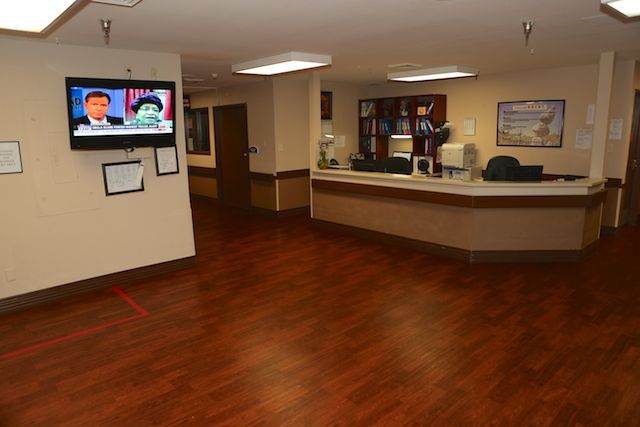
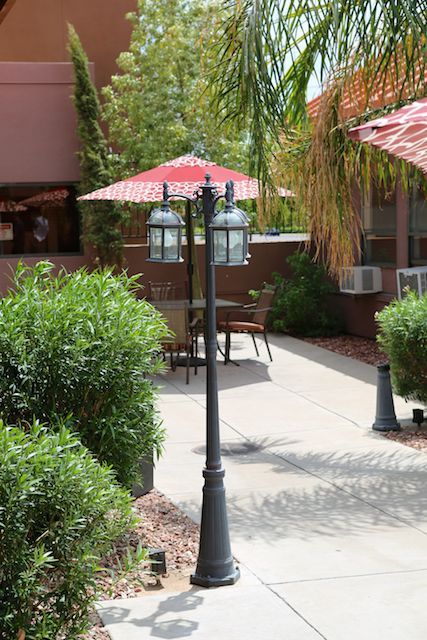
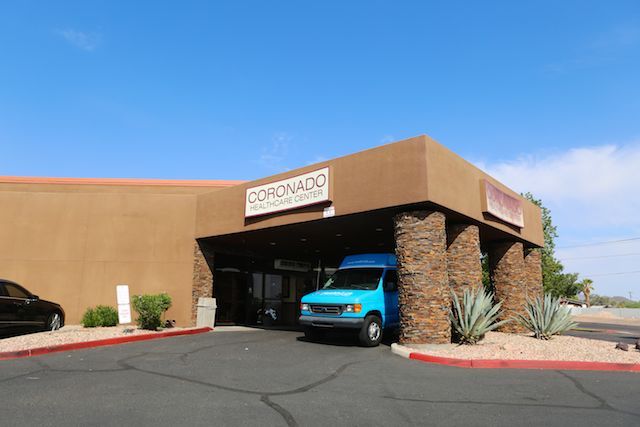
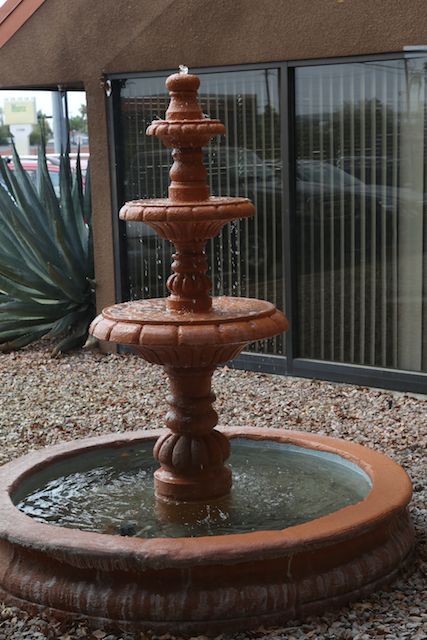
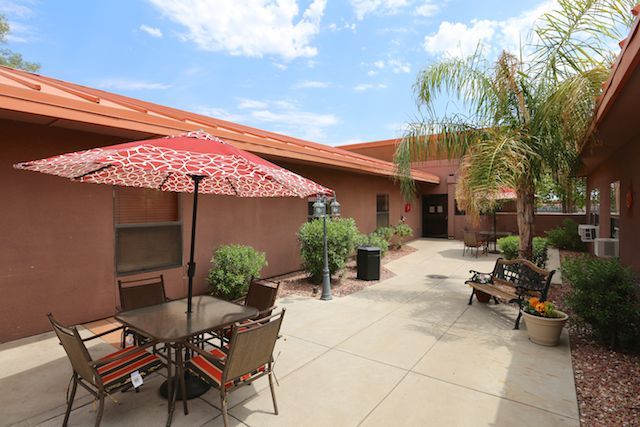
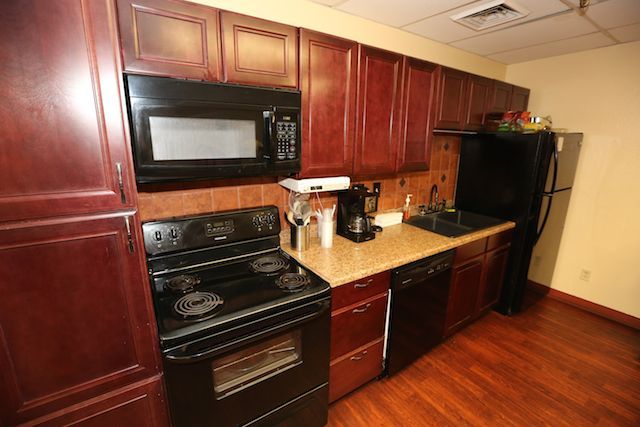
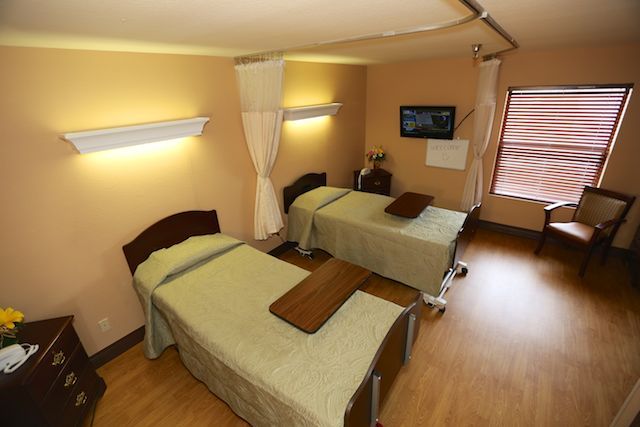
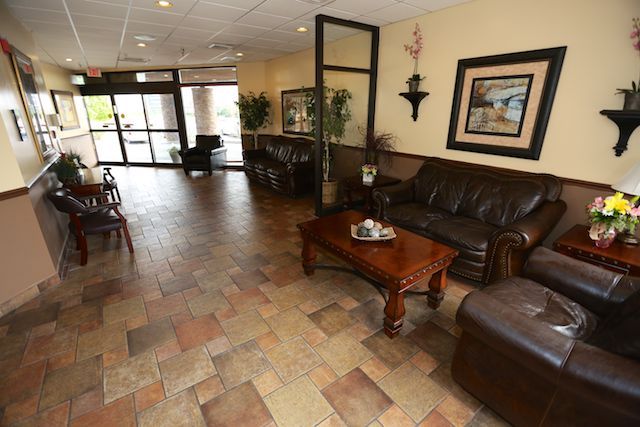
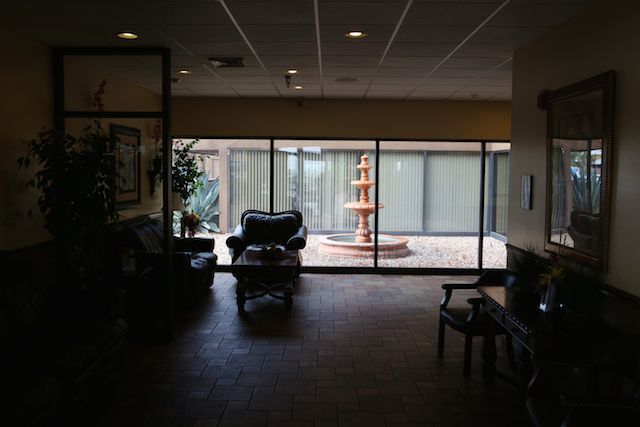
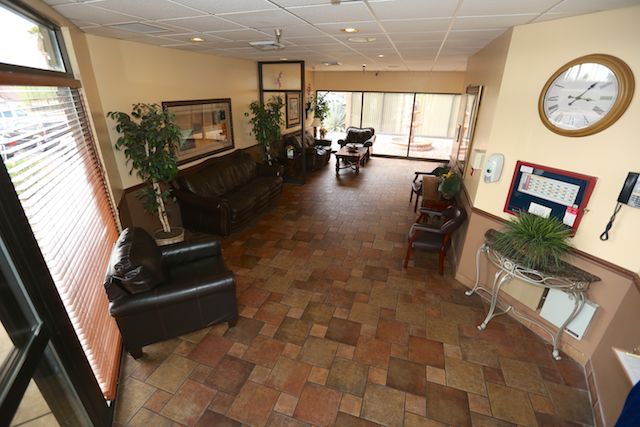
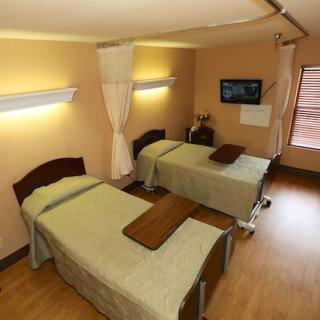
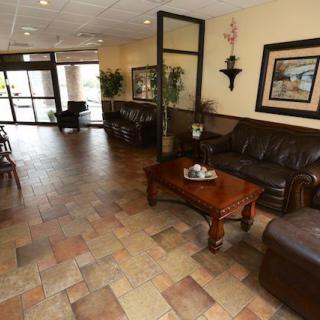
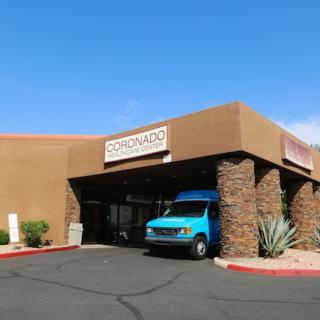
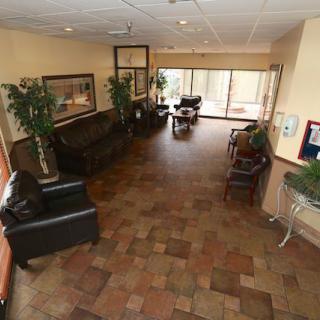
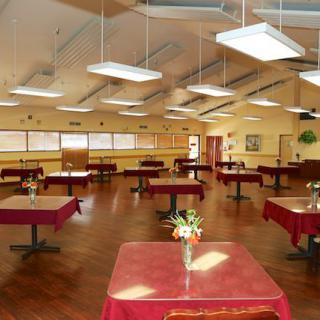
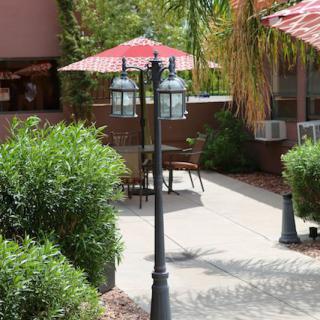
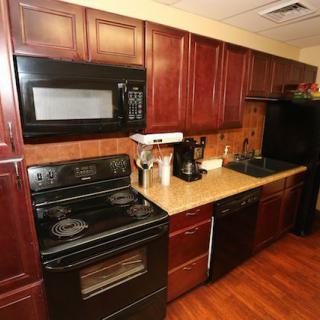
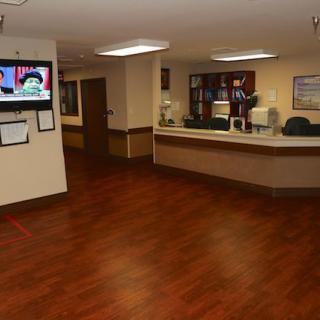
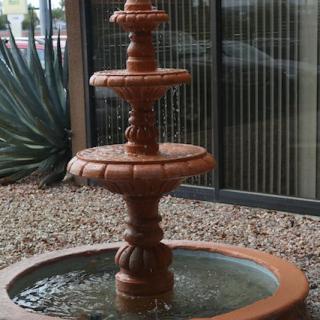
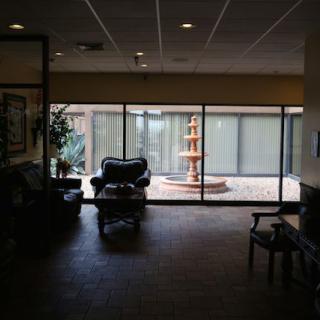
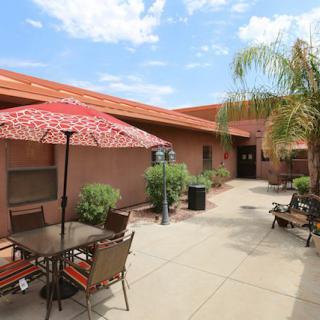
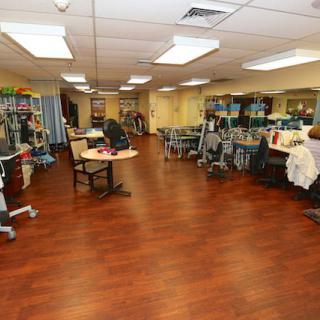
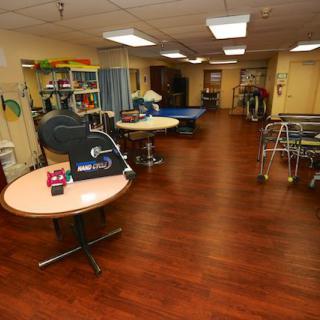
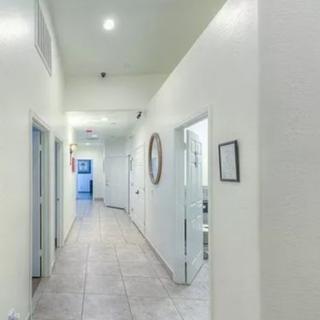
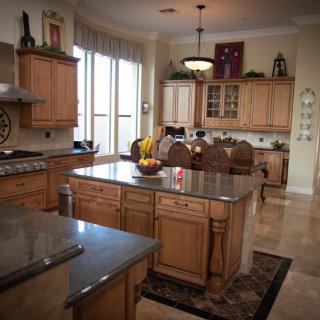
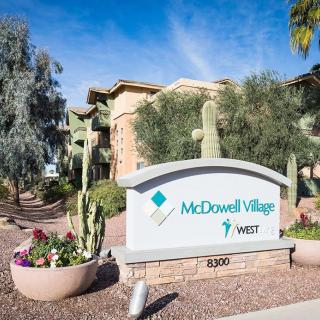
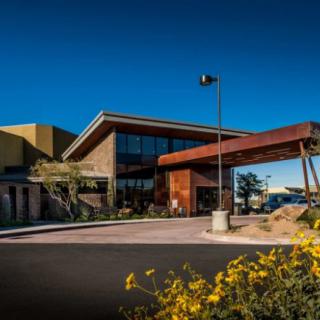
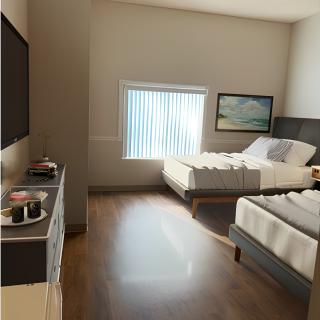
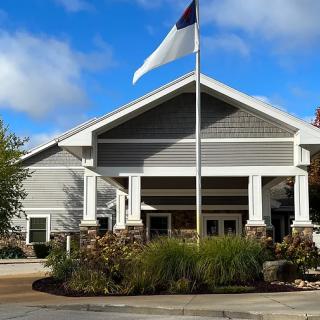
Coronado Care & Rehabilitation on seniors.fyi includes 15 photos including images showing interior, lobby, waiting area, therapy room, dining, fountain, decor, outdoor, and more.
Nearby Communities
Christian Care Manor II
Phoenix, AZ
4 from 1 review
24/7 supervision with respite care and restaurant-style dining.
Christian Care Manor
Phoenix, AZ
5 from 1 review
Caring, dedicated staff with engaging activities
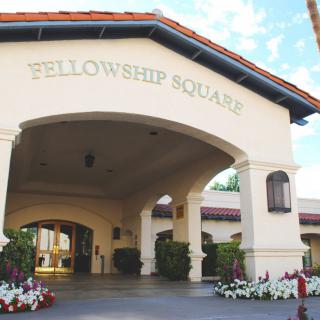
Fellowship Square Phoenix
Phoenix, AZ
4.5 from 128 reviews
$2,585 to $4,393 / month
Strong community with caring staff and spacious apartments; robust on-site amenities.
Christian Care Assisted Living
Phoenix, AZ
3.5 from 28 reviews
Comprehensive care options (memory care and skilled nursing) with 24-hour supervision and strong amenities.
Christian Care Nursing Center
Phoenix, AZ
3.6 from 38 reviews
Caring staff with engaging activities and a warm community.
Fellowship Square
Phoenix, AZ
4.2 from 78 reviews
Outstanding staff and an inviting, non-institutional campus with strong amenities.
Avista Senior Living North Mountain
Phoenix, AZ
4.5 from 143 reviews
$2,495 to $3,500 / month
Caring staff in a home-like setting with good dining.
White Violet Assisted Living Home
Phoenix, AZ
5 from 5 reviews
$2,500 to $3,500 / month
Competitive pricing with semi-private, private, and one-bedroom options plus comprehensive care services.
White Violet
Phoenix, AZ
5 from 6 reviews
24/7 supervision and ADL support with care coordination, plus furnished rooms and engaging activities.
Delirium is a rapidly onset, reversible cognitive disturbance often caused by acute medical issues, while dementia is a gradual and irreversible decline due to chronic neurodegenerative diseases. Accurate differentiation between the two is essential for appropriate treatment and management in older adults.
Dementia, including Alzheimer’s disease, is often mischaracterized in terms of lethality as it leads to complications that can be fatal rather than being a direct cause of death; it causes a progressive decline in cognitive and physical health, making patients vulnerable to infections and other health crises. Effective management of nutrition, hydration, and communication is crucial in patient care, with palliative care becoming vital in advanced stages to enhance comfort and quality of life while caregivers play a key role amidst the challenges posed by the disease.
Reminiscence therapy helps individuals with dementia recall past memories through structured discussions and meaningful objects, enhancing mood, relationships, and sense of identity while celebrating their lives. It can be practiced in formal settings or at home, requiring sensitivity to personal histories and cultural backgrounds.
Kitchen, Appliances, Cabinets, Oven, and Coffee Station
Lighting, Television, and Reception
Outdoor
Lobby
Exercise Equipment
Outdoor Seating, Palm Trees, Courtyard, and Building Exterior
Healthcare
Waiting Area
Rehabilitation
Fountain
Therapy Room
Water
Get PricingAsk A QuestionSchedule A TourContact Senior Advisor
By clicking submit, you agree to our Partner's Terms of Use. You
also consent to receive calls and texts, which may be autodialed, from our Partner. Your consent is not a condition to
using our Partner's service. Please visit our Partner's Privacy Policy for information about their privacy practices.


 191 resident community capacity
 Assisted Living
 Memory Care
 Skilled Nursing Facility
 Air-conditioning
 Beauty salon
 Cable or satellite TV
 Computer center
 Dining room
 Fitness room
 Fully furnished
 Gaming room
 Garden
 Housekeeping services
 Kitchenette
 Move-in coordination
 Outdoor space
 Private
 Private bathrooms
 Restaurant-style dining
 Small library
 Telephone
 Wellness center
 Wi-Fi/high-speed internet available
 Phoenix Sky Harbor International (12 miles away)
 Community operated transportation
 12-16 hour nursing
 24-hour call system
 Activities of daily living assistance
 Assistance with bathing
 Assistance with dressing
 Assistance with transfers
 Diabetes diet
 Medication management
 Mental wellness program
 Special dietary restrictions
 Transportation arrangement (medical)
 Concierge services
 Planned day trips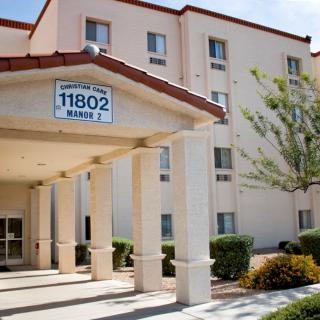
 24/7 supervision with respite care and restaurant-style dining.

 Delirium and Dementia: Unraveling the Key Differences
 Are Dementia and Alzheimer's Disease Lethal? A Comprehensive Exploration
 Exploring the Power of Reminiscence Therapy for Individuals With Dementia