

3702 W Cholla Street, Phoenix, AZ 85029
To contact a resident: (602) 903-8120
For more information about senior living options: (866) 208-4318
White Violet Assisted Living Home Costs & Pricing
White Violet Assisted Living Home offers competitive pricing compared to average costs in Maricopa County and the state of Arizona. For those seeking a semi-private room, residents at White Violet will pay $2,500 per month, significantly lower than the county average of $2,801 and the state average of $2,820. Private rooms are available for $3,000, which again undercuts both the county's $3,318 and the state's $3,345 averages. Additionally, for those preferring more space with a one-bedroom unit, White Violet's rate of $3,500 remains favorable when juxtaposed against Maricopa County's average of $3,473 and Arizona's statewide figure of $3,532. Overall, White Violet Assisted Living Home provides quality accommodation options with cost-effective rates that cater to various needs while maintaining affordability within the region.
| Floor plans | White Violet Assisted Living Home | Maricopa County | Arizona |
|---|---|---|---|
| Semi-Private | $2,500 | $2,801 | $2,820 |
| Private | $3,000 | $3,318 | $3,345 |
| 1 Bedroom | $3,500 | $3,473 | $3,532 |
Memory care communities with a similar price nearby
-
from -$100 / mo
Golden Touch One Adult Care Home
$2,400 to $5,800 / month24.4 miles away -
About the same
Anc Assisted Living Homes I
$2,500 to $3,500 / month18.4 miles away -
from +$200 / mo
Caring Hearts Senior Care
$2,700 to $3,500 / month15.0 miles away -
About the same
Northlands Assisted Living Home
$2,500 / month12.4 miles away -
from -$245 / mo

Windsor Luxury Assisted Living, LLC
$2,255 to $5,950 / month10.8 miles away
Overall Review of White Violet Assisted Living Home
Pros
 The dedicated owners have a great heart for serving seniors.
- It is an awesome place to go when bored.
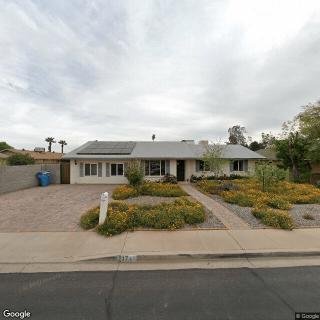
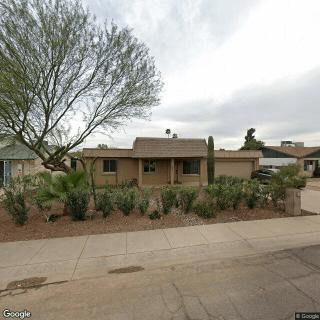
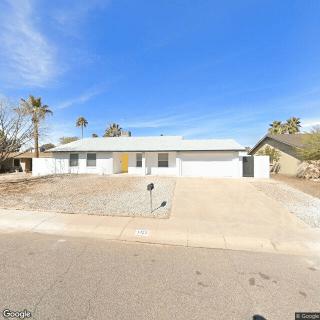
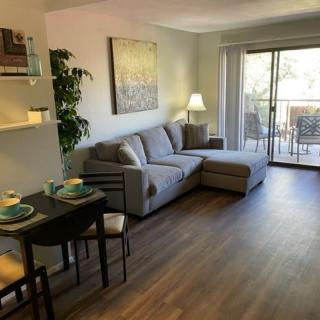
- The home is very lovely, spacious, and equipped with all-new furniture.
- The front porch and back patio are appealing features.
- The bathroom and kitchen look remodeled.
- The owner/manager is friendly and kind-hearted.
- Home-cooked meals offer a wonderful, inviting aroma.
- The place comes highly recommended to anyone.
Review
White Violet Assisted Living Home in Phoenix, AZ is best suited for seniors who value a small, home-like atmosphere where ownership is directly involved in daily life. The reviews paint a picture of a warmly run house with a personal touch: dedicated owners, a friendly manager, and a setting that feels more like a private residence than a campus. The interior cues reinforce this: spacious, newly furnished rooms, remodeled bathroom and kitchen areas, and inviting outdoor spaces, the front porch and back patio, that invite residents to linger and socialize. For families seeking intimate care without the bustle of a larger community, this home presents a natural fit, especially when the emphasis is on comfort, personal connection, and home-cooked meals that fill the house with appealing scents.
Those who may want to consider alternatives are families with higher needs for medical oversight, memory care, or a structured activity calendar delivered by a sizable care team. The reviews do not indicate a formal continuum of medical services or specialized dementia programming, and the small-house model can mean fewer on-site clinicians or more limited acuity capabilities than larger assisted living communities. For loved ones who require frequent skilled nursing, complex wound care, or intensive supervision, a larger facility with dedicated clinical staff and a broader menu of memory-care options should be evaluated as a prudent contrast.
The strongest pro-arguments hinge on personal attention and a lived-in sense of hospitality. The “dedicated owners who have a great heart for serving seniors” frame daily care as more than routine tasks; it becomes a daily commitment to comfort and dignity. The atmosphere is described as warm, with a manager who is “friendly and kind-hearted,” and a resident’s family member noting happiness and contentment during a stay that was brief by necessity. When combined with home-cooked meals, the carefully maintained spaces, and the charming porch and patio areas, these elements create a frictionless sense of safety and belonging. The lack of explicit drawbacks in the reviews is itself telling: the setting seems to deliver on emotional and social warmth, as well as physical comfort.
Operationally, the setting appears to harmonize social life with practical convenience. The remodeled kitchen and bathroom signal attention to daily living safety and aesthetics, while the all-new furniture augments comfort and ease of movement. The home’s size fosters meaningful interactions among residents and staff, which often translates into quicker responses and more personalized routines. For a family prioritizing companionship, gentle routines, and predictable daily rhythms, these factors collectively compensate for the absence of a larger activity machine or formal program schedule typical of bigger communities.
Visitors should approach a tour with a clear set of observations and questions. Inquire about staffing levels and how care plans are coordinated, especially for meals, medications, and mobility assistance. Request a sample daily schedule to gauge activity breadth and times when residents are encouraged to engage or rest. Ask about meal specifics, menus, diet accommodations, and how home-cooked meals are prepared and served. Clarify what happens during emergencies and how outside medical providers integrate with on-site staff. Observing resident interaction during a visit, noting the responsiveness of caregivers, and assessing how personal preferences are accommodated will offer a grounded sense of fit.
In sum, White Violet Assisted Living Home stands out for families seeking a warm, intimate, owner-led environment where comfort, home-style dining, and social spaces converge into a nurturing day-to-day experience. It excels at delivering personalized attention, a family-like vibe, and a setting that prioritizes dignity and happiness in late-life living. Those whose loved ones require more intensive medical oversight, or who crave the breadth of services offered by a larger campus, should evaluate alternatives with robust clinical staffing and memory-care options. For the right audience, this Phoenix home offers a practical, candid match between heart-led care and everyday livability.
 Board and Care Home
 Day Program
 Memory Care
 Private
 Phoenix Sky Harbor International (13 miles away)
 Ambulatory care
 Diabetic care
 High acuity care
 Incontinence care


 Comprehending Evening Confusion in Dementia: Causes, Manifestations, and Support
 Delirium and Dementia: Unraveling the Key Differences
 Are Dementia and Alzheimer's Disease Lethal? A Comprehensive Exploration