

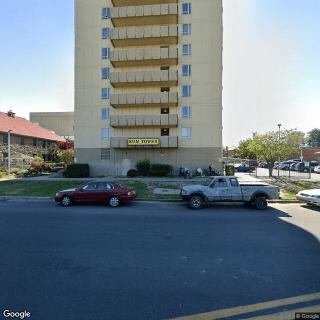
206 S 10th Ave, Yakima, WA 98902
To contact a resident: (509) 453-4854
For more information about senior living options: (866) 208-4318
Overall Review of Memorial's Garden Village
Pros
 The nursing home is described as having truly amazing employees, and the residents are a pleasure to be with, making every day enjoyable.
- The staff have literally saved the residents' lives, showing dedication and compassionate care.
- The memory care unit is clean, odor-free, and spacious, providing a safe environment for individuals with dementia.
- Delores, the activities director, is a gem who helps residents stay engaged and connected with their families.
- The memory care staff treat residents like family and communicate well with families about care updates.
- The facility is highly focused on safety, creating a secure environment for loved ones to live.
- The care team is welcoming and caring, fostering a peaceful atmosphere where residents feel respected and valued.
Cons
 The facility has been described as the second-worst experience the family endured, with personal belongings lost and false and misleading reports allegedly written.
- The reviewers claim that loved ones suffered neglect and a complete lack of proper care.
- They urge that the facility should be held accountable and that families look elsewhere due to safety and dignity concerns.
- The place is labeled as evil, with allegations that a loved one deteriorated rapidly in care.
- A patient was placed on a broken bed and denied medications that came from the hospital.
- The staff are described as not caring, not ensuring basic needs are met, and failing to provide therapies.
- There are reports of urine and blood stains on bed sheets that were never changed, and patients not being seen by nurses.
- Patients are said to be ignored while workers are cold and rude, with calls for the facility to be closed down.
- The environment is described as smelling horrible with terrible food, indicating neglectful conditions.
Review
Memorial’s Garden Village in Yakima is best suited for families who can stay actively involved and who prize a home-like, personally attentive atmosphere when caregiving is consistent. The community shows real potential in memory-care settings where dedicated staff can deliver genuine warmth and daily interaction, but that care only holds if staffing remains stable and families are vigilant. This is not a set-it-and-forget-it option; outcomes hinge on ongoing oversight and the ability to intervene quickly when concerns arise. For families unable to supervise care closely or who require unwavering reliability across all shifts and units, this is a high‑risk choice that should push toward exploring firmer alternatives.
The facility’s overall 3.1 rating from 23 reviews flags a landscape of sharply divided experiences. Some families describe heartfelt staff, thoughtful communication, and clean, well-managed spaces, especially within memory-care environments. Others recount lost belongings, inconsistent therapies, medication gaps, and overt safety concerns. That split matters: it means the same community can feel like a haven to some and a danger to others, depending on the unit, shift, and staff coverage at any given time. For decision-makers, this translates into a need for extreme diligence, visits, conversations with multiple staff across shifts, and hard questions about standard operating procedures.
On balance, the most credible pros center on human connection and unit-specific strengths. Where staff are present and engaged, residents are treated with dignity, safety protocols are emphasized, and families report meaningful communication about medical updates. In some accounts, residents enjoy robust activities, compassionate care, and food quality that feels restaurant-worthy. These positives illustrate that Garden Village can deliver the level of attention families seek, and that some teams genuinely go above and beyond. However, these accomplishments are not universal; the same voice can flip to condemn the care in other wings, underscoring instability rather than consistency as the facility’s defining trait.
That instability is the core risk. The same reviews that praise heart and care also describe water shortages, unaddressed injuries, and sentient concerns about how quickly therapies reach residents. Several families feel truthfulness and transparency are lacking, with reports of poor sheet cleanliness, neglected personal needs, and fear for a resident’s safety. The tension between a few standout staff experiences and a broader chorus of red flags makes it clear: the facility’s capacity to meet basic standards is uneven, and that variance is what ultimately shapes outcomes for residents.
For families moving forward, a practical, disciplined evaluation plan matters more than a hopeful impression. Schedule multiple, unannounced visits at different times, speak with frontline aides and charge nurses, and demand access to ongoing care plans, daily nursing notes, and incident histories. Verify therapy schedules, wound-care protocols, hydration and nutrition oversight, and fall-prevention practices. Request unit-specific staffing data, turnover rates, and clear commitments for consistent therapy delivery. If proceeding, anchor the choice to a unit with demonstrated stability, and insist on quarterly reviews with explicit escalation steps if care deteriorates.
Ultimately, Garden Village can be a viable option for those who can couple genuine advocacy with disciplined oversight and a willingness to move quickly if red flags reemerge. For families unable to maintain that level of vigilance, or for residents who require unwavering, uniform care across all shifts, stronger alternatives with proven reliability are advisable. The decision should hinge on the ability to secure consistent staffing, transparent communication, and a clear, enforceable plan for daily care, nutrition, and therapies. In the end, the safest path balances a realistic acceptance of the facility’s strengths with a hard-edge commitment to accountability, ensuring a loved one receives dignified, dependable care every day.
 Independent Living







 6 Crucial Ways an Elder Law Attorney Assists Families
 Navigating the Tax Landscape of Caregiving: Credits, Deductions, and Beyond
 Highly Beneficial Low-Impact Exercises for Senior Living Residents