
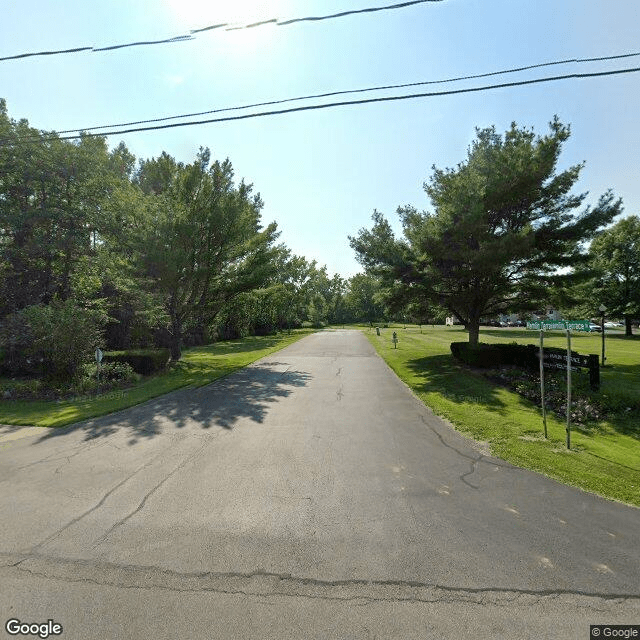
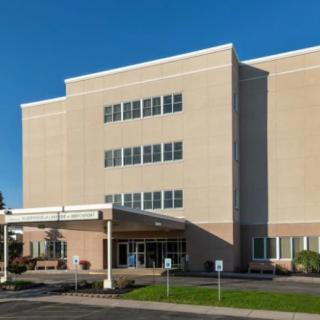
150 Hamlin Terrace Dr, Hamlin, NY 14464
To contact a resident: (716) 964-2157
For more information about senior living options: (866) 208-4318
Hamlin Terrace Apartments Costs & Pricing
Hamlin Terrace Apartments offers a range of competitive rental prices that stand out when compared to both Orleans County and the broader context of New York state. For example, a one-bedroom unit at Hamlin Terrace is priced at $1,885, which is significantly lower than the county average of $3,062 and even more favorable compared to the state's average rent of $4,307. The studio apartments also present a compelling choice at $2,253, undercutting the county's average of $2,568 and offering substantial savings relative to the state's average of $4,532. Interestingly, two-bedroom units are priced at $3,523 - slightly above the Orleans County average of $2,562 but still a considerable reduction from New York's state-wide figure of $4,786. Overall, Hamlin Terrace Apartments provides an attractive option for renters seeking quality living spaces without straining their budgets excessively in comparison to regional norms.
| Floor plans | Hamlin Terrace Apartments | Orleans County | New York |
|---|---|---|---|
| 1 Bedroom | $1,885 | $3,062 | $4,307 |
| Studio | $2,253 | $2,568 | $4,532 |
| 2 Bedrooms | $3,523 | $2,562 | $4,786 |
Independent Living communities with a similar price nearby
-
from -$115 / mo
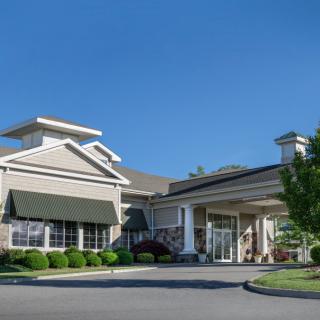
Legacy at Parklands
$1,770 to $3,170 / month16.4 miles away -
from -$290 / mo
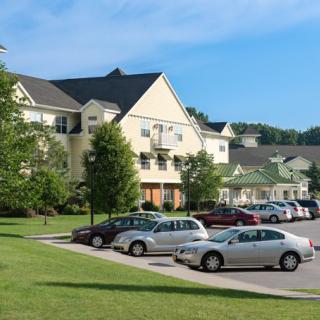
Legacy at Clover Blossom
$1,595 to $2,795 / month22.5 miles away -
from -$90 / mo
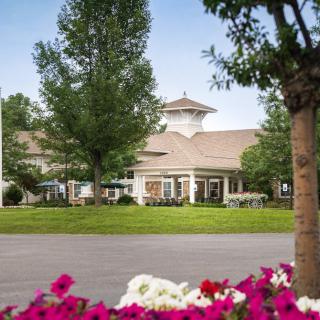
Legacy at Park Crescent
$1,795 to $3,095 / month14.8 miles away -
About the same
Holiday Fleming Point
$1,879 to $3,229 / month15.2 miles away -
from +$195 / mo
Valley Manor
$2,080 to $2,840 / month21.4 miles away
Overall Review of Hamlin Terrace Apartments
Cons
 They report drugs and theft of Amazon and other packages on a regular basis.
- They describe troublesome tenants who never seem to be evicted.
- They warn that non-smokers should avoid it, as rampant cigarette smoking is everywhere and management does nothing about it.
- They call it the bottom-of-the-barrel apartment complex.
- They note there are no amenities and privacy is at a premium.
- They suggest avoiding it if possible.
Review
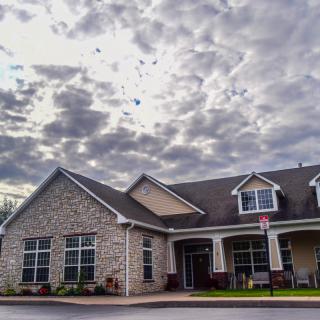
Hamlin Terrace Apartments is best suited for a very specific and limited niche: seniors who must keep housing costs to an absolute minimum and who can tolerate a high-tension environment with little reassurance from management. The information available paints a picture of a property where illegal activity and disruptive tenants are recurring, and where there is scant indication of proactive enforcement. For non-smokers, this is particularly problematic, given pervasive cigarette smoking and the managers’ apparent reluctance to intervene. Privacy is sparse, and the setting feels more like a rough-edged rental complex than a resident-centered community. In short, this is a budget housing option that comes with pronounced caveats and a risk profile that will unsettles those who expect a safe, serene, and predictable living space. It is not a fit for anyone seeking stability, privacy, or a sense of belonging that comes from well-managed senior living.
Those considering alternatives should be deliberate about needs that Hamlin Terrace cannot reasonably meet. If safety, clear rules, and timely enforcement matter, this property should not be the first stop. Seniors with health concerns, mobility limits, or cognitive needs will fare better in communities that offer trained staff, routine oversight, and structured support services. Families should prefer environments with dedicated on-site management, visible resident advocacy, and predictable responses to problems. Non-smokers or households sensitive to tobacco smoke will find the environment particularly challenging and should look for settings with strict no-smoking policies and affirmative enforcement. For anyone hoping to enjoy social programming, organized activities, or access to shared amenities, the search should move to properties that actively cultivate a safe, communal atmosphere rather than leaving residents to fend for themselves.
The few potential positives that could be imagined, such as low operating costs by offering a bare-bones setup, do not meaningfully offset the core drawbacks. Without amenities or community spaces to foster connection, there is little to redeem the experience for seniors who rely on a little convenience and a sense of routine to stay engaged. The lack of on-site services or organized events means fewer opportunities to build informal support networks, which are crucial for wellbeing in later years. When coupled with frequent safety concerns and a management posture that appears nonresponsive, the minimal “savings” quickly evaporate in the face of elevated risk and diminished quality of life. In effect, the few identifiable advantages are overshadowed by the overwhelming downsides.
From an operational standpoint, the most troubling elements are the ones that directly affect daily safety and peace of mind. Reports of package theft, drug activity, and troublesome tenants that are not evicted point to a culture of lax enforcement and a tenuous sense of security. The ubiquity of cigarette smoking and the lack of management intervention create ongoing health and comfort challenges for residents. These dynamics translate into practical consequences: increased stress, potential financial loss from missing deliveries, elevated risk of harm, and a pervasive sense that the property does not prioritize resident well-being. In a setting where aging residents deserve predictable routines, reliable maintenance, and clear boundaries, these patterns effectively erode trust and diminish the appeal of any living arrangement.
Prospective residents can navigate this decision with a clear checklist of steps that separate workable options from risky ones. Begin by evaluating safety and enforcement: ask for concrete policies on eviction timelines for disruptive tenants, smoking restrictions, and delivery protection. Schedule multiple tours at different times to observe noise levels, neighbor interactions, and responsiveness of management. Speak with current residents about how often issues are addressed and how maintenance requests are handled. Verify proximity to essential services, hospitals, pharmacies, grocery stores, and confirm whether transportation or housekeeping support is available if health declines. Request a tour of any advertised amenities, and scrutinize whether their absence is compensated by elsewhere in the building or nearby. Finally, compare this property with other senior-oriented communities that actively market safety features, resident programming, and a track record of responsive, resident-focused management.
Bottom line: Hamlin Terrace Apartments does not present a strong option for seniors who value safety, privacy, and a peaceful, predictable living environment. The combination of ongoing safety concerns, lack of enforcement, and absence of meaningful amenities creates a package that most families will want to replace with alternatives. Those prioritizing cost should still seek out communities that balance affordability with solid management, clear resident protections, and actual opportunities for social connection and support. For families evaluating options, the prudent move is to focus on mid-range to affordable senior housing that guarantees resident advocacy, proactive problem-solving, and a secure atmosphere, rather than a low-cost unit where risks undermine daily living and long-term well-being.
 Independent Living
 Greater Rochester International (18 miles away)
 Friendly, caring staff in a clean, welcoming environment with engaging memory care activities.

 Comprehensive Exploration of Living Wills and Other Advance Directives
 A Detailed Exploration of Living Wills and Advance Directives
 Comprehensive Guide to Medicare Coverage for Hospice Care