For more information about senior living options: (866) 208-4318
3.8 from 60 reviews
5 stars
28
4 stars
13
3 stars
8
2 stars
3
1 stars
8
Gardens at Town Center Costs & Pricing
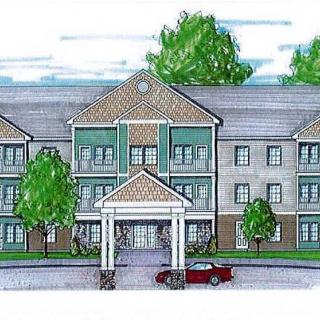
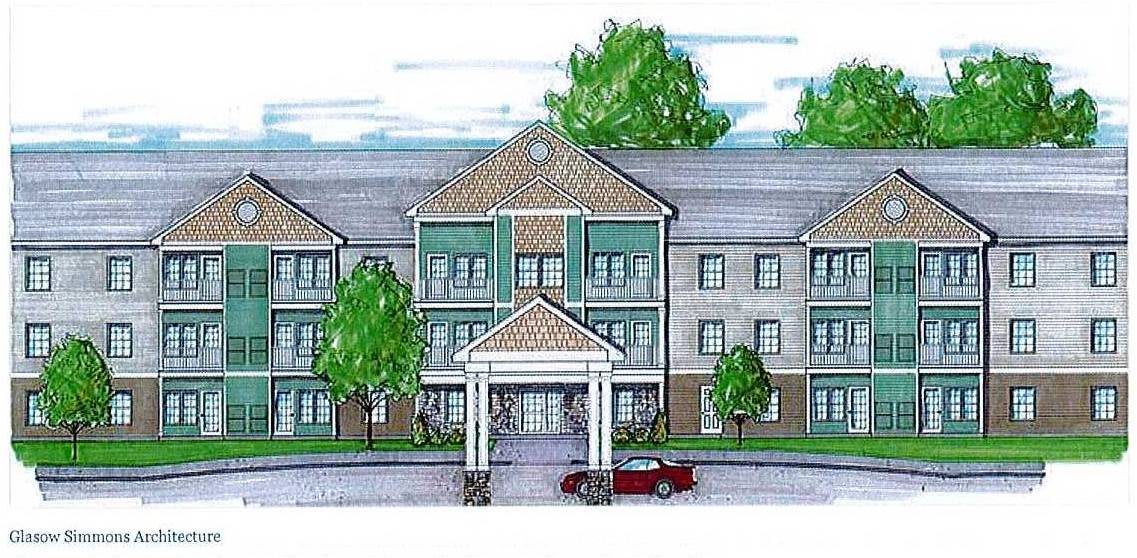
Gardens at Town Center offers an attractive option for those seeking affordable housing, particularly when compared to the average costs in Monroe County and the broader state of New York. For a one-bedroom unit, residents can enjoy a monthly rate of $772, which significantly undercuts both Monroe County's average of $2,907 and New York State's median of $4,307. Similarly, the two-bedroom units at Gardens at Town Center are priced at $927 - again, considerably lower than the county's average of $3,300 and the state's higher standard of $4,786. This notable price difference highlights Gardens at Town Center as a compelling choice for individuals and families looking for quality living without stretching their budgets too thin.
Floor plans
Gardens at Town Center
Monroe County
New York
1 Bedroom
$772
$2,907
$4,307
2 Bedrooms
$927
$3,300
$4,786
Senior living communities with a similar price nearby
from -$54 / mo
College Greene Senior Apartments
4.4 from 20 reviews
$718 to $830 / month
10.3 miles away
from +$78 / mo
Heritage Manor of Le Roy
4.2 from 42 reviews
$850 / month
23.3 miles away
from +$47 / mo
The Gardens
4.6 from 5 reviews
$819 / month
20.3 miles away
Overall Review of Gardens at Town Center
common19 reviews mention this
Friendly staff and helpful office
Residents frequently describe the staff as friendly and helpful.
A large share of reviewers mention staff members who are approachable, responsive, and willing to help with day-to-day needs and questions. Multiple residents also point to specific leaders and office staff as professional and caring, including during transitions and ongoing concerns. A smaller set of reviewers are unhappy with management responsiveness or communication, but even those mentions are rooted in staff handling and follow-through.
common8 reviews mention this
Plenty of resident activities
The community keeps residents busy with regular activities.
Reviews describe frequent options such as bingo, card and board games, and exercise opportunities, plus events scheduled on an ongoing basis. Some residents highlight daily or weekly programming and resident-run events that helped them make friends. A few reviewers criticize cliques at activities and say it can be hard for new people to socialize, which is part of the activity experience for them.
common5 reviews mention this
Clean, updated apartments
Many residents say the apartments are clean and well kept.
Several reviewers comment on cleanliness and the overall feel of the apartments, including that units are kept up and look modern. Others describe apartments as bright and comfortable, and at least a few mention features like in-unit laundry hookups. Some opposing reviews describe issues like cleanliness problems and pests, so upkeep is not consistently described across all experiences.
caveat5 reviews mention this
Rent changes and added charges
Some residents report unexpected rent changes and extra charges.
A recurring concern in the reviews involves rent amounts shifting from what was quoted, including situations where a unit price increased after paperwork or housing processing. Others mention being billed for things like cable and electricity after signing, and at least one reviewer describes disputes involving security deposit withholdings. These comments frame affordability and transparency as a key worry for some residents.
caveat4 reviews mention this
Maintenance and safety can slip
Safety and maintenance concerns come up in multiple reviews.
Some reviewers describe problems that affect daily safety, including winter walkway conditions and concerns about how parking lots and sidewalks are maintained. Others mention larger maintenance breakdowns or upkeep issues, such as recurring refuse removal problems, building damage after pipe bursts, and cleanliness issues tied to pests and garbage areas. A few also tie their concerns to communication and staffing consistency, which they say impacts how issues get resolved.
How we summarize
Counts show how many written reviews mention each theme; a review can touch several themes, and only frequently mentioned themes are displayed.
Features
Types of Care
Active Adult Communities (55+)
Pets
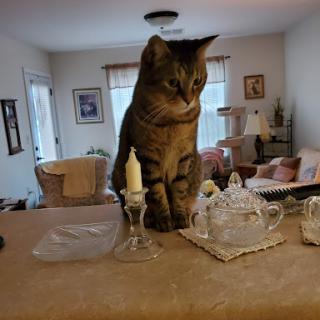
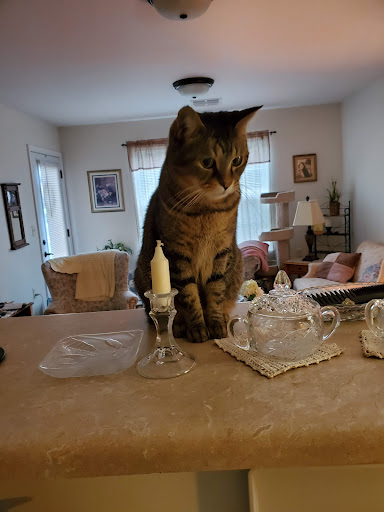
Cats allowed
Dogs allowed
Amenities
Activities on-site
Air-conditioning
Bath tubs
Devotional services off-site
Devotional services on-site
Full kitchen
Ground floor units
Handicap accessible
Indoor common areas
Outdoor common areas
Wheelchair accessible showers
Transportation
Greater Rochester International (9 miles away)
Activities
Activities on-site
Devotional activities offsite
Devotional activities on-site
Holiday parties
Nearby Places of Interest
This area of Rochester, New York, offers a convenient and diverse range of amenities for senior living. With several cafes nearby such as Tim Hortons and Oriens Cafe, you can enjoy a variety of dining options within a short distance. There are also pharmacies like Wegmans and CVS Pharmacy in close proximity for easy access to medications and healthcare products. Parks such as Basil A. Marella Park and Ontario Beach Park provide beautiful outdoor spaces for relaxation and recreation. Additionally, there are reputable physicians and hospitals like Unity Hospital and Strong Memorial Hospital nearby for comprehensive medical care. The availability of transportation options like Amtrak ensures easy access to travel opportunities. Overall, this area of Rochester combines convenience, healthcare accessibility, and recreational opportunities making it a desirable location for senior living.
Cafes
Tim Hortons (0.4 miles)
Oriens Cafe (1.9 miles)
New Roots Coffee House (2.9 miles)
Starbucks (7.6 miles)
1872 Cafe (7.6 miles)
Java's Cafe (7.9 miles)
Ugly Duck Coffee (8 miles)
Pharmacies
Wegmans (0.4 miles)
CVS Pharmacy (0.9 miles)
Faris Pharmacy (1.3 miles)
Wegmans (2.3 miles)
CVS Pharmacy (2.4 miles)
Top's Markets (2.5 miles)
Walgreens (2.5 miles)
Parks
Basil A. Marella Park (1.3 miles)
Ontario Beach Park (4.3 miles)
Bristol Play Area (5.1 miles)
Seneca Park (5.3 miles)
Martin Luther King Jr Memorial Park at Manhattan Square (8.1 miles)
Restaurants
Bill Gray's (1.3 miles)
McDonald's (2.5 miles)
Wendy's (2.9 miles)
McDonald's (2.9 miles)
Chick-Fil-A (3 miles)
Blue Ridge Grill (3 miles)
Brook House (3.1 miles)
Places of Worship
Hope Lutheran Church (1.4 miles)
St Lawrence Church (2.6 miles)
Greece Baptist Church (2.7 miles)
St John the Evangelist Religious Shop (6.9 miles)
Physicians
Parkway Pediatrics & Adolescent Medicine (1.5 miles)
Rochester Regional Health Laboratories (1.7 miles)
Gardens at Town Center offers an attractive option for those seeking affordable housing, particularly when compared to the average costs in Monroe County and the broader state of New York. For a one-bedroom unit, residents can enjoy a monthly rate of $772, which significantly undercuts both Monroe County's average of $2,907 and New York State's median of $4,307. Similarly, the two-bedroom units at Gardens at Town Center are priced at $927 - again, considerably lower than the county's average of $3,300 and the state's higher standard of $4,786. This notable price difference highlights Gardens at Town Center as a compelling choice for individuals and families looking for quality living without stretching their budgets too thin.
Home health care aides provide vital medical and non-medical support to individuals at home, assisting with daily living activities and promoting emotional well-being, while the demand for these services increases due to an aging population. Families benefit from in-home care's flexibility and cost-effectiveness but face challenges like scheduling consistency and caregiver turnover.
Older adults with urinary tract infections (UTIs) often present atypical symptoms, complicating diagnosis due to factors like incomplete bladder emptying and chronic health conditions that increase their susceptibility. Effective management involves prompt treatment with antibiotics, hydration, and preventive strategies while minimizing antibiotic resistance and focusing on holistic care approaches.
California's Form 602A is a vital tool for evaluating the health needs of seniors seeking residential care, detailing their medical conditions and daily living requirements to ensure proper service alignment. This standardized form enhances communication among physicians, families, and facilities, serving as a regulatory measure for admissions and ongoing care while adapting to changing healthcare practices.
Get PricingAsk A QuestionSchedule A TourContact Senior Advisor
By clicking submit, you agree to our Partner's Terms of Use. You
also consent to receive calls and texts, which may be autodialed, from our Partner. Your consent is not a condition to
using our Partner's service. Please visit our Partner's Privacy Policy for information about their privacy practices.

 Active Adult Communities (55+)
 Cats allowed
 Dogs allowed
 Activities on-site
 Air-conditioning
 Bath tubs
 Devotional services off-site
 Full kitchen
 Ground floor units
 Handicap accessible
 Indoor common areas
 Outdoor common areas
 Wheelchair accessible showers
 Greater Rochester International (9 miles away)
 Holiday parties
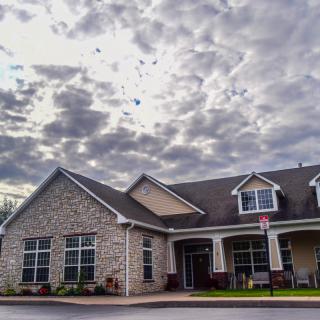
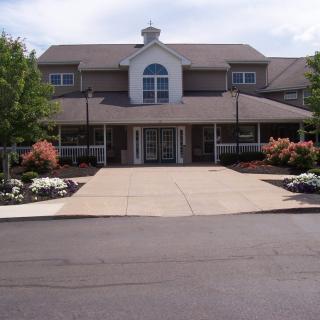
 Engaged, friendly staff in a bright, home-like setting with chef-prepared meals and active social options.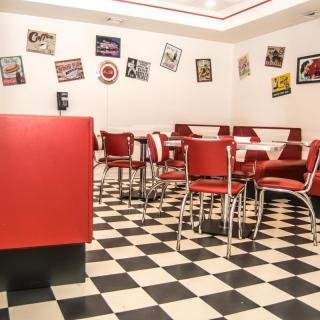
 Home Health Care Aides: Understanding Their Role and Supporting Your Family
 Urinary Tract Infections in Older Adults: Comprehensive Insights on Symptoms, Treatment, and Prevention
 California's Form 602A: An In-Depth Examination of Senior Care Assessment