

401 West Western Ave 1345, Avendale, AZ 85323
To contact a resident: (623) 383-1479
For more information about senior living options: (866) 208-4318
Harmony Assisted Living Costs & Pricing
Harmony Assisted Living offers a range of accommodations that are priced above the average for both Maricopa County and the broader Arizona state. For semi-private rooms, residents can expect to pay $3,514 monthly, which is significantly higher than the county's average of $2,801 and the statewide figure of $2,820. Private room options at Harmony are similarly elevated at $4,216, compared to Maricopa County's average of $3,318 and an Arizona average of $3,345. While these costs reflect a premium pricing structure, they may also indicate enhanced services or amenities provided by Harmony Assisted Living that aim to justify the investment in care and quality of life for its residents.
| Floor plans | Harmony Assisted Living | Maricopa County | Arizona |
|---|---|---|---|
| Semi-Private | $3,514 | $2,801 | $2,820 |
| Private | $4,216 | $3,318 | $3,345 |
Independent Living communities with a similar price nearby
-
from -$290 / mo

Arrowhead Valley Retirement Resort
$3,224 to $4,261 / month17.4 miles away -
from -$114 / mo

The Park at Surprise
$3,400 to $5,900 / month14.9 miles away -
from -$114 / mo
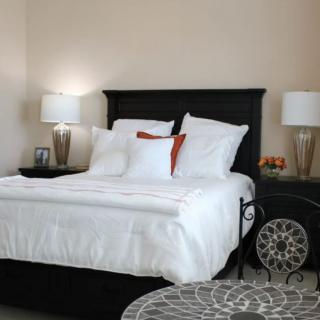
Orchard Pointe at Terrazza
$3,400 to $5,575 / month20.9 miles away -
from -$589 / mo
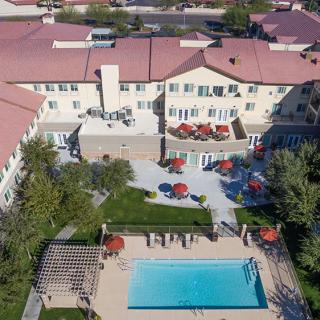
Mountain Park Senior Living
$2,925 to $5,050 / month22.4 miles away -
About the same
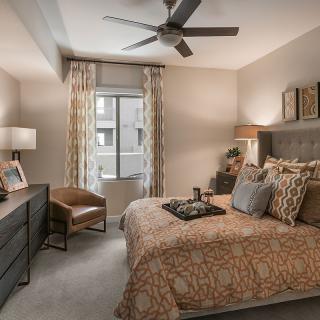
Inspira Arrowhead
$3,595 to $6,200 / month17.7 miles away
Overall Review of Harmony Assisted Living
Pros
 The care home is beautiful and clean, with excellent, friendly care from the owner and staff.
- Rhoda has a truly caring heart, is an excellent cook, and provides loving, skilled care.
- The home feels like a real home, not just a care facility.
- Rhoda is awesome and trustworthy.
- Rhoda is friendly and engaging with residents, while keeping the home clean and orderly.
- Families feel at ease knowing their loved ones are well cared for by Rhoda over many years.
Review
Harmony Assisted Living in Avendale, AZ is best suited for seniors who want a warm, home-like setting where care feels deeply personal and consistently nurturing. The standout strength is the hands-on leadership of Rhoda, the owner, whose daily routines, cleanliness, home-cooked meals, and attentive caregiving, cultivate a family atmosphere. Residents appear to stay for years, reinforcing trust and stability for families seeking a long-term, predictable living arrangement rather than a clinical or impersonal setting. This is a place where care feels automatic and relational, not transactional.
Those who may want to consider alternatives include families whose loved one requires higher levels of medical supervision or memory-care programming. The reviews emphasize kindness, skill, and personal touch more than hospital-level medical resources or formalized memory-care tracks. For residents needing frequent on-site nursing, complex wound care, or a broad schedule of therapeutic activities, Harmony’s intimate, home-style model may feel undersized. Larger facilities with formal nursing teams and structured memory-care options could better meet those intensifying needs.
The strongest pros are unmistakable: a remarkably personal touch delivered with consistency, a genuinely homey environment, and strong trust built through long-standing relationships. Rhoda’s ability to combine superb cooking, careful attention to nutrition, and patient, affectionate caregiving translates into emotional security and practical daily support. Cleanliness and organization augment this sense of safety, while the caregiver’s dedication often stands in for the absence of a clinical milieu. In short, residents experience dignified, comfortable days anchored in dependable, heartfelt care.
Where potential downsides might lurk in other settings, Harmony’s model has to acknowledge limits that aren’t highlighted in the reviews. There’s no explicit mention of on-site skilled nursing, aggressive medical programming, or formal memory-care infrastructure. That absence isn’t a flaw so much as a clarifying factor: the setting excels at daily living support and relational care but may not satisfy families seeking rapid medical intervention or specialized cognitive-care pathways. Additionally, the intimate setup can place a lot of responsibility on a single lead caregiver; if Rhoda were unexpectedly unavailable, coverage gaps could emerge, particularly for residents requiring more hands-on supervision.
Despite those caveats, the rewards of Harmony’s approach often outweigh the trade-offs. The emotional ease that comes from choosing a place where staff know residents’ preferences, histories, and routines is substantial, reducing anxiety during transitions and ongoing caregiving decisions. The stability of long-tenured relationships, the consistent nutrition-focused approach, and the home-like culture collectively sustain quality of life in ways that highly clinical environments sometimes struggle to match. For families prioritizing dignity, warmth, and a sense of belonging, Harmony delivers a compelling, practical value proposition.
Decision guidance follows a clear path. Harmony is a strong fit for seniors who want an intimate, home-like setting with an owner-operator who treats residents like family and who delivers continuity over novelty. Families should consider alternatives if medical acuity rises, memory-care needs become central, or a broader program of structured activities and nursing oversight is essential. Before choosing, arrange a thorough visit, probe staff coverage and ratios, and ask how emergencies are managed when the primary caregiver is unavailable. With these checks, Harmony stands out as a trustworthy, heart-forward option that makes caregiving feel personal, stable, and genuinely well-tuned to daily living.
 Independent Living
 Phoenix Sky Harbor International (20 miles away)






 Financing Long-Term Nursing Home Care Through Social Security: A Thorough Exploration
 Essential Knowledge on Pneumonia in Older Adults
 Exploring Palliative Care in the Home: A Comprehensive Overview