
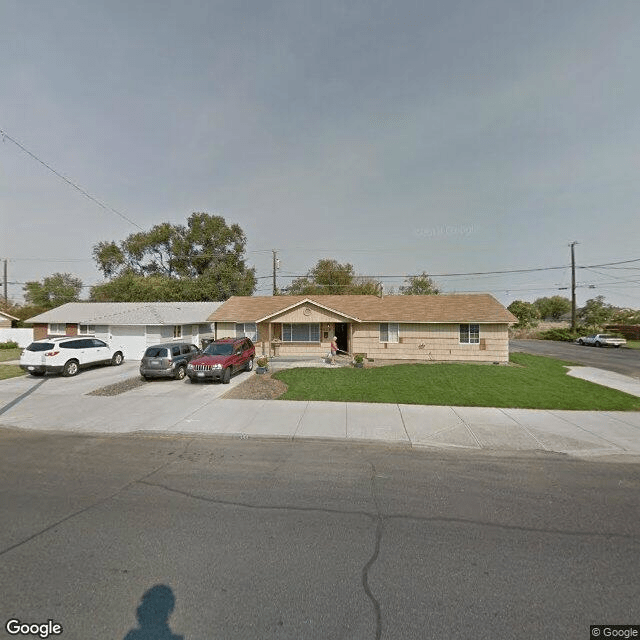
448 Sharon Ave E, Moses Lake, WA 98837
To contact a resident: (509) 766-2410
For more information about senior living options: (866) 208-4318
K D's Adult Family Home Care Costs & Pricing
K D's Adult Family Home Care offers competitive pricing in comparison to the broader market in Grant County and the state of Washington. For a semi-private room, K D's charges $1,600 per month, significantly lower than the county average of $4,536 and the state average of $4,267. Similarly, for a private room, K D's fee is $2,000, which again undercuts both the county's average of $4,411 and the state's higher rate of $4,772. This pricing strategy highlights K D's commitment to affordability while providing quality care in a supportive environment.
| Floor plans | K D's Adult Family Home Care | Grant County | Washington |
|---|---|---|---|
| Semi-Private | $1,600 | $4,536 | $4,272 |
| Private | $2,000 | $4,411 | $4,774 |
Senior living communities with a similar price nearby
-
from +$100 / mo
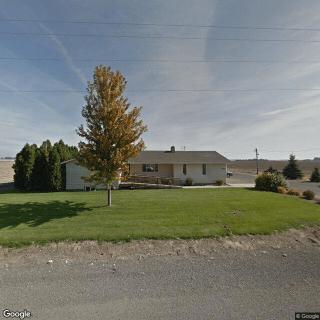
Larks Haven
$1,700 to $2,500 / month5.0 miles away
Overall Review of K D's Adult Family Home Care
Pros
 The workplace is described as a great place to work with flexible schedules and opportunities to meet different clients.
- The staff is amazing and provides the best service in Grant County.
- FRHC is highly recommended for caring about employees, clients, and caregivers’ well-being and for accommodating individual needs.
- The company has been a great place to work for years, with sweet and helpful office staff.
- Family Resource offers ample hours, steady work, and office staff that helps with scheduling.
- The work environment is flexible and supportive, with staff who are always there to help.
- The company provides on-the-job training and reimburses training, including paying for online HCA training.
Cons
 There were a few instances where it was difficult to reach someone during office hours.
- The office phone system could use some improvement.
Review
This community is best suited for families seeking intimate, in-home care in Moses Lake where the care team is tightly connected to the client and backed by a supportive employer. It excels when a senior’s care plan benefits from real continuity: a stable crew whose members can be counted on to deliver consistent assistance, companionship, and practical help in the familiar surroundings of home. The core appeal is the combination of compassionate, hands-on caregivers and an organizational environment that actively facilitates flexible scheduling, permitting care to adapt to shifting needs without forcing families into rigid time blocks.
Those who may want to explore alternatives are those whose priorities lean toward a more structured, facility-based setting or require round-the-clock, medically intensive supervision under a single roof. If on-site medical oversight, highly regimented routines, or a formal campus atmosphere are non-negotiable, a traditional assisted living or skilled nursing arrangement may offer the predictability and resources some families prefer. The current profile emphasizes home-based flexibility and relationship-driven care, which, while powerful, may not capture every client’s exact demand for medical staffing levels or facility-level amenities.
From a practical standpoint, the strongest case for choosing this provider rests on the quality of the people delivering care and the culture that supports them. Staff are consistently described as outstanding, with reviewers naming the team as one of the best in the region and highlighting a genuine dedication to clients and their families. The agency is presented as deeply values-driven, prioritizing employees and clients alike, and going to great lengths to tailor support to each person’s unique needs. That kind of alignment between caregiver welfare and client well-being tends to translate into reliable, compassionate service, an essential factor for families seeking steady daily help.
Equally important is the way the organization handles scheduling and training. Caregivers report the ability to work as many hours as needed, with ample opportunities to connect with a broad network of clients. This level of flexibility reduces friction when plans change or new tasks emerge, helping families avoid gaps in coverage. The firm’s on-the-job training and the fact that it pays for relevant certifications, reimbursing caregivers after completion, signal a real investment in professional growth. In practice, families benefit from caregivers who arrive prepared, with updated skills and a demonstrated commitment to high-quality care, rather than a revolving door of temporary aides.
Care experiences, as described by those who rely on the service, reinforce the value of relationships. Reviewers repeatedly note meaningful bonds formed between clients and caregivers, and even mention positive, long-standing connections with neighbors and family members who rely on the agency. A strong, personable office culture accompanies the front-line care, with professional and friendly support from the office staff cited as a standout feature. The combination of warm client interactions and a well-organized administrative backbone creates a dependable ecosystem where families feel heard and caregivers feel valued, which is precisely what sustained home-based care should deliver.
On the downside, one recurring area for improvement centers on communication logistics rather than the care itself. A few reviewers flag the office phone system as a point of friction, suggesting it can be challenging to reach someone during office hours. While this does not undermine the quality of care, it can create short-term delays or jitters for families trying to coordinate last-minute changes or urgent needs. For families evaluating this option, it is worth probing how the agency handles urgent calls, how staffing levels are managed during peak times, and what escalation pathways exist to ensure timely responses when quick decisions are required.
In the end, the decision comes down to alignment with care priorities and risk tolerance. For families prioritizing a home-based model with deeply committed caregivers, flexible scheduling, and a culture that openly supports both staff and clients, this provider stands out as a top choice in Moses Lake. The strongest justification is the proven ability to sustain meaningful, long-lasting caregiver-client relationships within a framework that honors individualized needs and practical scheduling realities. However, if the preference is for a more controlled, facility-based environment with fixed staffing and a centralized medical oversight framework, alternatives should be explored, be they other home care agencies with larger administrative networks or traditional assisted living options that cluster residents under a single, consistently staffed campus. The prudent path is to engage with the agency, clarify coverage expectations, and arrange a trial period to observe caregiver compatibility and responsiveness firsthand, ensuring the fit is right before deep commitments are made.
 Board and Care Home
 Private
 Grant County (7 miles away)
 Ambulatory care
 Diabetic care
 Christian services




 Exploring Palliative Care in the Home: A Comprehensive Overview
 Comprehensive Insights into Palliative Home Care: What It Is and What to Expect
 Skilled Nursing Facilities vs. Nursing Homes: Making Sense of the Differences