

301 H Street Sw, Quincy, WA 98848
For more information about senior living options: (866) 208-4318
Overall Review of The Cambridge
Pros
 The Cambridge has a welcoming and homey atmosphere.
- The Cambridge serves delicious meals.
- The staff are friendly and always willing to help.
- Prospective residents are encouraged to visit The Cambridge.
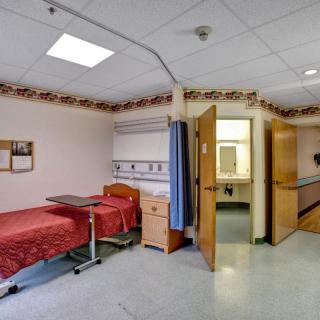
- The Cambridge offers excellent staff who care for residents as if they were family, with clean, large, comfortable rooms and a safe environment.
- Residents can remain in their home community and stay close to family and friends, while receiving very good care.
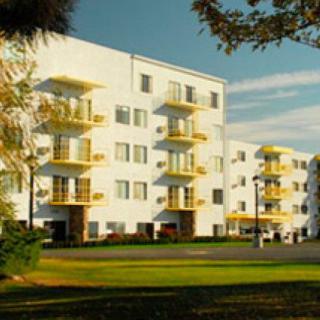
- The Cambridge in Quincy is nice and beautiful, with one of the most caring staffs for loved ones.
- The Cambridge provides excellent care and offers programs such as exercise, Bingo, word games, entertainment, Bible study, and Sunday church services.
- The staff are really kind and the facility serves three meals a day.
Cons
 One review describes The Cambridge as a horrible place with a controlling staff that rarely answers the phone and won’t let relatives speak to the person they are calling.
- That reviewer also reports that the husband had several shirts stolen there and that staff claimed to know nothing about it.
- Another reviewer notes that the mom’s level of care needed more observation than the facility could provide.
- A reviewer mentions that the menu could offer a larger variety of food.
Review
The Cambridge in Quincy, Washington is best suited for seniors who crave a warm, home-like atmosphere where staff treat residents like family, a strong sense of community, and the comfort of staying in their own familiar neighborhood. It works well for residents who do not require intensive medical oversight but appreciate dependable daily routines, meaningful social programming, and access to friendly, attentive care. Families that value continuity, long-tenured staff, a stable environment, and the ability to keep loved ones close to hometown connections, will find this community especially appealing.
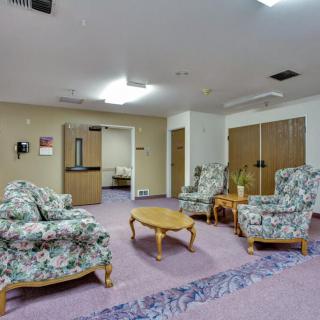
The strongest positives center on a welcoming environment, thoughtful caregiving, and practical daily living comforts. The space feels homey, with large, comfortable rooms that contribute to a sense of safety and belonging. Dining is a highlight, with meals described as delicious, and the staff consistently viewed as friendly and helpful. Residents benefit from a robust activity calendar, including exercise, bingo, word games, and regular entertainment, Bible study, and Sunday church services, all of which help sustain purpose and social contact. The combination of housekeeping, regular meals, and ongoing programming reinforces independent living within a supported framework, while the ability to remain in the local community is repeatedly cited as a meaningful advantage for residents and families alike.
Yet a few concerns warrant careful consideration. One strongly negative account paints a stark contrast: a perception of controlling staff, poor phone access, and limited opportunity to speak with a resident’s point person, paired with an accusation of property theft. While isolated in perspective, this report underscores the importance of clear communication channels and reliable staff accessibility. Another review notes that a beloved resident required more observation than the facility could forecast, suggesting that for individuals with escalating care needs, oversight may demand closer attention. A couple of family members also mention a desire for more variety in meals, signaling that taste preferences and dietary variety can shift in ways that some residents note.
These pros largely offset the cons for many families when balanced against preferences for a home-like setting and social engagement. The warmth of staff and the feeling of being cared for as if family can mitigate concerns about routine oversight, particularly when the resident’s needs align with the community’s demonstrated capabilities. Stability in staffing and the opportunity to stay within a familiar neighborhood are meaningful stabilizers for loved ones who prize consistency and relational continuity. The availability of regular activities and spiritually oriented programming can be a decisive factor for residents who thrive on routine, companionship, and accessible engagement.
However, there are clear signals that some families should consider alternatives. If a loved one requires aggressive medical management, frequent skilled nursing interventions, or highly specialized memory care, Cambridge may not be the optimal match, given the emphasis on social programming and general assisted living supports rather than specialized clinical oversight. For those who place paramount importance on unbroken staff accessibility, rapid response to calls, and impeccable incident traceability, the negative review serves as a reminder to probe deeply during tours, ask about call-bell response times, how staff handle concerns, and what safeguards exist around personal belongings. Additionally, if a resident has particularly specific dietary needs or a strong preference for diverse menus, the kitchen’s current offerings may feel limiting, warranting a direct discussion with dining services.
In the end, The Cambridge offers a compelling package for families seeking a practical, compassionate, community-forward living option. It excels where comfort, continuity, and social vitality matter most: a quiet, home-like setting with caring staff, ample activities, and the reassurance of staying close to home and family. It is less suited for those who must navigate high-acuity medical needs, highly structured memory care, or ultra-responsive phone communications as a non-negotiable standard. Prospective families are advised to schedule a thorough visit, meet the care team, tour the facilities, and request current references, focusing questions on staffing reliability, care planning, safety protocols, and the dining program. With due diligence, Cambridge can deliver a dignified, socially rich living arrangement that aligns with values of warmth, stability, and neighborly support.
 36 resident community capacity
 Assisted Living
 Activities on-site
 Beauty salon
 Cable or satellite TV
 Devotional services off-site
 Dining room
 Fully furnished
 Garden
 Housekeeping services
 Indoor common areas
 Kitchenette
 Move-in coordination
 Outdoor space
 Restaurant-style dining
 Small library
 Telephone
 Wi-Fi/high-speed internet available
 24-hour call system
 Ambulatory care
 Assistance with bathing
 Assistance with dressing
 Assistance with transfers
 Diabetes diet
 Diabetic care
 Medication management
 Mental wellness program
 Special dietary restrictions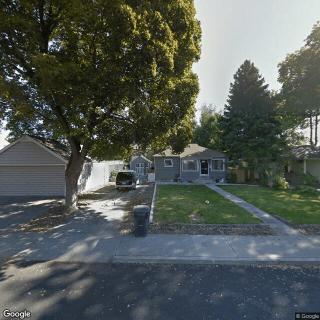





 Assisted Living and Memory Care: Understanding Their Core Differences
 Beyond the Bingo Hall: 50+ Enriching Activities for Seniors in Assisted Living
 Understanding the Distinctions: Assisted Living and Memory Care Explained