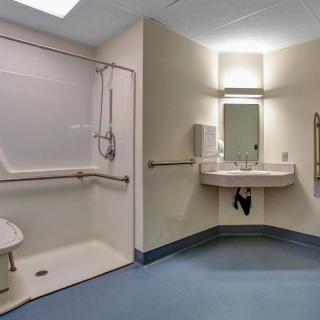
625 Okanogan, Wenatchee, WA 98801
For more information about senior living options: (866) 208-4318
Overall Review of Colonial Vista Post-Acute & Rehab Center
Pros
 Matthew Hammonds assured the family of the best care possible.
- The nurse Dotty is amazing and truly cares about the grandfather's and the family's needs.
- Jesus, who handles the grandfather's therapy, is awesome and tells him how it is.
- Matt and his team are fulfilling their promise to take care of him every day.
- The husband was cared for very well and felt safe.
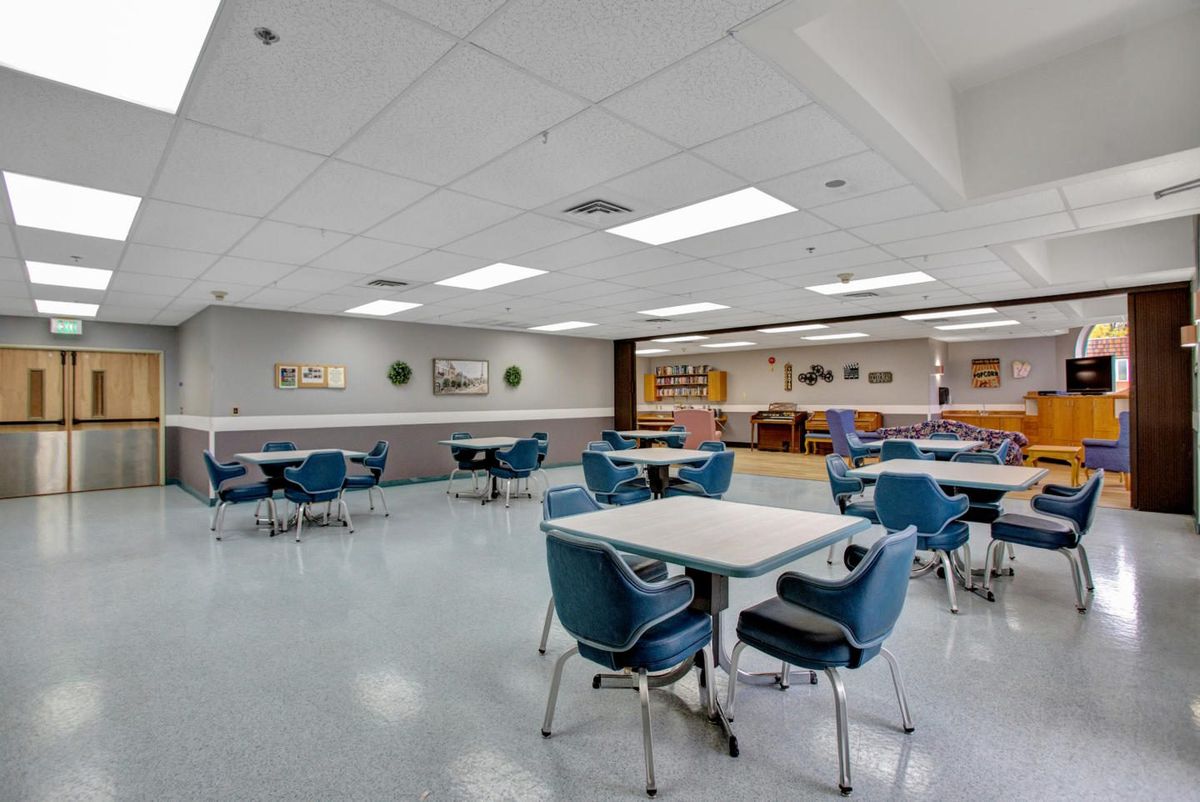
- The facility was super clean and all staff were wonderful.
- The check-in and check-out system was easy to understand.
Cons
 The facility was described as somewhat low-end.
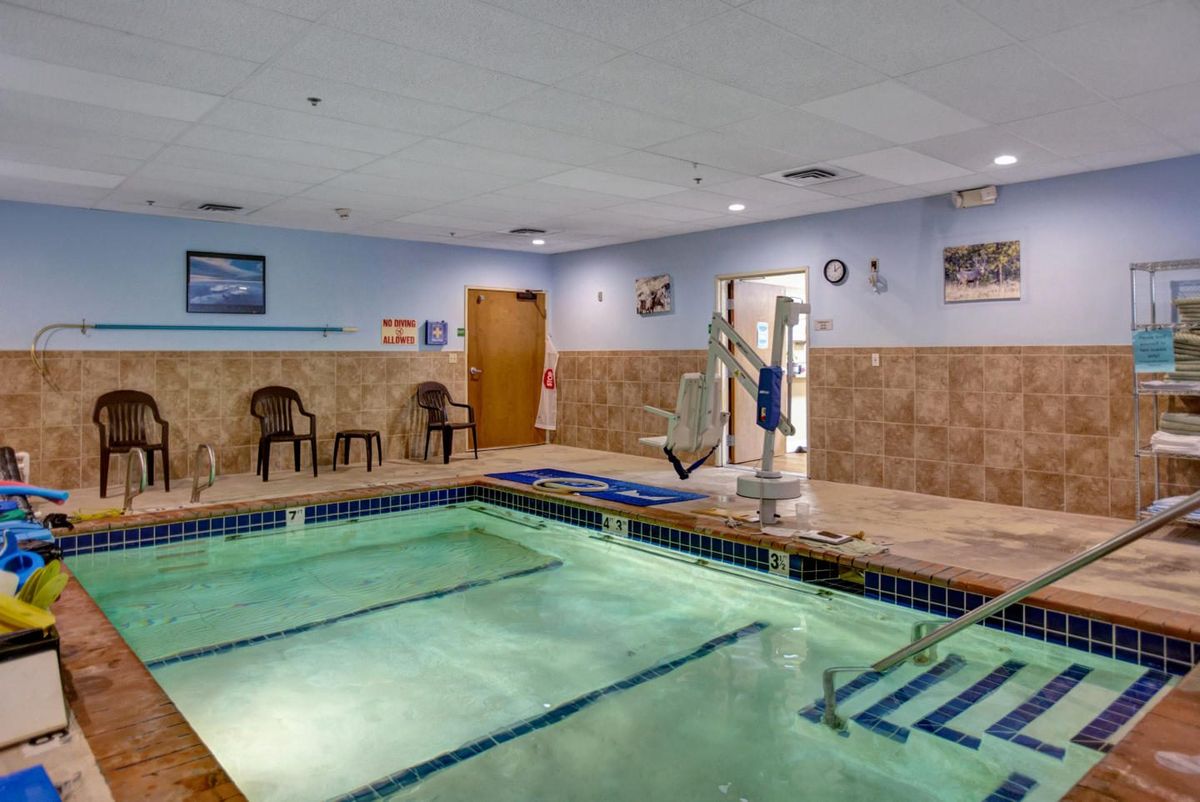
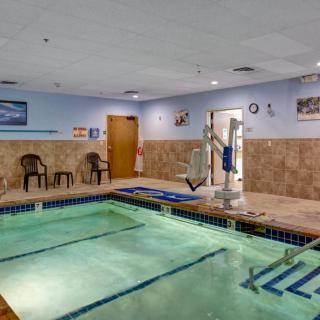
- The chlorine was strong, and suits still smelled of chlorine after washing.
- Appointments were only about 35 minutes, shorter than the expected 45 minutes.
- It was unclear whether the person giving care was a patient or an aide.
- The knee rehabilitation did not include measurements to track progress.
- Towels were raggedy and see-through.
- It was expensive.
- Residents ate canned and boxed food.
- It was described as the worst senior living facility in Wenatchee.
- Visitors found directions confusing and easy to get lost.
- The walk from the parking area was very long.
Review
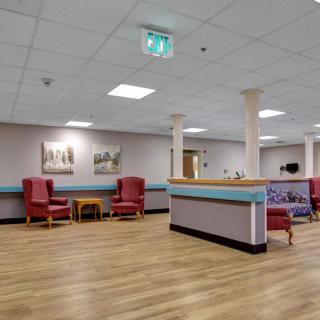
Colonial Vista Post-Acute & Rehab Center in Wenatchee is best suited for seniors who need a straightforward, caregiver-backed post-acute recovery path and who value a safe, clean, and welcoming environment over luxury amenities. It works for families that want visible, hands-on attention from the care team and a facility where staff leadership is accessible and responsive. Those seeking elaborate rehab programs, top-tier dining, or a continually cutting-edge therapeutic menu should look elsewhere. The center can be a solid fit for recovery-focused care where the human touch and reliable routines matter most, but it is not positioned as a premium, high-end option.
The clearest strengths are the people delivering daily care. Families consistently salute nurses who oversee needs with genuine concern, and therapists who push patients toward improvement. Leadership appears to back this commitment with communication and follow-through, which translates into a sense of trust during a vulnerable time. Residents and visitors frequently note a clean, calm atmosphere and a welcoming staff vibe that helps reduce anxiety around transitions after surgery or illness. When care teams show up consistently, the benefit to recovery is tangible, and this is where Colonial Vista earns real value.
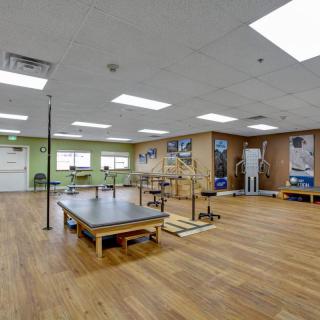
But the rehab reality is uneven, and that tension drives much of the resident experience. Several accounts describe rehab as rushed, with sessions shorter than what patients expect, and with uncertainty about whether the therapist or an aide is delivering care. Progress tracking is inconsistent, no clear measures of knee bend or other milestones to gauge improvement, which makes it hard to verify that recovery is on a meaningful trajectory. Occasional signs of distraction, such as staff being on phones during therapy, further undercut the sense of a focused, goal-oriented program. These gaps weaken the core rehab promise and will matter to anyone prioritizing rapid or strictly managed recovery.
Food quality and value compound the practical concerns. Multiple voices question the dining experience, labeling meals as canned or boxed rather than fresh, which affects not only enjoyment but nutrition and overall energy for rehab. Coupled with the sense that the facility price is steep for what is delivered, this creates a perception mismatch: high cost paired with inconsistent daily amenities. The result is a divided impression, some praise the cleanliness and safety, while others view the overall value proposition as misaligned with expectations. This divergence is not merely anecdotal; it shapes how residents feel about staying long enough to complete a rehab course.
Who should consider alternatives? Families that prize highly structured, evidence-based rehab with long, outcome-focused sessions will want to compare options. If a resident requires more intensive therapy access, longer appointment times, or a robust goal-tracking framework, other facilities may deliver more consistent results. Similarly, diners who place a premium on fresh, varied meals or who regard dining quality as a key component of overall well-being should explore communities with stronger food programs. And for those evaluating value, the combination of price and variable experiences signals that shopping around could uncover better alignment between cost and service.
Practical next steps are clear. Schedule a targeted tour focused on the rehab workflow: meet the lead therapist, ask for credentials, and request a written, milestone-driven recovery plan with measurable goals and a timeline. Probe staffing levels, especially on weekends, and confirm whether aquatic therapy or additional modalities are available if desired. Taste the dining options or review menus to gauge realism against expectations. If choosing Colonial Vista, set explicit progress milestones, require regular updates from the care manager, and monitor satisfaction closely; maintain a backup plan in case expectations arenā€™t met. For families prioritizing compassionate care, safety, and a straightforward recovery path, Colonial Vista can satisfy those needs, yet it is prudent to keep viable alternatives in scope for those seeking more consistent rehab outcomes and dining quality.
 100 resident community capacity
 Skilled Nursing Facility
 Air-conditioning
 Beauty salon
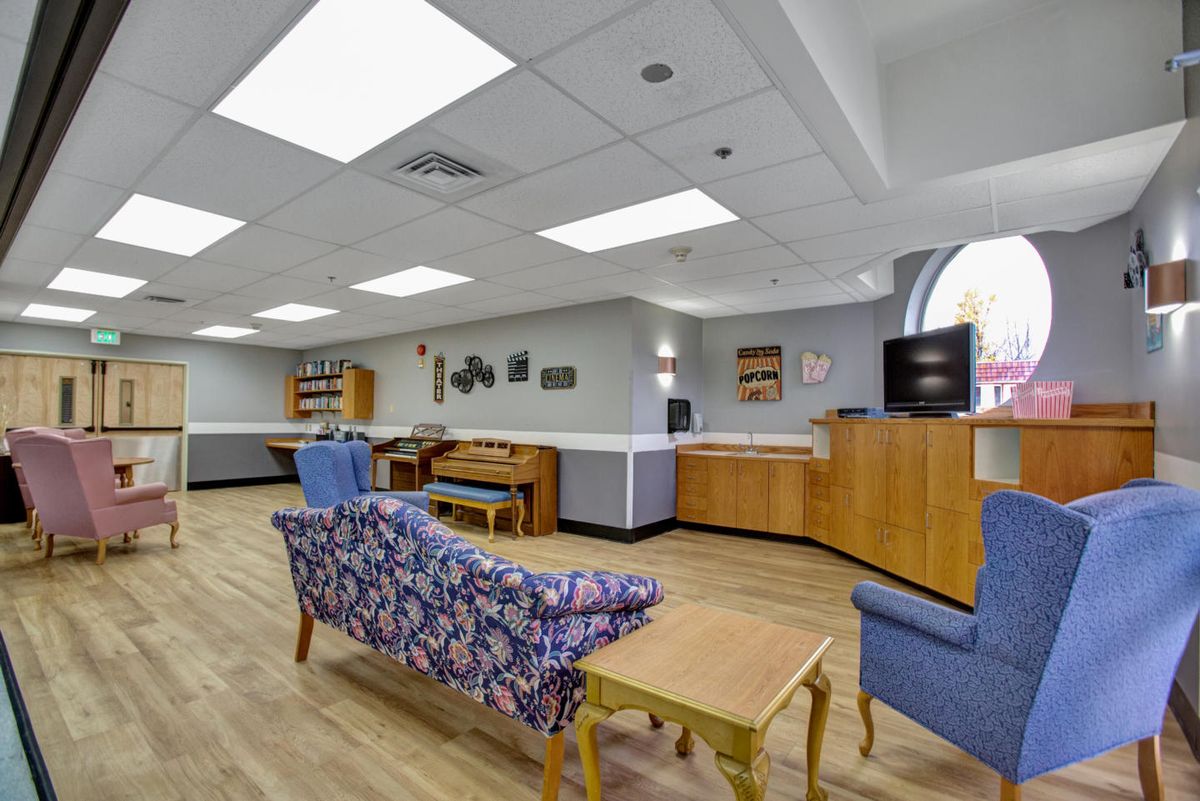
 Cable or satellite TV
 Computer center
 Dining room
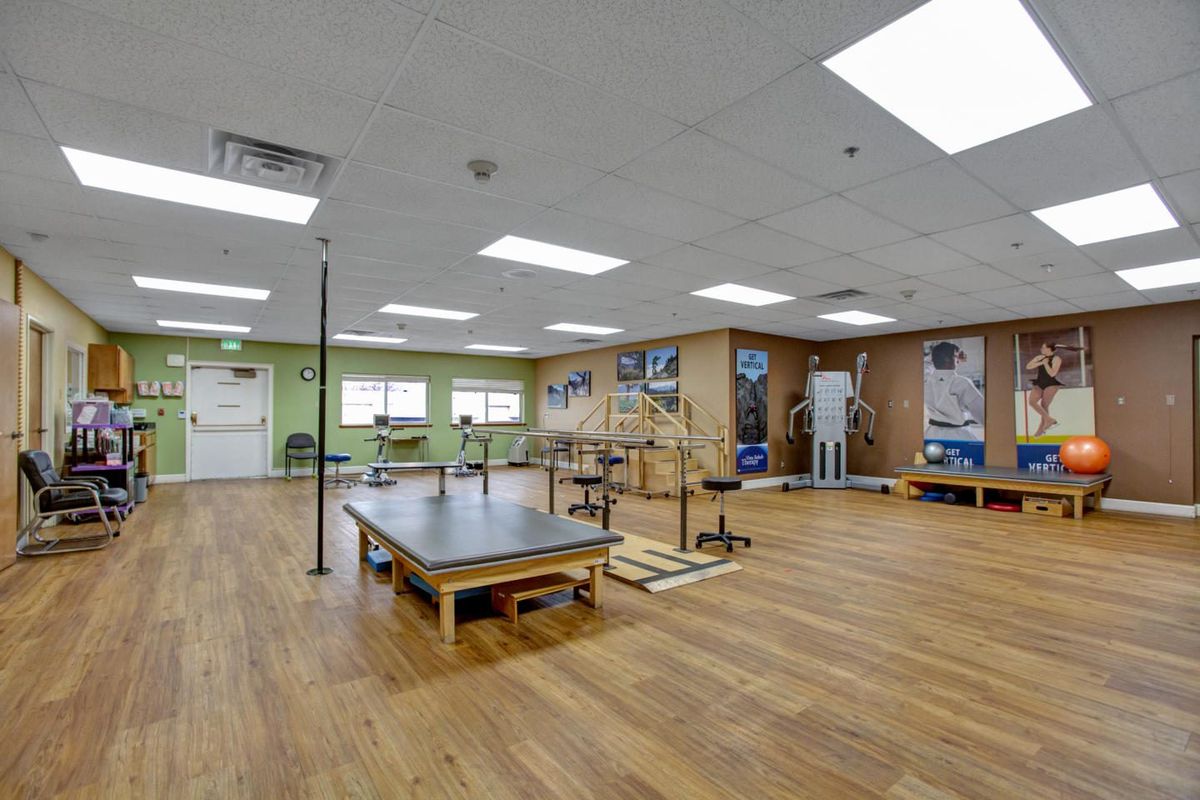
 Fitness room
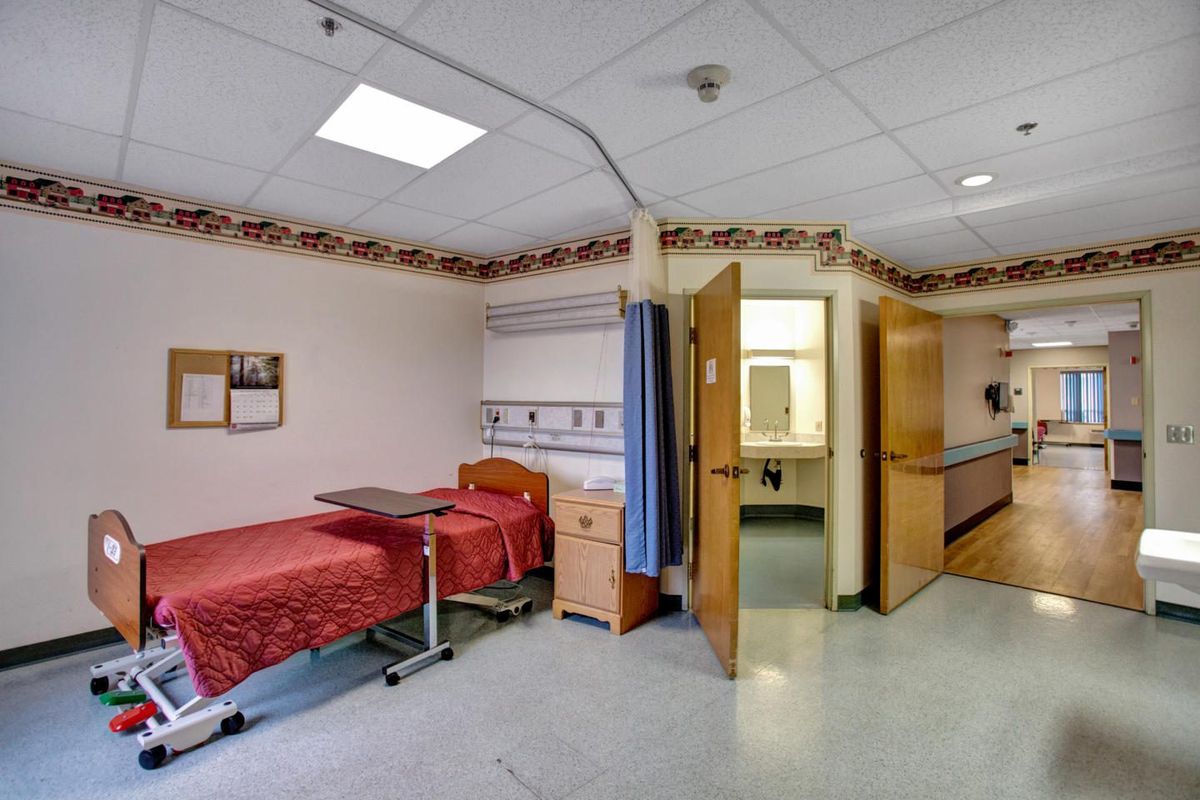
 Fully furnished
 Gaming room
 Garden
 Housekeeping services
 Kitchenette
 Move-in coordination
 Outdoor space
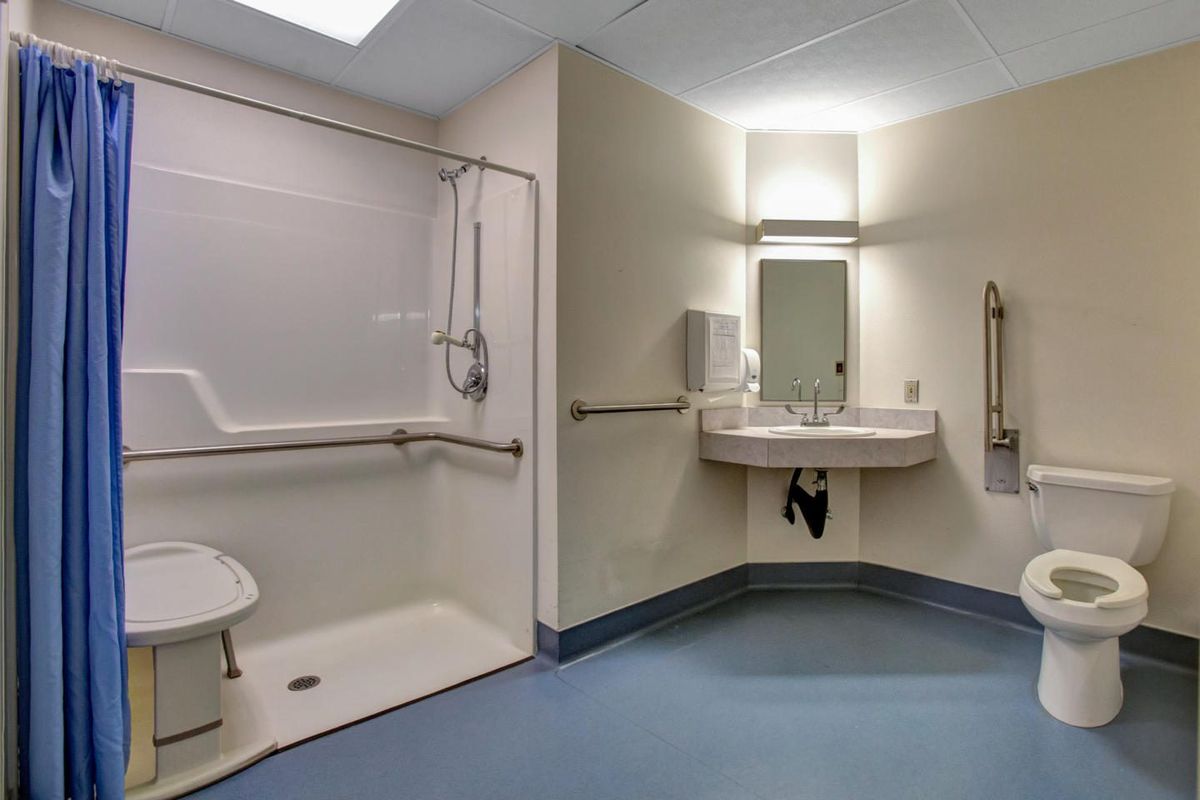
 Private bathrooms
 Restaurant-style dining
 Small library
 Telephone
 Wellness center
 Wi-Fi/high-speed internet available
 Community operated transportation
 12-16 hour nursing
 24-hour call system
 Activities of daily living assistance
 Assistance with bathing
 Assistance with dressing
 Assistance with transfers
 Diabetes diet
 Medication management
 Mental wellness program
 Special dietary restrictions
 Concierge services
 Planned day trips







 Nurturing Our Elders: Linda's Journey of Supporting Her Mother
 A Comprehensive Exploration of Common Misunderstandings about Powers of Attorney
 Senior Move Management: Understanding the Role, Value, and Associated Costs