


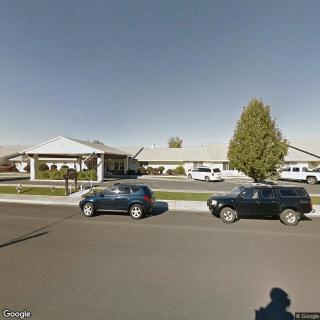
200 Nat Washington Way, Ephrata, WA 98823
For more information about senior living options: (866) 208-4318
Overall Review of Garden Oasis
Pros
 The staff at Garden Oasis is friendly and helpful.
- There is a beautiful fountain and a garden of roses at the entrance.
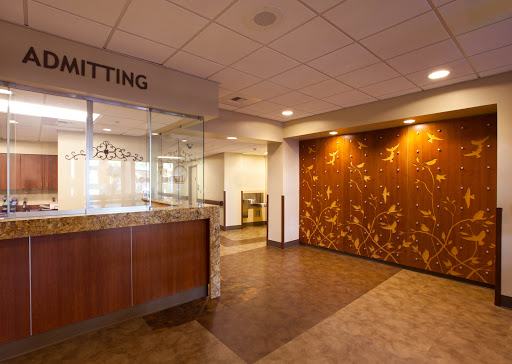
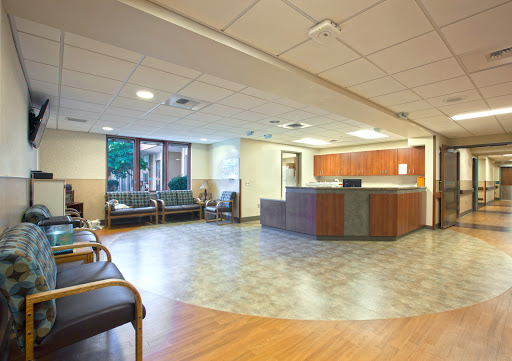
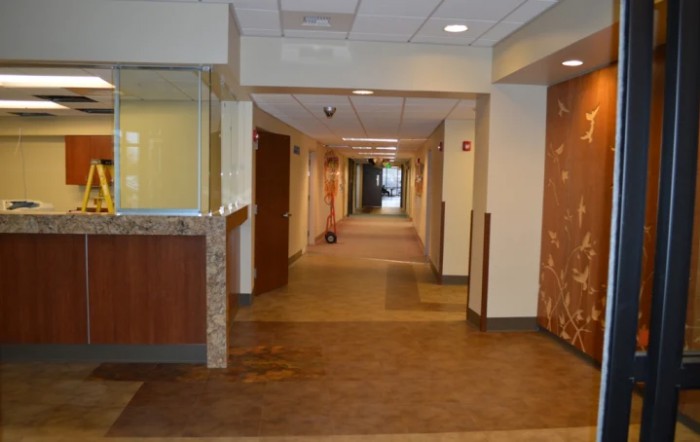
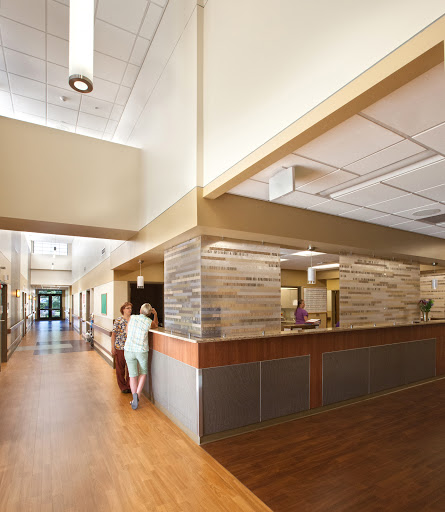
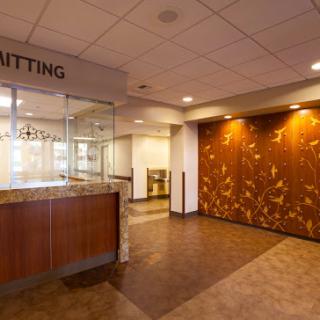
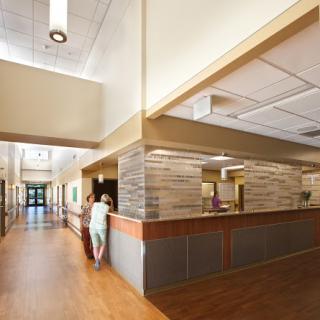
- A staff member behind a large wooden counter greets visitors.
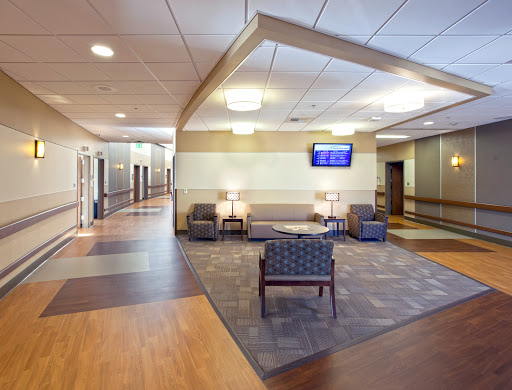
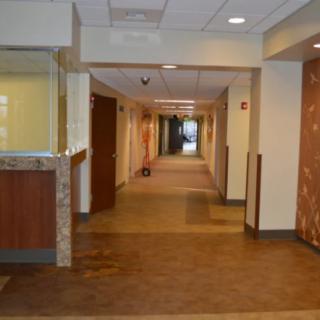
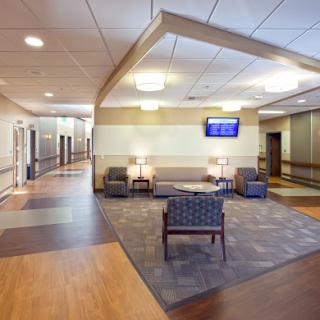
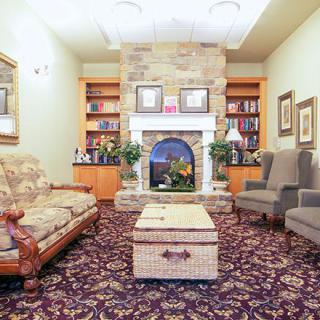
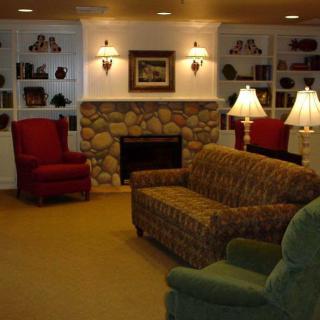
- The lobby feels like a nice hotel, with comfortable sofas, chairs, and a large stone fireplace.
- Each room features the resident’s name or picture and decor that represents the resident.
- The decor makes each room feel personal and unlike a hospital setting.
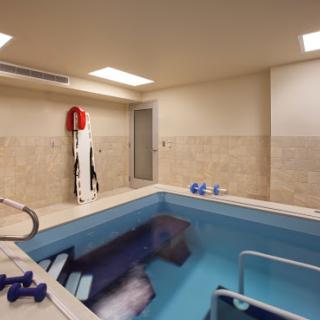
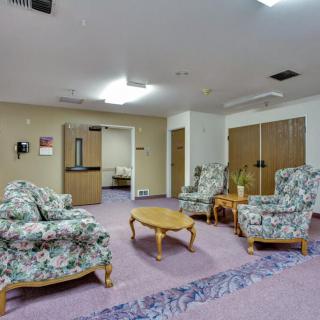
- Outside-the-rooms amenities, such as a quiet library nook, dining room, fireplace, and lobby, enhance the experience.
- Being attached to a regular medical hospital is a big plus.
Cons
 The rooms are noticeably smaller than those at other assisted living facilities.
- They are not apartments, but rooms with their own bathrooms, which could feel less spacious.
Review
Garden Oasis in Ephrata, WA is best suited for seniors who prize a warm, home-like atmosphere with personalized touches and straightforward access to on-site medical support. The setting feels less like a clinical facility and more like a welcoming, small-scale community, where common areas are inviting and staff answer questions with visible care. Residents who value signature touches, rooms that feel decorator-curated rather than institutional, and halls that showcase resident crafts, will find this community compelling. The attached hospital relationship is a practical advantage for families with ongoing medical needs, offering peace of mind that routine trips and urgent checks can be coordinated without long trips away from campus.
However, those who insist on apartment-style living, or who require larger private spaces for couples or personal belongings, may want to look elsewhere. The private rooms here are described as smaller than many assisted living options, with bathrooms but no true one-bedroom or studio layout. For families prioritizing maximum privacy, more expansive floor plans, or a campus with a more standalone vibe separate from a hospital, an alternative community could better fit. Also, residents who want a brisk, highly varied daily program with expansive social venues might discover a smaller footprint means fewer choices. In short, this option serves a comfort-first, proximity-to-care model more than a luxury, independence-first model.
The major strengths lie in staff temperament and the tangible warmth of the environment. Visitors consistently encounter friendly, helpful teammates who greet guests with a genuine welcome. The lobby evokes a hotel-like calm, complete with a stone fireplace and comfortable seating that invites lingering conversations. The décor inside each room is a standout: rather than a sterile box, doors open to rooms lined with personal touches, homemade crafts, gifts, and photos that celebrate the resident. Common areas, quiet library, dining room, fireplace, and open lobby, provide social gathering space without sacrificing privacy. The apartment-sized rooms may not be large, but each includes a private bathroom, and the continuity of care is enhanced by the community’s tie to a regular medical hospital.
On the downside, the most notable drawback is the scale of private living space. Rooms are smaller than many competing facilities and lack true apartment layouts, which can limit storage and long-term comfort for residents with more belongings or visitors that stay overnight. While the hospital affiliation is a practical boon, it can also impart a more clinical vibe for those seeking a strictly home-like setting. Additionally, despite strong social spaces, the footprint may limit the range of activities or the sense of an expansive campus that some families look for. These constraints aren’t crippling, but they tilt the balance away from certain preferences toward others.
Still, the pros substantially offset the cons for many families. The quality of care starts with the staff’s attentiveness, which translates into timely reminders, respectful communication, and consistent help with daily routines. The personalized room presentation fosters dignity and belonging, helping residents feel seen rather than tucked away. The hotel-like public spaces and the social warmth of shared meals in a quiet environment can compensate for smaller private spaces by offering robust opportunities for connection without sacrificing independence. The hospital-adjacent setting reduces the friction of medical visits or emergencies, which matters greatly for families managing chronic conditions or post-acute needs. In sum, the combination of caring staff, a welcoming aesthetic, and integrated medical access makes the trade-offs manageable for many.
Garden Oasis is a practical pick for families seeking a homey, person-centered environment with reliable medical support on site. It is particularly well-suited for residents who value personalized touches, easy access to hospital-level care, and a calm, social, yet intimate setting. It is less suitable for those who want large, apartment-style living spaces, or a setting that prioritizes a broad array of on-campus activities and a more independent vibe away from hospital culture. Prospective movers should request specifics on room dimensions, confirm available layouts, and tour the common areas to verify fit. Ask about dining schedules, visiting policies, and how care plans are coordinated with the attached hospital. With due diligence, Garden Oasis can deliver a secure, dignified, comfort-forward living arrangement that aligns with health needs and personal preferences.
 32 resident community capacity
 Assisted Living
 Skilled Nursing Facility
 Activities on-site
 Beauty salon
 Cable or satellite TV
 Devotional services off-site
 Dining room
 Fully furnished
 Garden
 Housekeeping services
 Indoor common areas
 Kitchenette
 Move-in coordination
 Outdoor space
 Restaurant-style dining
 Small library
 Telephone
 Wi-Fi/high-speed internet available
 Grant County (13 miles away)
 24-hour call system
 Ambulatory care
 Assistance with bathing
 Assistance with dressing
 Assistance with transfers
 Diabetes diet
 Diabetic care
 Medication management
 Mental wellness program
 Special dietary restrictions


 Comprehensive Supportive Living Arrangements for Adults with Disabilities
 Funding and Affording Assisted Living: A Thorough Overview
 Assisted Living Expenses and Long-Term Care Insurance: A Comprehensive Exploration