
508 South Division Street #B, Moses Lake, WA 98837
To contact a resident: (509) 764-2420
For more information about senior living options: (866) 208-4318
Overall Review of Addus Healthcare
Pros
 Cassie is an exceptional helper with bathing, being quick, competent, and compassionate.
- Holly is a great nurse who listens and offers wonderful ideas to alleviate or prevent issues.
- A nurse who answered a 3 am call was knowledgeable, empathetic, and followed up to ensure all was well.
- Assured Hospice has made the journey easier and more comfortable for families.
- The staff at Assured is full of compassion, support, and care, upholding family wishes from start to finish.
- The team is described as angels right here on earth.
- Assured Home Health Care is very good, helpful, friendly, and provides great advice with wonderful staff and nurses.
- Assured Home Health is professional and caring, with great people in every position.
Review
Addus Healthcare in Moses Lake is best suited for families seeking high-touch, in-home medical support where compassionate, nurse-led care matters as much as medical tasks. This community shines for loved ones facing serious or progressive illness, such as ALS or hospice scenarios, where daily assistance, symptom management, and reliable communication with family members are essential. The model is built around practical help with activities of daily living, plus the medical oversight that keeps comfort and safety at the forefront. For families wanting to avoid a hospital or facility-based environment while ensuring dignity and steady professional support, this is a strong match.
Those who may want to consider alternatives include families prioritizing constant on-site presence or a more social, community-based setting. If the goal is 24/7 in-person supervision around the clock, or if a structured schedule of group activities and social opportunities is the primary need, a traditional assisted living or skilled nursing facility might serve better. Additionally, if budget constraints or coverage specifics require a different financial model, or if more intensive rehabilitation services are needed beyond what in-home care typically offers, exploring other providers could be prudent. In short, this option excels in personal, compassionate home care, but is not necessarily the right fit for every care framework.
The strongest positives center on the human side of care. The home health team is repeatedly described as compassionate, attentive, and fully invested in alleviating family stress. Nurses listen closely, offer practical, follow-through ideas to ease issues as they arise, and demonstrate readiness to adjust plans to the patient’s needs. The ability to respond quickly, hoes of 3 a.m. calls are answered with knowledge and empathy, speaks to a level of reliability that matters deeply when symptoms flare or comfort issues emerge. The consistency of caring staff who uphold family wishes and coordinate with the patient’s goals creates real peace of mind for caregivers and patients alike.
Despite the overwhelmingly favorable feedback, there is a clear signal that experiences can vary. One review carries a 1-star rating, reminding prospective families that no service is perfect for every situation. The takeaway is not to panic, but to approach planning with explicit expectations: confirm after-hours coverage, clarify who will be on the care team, and verify how care plans are updated in response to changing needs. Families should also probe how the service coordinates with physicians, how quickly adjustments can be made, and what happens when a patient’s goals shift toward more comfort-focused care.
When the pros are weighed against these caveats, the math still tends to favor this in-home model for the right cases. The compassion, responsiveness, and professional nursing leadership reduce caregiver burden dramatically and enhance patient comfort, making it practical and emotionally sustainable for families navigating complex conditions. The ability to receive hands-on help with bathing, daily tasks, and symptom care, while keeping the patient in a familiar home environment, often translates into better quality of life than a facility setting might offer, at least in the near term.
For families evaluating Addus in Moses Lake, practical next steps sharpen the decision. Initiate clear conversations about after-hours coverage, expected response times, and who constitutes the primary care team. Obtain a detailed care plan that outlines daily routines, symptom management strategies, and escalation protocols. Confirm alignment with physician directives, insurance coverage, and any ALS- or hospice-specific training the staff possess. Request references or case studies from families with similar needs to gauge consistency. If these elements align, this provider offers a compelling path to sustained comfort and dignity at home; if the priority is constant on-site presence or a more activity-rich community life, exploring facilities with those strengths will be warranted.
 Grant County (6 miles away)



 Nurturing Our Loved Ones: A Daughter's Journey in Caring for Her Mother
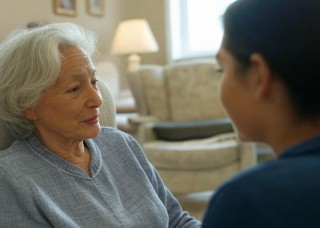 Nurturing Our Elders: Linda's Journey of Supporting Her Mother
 A Comprehensive Exploration of Common Misunderstandings about Powers of Attorney