Lake Ridge Solana Alzheimer's Care Center Costs & Pricing
Lake Ridge Solana Alzheimer's Care Center offers a specialized environment for individuals with Alzheimer's and related dementias, with monthly costs reflecting its tailored care. For a semi-private room, the center charges $5,933, which is notably higher than both the average rates in Grant County at $4,536 and across Washington state at $4,267. Similarly, residents opting for private accommodations will pay $6,020 at Lake Ridge Solana, again exceeding the local average of $4,411 and slightly surpassing the statewide figure of $4,772. These costs are indicative of the center's commitment to providing high-quality, specialized support services that cater specifically to the unique needs of its residents.
| Floor plans | Lake Ridge Solana Alzheimer's Care Center | Grant County | Washington |
|---|
| Semi-Private | $5,933 | $4,536 | $4,272 |
| Private | $6,020 | $4,411 | $4,774 |
Skilled Nursing Facilities with a similar price nearby
-
from +$989 / mo
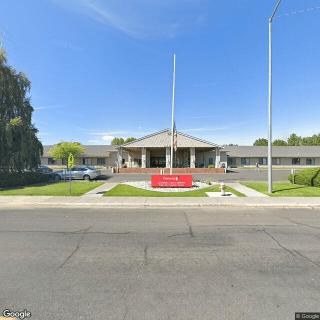
Columbia Crest Care & Rehabilitation for
$6,922 to $7,122 / month
0.8 miles away
Overall Review of Lake Ridge Solana Alzheimer's Care Center
differentiator
6 reviews mention this
Alzheimer care is a core focus
Residents and families describe care that is specifically geared toward dementia and Alzheimer’s needs.
Multiple reviews say the team understands dementia and Alzheimer’s and know how to support residents with these conditions. One reviewer specifically notes the staff are trained to help patients with dementia, while others describe residents being safe, content, and treated with patience. A couple reviews also connect the facility’s “Alzheimer center” context to how staff handle day-to-day responsibilities.
common
11 reviews mention this
Caregivers are described as compassionate
Many reviews highlight attentive, caring nurses and caregivers who treat residents with dignity.
Across reviews, families and residents describe the nursing team as compassionate, attentive, and supportive. Several reviewers mention kindness, patience, and dignity in how residents are treated, including during daily care and interactions at the facility. Even reviews that were critical still include mentions of strong performance from parts of the staff, such as excellent CNAs.
caveat
4 reviews mention this
Staffing and therapy can fall short
Some residents and families describe staffing that feels insufficient and therapy that was not consistent.
A set of reviews raise concerns about not having enough staff, including claims of overworked floor staff and understaffing. These reviews also describe therapy and rehab not happening as expected, with one family saying PT was sporadic and another saying there was no therapy. In at least one review, the concern extends to how care needs were handled during transitions and follow-through after falls.
caveat
4 reviews mention this
Facility condition and odors divide opinions
Reviews are mixed on the building’s condition, including complaints about strong odors.
Some reviewers describe the facility as very clean and note details like fresh paint or an overall cared-for look. Others report a strong urine smell and describe the building as rundown and unpleasant when they toured or visited. One review also addresses odor concerns by explaining that incontinence accidents happen, framing the difference as whether there is lingering smell.
caveat
4 reviews mention this
Administration and billing concerns surface
Several reviews describe problems with communication, documentation, or trust around accounts and belongings.
A few reviews criticize office or administrative handling, including claims of wrong information, delays, or paperwork issues that affected insurance coverage. Other reviews describe more serious trust concerns, including medication changes without consent and money or belongings taken from families or residents with dementia. Some of the negative accounts also mention disputes over costs and coverage when trying to transition a resident out of the facility.
How we summarize
Counts show how many written reviews mention each theme; a review can touch several themes, and only frequently mentioned themes are displayed.

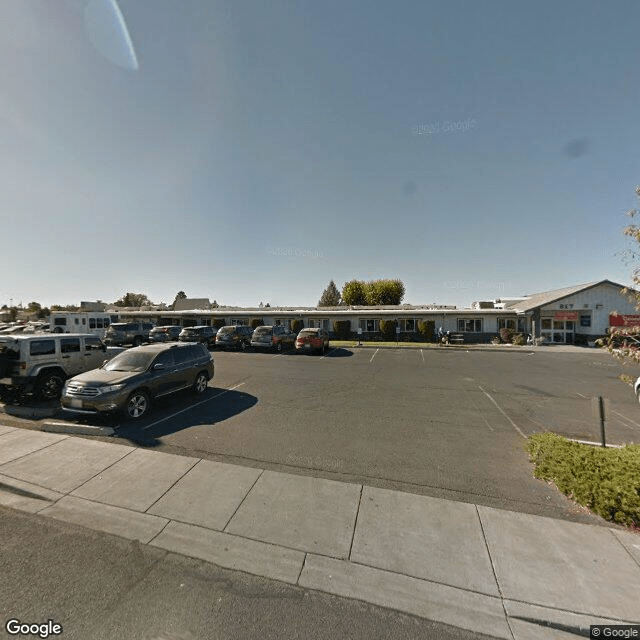
 Skilled Nursing Facility
 Activities on-site
 Bath tubs
 Beautician on-site
 Indoor common areas
 Outdoor common areas
 Private
 Wheelchair accessible showers
 Grant County (6 miles away)
 Diabetic care
 High acuity care
 Incontinence care
 Kosher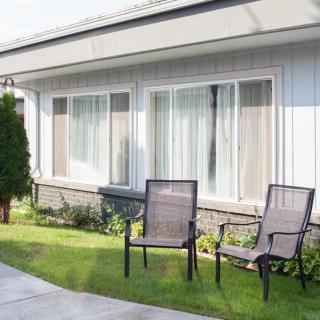
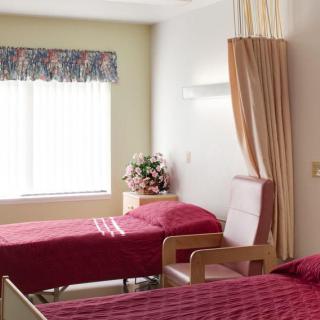
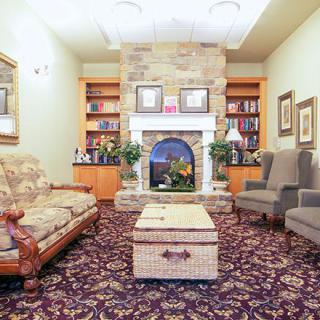
 Friendly staff and a clean, engaging environment.
 Urinary Tract Infections in Older Adults: Comprehensive Insights on Symptoms, Treatment, and Prevention
 California's Form 602A: An In-Depth Examination of Senior Care Assessment
 Comprehensive Look at Senior Blood Pressure Charts: Normal and Elevated Levels by Age