
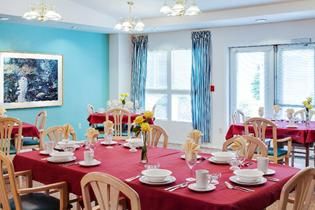
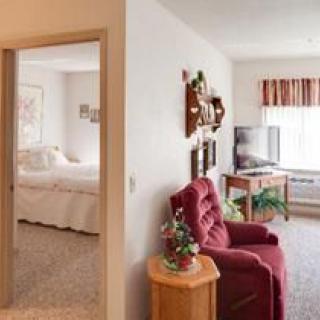









1405 South Monroe Street, Moses Lake, WA 98837
For more information about senior living options: (866) 208-4318
Monroe House Costs & Pricing
Monroe House offers competitive pricing for its residential options, particularly when compared to both Grant County and the broader Washington state averages. For a studio, Monroe House is priced at $3,390 per month, slightly below the Grant County average of $3,453 and significantly lower than the state average of $4,126. Similarly, for a one-bedroom unit, Monroe House's monthly cost of $3,698 remains more affordable than both Grant County's average of $3,909 and Washington state's average of $4,632. These rates reflect an attractive choice for prospective residents seeking quality housing without straining their budgets in both county and state contexts.
| Floor plans | Monroe House | Grant County | Washington |
|---|---|---|---|
| Studio | $3,390 | $3,453 | $4,128 |
| 1 Bedroom | $3,698 | $3,909 | $4,634 |
Assisted Living communities with a similar price nearby
-
from +$610 / mo
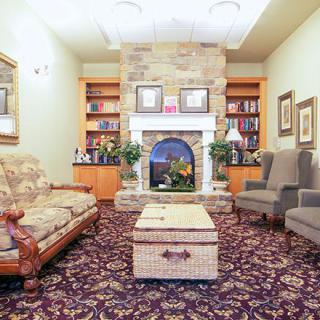
Avamere At Moses Lake
$4,000 to $4,400 / month3.9 miles away
Overall Review of Monroe House
Pros
 The staff at Monroe Care deliver exceptional care and genuinely care for residents.
- Families feel welcomed and supported, with questions answered promptly.
- The facility is safe, clean, and well maintained, with a warm, home-like atmosphere.
- Residents are treated with love, respect, and attentive care.
- Monroe House provides a welcoming environment with engaging activities for residents.
- The administration is caring, competent, and responsive to both residents and families.
- The meals are tasty, well balanced, and the dining experience is pleasant.
- Monroe House is described as the best assisted living in the Moses Lake area and is highly recommended.
Cons
 None detected; the reviews contain only positive or neutral third-person statements about Monroe House.
Review
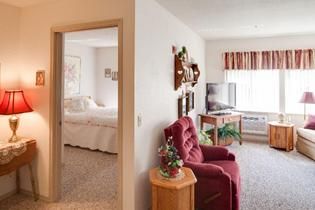
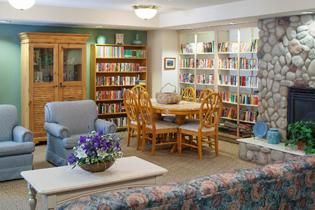
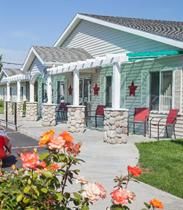
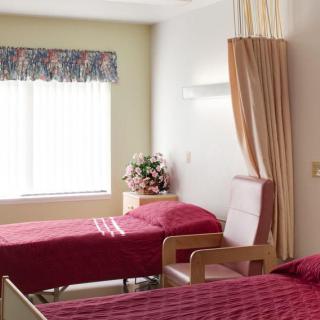
Monroe House in Moses Lake is best suited for families seeking a small, intimate, home-like assisted living where hands-on, compassionate care is the norm. This community excels for seniors who value steady routines, personal attention, and a calm, unhurried atmosphere. The single-floor design is a practical asset for mobility and safety, reducing navigation challenges that can be stressful for residents and families alike. The staff culture stands out as a defining feature: caregivers, nurses, and administrators are described as genuinely caring, not merely performing duties, with a pervasive sense that residents are treated with love, respect, and individualized attention. For families, the consistency of communication is a decisive factor, questions are answered promptly, concerns addressed without delay, and transitions into care are managed with warmth and clarity. In short, Monroe House delivers a dependable, dignified daily experience where safety and humanity are stitched together into a welcoming, homelike routine.
That said, Monroe House may not be the best fit for every situation. If a loved one requires around-the-clock skilled nursing, or a facility with dementia-specific programming and a dedicated memory-care unit, alternatives with deeper medical support and more extensive clinical staffing are worth considering. Similarly, families seeking a larger campus with a broader social footprint, more on-site amenities, or a wider array of specialized services may find a bigger community offers the breadth they want. For those who prioritize a very high-energy, bustling environment with abundant external activities, Monroe House’s smaller, more intimate setting can feel quiet by comparison. In these scenarios, it’s prudent to compare staffing patterns, medical capabilities, and the availability of memory-care resources before deciding.
The strongest pros, exceptional staff, cleanliness, and a genuine sense of home, more than compensate for any perceived drawbacks. Across multiple reviews, the caregiving team is repeatedly praised for going beyond the call of duty, answering questions, and ensuring that residents feel seen and valued. The warmth extended to families matters just as much as daily care: administrators are described as hands-on and accessible, and the entire team operates with a coordinated, respectful approach that reduces the emotional weight of placing a loved one in care. Cleanliness and a home-like aesthetic are not cosmetic; they underpin trust and comfort, making transitions easier for both residents and their families. The insistence on a well-kept environment, coupled with consistent, attentive caregiving, creates a reliable offset to the limitations that inevitably accompany any smaller setting.
Operationally, Monroe House supports its strengths with clear advantages: three meals a day plus snacks, dining options that accommodate both social dining and in-room flexibility, and an activities program led by a dedicated director. The building’s compact, one-floor design fosters ease of movement and frequent staff check-ins, while residents can still participate in organized events, socializing with peers in a welcoming, supervised context. Reviews highlight the versatility of care staff, from CNAs to nursing personnel and maintenance, who are described as reliable, friendly, and responsive. The result is a facility where residents are nourished both physically and socially, with meal times and activities integrated into a predictable, comforting rhythm. This combination of structure and warmth makes Monroe House feel less like a clinical setting and more like a nurturing home.
For families weighing a decision, Monroe House is especially compelling for residents who want to remain independent within a tightly knit community, yet rely on steady, compassionate support for daily needs. The small scale and consistent staffing pattern tend to translate into stronger relationships, higher staff accountability, and a sense that “home” is preserved rather than eroded by care. Prospective residents should verify alignment on practical details: move-in readiness, confirmed care levels, pet policy, accessibility features, and the availability of a clear plan should health needs change. Tours should probe how often staff turnover occurs, how care plans are updated, and what the transition process looks like if a higher level of care becomes necessary. Asking for recent references from families with similar needs yields the most actionable insight.
Ultimately, Monroe House stands out as a seasoned, practical choice for an older adult who prioritizes warmth, personal attention, and a clean, homelike setting. It is a standout option for families seeking reassurance that their loved ones will be cared for with dignity, in a facility where staff know residents well and communicate openly. This is less a big-campus experience and more a tight-knit community built around trust, consistent routines, and responsive caregiving. For seniors who fit that profile, Monroe House delivers a compelling package: attentive caregivers, a comfortable environment, and a demonstrated commitment to treating residents as valued individuals. For those needing broader medical resources or a more bustling, high-capacity environment, exploring alternatives with stronger clinical footprints is a prudent comparator, but Monroe House consistently proves itself as a practical, trustworthy choice built on people-first care.
 41 resident community capacity
 Assisted Living
 Independent Living
 Cats allowed
 Dogs allowed
 Activities off-site
 Air-conditioning
 Beautician on-site
 Cable or satellite TV
 Devotional services off-site
 Dining room
 Fully furnished
 Garden
 Ground floor units
 Handicap accessible
 Housekeeping services
 Indoor common areas
 Kitchenette
 Move-in coordination
 Outdoor common areas
 Restaurant-style dining
 Small library
 Telephone
 Wheelchair accessible showers
 Wi-Fi/high-speed internet available
 Grant County (7 miles away)
 24-hour call system
 Ambulatory care
 Assistance with bathing
 Assistance with dressing
 Assistance with transfers
 Diabetes diet
 Incontinence care
 Medication management
 Mental wellness program
 Special dietary restrictions
 Art classes
 Cooking classes
 Day trips and outings
 Forever fit
 Happy hour
 Karaoke
 Live dance or theater performances
 Live musical performances
 Stretching classes
 Wine tasting




 Vibrant Senior Living: A Comprehensive Guide for Active Older Adults
 When to Transition from Assisted Living to Memory Care: Key Indicators, Steps, and Finding the Right Community
 Assisted Living and Memory Care: Understanding Their Core Differences