The Memory Center Of Virginia Beach Costs & Pricing
The Memory Center of Virginia Beach offers specialized care with a focus on dementia and memory-related conditions, reflected in its pricing structure. Currently, the cost for a semi-private room is set at $7,500 per month, significantly higher than the average monthly rates in Virginia Beach city ($3,903) and across the state of Virginia ($3,991). Similarly, for those requiring a one-bedroom suite, the monthly fee stands at $8,880, compared to local and state averages of $4,190 and $4,257 respectively. These figures highlight the center's commitment to providing high-quality care tailored to residents' unique needs while underscoring the premium associated with such specialized services.
Floor plans
The Memory Center Of Virginia Beach
Virginia Beach city
Virginia
Semi-Private
$7,500
$3,903
$3,991
1 Bedroom
$8,880
$4,190
$4,257
Memory care communities with a similar price nearby
Overall Review of The Memory Center Of Virginia Beach
common34 reviews mention this
Care staff feel consistently personal
Residents and families repeatedly describe staff who are kind, patient, and responsive.
Across reviews, families describe a consistent day-to-day feeling of support—staff members are repeatedly characterized as professional, patient, and genuinely caring. Multiple reviewers also mention close attention to individual needs, including adjusting care as conditions change and addressing concerns when they come up. Residents’ experiences are described as respectful, with frequent mention of staff knowing residents by name and spending meaningful one-on-one time.
differentiator6 reviews mention this
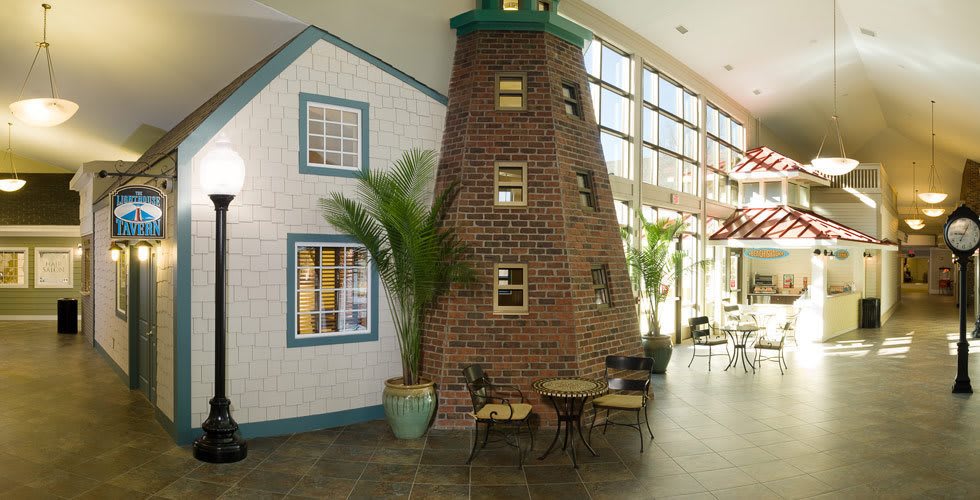
Locked-down memory setting, town layout
The memory-care environment is repeatedly described as secure and set up like a town.
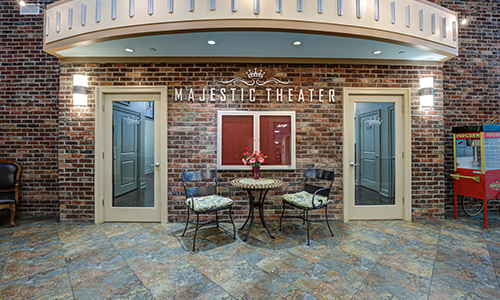
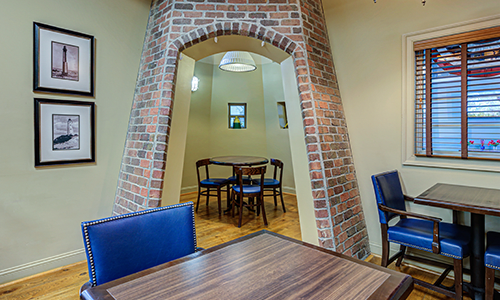
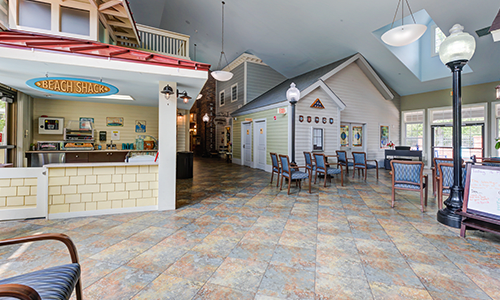
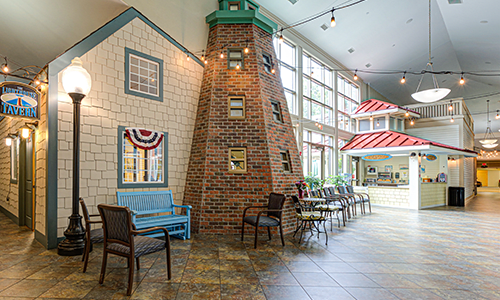
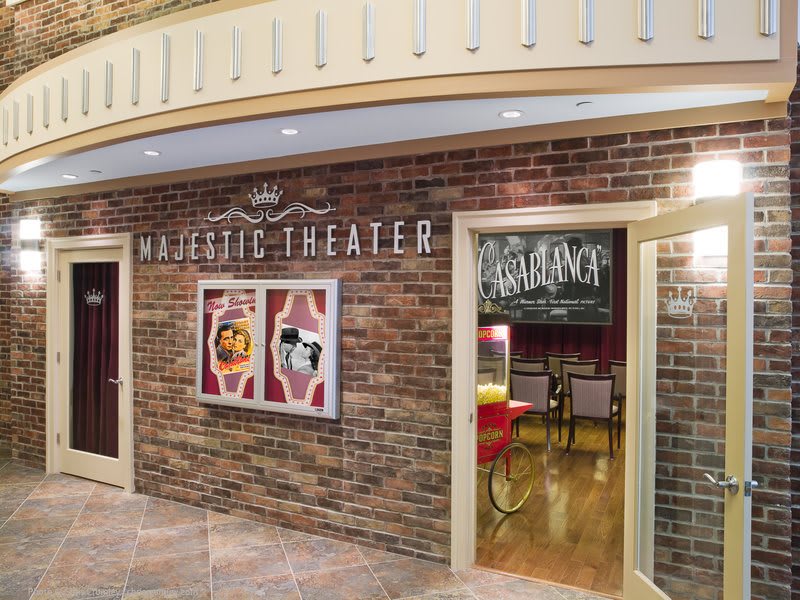
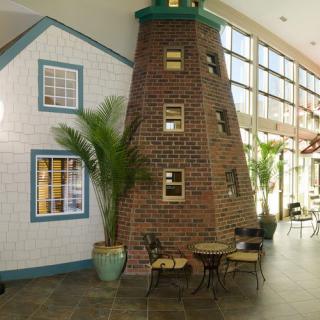
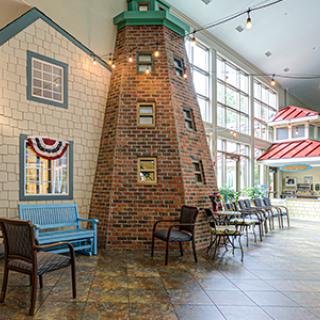
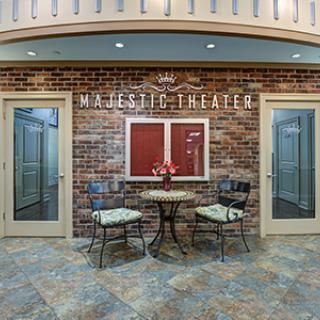
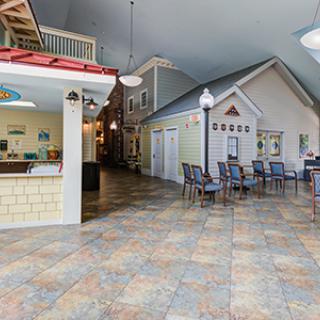
Several reviews emphasize security and peace of mind, describing the community as locked down and easy to feel comfortable in. Others add details about the layout, including a town-like concept with spaces such as a general store area, movie theater, and an ice cream stand. Residents and visitors also describe a layout that feels more home-like than institutional, while still focused on dementia safety.
common16 reviews mention this
Engagement through frequent activities
Reviews highlight daily engagement, with activities that keep residents involved.
Many families describe the activities program as a steady part of life, with mention of scheduled days full of events and opportunities to stay active. Reviewers talk about residents enjoying outings, dancing and music, gardening, and programs that feel tailored enough to match how someone is doing day to day. While one review suggests activities can sometimes feel routine, the overall theme is that there is usually something going on.
common8 reviews mention this
Food and snacks get positive notes
Multiple reviews mention good food and frequent treats like ice cream.
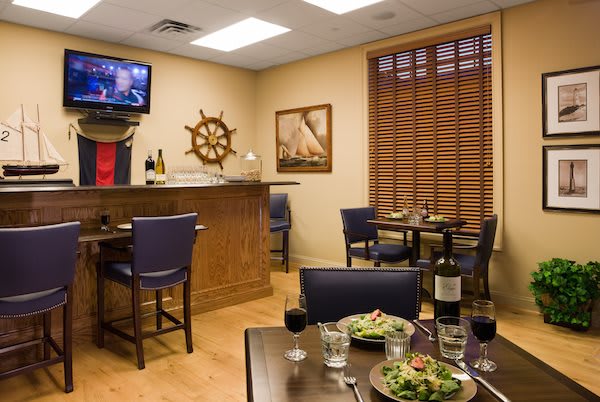
Reviews frequently reference dining in a positive way, from comments that the food is good to praise for meals being planned around individual needs. Several reviewers also call out recurring treats and food-related spots, such as an ice cream stand and ice cream socials, as part of everyday life. A review also notes the cleanliness of the cafeteria, reinforcing that dining spaces are kept well maintained.
How we summarize
Counts show how many written reviews mention each theme; a review can touch several themes, and only frequently mentioned themes are displayed.
Features
Housing
72 resident community capacity
Studio apartments
Types of Care
Assisted Living
Memory Care
Pets
Cats allowed
Amenities
Activities off-site
Activities on-site
Air-conditioning
Beautician on-site
Beauty salon
Cable or satellite TV
Computer center
Devotional services off-site
Devotional services on-site
Dining room
Fitness room
Fully furnished
Gaming room
Garden
General store
Ground floor units
Guasts at mealtime
Guest parking
Hiking trails
Housekeeping services
Indoor common areas
Kitchenette
Laundry
Move-in coordination
Outdoor common areas
Outdoor space
Overnight guests
Party space
Private bathrooms
Respite or short term stays offered
Restaurant-style dining
Security gate
Small library
TV room
Telephone
Wellness center
Wheelchair accessible showers
Wi-Fi/high-speed internet available
Transportation
Norfolk International (9 miles away)
Community operated transportation
Transportation arrangement
Transportation arrangement (non-medical)
Transportation to doctors appointments
Care Services
12-16 hour nursing
24-hour call system
24-hour supervision
Activities of daily living assistance
Ambulatory care
Assistance with bathing
Assistance with dressing
Assistance with transfers
Companion care
Diabetes diet
Diabetic care
High acuity care
Hospice care
Incontinence care
Meal preparation and service
Medication management
Mental wellness program
Mild cognitive impairment
Personal care assistants
Physical therapy
Psychiatric care
Special dietary restrictions
Specialized memory care programming
Dining
Diabetes diet
Guest meals
Low / no sodium
Meals provided
No Sugar
Special dietary restrictions
Special dining programs
Vegetarian
Activities
Activities off-site
Art classes
Arts and crafts
Book club
Community-sponsored activities
Concierge services
Cooking classes
Cooking club
Day trips and outings
Devotional activities offsite
Devotional activities on-site
Educational speakers / life long learning
Fitness programs
Games
Gardening club
Karaoke
Live musical performances
Live well programs
Other religious services
Planned day trips
Religious services
Resident-run activities
Scheduled daily activities
Stories
Visiting chaplain or priest
Wii bowling
Nearby Places of Interest
This part of Virginia Beach, Virginia offers a convenient and diverse range of amenities for seniors looking to settle in the area. Within close proximity, there are several physicians' offices, hospitals, pharmacies, cafes, restaurants, places of worship, parks, and theaters. The medical facilities nearby include obstetrics, family practice, pulmonary medicine, ear nose & throat specialists, and arthritis consultants. Additionally, there are multiple dining options such as Japanese buffet, Mediterranean cafe, seafood restaurant, and various coffee shops. For leisure activities and relaxation, there are parks like Kings Grant Park and Mount Trashmore Park within a short driving distance. The area also features entertainment options with movie theaters such as AMC Lynnhaven 18 nearby. With its convenient location and abundance of amenities catering to different needs and interests, this part of Virginia Beach may be an ideal choice for seniors seeking a vibrant community with easy access to essential services and recreational opportunities.
Physicians
Virginia Beach Obstetrics (0.3 miles)
Family Practice Center (0.3 miles)
Virginia Beach Family Practice (0.4 miles)
Pulmonary Medicine of Virginia Beach (0.4 miles)
Coastal Ear Nose & Throat (0.5 miles)
Arthritis Consultants of Tidewater (0.6 miles)
First Colonial Eye Center (0.8 miles)
Hospitals
Sentara Virginia Beach General Hospital (0.4 miles)
Virginia Beach Ambulatory Surgery Center (0.5 miles)
The Memory Center of Virginia Beach offers specialized care with a focus on dementia and memory-related conditions, reflected in its pricing structure. Currently, the cost for a semi-private room is set at $7,500 per month, significantly higher than the average monthly rates in Virginia Beach city ($3,903) and across the state of Virginia ($3,991). Similarly, for those requiring a one-bedroom suite, the monthly fee stands at $8,880, compared to local and state averages of $4,190 and $4,257 respectively. These figures highlight the center's commitment to providing high-quality care tailored to residents' unique needs while underscoring the premium associated with such specialized services.
The Memory Center of Virginia Beach enhances the care and support for residents with dementia or Alzheimer's disease through a comprehensive array of services designed to meet their unique needs. Round-the-clock supervision ensures a safe environment, minimizing the risks associated with wandering or confusion, while assistance with activities of daily living--such as bathing, dressing, and transfers--promotes dignity and comfort. Incontinence care further supports personal hygiene and self-esteem, while meal preparation and service cater to dietary requirements that are crucial for overall health. Medication management is vital in maintaining consistent treatment protocols, and the mental wellness program addresses cognitive challenges through engaging activities. Tailored programming for specialized memory care effectively nurtures cognitive function in individuals experiencing mild cognitive impairment or more advanced stages, supplemented by physical therapy to enhance mobility and strength. Collectively, these features create a nurturing atmosphere that fosters independence while ensuring safety and well-being.
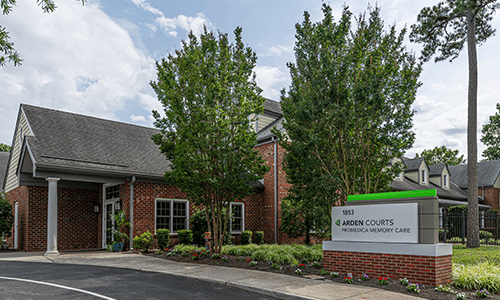
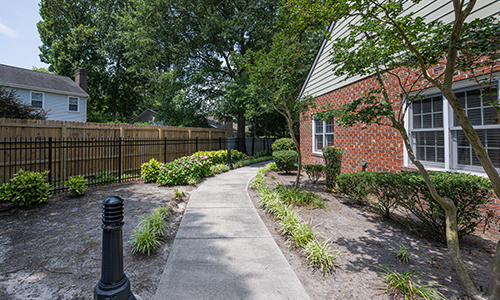
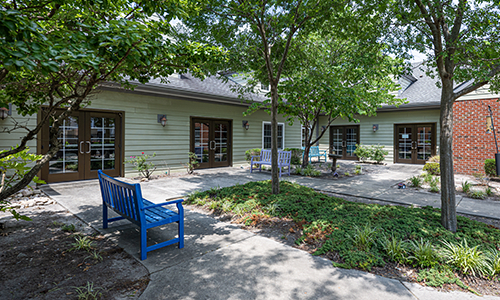
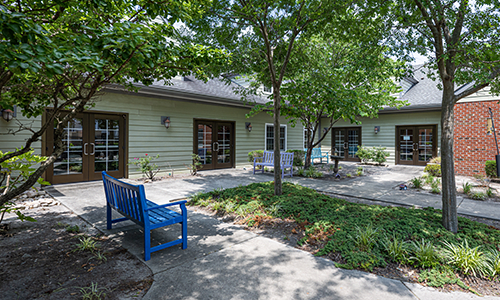
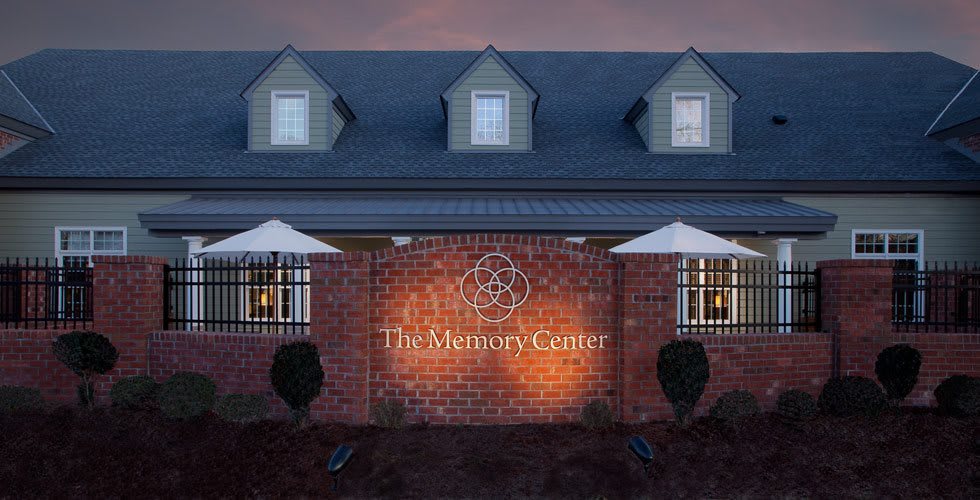
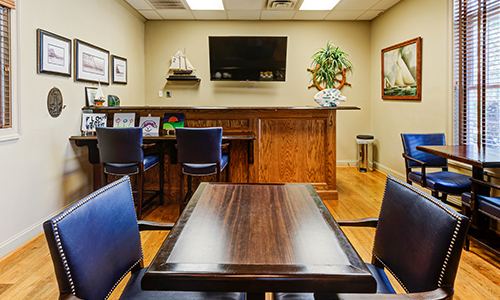
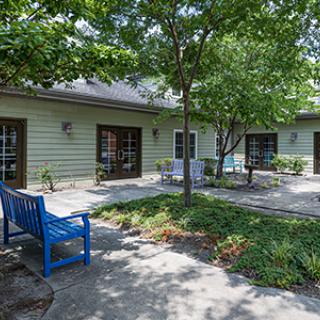
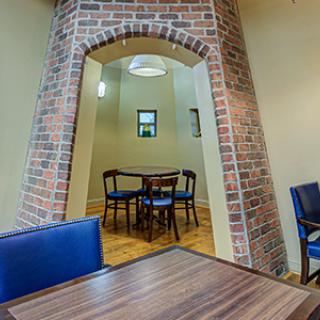
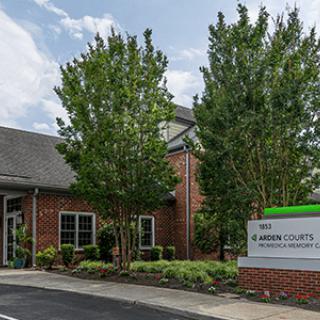
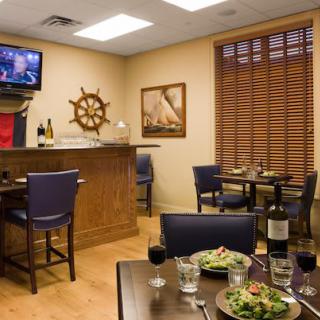
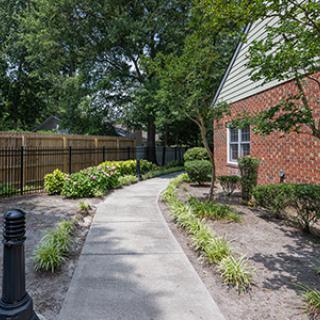
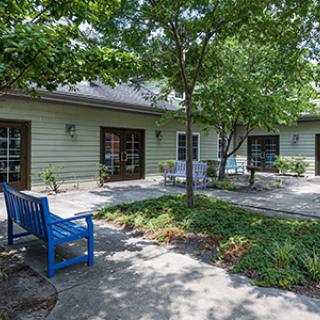
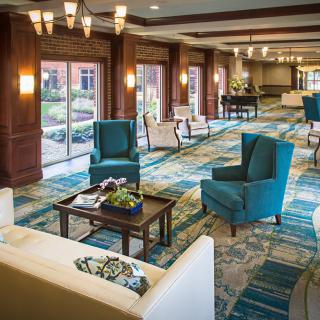
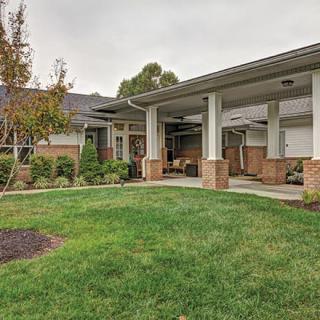
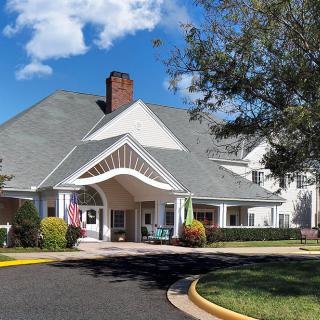
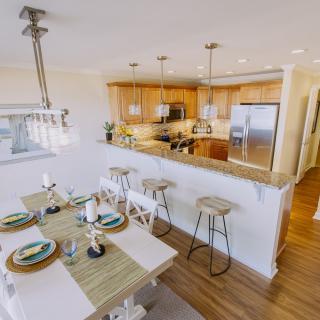
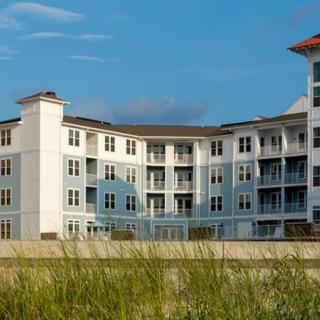
The Memory Center Of Virginia Beach on seniors.fyi includes 14 photos including images showing interior, trees, building, dining, decor, landscaping, courtyard, windows, and more.
Nearby Communities
Accordius Health At Bay Pointe
Virginia Beach, VA
4.5 from 139 reviews
$2,730 to $3,549 / month
Clean, spacious rooms with attentive, compassionate staff.
Va Beach Healthcare And Rehab
Virginia Beach, VA
3.8 from 132 reviews
Responsive, caring staff with strong rehab services and a clean, engaging environment.
Discovery Commons Virginia Beach
Virginia Beach, VA
4.6 from 113 reviews
$3,395 to $5,495 / month
Compassionate staff in a clean, engaging community with varied activities.
Sentara Nursing And Rehab Center - Windermere
Virginia Beach, VA
4 from 119 reviews
24/7 supervision with medication management, diabetes care, mental wellness, and extensive amenities.
Patient Aide Home Care
Virginia Beach, VA
4.2 from 19 reviews
Loving, dependable caregivers and fast, personalized care plans.
Cozy Home Care of Virginia, Inc
Virginia Beach, VA
5 from 19 reviews
Cozy environment with nearby amenities and healthcare.
Russell House
Virginia Beach, VA
3.9 from 34 reviews
Helpful staff and community feel
Westminster Canterbury on Chesapeake Bay
Virginia Beach, VA
3.9 from 116 reviews
Bay-view, resort-like setting with attentive, high-quality care.
Overture Virginia Beach 62+ Apartment Homes
Virginia Beach, VA
4.5 from 38 reviews
$1,677 to $2,613 / month
Upscale, well-maintained senior community with engaging activities and friendly staff.
Dementia leads to cognitive impairment and can cause emotional and behavioral changes, including aggression that arises from frustration, confusion, or fear. Effective coping strategies for caregivers include understanding dementia's nature, recognizing triggers, using empathetic communication, and employing non-pharmacological interventions like music and art therapy.
Dementia causes cognitive decline and challenging behaviors that caregivers must manage, necessitating an understanding of the neurological basis of these issues. Effective strategies and self-care for caregivers can enhance support for those with dementia and improve their daily lives.
The content outlines five key early indicators of dementia, including significant memory loss and confusion about time and place, while emphasizing the need for professional evaluation and emotional support for both individuals showing symptoms and their caregivers. It encourages family members to monitor these signs closely and use online quizzes for initial awareness.
Get PricingAsk A QuestionSchedule A TourContact Senior Advisor
By clicking submit, you agree to our Partner's Terms of Use. You
also consent to receive calls and texts, which may be autodialed, from our Partner. Your consent is not a condition to
using our Partner's service. Please visit our Partner's Privacy Policy for information about their privacy practices.




 72 resident community capacity
 Studio apartments
 Assisted Living
 Memory Care
 Cats allowed
 Activities off-site
 Air-conditioning
 Beautician on-site
 Cable or satellite TV
 Computer center
 Devotional services off-site
 Dining room
 Fitness room
 Fully furnished
 Gaming room
 Garden
 General store
 Ground floor units
 Guest parking
 Hiking trails
 Housekeeping services
 Indoor common areas
 Kitchenette
 Laundry
 Move-in coordination
 Outdoor common areas
 Overnight guests
 Party space
 Private bathrooms
 Respite or short term stays offered
 Restaurant-style dining
 Security gate
 Small library
 Telephone
 Wellness center
 Wheelchair accessible showers
 Wi-Fi/high-speed internet available
 Norfolk International (9 miles away)
 Community operated transportation
 12-16 hour nursing
 24-hour call system
 Ambulatory care
 Assistance with bathing
 Assistance with dressing
 Assistance with transfers
 Companion care
 Diabetes diet
 Diabetic care
 High acuity care
 Hospice care
 Incontinence care
 Medication management
 Mental wellness program
 Physical therapy
 Psychiatric care
 Special dietary restrictions
 Art classes
 Book club
 Concierge services
 Cooking classes
 Day trips and outings
 Educational speakers / life long learning
 Games
Games Karaoke
 Live musical performances
 Visiting chaplain or priest
 Wii bowling
 Clean, spacious rooms with attentive, compassionate staff.

 When Dementia Sparks Anger and Aggression: Understanding the Connection and Ways to Cope
 Dementia Behaviors: In-Depth Understanding and Effective Coping Strategies
 5 Early Indicators of Dementia and What You Can Do