At Sunrise of Richmond, the monthly costs for different room types reflect a premium experience tailored to residents seeking exceptional care and comfort. For a two-bedroom unit, the cost is set at $4,950, which is slightly higher than both Henrico County's average of $4,494 and Virginia's state average of $4,602. One-bedroom accommodations at Sunrise are priced at $5,160, significantly above the county's average of $3,718 and state average of $4,257. The semi-private rooms come in at $6,000, marking a notable increase compared to local and state averages of $3,975 and $3,991 respectively. Lastly, studio apartments are offered for $7,200 per month - again exceeding the regional norm of $4,059 and statewide benchmark of $4,436. These figures suggest that while Sunrise of Richmond commands a higher price point than its surroundings, this investment may be reflective of the quality services and amenities provided to enhance residents' living experiences.
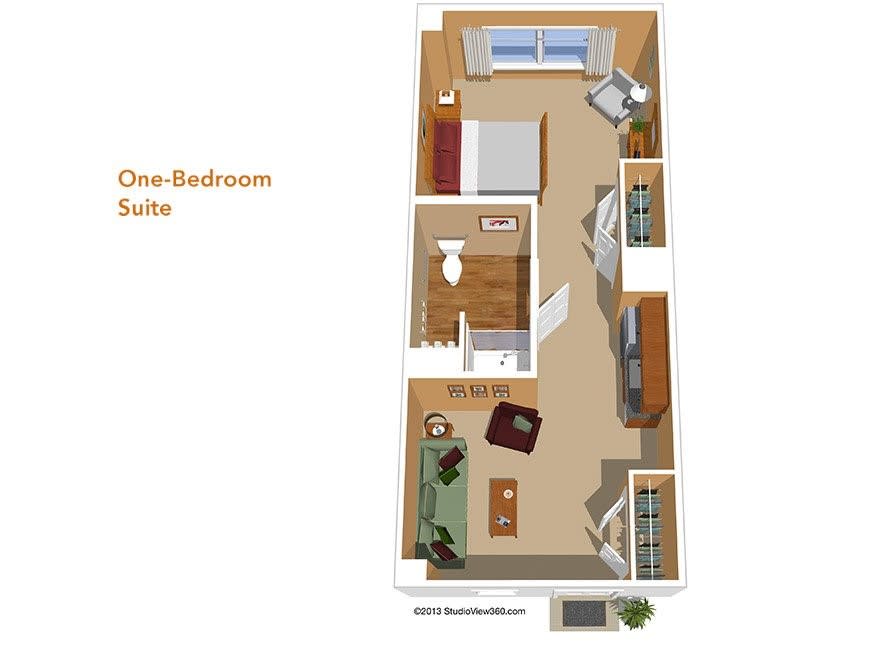
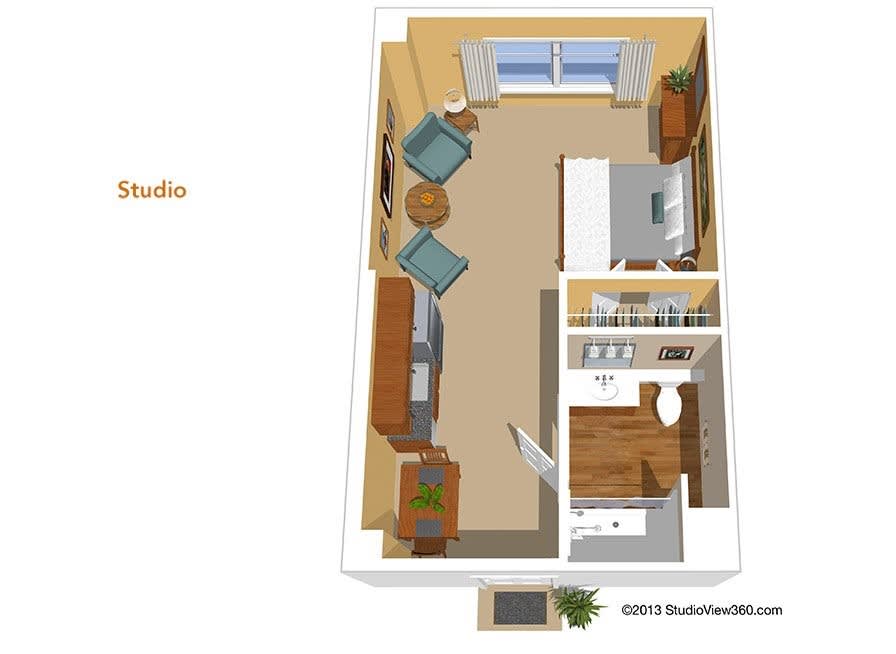
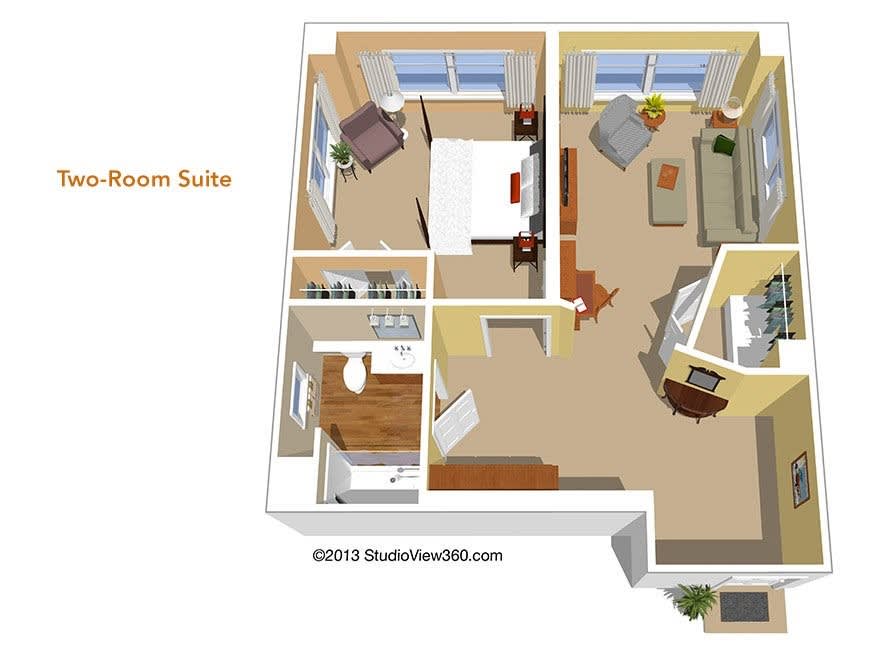
Floor plans
Sunrise of Richmond
Henrico County
Virginia
2 Bedrooms
$4,950
$4,494
$4,602
1 Bedroom
$5,160
$3,718
$4,257
Semi-Private
$6,000
$3,975
$3,991
Studio
$7,200
$4,059
$4,436
Memory care communities with a similar price nearby
Residents and families consistently describe kind, responsive staff.
Across many reviews, people say the staff is knowledgeable, caring, and respectful, with frequent mentions of warmth and helpful communication. Several families specifically describe caregivers and care managers as patient with health changes and attentive to day-to-day needs. A smaller set of reviews expresses the opposite—long waits for assistance, rough handling, or staff turnover—but even those reviews generally acknowledge that some caregivers were excellent.
common18 reviews mention this
Food is a mixed point
Dining is frequently discussed, with praise and frustration both showing up.
Many reviewers say the food is enjoyable and that residents like going to the dining room, with several mentioning meal variety and appealing presentation. Some also like that meals can be brought to rooms when needed. At the same time, multiple reviews describe meals as unappetizing or processed, and a few say quality has declined over time.
caveat14 reviews mention this
Costs are repeatedly called out
Pricing is a recurring concern for many families.
A recurring theme is how expensive the community feels, with reviews mentioning rate increases and overall affordability concerns. Some families connect the cost to billing problems or feeling they are paying for more than they receive. Others note a fit decision that still came with price worries, making cost a frequent tradeoff even among otherwise positive reviews.
common24 reviews mention this
Home-like feel and cleanliness stand out
Reviews often describe a home-like setting that feels well cared for.
Many families praise the atmosphere as warm and not institutional, describing layouts that feel more like apartments or a house and noting pleasant common spaces. Cleanliness and maintenance come up repeatedly, including comments that rooms and laundry are kept tidy. A few reviews add concerns about safety or condition details, such as dissatisfaction with parts of the environment or inconsistent experiences, but the dominant feedback ties comfort and upkeep to the day-to-day feel.
differentiator9 reviews mention this
Memory care neighborhoods feel tailored
Memory care is repeatedly described as having a dedicated, supportive setup.
Several reviews specifically mention dementia care in a cottage or unit format, describing it as calm, organized, and designed around residents’ needs. Families also describe staff who understand dementia and help residents stay engaged through activities and routines. While most of these accounts are positive, the caregiving-related criticisms in a few reviews indicate that experience can vary for highly dependent residents.
caveat11 reviews mention this
Care responsiveness can vary
Some residents’ families report delays and inconsistent follow-through.
A subset of reviews describes problems getting timely help, including long waits after call buttons and instances of residents being left unattended. Others describe disrespectful treatment, rough transfers, or communication breakdowns when families tried to escalate concerns. These concerns often appear alongside worries about turnover, which contrasts with the more common reviews praising attentiveness and continuity.
How we summarize
Counts show how many written reviews mention each theme; a review can touch several themes, and only frequently mentioned themes are displayed.
Features
Housing
110 resident community capacity
1-bedroom apartments
Studio apartments
Types of Care
Assisted Living
Memory Care
Pets
Cats allowed
Dogs allowed
Amenities
Activities off-site
Activities on-site
Air-conditioning
Beautician on-site
Beauty salon
Cable or satellite TV
Cafe
Computer center
Devotional services on-site
Dining room
Family private dining rooms
Fitness room
Fully furnished
Gaming room
Garden
Ground floor units
Handicap accessible
Housekeeping services
Indoor common areas
Kitchenette
Laundry
Located close to restaurants
Located close to shopping centers
Move-in coordination
Outdoor common areas
Outdoor patio
Outdoor space
Party space
Pet friendly
Private bathrooms
Religious/meditation center
Resident parking
Respite or short term stays offered
Restaurant-style dining
Security gate
Small library
Spa
Telephone
Wellness center
Wheelchair accessible showers
Wi-Fi/high-speed internet available
Transportation
Richmond International (15 miles away)
Community operated transportation
Transportation & parking
Transportation arrangement
Transportation arrangement (non-medical)
Care Services
12-16 hour nursing
24-hour call system
24-hour supervision
Activities of daily living assistance
Assistance with bathing
Assistance with dressing
Assistance with transfers
Coordination with health care providers
Dementia waiver
Diabetes diet
Diabetic care
High acuity care
Hospice waiver
Incontinence care
Meal preparation and service
Medication management
Mental wellness program
Mild cognitive impairment
Respite program
Special dietary restrictions
Specialized memory care programming
Transportation arrangement (medical)
Transportation to doctors appointments
Dining
Diabetes diet
Guest meals
Low / no sodium
Meals provided
No Sugar
Restaurant style dining
Room service
Special dietary restrictions
Special dining programs
Activities
Activities off-site
Art classes
Community-sponsored activities
Concierge services
Day trips and outings
Devotional activities on-site
Educational speakers / life long learning
Fitness programs
Happy hour
Live dance or theater performances
Live musical performances
Live well programs
Planned day trips
Protestant services
Religious services
Resident-run activities
Scheduled daily activities
Stretching classes
Visiting chaplain or priest
Languages Spoken
English
Nearby Places of Interest
This part of Richmond, Virginia offers a convenient and bustling location with a variety of amenities nearby. There are several pharmacies within a short distance, making it easy to access necessary medications and healthcare supplies. Additionally, there are numerous dining options ranging from fast food to sit-down restaurants, catering to different tastes. The area is also home to reputable physicians and healthcare facilities, ensuring that seniors have access to quality medical care. For leisure activities, there are cafes for socializing and relaxing, as well as theaters for entertainment. Places of worship provide spiritual support for those seeking a community connection. Nearby parks offer opportunities for outdoor recreation and exercise. Overall, this part of Richmond provides a well-rounded environment with essential services and attractions for seniors looking for a vibrant place to live.
Pharmacies
Walgreens (0.2 miles)
CVS Pharmacy (1.4 miles)
CVS Pharmacy (1.8 miles)
Walgreens (2 miles)
Walgreens (2.1 miles)
CVS Pharmacy (2.2 miles)
CVS Pharmacy (2.6 miles)
Restaurants
McDonald's (0.2 miles)
Chick-Fil-A (0.6 miles)
Teppanyaki Grill & Buffet (1.6 miles)
Chick-Fil-A (1.8 miles)
Kickback Jack's (1.9 miles)
McDonald's (2 miles)
Burger King (2.4 miles)
Physicians
Patient First - Parham (0.6 miles)
Melhorn, Melhorn & Quarles (0.9 miles)
Martirosian, Edward D, Md - Henrico Cardiology Assoc (1.3 miles)
Sarah Cannon Cancer Institute At Henrico Doctors' Hospital (1.3 miles)
At Sunrise of Richmond, the monthly costs for different room types reflect a premium experience tailored to residents seeking exceptional care and comfort. For a two-bedroom unit, the cost is set at $4,950, which is slightly higher than both Henrico County's average of $4,494 and Virginia's state average of $4,602. One-bedroom accommodations at Sunrise are priced at $5,160, significantly above the county's average of $3,718 and state average of $4,257. The semi-private rooms come in at $6,000, marking a notable increase compared to local and state averages of $3,975 and $3,991 respectively. Lastly, studio apartments are offered for $7,200 per month - again exceeding the regional norm of $4,059 and statewide benchmark of $4,436. These figures suggest that while Sunrise of Richmond commands a higher price point than its surroundings, this investment may be reflective of the quality services and amenities provided to enhance residents' living experiences.
The array of features provided by Sunrise of Richmond is designed to create a comprehensive support system for residents with memory impairments. The 24-hour supervision ensures that residents are constantly monitored, promoting safety and immediate assistance when needed. Activities of daily living assistance, including help with bathing, dressing, and transfers, fosters independence while addressing the unique challenges faced by individuals with dementia. Coordination with healthcare providers guarantees that medical needs are met efficiently, while the dementia waiver allows for tailored approaches to care. Incontinence care supports dignity and comfort, while meal preparation and service cater to specific dietary requirements. Medication management helps prevent errors in medication intake, crucial for maintaining health stability. The mental wellness program and specialized memory care programming provide cognitive stimulation tailored to individual needs; meanwhile, transportation arrangements facilitate access to necessary medical appointments without additional stress on residents or families. Together, these features create an environment conducive to enhancing quality of life for those navigating mild to advanced stages of dementia or Alzheimer's disease.
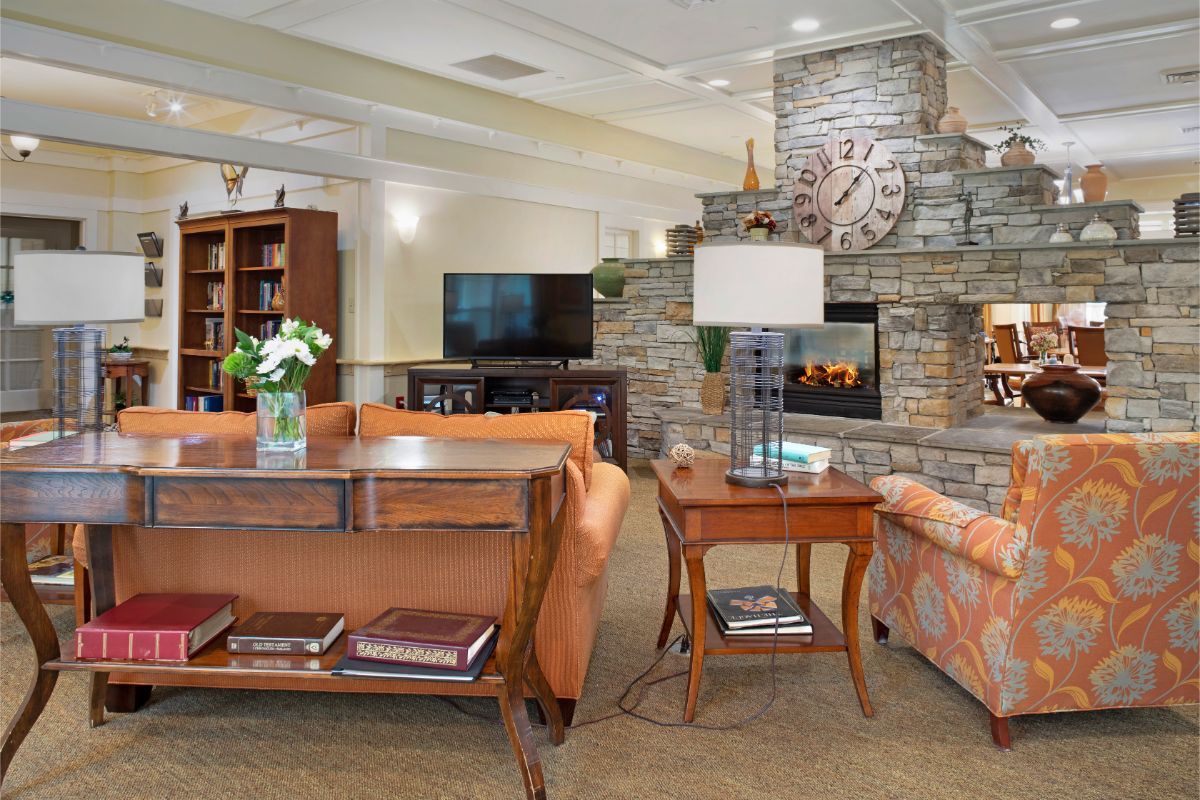
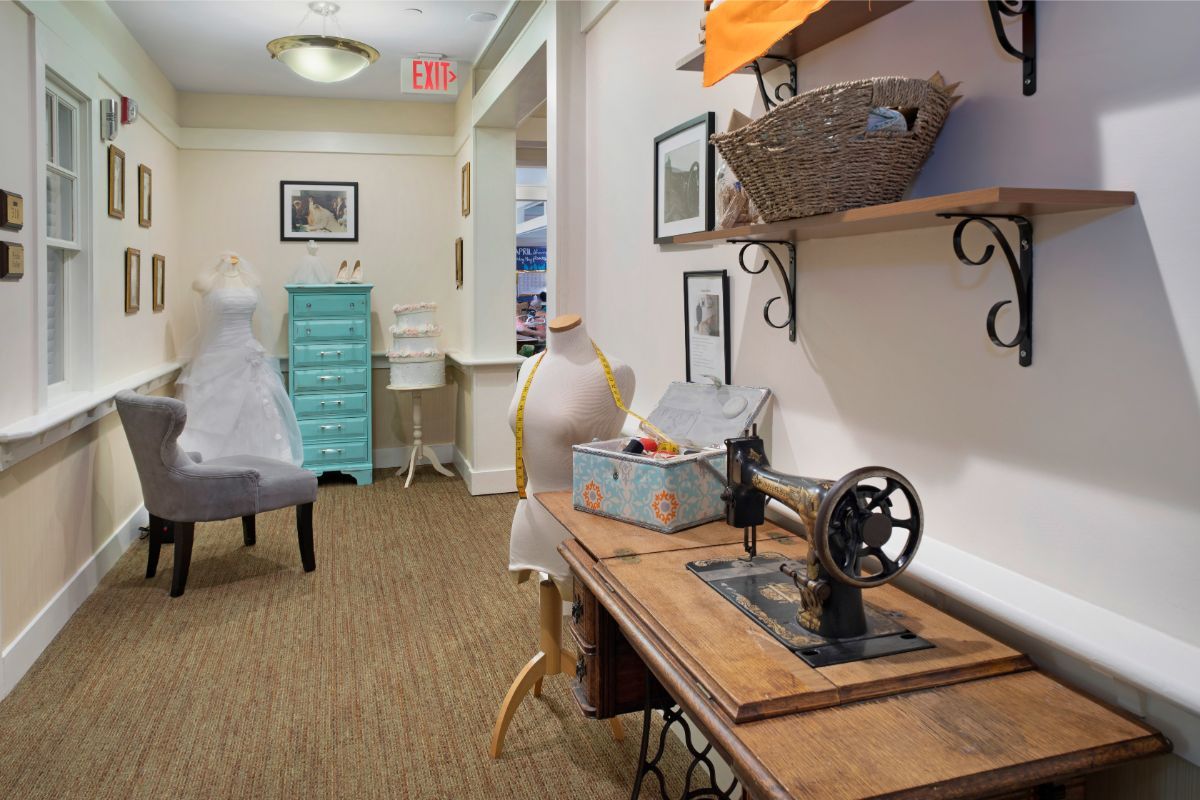
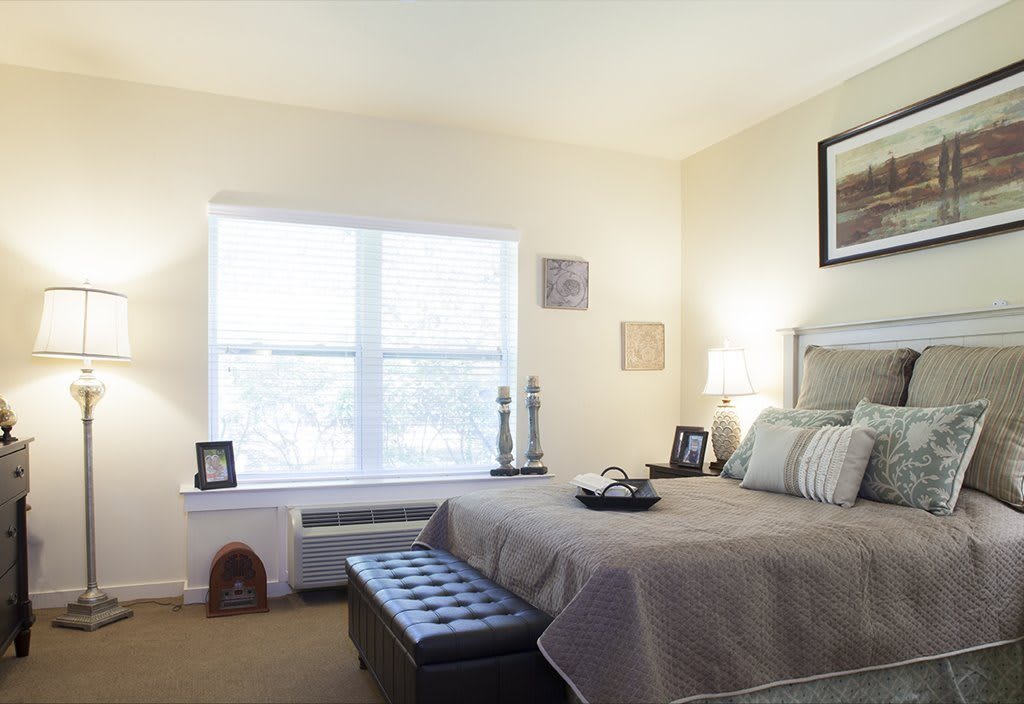
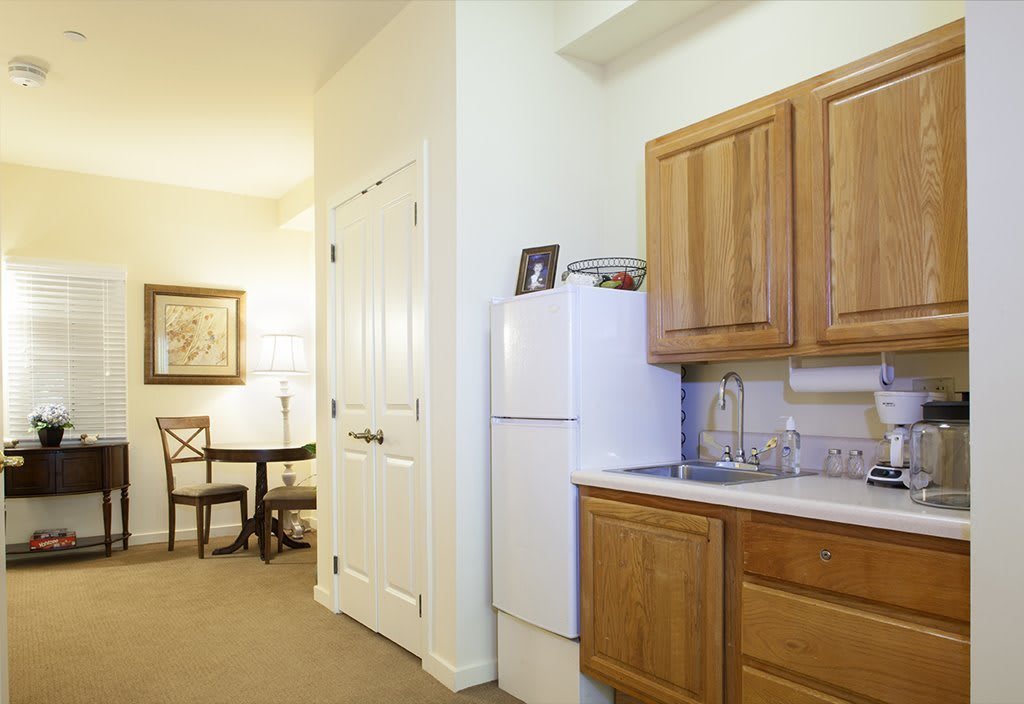
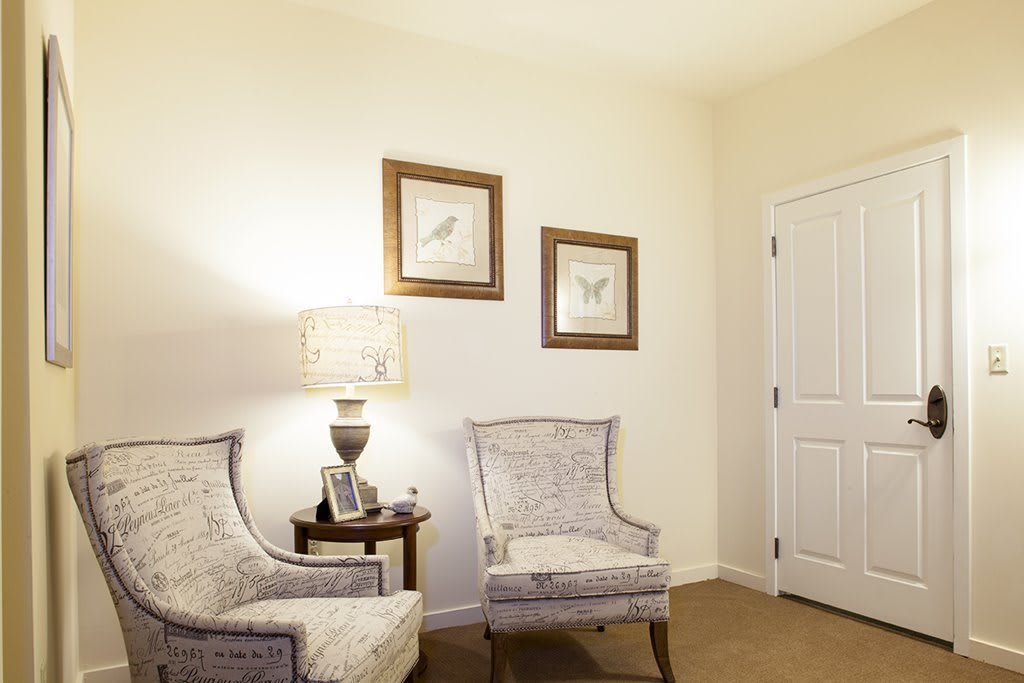
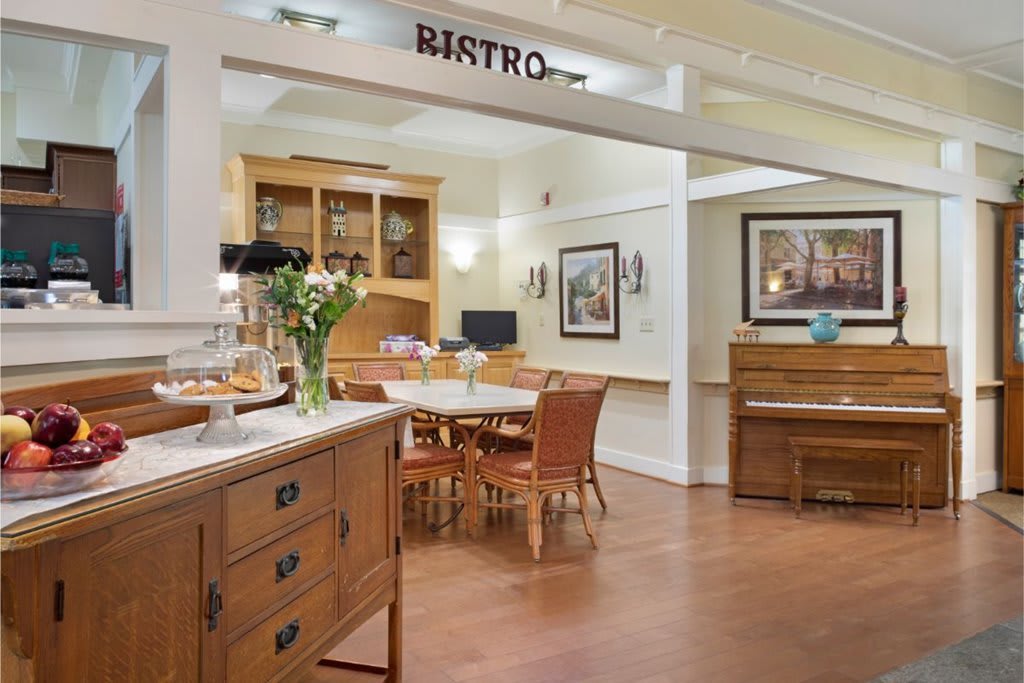
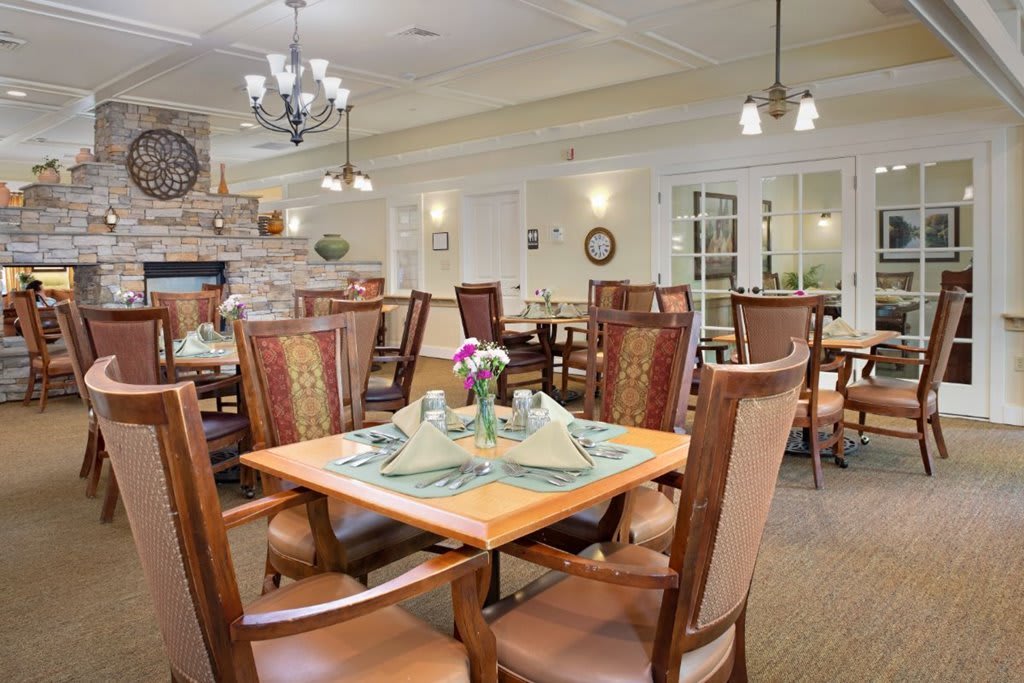
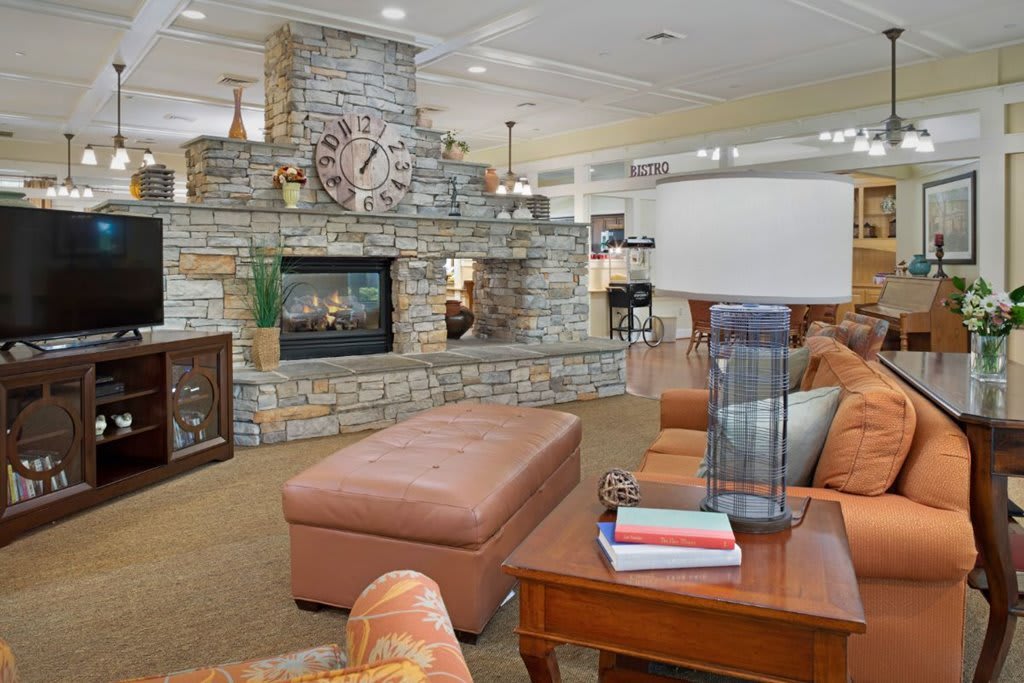
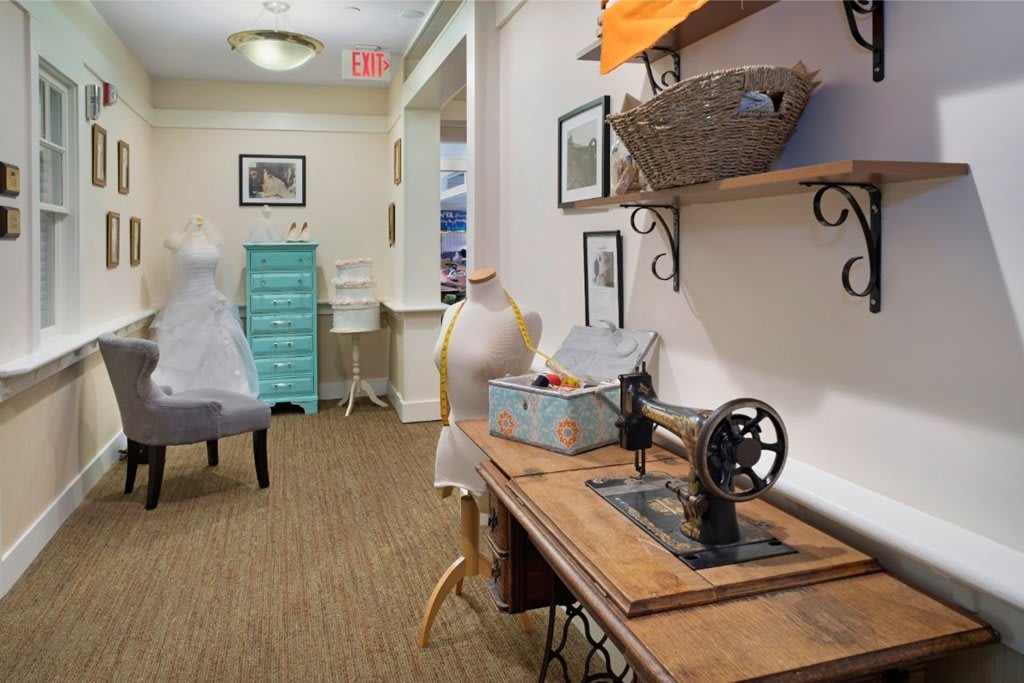
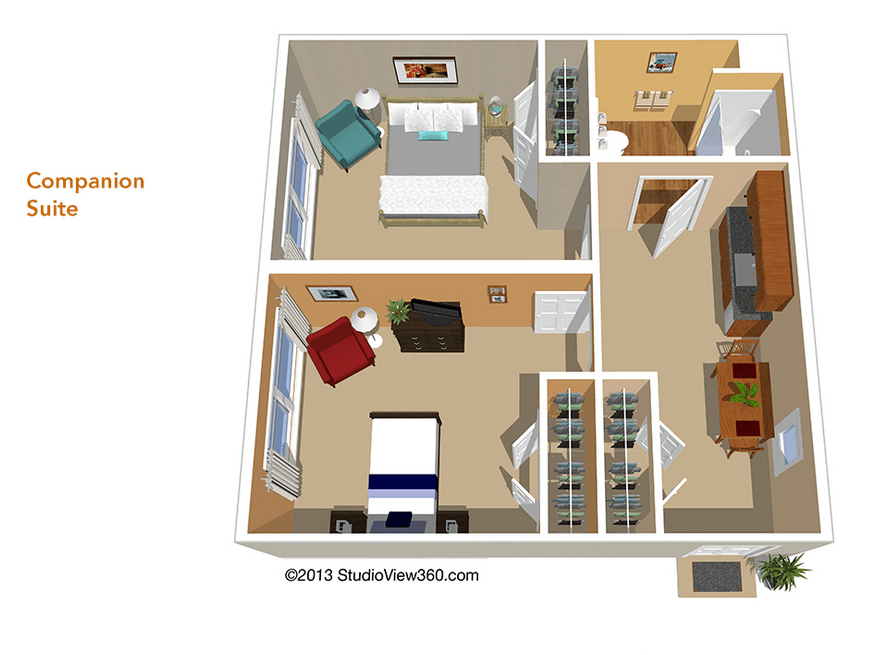
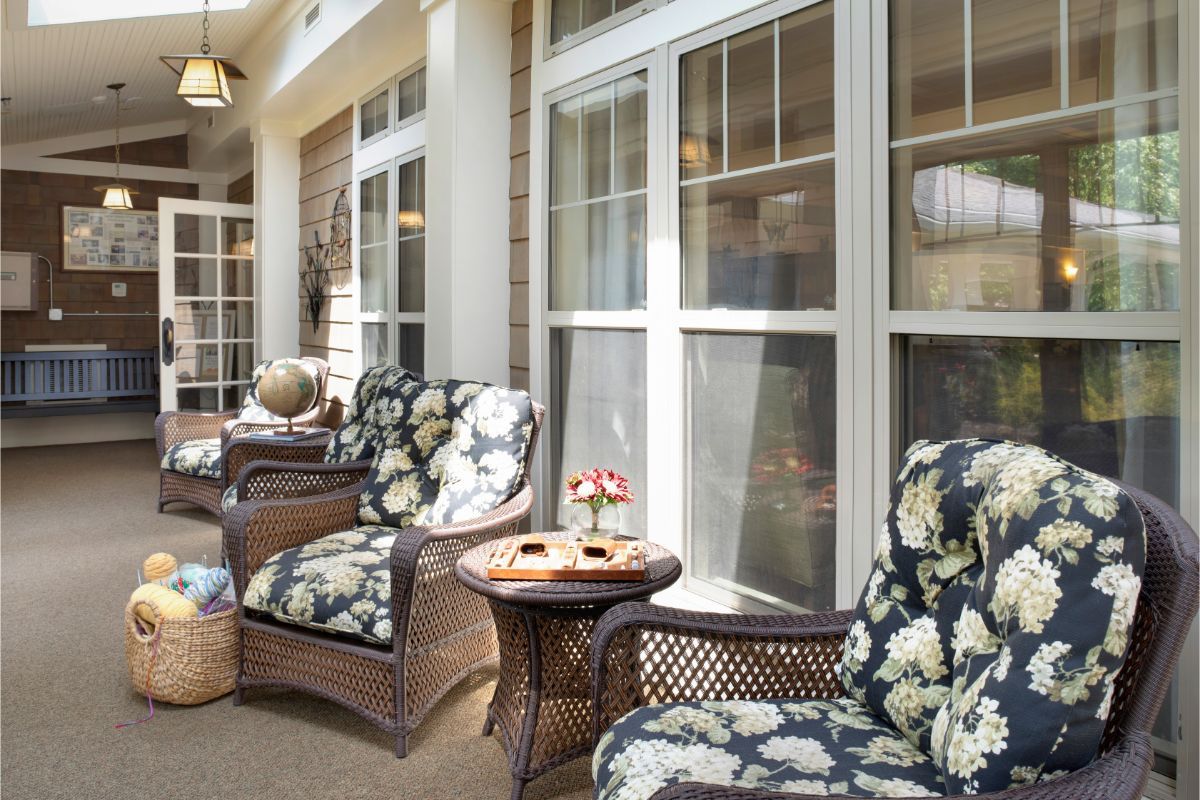
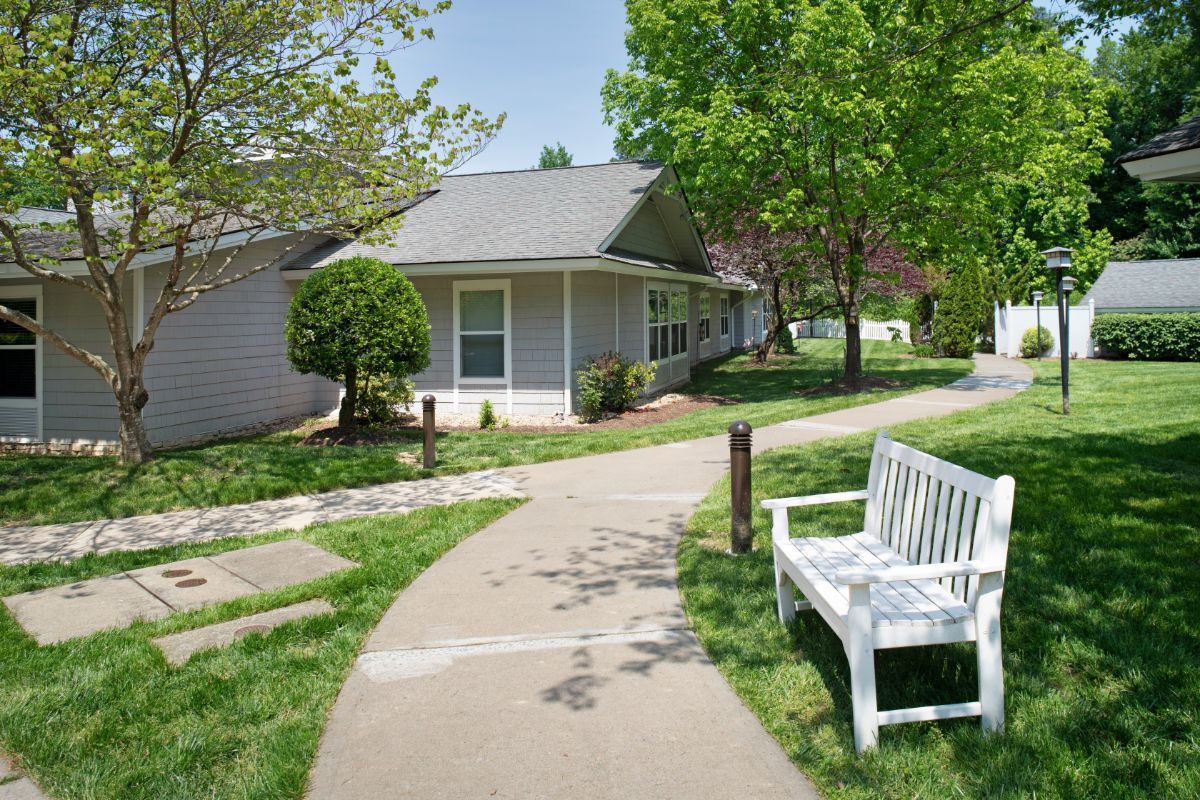
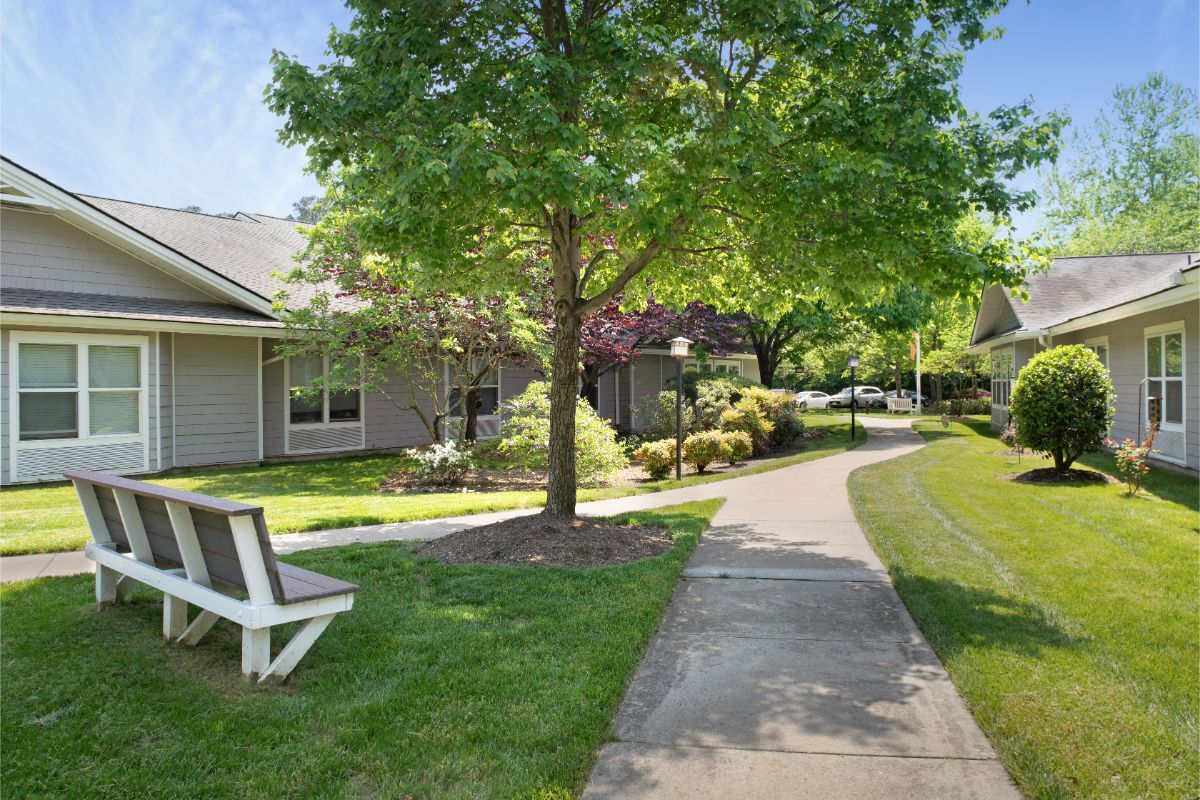
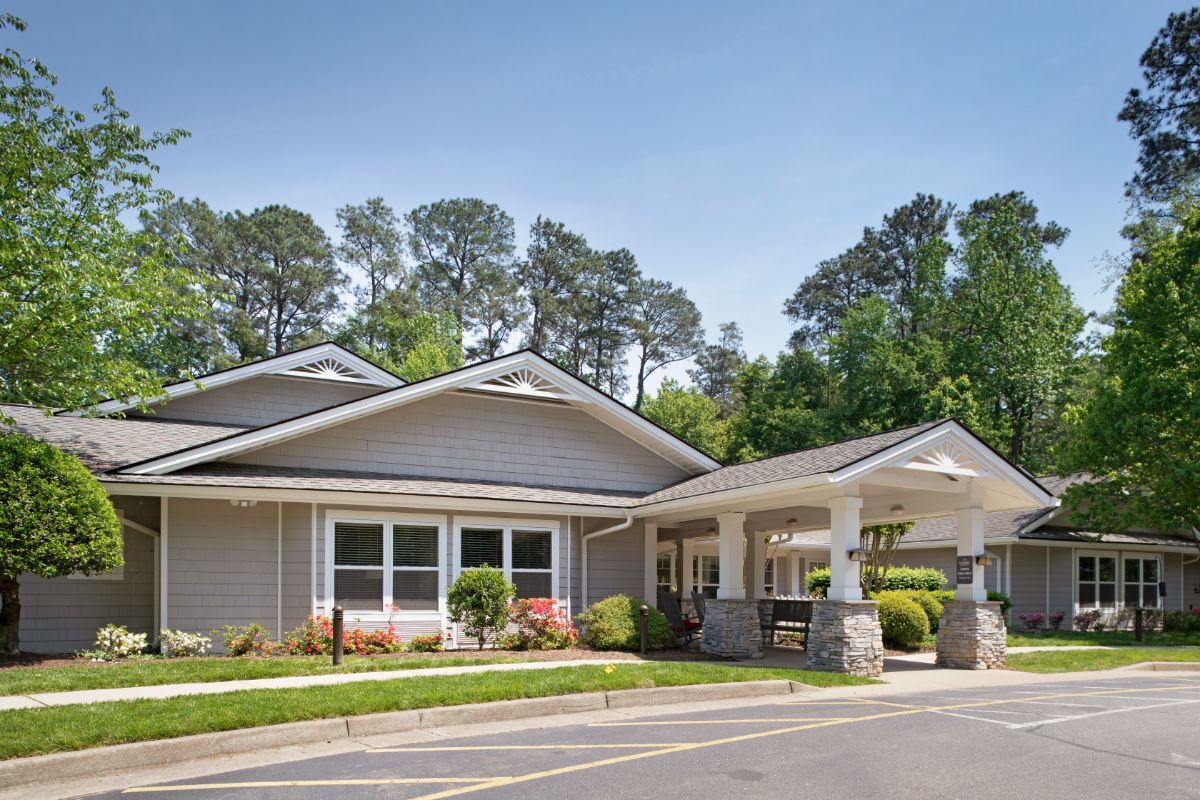
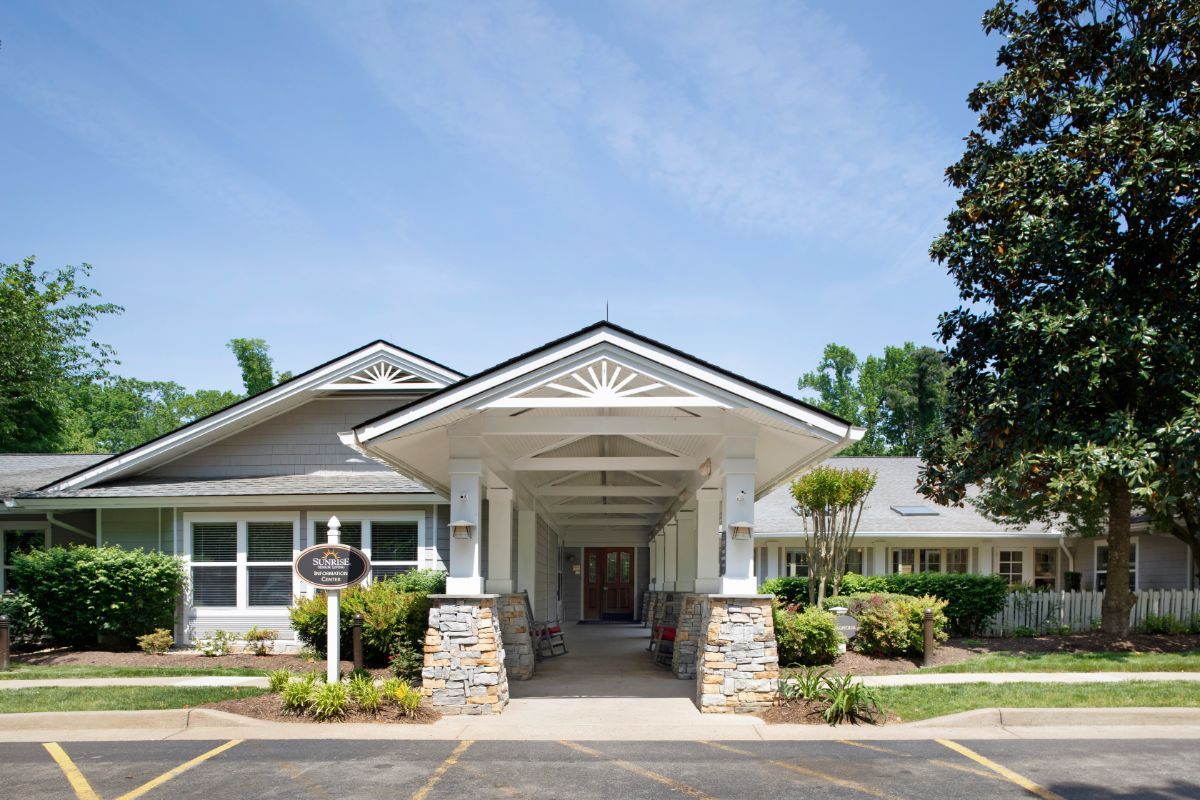
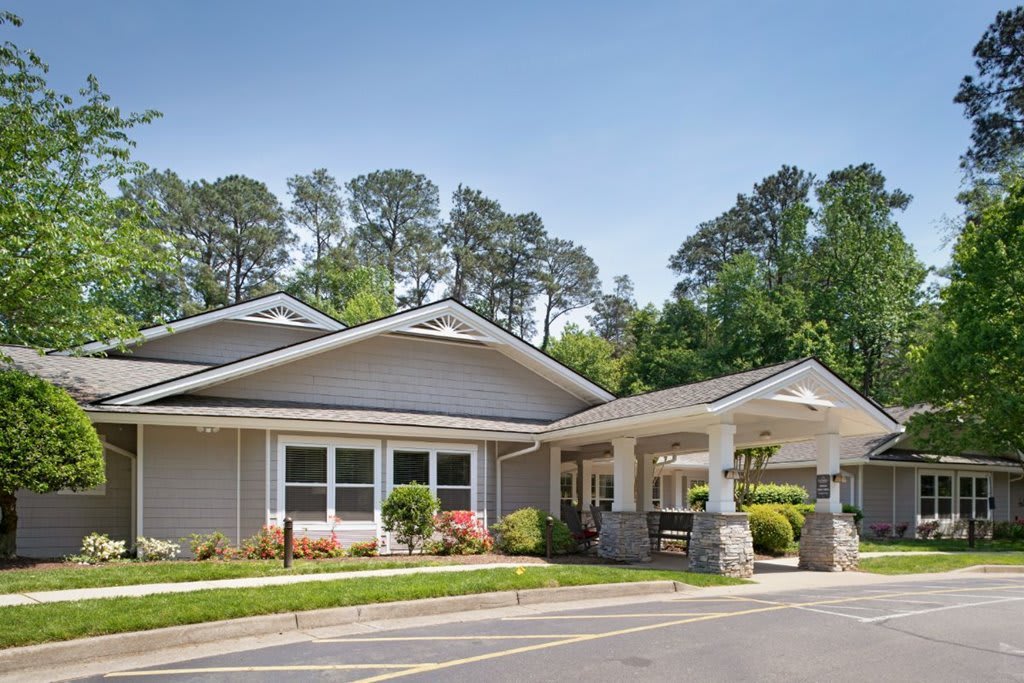
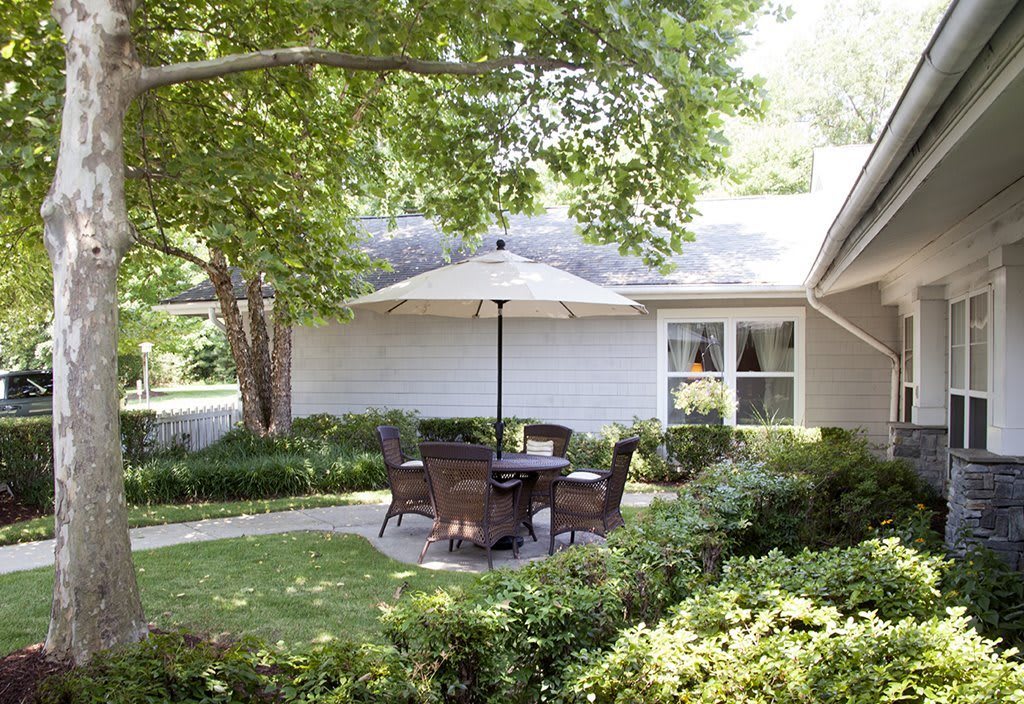
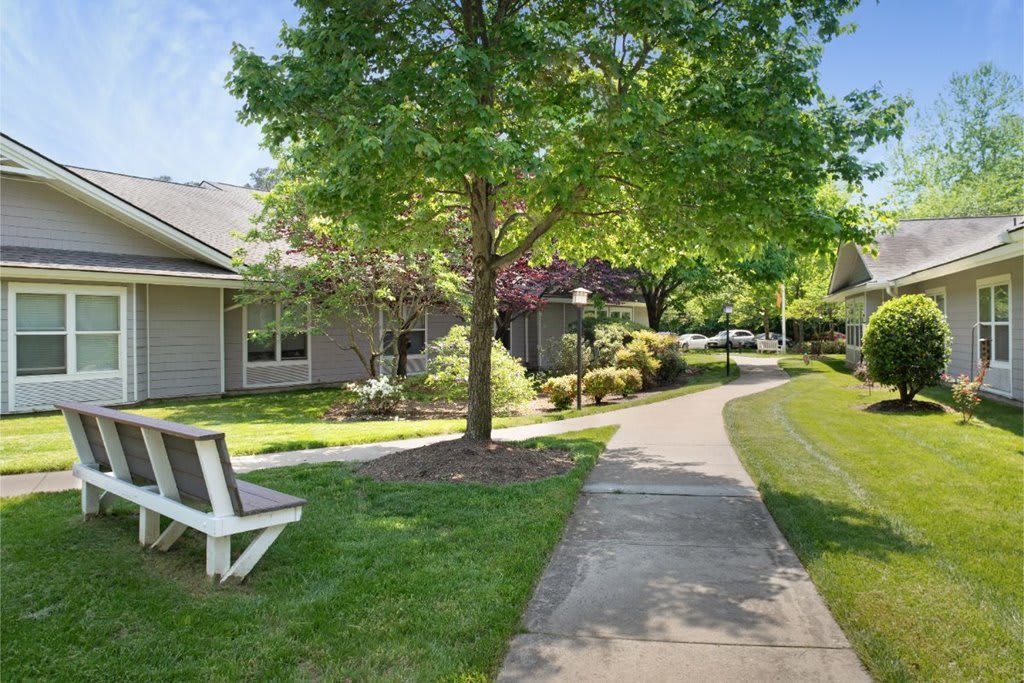
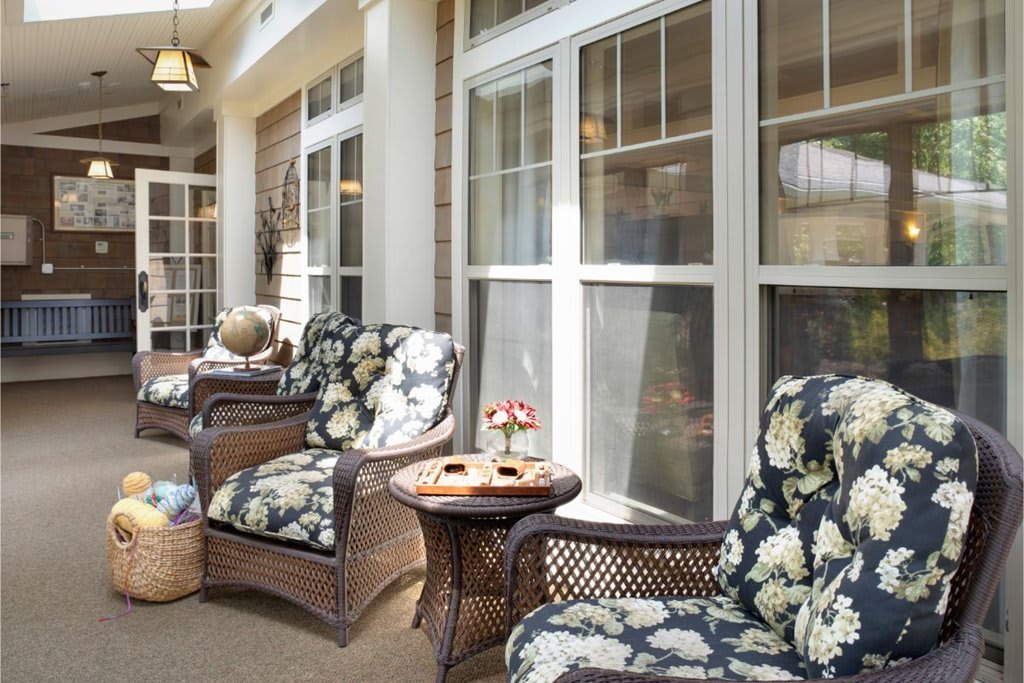
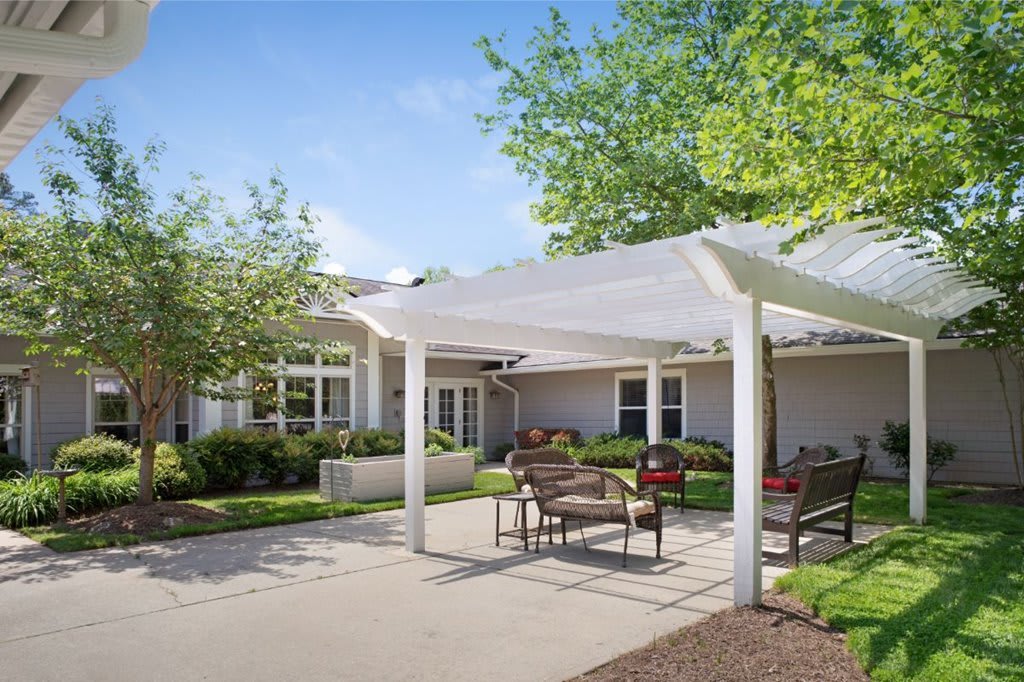
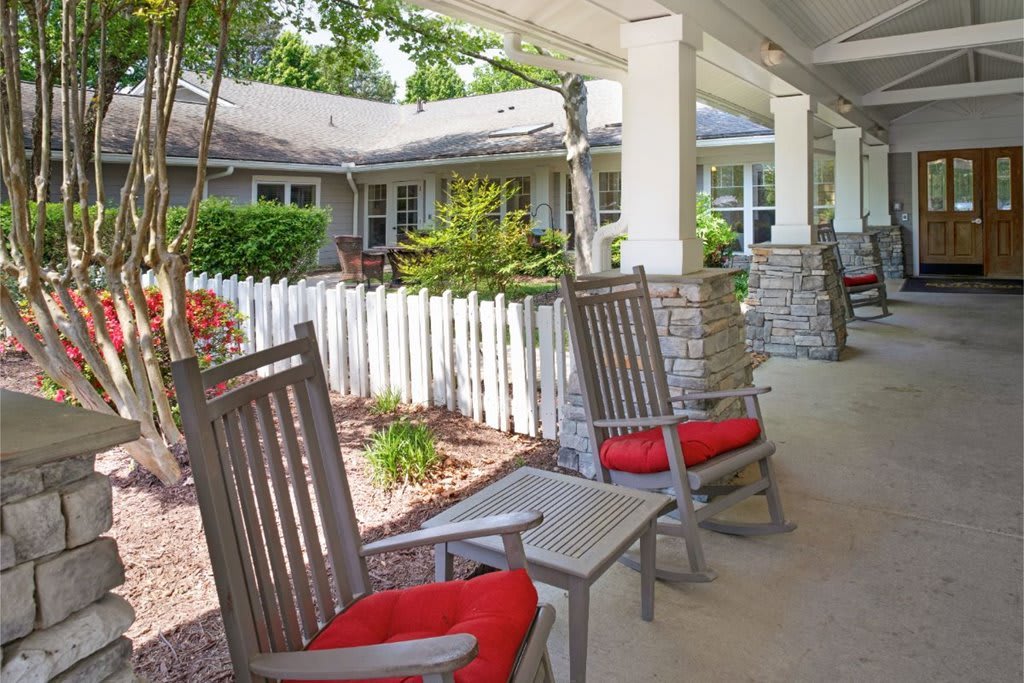
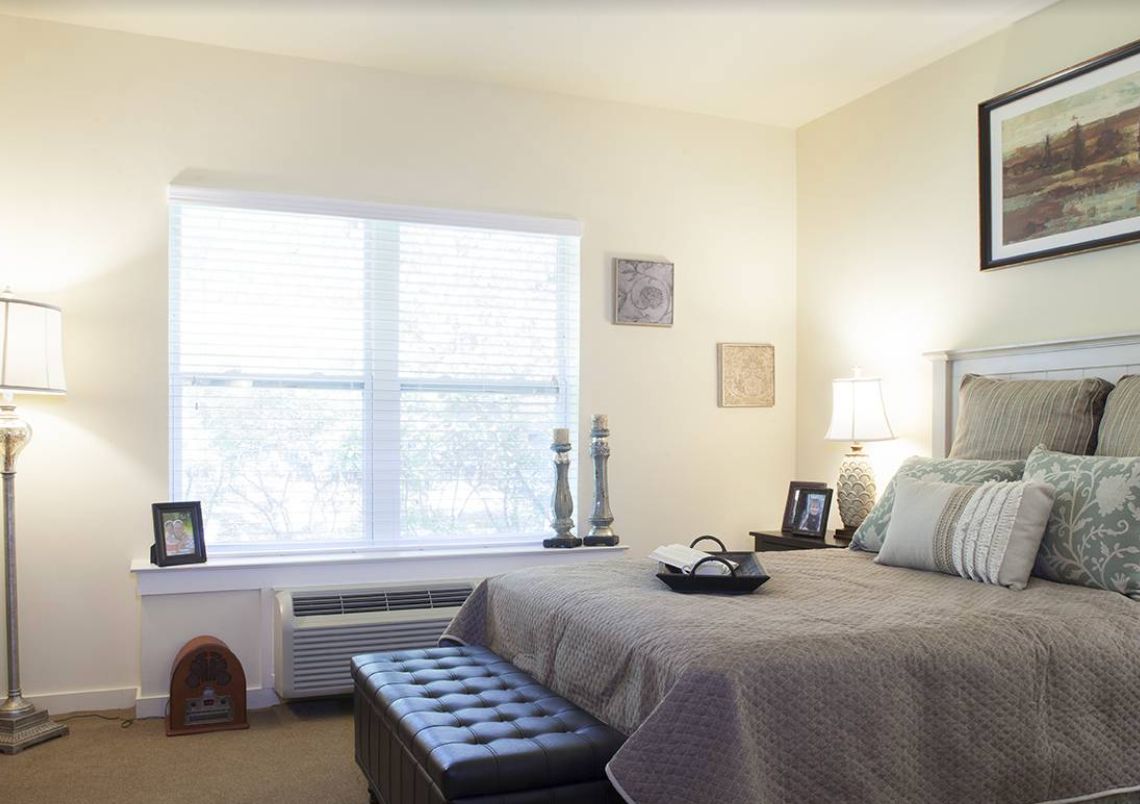
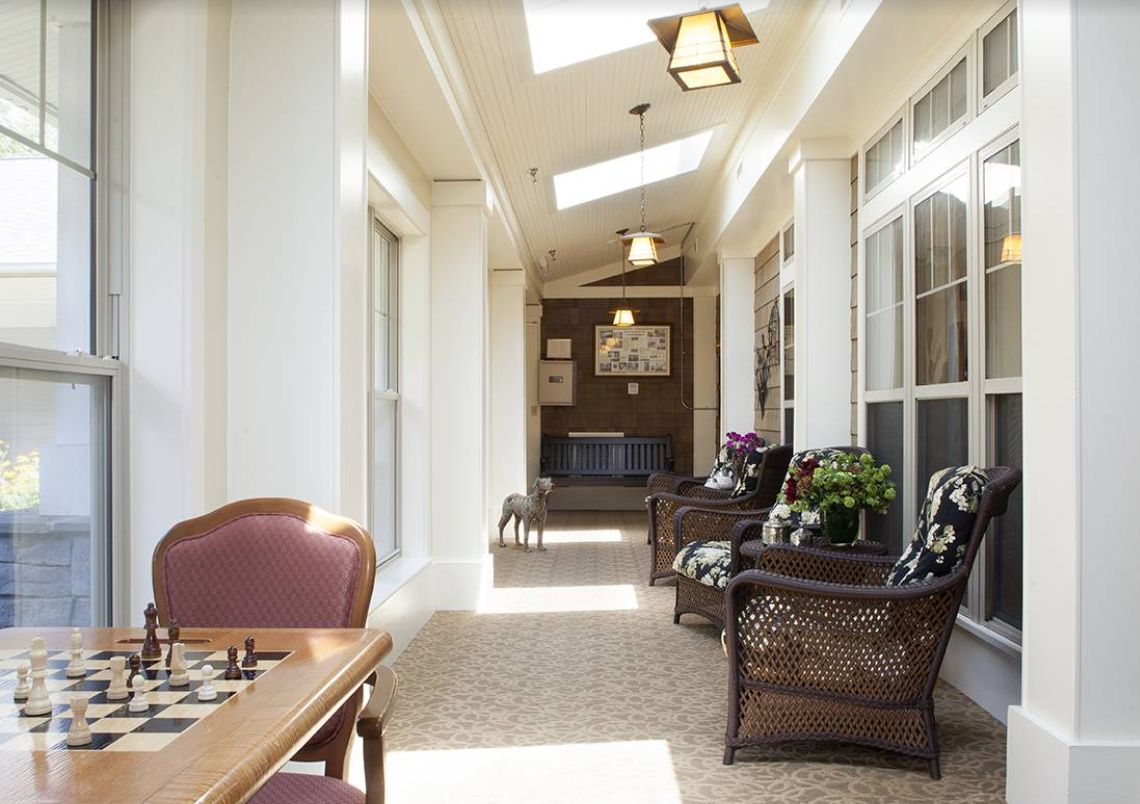
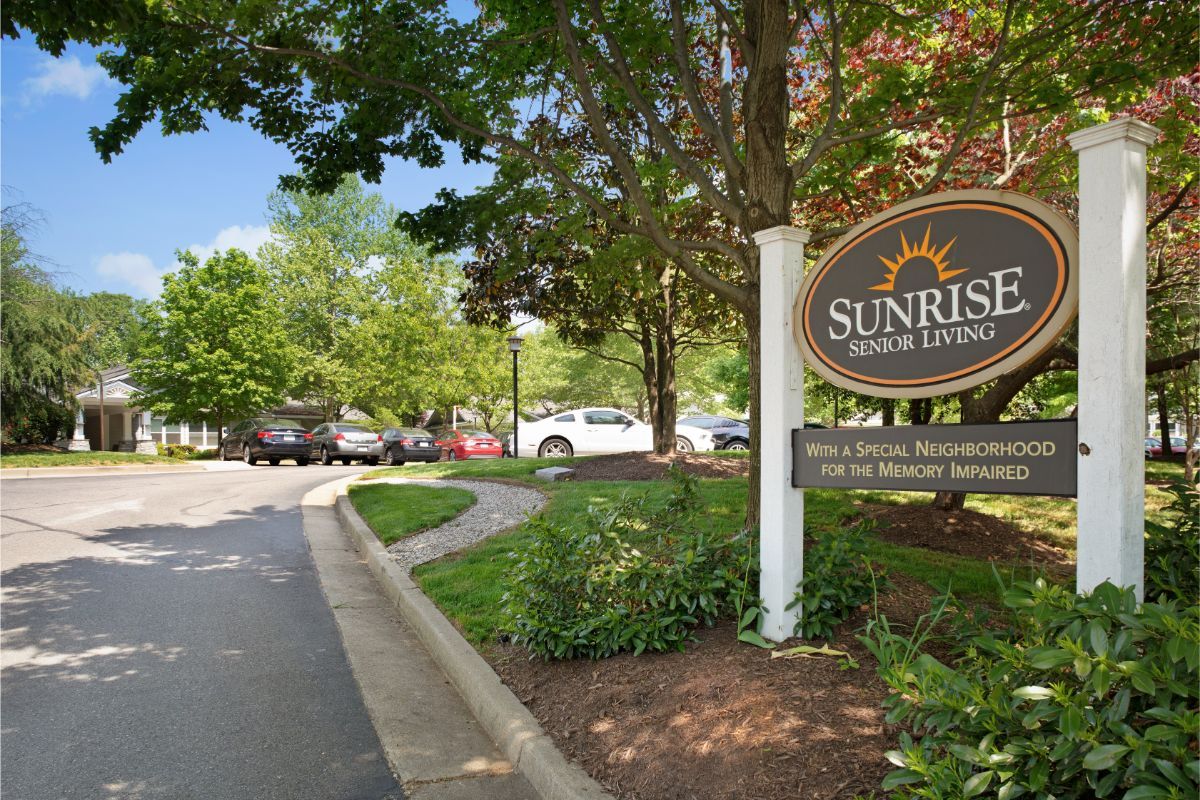
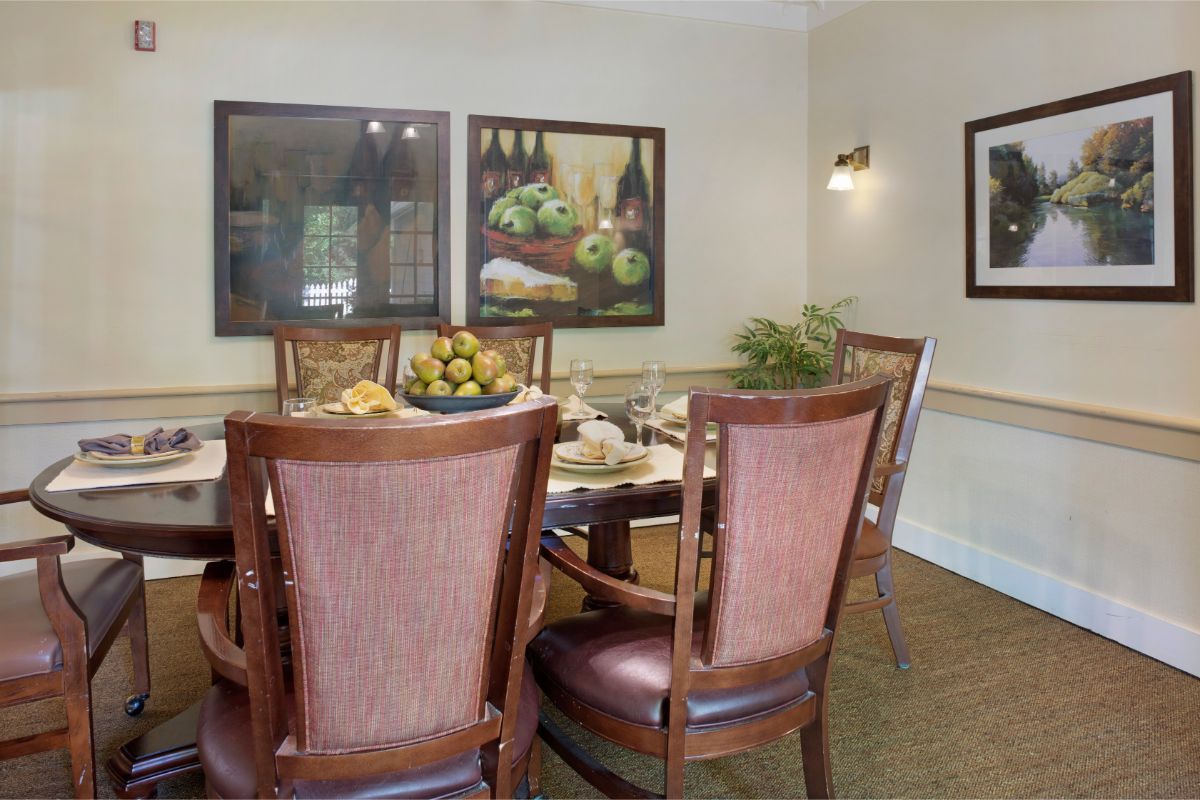
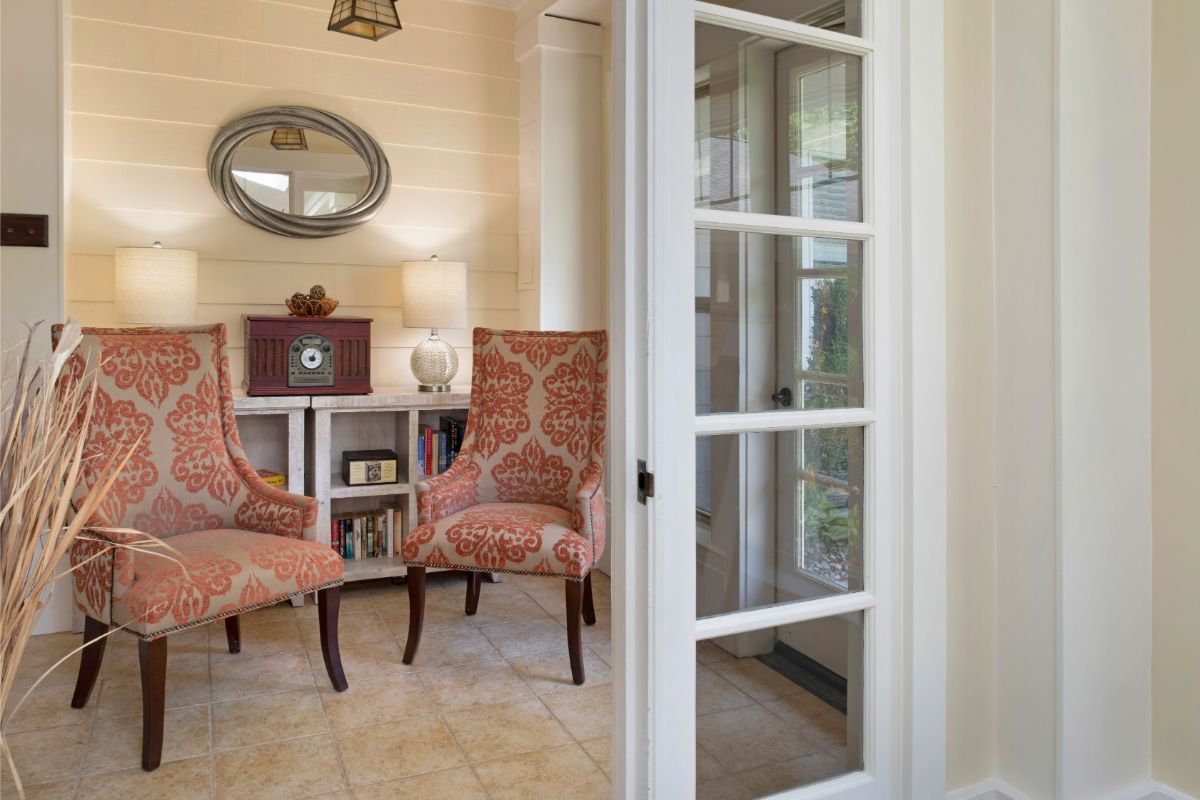
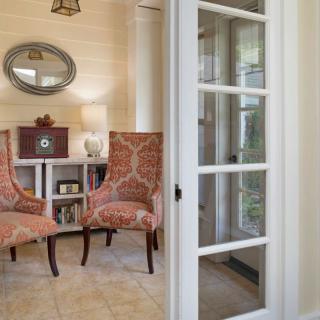
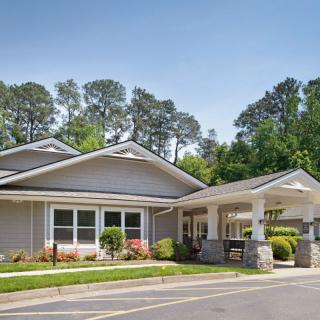
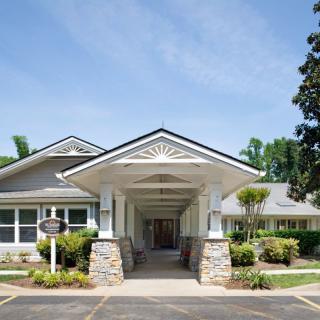
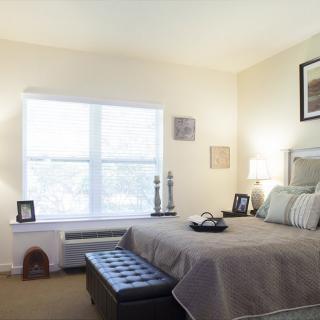
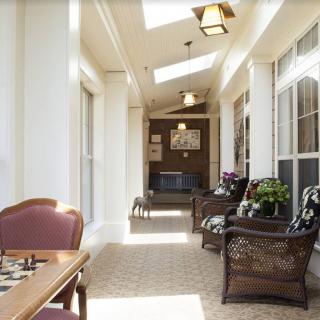
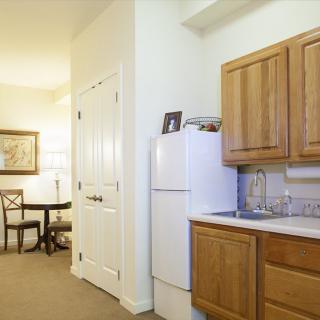
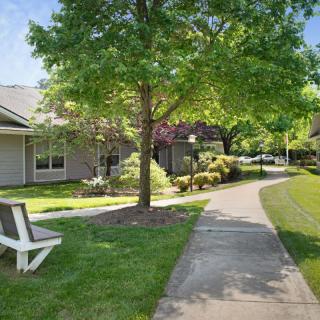
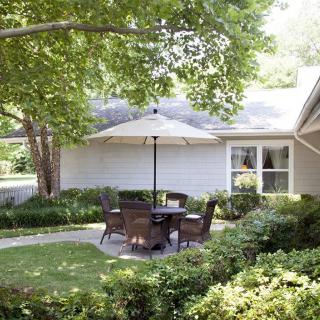
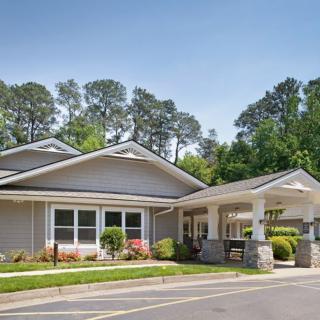
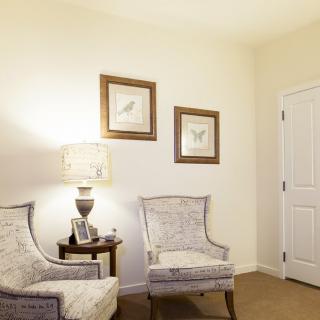
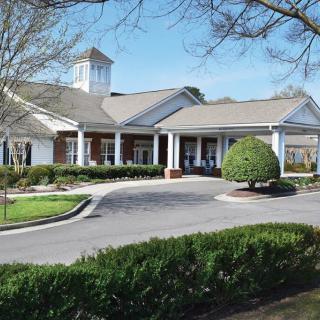
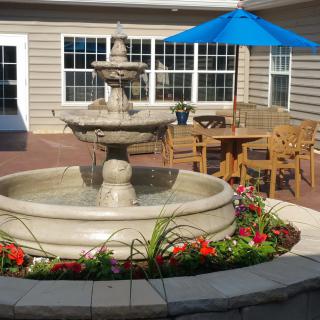
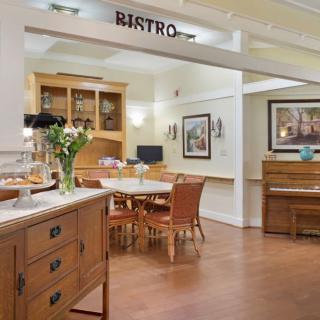
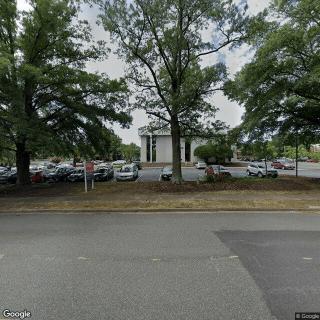
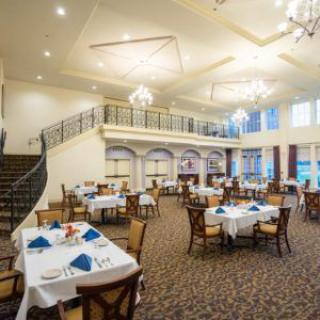
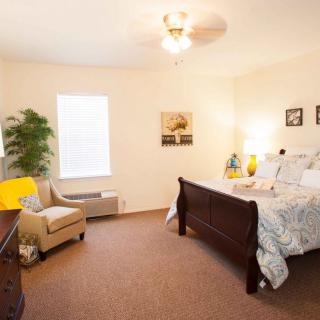
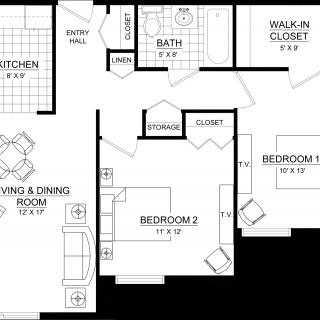
Sunrise of Richmond on seniors.fyi includes 31 photos including images showing interior, landscaping, decor, trees, floor plan, bedroom, outdoor, windows, and more.
Nearby Communities
Anthology of Tuckahoe
Henrico, VA
4.4 from 75 reviews
$3,049 to $5,399 / month
Beautiful apartments and building with friendly staff; good dining options.
Commonwise Home Care - Richmond, VA
Richmond, VA
4.8 from 38 reviews
Convenient access to healthcare, pharmacies, dining, and other amenities nearby.
St. Joseph's Home For The Aged
Richmond, VA
4.3 from 3 reviews
Compassionate, spiritually focused care with private rooms and on-site medical support.
Options for Senior America Richmond VA
Richmond, VA
4.8 from 23 reviews
Dependable, compassionate caregivers with responsive after-hours support.
Jireh's Residents Home Care
Richmond, VA
5 from 5 reviews
Strong access to healthcare, dining, and transportation nearby, with personalized care from dedicated staff.
ComForcare Senior Services
Richmond, VA
4.9 from 7 reviews
Excellent access to healthcare, pharmacies, dining, and parks nearby.
Discovery Village At The West End
Richmond, VA
4.4 from 179 reviews
$3,276 to $4,108 / month
Commonwealth Senior Living West End
Richmond, VA
4.3 from 89 reviews
Warm staff in a clean, home-like setting with restaurant-style dining
Marywood Apartments
Richmond, VA
4.6 from 9 reviews
Independent living with personalized care, furnished apartments, dining, housekeeping, 24-hour supervision, social activities, and transportation to medical appointments.
"Memory Care Pathways: A Holistic Guide to Dementia Support" outlines the complexities of dementia and its various types, emphasizing early detection, patient-centered care strategies, caregiver support, and long-term care options while addressing legal and financial considerations to enhance the quality of life for individuals with dementia and their families.
Sundown syndrome, or sundowning, is a phenomenon in dementia patients characterized by increased confusion and agitation during late afternoon and evening, influenced by factors like disrupted circadian rhythms and fatigue. Effective caregiver strategies include establishing routines and managing environmental light while addressing caregiver stress through support services.
Delirium is a rapidly onset, reversible cognitive disturbance often caused by acute medical issues, while dementia is a gradual and irreversible decline due to chronic neurodegenerative diseases. Accurate differentiation between the two is essential for appropriate treatment and management in older adults.
Get PricingAsk A QuestionSchedule A TourContact Senior Advisor
By clicking submit, you agree to our Partner's Terms of Use. You
also consent to receive calls and texts, which may be autodialed, from our Partner. Your consent is not a condition to
using our Partner's service. Please visit our Partner's Privacy Policy for information about their privacy practices.







 110 resident community capacity
 1-bedroom apartments
 Assisted Living
 Memory Care
 Cats allowed
 Dogs allowed
 Activities off-site
 Air-conditioning
 Beautician on-site
 Cable or satellite TV
 Cafe
Cafe Computer center
 Devotional services on-site
 Dining room
 Fitness room
 Fully furnished
 Gaming room
 Garden
 Ground floor units
 Handicap accessible
 Housekeeping services
 Indoor common areas
 Kitchenette
 Laundry
 Located close to restaurants
 Located close to shopping centers
 Move-in coordination
 Outdoor common areas
 Outdoor patio
 Party space
 Pet friendly
 Private bathrooms
 Resident parking
 Respite or short term stays offered
 Restaurant-style dining
 Security gate
 Small library
 Spa
Spa Telephone
 Wheelchair accessible showers
 Wi-Fi/high-speed internet available
 Richmond International (15 miles away)
 Community operated transportation
 12-16 hour nursing
 24-hour call system
 Assistance with bathing
 Assistance with dressing
 Assistance with transfers
 Diabetes diet
 Diabetic care
 High acuity care
 Hospice waiver
 Incontinence care
 Medication management
 Mental wellness program
 Special dietary restrictions
 Transportation arrangement (medical)
 Art classes
 Concierge services
 Day trips and outings
 Educational speakers / life long learning
 Happy hour
 Live dance or theater performances
 Live musical performances
 Protestant services
 English
 Beautiful apartments and building with friendly staff; good dining options.


 Memory Care Pathways: A Holistic Guide to Dementia Support
 Comprehending Evening Confusion in Dementia: Causes, Manifestations, and Support
 Delirium and Dementia: Unraveling the Key Differences