At The Crossings at Ironbridge, monthly costs for various room types present a competitive option compared to regional averages. A studio is priced at $4,825, notably lower than the Chesterfield County average of $5,205 and slightly above the state average of $4,436. For those considering a semi-private accommodation, The Crossings offers this option at $4,895, again undercutting Chesterfield County's average of $5,573 while surpassing Virginia's state average of $3,991. However, pricing shifts with the 1-bedroom units; here, The Crossings stands at $6,575 - a figure that significantly exceeds both county ($3,637) and state ($4,257) averages. Overall, The Crossings at Ironbridge provides attractive pricing for studio and semi-private rooms but may represent a higher investment for one-bedroom accommodations when compared to both county and statewide options.
Floor plans
The Crossings at Ironbridge
Chesterfield County
Virginia
Studio
$4,825
$5,205
$4,436
Semi-Private
$4,895
$5,573
$3,991
1 Bedroom
$6,575
$3,637
$4,257
Memory care communities with a similar price nearby
Residents and families consistently describe staff as kind, attentive, and genuinely invested in care.
Across reviews, people repeatedly say the staff treats them with warmth and responsiveness and makes families feel supported. Several reviewers mention staff going out of their way to help residents stay comfortable and engaged, including during tough moments. A few reviews also flag communication gaps at times, but the overall tone in the testimonials is that staff work hard and care about residents.
common22 reviews mention this
Clean, well-kept facility
Many residents describe a clean, well-maintained building and a layout that is easy to navigate.
Multiple reviews highlight cleanliness and a generally well-kept feel, including during visits to the memory care areas. Several people also comment on the facility’s physical appearance and how the spaces are arranged for getting around. A smaller number of reviews mention the need for more thorough cleaning or updates, but those are outweighed by the repeated praise for cleanliness.
common28 reviews mention this
Activities keep residents engaged
Reviews commonly mention planned activities that keep residents occupied and social.
Residents and families describe regular programming such as crafts, games like bingo, fitness, and day outings, with many people saying their loved ones participate and enjoy it. Several reviews mention that activities are well planned and that residents mingle or join in shared events when appropriate. The community also offers a broad activities calendar, matching the frequent descriptions of something to do throughout the day.
common18 reviews mention this
Food is a frequent bright spot
Food comes up often, with many reviews describing it as good and meeting basic dietary needs.
Many reviewers say meals are good and that their loved ones eat well, including residents with dementia. Some reviews specifically mention flexibility or attention to how residents are fed, while the dining team is also praised in at least one testimonial. A few reviews call out problems with meal quality, but overall dining satisfaction shows up repeatedly.
differentiator11 reviews mention this
Memory care and nursing support
Families describe memory care staff and nursing support as central to daily comfort and supervision.
Several reviews discuss the memory care experience for residents with late-stage dementia or Alzheimer’s, including concerns about movement, eating, and daily routines. Other reviewers mention that nurses and care teams provide the needed attention, and at least one person says the memory care unit has caring staff plus well-planned activities. A cautionary thread involves understaffing and difficulty getting responses at times, which directly affects how families feel about daily supervision.
caveat7 reviews mention this
Costs and staffing concerns
Some families report rising fees, extra charges, and staffing shortages that affect day-to-day reliability.
A recurring concern in reviews is that fees were increased and that families felt the changes were unfair, especially when staffing shortages were also mentioned. Some reviewers also describe needing to fight for promised transportation and say call-button issues delayed help. There are also reviews noting understaffing while still praising individual staff members, but the staffing and fee concerns appear together often enough to be a meaningful caveat for prospective residents.
How we summarize
Counts show how many written reviews mention each theme; a review can touch several themes, and only frequently mentioned themes are displayed.
Features
Housing
96 resident community capacity
1-bedroom apartments
Studio apartments
Types of Care
Assisted Living
Memory Care
Pets
Cats allowed
Dogs allowed
Amenities
Activities off-site
Activities on-site
Air-conditioning
Beautician on-site
Beauty salon
Cable or satellite TV
Computer center
Devotional services on-site
Dining room
Fitness room
Fully furnished
Gaming room
Garden
Ground floor units
Handicap accessible
Housekeeping services
Indoor common areas
Kitchenette
Move-in coordination
Outdoor common areas
Outdoor space
Private bathrooms
Respite or short term stays offered
Restaurant-style dining
Small library
Telephone
Wellness center
Wheelchair accessible showers
Wi-Fi/high-speed internet available
Transportation
Richmond International (14 miles away)
Community operated transportation
Transportation arrangement
Transportation arrangement (non-medical)
Transportation to doctors appointments
Care Services
12-16 hour nursing
24-hour call system
24-hour supervision
Activities of daily living assistance
Assistance with bathing
Assistance with dressing
Assistance with transfers
Diabetes diet
Diabetic care
High acuity care
Incontinence care
Meal preparation and service
Medication management
Mental wellness program
Mild cognitive impairment
Special dietary restrictions
Specialized memory care programming
Dining
Diabetes diet
Gluten-free
Guest meals
Kosher
Low / no sodium
Meals provided
No Sugar
Professional chef
Restaurant style dining
Room service
Special dietary restrictions
Vegan
Vegetarian
Activities
Art classes
Catholic services
Community-sponsored activities
Concierge services
Day trips and outings
Devotional activities on-site
Educational speakers / life long learning
Fitness programs
Happy hour
Live well programs
Other religious services
Planned day trips
Protestant services
Resident-run activities
Scheduled daily activities
Visiting Rabbi
Visiting chaplain or priest
Wine tasting
Nearby Places of Interest
This part of Chester, Virginia is a well-rounded community offering convenient access to various healthcare services including physicians, pharmacies, and hospitals within a short distance. There are a variety of dining options ranging from familiar chains like Applebee's and McDonald's to local favorites such as Dante's of Ironbridge and Ay Caramba. Additionally, residents can enjoy cafes like Starbucks for a relaxing cup of coffee. For entertainment, there are theaters like Commonwealth 20 & Imax for movie buffs or outdoor enthusiasts can explore nearby parks like Pocahontas State Park for recreational activities. Places of worship such as Wesley Chapel Matoaca and Central Baptist Church offer spiritual fulfillment for those seeking a community connection. Overall, this area provides a mix of amenities that cater to the needs and interests of seniors looking for a comfortable living environment in Chester.
Physicians
Shakil A Khan MD (0.2 miles)
Ironbridge Family Practice (0.2 miles)
Patient First - Chester (1 miles)
Chester Square Family Practice (1.1 miles)
Cjw Sports Medicine (2.7 miles)
Dr J. Herrera (6.7 miles)
Virginia Eye Specialists, PC (7 miles)
Restaurants
Applebee's (0.8 miles)
Dante's of Ironbridge (1 miles)
Ay Caramba (1.3 miles)
First Watch (1.4 miles)
What-A-Burger (4.3 miles)
McDonald's (4.5 miles)
Chipotle Mexican Grill (4.6 miles)
Pharmacies
Walgreens (1.1 miles)
CVS Pharmacy (1.1 miles)
Walgreens (2.7 miles)
Rx3 Pharmacy (3.8 miles)
CVS Pharmacy (4.7 miles)
CVS Pharmacy (4.9 miles)
Walgreens (7.6 miles)
Cafes
Starbucks (1.5 miles)
Starbucks (4.5 miles)
Starbucks (7.8 miles)
Panera Bread (9.5 miles)
Starbucks (9.5 miles)
Theaters
Cinema Cafe (4.2 miles)
Commonwealth 20 & Imax (8.4 miles)
Regal Southpark Mall (9.2 miles)
Parks
Pocahontas State Park (4.9 miles)
Henricus Historical Park (7.4 miles)
Lakeview Park (7.4 miles)
Rockwood Park (7.9 miles)
John J. Radcliffe Conservation Area (9.7 miles)
Hospitals
Gary Pifer Trucking (6.7 miles)
Hunter Holmes McGuire VA Medical Center (9.7 miles)
At The Crossings at Ironbridge, monthly costs for various room types present a competitive option compared to regional averages. A studio is priced at $4,825, notably lower than the Chesterfield County average of $5,205 and slightly above the state average of $4,436. For those considering a semi-private accommodation, The Crossings offers this option at $4,895, again undercutting Chesterfield County's average of $5,573 while surpassing Virginia's state average of $3,991. However, pricing shifts with the 1-bedroom units; here, The Crossings stands at $6,575 - a figure that significantly exceeds both county ($3,637) and state ($4,257) averages. Overall, The Crossings at Ironbridge provides attractive pricing for studio and semi-private rooms but may represent a higher investment for one-bedroom accommodations when compared to both county and statewide options.
The Crossings at Ironbridge offers a comprehensive suite of features that directly support residents with dementia or Alzheimer's disease. With 24-hour supervision, residents receive continuous oversight, ensuring their safety and comfort in a secure environment. Assistance with activities of daily living, including bathing, dressing, and transfers, promotes independence while addressing the challenges associated with cognitive impairments. Incontinence care and meal preparation tailored to individual dietary needs further enhance the quality of life for residents. Medication management ensures that prescriptions are properly administered on schedule, reducing potential health complications. The mental wellness program and specialized memory care programming specifically focus on cognitive stimulation and emotional support, catering to varying levels of cognitive decline, including mild cognitive impairment. These integrated services create a nurturing atmosphere that fosters dignity and well-being for those experiencing memory loss.
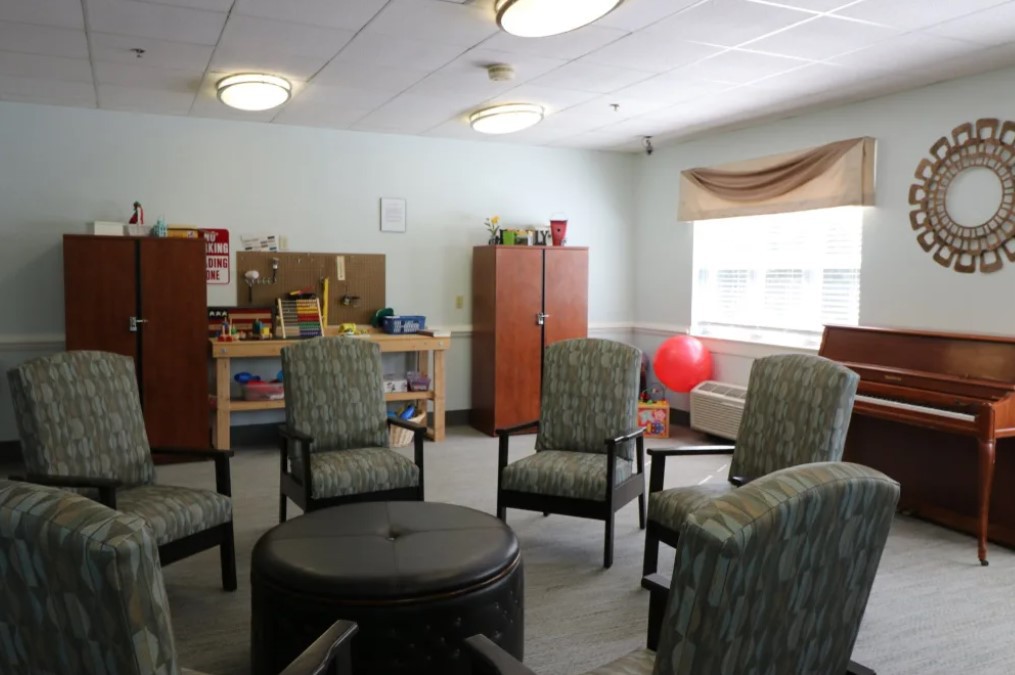
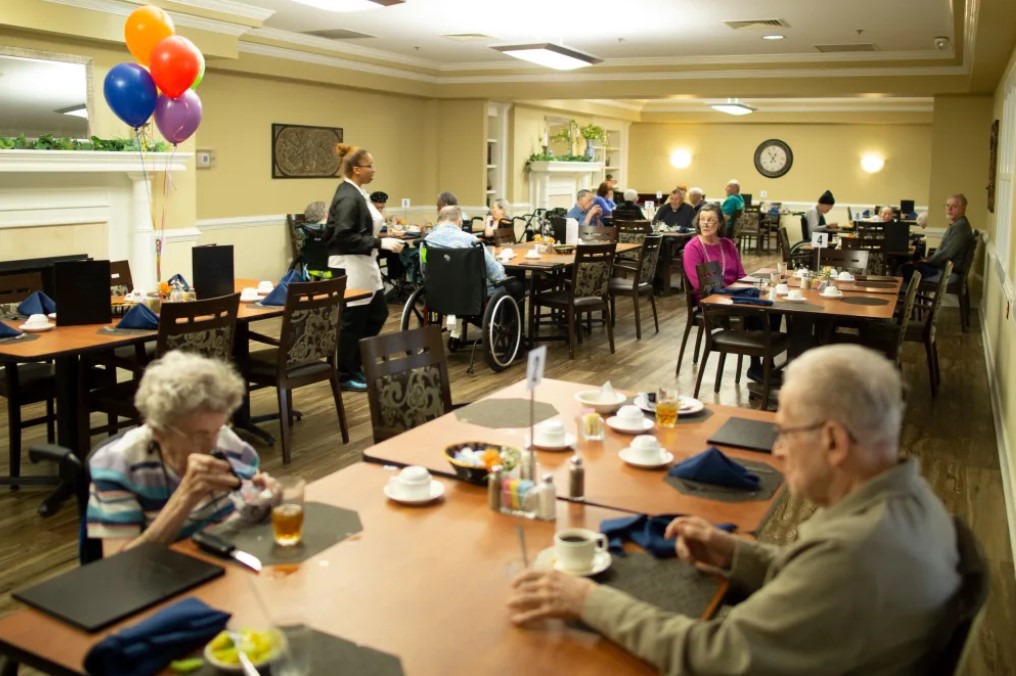
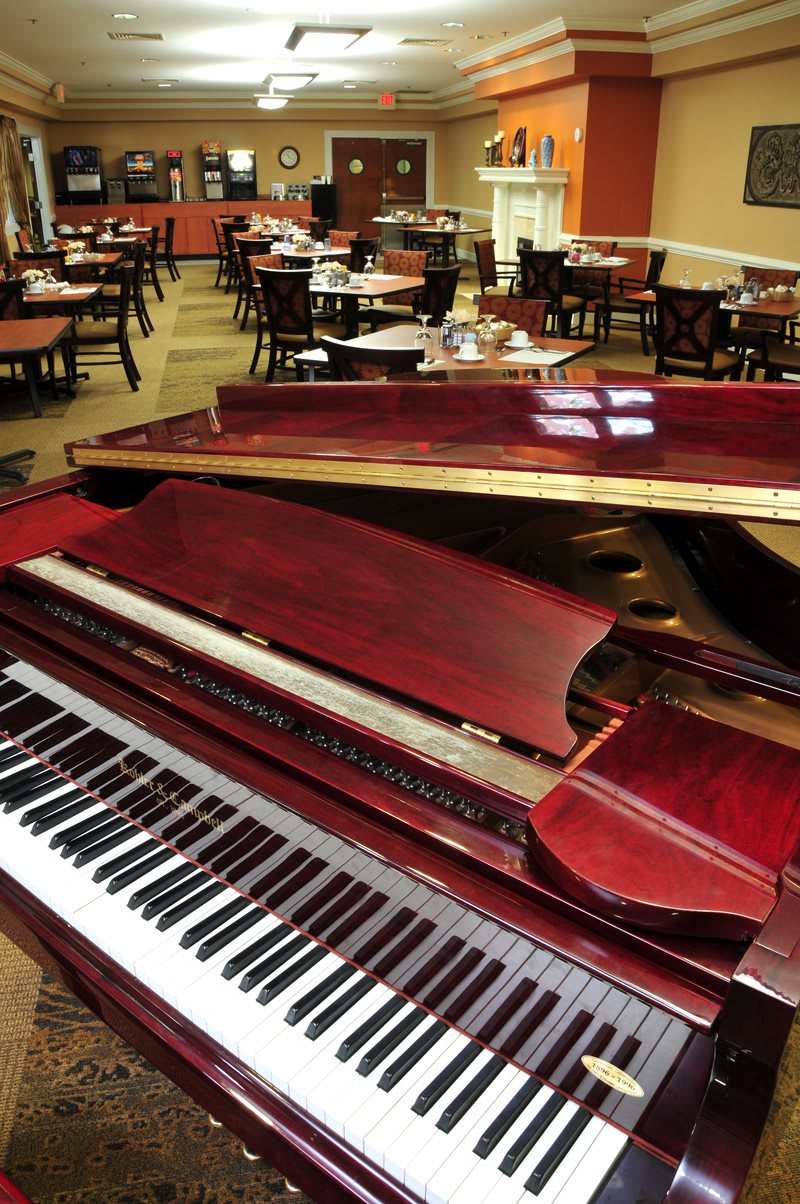
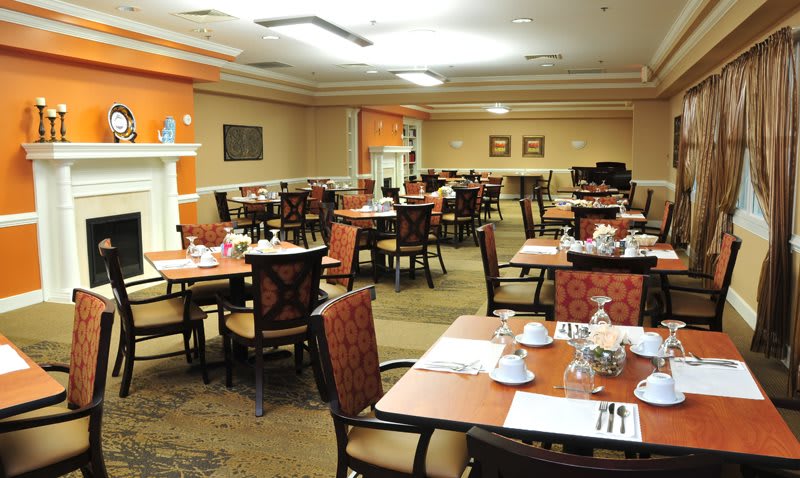
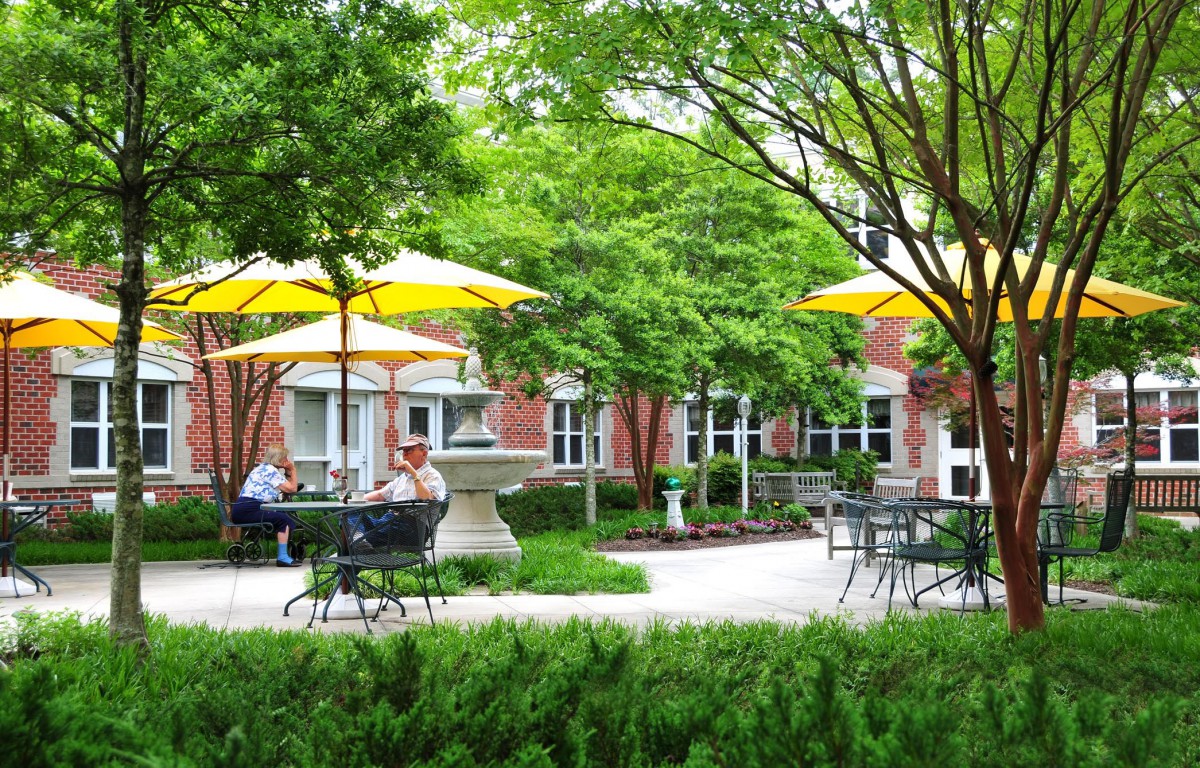
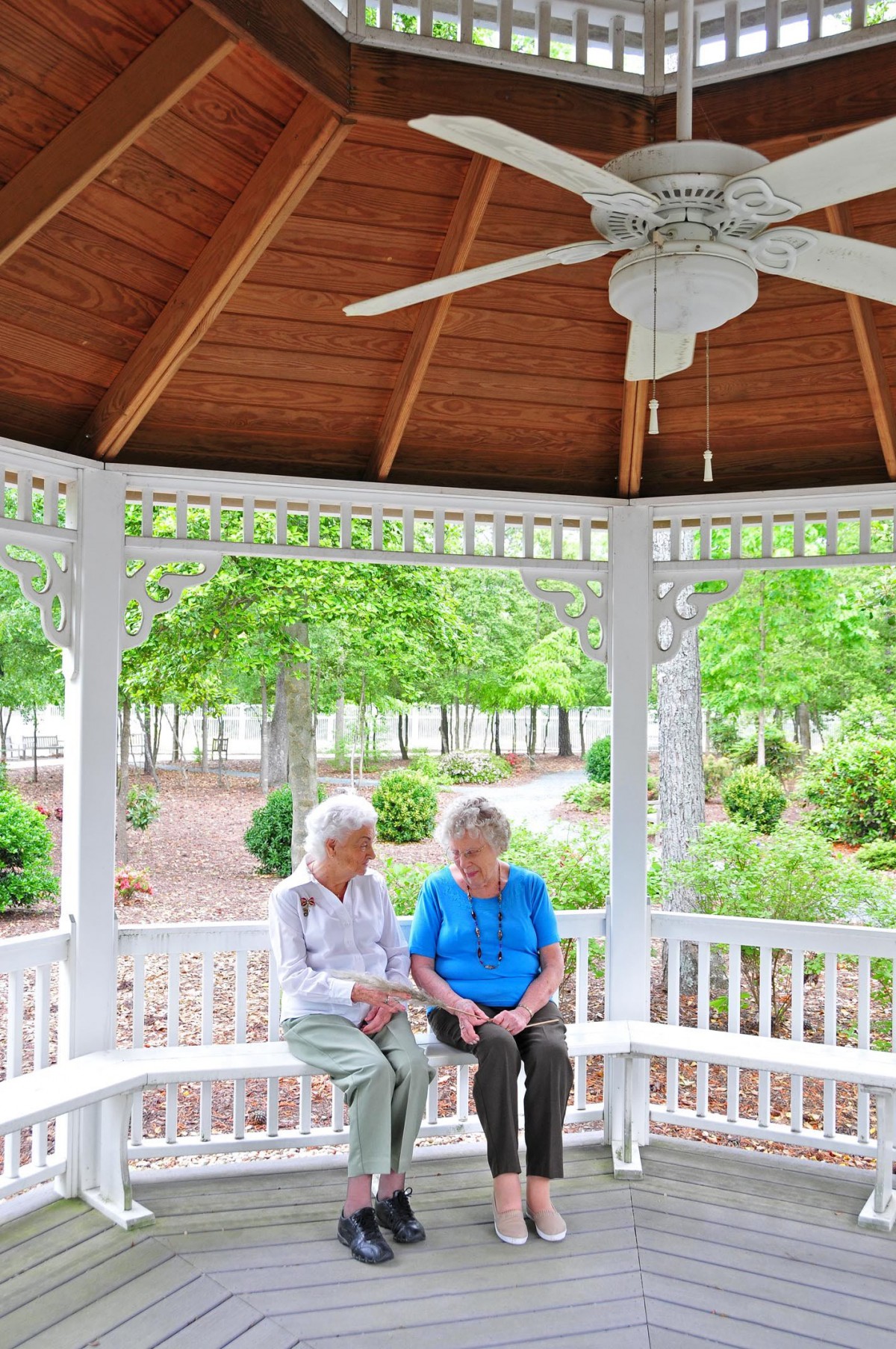
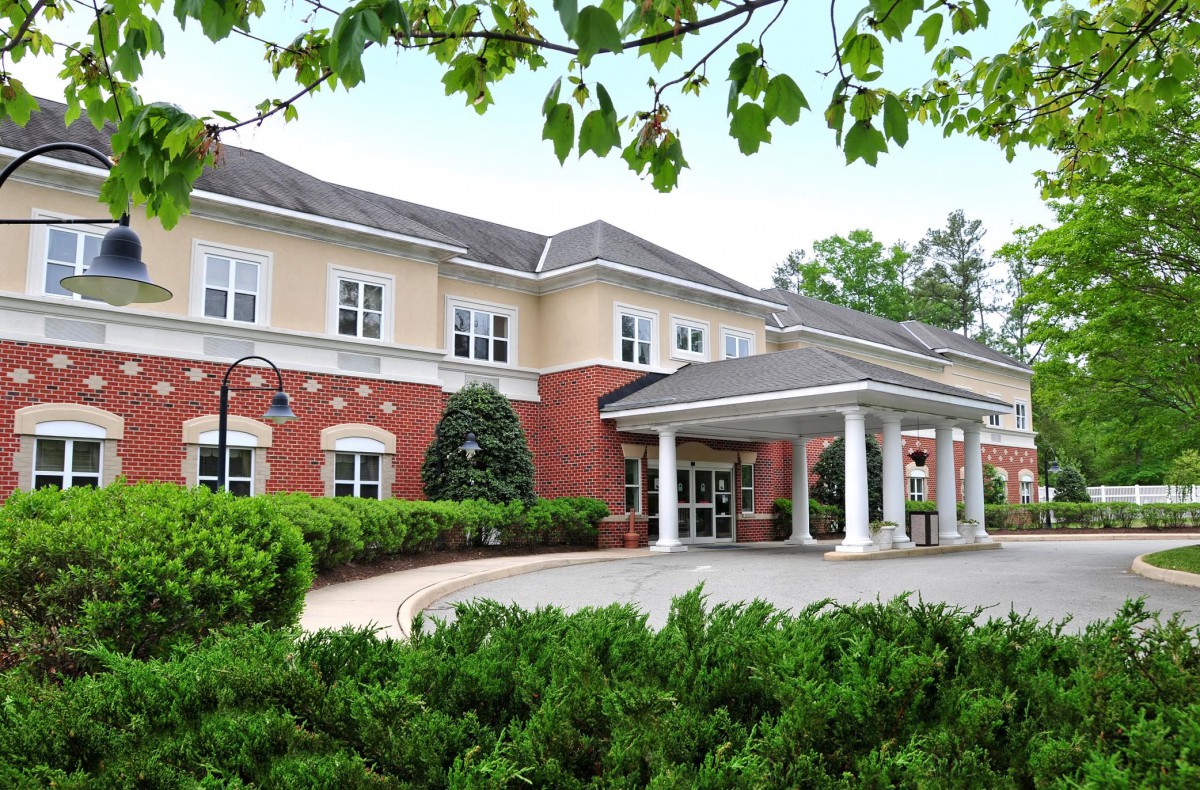
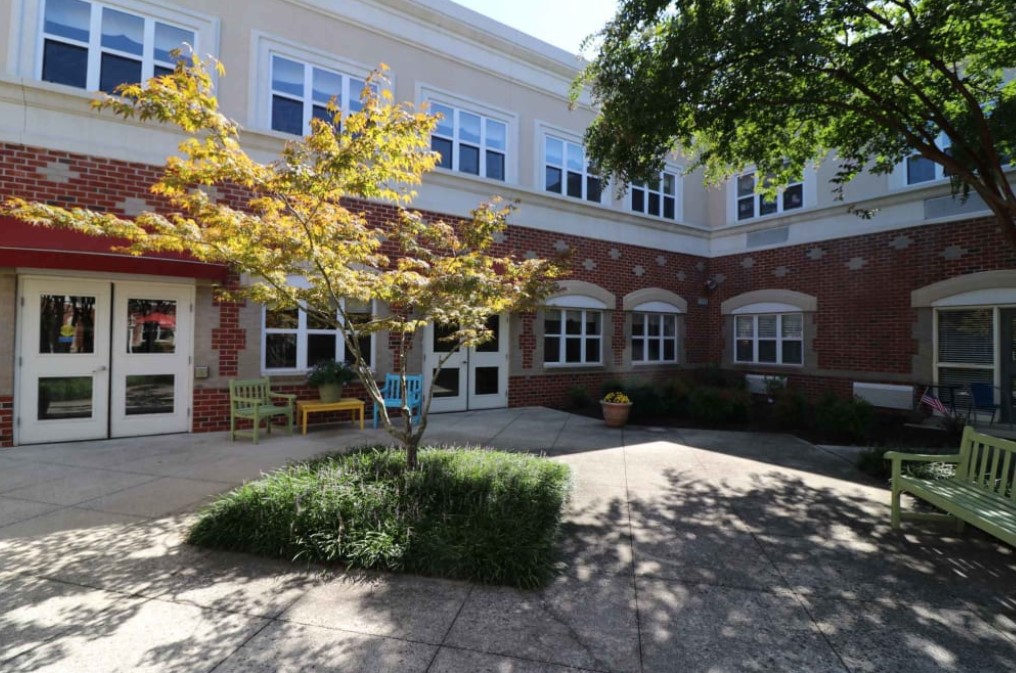
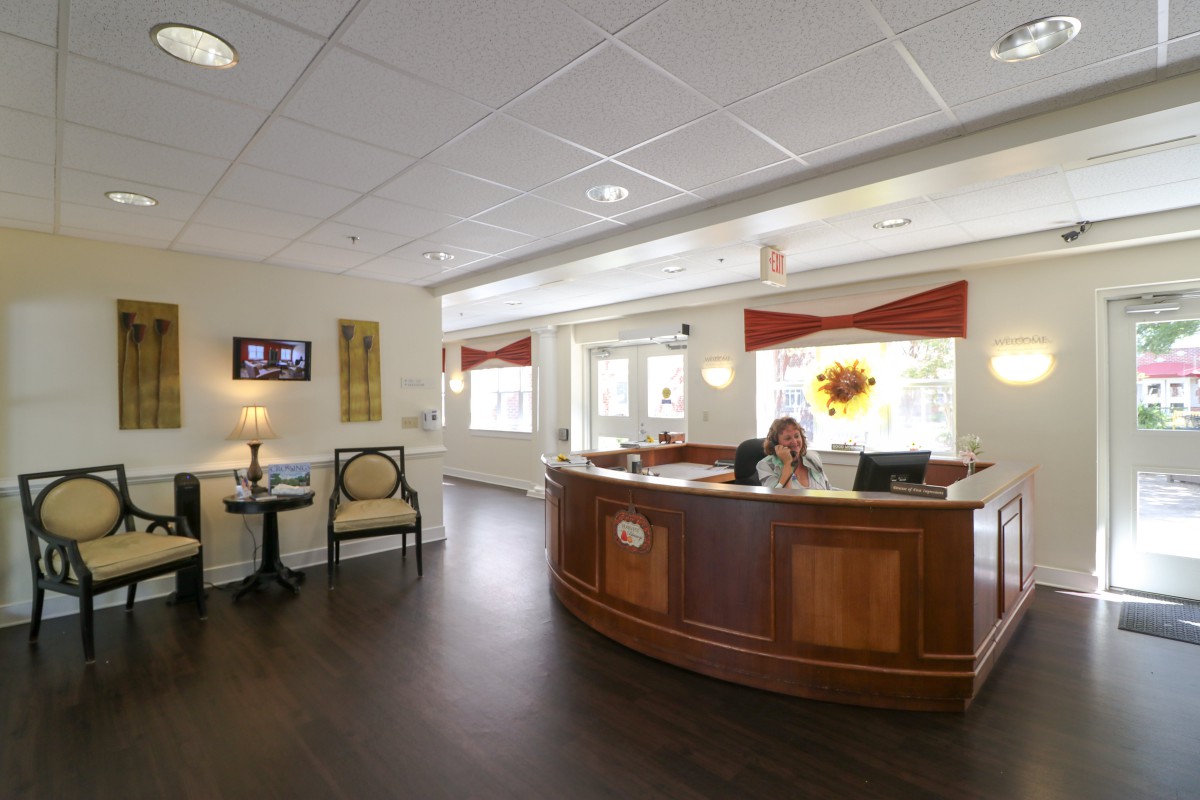
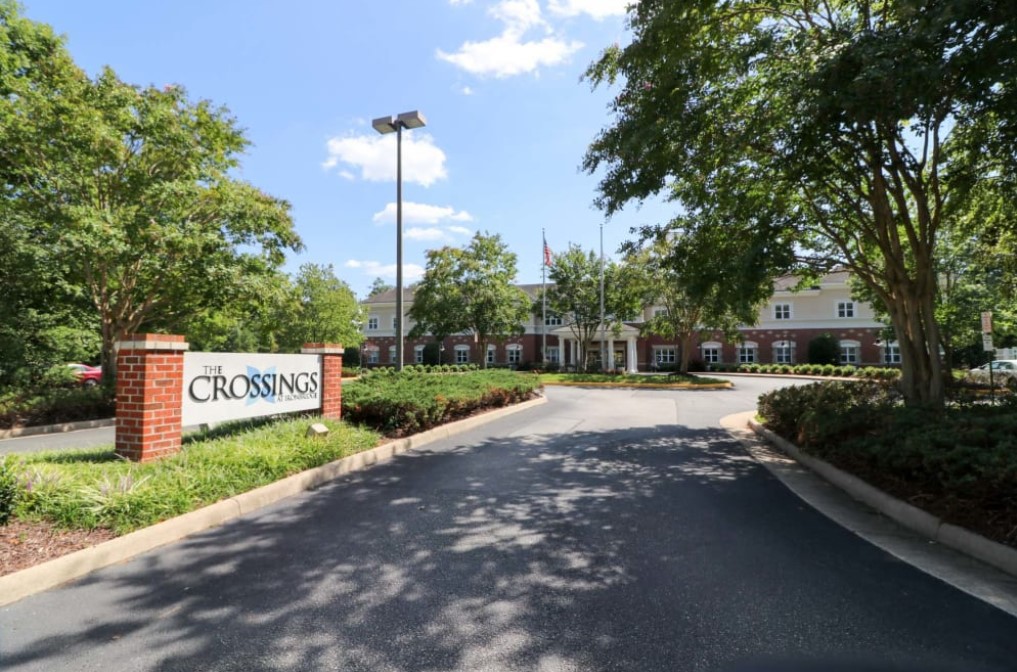
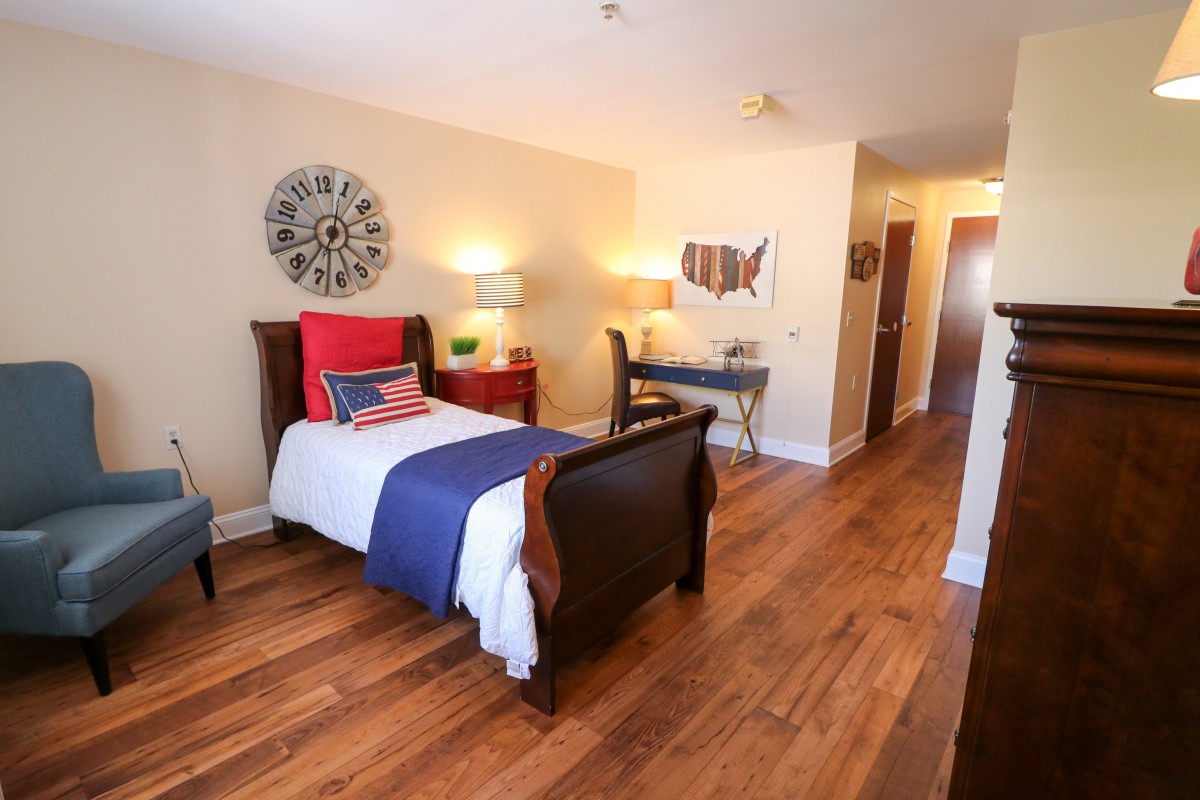
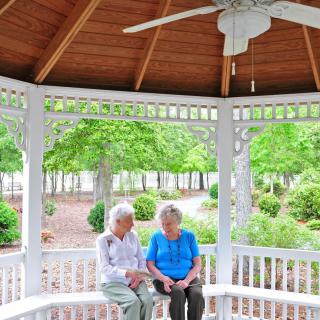
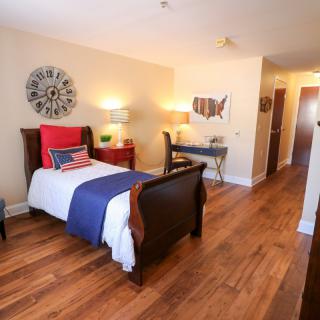
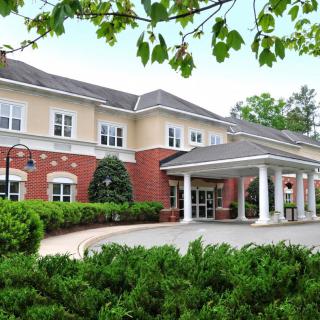
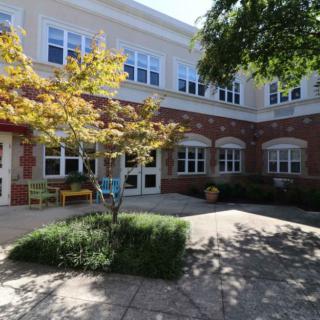
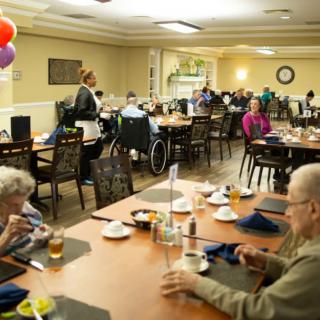
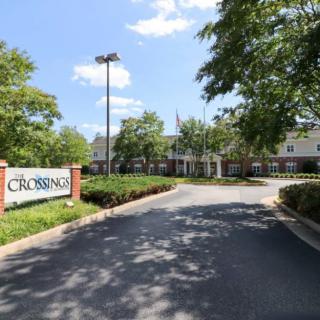
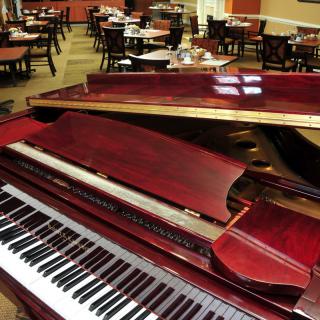
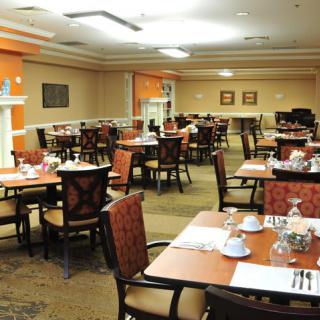
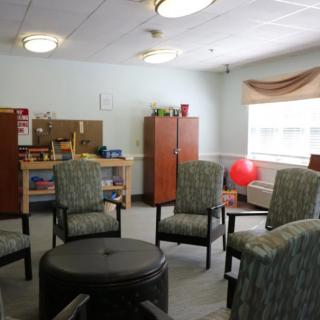
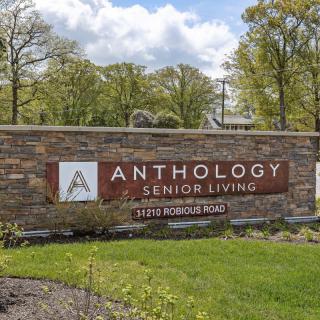
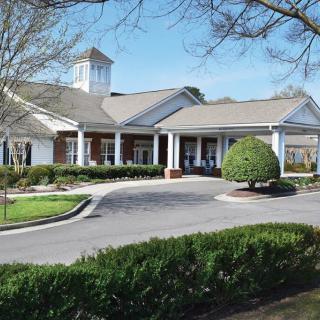
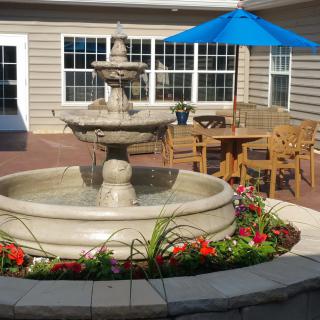
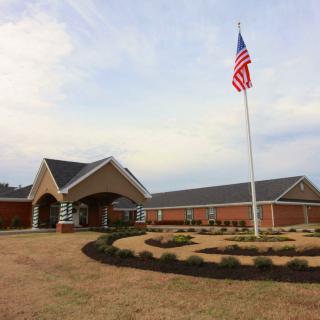
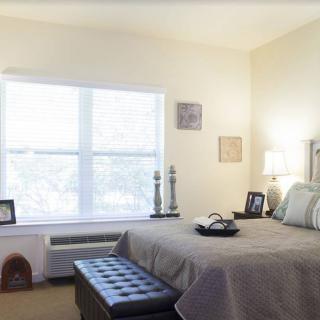
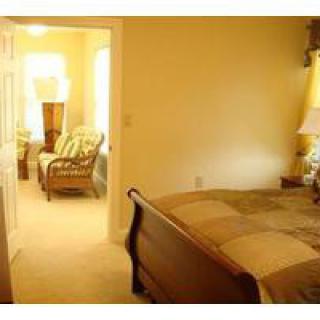
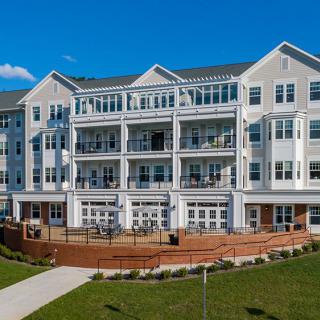
The Crossings at Ironbridge on seniors.fyi includes 13 photos including images showing trees, interior, dining, landscaping, building, entrance, garden, bedroom, and more.
Nearby Communities
Magnolias of Chesterfield
Chester, VA
4.1 from 51 reviews
$3,995 to $4,995 / month
Loving, attentive staff; engaging activities; clean, homelike environment; strong dining and social spaces.
Tyler's Retreat At Iron Bridge
Chester, VA
4.3 from 118 reviews
Extensive on-site amenities and engaging wellness and dining programs.
The Villas at Magnolia Lakes
Chester, VA
Intimate community enabling highly personalized care and attention.
Lucy Corr Village
Chesterfield, VA
3.9 from 96 reviews
Knowledgeable, attentive staff with engaging activities, a clean environment, and transportation for appointments/outings.
Lucy Corr
Chesterfield, VA
3.7 from 88 reviews
$3,787 to $4,759 / month
Warm, friendly staff and a clean, well-maintained environment.
Powell Residential
Richmond, VA
Fully furnished apartments with comprehensive care services, on-site dining, and coordinated transportation.
The Park at Ridgedale
Richmond, VA
3.6 from 43 reviews
$699 to $799 / month
Affordable rent with clean facilities and helpful staff; close to essential services.
Townes at Notting Place
Richmond, VA
Small, personalized community with tailored care and nearby amenities.
Auburn Hill Senior Living
Midlothian, VA
4.2 from 95 reviews
$4,750 to $8,650 / month
Friendly staff, bright lakefront setting, and engaging activities.
Dementia, including Alzheimer’s disease, is often mischaracterized in terms of lethality as it leads to complications that can be fatal rather than being a direct cause of death; it causes a progressive decline in cognitive and physical health, making patients vulnerable to infections and other health crises. Effective management of nutrition, hydration, and communication is crucial in patient care, with palliative care becoming vital in advanced stages to enhance comfort and quality of life while caregivers play a key role amidst the challenges posed by the disease.
Reminiscence therapy helps individuals with dementia recall past memories through structured discussions and meaningful objects, enhancing mood, relationships, and sense of identity while celebrating their lives. It can be practiced in formal settings or at home, requiring sensitivity to personal histories and cultural backgrounds.
Reminiscence therapy is a structured method for older adults, especially those with dementia, to share life stories using prompts and sensory cues, fostering emotional well-being, social engagement, and self-identity. It aims to improve quality of life by enhancing interpersonal connections and cognitive stimulation while requiring careful facilitation to avoid distressing memories.
Get PricingAsk A QuestionSchedule A TourContact Senior Advisor
By clicking submit, you agree to our Partner's Terms of Use. You
also consent to receive calls and texts, which may be autodialed, from our Partner. Your consent is not a condition to
using our Partner's service. Please visit our Partner's Privacy Policy for information about their privacy practices.


 96 resident community capacity
 1-bedroom apartments
 Assisted Living
 Memory Care
 Cats allowed
 Dogs allowed
 Activities off-site
 Air-conditioning
 Beautician on-site
 Cable or satellite TV
 Computer center
 Devotional services on-site
 Dining room
 Fitness room
 Fully furnished
 Gaming room
 Garden
 Ground floor units
 Handicap accessible
 Housekeeping services
 Indoor common areas
 Kitchenette
 Move-in coordination
 Outdoor common areas
 Private bathrooms
 Respite or short term stays offered
 Restaurant-style dining
 Small library
 Telephone
 Wellness center
 Wheelchair accessible showers
 Wi-Fi/high-speed internet available
 Richmond International (14 miles away)
 Community operated transportation
 12-16 hour nursing
 24-hour call system
 Assistance with bathing
 Assistance with dressing
 Assistance with transfers
 Diabetes diet
 Diabetic care
 High acuity care
 Incontinence care
 Medication management
 Mental wellness program
 Special dietary restrictions
 Art classes
 Catholic services
 Concierge services
 Day trips and outings
 Educational speakers / life long learning
 Happy hour
 Visiting Rabbi
 Wine tasting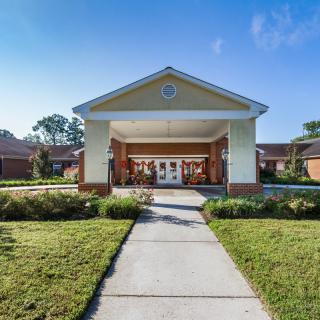
 Loving, attentive staff; engaging activities; clean, homelike environment; strong dining and social spaces.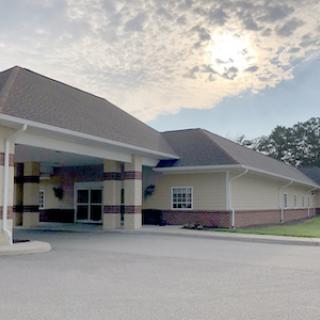

 Are Dementia and Alzheimer's Disease Lethal? A Comprehensive Exploration
 Exploring the Power of Reminiscence Therapy for Individuals With Dementia
 An In-Depth Look at Reminiscence Therapy in Dementia Care