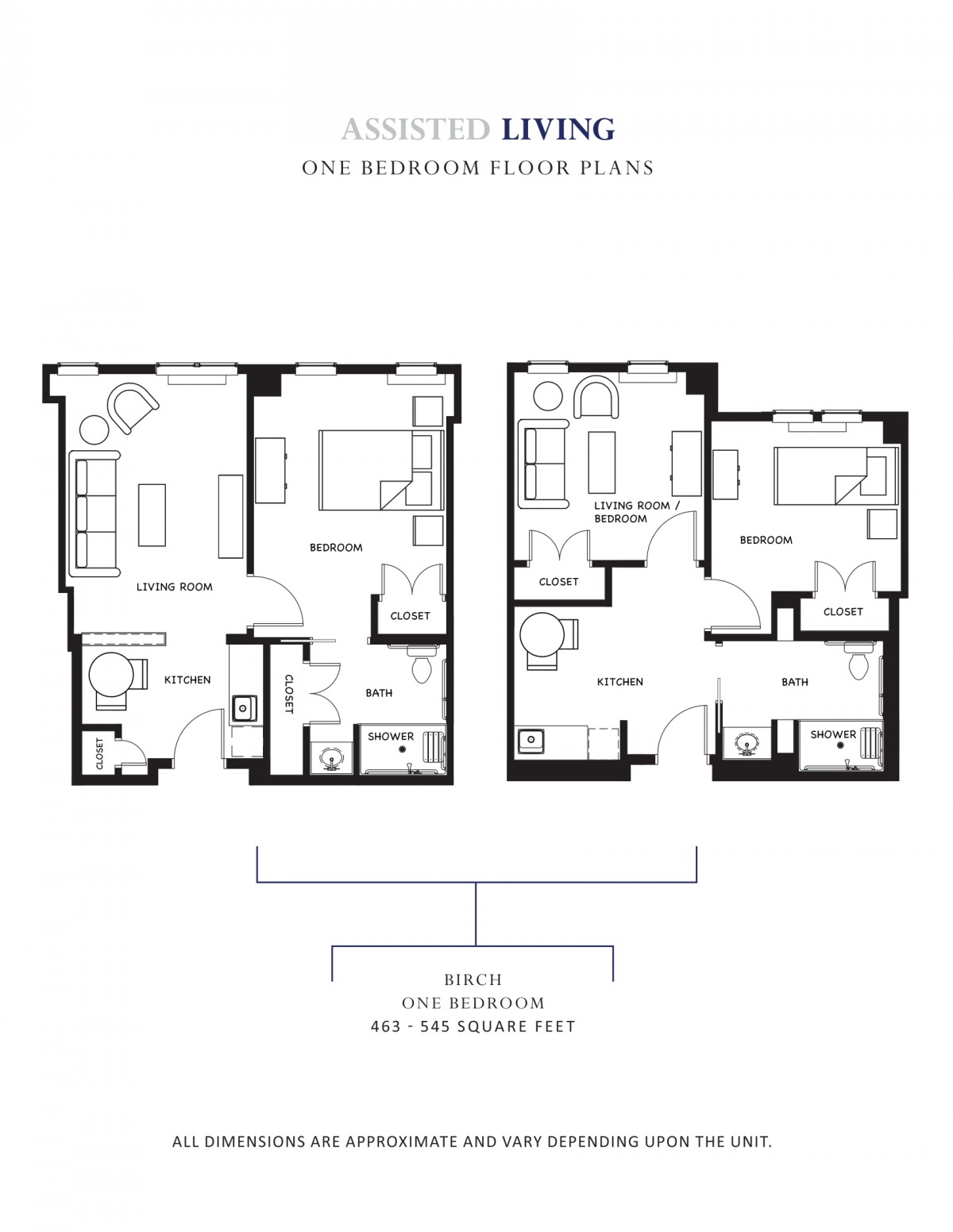
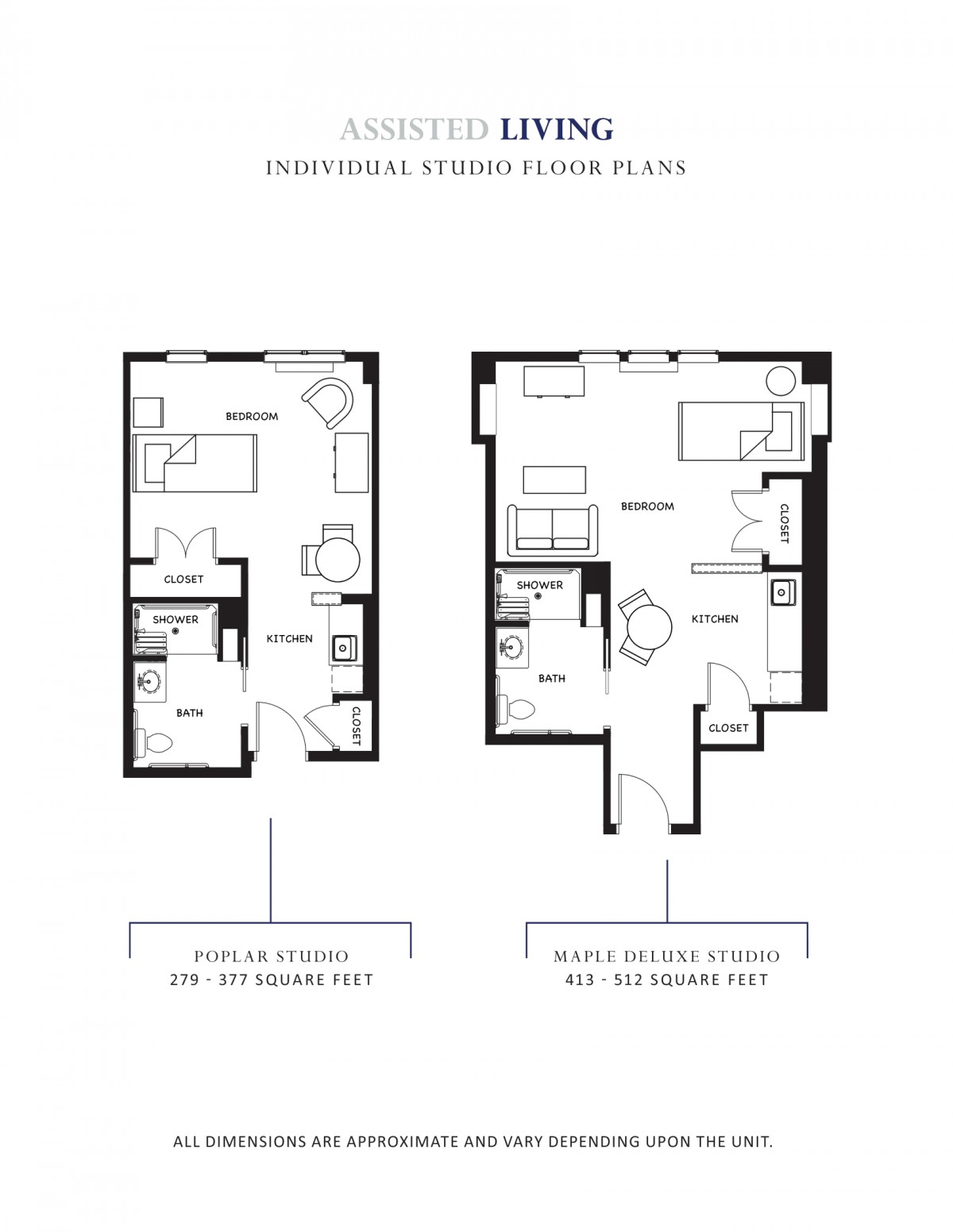
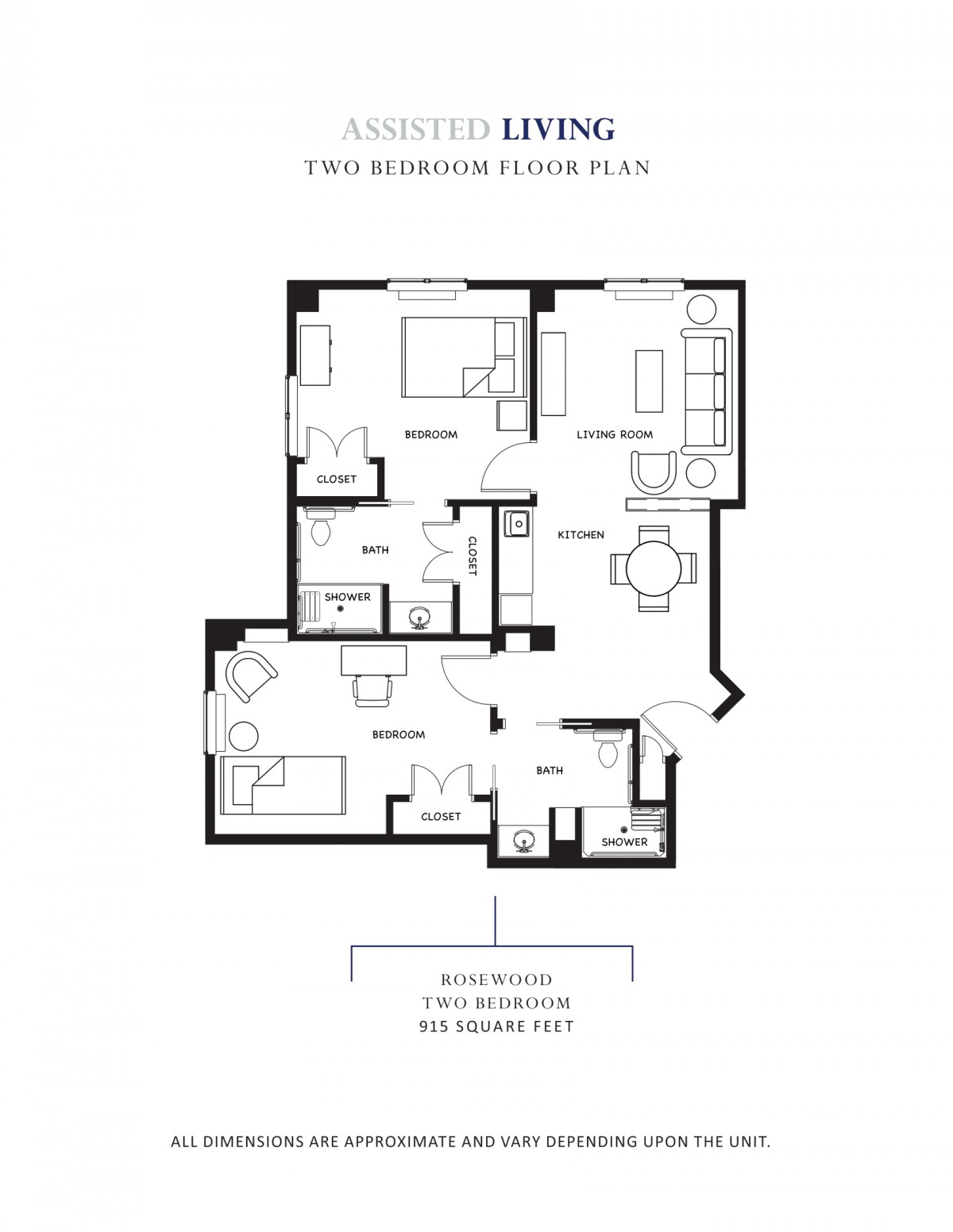
Auburn Hill Senior Living offers a range of housing options that may reflect a higher cost compared to both Powhatan County and the broader state of Virginia. For instance, the monthly rate for a studio is set at $4,750, notably above the county's average of $2,975 and slightly higher than the state average of $4,436. Semi-private accommodations are also priced competitively at $5,250, which exceeds both local ($3,099) and state ($3,991) benchmarks. The pricing aligns directly with Powhatan County for one-bedroom units at $6,650 but surpasses the state's offering of $4,257. Finally, two-bedroom apartments are uniquely positioned at $8,650 - again aligned with Powhatan County but significantly higher than Virginia's average of $4,602. This pricing structure suggests that while Auburn Hill provides premium services and amenities that justify its costs, prospective residents should consider their budget in relation to both county and state averages before making a decision.
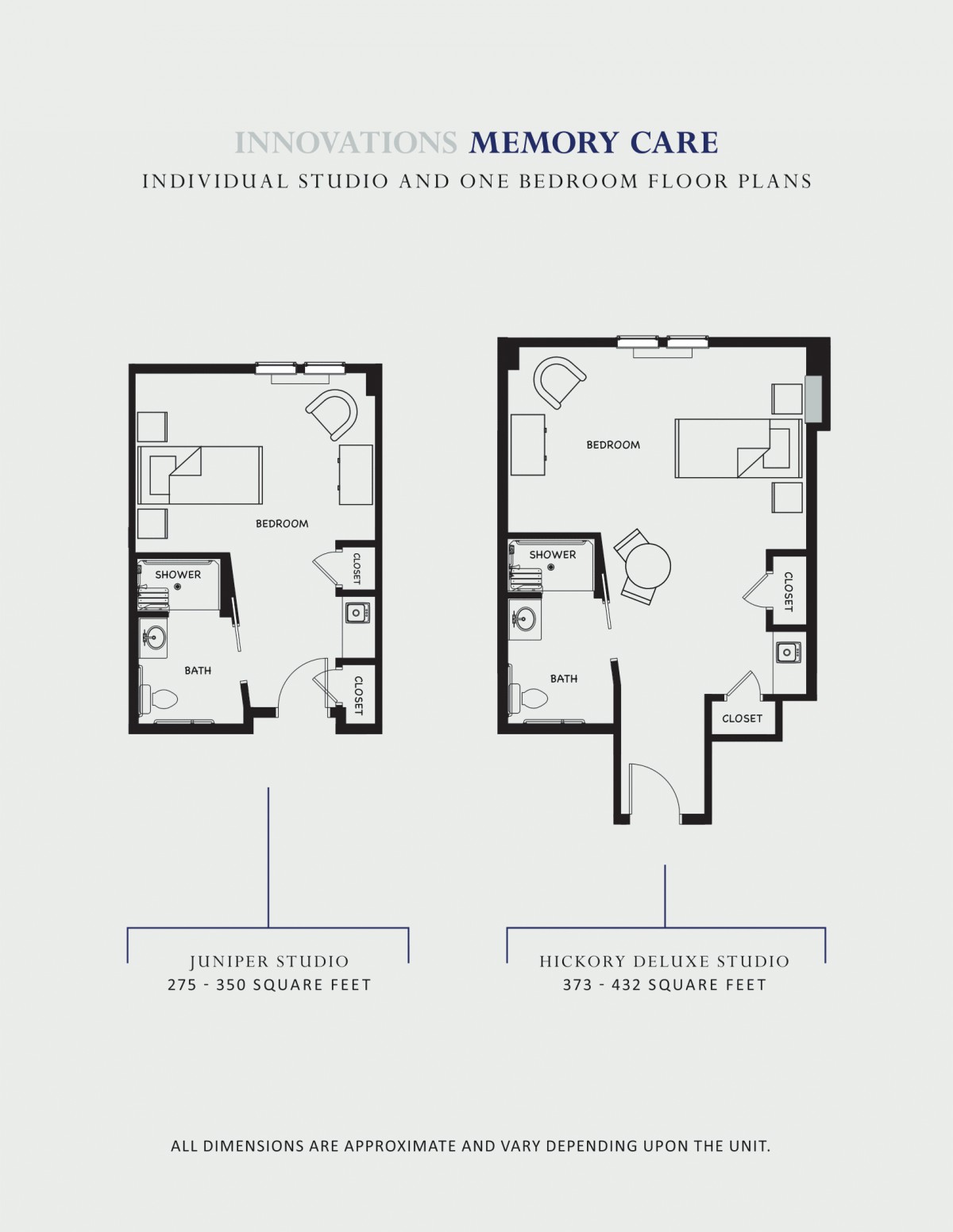
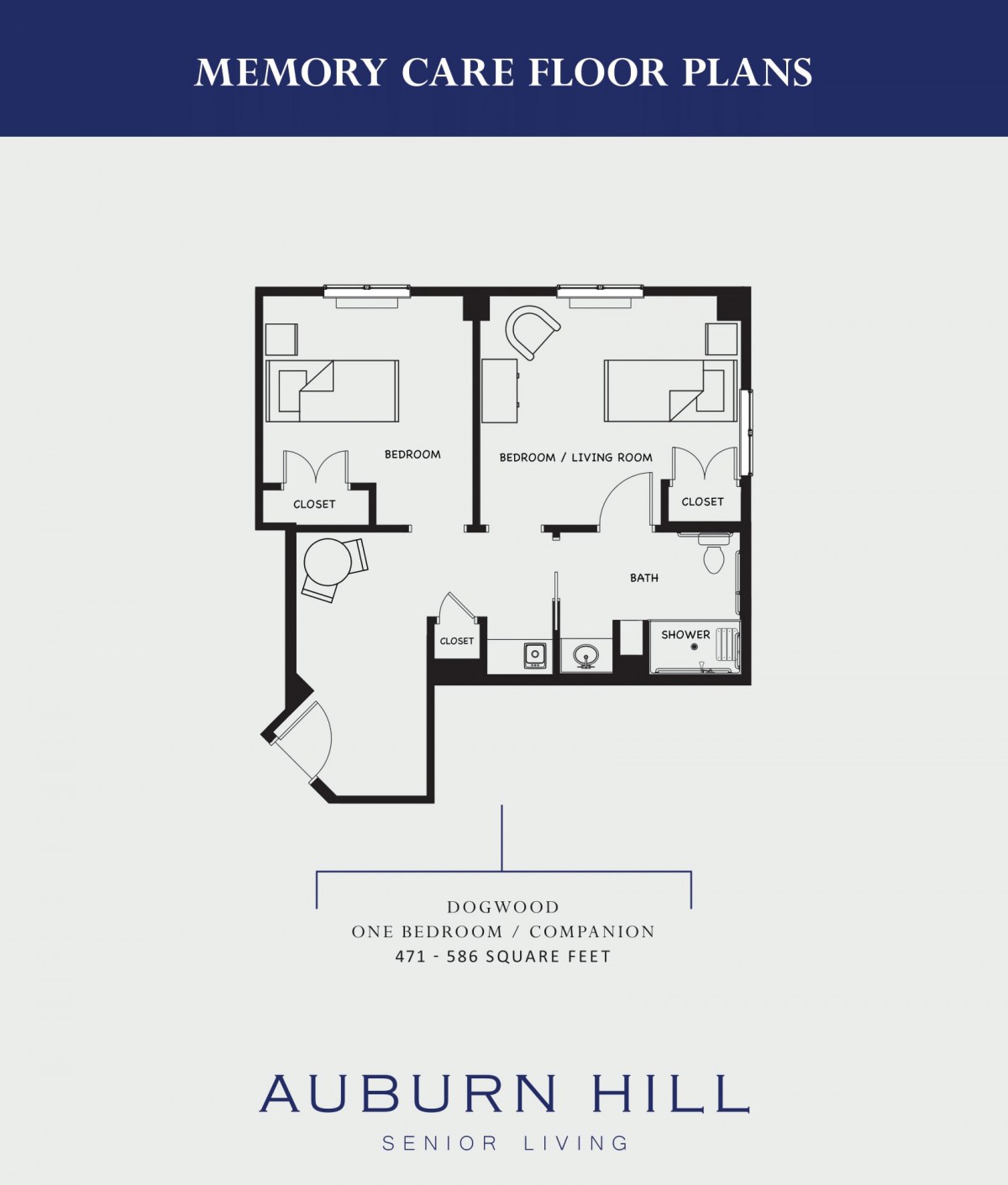
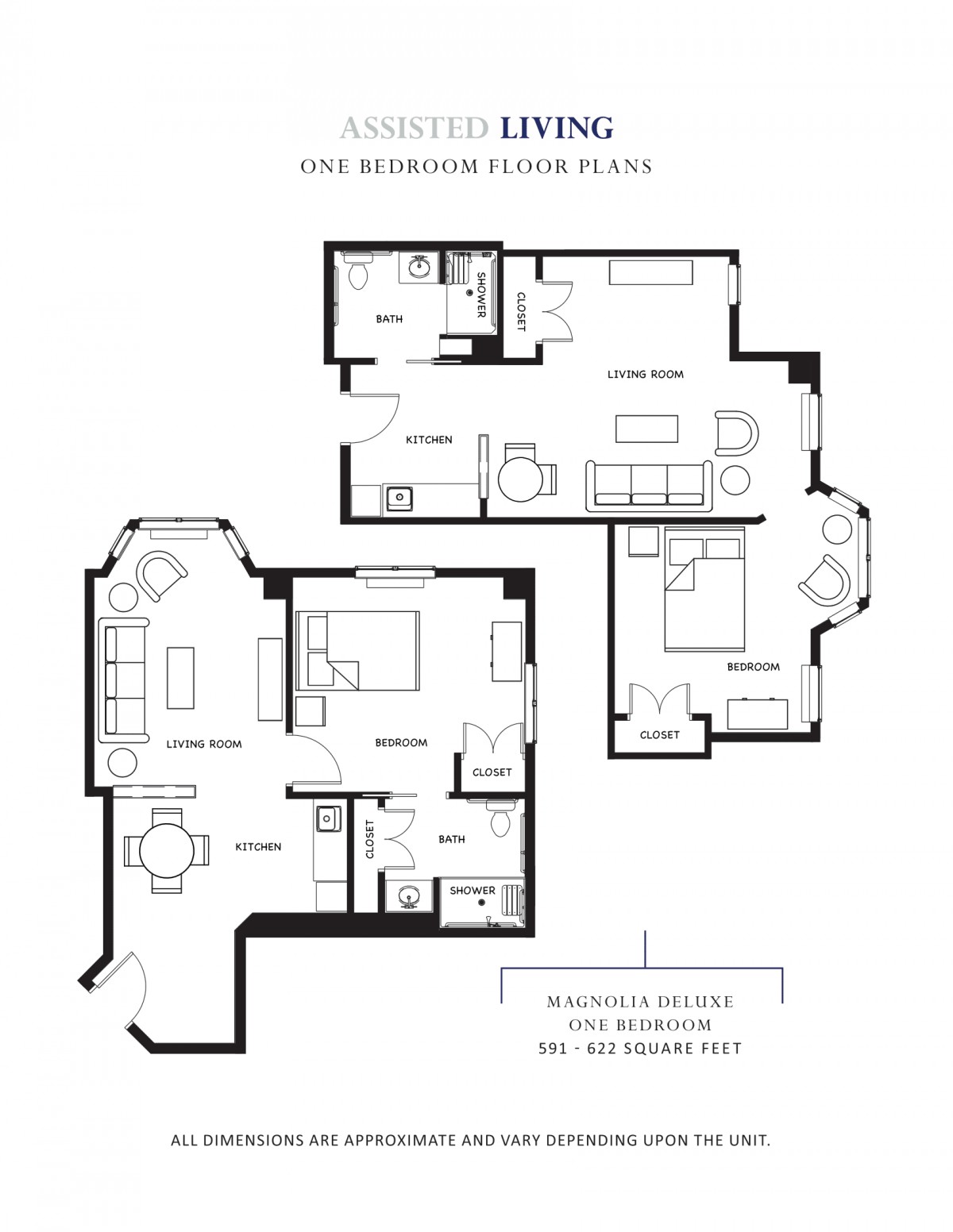
Floor plans
Auburn Hill Senior Living
Powhatan County
Virginia
Studio
$4,750
$2,975
$4,436
Semi-Private
$5,250
$3,099
$3,991
1 Bedroom
$6,650
$6,650
$4,257
2 Bedrooms
$8,650
$8,650
$4,602
Memory care communities with a similar price nearby
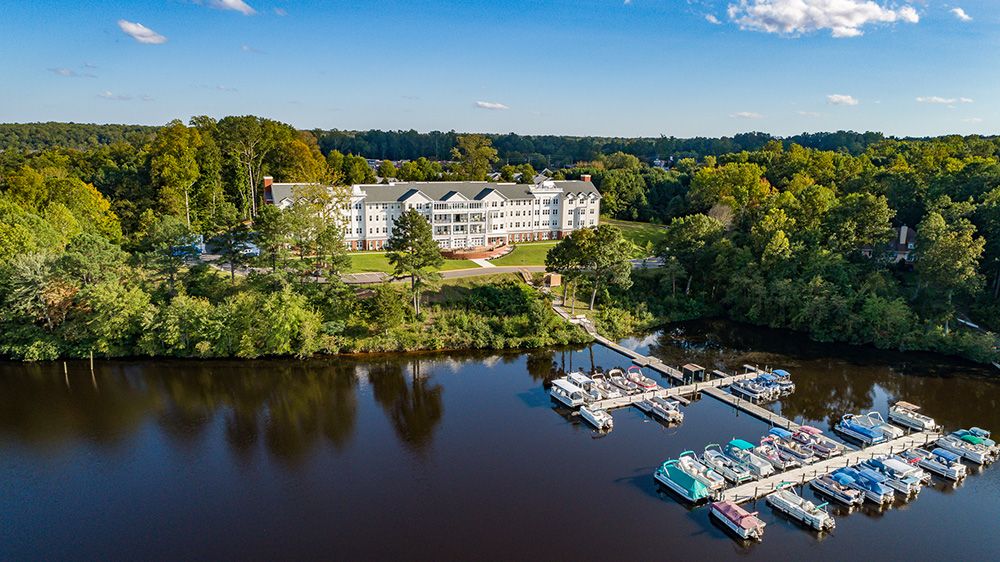
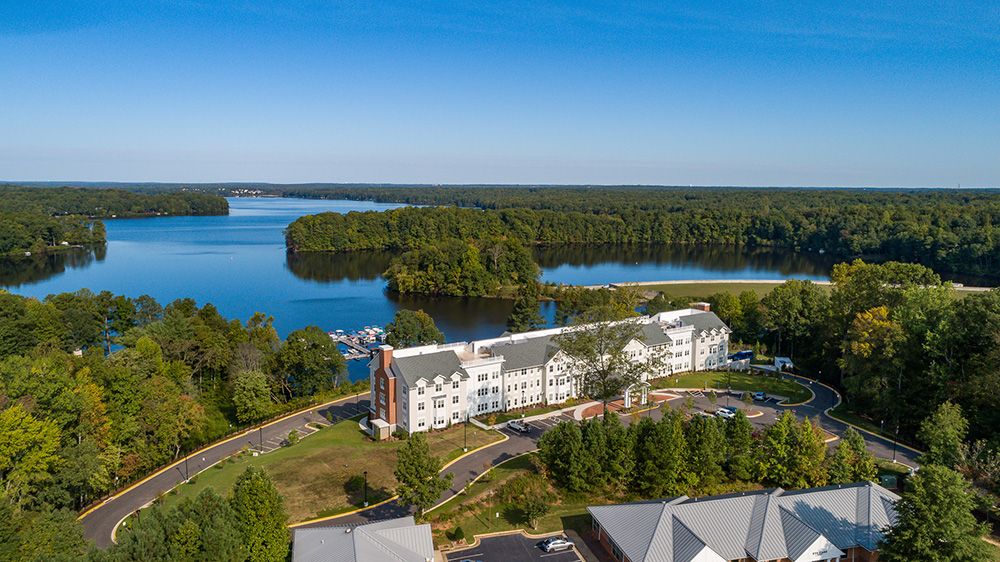
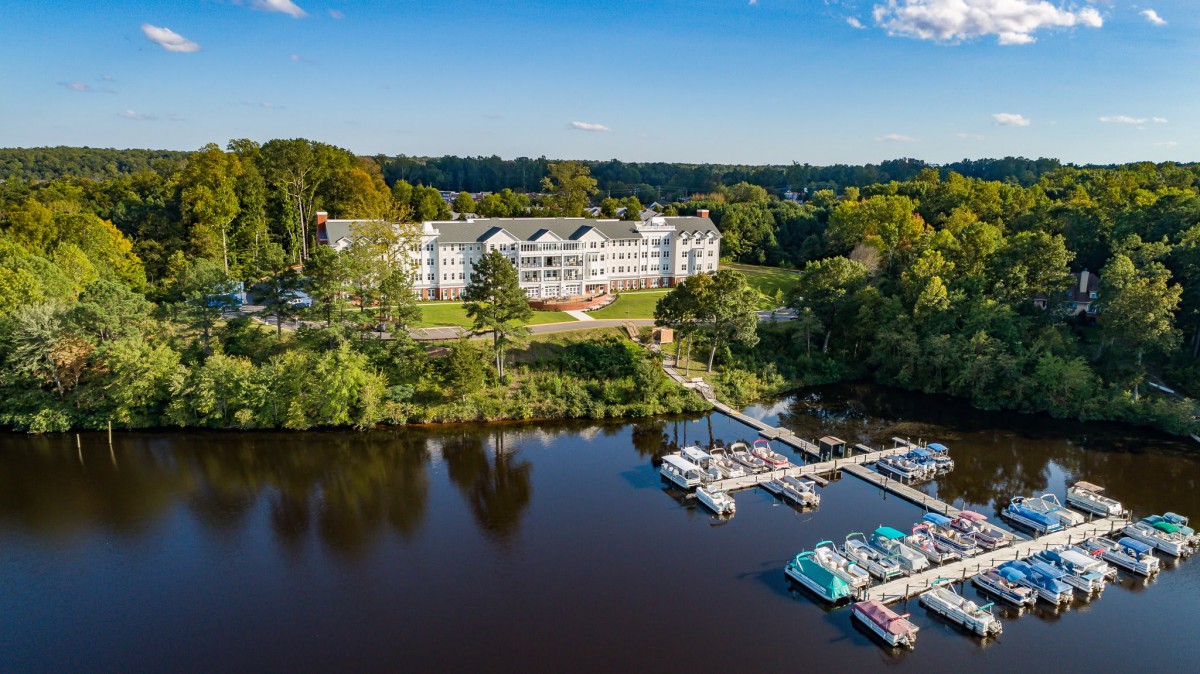
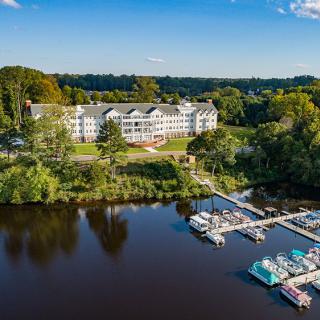
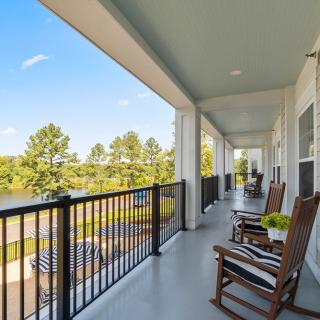
The lakefront setting is a repeated reason families feel at ease.
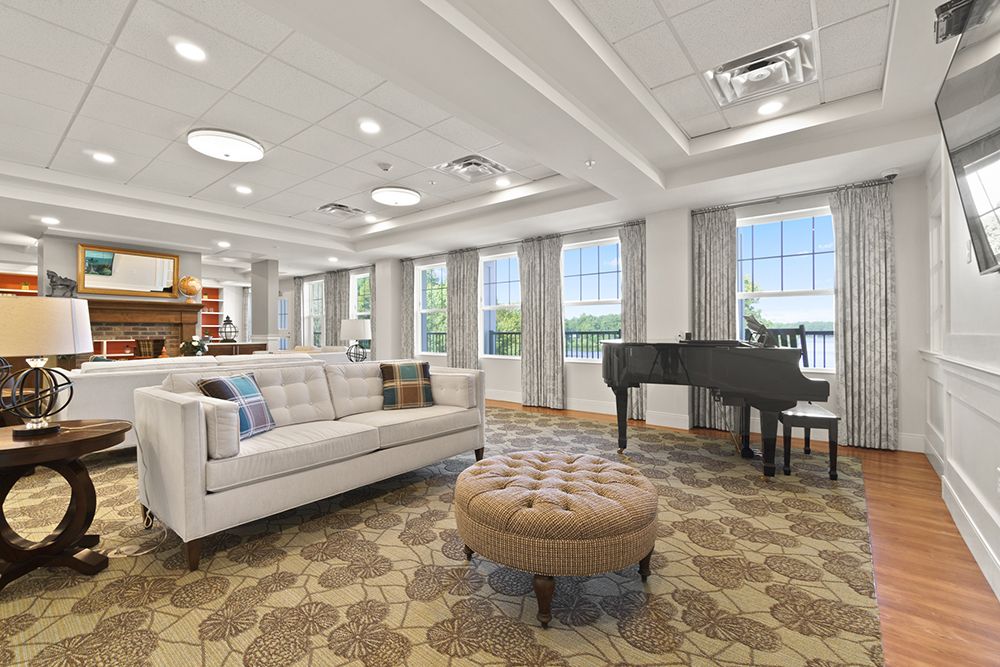
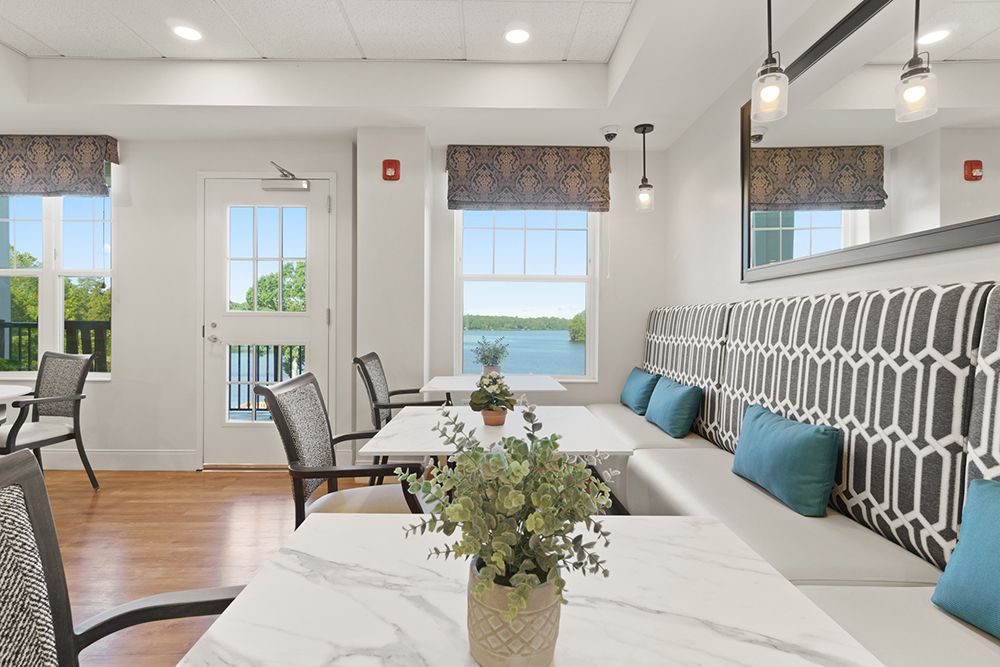
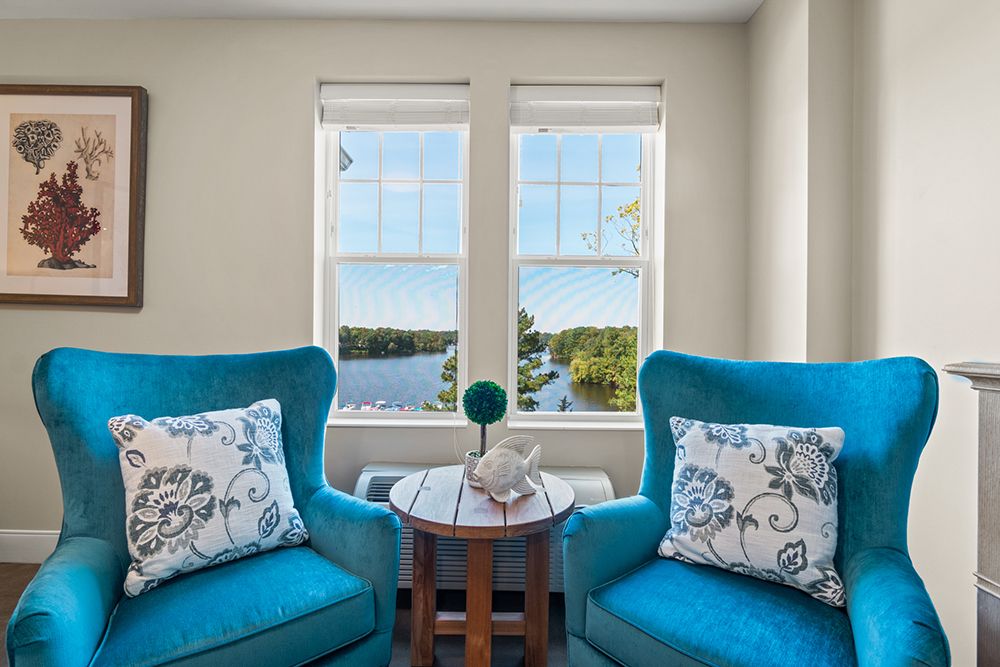
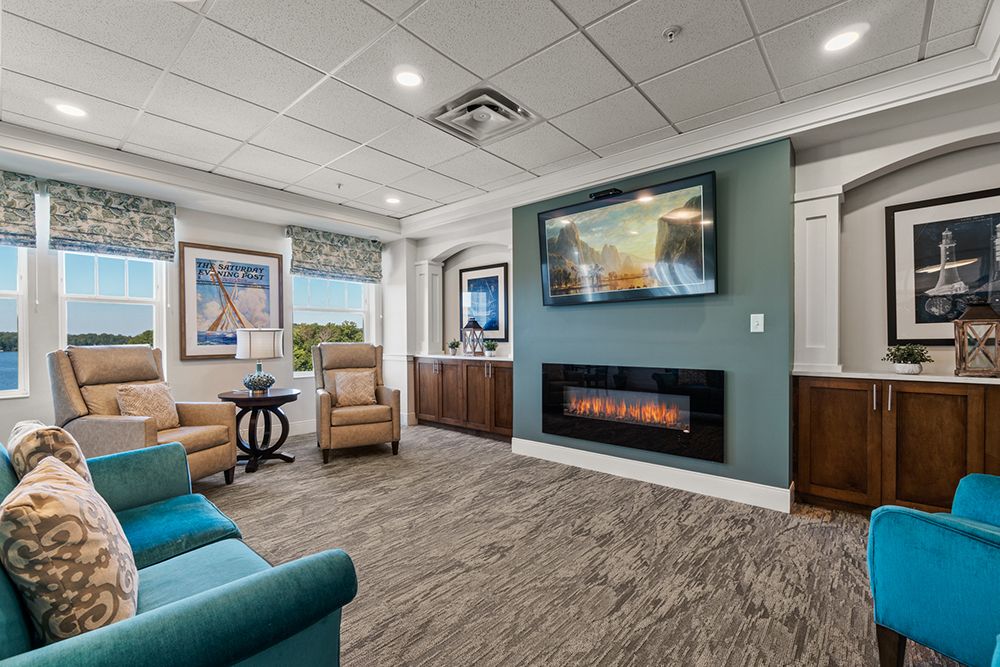
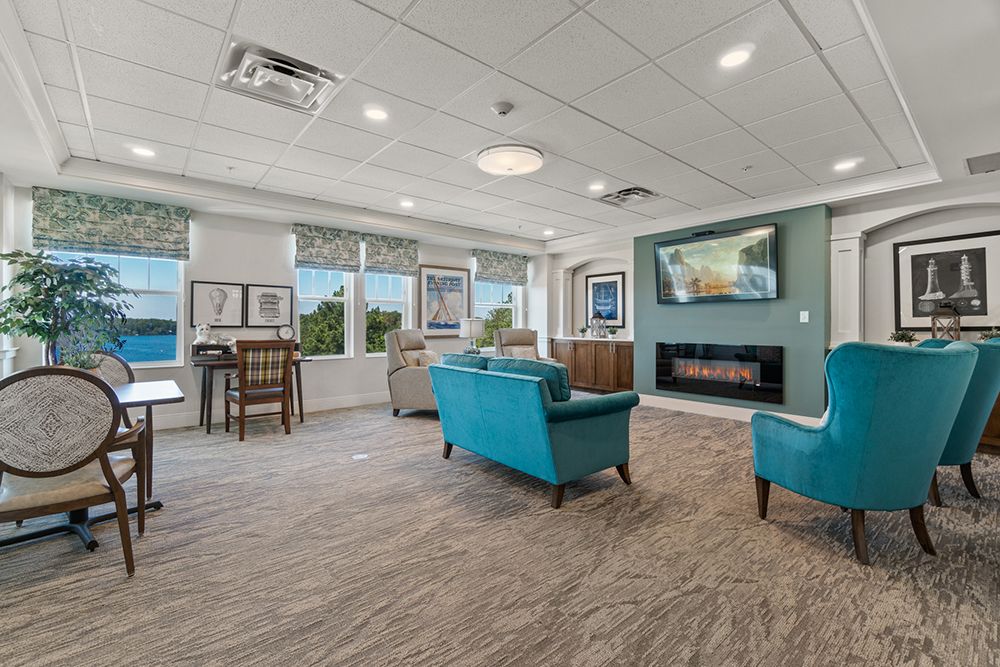
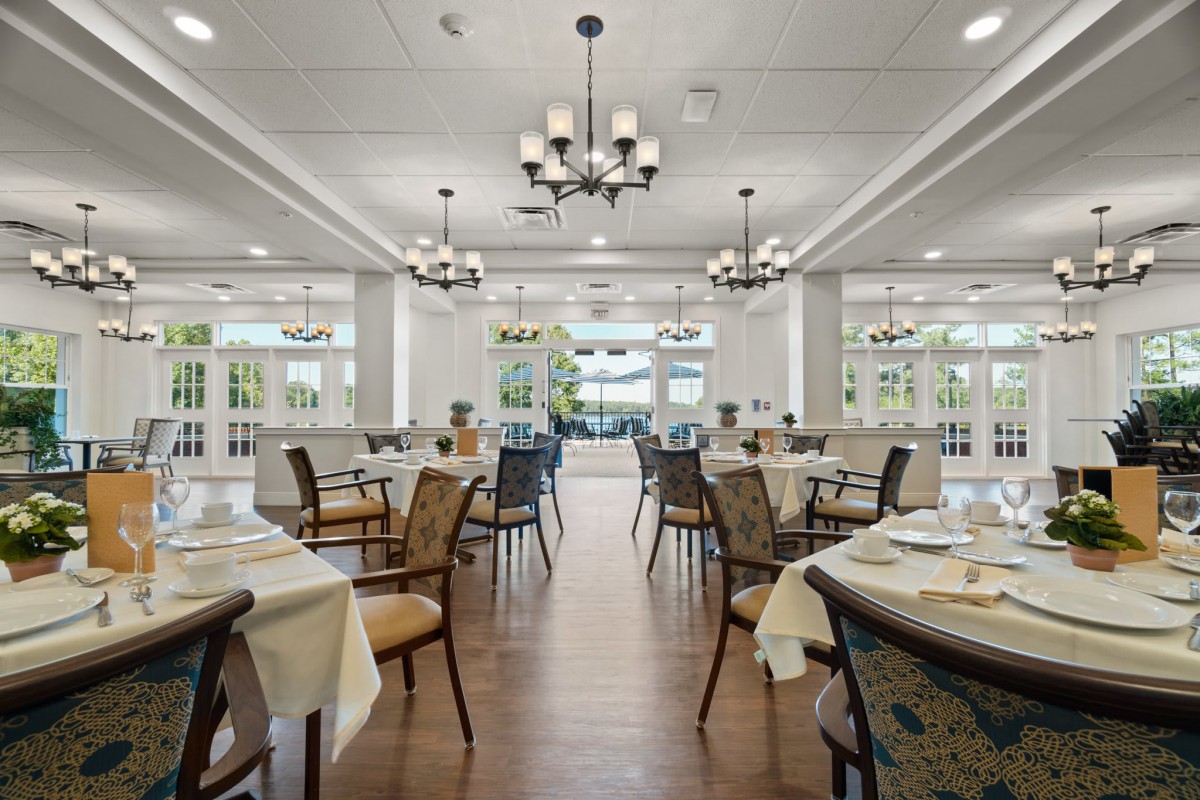
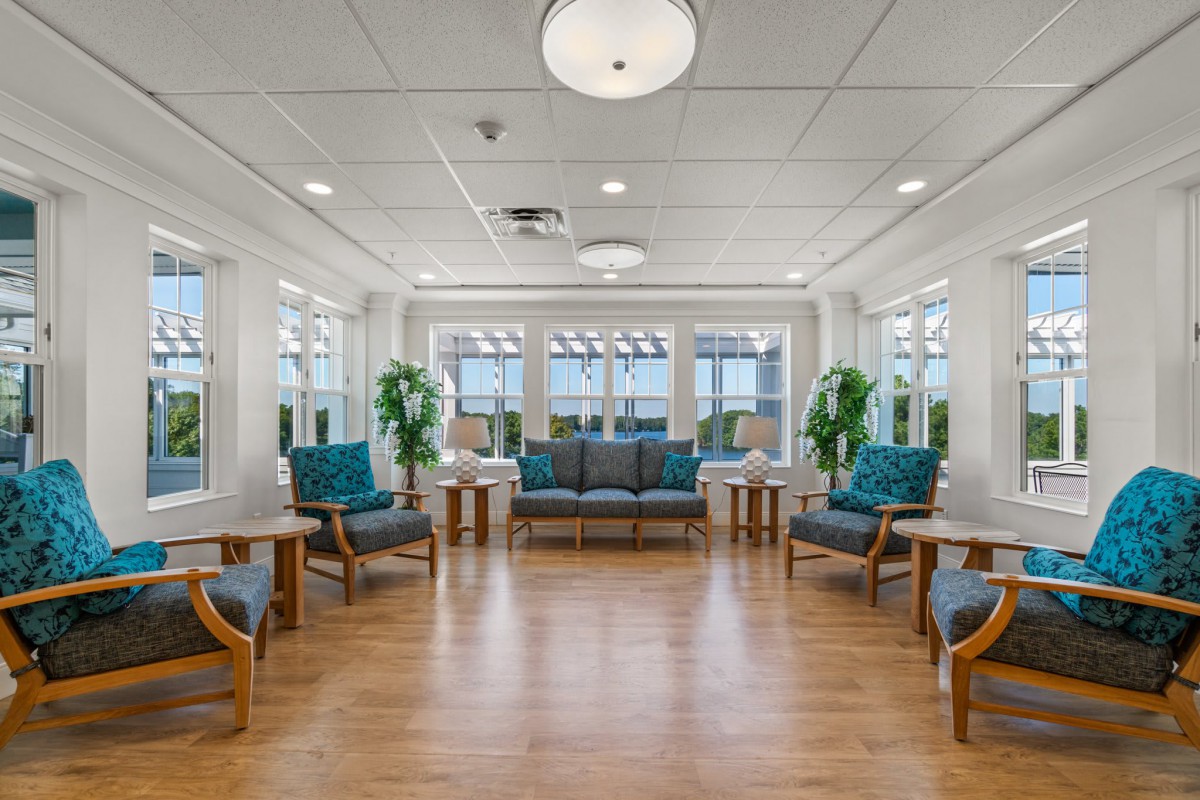
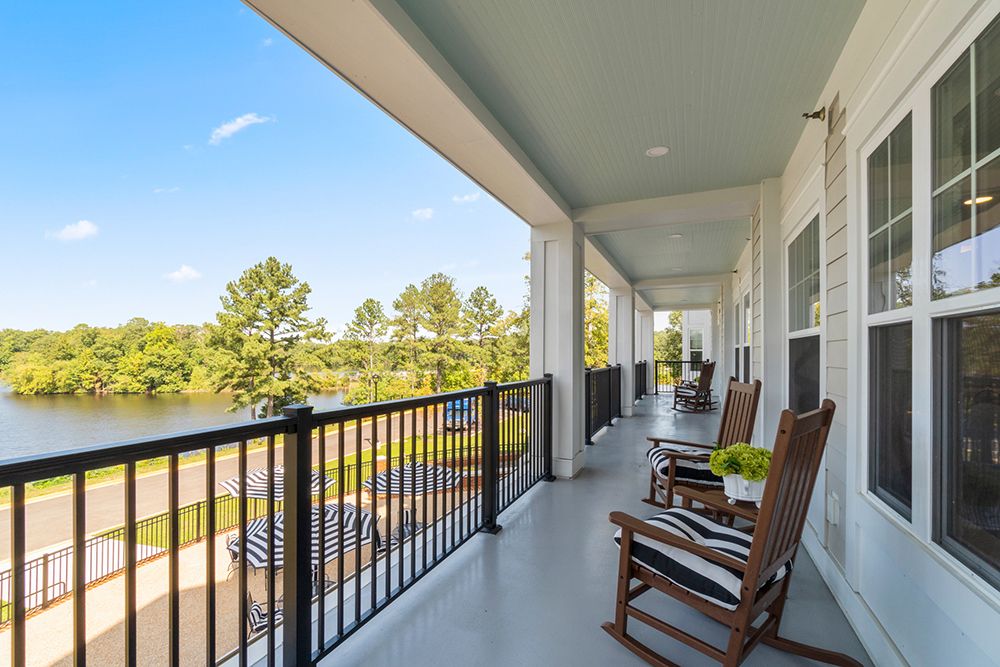
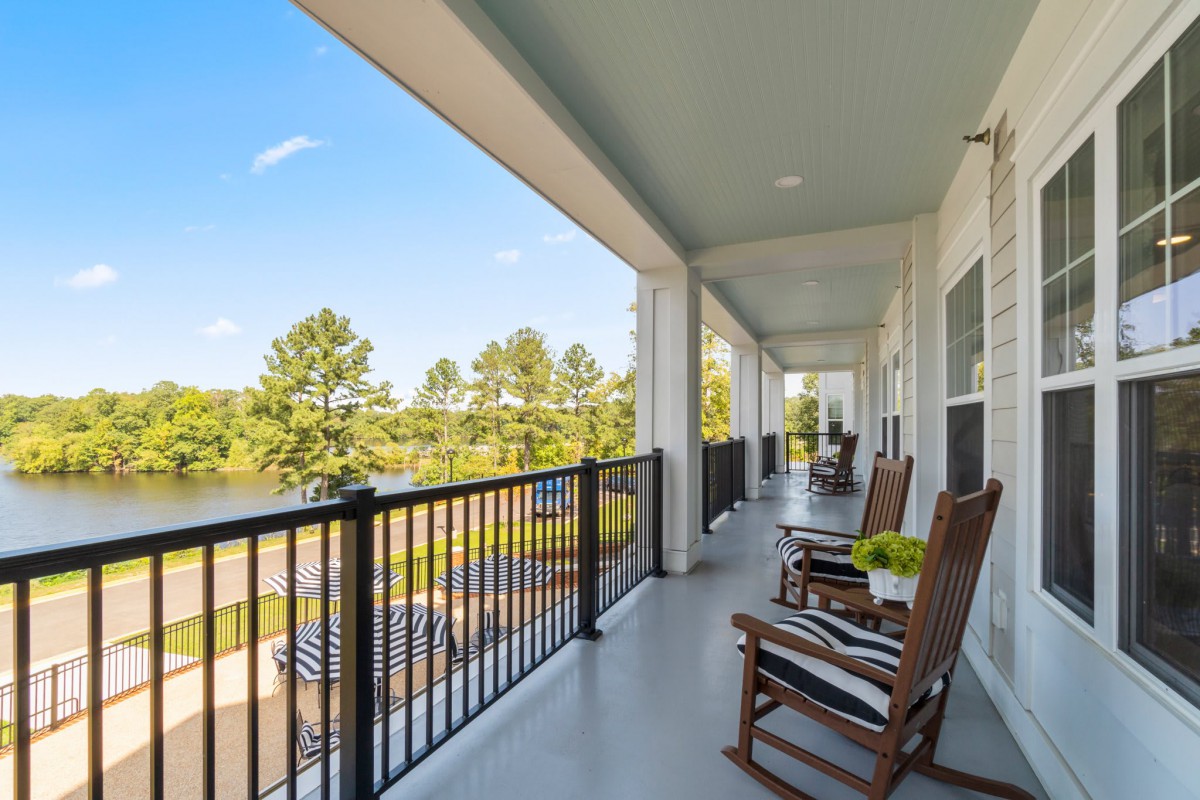
Multiple residents and families describe a calm, scenic lake view from the community, including balconies and room windows. A few reviews also connect the view to improved moods or happiness, especially for residents in memory care. Several commenters describe bright, well-kept common areas and outdoor spots that support enjoying the scenery.
common18 reviews mention this
Food quality gets frequent praise
Dining stands out, with many residents enjoying the meals.
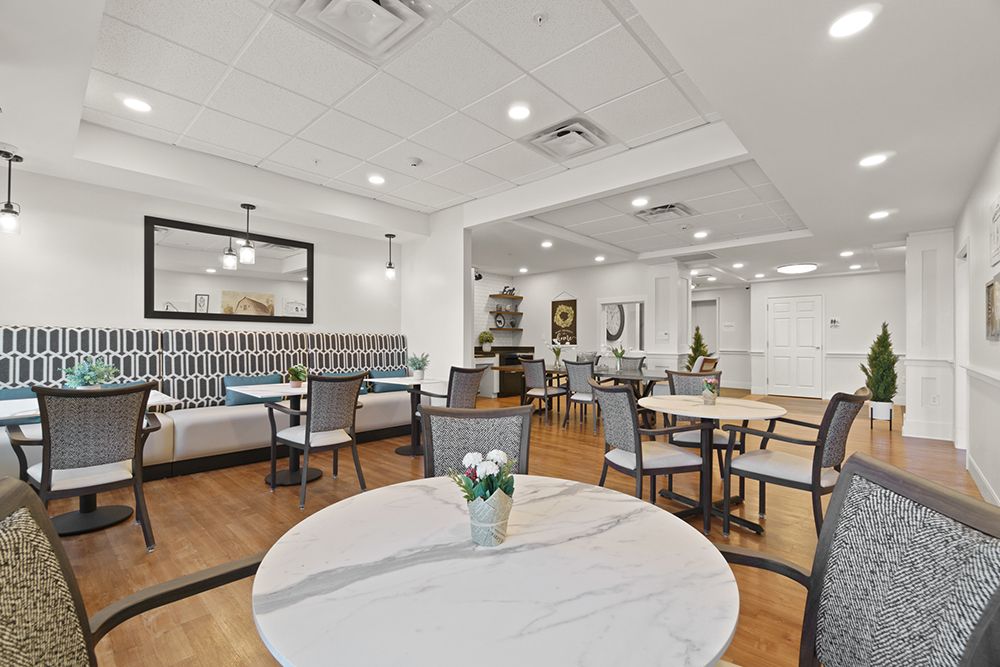
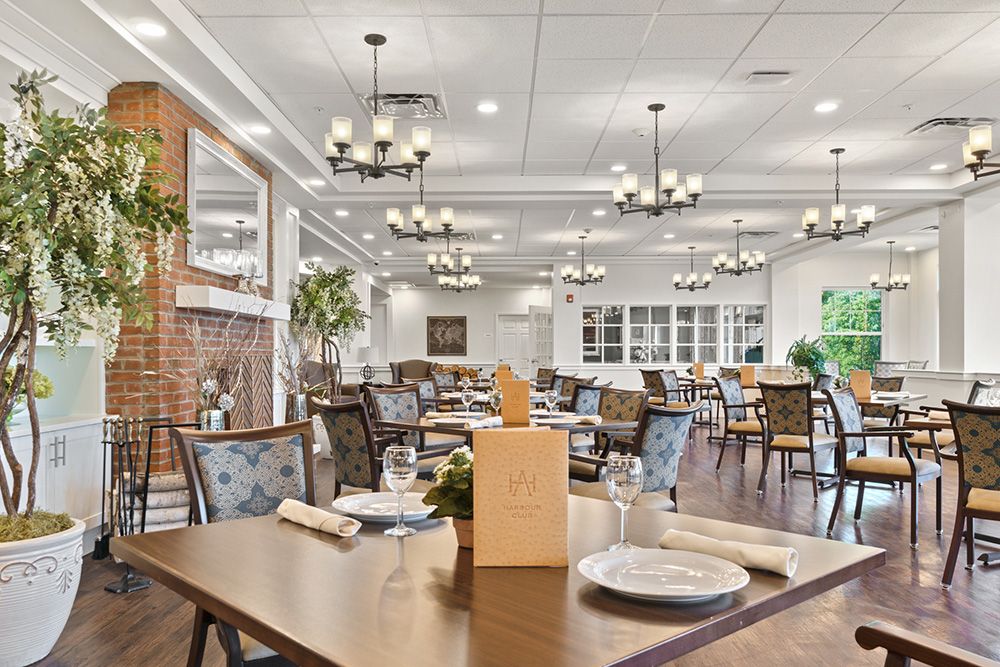
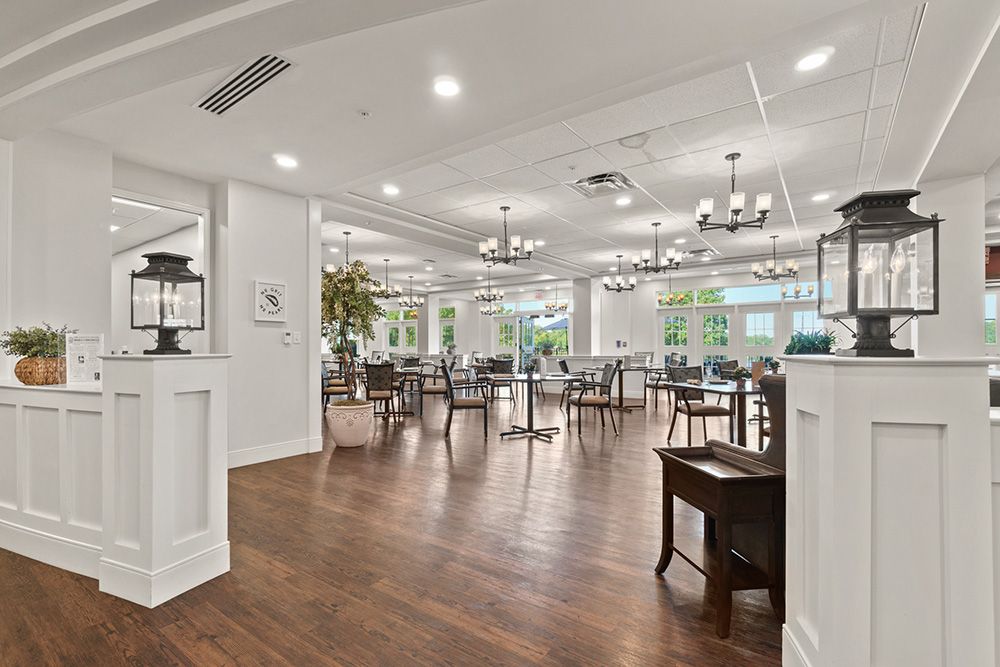
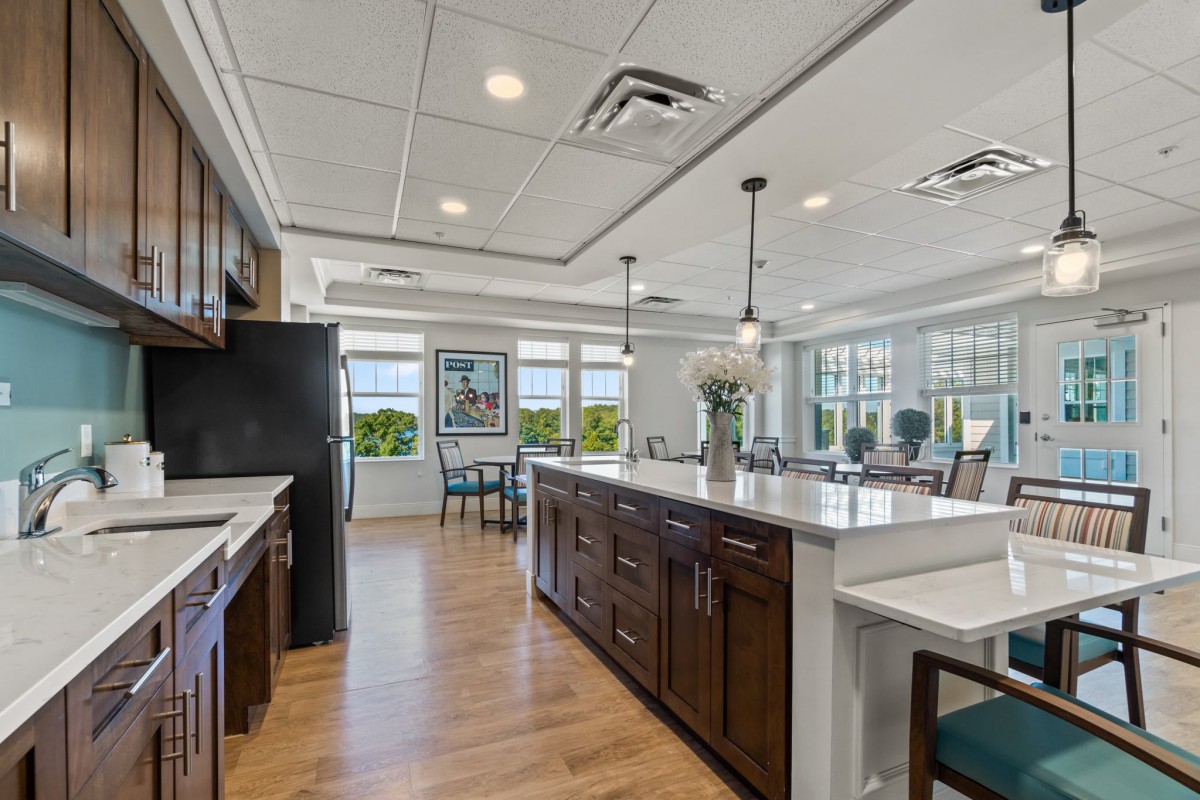
Many reviews mention that the meals are good, with some calling out a chef and praising taste and portion satisfaction. A few families say their loved ones do not complain about food and even look forward to mealtimes. Residents also describe convenient meal options and a dining setup that feels more like a dining experience than a quick cafeteria-style stop.
common26 reviews mention this
Care feels responsive for many
Residents often describe staff as friendly, attentive, and caring.
A recurring theme is that staff members treat residents kindly and respond to needs, with families saying they feel reassured about safety and day-to-day care. Several reviews also mention communication with families, including being kept informed and reachable when questions come up. A smaller number of reviews raise concerns about lapses in attention or monitoring, but the majority of feedback centers on supportive interactions.
caveat10 reviews mention this
Staffing and memory care are concerns
Some reviews report staffing shortfalls affecting care quality.
Several reviews describe problems that families associate with staffing and supervision—ranging from delayed or slow responses to concerns that residents were not monitored enough. In memory care specifically, there are comments about insufficient support to meet needs, including reports of difficulties with dementia and Alzheimer’s care. Other reviews at the same time describe good memory-care experiences, so results appear inconsistent depending on the situation.
caveat7 reviews mention this
Pricing feels high for some
Many families call the community expensive, especially as costs change.
Some reviews flag the monthly cost as high and mention uncertainty around rent increases. One review explicitly calls out affordability as a factor in deciding not to move forward. Even when people are happy with care and the setting, expense still shows up as a recurring concern.
How we summarize
Counts show how many written reviews mention each theme; a review can touch several themes, and only frequently mentioned themes are displayed.
Features
Housing
110 resident community capacity
1-bedroom apartments
2-bedroom apartments
Studio apartments
Types of Care
Assisted Living
Memory Care
Pets
Cats allowed
Dogs allowed
Amenities
Activities off-site
Activities on-site
Air-conditioning
Beauty salon
Cable or satellite TV
Computer center
Devotional services off-site
Dining room
Fitness room
Fully furnished
Gaming room
Garden
Ground floor units
Handicap accessible
Housekeeping services
Indoor common areas
Kitchenette
Move-in coordination
Outdoor common areas
Outdoor space
Private bathrooms
Respite or short term stays offered
Restaurant-style dining
Small library
Telephone
Wellness center
Wheelchair accessible showers
Wi-Fi/high-speed internet available
Transportation
Richmond International (19 miles away)
Community operated transportation
Transportation arrangement
Transportation arrangement (non-medical)
Transportation to doctors appointments
Care Services
12-16 hour nursing
24-hour call system
24-hour supervision
Activities of daily living assistance
Ambulatory care
Assistance with bathing
Assistance with dressing
Assistance with transfers
Diabetes diet
Diabetic care
Incontinence care
Meal preparation and service
Medication management
Mental wellness program
Mild cognitive impairment
Special dietary restrictions
Specialized memory care programming
Dining
Diabetes diet
Guest meals
Low / no sodium
Meals provided
Professional chef
Restaurant style dining
Special dietary restrictions
Special dining programs
Vegetarian
Activities
Activities off-site
Activities on-site
Cards / pinochle club
Catholic services
Christian services
Community-sponsored activities
Concierge services
Day trips and outings
Devotional activities on-site
Fitness programs
Happy hour
Holiday parties
Live musical performances
Planned day trips
Resident-run activities
Scheduled daily activities
Stretching classes
Nearby Places of Interest
This part of Midlothian, Virginia offers a wide range of healthcare options, including physicians specializing in allergy and asthma, oral and facial surgery, pediatrics, family medicine, and pharmacies for easy access to medications. Additionally, there are several nearby theaters for entertainment, various restaurants catering to different tastes, parks for outdoor activities and relaxation, places of worship for spiritual needs, cafes for socializing and enjoying a good cup of coffee or pastry, and hospitals for medical emergencies. The community provides a mix of convenience and recreational opportunities suitable for individuals looking to retire in a vibrant neighborhood with access to essential services within close proximity.
Physicians
Advanced Allergy and Asthma of Virginia (0.1 miles)
Virginia Oral & Facial Surgery (0.2 miles)
Kidmed (0.6 miles)
Chippenham Pediatrics & Adolescent Medicine PC (0.6 miles)
Woodlake Village Pediatrics (1.7 miles)
VitalCare Family Practice (2 miles)
Midlothian Family Practice (2.5 miles)
Pharmacies
Kroger Pharmacy (0.5 miles)
CVS Pharmacy (0.7 miles)
CVS Pharmacy (0.9 miles)
Walgreens (1.1 miles)
CVS Pharmacy (2.5 miles)
CVS Pharmacy (2.6 miles)
Walgreens (3 miles)
Theaters
Commonwealth 20 & Imax (1.1 miles)
Regal Westchester Commons (7.2 miles)
Restaurants
Chick-Fil-A (1.3 miles)
Little Caesars Pizza (3.9 miles)
The Grille at Magnolia Green (5.2 miles)
McDonald's (6.1 miles)
Sports Page Bar & Grill (6.2 miles)
Dq Grill & Chill (6.3 miles)
Sonic Drive-In (6.8 miles)
Parks
Rockwood Park (4.5 miles)
Pocahontas State Park (4.6 miles)
Charter Colony Playground (4.6 miles)
Clover Hill Athletic Complex (5.9 miles)
Huguenot Park (7.4 miles)
Reidelbach Park (8.5 miles)
Appomattox Game Club Preserve (10.2 miles)
Places of Worship
Central Baptist Church (4.7 miles)
New Life United Methodist Church (6.3 miles)
Tabernacle Divinity School (6.5 miles)
Parkway Baptist Church (6.6 miles)
Southern Baptist Convention (7.9 miles)
St Edward's Church (8.6 miles)
Cafes
Starbucks (6.4 miles)
Panera Bread (7.3 miles)
Starbucks (8 miles)
Perk (9.5 miles)
Sweet Shop Donuts Cafe (10.5 miles)
Hospitals
Bon Secours Richmond Health (7.1 miles)
CJW Medical Center (7.2 miles)
Hunter Holmes McGuire VA Medical Center (11.5 miles)
Auburn Hill Senior Living offers a range of housing options that may reflect a higher cost compared to both Powhatan County and the broader state of Virginia. For instance, the monthly rate for a studio is set at $4,750, notably above the county's average of $2,975 and slightly higher than the state average of $4,436. Semi-private accommodations are also priced competitively at $5,250, which exceeds both local ($3,099) and state ($3,991) benchmarks. The pricing aligns directly with Powhatan County for one-bedroom units at $6,650 but surpasses the state's offering of $4,257. Finally, two-bedroom apartments are uniquely positioned at $8,650 - again aligned with Powhatan County but significantly higher than Virginia's average of $4,602. This pricing structure suggests that while Auburn Hill provides premium services and amenities that justify its costs, prospective residents should consider their budget in relation to both county and state averages before making a decision.
Auburn Hill Senior Living's comprehensive suite of features is designed to foster a supportive environment for residents with dementia or Alzheimer's disease. The 24-hour supervision ensures constant safety and responsiveness to individual needs, while assistance with activities of daily living--such as bathing, dressing, and transfers--promotes dignity and comfort in their routines. Incontinence care further enhances residents' quality of life by addressing personal hygiene concerns discreetly and compassionately. Meal preparation and service are tailored to meet nutritional requirements, encouraging healthy eating habits that are vital for cognitive function. Medication management safeguards against confusion or missed doses, which can significantly affect health outcomes. Additionally, the mental wellness program nurtures emotional well-being through engaging activities specifically created to stimulate cognition, while specialized memory care programming offers structured support that caters to various stages of cognitive impairment, ensuring that each resident receives personalized attention tailored to their unique journey. Together, these services create a holistic approach that respects individuality and promotes an enhanced quality of life for those in memory care.
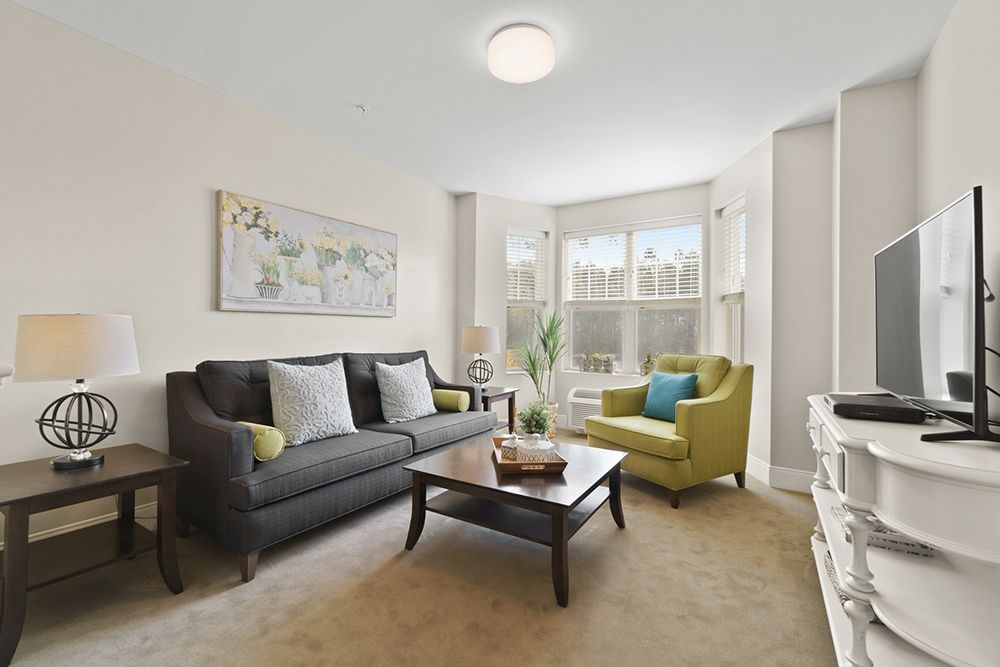
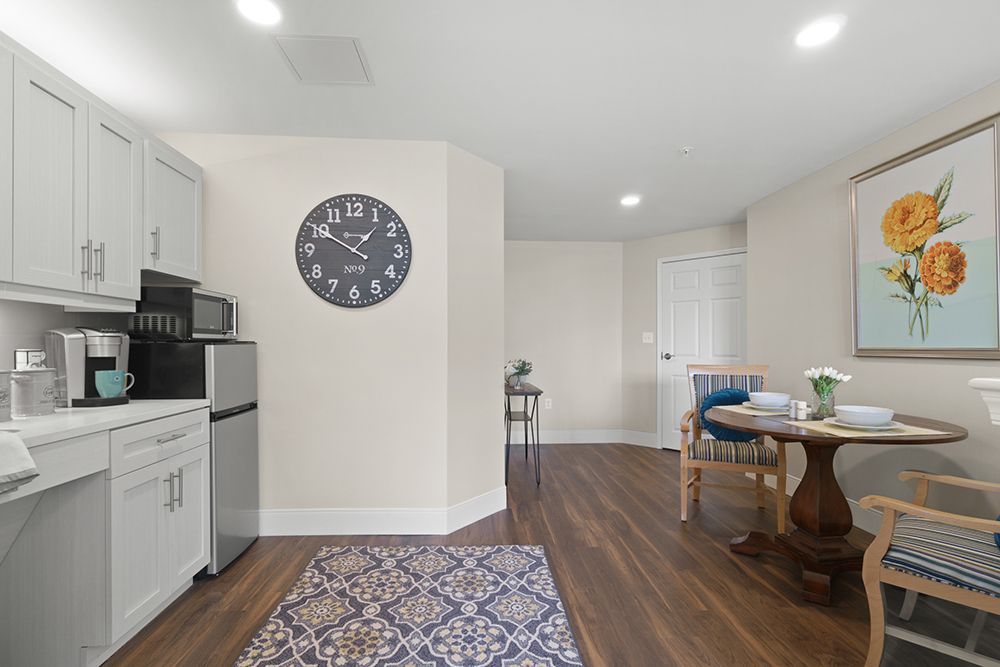
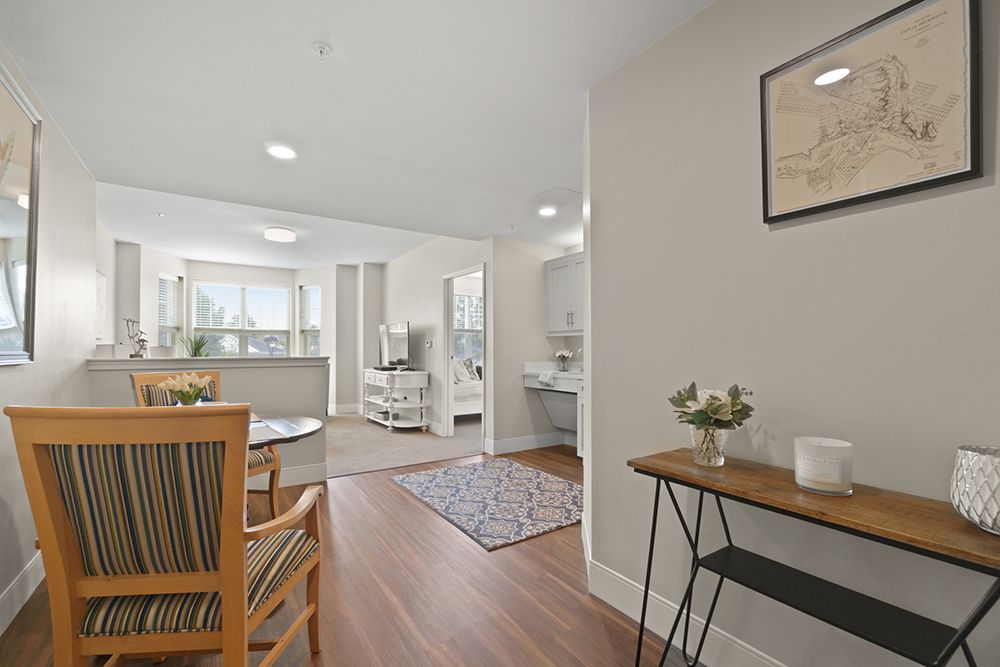
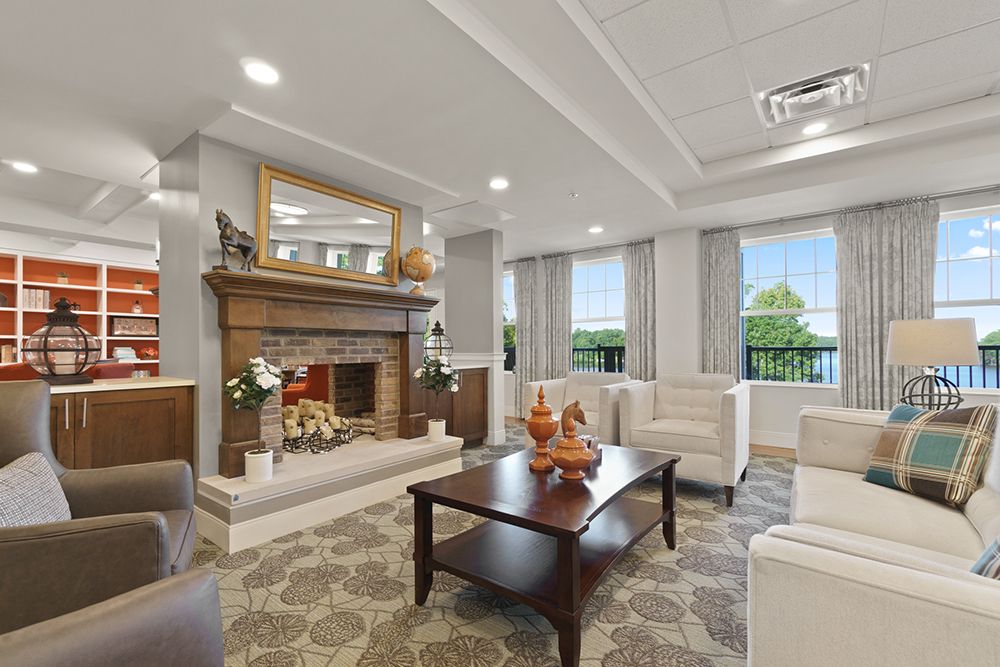
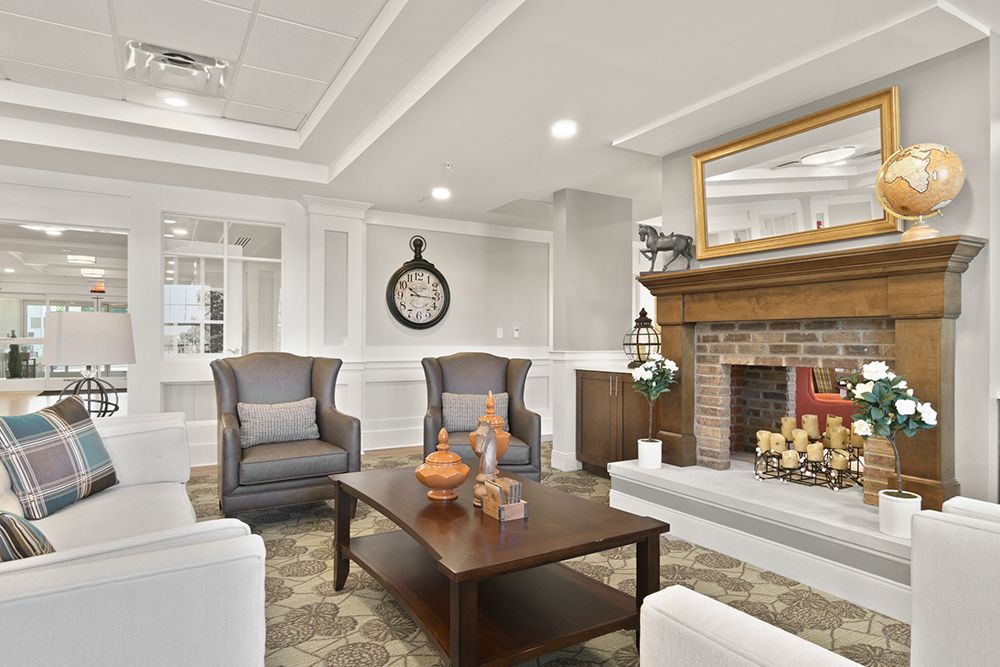
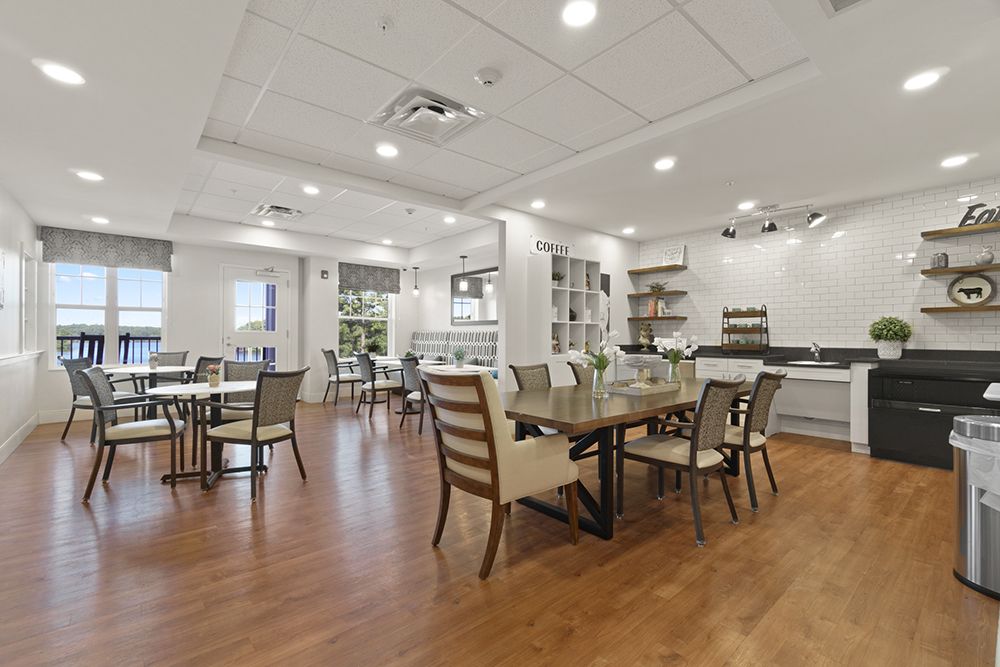
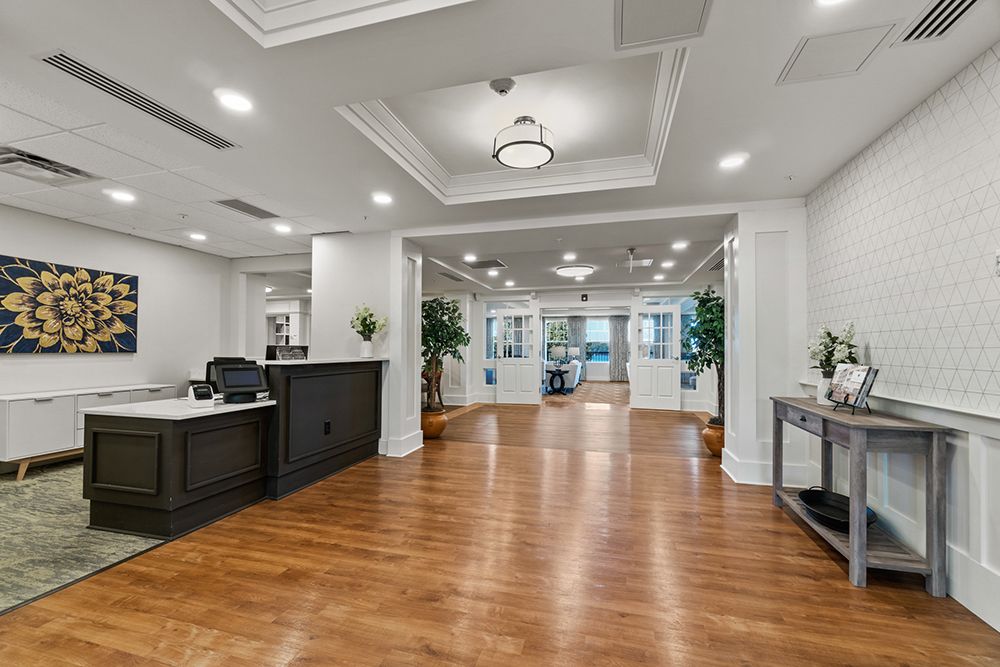
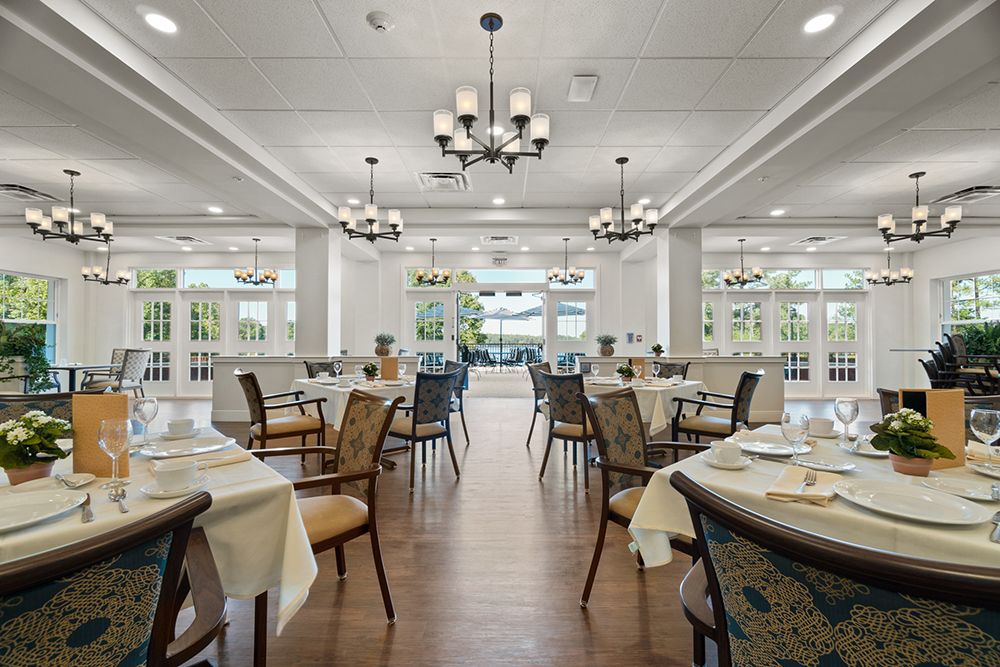
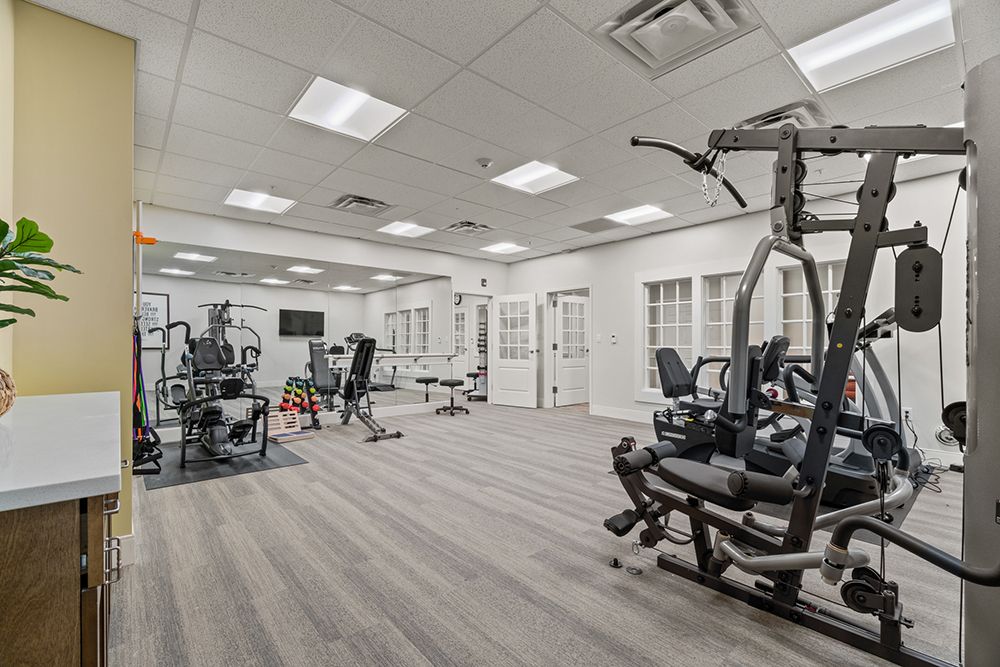
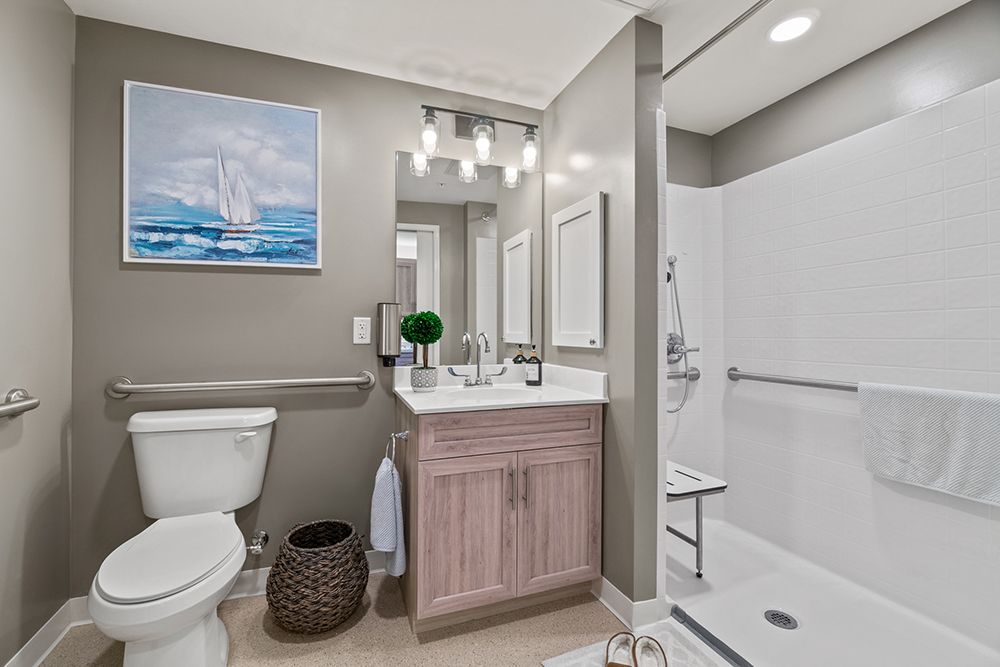
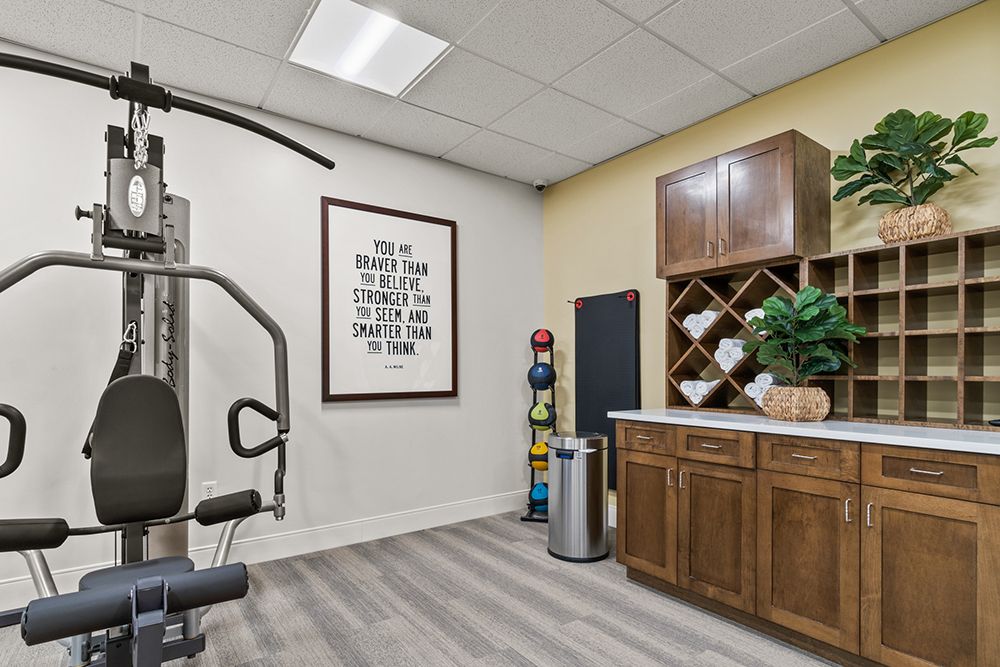
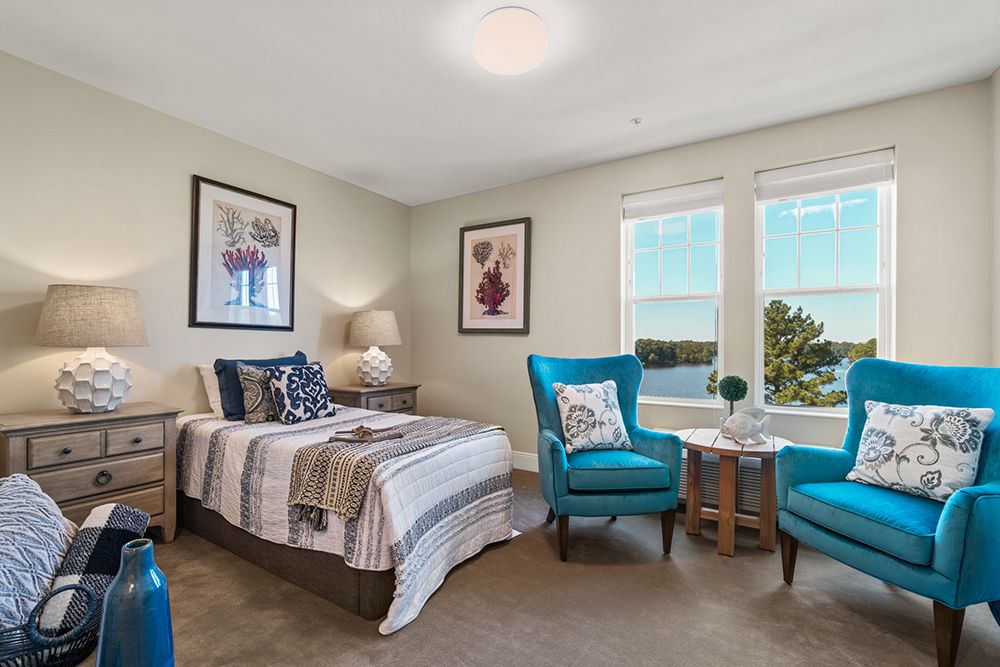
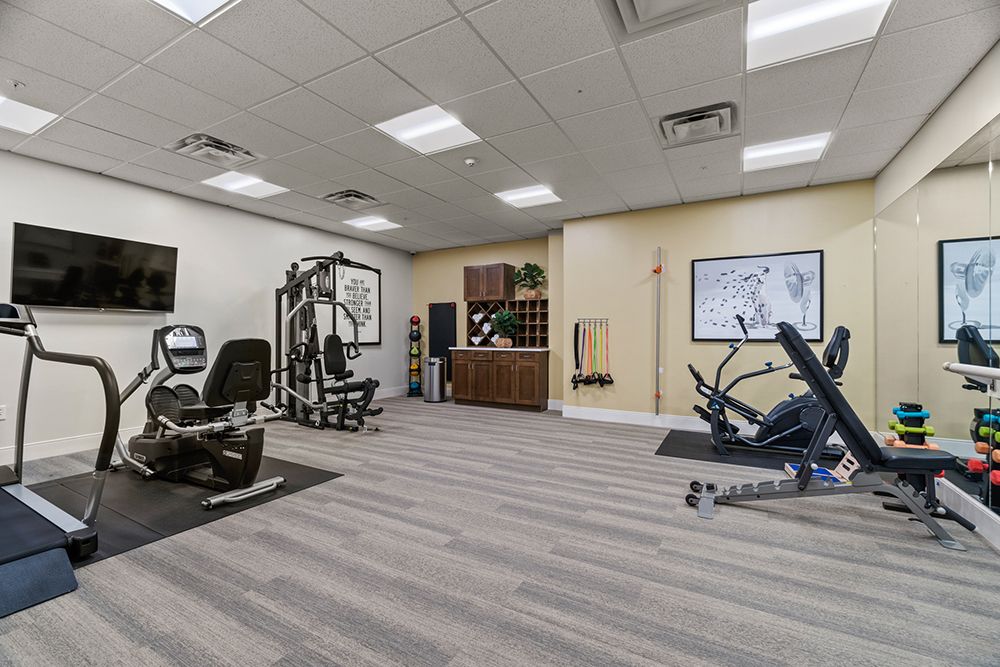
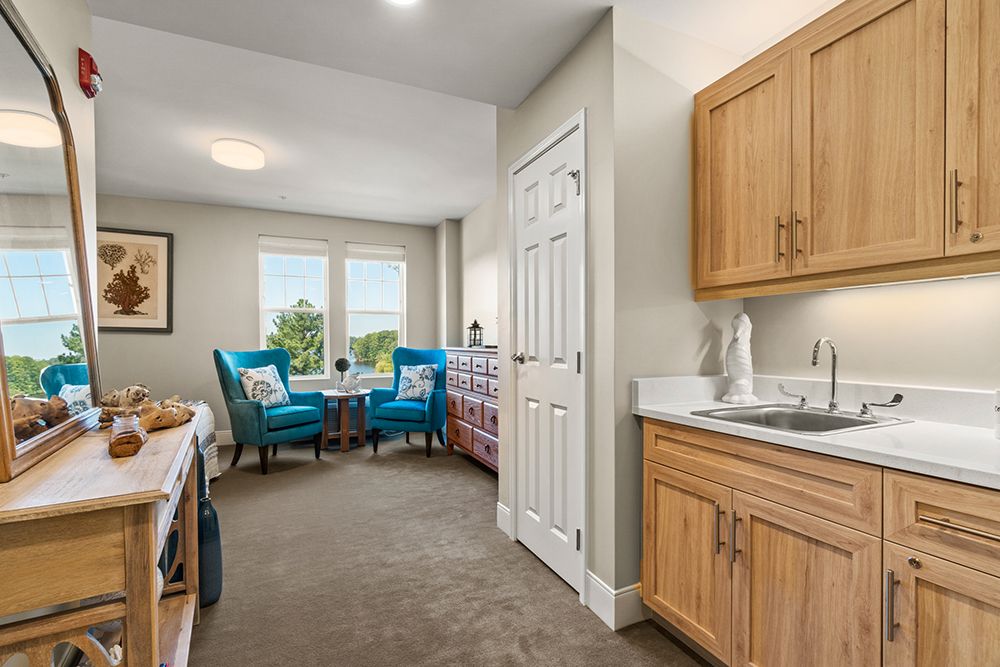
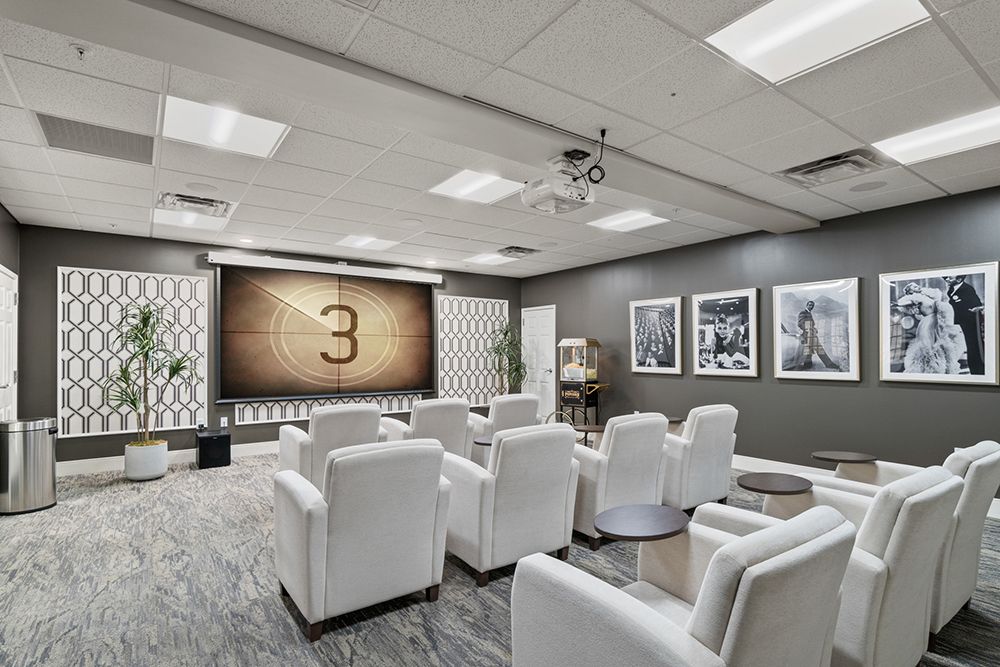
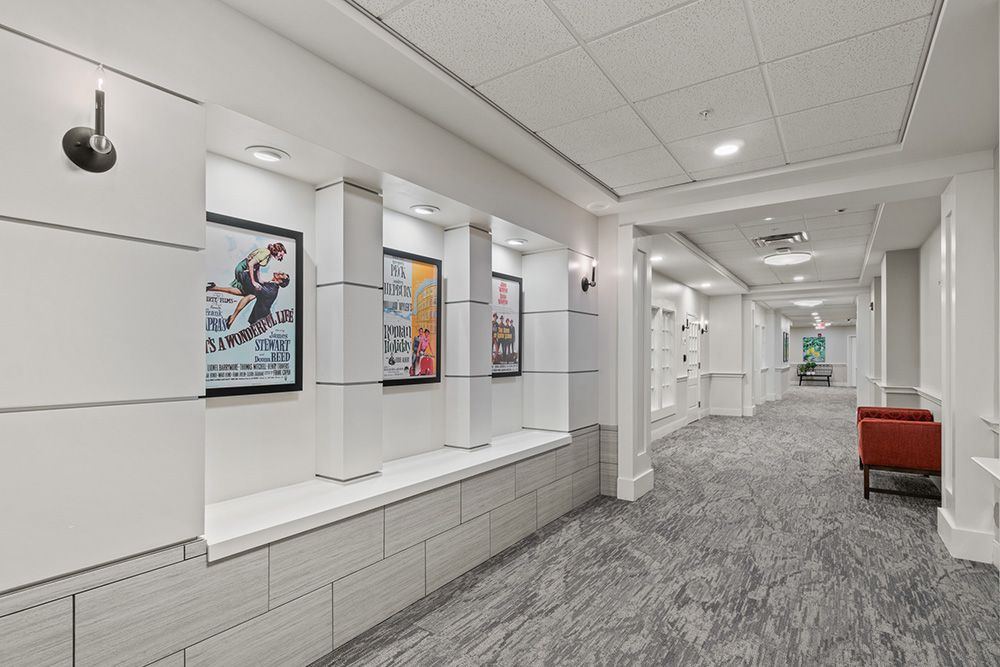
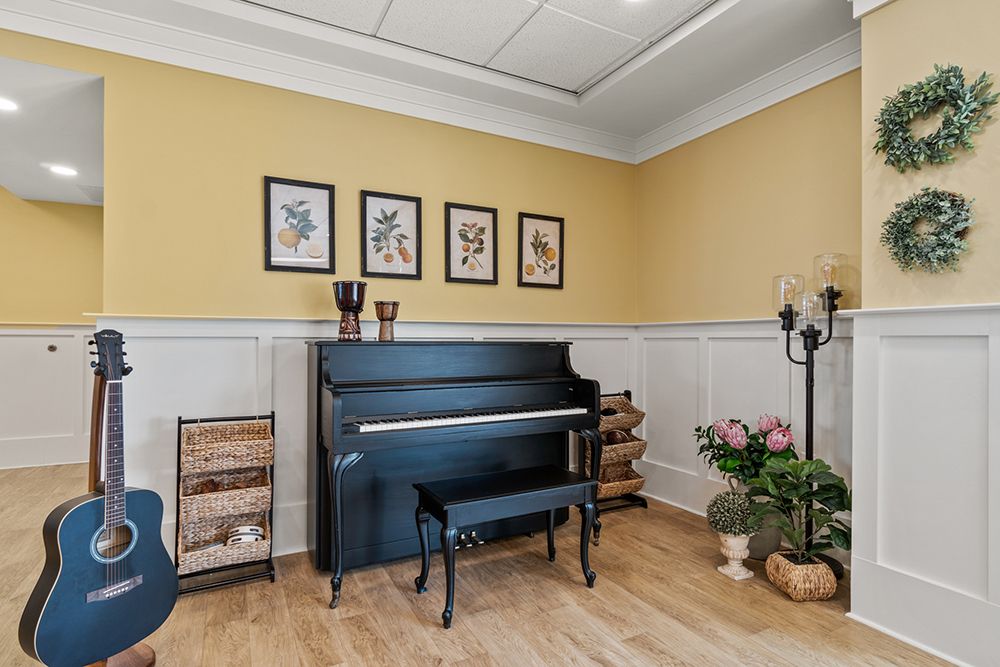
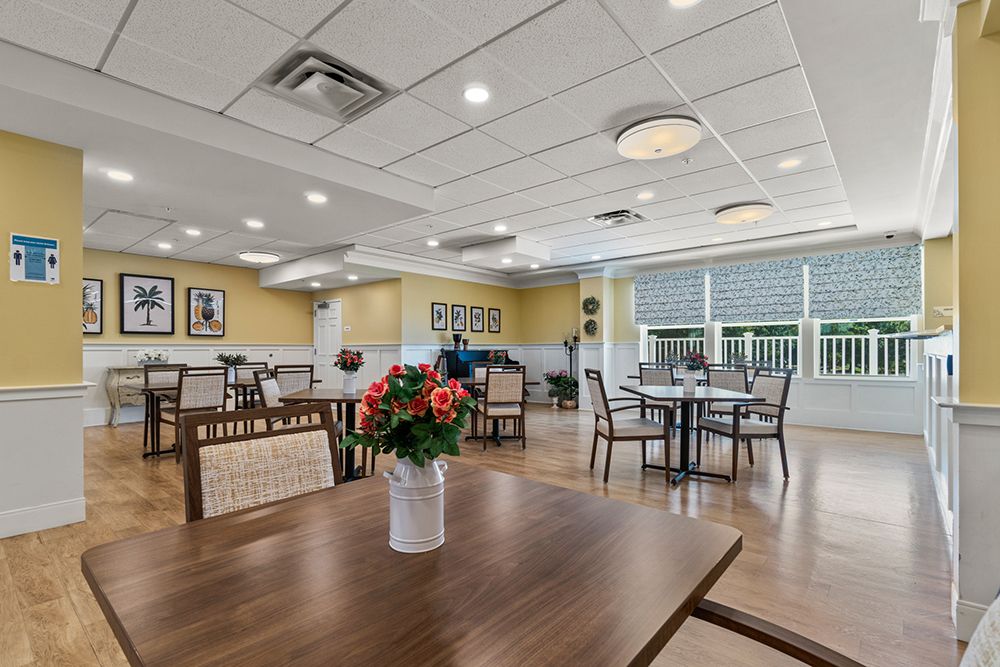
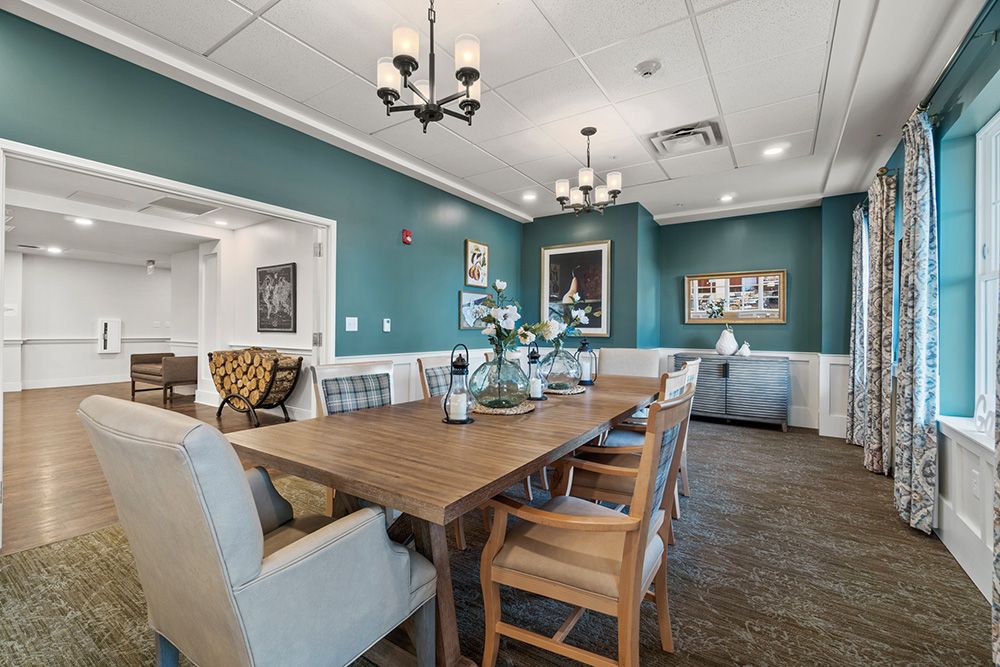
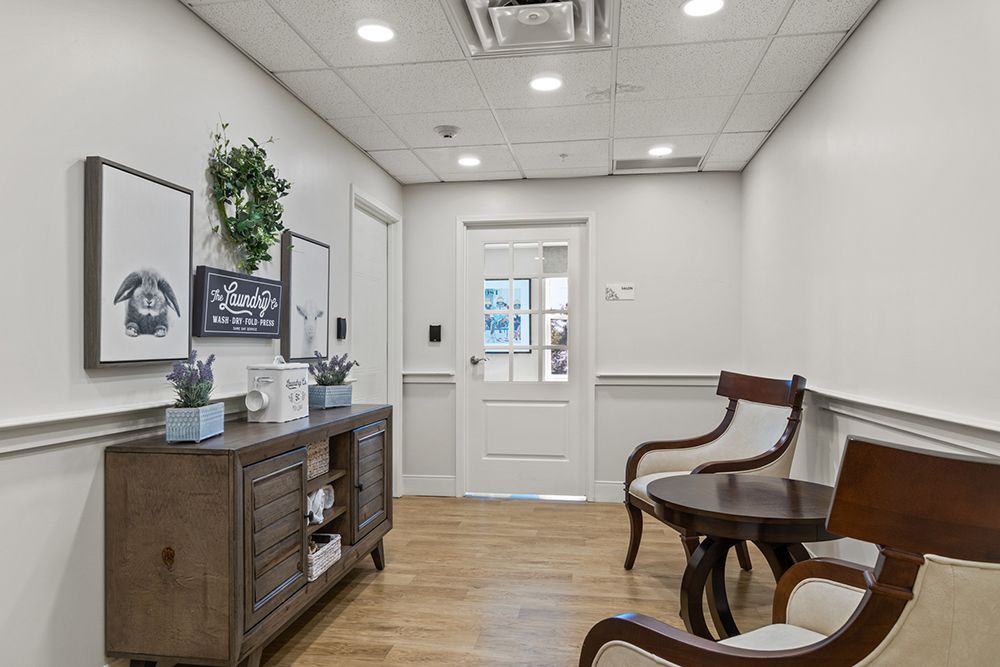
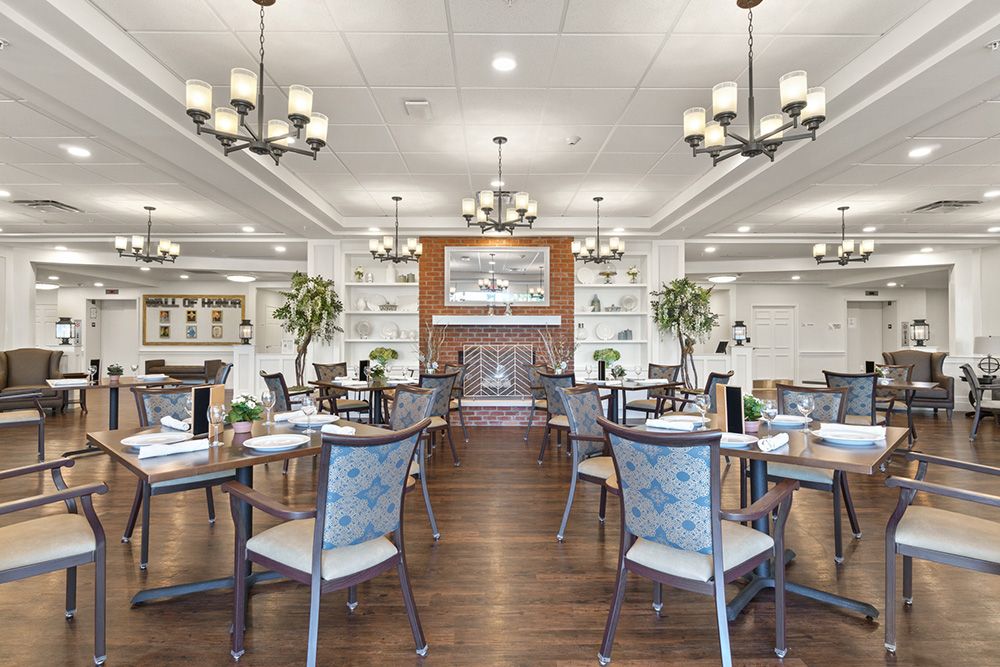
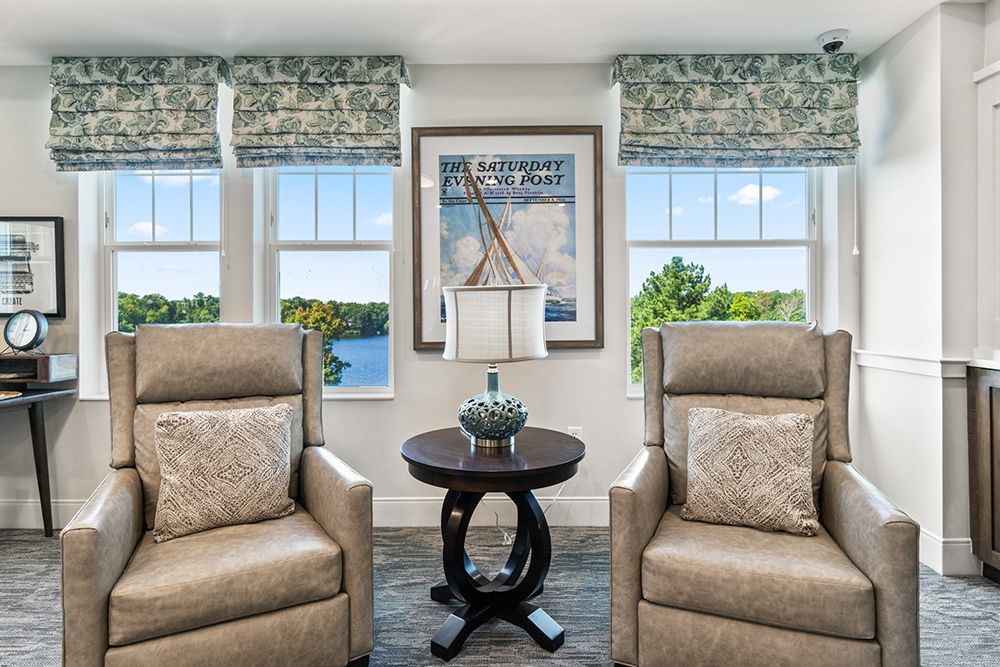
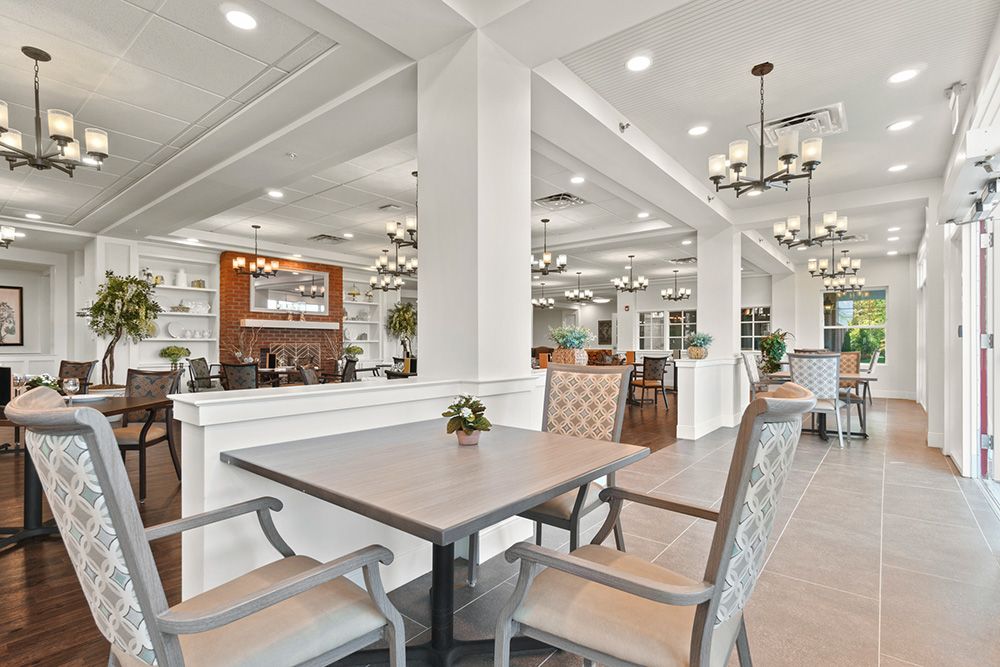
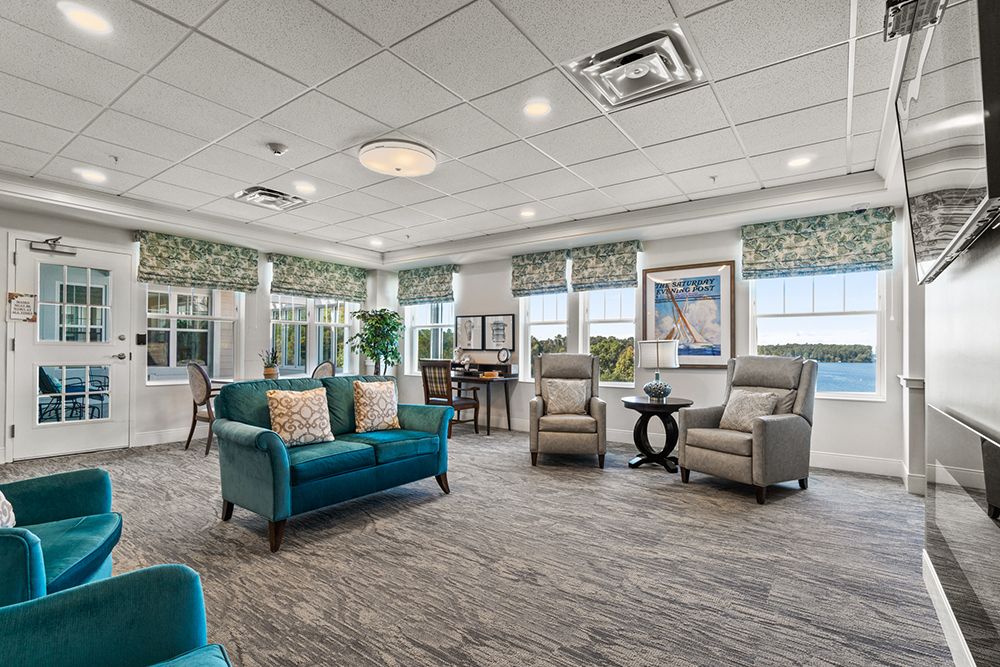
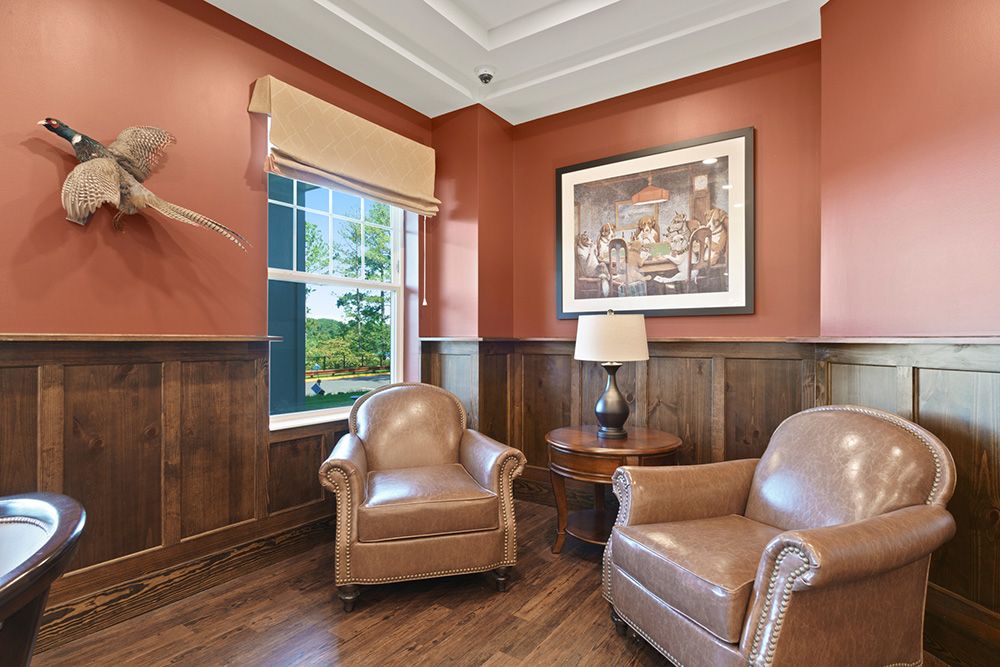
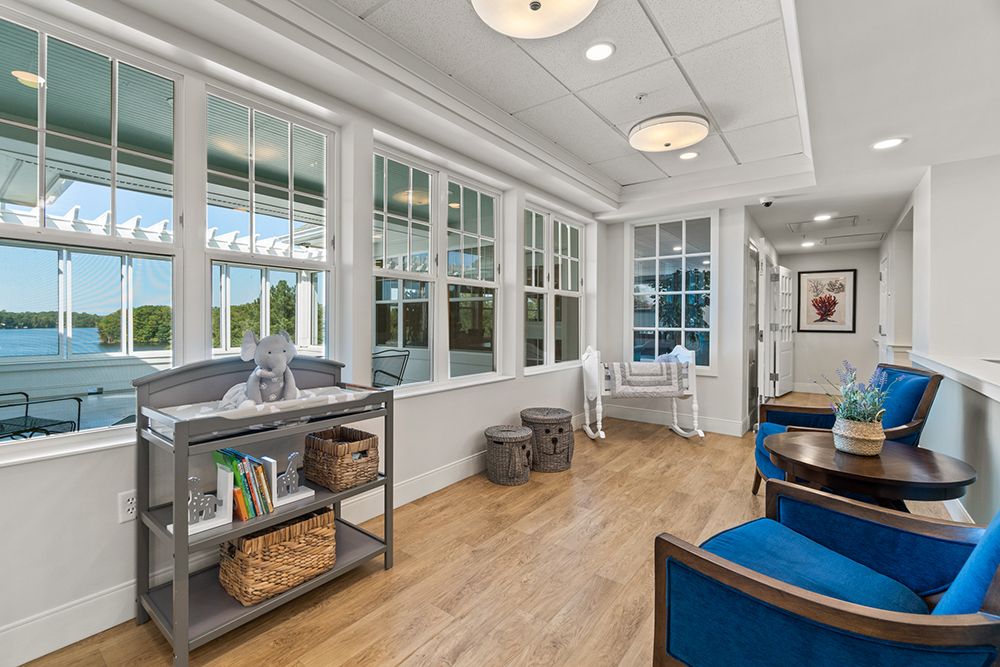
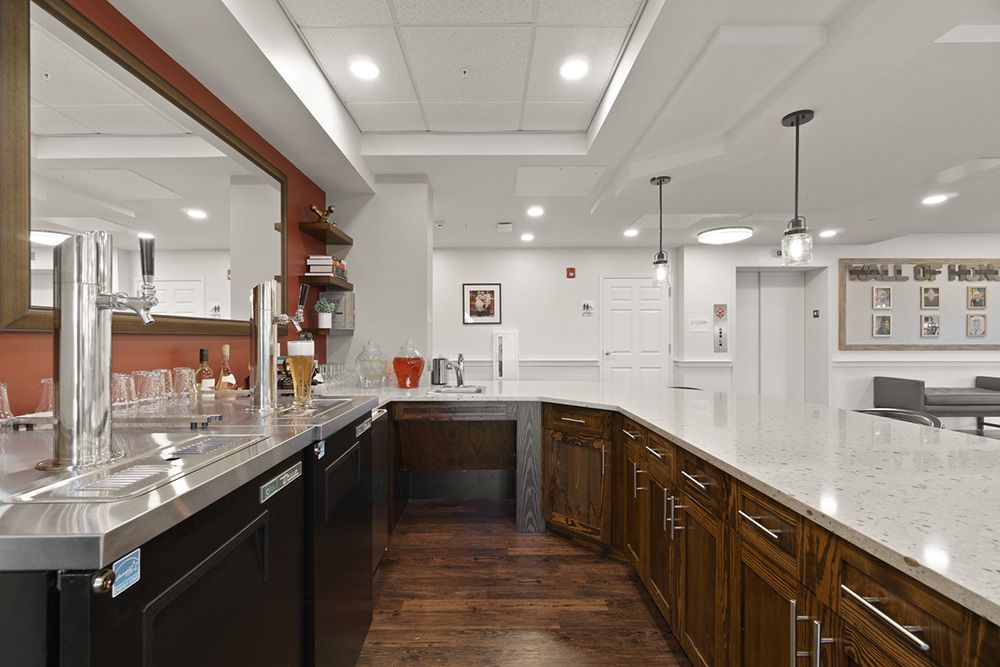
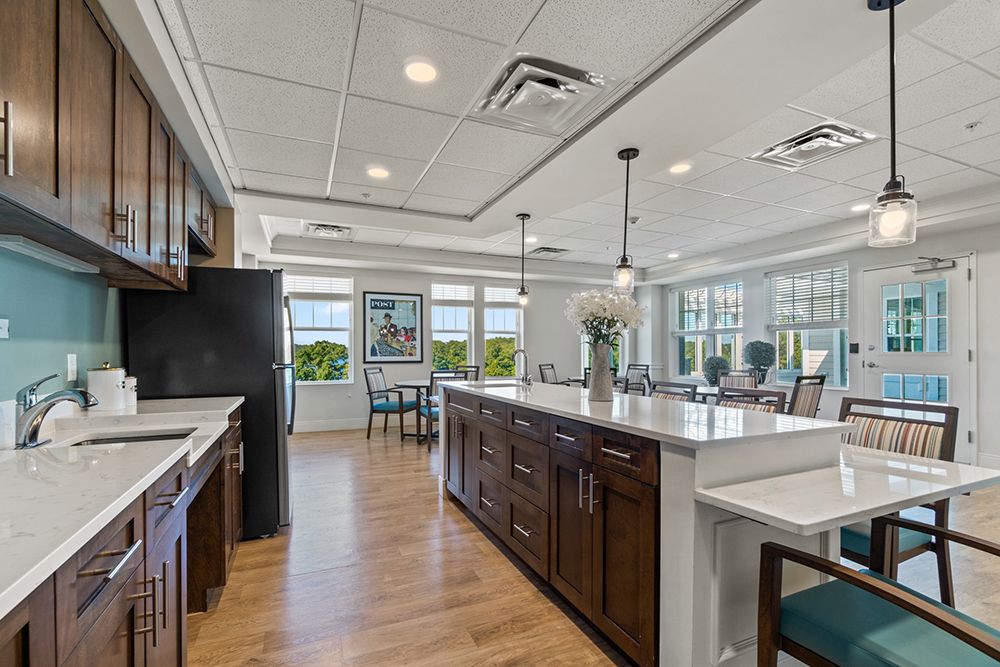
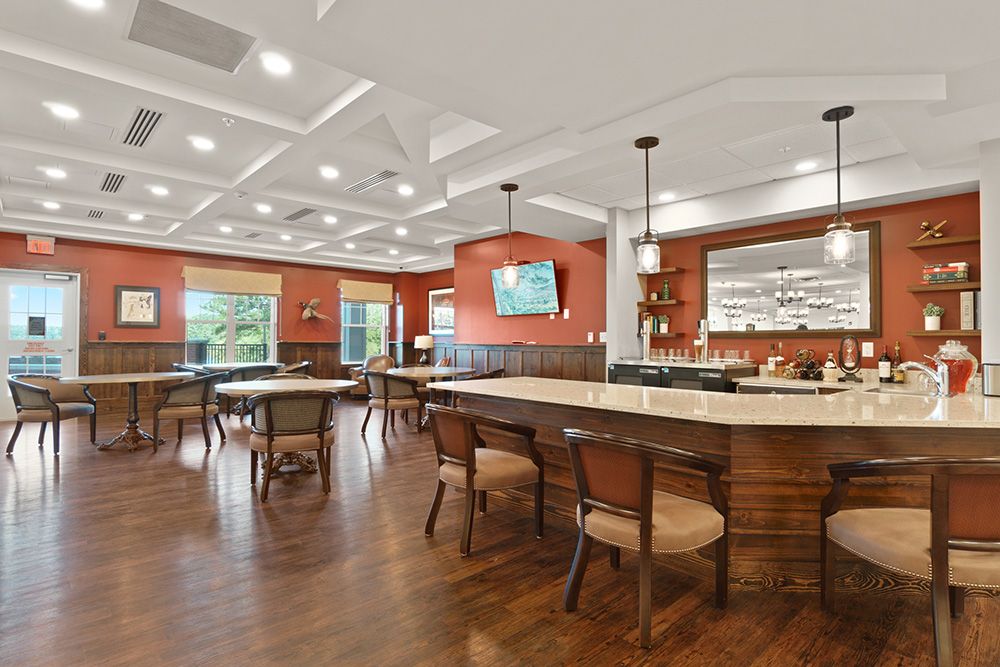
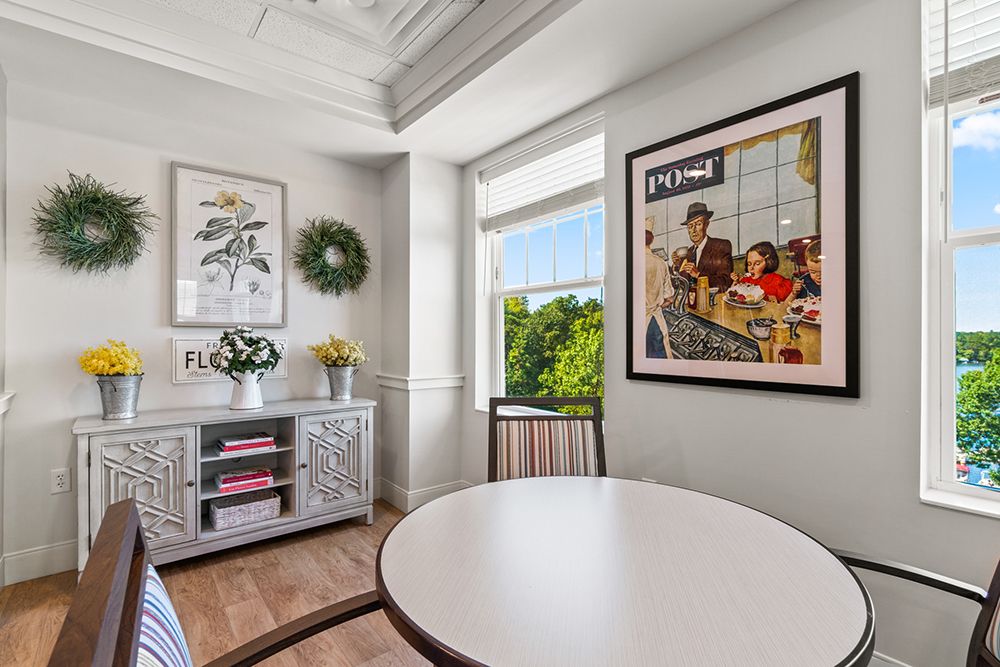
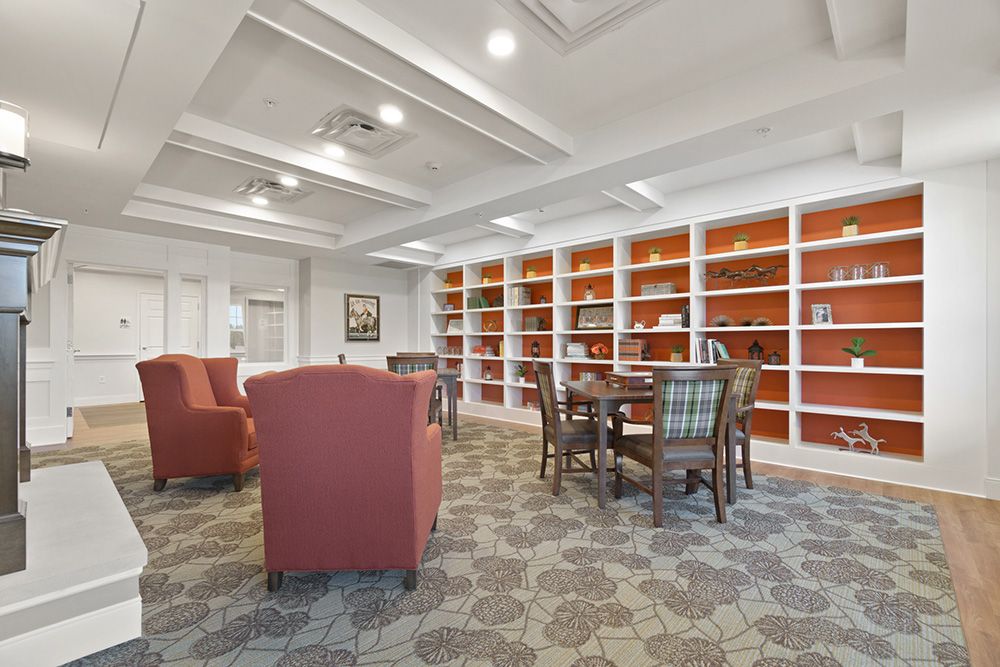
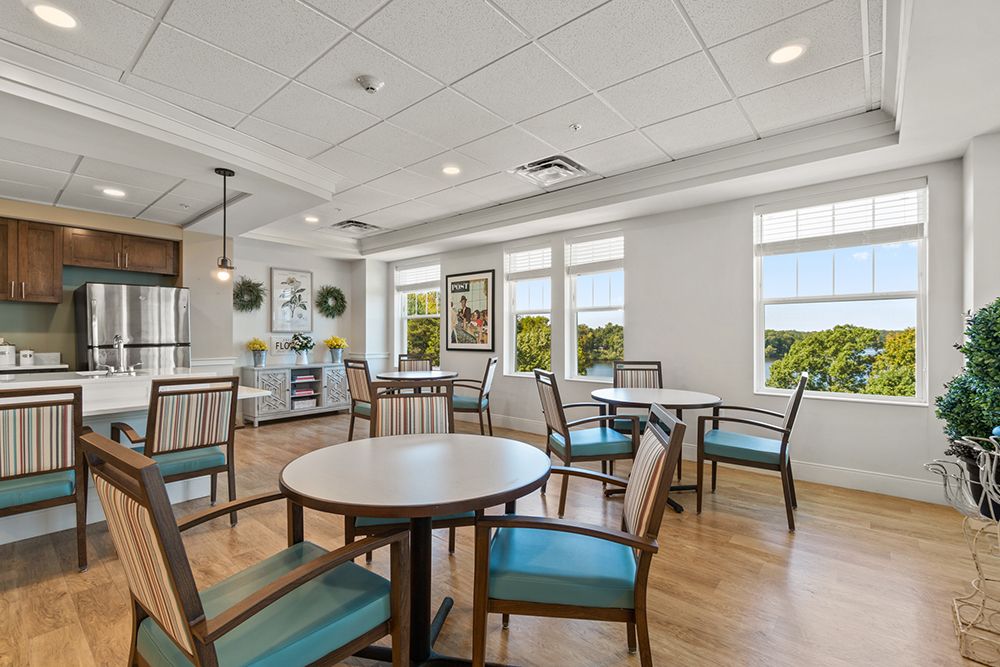
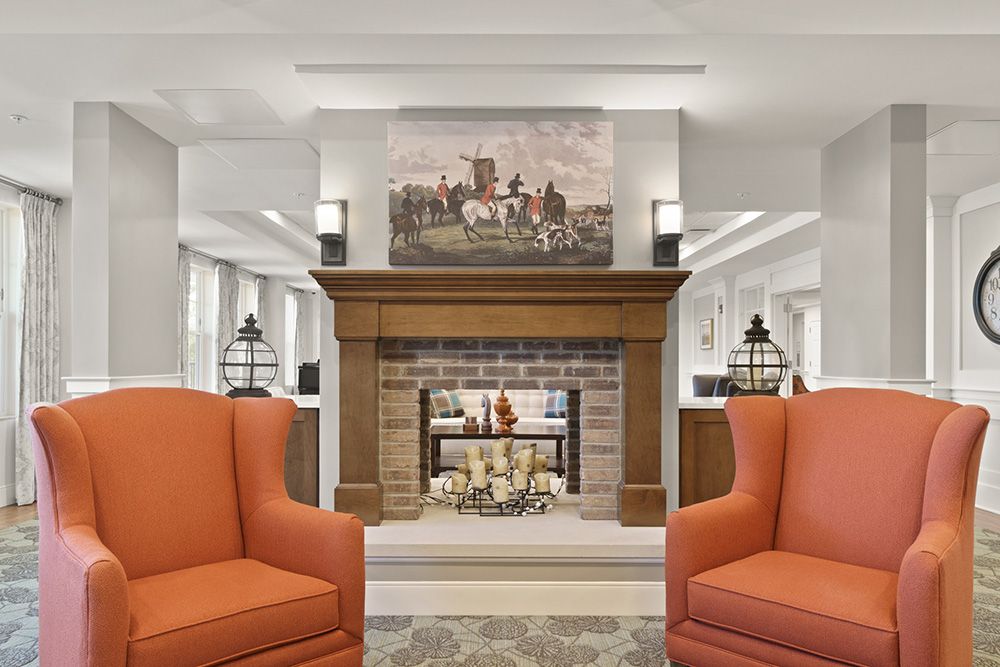
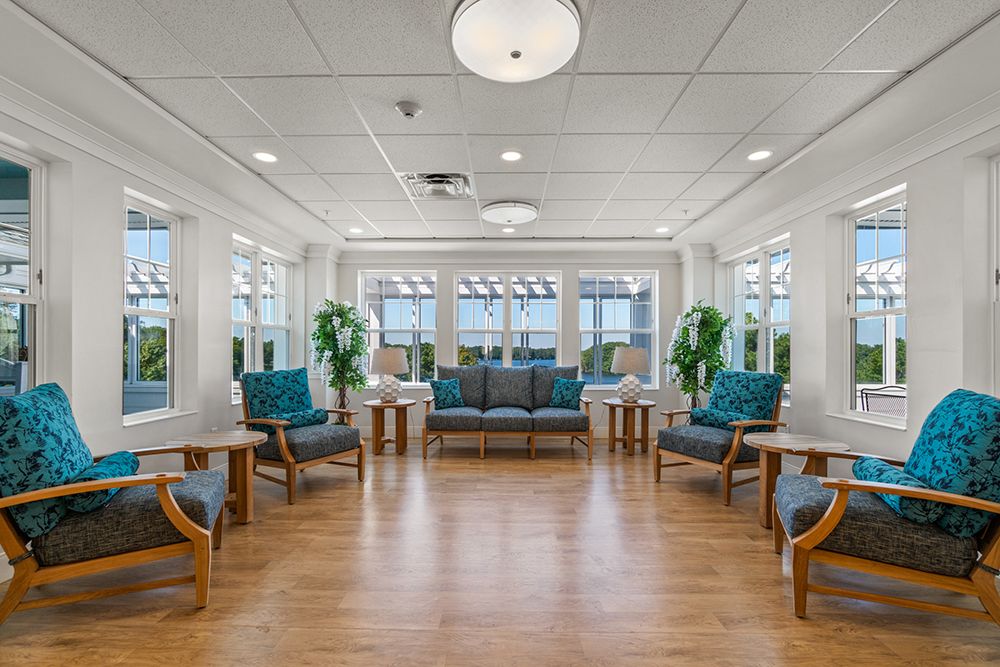
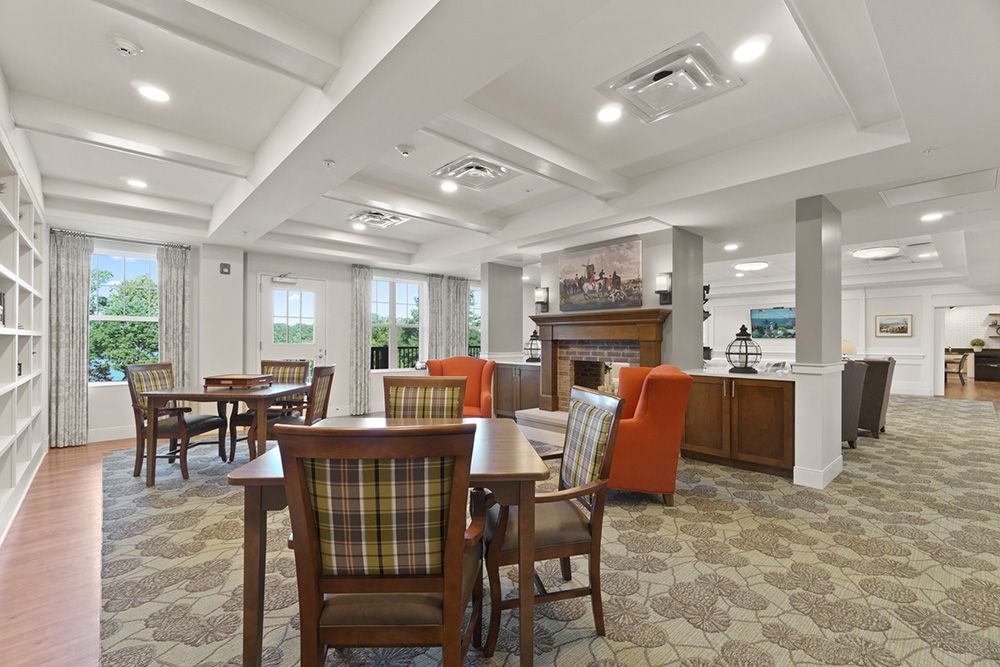
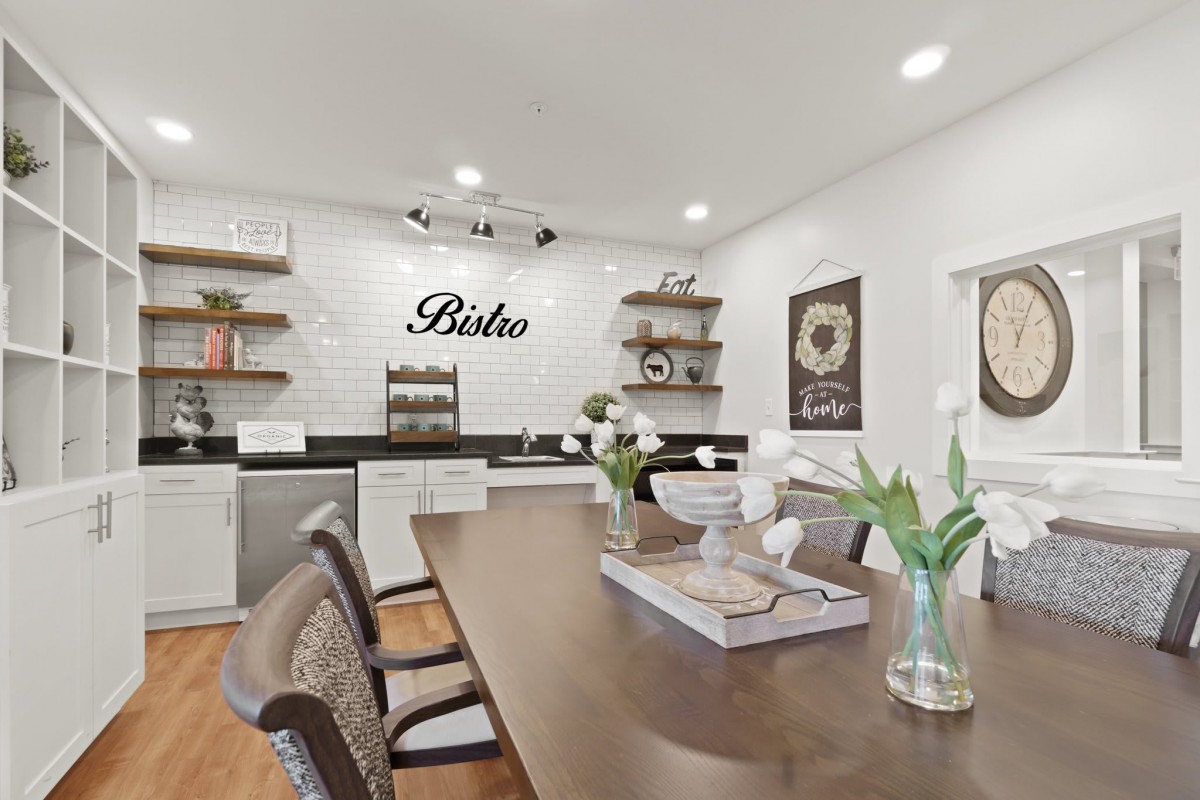
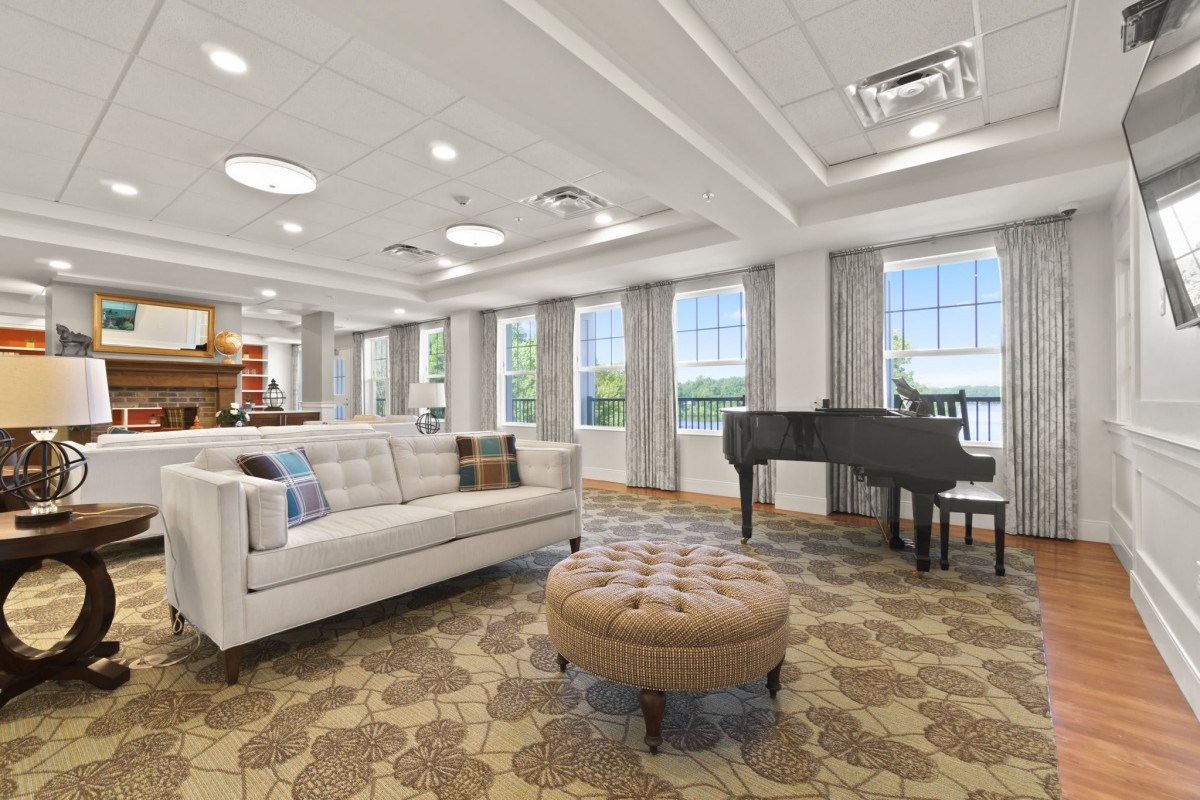
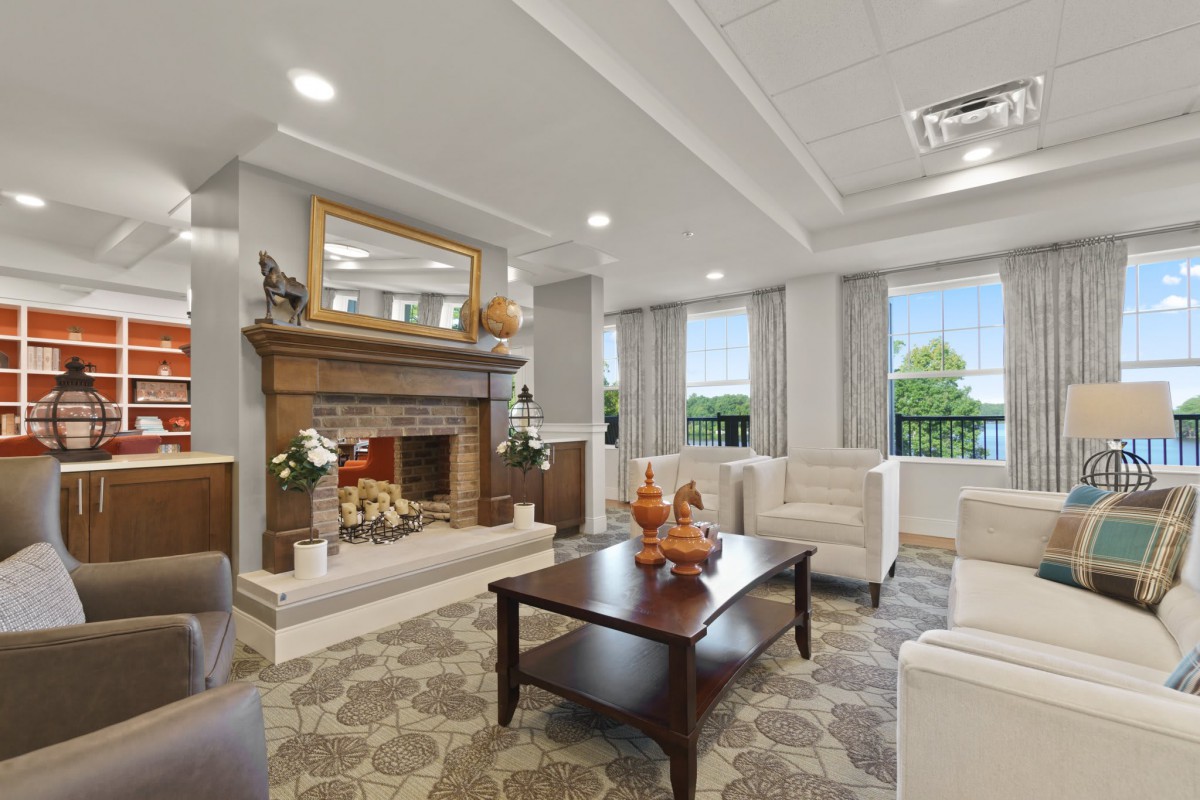
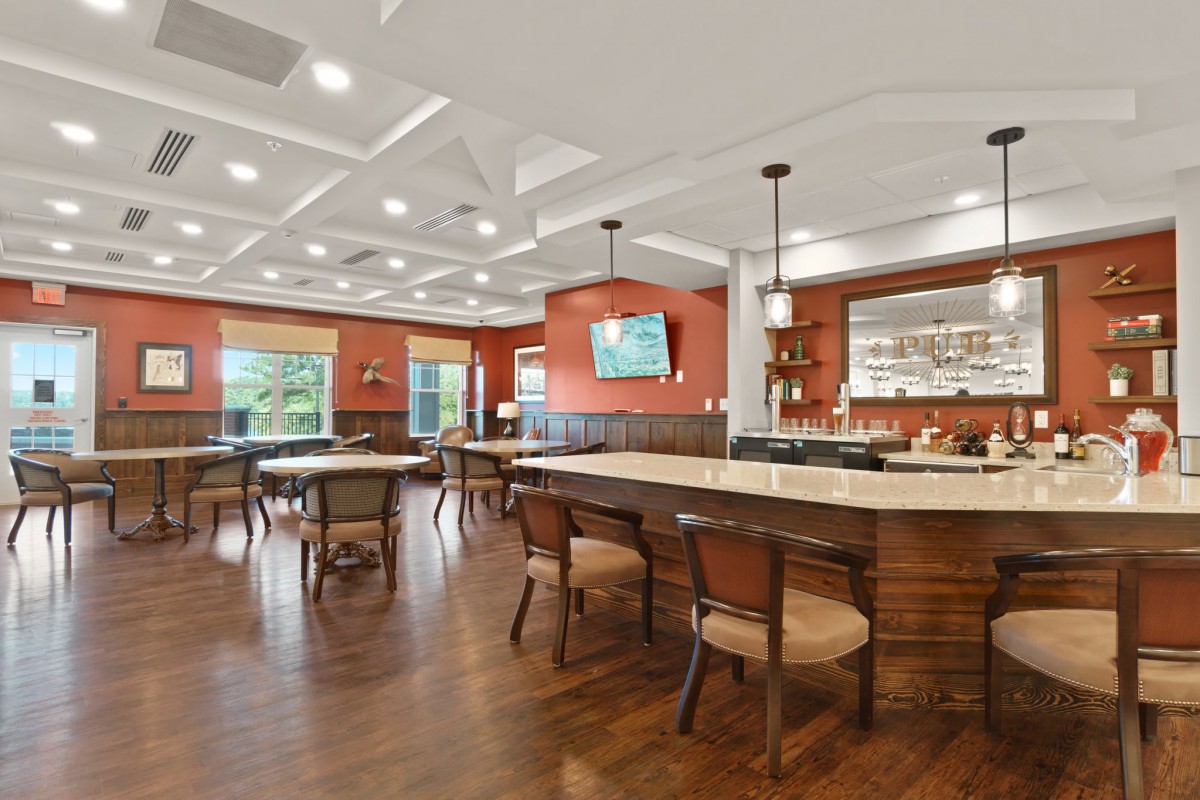
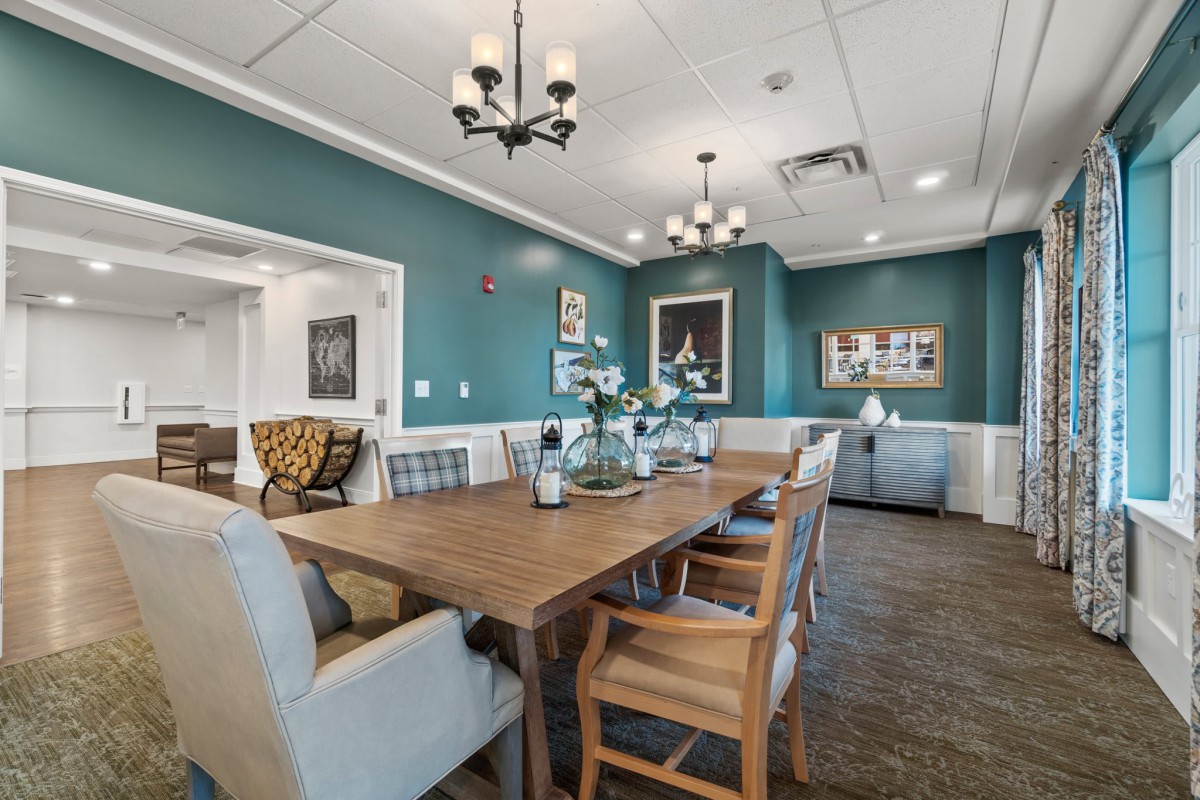
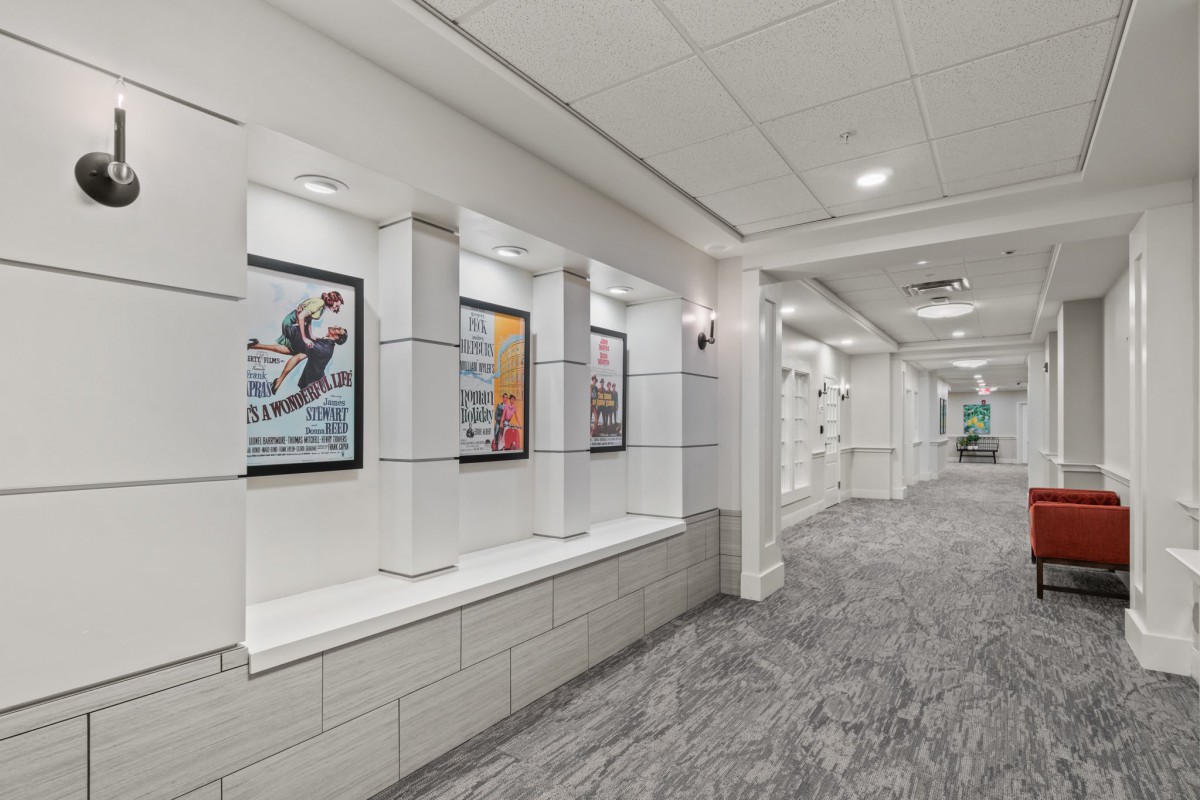
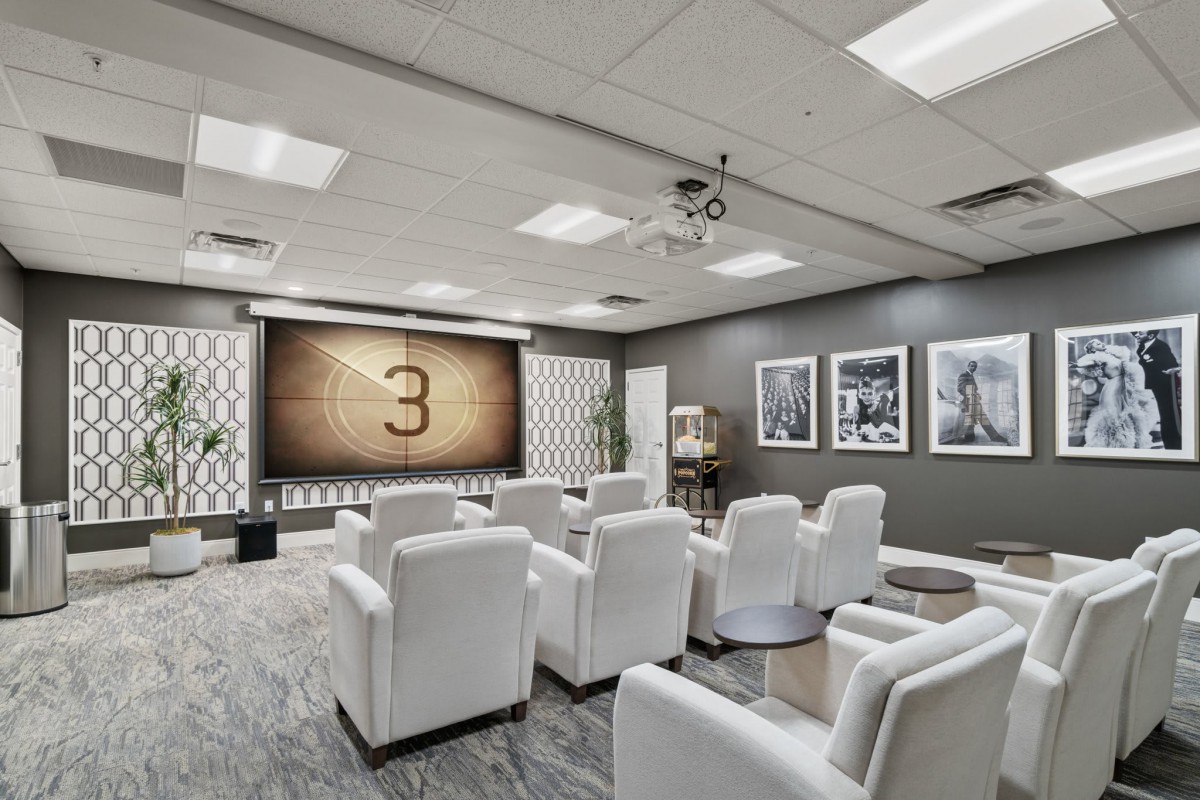
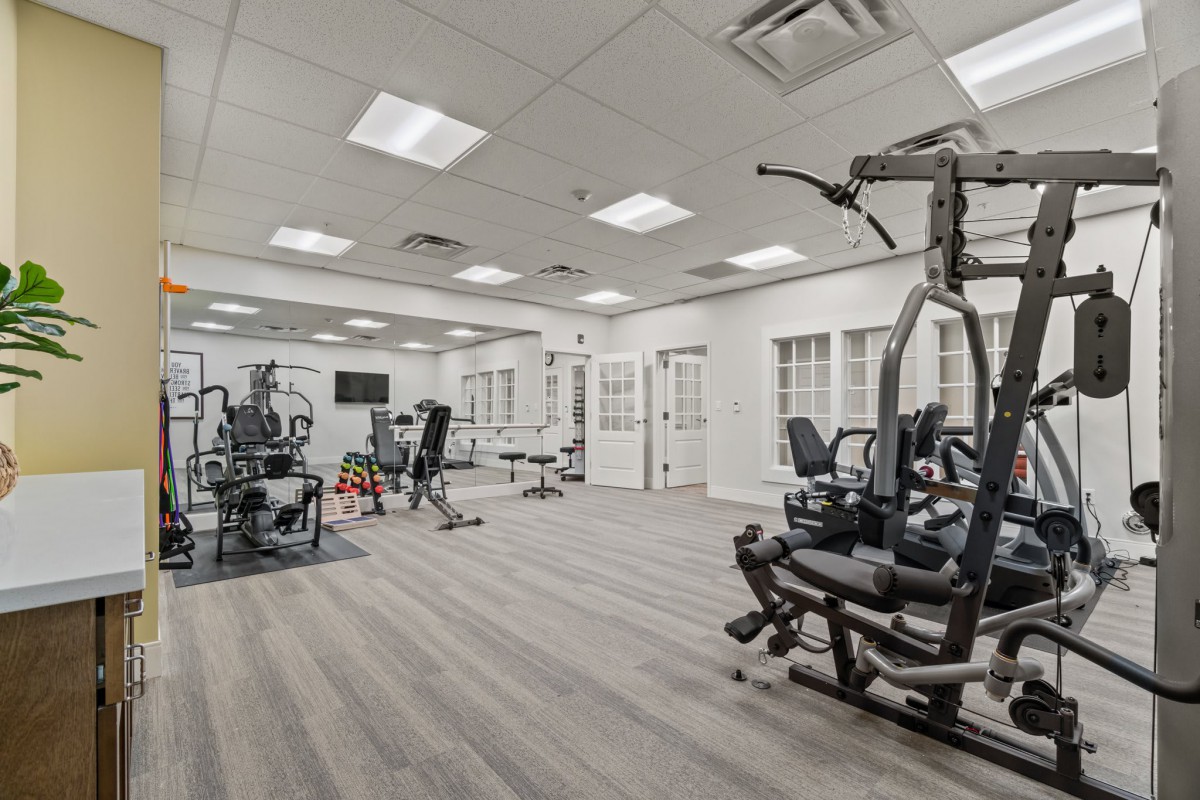
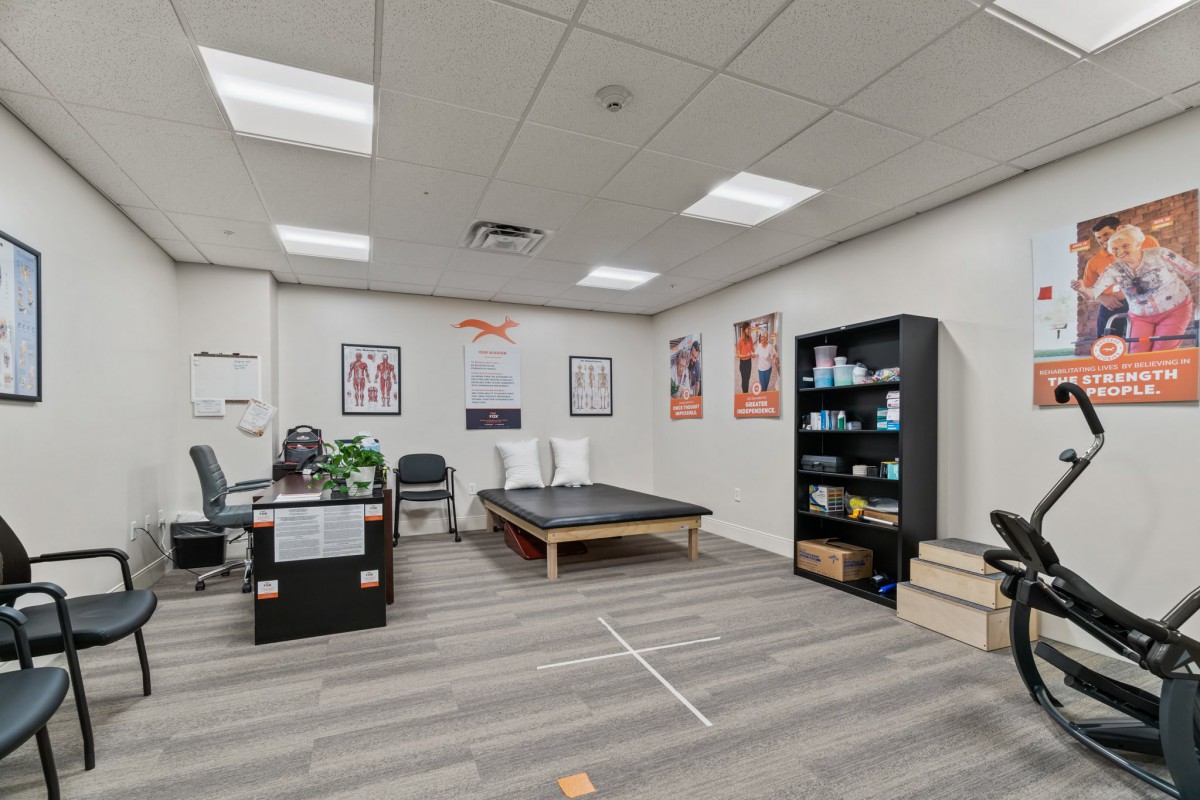
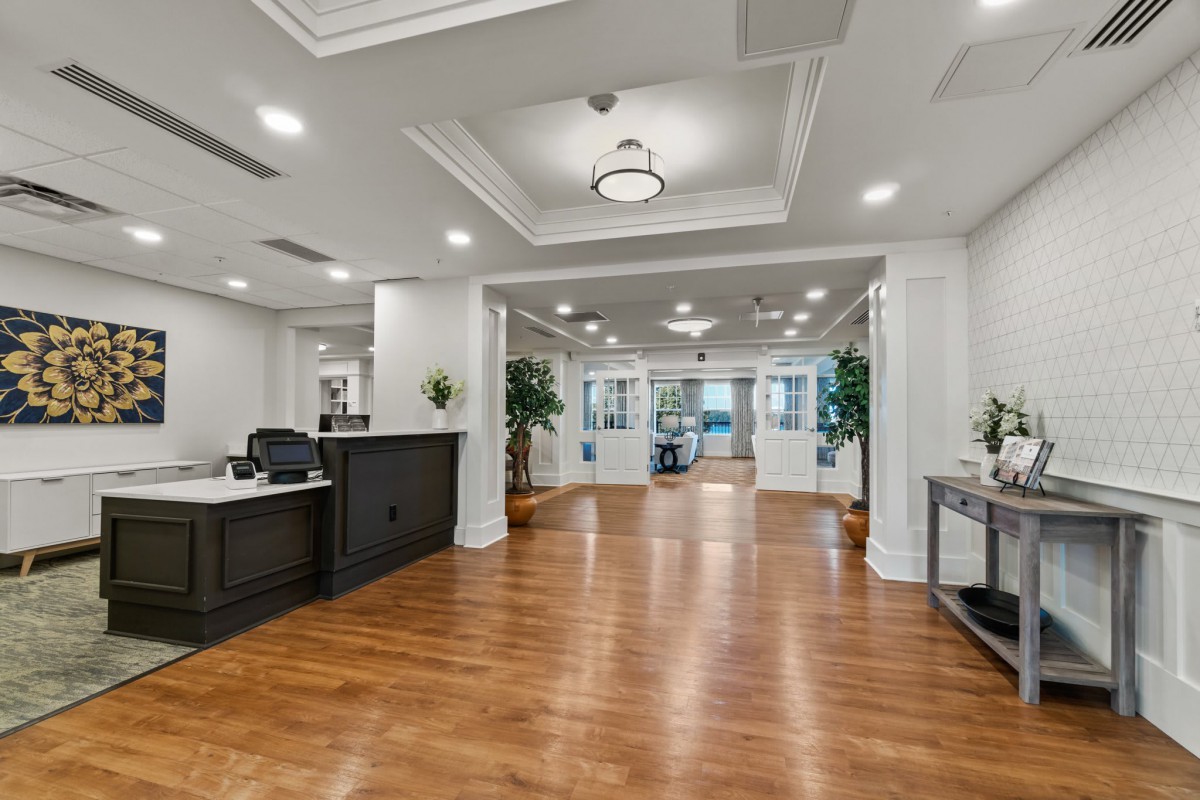
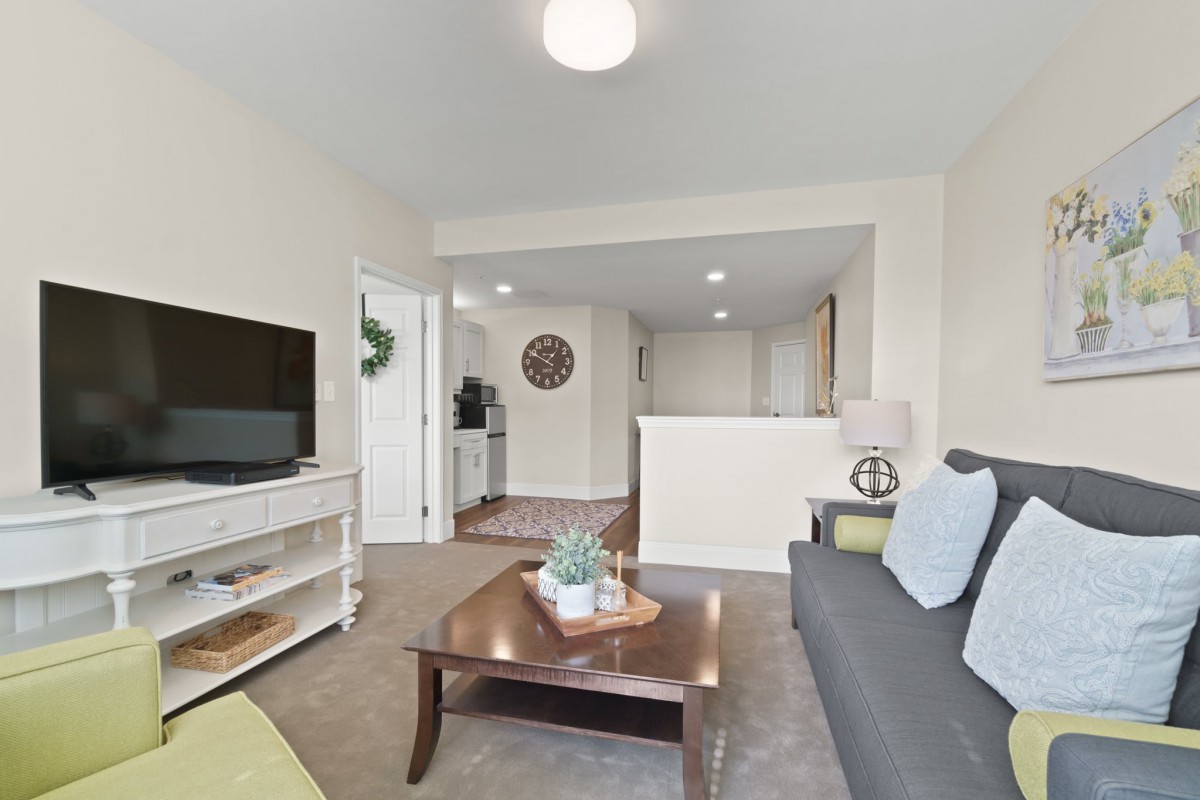
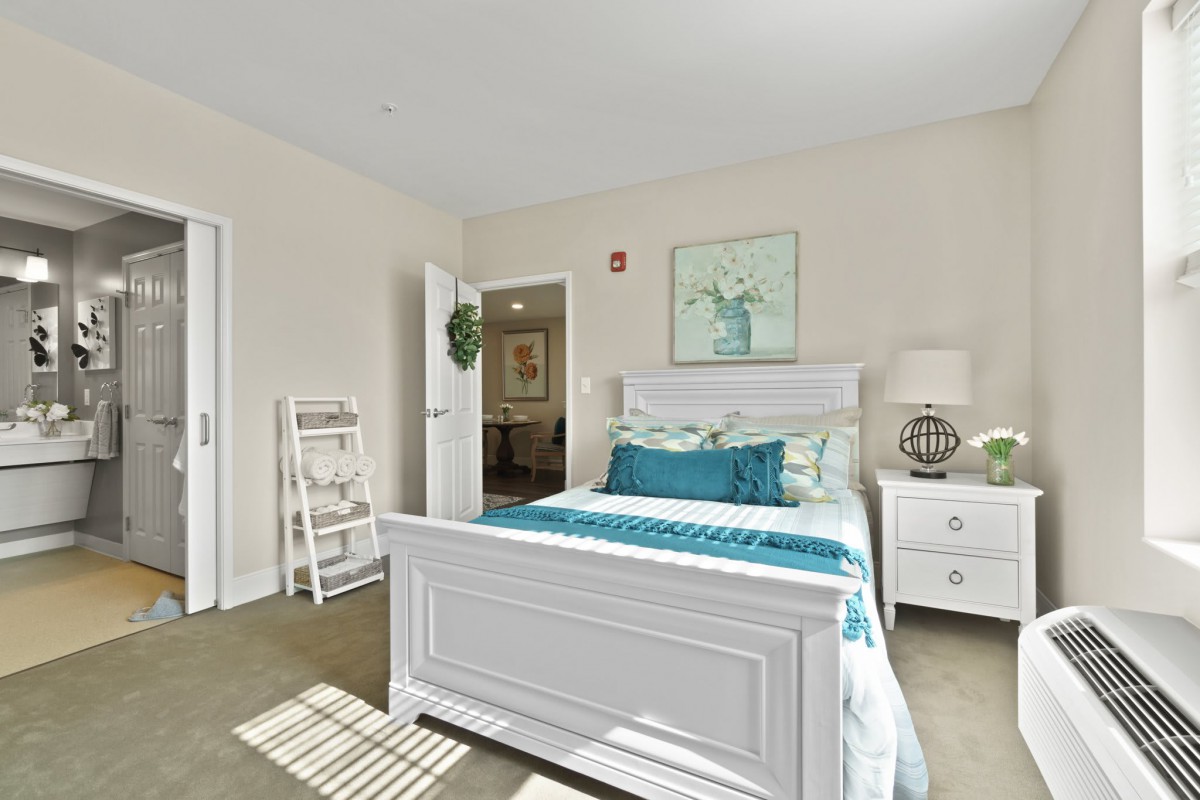
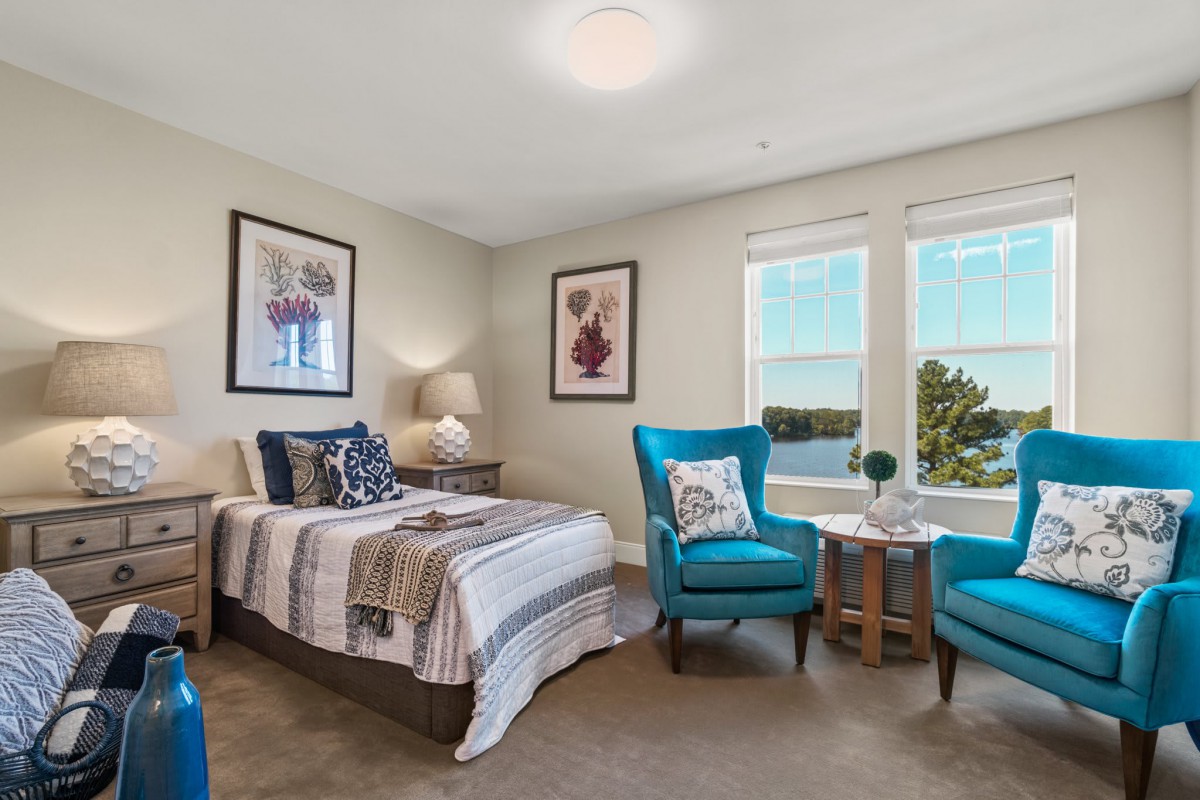
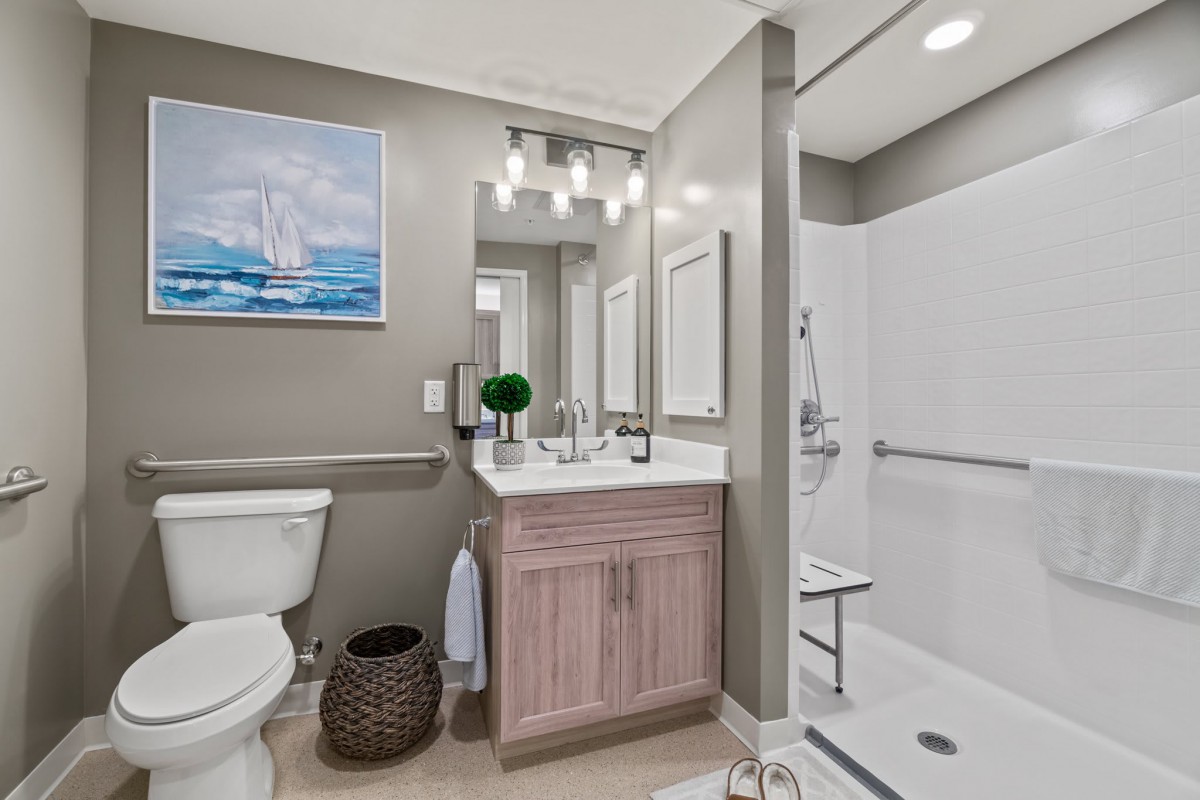
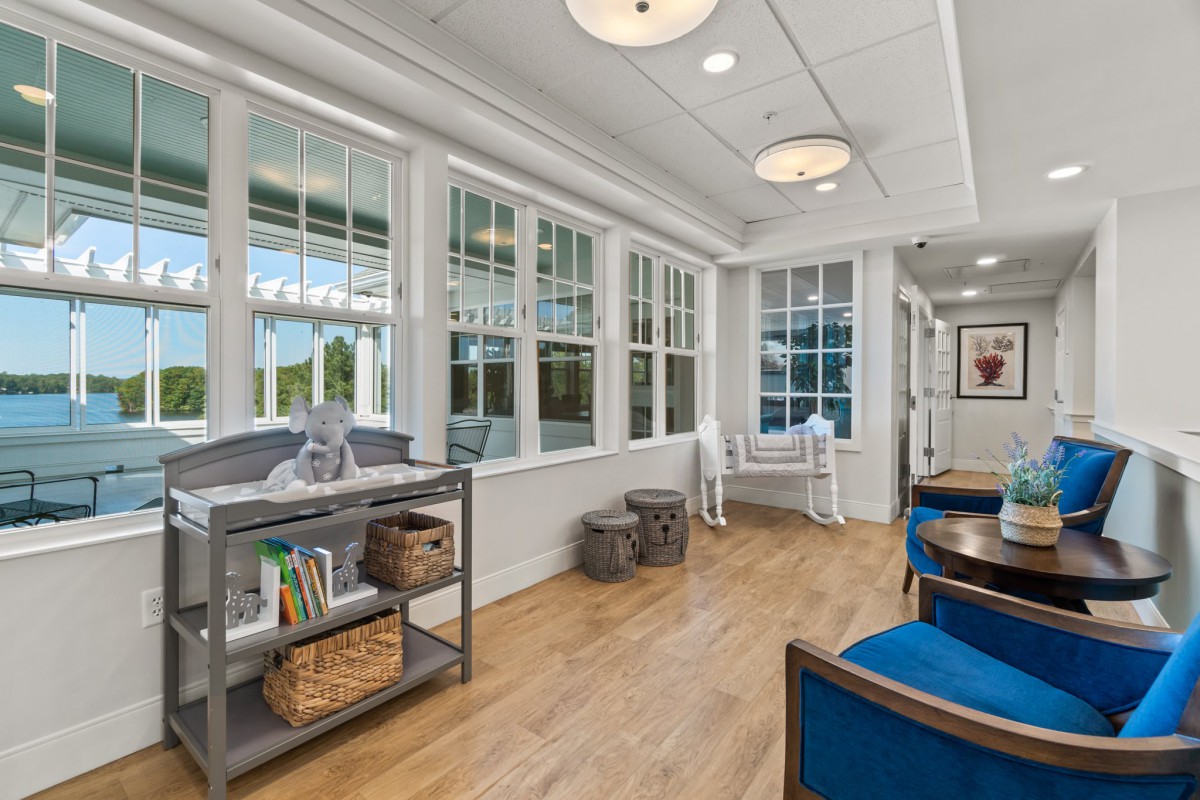
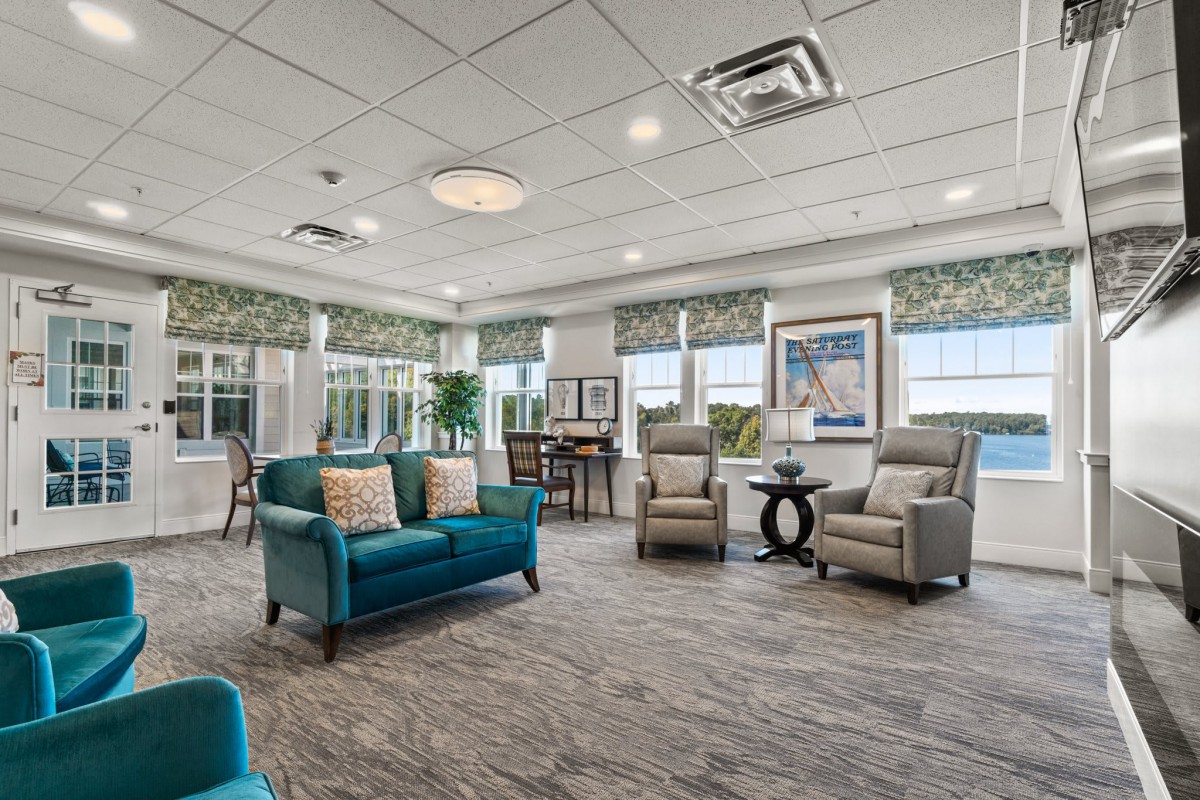
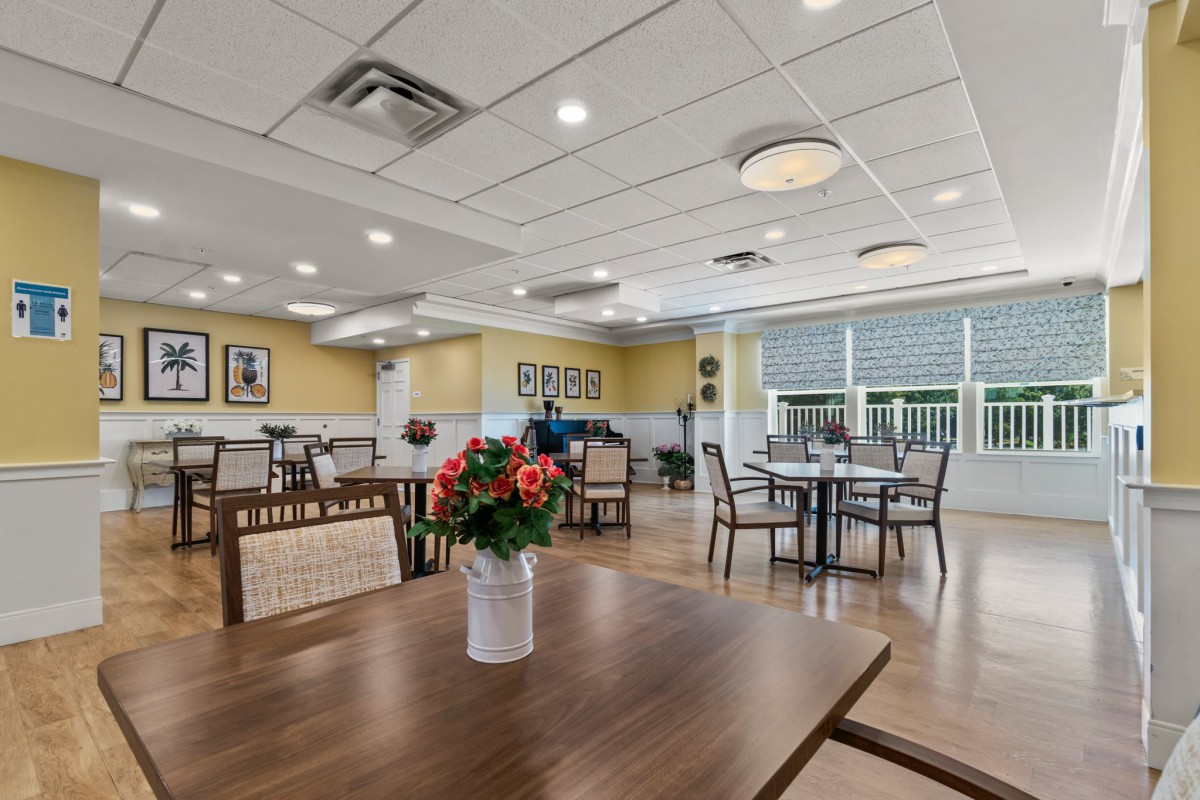
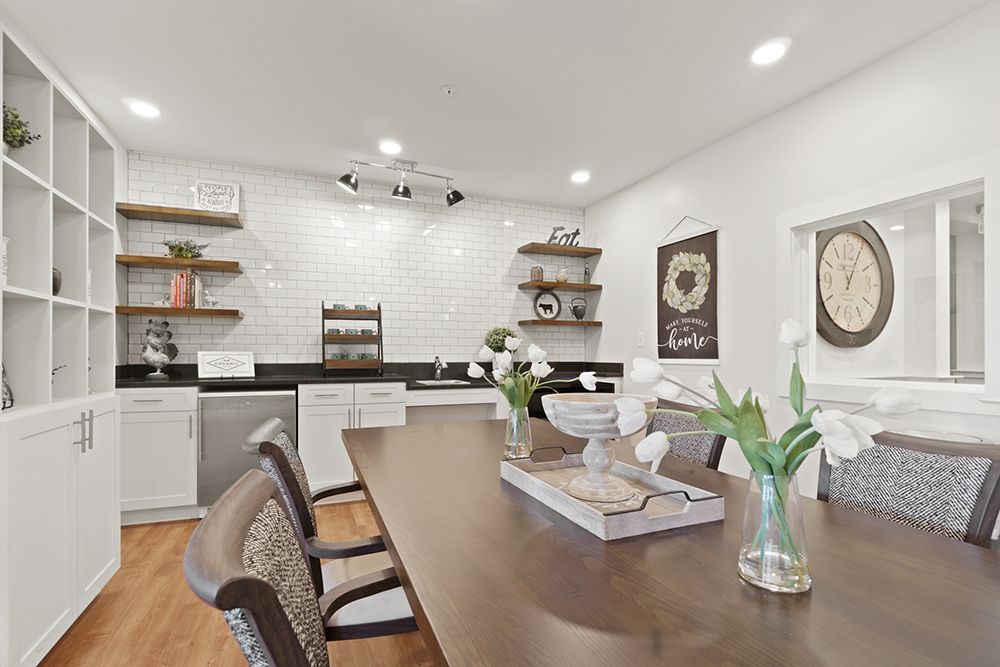
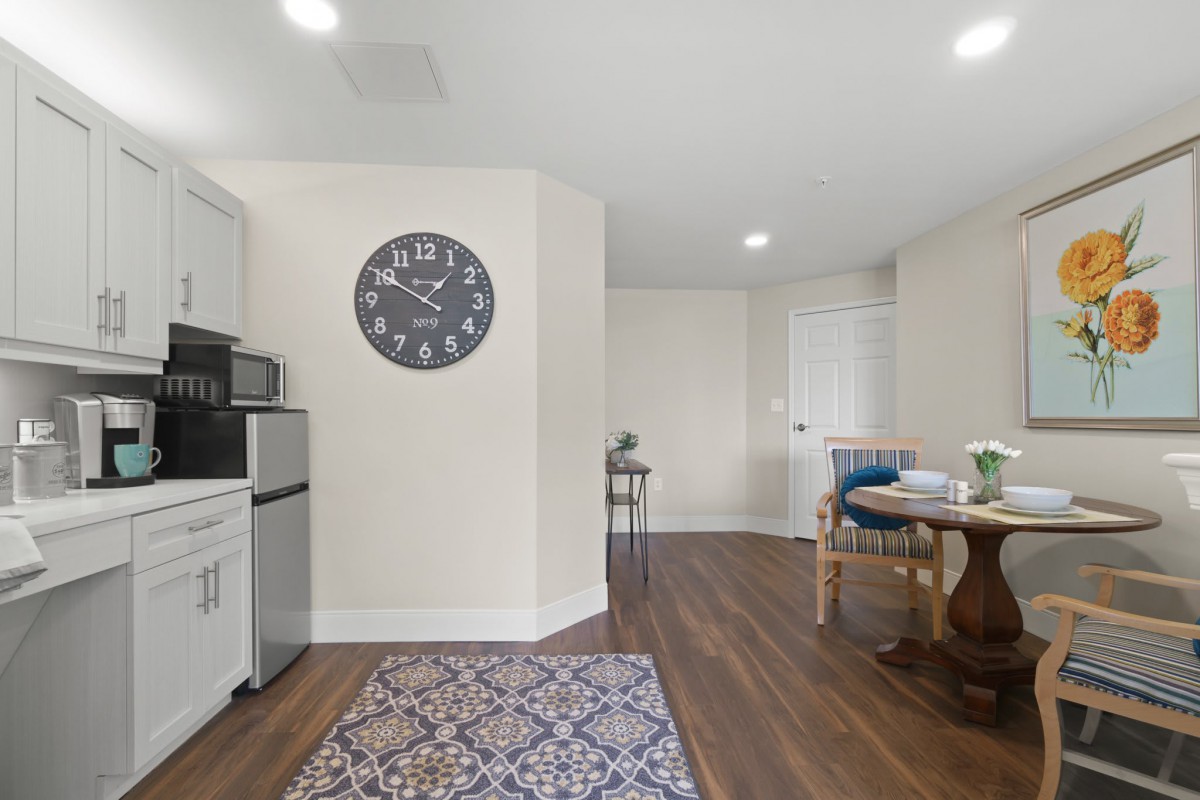
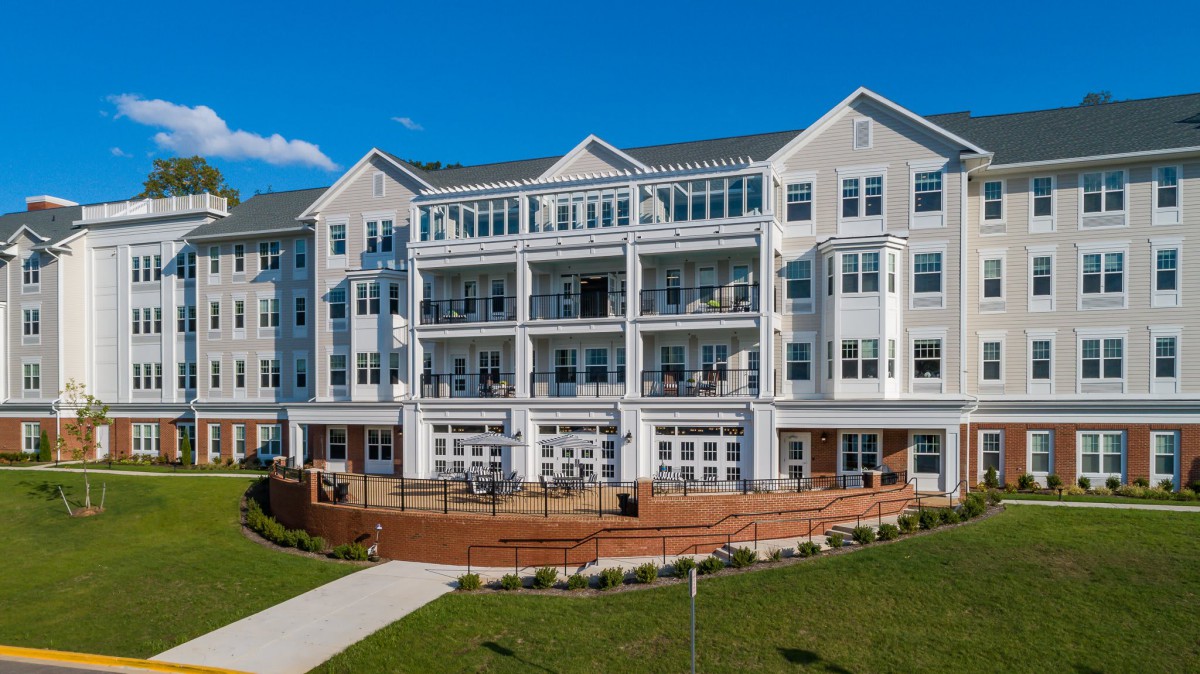
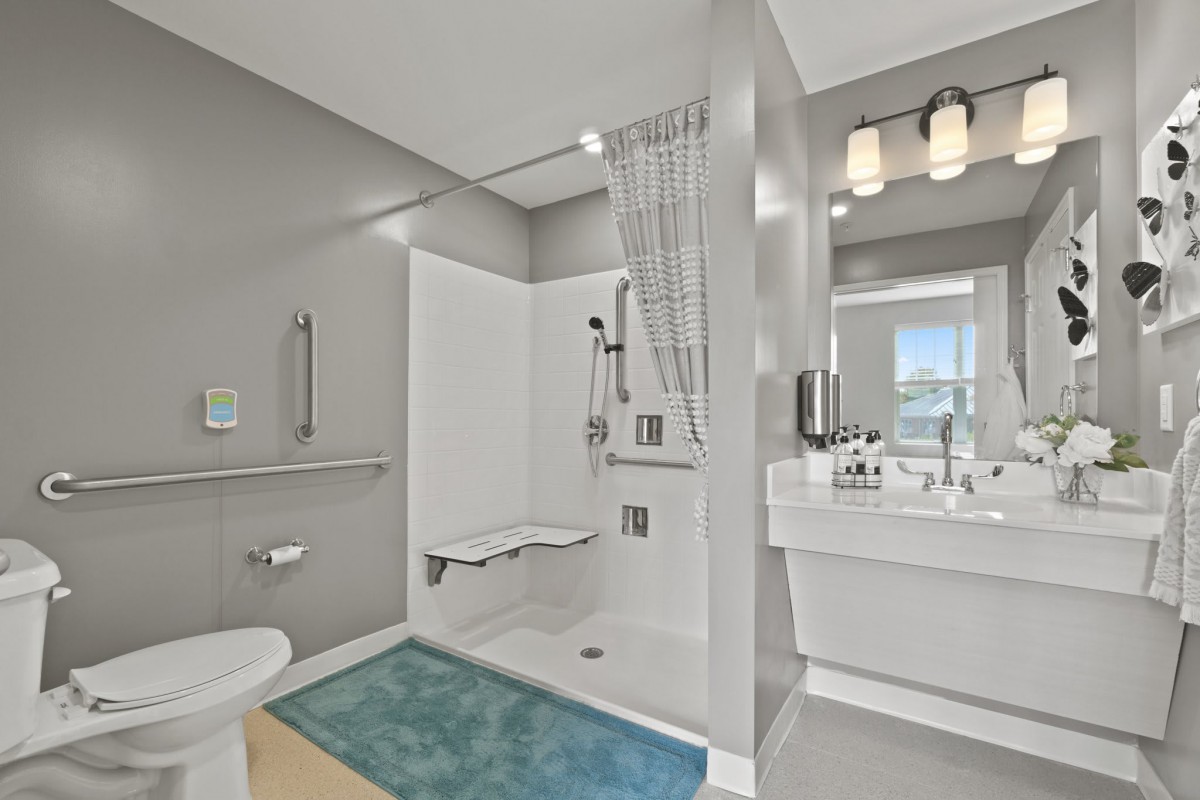
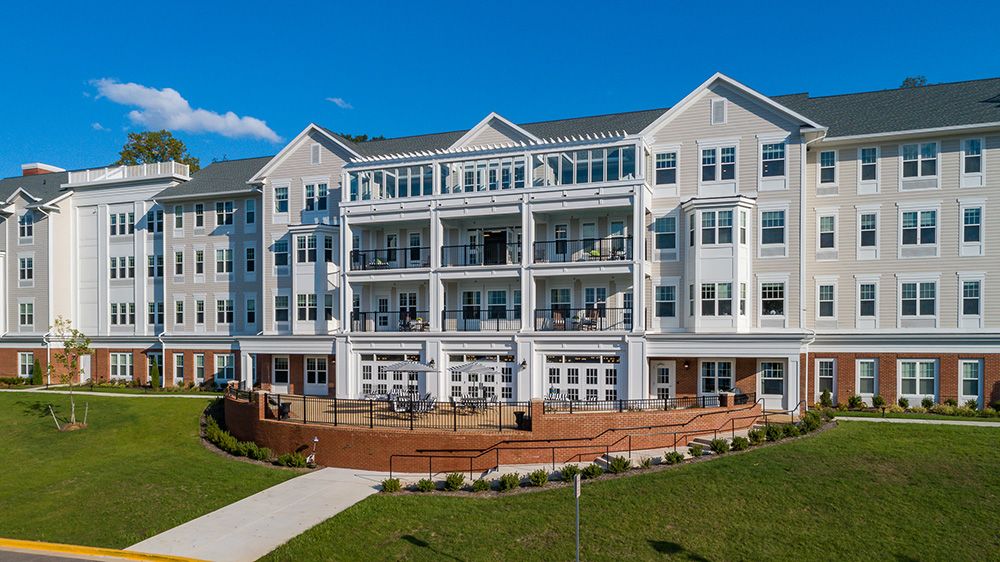
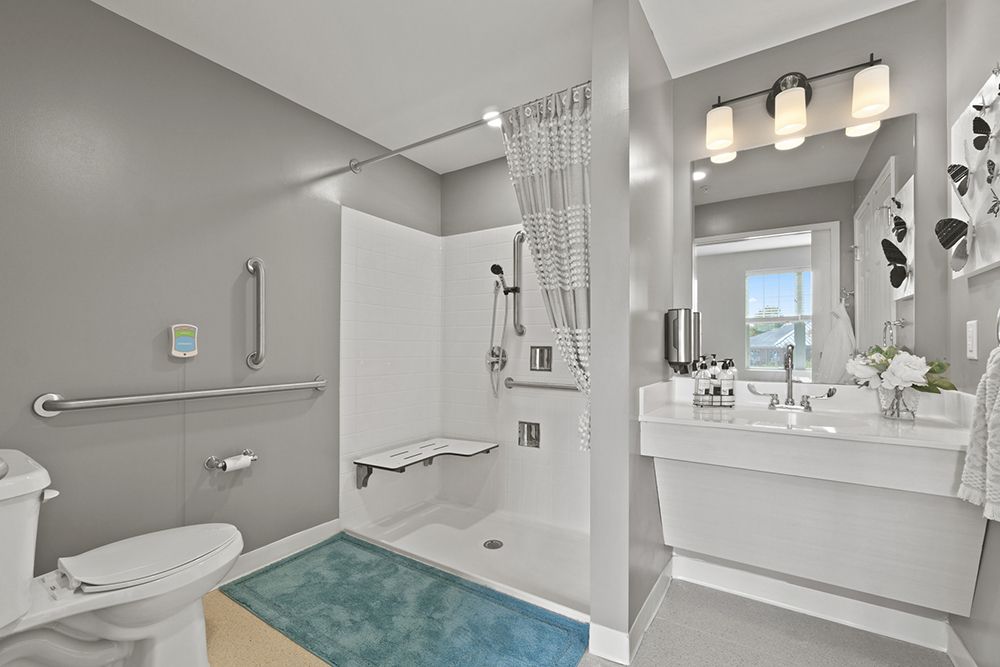
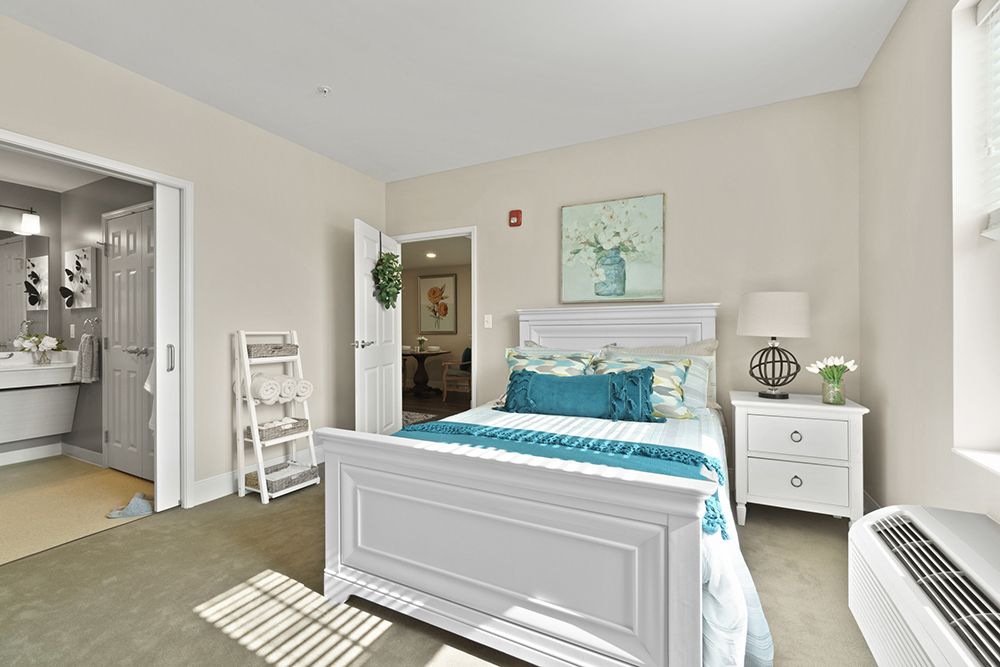
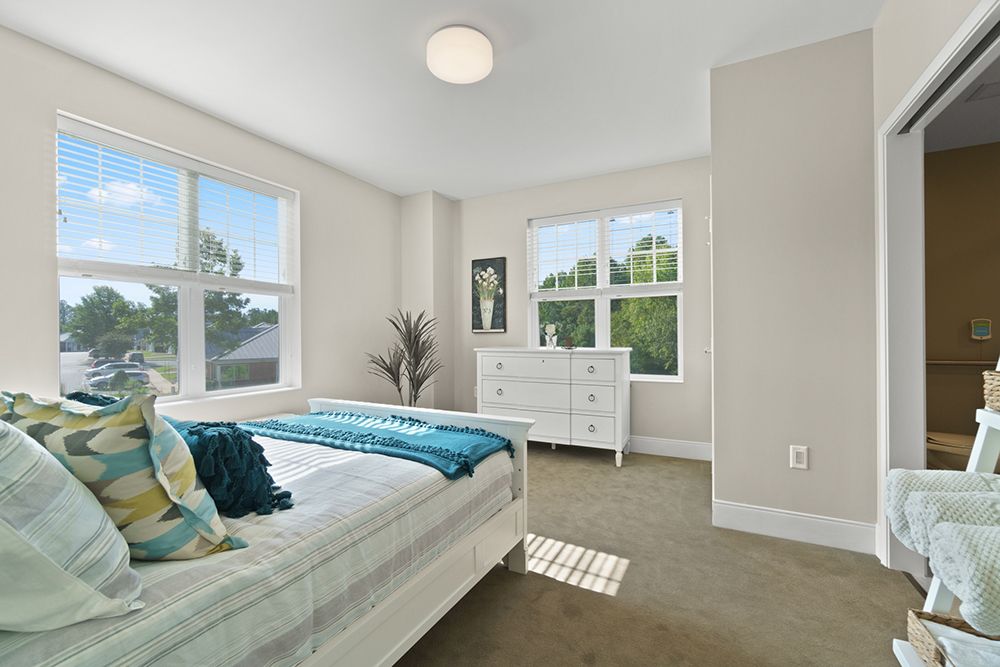
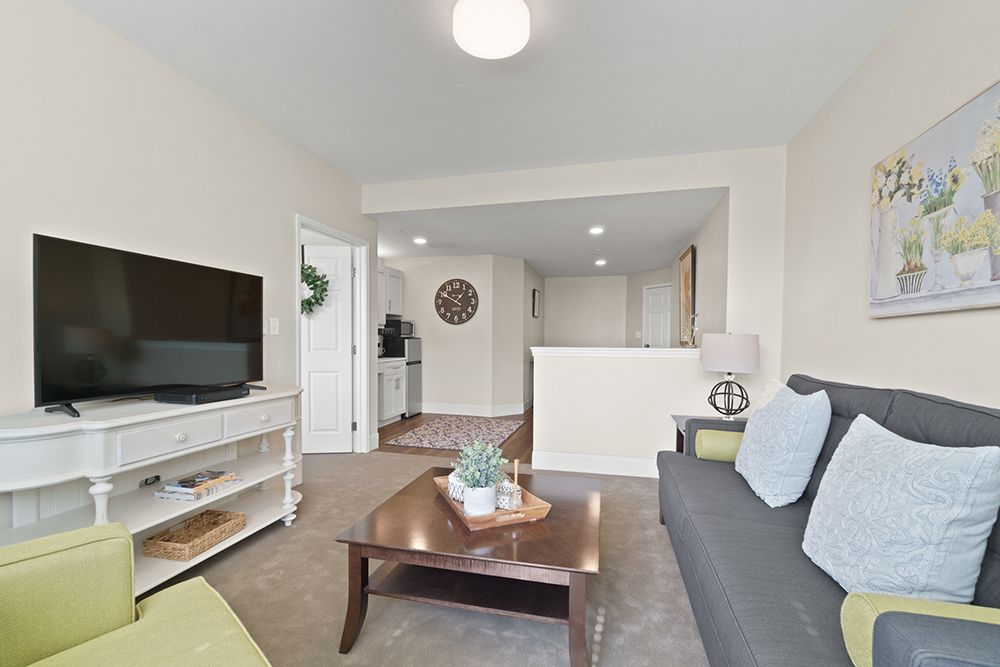
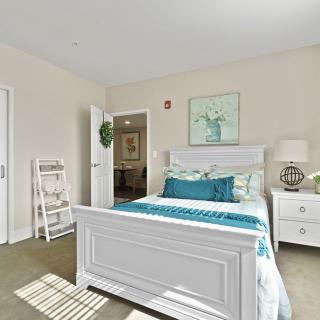
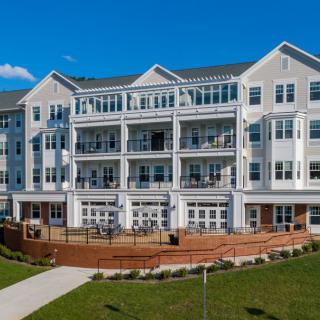
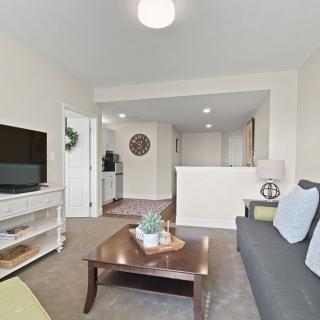
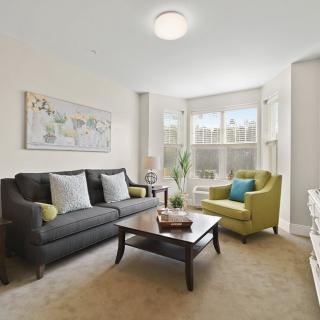
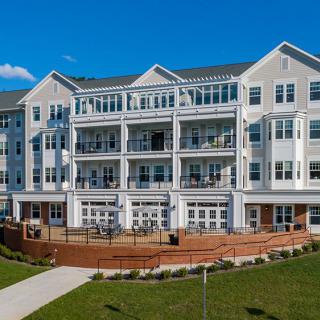
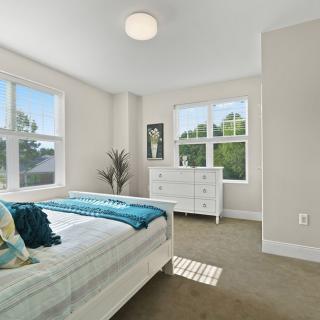
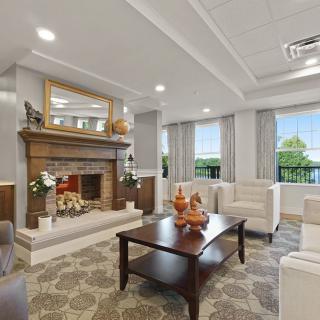
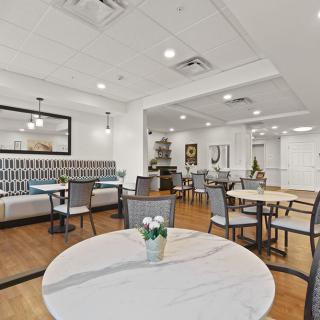
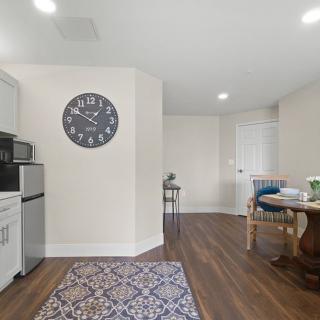
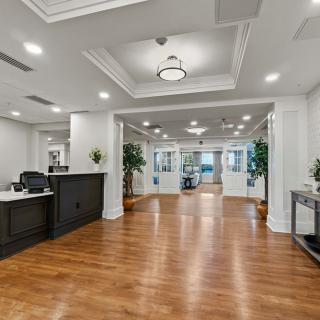
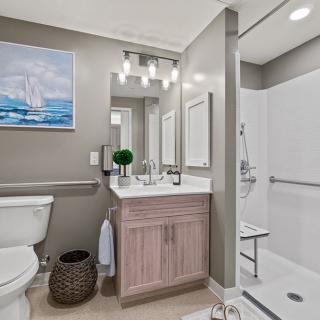
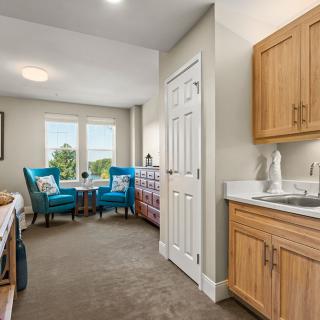
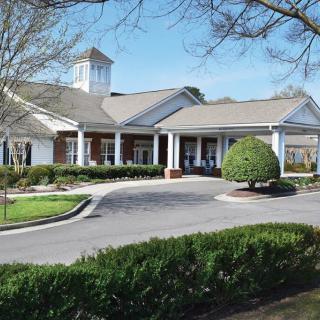
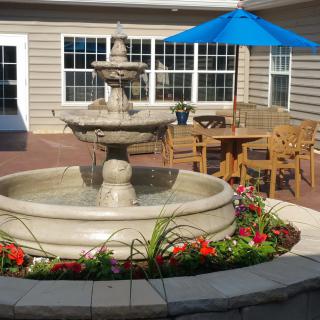
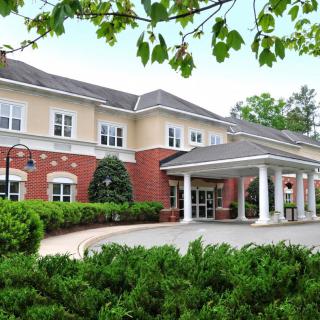
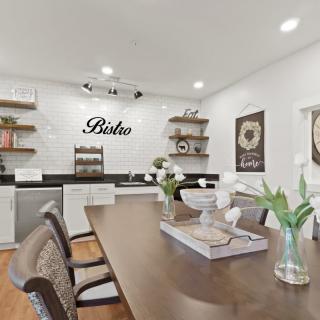
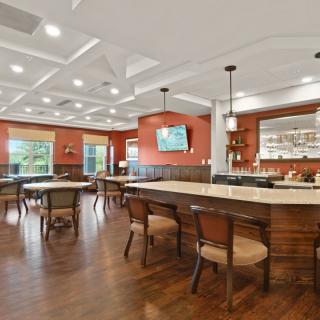
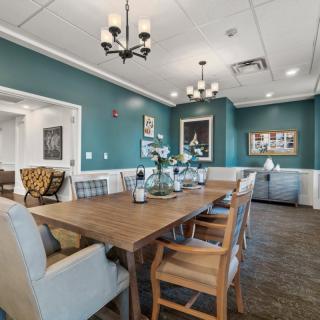
Auburn Hill Senior Living on seniors.fyi includes 87 photos including images showing interior, decor, dining, windows, living room, bedroom, floor plan, artwork, and more.
Nearby Communities
Home Helpers
Midlothian, VA
4.8 from 21 reviews
Peaceful setting with easy access to parks and local amenities.
Acti-Kare of Chesterfield, VA
Midlothian, VA
4.8 from 5 reviews
Convenient access to pharmacies, physicians, dining, worship, and entertainment nearby.
Villas at Ashlake
Chesterfield, VA
3.1 from 9 reviews
Comprehensive care (meal prep, medication management) with connectivity and nearby pharmacies/physicians.
St. Christopher's Home LLC
Midlothian, VA
$3,000 to $5,000 / month
Affordable pricing vs local averages; flexible private/semi-private options and pet-friendly.
Villas at Dogwood
Chesterfield, VA
3.7 from 3 reviews
Small, intimate community with personalized care, meals, and dietary accommodations.
Watercrest Richmond
Moseley, VA
4.4 from 45 reviews
Luxurious memory-care community with private furnished apartments and robust on-site amenities.
Chesterfield Heights
Midlothian, VA
4.5 from 78 reviews
$2,665 to $4,295 / month
Friendly staff and well-maintained facilities with ample activities.
The Atlantic at Charter Colony
Midlothian, VA
4.2 from 112 reviews
$811 to $980 / month
Friendly staff, clean, spacious apartments, and a sociable community.
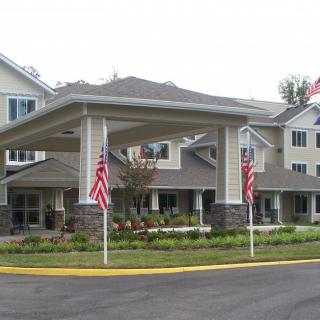
The Laurels Of Bon Air
Bon Air, VA
4 from 153 reviews
Attentive and caring staff in some cases, with clean spaces and effective rehabilitation.
Dementia often results in disrupted sleep patterns, leading to excessive daytime sleeping due to factors like brain damage affecting circadian rhythms, medication side effects, and lack of structure in daily activities. Caregivers must monitor these changes closely, as oversleeping can increase risks such as malnutrition or dehydration, and provide necessary support and routines to enhance patient engagement and well-being.
The transition from assisted living to skilled nursing care is often prompted by complex medical needs that assisted living cannot meet, with key indicators including frequent health declines, increased falls, severe memory issues, and caregiver burnout. Families should recognize these signs early to discuss options with healthcare providers and prepare for the emotional and logistical aspects of moving to a facility that offers comprehensive medical support.
Dementia is characterized by cognitive decline, with nutrition playing a vital role in brain health; while no specific diet can prevent or reverse it, a nutrient-dense diet rich in antioxidants and healthy fats may support cognitive function. The MIND diet, which emphasizes beneficial foods and limits processed items, along with proper hydration and individualized meal strategies, can enhance the well-being of dementia patients.
Get PricingAsk A QuestionSchedule A TourContact Senior Advisor
By clicking submit, you agree to our Partner's Terms of Use. You
also consent to receive calls and texts, which may be autodialed, from our Partner. Your consent is not a condition to
using our Partner's service. Please visit our Partner's Privacy Policy for information about their privacy practices.


 110 resident community capacity
 1-bedroom apartments
 Assisted Living
 Memory Care
 Cats allowed
 Dogs allowed
 Activities off-site
 Air-conditioning
 Beauty salon
 Cable or satellite TV
 Computer center
 Devotional services off-site
 Dining room
 Fitness room
 Fully furnished
 Gaming room
 Garden
 Ground floor units
 Handicap accessible
 Housekeeping services
 Indoor common areas
 Kitchenette
 Move-in coordination
 Outdoor common areas
 Private bathrooms
 Respite or short term stays offered
 Restaurant-style dining
 Small library
 Telephone
 Wellness center
 Wheelchair accessible showers
 Wi-Fi/high-speed internet available
 Richmond International (19 miles away)
 Community operated transportation
 12-16 hour nursing
 24-hour call system
 Ambulatory care
 Assistance with bathing
 Assistance with dressing
 Assistance with transfers
 Diabetes diet
 Diabetic care
 Incontinence care
 Medication management
 Mental wellness program
 Special dietary restrictions
 Cards / pinochle club
 Catholic services
 Concierge services
 Day trips and outings
 Happy hour
 Holiday parties
 Live musical performances
 Peaceful setting with easy access to parks and local amenities.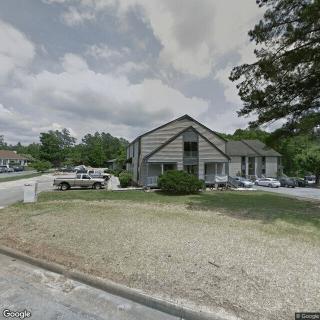

 Why Do Dementia Patients Sleep So Much? Understanding Oversleeping, Stages, and Care Approaches
 8 Key Indicators That Suggest It May Be Time to Transition from Assisted Living to Skilled Nursing Care
 Nourishing the Mind: Essential Dietary Approaches for Dementia