For more information about senior living options: (866) 208-4318
3.7 from 88 reviews
5 stars
45
4 stars
17
3 stars
5
2 stars
0
1 stars
21
Lucy Corr Costs & Pricing
At Lucy Corr, the monthly costs for residing in their various room types are notably competitive compared to the broader market in Chesterfield County and across Virginia. For a one-bedroom unit, residents can expect to pay $3,787, which is slightly higher than the county average of $3,637 but still more affordable than the state average of $4,257. The two-bedroom option at Lucy Corr stands at $4,053, offering a reasonable choice against Chesterfield's county low of $3,109 and staying within reach of Virginia's higher state average of $4,602. In terms of studios, Lucy Corr charges $4,759; while this falls above the county's rate of $5,205, it remains lower than the state average of $4,436. Overall, Lucy Corr provides a compelling balance between cost and quality living arrangements within its community.
Floor plans
Lucy Corr
Chesterfield County
Virginia
1 Bedroom
$3,787
$3,637
$4,257
2 Bedrooms
$4,053
$3,109
$4,602
Studio
$4,759
$5,205
$4,436
Memory care communities with a similar price nearby
Residents and families often describe a consistently clean, welcoming environment and staff.
Multiple reviews highlight cleanliness along with friendly, approachable staff faces and day-to-day care. Several residents and family members describe the building as clean and well-maintained, with no bad odors noted. A number of reviewers also mention staff being responsive and helpful, including helping residents feel comfortable and supported.
common10 reviews mention this
Activities keep people engaged
Reviews repeatedly mention activities and engagement that make days feel full.
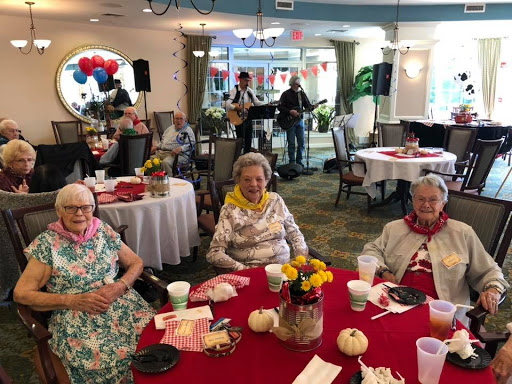
A recurring theme is that residents, including those in the Adult Day Center, stay active and engaged. Reviews mention stimulating activities, arts and crafts, exercises, and outings, and describe participants looking forward to the program. This lines up with what the community offers, including on-site activities and religious services and events, along with transportation support mentioned in the amenities and recurring activity references in reviews.
differentiator9 reviews mention this
Care for rehab and memory needs
Families often cite strong help with rehab and memory-related needs, including attentive care plans.
Several reviews describe assisted living and memory care experiences that feel personalized and supportive, with families saying communication and care planning are strong. Other reviewers talk about rehab and therapies, including physical therapy and occupational therapy, and they connect those services to progress during a stay. The community also provides ambulatory and diabetic care plus medication management in its care services, which matches the kind of clinical support families describe.
caveat9 reviews mention this
Staffing and response can slip
Some reviews criticize slow response times and staffing levels that affect follow-through.
While many reviews are positive, a smaller set of reviews raise concerns about staffing and timeliness, including delays in call-bell response and weekend coverage during urgent moments. Other reviewers describe administrative follow-up as lacking after requests, and one notes limited staff-to-resident interaction and insufficient activity happening during their visits. These criticisms contrast with the many positive accounts of responsiveness, but they are consistent enough to be a recurring caution for families.
caveat2 reviews mention this
Pricing shifts by unit type
Pricing varies by unit type, with some options priced noticeably above or below benchmarks.
Pricing appears to differ meaningfully depending on whether you’re looking at a studio versus one- or two-bedroom option. For studios, pricing is shown as below the county and state benchmarks, while one- and two-bedroom pricing is shown as above county and closer to or above state. One review also mentions value/affordability, but most other cost discussion is absent from the review text.
How we summarize
Counts show how many written reviews mention each theme; a review can touch several themes, and only frequently mentioned themes are displayed.
Features
Housing
Studio apartments
Types of Care
Assisted Living
Independent Living
Memory Care
Amenities
Activities on-site
Beautician on-site
Devotional services off-site
Dining room
Garden
Housekeeping services
Indoor common areas
Laundry
Respite or short term stays offered
Transportation
Richmond International (13 miles away)
Transportation & parking
Care Services
Ambulatory care
Diabetic care
Medication management
Dining
Meals provided
Activities
Activities off-site
Activities on-site
Devotional activities offsite
Religious services
Languages Spoken
English
Nearby Places of Interest
This part of Chesterfield, Virginia offers a variety of conveniences and amenities suitable for senior living. With multiple cafes such as Starbucks and Perk nearby, there are plenty of options for enjoying a cup of coffee or meeting friends for a meal. The area also boasts a selection of restaurants including First Watch and Dante's of Ironbridge, providing diverse dining options. In terms of healthcare, there are several pharmacies and physicians offices within close proximity for easy access to medical services. Additionally, the presence of parks like Pocahontas State Park and Rockwood Park offer opportunities for outdoor recreation and relaxation. For seniors looking to stay active and engaged in their community, this area provides a range of choices to meet their needs.
At Lucy Corr, the monthly costs for residing in their various room types are notably competitive compared to the broader market in Chesterfield County and across Virginia. For a one-bedroom unit, residents can expect to pay $3,787, which is slightly higher than the county average of $3,637 but still more affordable than the state average of $4,257. The two-bedroom option at Lucy Corr stands at $4,053, offering a reasonable choice against Chesterfield's county low of $3,109 and staying within reach of Virginia's higher state average of $4,602. In terms of studios, Lucy Corr charges $4,759; while this falls above the county's rate of $5,205, it remains lower than the state average of $4,436. Overall, Lucy Corr provides a compelling balance between cost and quality living arrangements within its community.
Medication management is crucial in memory care services as it ensures that residents receive the correct medications at the right times, which is essential for maintaining their overall health and well-being. For individuals with dementia or Alzheimer's disease, cognitive impairments can make it difficult to remember medication schedules or dosages, leading to potential health risks or exacerbation of symptoms. A structured medication management system minimizes these concerns by providing reminders and supervision, decreasing the likelihood of missed doses or medication errors. This attentive approach not only helps stabilize medical conditions but also fosters a sense of security for both residents and their families, as they know that their loved ones are being monitored closely and receiving appropriate care tailored to their specific needs.
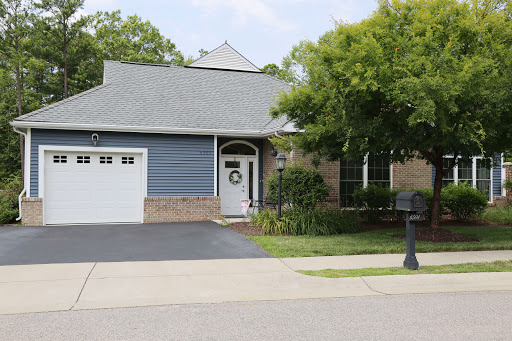
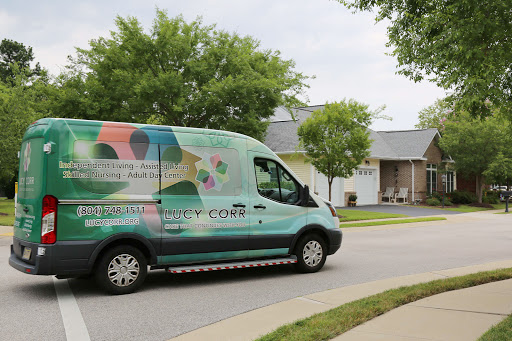
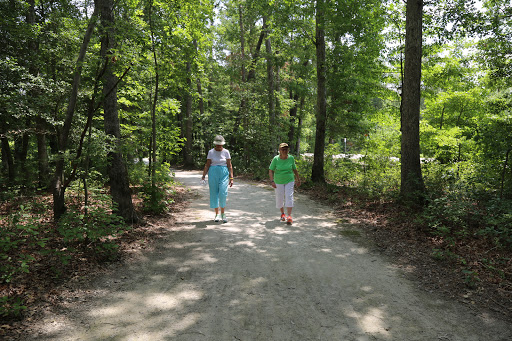
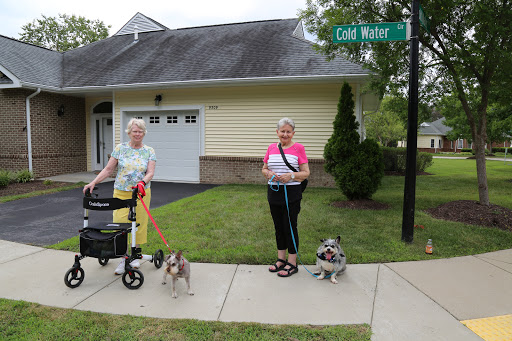
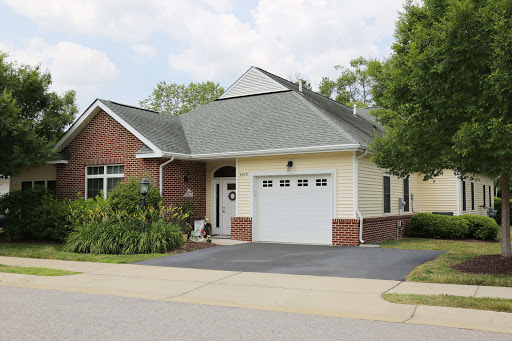
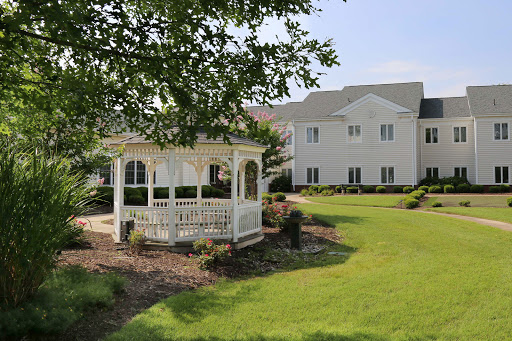
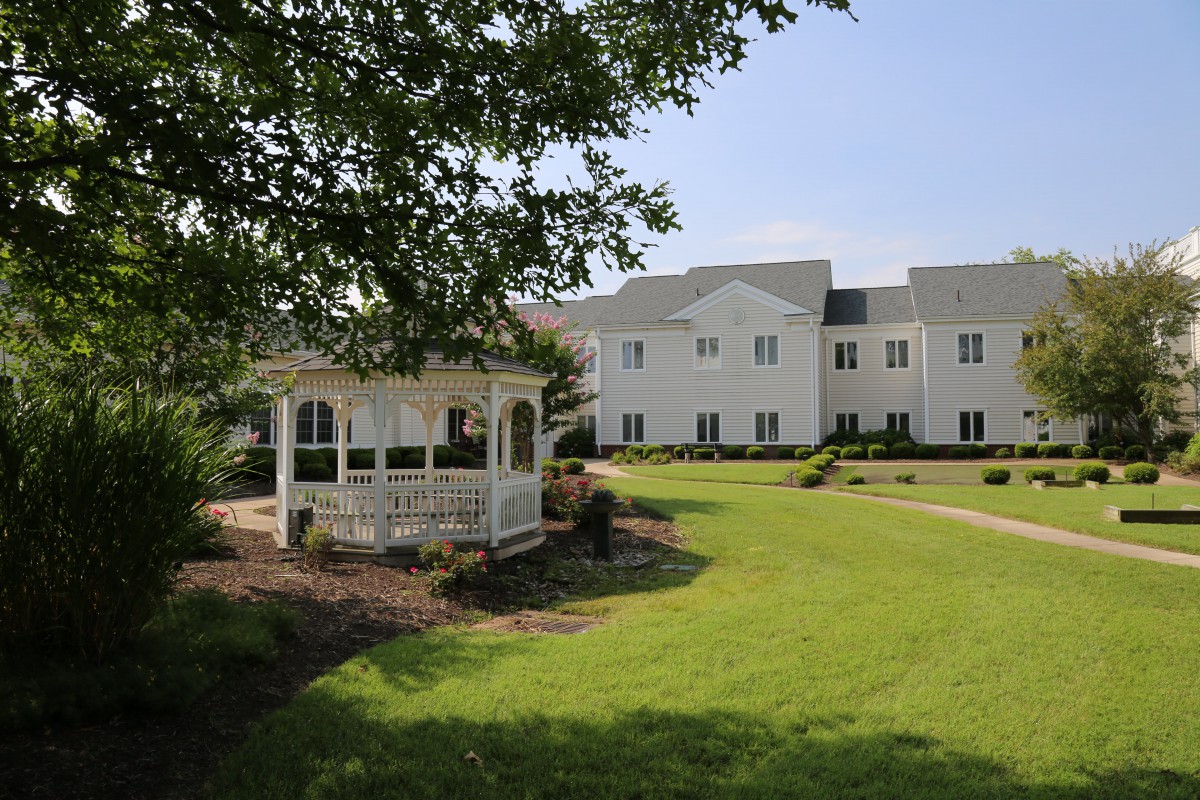
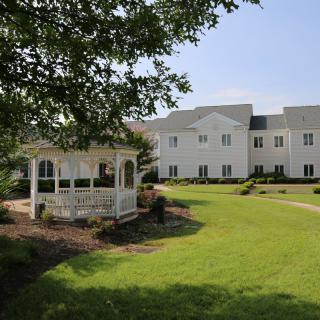
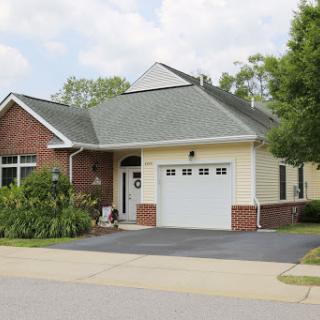
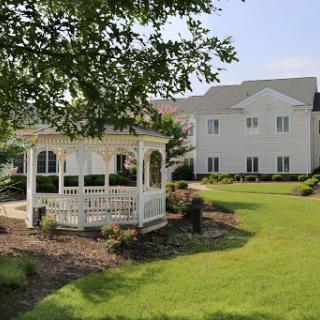
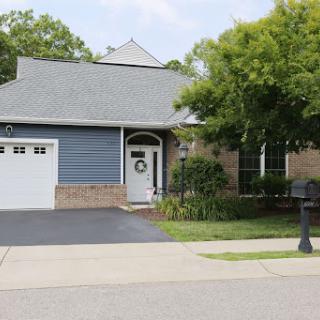
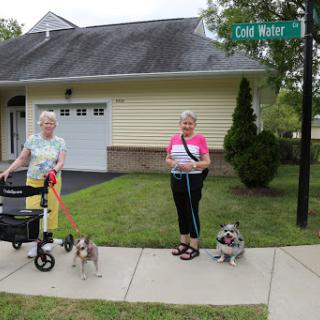
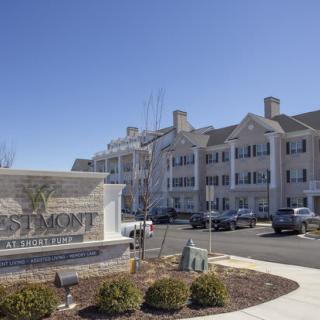
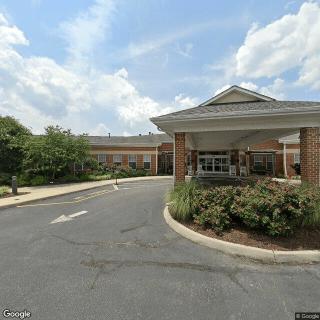
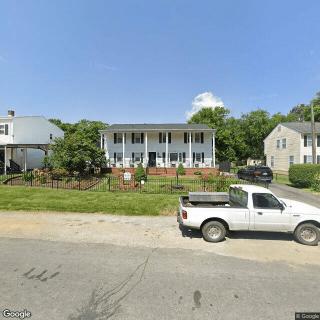
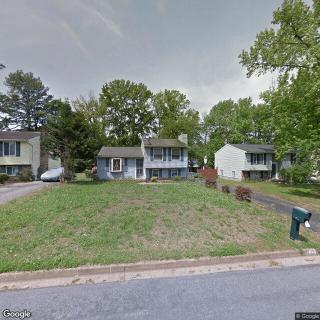
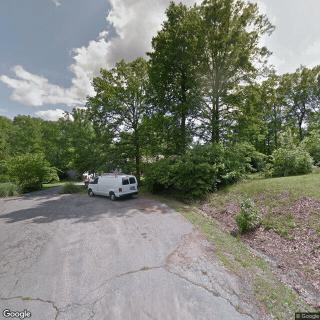
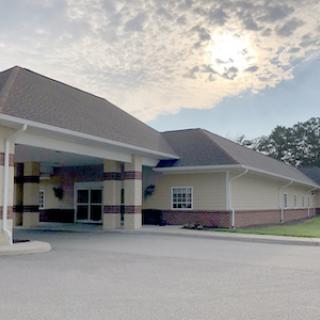
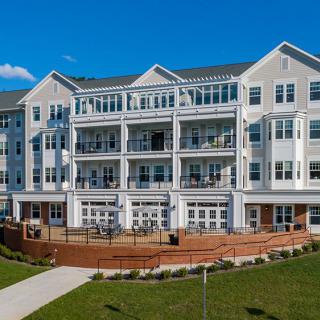
Lucy Corr on seniors.fyi includes 14 photos including images showing landscaping, outdoor, outdoors, trees, architecture, garage, exterior, nature, and more.
Nearby Communities
Lucy Corr Village
Chesterfield, VA
3.9 from 96 reviews
Knowledgeable, attentive staff with engaging activities, a clean environment, and transportation for appointments/outings.
Magnolias of Chesterfield
Chester, VA
4.1 from 51 reviews
$3,995 to $4,995 / month
Loving, attentive staff; engaging activities; clean, homelike environment; strong dining and social spaces.
The Crossings at Ironbridge
Chester, VA
4.3 from 99 reviews
$4,825 to $6,575 / month
Caring staff with engaging activities and well-sized, clean rooms.
Winterleaf
Richmond, VA
$2,200 to $4,000 / month
Competitive pricing relative to local averages with easy access to nearby amenities.
Hall's Care Homes
Chesterfield, VA
4.5 from 4 reviews
Attentive staff and engaging activities with good dining
Tyler's Retreat At Iron Bridge
Chester, VA
4.3 from 118 reviews
Extensive on-site amenities and engaging wellness and dining programs.
The Park at Ridgedale
Richmond, VA
3.6 from 43 reviews
$699 to $799 / month
Affordable rent with clean facilities and helpful staff; close to essential services.
Townes at Notting Place
Richmond, VA
Small, personalized community with tailored care and nearby amenities.
Auburn Hill Senior Living
Midlothian, VA
4.2 from 95 reviews
$4,750 to $8,650 / month
Friendly staff, bright lakefront setting, and engaging activities.
Dementia, including Alzheimer’s disease, is often mischaracterized in terms of lethality as it leads to complications that can be fatal rather than being a direct cause of death; it causes a progressive decline in cognitive and physical health, making patients vulnerable to infections and other health crises. Effective management of nutrition, hydration, and communication is crucial in patient care, with palliative care becoming vital in advanced stages to enhance comfort and quality of life while caregivers play a key role amidst the challenges posed by the disease.
Reminiscence therapy helps individuals with dementia recall past memories through structured discussions and meaningful objects, enhancing mood, relationships, and sense of identity while celebrating their lives. It can be practiced in formal settings or at home, requiring sensitivity to personal histories and cultural backgrounds.
Reminiscence therapy is a structured method for older adults, especially those with dementia, to share life stories using prompts and sensory cues, fostering emotional well-being, social engagement, and self-identity. It aims to improve quality of life by enhancing interpersonal connections and cognitive stimulation while requiring careful facilitation to avoid distressing memories.
Get PricingAsk A QuestionSchedule A TourContact Senior Advisor
By clicking submit, you agree to our Partner's Terms of Use. You
also consent to receive calls and texts, which may be autodialed, from our Partner. Your consent is not a condition to
using our Partner's service. Please visit our Partner's Privacy Policy for information about their privacy practices.










 Studio apartments
 Assisted Living
 Independent Living
 Memory Care
 Activities on-site
 Beautician on-site
 Devotional services off-site
 Dining room
 Garden
 Housekeeping services
 Indoor common areas
 Laundry
 Respite or short term stays offered
 Richmond International (13 miles away)
 Transportation & parking
 Ambulatory care
 Diabetic care
 Medication management
 Meals provided
 English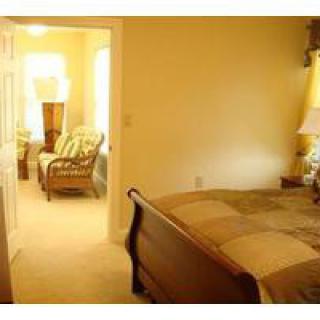
 Knowledgeable, attentive staff with engaging activities, a clean environment, and transportation for appointments/outings.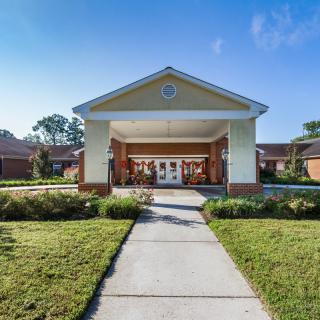

 Are Dementia and Alzheimer's Disease Lethal? A Comprehensive Exploration
 Exploring the Power of Reminiscence Therapy for Individuals With Dementia
 An In-Depth Look at Reminiscence Therapy in Dementia Care