For more information about senior living options: (866) 208-4318
4.6 from 60 reviews
5 stars
40
4 stars
14
3 stars
5
2 stars
1
1 stars
0
Spring Arbor of Richmond Costs & Pricing
At Spring Arbor of Richmond, the monthly costs for various room types reflect a premium experience compared to the broader market in Henrico County and the state of Virginia. For a studio apartment, residents can expect to pay $5,584, which is significantly higher than the county's average of $4,059 and the state average of $4,436. One-bedroom accommodations similarly carry a price tag of $6,169, again surpassing both Henrico County's cost of $3,718 and Virginia's state average of $4,257. Semi-private rooms are priced at $6,169 as well, exceeding county and state averages of $3,975 and $3,991 respectively. Lastly, two-bedroom units are available for $8,910 - substantially above the county's rate of $4,494 and the state's average of $4,602. These figures suggest that while Spring Arbor offers quality amenities and services tailored to residents' needs, it positions itself at a higher price point within both local and state contexts.
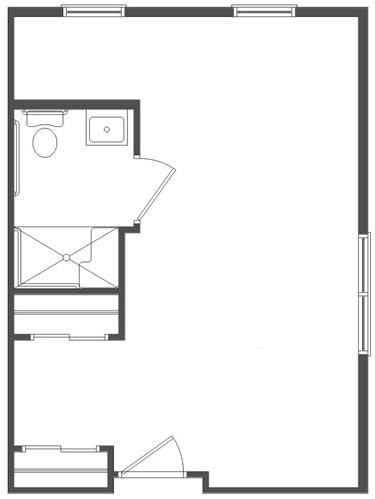
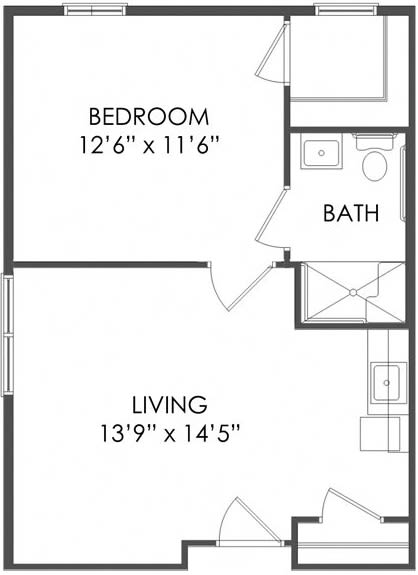
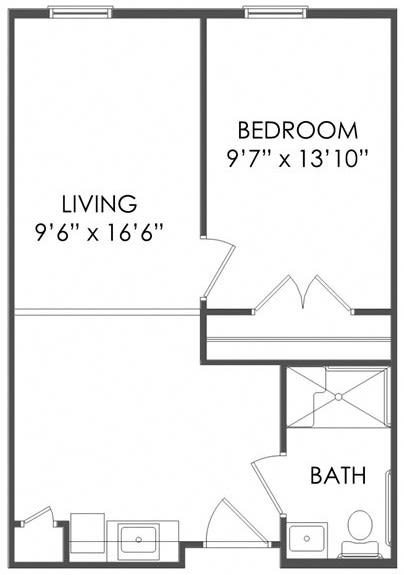
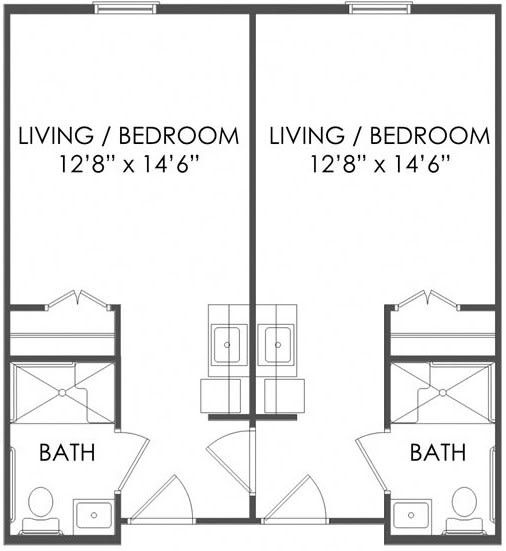
Floor plans
Spring Arbor of Richmond
Henrico County
Virginia
Studio
$5,584
$4,059
$4,436
1 Bedroom
$6,169
$3,718
$4,257
Semi-Private
$6,169
$3,975
$3,991
2 Bedrooms
$8,910
$4,494
$4,602
Memory care communities with a similar price nearby
Residents and families often describe consistently caring, responsive staff.
Across many reviews, families say staff treat residents with respect and kindness, and they respond quickly when questions or issues come up. Several people also mention feeling calmer day-to-day because staff are attentive and supportive. A few reviews temper this with experiences around communication, staffing transitions, or a single staff interaction that felt unfriendly.
differentiator16 reviews mention this
Food feels like restaurant dining
Dining stands out as more restaurant-like than cafeteria-style.
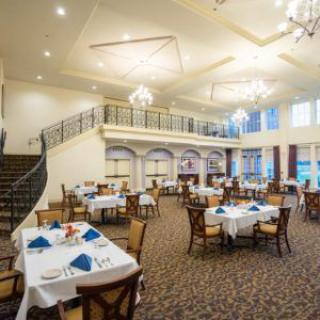
Multiple residents and families describe meals they consider good, with the dining room compared to a restaurant rather than a cafeteria. Several reviews also note meal service options such as bringing food to rooms and having residents choose from a variety of offerings. There are occasional comments that food is only “OK,” but the overall tone around dining is positive and repeated.
common15 reviews mention this
Activities keep residents engaged
Residents have scheduled activities and social options they can enjoy.
Reviews commonly mention ongoing activities, including games like Bingo, religious or devotional events, and themed entertainment. Families also describe outings and programs that help residents get out of the community, not just stay indoors. One reviewer said they didn’t see activities during their visit, but others reference an activity calendar and residents participating frequently.
caveat8 reviews mention this
Higher pricing than expected
Pricing is often described as higher than expected.
Several families note the community can be over their budget or pricier than they planned. One review specifically calls out a concern that it was above their target range even after tours and provided information. Even so, some people still felt it was a good fit because of proximity or the level of care, so the cost concern doesn’t fully override the positive experience for everyone.
common12 reviews mention this
Clean, well kept common areas
Many reviews highlight a clean, well maintained facility.
A repeated theme is cleanliness—multiple reviewers say the building is kept clean and looks well maintained. People also mention a neat tour experience, bright common spaces, and rooms presented in good condition. A couple of comments point to changes happening in the building, and one notes renovation work affected resident perceptions of the community’s feel.
caveat5 reviews mention this
Memory care space and updates
Some reviews raise concerns about space and recent changes.
A few reviewers describe the memory care portion as feeling different, with comments about rooms being small or not matching what they expected. Another review mentions being under renovation and says the changes affected the community’s “home” feeling or charm. On the positive side, there are also reviews that mention updated areas and amenities for memory care residents, but the fit seems less consistent for some families.
differentiator6 reviews mention this
Care includes medication help
Care routines include medication support and daily assistance.
Several reviews mention medication support and a care approach that helps residents with day-to-day needs. Families describe a level of care that comes with peace of mind and quick responses when concerns arise. Some reviewers also point to gaps in communication about medical issues or question how well the care level matches certain resident needs, depending on the situation.
How we summarize
Counts show how many written reviews mention each theme; a review can touch several themes, and only frequently mentioned themes are displayed.
Features
Housing
90 resident community capacity
1-bedroom apartments
2-bedroom apartments
Detached homes
Types of Care
Assisted Living
Memory Care
Respite Care
Pets
Cats allowed
Dogs allowed
Amenities
Activities on-site
Air-conditioning
Beautician on-site
Beauty salon
Cable or satellite TV
Computer center
Devotional services off-site
Dining room
Fitness room
Fully furnished
Gaming room
Garden
Garden view
Ground floor units
Guasts at mealtime
Handicap accessible
Housekeeping services
Indoor common areas
Kitchenette
Move-in coordination
Outdoor space
Private bathrooms
Respite or short term stays offered
Restaurant-style dining
Small library
Telephone
Wellness center
Wi-Fi/high-speed internet available
Transportation
Richmond International (17 miles away)
Community operated transportation
Transportation arrangement
Transportation arrangement (non-medical)
Transportation to doctors appointments
Care Services
12-16 hour nursing
24-hour call system
24-hour supervision
Activities of daily living assistance
Ambulatory care
Assistance with bathing
Assistance with dressing
Assistance with transfers
Diabetes diet
Diabetic care
Incontinence care
Meal preparation and service
Medication management
Mental wellness program
Mild cognitive impairment
Special dietary restrictions
Specialized memory care programming
Dining
Diabetes diet
Gluten-free
Guest meals
Low / no sodium
Meals provided
No Sugar
Restaurant style dining
Special dietary restrictions
Special dining programs
Activities
Activities off-site
Activities on-site
Catholic services
Community-sponsored activities
Concierge services
Day trips and outings
Devotional activities offsite
Fitness programs
Light therapy programs
Live dance or theater performances
Live musical performances
Live well programs
Planned day trips
Religious services
Reminiscence programs
Resident-run activities
Scheduled daily activities
Sensory-based programs
Trivia games
Languages Spoken
English
Nearby Places of Interest
This area of Richmond, Virginia offers a convenient location for senior living with a variety of amenities nearby. There are multiple physicians' offices and pharmacies within a short distance, making healthcare easily accessible. Additionally, there are cafes and restaurants for dining options, as well as theaters for entertainment. Places of worship are also within reach for those looking to continue their religious practices. Furthermore, there is a hospital nearby for any medical emergencies. The presence of parks allows for outdoor recreation and relaxation in the community. Overall, this area provides a well-rounded environment with essential services and recreational opportunities for seniors to enjoy.
Physicians
The Balance and Ear Center (1 miles)
Dr Mark Freeman & Associates (1.1 miles)
The Pediatric Center (1.6 miles)
Richmond Dermatology Aesthetic Center (1.9 miles)
Patient First - Parham (2 miles)
Patient First (2.1 miles)
The Ellen Shaw de Paredes Institute for Women's Imaging (2.6 miles)
At Spring Arbor of Richmond, the monthly costs for various room types reflect a premium experience compared to the broader market in Henrico County and the state of Virginia. For a studio apartment, residents can expect to pay $5,584, which is significantly higher than the county's average of $4,059 and the state average of $4,436. One-bedroom accommodations similarly carry a price tag of $6,169, again surpassing both Henrico County's cost of $3,718 and Virginia's state average of $4,257. Semi-private rooms are priced at $6,169 as well, exceeding county and state averages of $3,975 and $3,991 respectively. Lastly, two-bedroom units are available for $8,910 - substantially above the county's rate of $4,494 and the state's average of $4,602. These figures suggest that while Spring Arbor offers quality amenities and services tailored to residents' needs, it positions itself at a higher price point within both local and state contexts.
The array of features at Spring Arbor of Richmond is meticulously designed to support residents with dementia or Alzheimer's disease, addressing both their physical and emotional needs. The provision of 24-hour supervision ensures a safe environment where staff can promptly respond to any changes in behavior or health. Assistance with activities of daily living, including bathing, dressing, and transfers, fosters independence while ensuring dignity and comfort. Incontinence care is also crucial for maintaining hygiene and self-esteem. Meal preparation and service are tailored to meet dietary requirements, while medication management helps ensure adherence to prescribed treatments. The mental wellness program combined with sensory-based initiatives provides cognitive stimulation that can enhance quality of life. Furthermore, specialized memory care programming caters specifically to the unique challenges faced by individuals with mild cognitive impairment or advanced stages of dementia, creating an engaging atmosphere that promotes social interaction and mental engagement.
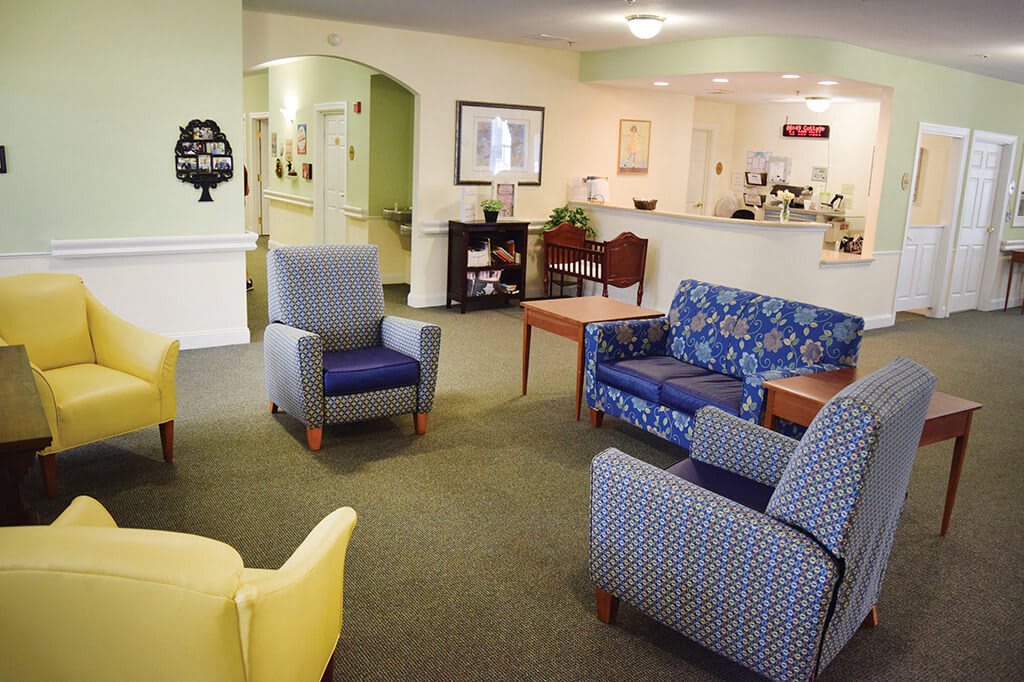
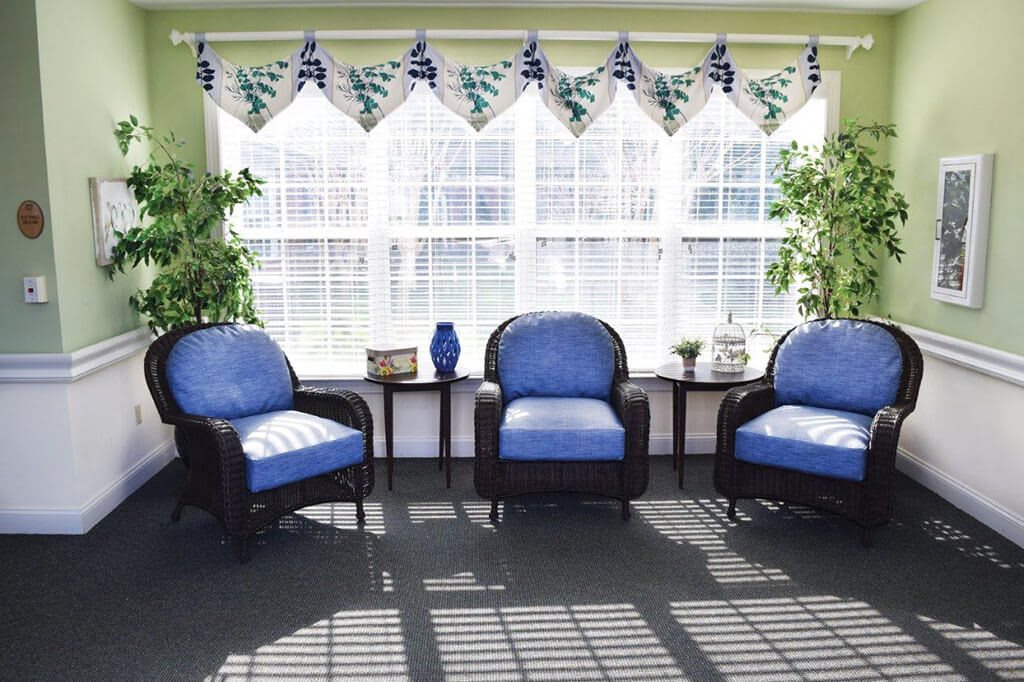
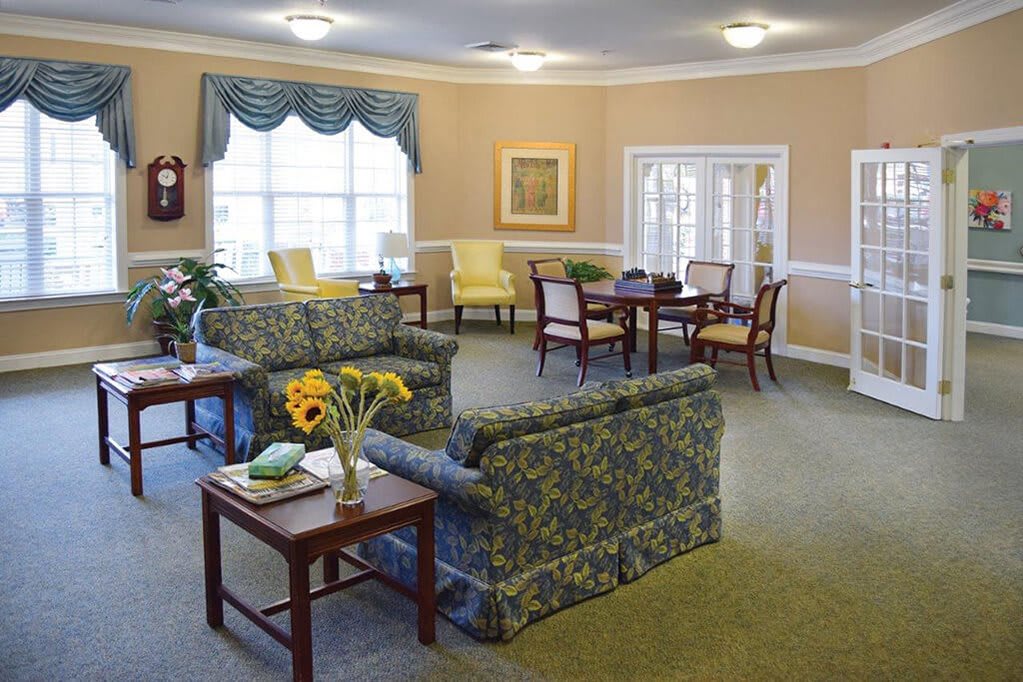
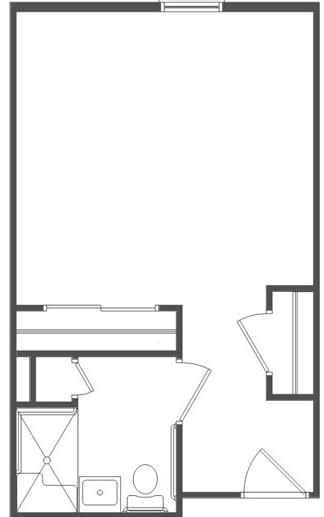
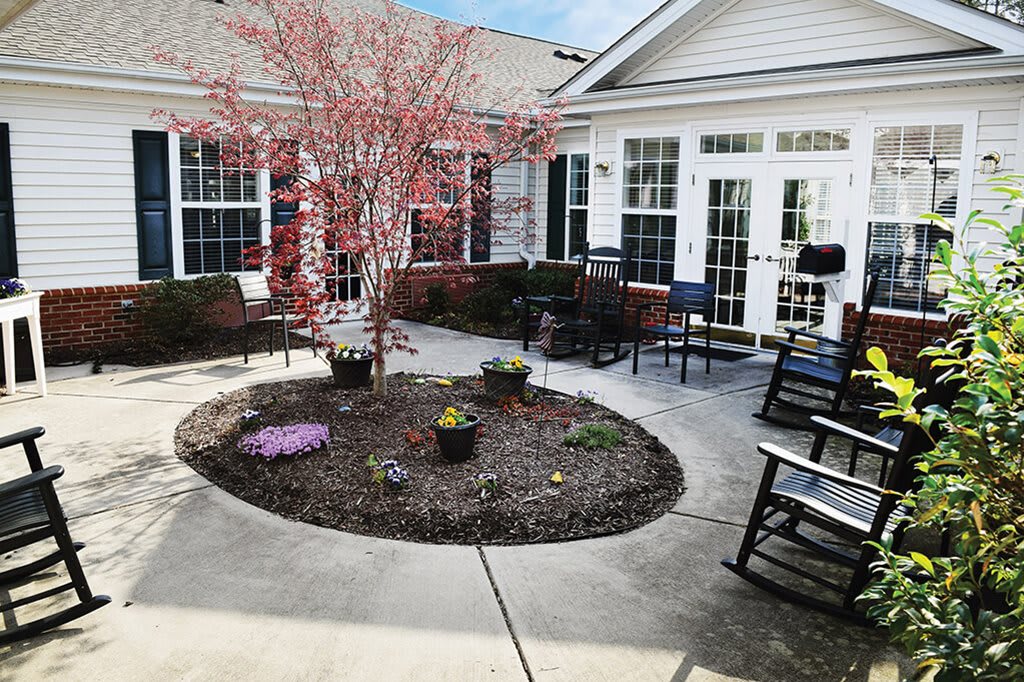
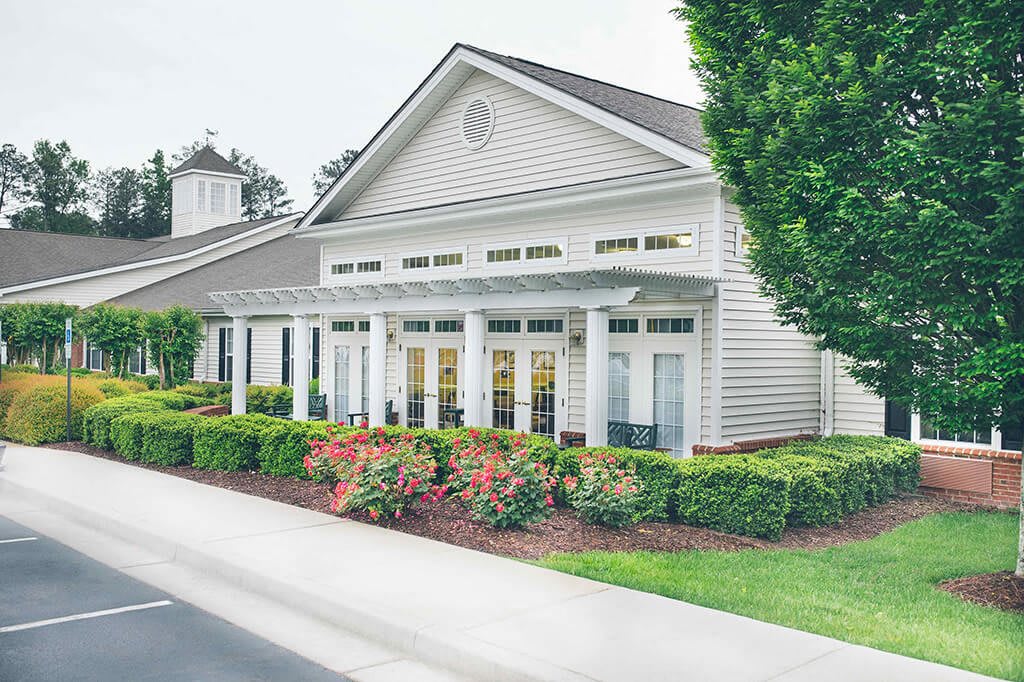
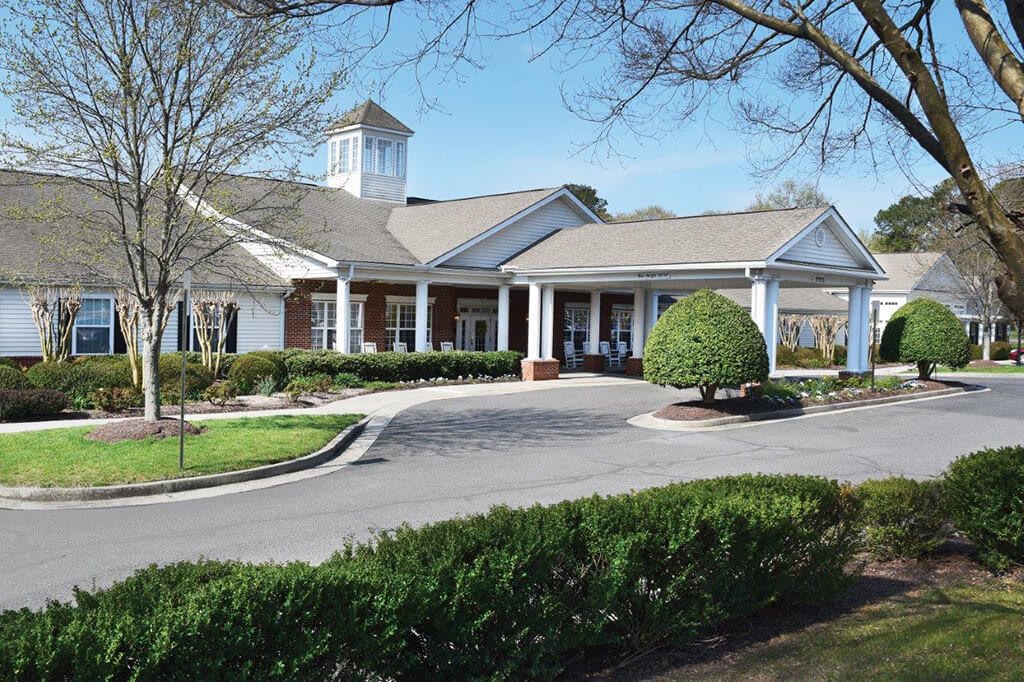
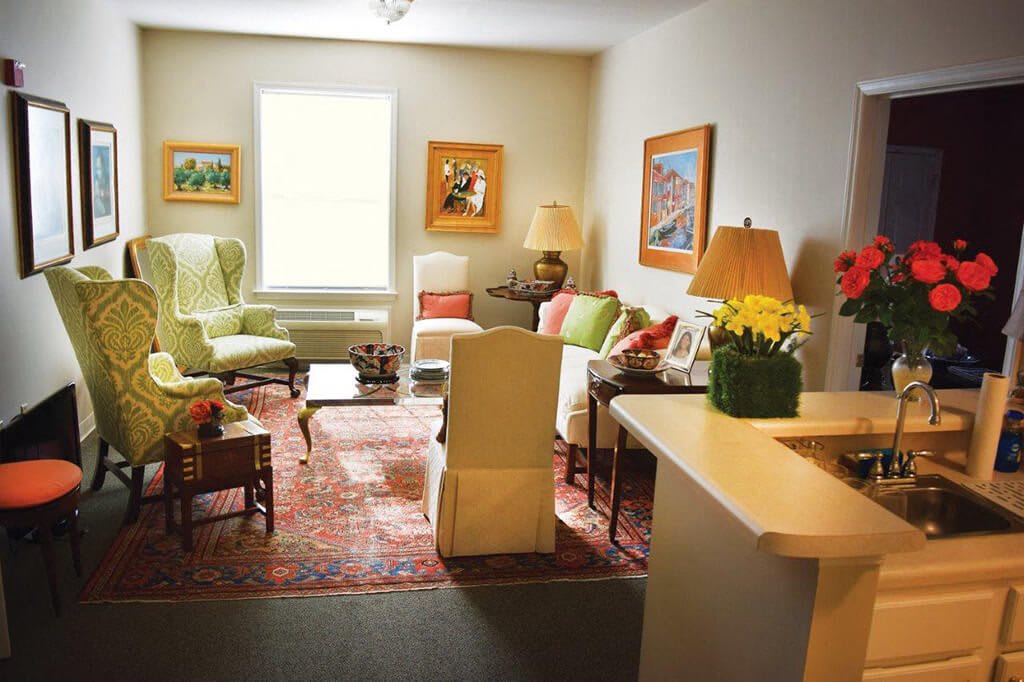
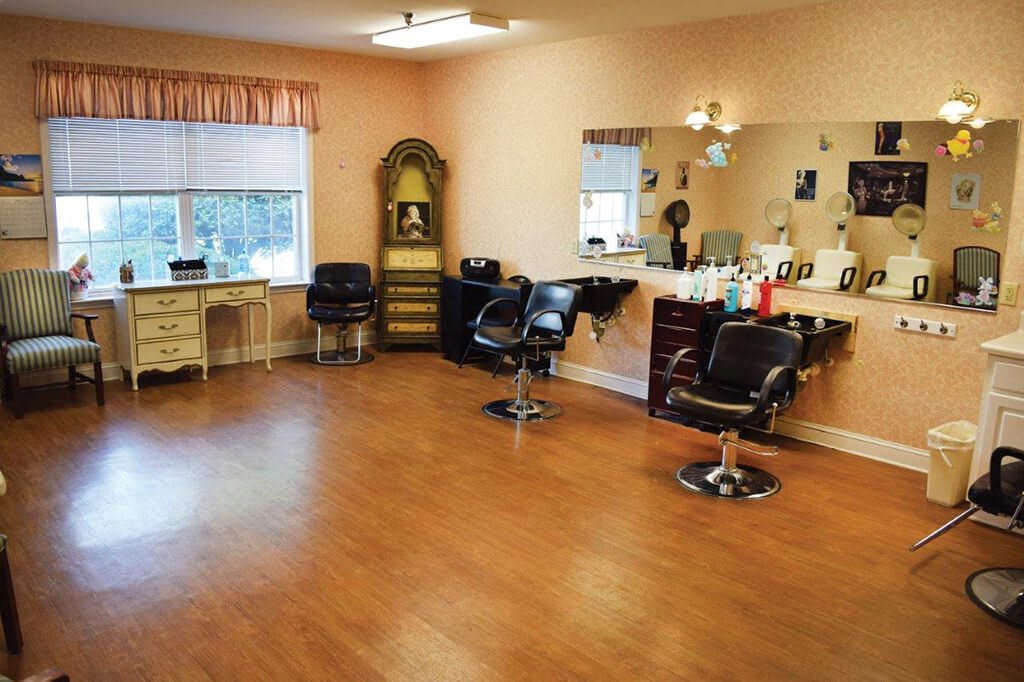
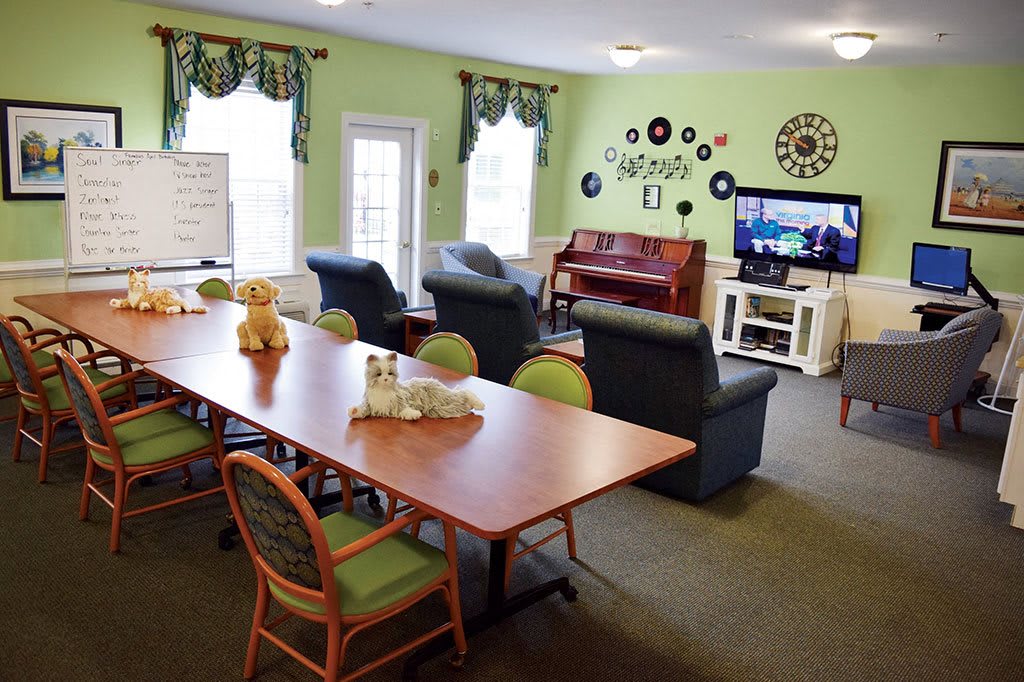
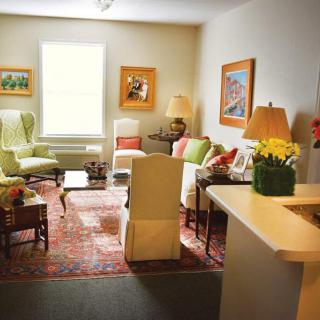
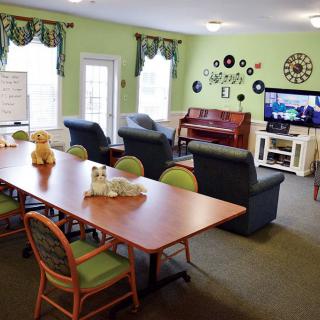
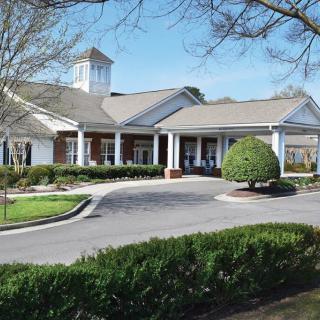
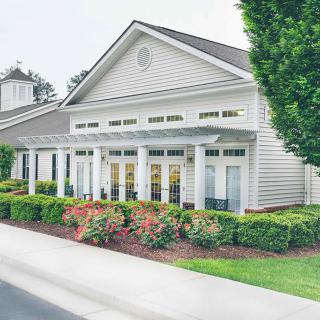
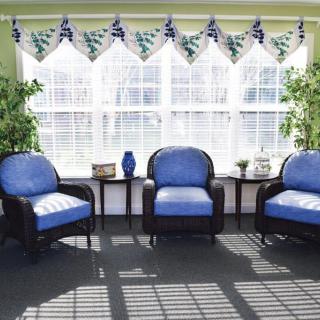
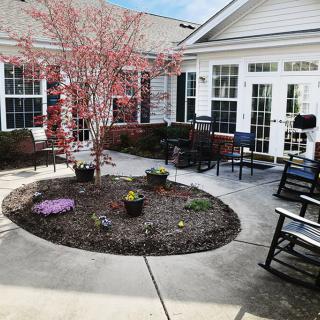
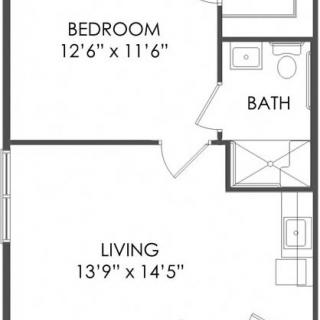
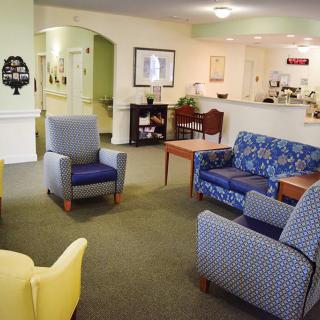
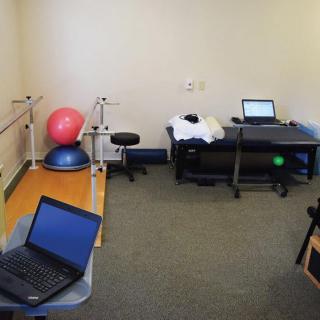
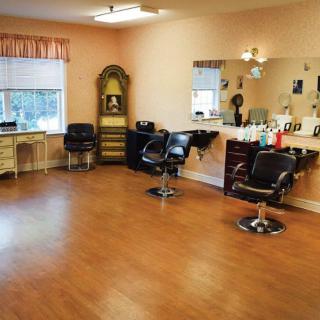
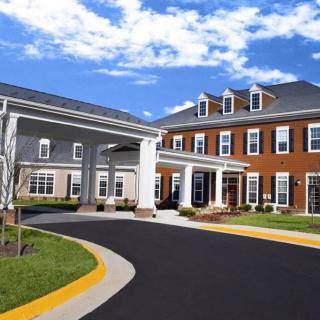
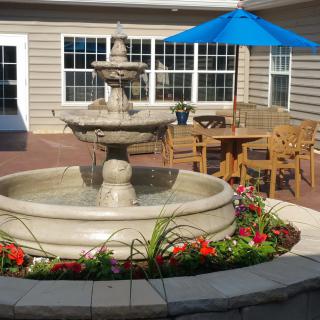
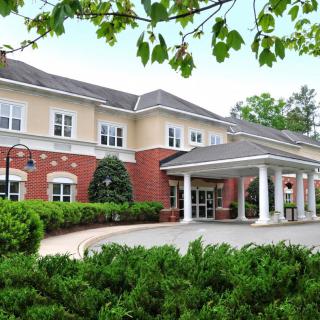
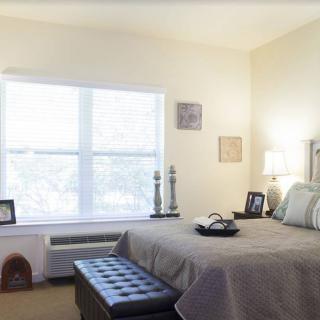
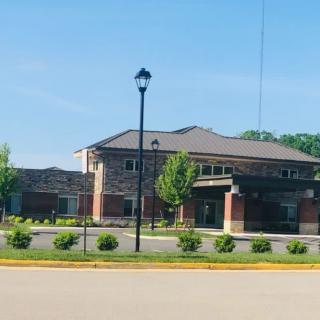
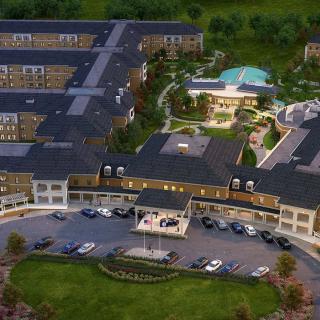
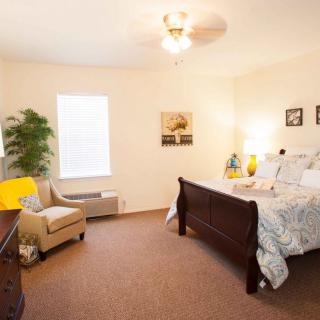
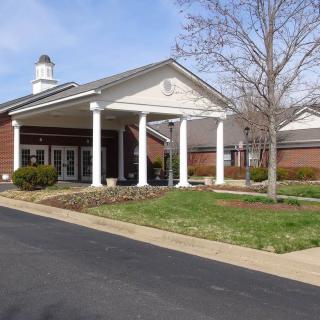
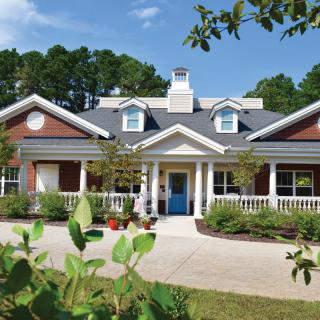
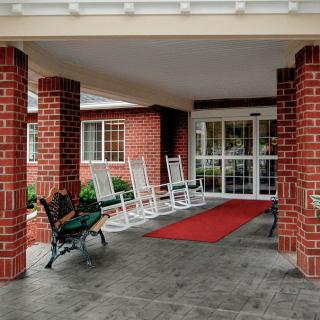
Spring Arbor of Richmond on seniors.fyi includes 21 photos including images showing floor plan, interior, living room, landscaping, architecture, decor, bathroom, bedroom, and more.
Nearby Communities
Vitality Living West End Richmond
Richmond, VA
4.5 from 88 reviews
$2,965 to $5,655 / month
Friendly, caring staff with a welcoming environment and engaging activities.
Hermitage At Cedarfield
Richmond, VA
3.3 from 9 reviews
$3,200 to $4,100 / month
Friendly, competent staff with comprehensive care levels and strong amenities.
CEDARFIELD Operated By Pinnacle Living
Richmond, VA
4.1 from 30 reviews
Broad care options (independent, assisted, memory, and skilled nursing) with on-site activities and diabetic care.
Commonwealth Senior Living West End
Richmond, VA
4.3 from 89 reviews
Warm staff in a clean, home-like setting with restaurant-style dining
Commonwealth Senior Living at the West End
Richmond, VA
4.2 from 128 reviews
Friendly, knowledgeable staff with restaurant-style dining and engaging activities.
Spring Arbor Cottage of Richmond
Richmond, VA
4.5 from 6 reviews
$6,950 / month
Caring, well-trained staff in a clean, secure memory-care setting with engaging activities.
Holiday Dogwood Terrace
Henrico, VA
4.5 from 140 reviews
$2,879 to $3,789 / month
Friendly, attentive staff in a clean, activity-rich community with spacious, well-equipped apartments.
Home Care Assistance of Richmond, VA
Richmond, VA
4.6 from 25 reviews
Helpful aides and a supportive agency for daily tasks.
The content outlines five key early indicators of dementia, including significant memory loss and confusion about time and place, while emphasizing the need for professional evaluation and emotional support for both individuals showing symptoms and their caregivers. It encourages family members to monitor these signs closely and use online quizzes for initial awareness.
The article highlights eight indicators that a loved one with dementia may require specialized memory care, emphasizing the emotional and logistical challenges families encounter in this decision. It discusses signs such as difficulties with daily tasks, safety concerns, and caregiver burnout, suggesting that memory care facilities can provide the necessary support and structured environments for those experiencing cognitive decline.
Dementia, primarily caused by Alzheimer's disease but also linked to other conditions, leads to cognitive decline impacting memory and daily functioning, with individuals experiencing varied awareness of their impairments. Despite memory loss, emotional connections persist, enabling responses to familiar stimuli, highlighting the need for caregivers to provide compassionate support that recognizes both limitations and retained emotional depth.
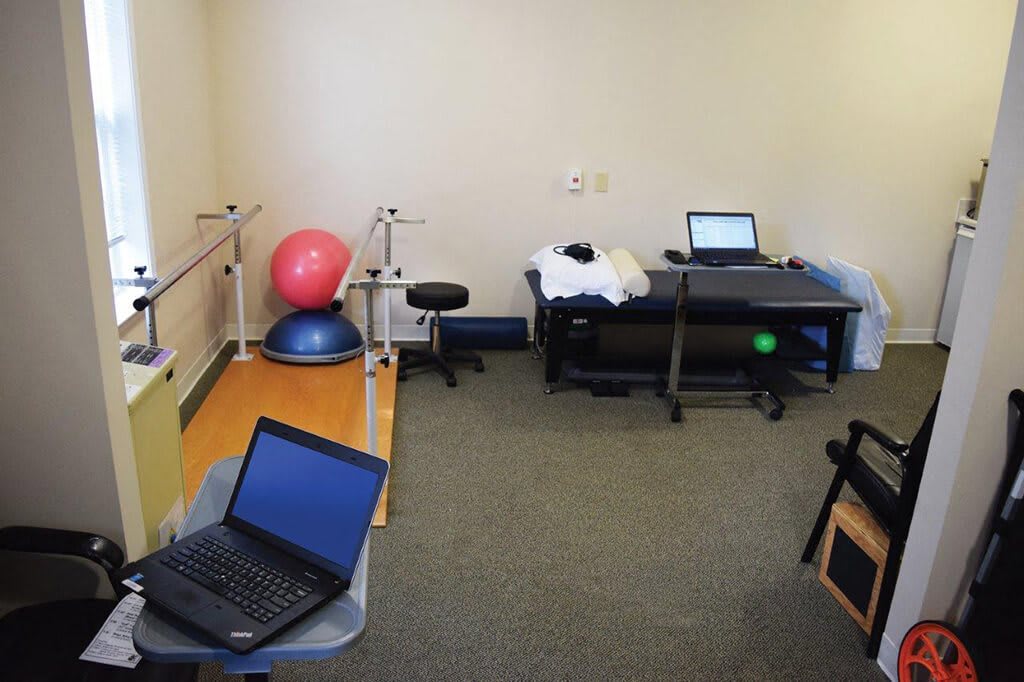
Exercise Equipment, Physical Therapy, and Computers
Salon and Mirrors
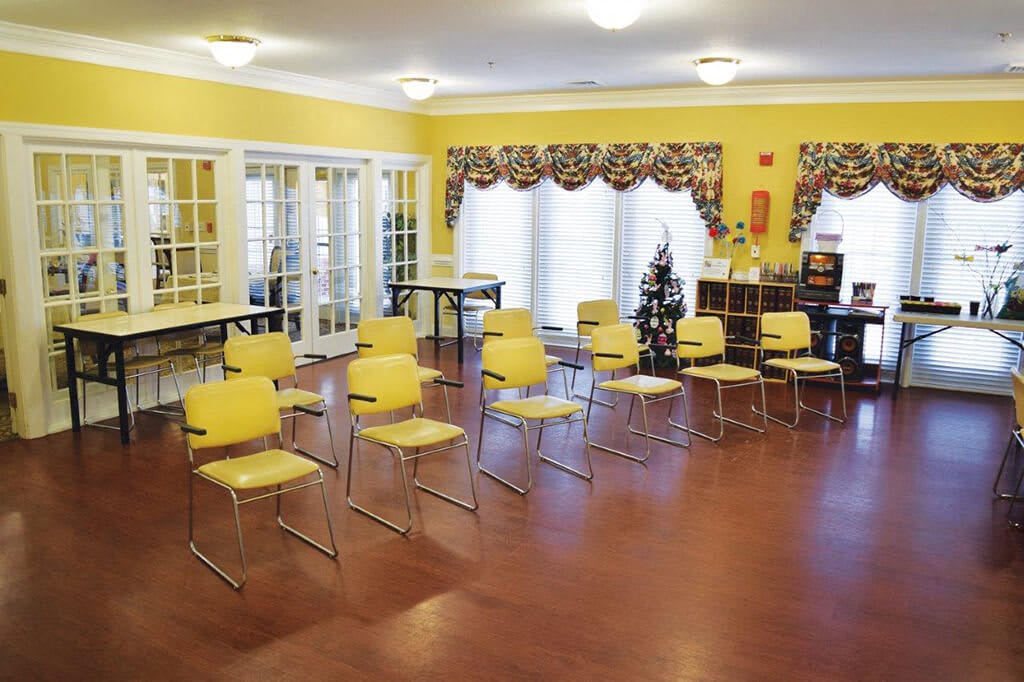
Meeting Room
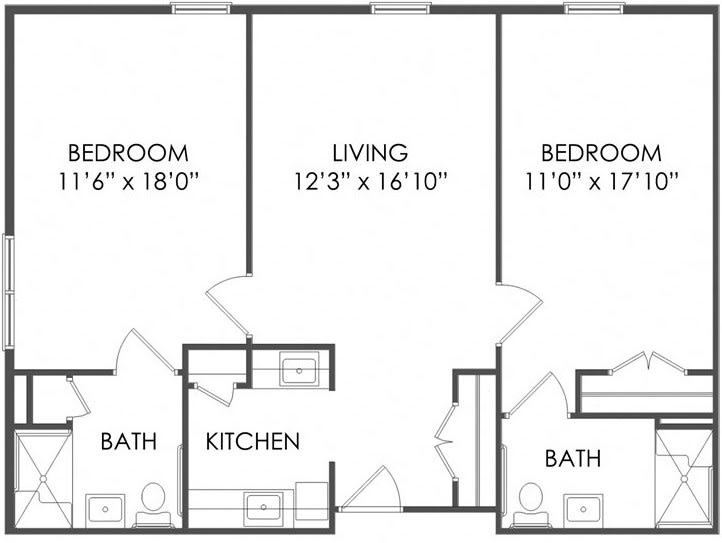
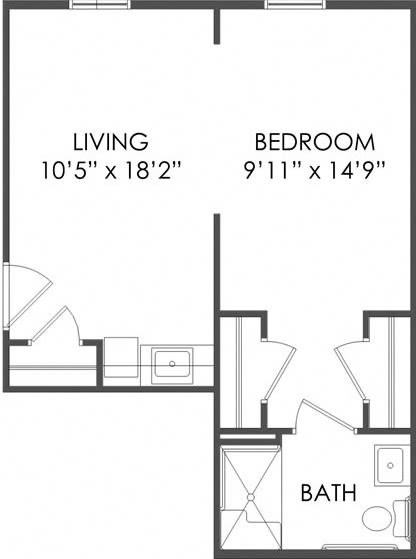
Architectural Drawing
Design
Apartment Design
Get PricingAsk A QuestionSchedule A TourContact Senior Advisor
By clicking submit, you agree to our Partner's Terms of Use. You
also consent to receive calls and texts, which may be autodialed, from our Partner. Your consent is not a condition to
using our Partner's service. Please visit our Partner's Privacy Policy for information about their privacy practices.

 90 resident community capacity
 1-bedroom apartments
 Detached homes
 Assisted Living
 Memory Care
 Respite Care
 Cats allowed
 Dogs allowed
 Activities on-site
 Air-conditioning
 Beautician on-site
 Cable or satellite TV
 Computer center
 Devotional services off-site
 Dining room
 Fitness room
 Fully furnished
 Gaming room
 Garden
 Ground floor units
 Handicap accessible
 Housekeeping services
 Indoor common areas
 Kitchenette
 Move-in coordination
 Outdoor space
 Private bathrooms
 Restaurant-style dining
 Small library
 Telephone
 Wellness center
 Wi-Fi/high-speed internet available
 Richmond International (17 miles away)
 Community operated transportation
 12-16 hour nursing
 24-hour call system
 Ambulatory care
 Assistance with bathing
 Assistance with dressing
 Assistance with transfers
 Diabetes diet
 Diabetic care
 Incontinence care
 Medication management
 Mental wellness program
 Special dietary restrictions
 Catholic services
 Concierge services
 Day trips and outings
 Light therapy programs
 Live dance or theater performances
 Live musical performances
 Sensory-based programs
 Trivia games
 English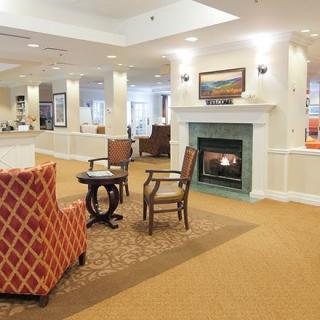
 Friendly, caring staff with a welcoming environment and engaging activities.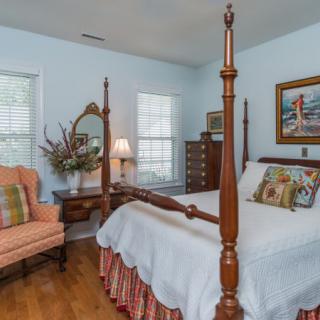

 5 Early Indicators of Dementia and What You Can Do
 8 Important Indicators That Memory Care May Be Necessary
 Delving into the Inner World of Dementia: Insights into Thoughts and Awareness