



2300 Cedarfield Pkwy, Richmond, VA 23233
To contact a resident: (804) 968-5520
For more information about senior living options: (866) 208-4318
Overall Review of CEDARFIELD Operated By Pinnacle Living
Pros
 The facility is beautiful and the dining room is great.
- The activities director and social workers are good.
- The Cedarfield dining team is the best group of people imaginable.
- The groundskeepers do an excellent job around the place.
- The staff has worked hard to keep Covid at bay and has succeeded.
- The many activities, lectures and trips help keep residents' minds engaged.
- The meals are really 4-star.
- Cedarfield truly cares about resident and team member engagement.
- The community feels warm and welcoming to residents and families.
Cons
 The family loathes Pinnacle Living and its on-site management.
 - They regret moving their parents to Cedarfield.
- Cedarfield is horribly managed.
- The manager claimed the mother wasn’t participating in enough activities, despite an exit report showing she attended 89–95% of activities.
- The mother fell outside on Christmas Eve due to unsecured doors.
- Staff did not disclose the fall or contact the primary family member.
- Cedarfield charges residents 20% for grocery delivery with no corresponding rebates or housekeeping services.
- The staff has become a revolving door, with several favorites leaving or being fired, creating an unhappy atmosphere.
Review
Cedarfield, operated by Pinnacle Living in Richmond, is best suited for active seniors who prize a resort-like setting, a robust social life, and outstanding dining, with enough independence to navigate daily life with limited outside help. The campus presents a polished, amenity-rich environment where the calendar is filled with activities, lectures, fitness classes, and trips. Residents and families repeatedly note the warmth of the staff and the sense of community. For those who want a vibrant, engaging lifestyle where meals, wellness options, and social programming are front and center, Cedarfield delivers. The practical caveat is clear: heavy, ongoing caregiving needs or secure memory-care requirements stretch Cedarfield’s strengths, and governance and communication concerns can undermine stability for seniors who rely on dependable care coordination.
Those weighing Cedarfield against alternatives should be aware of who may want to look elsewhere. A subset of reviews highlights management and communication gaps that create real risk for families managing transitions to higher levels of care or needing timely updates on a loved one’s status. For residents with memory impairment or substantial daily assistance needs, the questions aren’t merely about lifestyle; they’re about consistent, transparent leadership and predictable care pathways. Families with remote ties or those who prioritize rigorous caregiver-to-resident oversight may find governance at Cedarfield less reassuring than other Richmond-area options. In short, alternatives are worth a close comparison for anyone prioritizing steadier accountability and more explicit care guarantees.
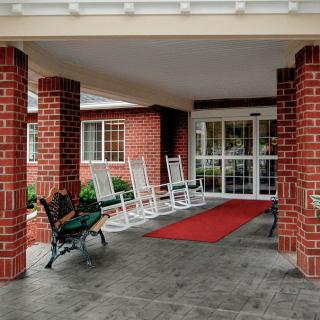
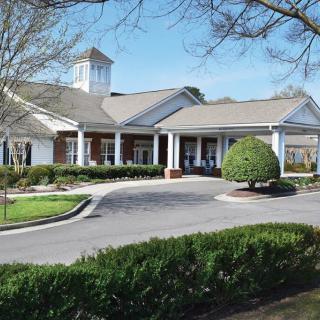
On the positive side, the strongest pro- Cedarfield is undeniably the quality of life inside the community. The dining program is frequently praised as exceptional, with reviews calling the meals among the best private-venue offerings in the area. The facilities and grounds are well-kept and welcoming, including a pool and a campus atmosphere that feels both luxurious and safe. The activities staff and social workers earn frequent commendations for keeping residents engaged, with a broad slate of programs that support physical fitness, intellectual stimulation, and social connection. For independent or lightly assisted residents, these elements translate into sustained vitality, meaningful interaction, and genuine enjoyment of daily life.
Yet the most consequential drawbacks center on leadership and care delivery. Several reviews describe a drag on stability stemming from management turnover, uneven responsiveness, and inconsistent family communication, issues that matter most when a resident’s care needs evolve or a sudden change in health requires prompt action. Specific episodes cited include disputed decisions around transitions to higher levels of care and less-than-ideal incident reporting, which can erode trust for families trying to gauge risk and reliability. Outdoor safety lapses, questions about locked access, and the perception that service levels have shifted since organizational changes compound these concerns. Coupled with cost concerns, such as additional charges for groceries and reductions in previously included services, these factors can overshadow otherwise appealing lifestyle attributes.
How the positives stack up against these negatives depends on the resident profile. For the independently inclined and socially active, Cedarfield’s strengths are substantial enough to offset several governance fragilities, especially when families conduct rigorous due diligence and set clear expectations. Prospective residents should request current staffing metrics, explicit care policies, and a transparent escalation path for problems. A candid tour should probe how the community handles memory-care availability, safety procedures, and day-to-day responsiveness from leadership. If these elements align with personal risk tolerance and family expectations, Cedarfield can deliver a vibrant, high-quality living experience.
The bottom-line recommendation is practical and clear. Cedarfield represents a compelling option for seniors who want a lively, amenity-rich environment, superb dining, and an active program calendar, provided that the governance and care expectations are tightly managed. For families prioritizing consistent assisted living support, memory-care security, and dependable leadership, it is essential to compare Cedarfield with other Richmond communities that demonstrate steadier management and clearer care guarantees. The decision hinges on balancing lifestyle appeal with governance reliability. If independence is the baseline and care needs remain modest, Cedarfield can be an excellent home; if daily caregiving and reliable memory-support are non-negotiable, others may serve better. Engage in thorough, pointed discussions with management, verify current staffing and care protocols, and talk to current residents to confirm that the trajectory aligns with long-term goals.
 Assisted Living
 Independent Living
 Memory Care
 Skilled Nursing Facility
 Activities on-site
 Devotional services off-site
 Indoor common areas
 Richmond International (17 miles away)
 Ambulatory care
 Diabetic care
 Meals provided






 Understanding Dementia Behaviors: Practical Insights and Strategies for Caregivers
 When Dementia Sparks Anger and Aggression: Understanding the Connection and Ways to Cope
 Dementia Behaviors: In-Depth Understanding and Effective Coping Strategies