For more information about senior living options: (844) 490-3973
3.3 from 9 reviews
5 stars
3
4 stars
2
3 stars
1
2 stars
1
1 stars
2
Assisted LivingContinuing Care Retirement Community (CCRC)Memory CareSkilled Nursing Facility
Hermitage At Cedarfield Costs & Pricing
Hermitage At Cedarfield offers competitive pricing for its assisted living accommodations when compared to both Henrico County and the broader state of Virginia. For instance, a studio apartment at Hermitage is priced at $3,200 per month, significantly lower than the county's average of $4,059 and the state's average of $4,436. Similarly, one-bedroom units are available for $3,600, which again presents a more affordable option relative to Henrico County's rate of $3,718 and Virginia's rate of $4,257. Two-bedroom apartments are offered at $4,100, providing a favorable alternative to the county's average of $4,494 and the state's average of $4,602. Overall, residents can enjoy quality living at Hermitage At Cedarfield while benefiting from notable cost savings compared to surrounding areas.
Floor plans
Hermitage At Cedarfield
Henrico County
Virginia
Studio
$3,200
$4,059
$4,436
1 Bedroom
$3,600
$3,718
$4,257
2 Bedrooms
$4,100
$4,494
$4,602
Overall Review of Hermitage At Cedarfield
Pros
Cedarfield looks great when you arrive.
The staff is friendly, courteous, and attentive.
Hermitage at Cedarfield has all levels of care, including skilled nursing.
The staff members there are wonderful to work with.
The grounds are gorgeous.
The dining room and meals are high quality, with fresh ingredients prepared by professional chefs.
The care given to residents has been consistently outstanding.
Residents have access to a variety of activities and social opportunities.
Cons
The facility failed to provide the level of care promised, leading to medication errors, injuries, and a death.
There were not enough staff to handle the resident population, reportedly due to money.
Nursing staff gave wrong medications, residents were dropped, and injuries were not properly treated.
Requests for help to use the restroom were ignored; call bells went unanswered.
Management was not responsive to resident complaints and appeared more focused on patting themselves on the back.
The quality of care and services declined over the years, with promised amenities and food quality not delivered.
The policy of providing only one meal per day for independent living residents while charging extra for shopping was described as outrageous.
Decisions to place a resident in memory care when medical professionals said assisted living was more appropriate were criticized.
Review
Hermitage at Cedarfield is best suited for families seeking a high-end continuing-care community in Richmond where independent living, assisted living, and skilled nursing coexist on one campus. The not-for-profit structure matters: it signals a long-term commitment to residents rather than a profit motive, which many families in search of stability value highly. The grounds, recent dining-room enhancements, fitness facilities, a pool, library, and an active schedule of activities create a lifestyle that feels dignified and self-contained. For couples or aging parents who want a single, predictable home as care needs evolve, Hermitage offers the strongest, most seamless continuum in the area.
Those who should consider alternatives are the ones prioritizing consistently flawless care and transparent management. Several accounts report staffing shortages and inconsistent clinical oversight, with troubling incidents tied to medication lapses, delayed assistance, and adverse outcomes for residents. Management responsiveness is a recurring concern for families and long-time residents, suggesting that policy and day-to-day operations may not always align with promises made at move-in. For households where price sensitivity is acute or where clear, proactive escalation of concerns is non-negotiable, it pays to compare other options that emphasize tighter staffing rhythms and more transparent governance.
On the upside, Hermitage delivers a genuine care ladder that many families value. The campus supports a true continuum of care, with on-site physical therapy, skilled nursing, and supportive services that can ease transitions without relocation. Reviews consistently praise the staff as courteous and capable, and the facility itself is described as top-tier in terms of cleanliness and overall environment. The dining program is repeatedly highlighted as robust and varied, with improvements evident in newly opened spaces and ongoing renovations. The combination of a strong on-site wellness culture and a long-standing commitment to residents shines through in multiple testimonials.
Yet the most serious caveat centers on execution and trust. Multiple families recount experiences where timely assistance did not materialize, or where medical oversight did not meet expectations, culminating in outcomes that are hard to reconcile with a reputation for high standards. Other voices point to a drift in promised amenities and responsiveness from leadership, painting a picture of a campus that is not immune to growing pains or governance challenges. While these concerns sit alongside numerous positive experiences, they create a reality where care quality cannot be presumed and must be actively verified by prospective residents and families.
The pros - continuum of care, non-profit governance, attentive staff, and a refined, engaging living environment - can meaningfully offset many daily benefits for residents who do not require flawless, immediate responsiveness and who can tolerate ongoing oversight. The investment in dining, fitness, and social programming signals a commitment to quality of life that lasts beyond initial impressions. However, the weight of the cons cannot be dismissed: serious care gaps and perception of management inconsistency can erode confidence over time, especially for families evaluating long-term commitments.
Decision-makers should approach Hermitage with structured diligence. Schedule multiple visits at different times, speak directly with residents across levels of care, and request up-to-date staffing rosters and incident reports. Probe how the campus handles medication management, fall prevention, and escalation of concerns, and ask for a clear, written plan detailing steps to address past care gaps. Compare the long-term cost of care with other area providers and review the contract terms for guarantees and contingencies. If the priority is uninterrupted access to a broad care continuum within a respected non-profit setting, Hermitage remains a compelling, if imperfect, choice worth serious consideration. If, instead, steadier day-to-day care and more robust management accountability are non-negotiable, explore alternatives with a sharper emphasis on staffing adequacy and responsive governance.
Features
Housing
85 resident community capacity
1-bedroom apartments1-bedroom apartments are important for seniors because they provide a sense of independence, privacy, and autonomy while still offering the necessary space for comfortable living. These apartments allow seniors to maintain their own personal space and lifestyle preferences in a supportive community setting.
2-bedroom apartments2-bedroom apartments are important for seniors because they provide extra space for guests, hobbies, and caregivers, as well as potential for additional income through roommates or rental.
Detached homesDetached homes are important for seniors because they provide independence and privacy, allowing them to maintain a sense of autonomy in their living space. Additionally, detached homes often offer more space for hobbies and activities, as well as outdoor areas for gardening or relaxation. This can contribute to a better quality of life and overall well-being for seniors.
Studio apartmentsStudio apartments are important for seniors because they offer a smaller, more manageable living space that is easier to navigate and maintain as physical abilities decline. Additionally, studio apartments provide seniors with independence and privacy while still being part of a community that offers support and social opportunities.
Types of Care
Assisted LivingAssisted living facilities provide crucial support and care for seniors who may need help with daily tasks such as medication management, bathing, and meal preparation. These communities offer a safe and comfortable environment where seniors can maintain their independence while receiving the assistance they need to thrive in their golden years.
Continuing Care Retirement Community (CCRC)Continuing Care Retirement Communities (CCRCs) are important for seniors because they provide a range of housing options and care services all in one location. This allows seniors to age in place and receive the level of care they need as their health changes, without having to move to a new facility. CCRCs provide a sense of security and peace of mind for seniors and their families, knowing that they will be taken care of no matter what the future holds.
Memory CareMemory care is crucial for seniors as it provides specialized support and services for individuals with dementia or Alzheimer's disease. These programs offer a safe and secure environment where residents receive personalized care, cognitive stimulation, and help with daily activities. Memory care helps seniors maintain their independence, quality of life, and dignity while also providing peace of mind for their families.
Skilled Nursing FacilitySkilled Nursing Facilities are crucial for seniors as they provide round-the-clock medical care, rehabilitation services, and assistance with daily activities. These facilities ensure that seniors receive the specialized care they need to maintain their health and well-being as they age.
Amenities
Air-conditioningAir conditioning is important for seniors as they are more vulnerable to heat-related illnesses and may have underlying health conditions that make it difficult for them to regulate their body temperature. It helps to keep them comfortable, safe, and healthy in hot weather.
Beauty salonBeauty salons are important for seniors because they provide a space for them to feel pampered, socialize, and maintain their personal grooming and hygiene. Regular visits to a beauty salon can help boost seniors' self-esteem and overall well-being.
Cable or satellite TVCable or satellite TV is important for seniors because it provides entertainment, news, and companionship, helping to combat loneliness and boredom. It also offers a wide range of programming options tailored to different interests and preferences.
Computer centerA computer center is essential for seniors as it provides access to technology, communication tools, and resources that can enhance their daily lives. It allows them to stay connected with loved ones, engage in online activities, and learn new skills, ultimately promoting socialization and mental stimulation.
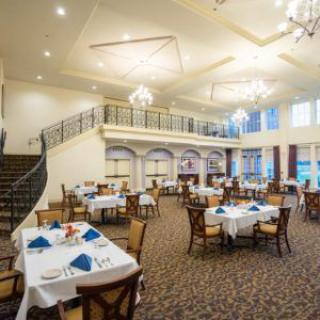
Dining roomDining rooms are important for seniors as they provide a space for socialization, connection, and nutritious meals. They offer opportunities for residents to bond over shared meals, foster a sense of community, and promote healthy eating habits. Dining rooms also ensure that seniors have access to well-balanced meals tailored to their dietary needs and preferences.
Financing adviceFinancing advice is crucial for seniors as they navigate the complexities of retirement planning, including managing fixed incomes, healthcare costs, and potential long-term care needs. Proper financial guidance can help ensure seniors maintain financial stability and security in their golden years.
Fitness roomHaving a fitness room in a senior living community is essential for seniors to stay active, maintain their physical health, and improve their overall well-being. Regular exercise can help prevent falls, reduce the risk of chronic diseases, and promote mental sharpness. It also provides social opportunities for residents to connect with others and enjoy a sense of community.
Full kitchenHaving a full kitchen in a senior living facility is important for seniors because it allows them to maintain their independence and prepare their own meals. This promotes healthy eating habits, saves money on dining out, and provides a sense of familiarity and comfort for residents.
Fully furnishedFully furnished senior living communities are important for seniors because they provide convenience, comfort, and a hassle-free moving experience. Seniors can easily settle into their new living space without the stress of having to buy and move furniture. This allows them to focus on enjoying their new home and community.
Gaming roomGaming rooms are important for seniors as they provide a fun and engaging environment for socializing, cognitive stimulation, and physical activity. Games can improve memory, problem-solving skills, and overall mental well-being while fostering friendships and reducing feelings of isolation.
GardenGardens are important for seniors as they provide a peaceful and therapeutic environment for relaxation, physical activity, and socialization. Being in nature has been shown to reduce stress, improve mood, and promote overall well-being. Gardens also offer opportunities for seniors to engage in gardening activities, which can improve mobility, flexibility, and cognitive function. Additionally, gardens create a sense of community and connection with others who share a passion for plants and outdoor spaces.
Housekeeping servicesHousekeeping services are important for seniors because they help maintain a clean and safe living environment, promote independence, and reduce the risk of accidents or illnesses. Additionally, having assistance with household chores can alleviate physical strain and allow seniors to focus on other aspects of their well-being.
KitchenetteKitchenettes are important for seniors living in senior living communities because they provide the convenience and independence of being able to prepare simple meals and snacks in the comfort of their own living space. This can help promote a sense of autonomy and well-being for seniors, allowing them to maintain some level of control over their dietary choices and daily routines.
Move-in coordinationMove-in coordination is important for seniors because it helps ease the transition into their new living environment. It ensures that all logistics, such as packing, organizing movers, and setting up utilities are taken care of, allowing seniors to focus on settling in and adjusting to their new home. Having a smooth move-in process can alleviate stress and anxiety, making the transition smoother and more enjoyable for seniors.
Outdoor spaceOutdoor spaces are important for seniors as they provide opportunities for physical activity, social interaction, exposure to natural light and fresh air, and a sense of connection to nature. Having access to outdoor spaces can improve overall well-being and quality of life for older adults living in senior communities.
Overnight guestsOvernight guests provide companionship, social engagement, and emotional support for seniors in senior living communities. They can help reduce feelings of loneliness, isolation, and boredom, while also promoting mental well-being and overall quality of life. Additionally, overnight guests can offer a sense of familiarity and comfort for seniors who may be transitioning into a new living environment.
Party spaceHaving access to party space is important for seniors as it provides opportunities for socialization, connection, and enjoyment. These spaces allow seniors to celebrate special occasions, host gatherings with friends and family, and participate in community events, enhancing their overall well-being and quality of life.
Private bathroomsPrivate bathrooms are important for seniors in senior living communities because they provide independence, dignity, and comfort. Having a private bathroom allows seniors to maintain their personal hygiene routines without the need for assistance, promoting a sense of autonomy and privacy. Additionally, private bathrooms help prevent the spread of infections and provide a safe and clean environment for seniors to navigate safely.
Resident parkingResident parking is crucial for seniors in a senior living community as it provides convenience, accessibility, and safety for residents who may have limited mobility or rely on personal vehicles for transportation. Having designated parking spaces ensures that seniors can easily access their homes without having to walk long distances or navigate crowded parking lots, ultimately enhancing their overall quality of life and sense of independence.
Respite or short term stays offeredRespite or short term stays provide seniors with a temporary solution when their regular caregiver is unavailable, offering them the opportunity to receive additional care and support during times of need, while also giving caregivers a chance to rest and recharge.
Restaurant-style diningRestaurant-style dining is important for seniors because it allows them to enjoy delicious, nutritious meals in a social and upscale setting. This enhances their dining experience, promotes healthy eating habits, and fosters socialization with fellow residents, ultimately contributing to their overall well-being and quality of life.
Small librarySmall libraries are important for seniors as they provide access to a variety of reading materials, including books, newspapers, and magazines. This can help stimulate their minds, keep them engaged, and provide a sense of community through book clubs and other social activities. Additionally, reading has been shown to improve cognitive function and overall mental well-being in older adults.
Swimming poolSwimming pools are important for seniors as they provide a low-impact form of exercise that can improve cardiovascular health, increase muscle strength and flexibility, and help maintain mental well-being. Additionally, swimming can relieve joint pain and stiffness associated with conditions such as arthritis, making it an ideal activity for older adults looking to stay active and healthy.
TelephoneTelephones are important for seniors as they provide a lifeline for communication with loved ones, emergency services, and healthcare providers. They offer a sense of security and independence, enabling seniors to stay connected and access assistance when needed.
Tennis courtsTennis courts are important for seniors as they provide a fun and engaging way to stay active, socialize, and maintain physical fitness. Playing tennis can improve balance, coordination, agility, and cardiovascular health, making it an ideal activity for older adults looking to stay fit and healthy.
Wellness centerWellness centers are important for seniors because they offer a variety of programs and services that promote physical, mental, and emotional well-being. These centers provide opportunities for exercise, socialization, education, and relaxation, helping seniors maintain their overall health and quality of life.
Wi-Fi/high-speed internet availableWi-Fi/high-speed internet is important for seniors to stay connected with loved ones, access online resources, and participate in virtual activities to combat feelings of loneliness and isolation. It also allows them to easily manage healthcare needs, access entertainment, and engage in lifelong learning opportunities.
Transportation
Richmond International (17 miles away)
Community operated transportationCommunity operated transportation is crucial for seniors as it provides them with the means to access essential services, social activities, and medical appointments. It allows seniors to maintain their independence and quality of life by ensuring they can participate in activities outside of their homes. Additionally, community-operated transportation services offer a safe and reliable way for seniors to travel without having to rely on family or friends for assistance.
Transportation & parkingTransportation and parking are vital for seniors as they offer access to essential services, activities, and social interactions. Reliable transportation options can help seniors maintain independence, stay connected within their community, and enjoy a higher quality of life. Additionally, convenient parking facilities ensure that seniors can easily access necessary resources and amenities without added stress or difficulty.
Transportation arrangementTransportation arrangements are crucial for seniors as they may face challenges with driving, mobility, or access to public transportation. Having reliable transportation services ensures that seniors can easily attend appointments, social activities, and maintain their independence and quality of life.
Transportation arrangement (non-medical)Transportation arrangements are essential for seniors as they provide access to essential services, activities, and social interactions outside the home. This service helps maintain independence, mobility, and overall well-being for seniors who may have limited transportation options.
Care Services
24-hour call system24-hour call systems are important for seniors because they provide peace of mind and immediate assistance in case of emergencies. This technology ensures that help is always available, promoting safety and security for elderly individuals living alone or in assisted living facilities.
24-hour supervision24-hour supervision is important for seniors to ensure their safety, well-being, and access to immediate assistance in case of emergencies or health issues. This constant support provides peace of mind for both seniors and their loved ones, allowing them to age in place with dignity and security.
Activities of daily living assistanceActivities of daily living assistance are important for seniors because they provide essential support with tasks such as eating, bathing, dressing, and mobility. This assistance helps seniors maintain their independence, dignity, and overall quality of life as they age.
Assistance with bathingAssistance with bathing is crucial for seniors as it helps maintain personal hygiene, prevents infections, and ensures their overall well-being and comfort. It also provides a sense of dignity and independence for seniors who may struggle with this task on their own.
Assistance with dressingAssistance with dressing is important for seniors because it helps maintain their independence, promotes personal hygiene, prevents accidents and injuries, and improves overall quality of life. This service ensures that seniors can continue to dress comfortably and confidently, despite any physical limitations they may have.
Assistance with transfersAssistance with transfers is crucial for seniors as it helps prevent falls and injuries, maintains their independence, and ensures they can safely navigate their living environment. It also provides peace of mind for both seniors and their loved ones.
Diabetes dietA diabetes diet is crucial for seniors as it helps manage blood sugar levels, reduce risks of complications, and improve overall health and well-being. By following a balanced and nutritious diet tailored to their specific needs, seniors can better control their diabetes and enhance their quality of life.
Meal preparation and serviceMeal preparation and service are crucial for seniors as they may have limited mobility or energy to cook nutritious meals. Having access to healthy and convenient food options can ensure they are getting the proper nutrition needed to maintain their overall health and well-being.
Medication managementMedication management is crucial for seniors to ensure they are taking the right medications at the correct dosages and times. This helps prevent adverse drug interactions, reduces the risk of medication errors, and promotes overall health and well-being. Proactive management also allows for adjustments as needed based on changing health conditions or new prescriptions.
Special dietary restrictionsSpecial dietary restrictions are important for seniors because age-related changes in metabolism and health conditions can make it difficult for their bodies to process certain foods. By following a diet tailored to their specific needs, seniors can maintain their overall health and well-being, manage chronic conditions, and reduce the risk of complications such as malnutrition or food interactions with medications.
Dining
Diabetes dietA diabetes diet is crucial for seniors as it helps manage blood sugar levels, reduce risks of complications, and improve overall health and well-being. By following a balanced and nutritious diet tailored to their specific needs, seniors can better control their diabetes and enhance their quality of life.
Room serviceRoom service is important for seniors in a senior living community because it provides convenience and allows them to have their meals delivered directly to their room. This can be especially beneficial for seniors who may have mobility issues or difficulty accessing the dining area. Room service ensures that seniors are able to receive nutritious meals without having to navigate through the facility, allowing them to maintain their independence and overall well-being.
Special dietary restrictionsSpecial dietary restrictions are important for seniors because age-related changes in metabolism and health conditions can make it difficult for their bodies to process certain foods. By following a diet tailored to their specific needs, seniors can maintain their overall health and well-being, manage chronic conditions, and reduce the risk of complications such as malnutrition or food interactions with medications.
Activities
Activities off-siteActivities off-site are crucial for seniors as they provide opportunities for socialization, mental stimulation, and physical activity outside of their usual routine. This helps combat feelings of isolation and boredom, promotes overall well-being, and allows seniors to remain engaged in the community.
Community-sponsored activitiesCommunity-sponsored activities are important for seniors as they provide opportunities for social interaction, mental stimulation, and physical activity. These activities can help improve overall well-being, combat loneliness and isolation, and promote a sense of belonging and purpose among older adults.
Concierge servicesConcierge services are essential for seniors as they provide assistance with daily tasks and errands, enhance their quality of life by offering convenience and personalized care, and promote a sense of safety and security.
Fitness programsFitness programs are crucial for seniors as they help improve strength, flexibility, balance, and overall well-being. Staying active can reduce the risk of chronic diseases, improve mental health, and enhance quality of life in older adults.
Planned day tripsPlanned day trips are important for seniors because they offer opportunities for socialization, mental stimulation, and physical activity. They provide a change of scenery and help seniors stay engaged and connected to their community, promoting overall well-being and quality of life.
Religious servicesReligious services provide seniors with a sense of community, support, and spiritual fulfillment, which can improve their overall well-being and mental health. It also offers them opportunities for socialization and connection with others who share their beliefs.
Resident-run activitiesResident-run activities are important for seniors as they encourage social interaction, creativity, and a sense of autonomy. These activities empower seniors to stay engaged and active in their community while fostering meaningful connections with their peers.
Scheduled daily activitiesScheduled daily activities are important for seniors because they provide structure, socialization, mental stimulation, and physical activity. Engaging in regular activities can improve overall well-being and quality of life for seniors living in a community setting.
Languages Spoken
EnglishEnglish is important for seniors as it allows them to communicate effectively with healthcare providers, understand important information related to their health and medications, stay connected with loved ones, and engage in social activities within their communities. It also opens up opportunities for lifelong learning and intellectual stimulation.
Description
The Hermitage at Cedarfield in Richmond, VA offers a variety of housing options to suit different preferences. Whether it's a spacious two-bedroom apartment, a cozy studio apartment, or a detached home, residents can find the perfect living space to call their own.
As a continuing care retirement community (CCRC), the Hermitage at Cedarfield provides a range of care services to meet the changing needs of residents as they age. From memory care for those with Alzheimer's or dementia to skilled nursing facilities for those requiring round-the-clock medical support, individuals can receive the care and assistance they need within the community.
Residents can enjoy an array of amenities within the Hermitage at Cedarfield. They can take advantage of beauty salon services, access cable or satellite TV in their own homes, and benefit from community-operated transportation for outings and appointments. A computer center is available for staying connected and engaged online, while a fully equipped fitness room helps promote an active lifestyle. The dining room offers restaurant-style dining experiences with delicious meals prepared by professional chefs. Housekeeping services ensure that living spaces remain clean and tidy.
The community features various recreational spaces such as gaming rooms, gardens, outdoor areas, and swimming pools. Residents have access to overnight guests accommodations for visiting family or friends and party spaces for hosting celebrations. Private bathrooms are provided for added convenience and comfort.
Additional amenities include move-in coordination assistance to ensure a seamless transition into the community, a small library for book lovers, tennis courts for physical activity enthusiasts, and resident parking facilities. The on-site wellness center focuses on promoting overall health and well-being through various programs and activities. High-speed internet/Wi-Fi connectivity is available throughout the premises.
To meet the specific care needs of residents, 24-hour supervision is provided along with assistance with activities of daily living such as bathing, dressing, and transfers. Medication management ensures that residents receive their medications safely and on time. The professional staff also offers support in meal preparation and catering to special dietary restrictions or diabetes diets.
Residents at the Hermitage at Cedarfield have an abundance of opportunities for socializing and staying engaged. Community-sponsored activities, fitness programs, scheduled daily activities, planned day trips, and resident-run activities are all organized to cater to various interests and preferences. Concierge services are available for any assistance needed, and religious services are provided within the community.
Conveniently located nearby are three cafes, 15 pharmacies, 21 physicians' offices, 22 restaurants offering diverse cuisines, a transportation service, four places of worship, and theaters for entertainment options.
Overall, the Hermitage at Cedarfield offers a comprehensive assisted living community that prioritizes comfort, care, and engagement for its residents. With an array of amenities and services designed to meet individual needs and preferences, residents can enjoy a vibrant lifestyle while receiving exceptional care in a supportive environment.
Nearby Places of Interest
Physicians
The Balance and Ear Center (0.4 miles)
Dr Mark Freeman & Associates (0.6 miles)
Richmond Dermatology Aesthetic Center (1.2 miles)
Patient First - Parham (1.6 miles)
The Ellen Shaw de Paredes Institute for Women's Imaging (2 miles)
Hermitage At Cedarfield offers competitive pricing for its assisted living accommodations when compared to both Henrico County and the broader state of Virginia. For instance, a studio apartment at Hermitage is priced at $3,200 per month, significantly lower than the county's average of $4,059 and the state's average of $4,436. Similarly, one-bedroom units are available for $3,600, which again presents a more affordable option relative to Henrico County's rate of $3,718 and Virginia's rate of $4,257. Two-bedroom apartments are offered at $4,100, providing a favorable alternative to the county's average of $4,494 and the state's average of $4,602. Overall, residents can enjoy quality living at Hermitage At Cedarfield while benefiting from notable cost savings compared to surrounding areas.
The 24-hour supervision at Hermitage At Cedarfield ensures that residents receive constant support and monitoring, which is crucial for those with dementia or Alzheimer's disease, as it helps prevent wandering and keeps them safe. Assistance with activities of daily living, including bathing and dressing, not only promotes personal hygiene but also fosters a sense of dignity and independence. The help with transfers reduces the risk of falls, addressing one of the significant safety concerns for seniors. Meal preparation and service cater to nutritional needs while also providing a structured routine, which can be comforting for residents who thrive on familiarity. Furthermore, medication management is essential in maintaining health stability by ensuring that residents take their medications correctly and on time, helping to manage symptoms associated with cognitive decline effectively.
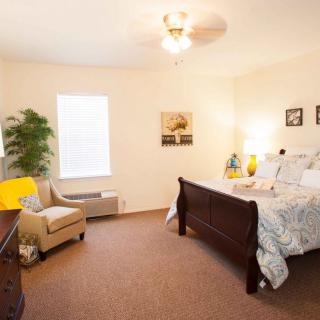
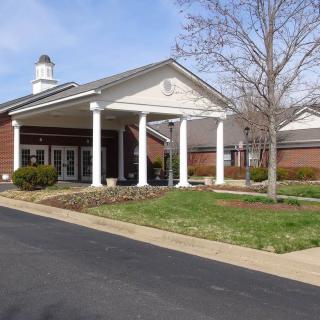
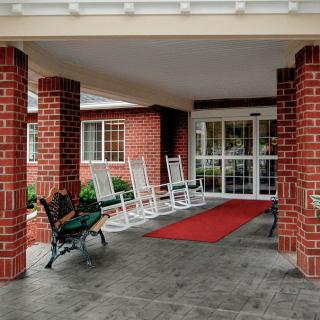
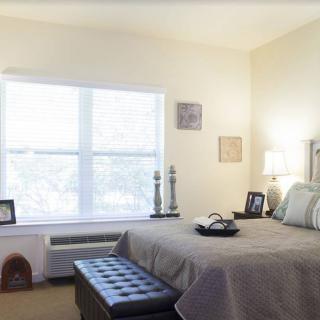
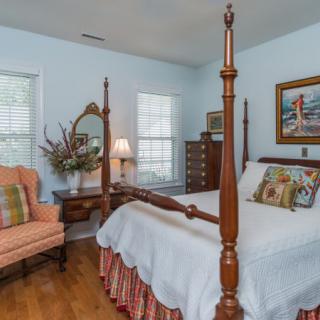
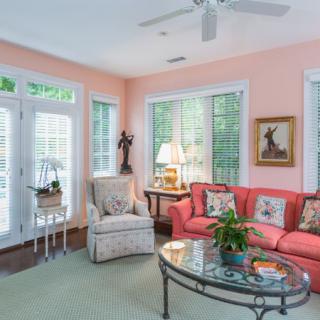
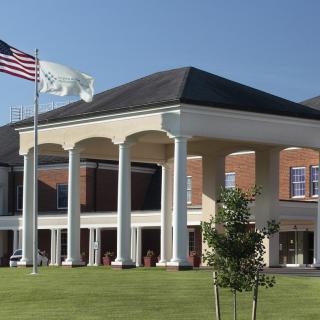
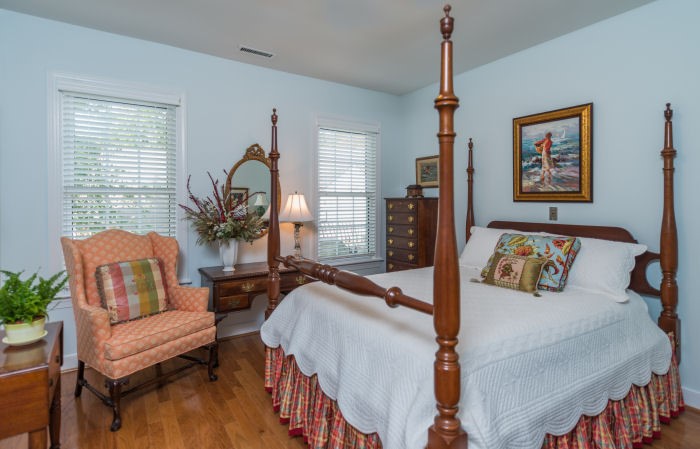
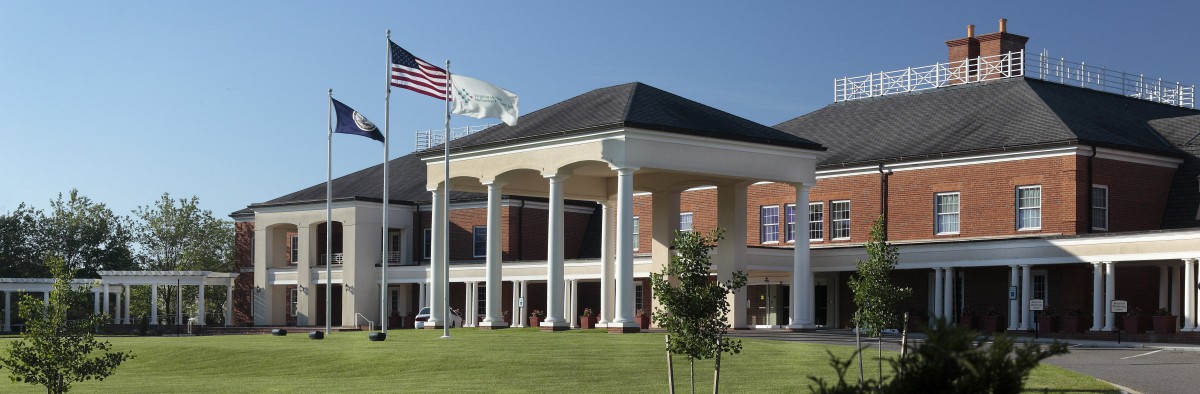
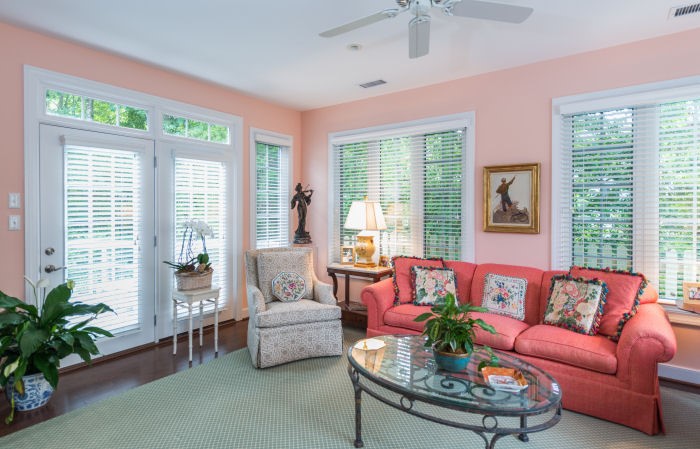
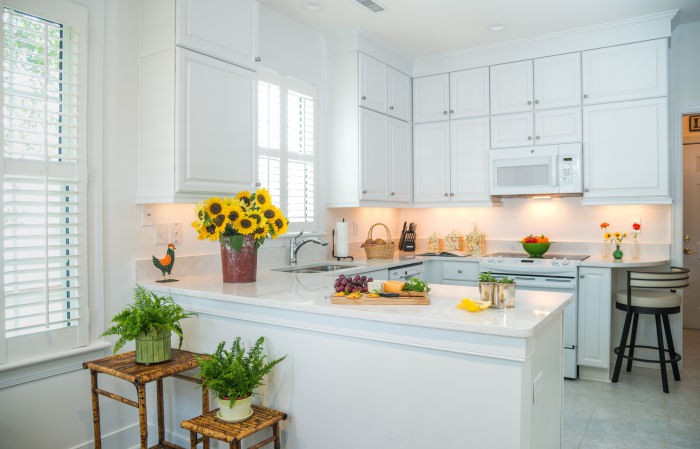
Hermitage At Cedarfield on seniors.fyi includes 4 photos including images showing decor, interior, building, flag, architecture, landscaping, living room, windows, and more.
Nearby Communities
CEDARFIELD Operated By Pinnacle Living
Richmond, VA
Broad care options (independent, assisted, memory, and skilled nursing) with on-site activities and diabetic care.
Commonwealth Senior Living West End
Richmond, VA
4.3 from 89 reviews
Warm staff in a clean, home-like setting with restaurant-style dining
Commonwealth Senior Living at the West End
Richmond, VA
4.1 from 116 reviews
Friendly, knowledgeable staff with restaurant-style dining and engaging activities.
Spring Arbor Cottage of Richmond
Richmond, VA
4.5 from 6 reviews
$6,950 / month
Caring, well-trained staff in a clean, secure memory-care setting with engaging activities.
Holiday Dogwood Terrace
Henrico, VA
4.5 from 134 reviews
$2,879 to $3,789 / month
Friendly, attentive staff in a clean, activity-rich community with spacious, well-equipped apartments.
Spring Arbor of Richmond
Richmond, VA
4.6 from 60 reviews
$5,584 to $8,910 / month
Friendly, attentive staff in a clean, welcoming setting with restaurant-style dining and engaging activities.
Discovery Village At The West End
Richmond, VA
4.5 from 175 reviews
$3,276 to $4,108 / month
Sunrise of Richmond
Richmond, VA
4.4 from 98 reviews
$4,950 to $7,200 / month
Caring, attentive staff in a warm, well-maintained community with engaging activities.
Home Care Assistance of Richmond, VA
Richmond, VA
4.5 from 22 reviews
Helpful aides and a supportive agency for daily tasks.
At-home dementia care expenses vary widely based on care levels, location, and caregiver expertise, with monthly costs for home health aides exceeding $4,500 and specialized care potentially surpassing $100,000 annually. While families favor in-home care for its comfort and personalized attention, they must consider financial planning and the challenges of caregiver fatigue.
The article discusses the late stages of dementia, detailing the progression from mild to severe impairment and highlighting key characteristics such as profound cognitive decline and dependency in daily activities. It emphasizes care strategies focused on comfort and dignity, the importance of advance directives, and the emotional support needed for family caregivers facing this challenging journey.
The article examines the link between certain medications and increased dementia risk, particularly in older adults, emphasizing that long-term or high-dose use of anticholinergics, benzodiazepines, and other drug classes can exacerbate cognitive impairment. It calls for careful medication evaluation and shared decision-making to mitigate these risks while managing treatment efficacy.