

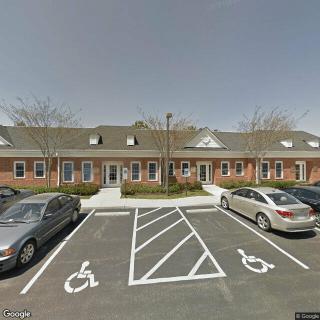
10601 Barbara Lane, Richmond, VA 23233
For more information about senior living options: (866) 208-4318
Spring Arbor Cottage of Richmond Costs & Pricing
At Spring Arbor Cottage of Richmond, the monthly cost for a studio room is $6,950, which significantly exceeds both the average rates in Henrico County ($4,059) and throughout Virginia ($4,436). This premium pricing reflects the specialized services and amenities that Spring Arbor offers to its residents, aimed at enhancing their quality of life. While the costs may be higher than those in the surrounding areas, potential residents can anticipate a level of care and community engagement that justifies this investment. When considering options for assisted living or memory care, it's essential to weigh these benefits against local market rates to find the best fit for individual needs and preferences.
| Floor plans | Spring Arbor Cottage of Richmond | Henrico County | Virginia |
|---|---|---|---|
| Studio | $6,950 | $4,059 | $4,436 |
Memory care communities with a similar price nearby
-
from -$647 / mo

Spring Arbor Cottage of Salisbury
$6,303 to $8,463 / month8.9 miles away -
from +$880 / mo

Arden Courts Richmond
$7,830 to $8,780 / month12.4 miles away -
from -$1366 / mo

Spring Arbor of Richmond
$5,584 to $8,910 / month1.1 miles away
Overall Review of Spring Arbor Cottage of Richmond
Pros
 They had a wonderful experience at Spring Arbor Cottage of Richmond.
- The staff were well-trained and caring.
- They respected their loved one's autonomy and did not shout at her for having dementia.
- From top to bottom, the staff were very nice to the family during a very tough time.
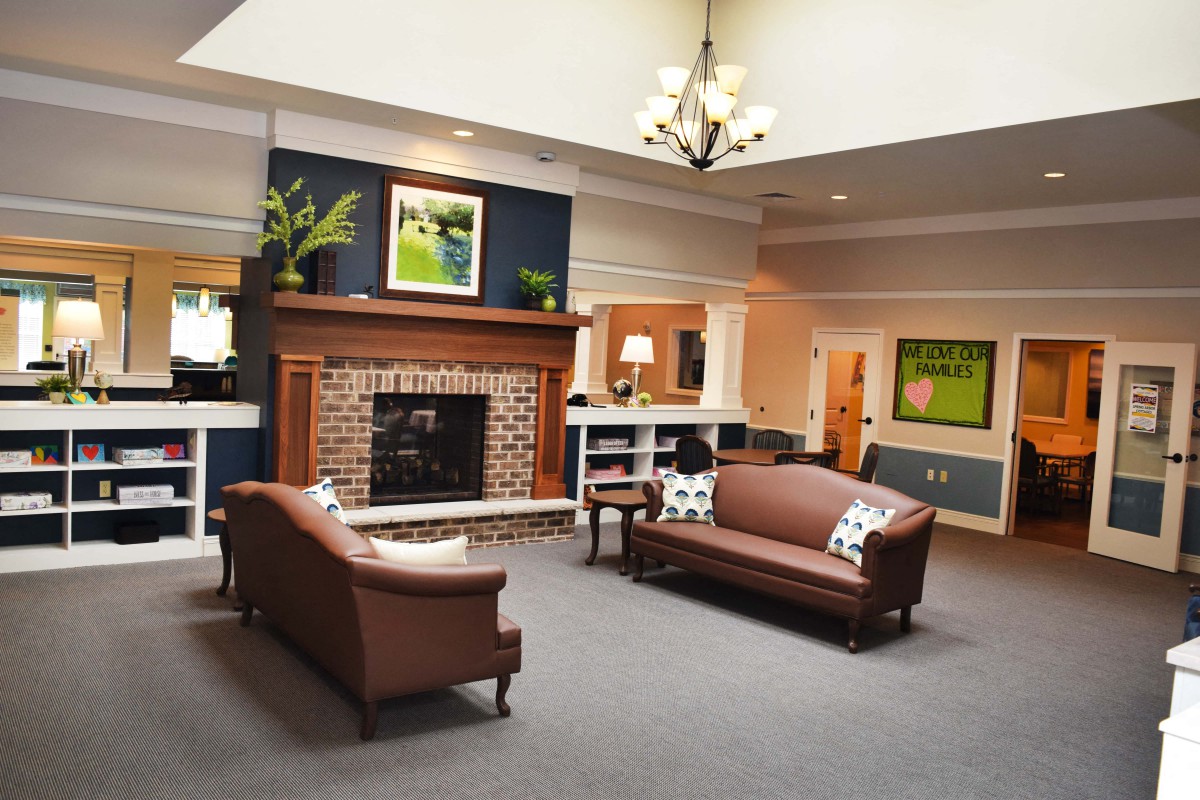
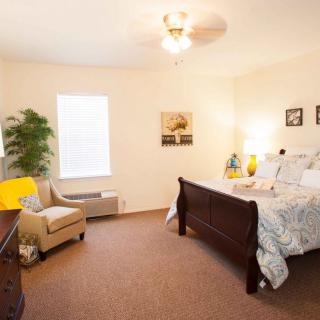
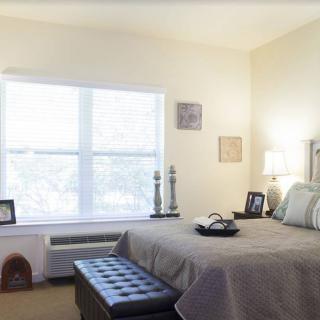
- The facility was nice and well taken care of, and it smelled very clean.
- The staff were amazing, and a nurse stayed with their loved one all night so she wouldn’t be alone.
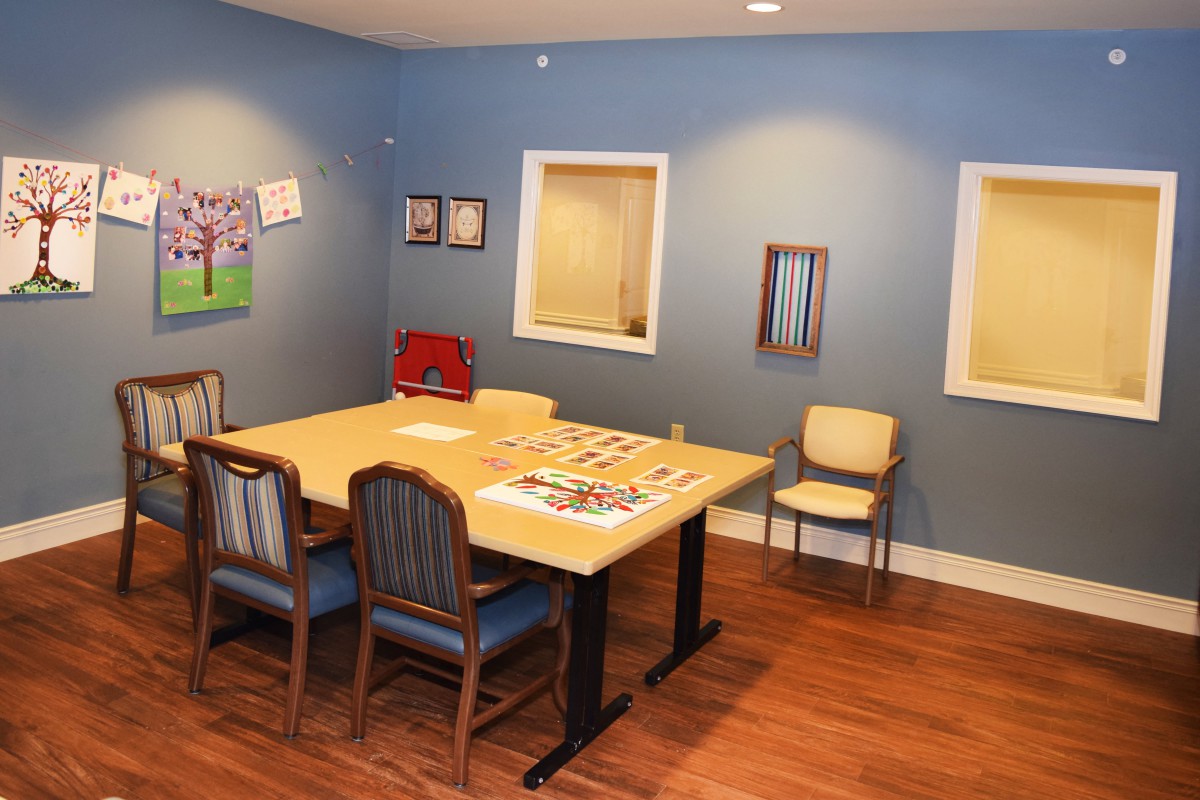
- The activities program was great, with exercise and music days.
- The community was beautiful, and overall it was a great place.
- The staff are wonderful and so helpful, and they really care about all of the patients.
Cons
 There was a lack of communication, with calls ringing to all three buildings and it wasn't seamless to reach the right person.
- The facility went through two management transitions during the mom's stay, causing uncertainty.
- The mom's bathroom counter needed updating, with Formica coming off.
- The mom was not able to participate in the activities she was interested in.
Review
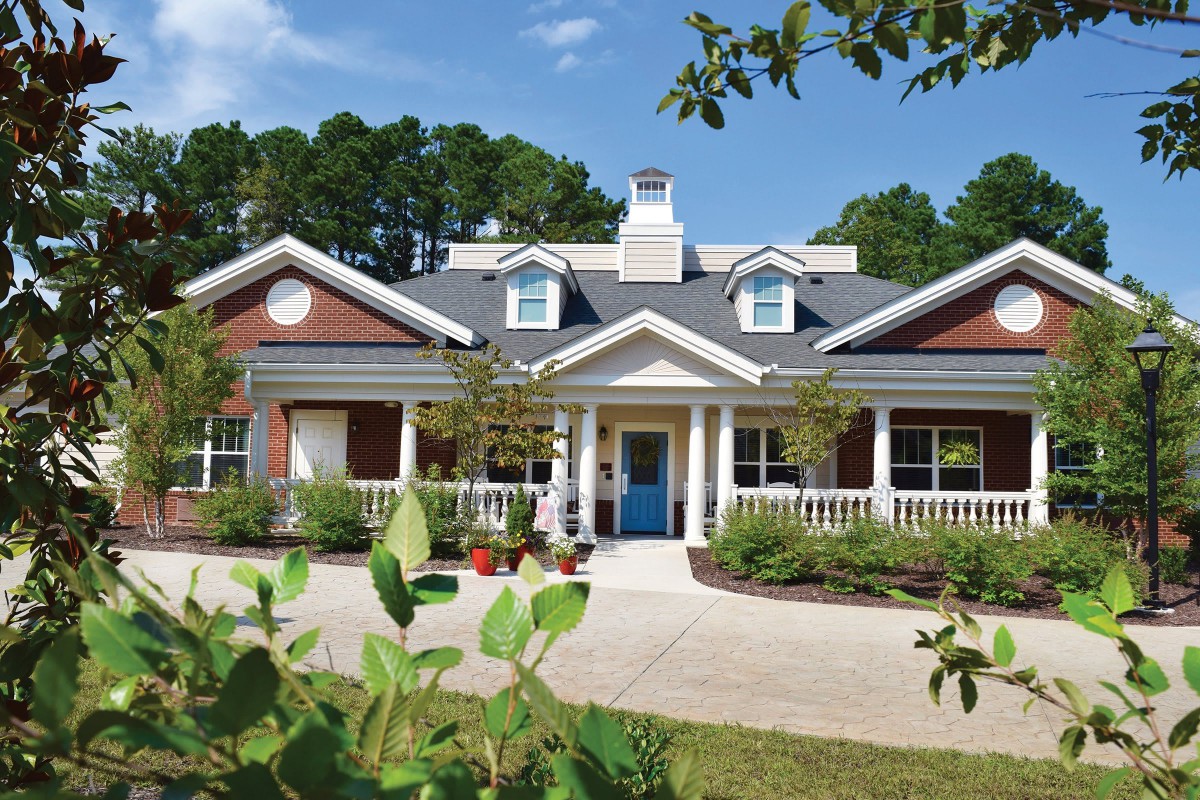
Spring Arbor Cottage of Richmond is best suited for families seeking a memory-care focused environment that feels like a small, self-contained village. The campus is organized into three memory-care cottages, delivering a secure, predictable routine for residents with dementia while preserving dignity through attentive supervision and familiar spaces. This community tends to attract families who want hands-on staff involvement, warmth in daily care, and an emphasis on gentle engagement rather than rigid activity calendars. The care team is consistently described as well-trained and genuinely caring, with a track record of accommodating individual preferences and maintaining comfort. For families seeking hospice-informed support within a compassionate milieu, this setting emerges as a natural fit.
However, the model is not without caveats. Prospective families should be aware that the community experienced two management transitions during a resident’s stay, introducing a degree of policy drift and uncertainty about who to contact for specific needs. Those who prize seamless cross-building communication will want to press for a clear plan detailing how information travels between the memory-care cottages, the administrative offices, and outside providers. While the atmosphere remains supportive, the lack of a single, stable leadership thread can complicate coordination with family members and external partners. Alternatives with longer-standing leadership may feel more predictable for some families.
On the positive side, the strongest argument for Spring Arbor Cottage lies in its caregiving culture. Staff are described as consistently attentive, patient, and responsive, able to sit with a resident during meals and tailor engagement to individual abilities without pressuring participation. Families repeatedly praise the staff for treating residents with respect, and the village-like setting helps preserve dignity for people with memory loss. The facility is clean and well-maintained, and several accounts note that compassionate, one-on-one attentiveness was decisive during end-of-life care, including a hospice nurse staying with a resident overnight. These elements translate into meaningful moments of comfort for both residents and families.
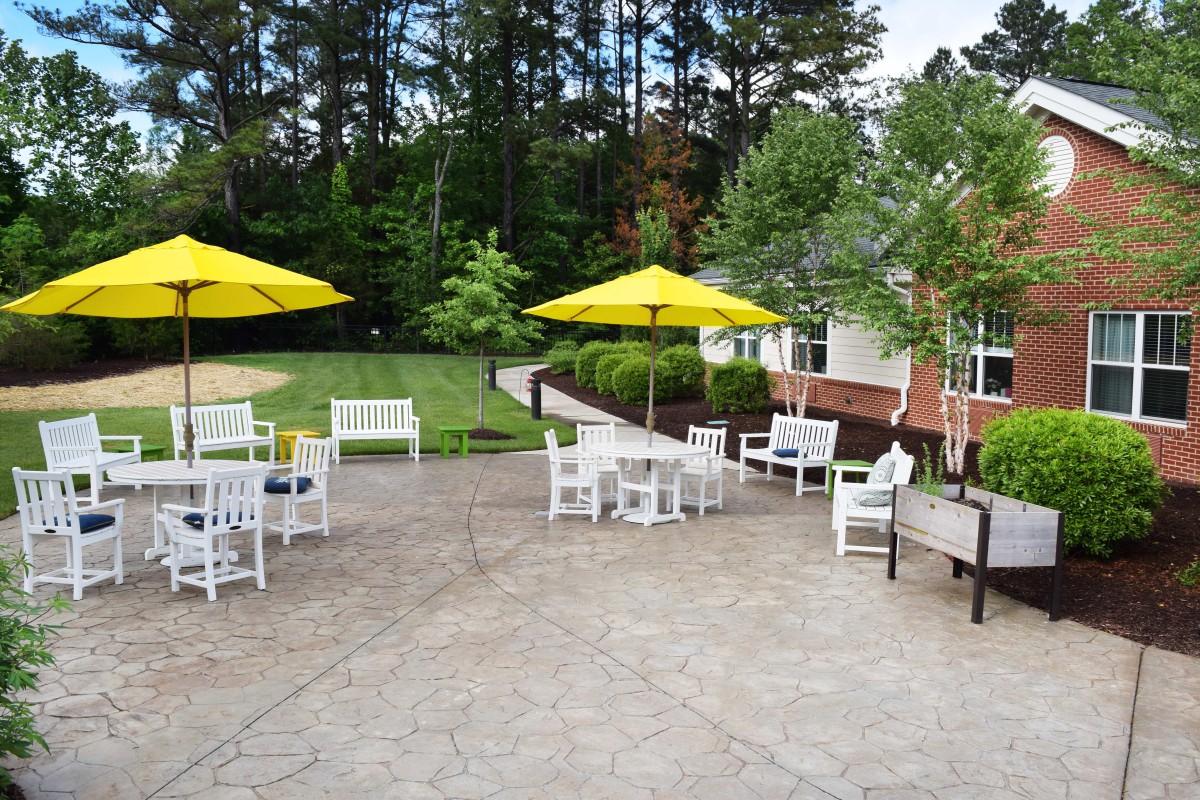
Residents with advanced dementia often require help with all activities of daily living, and Spring Arbor Cottage handles this with a demonstrated level of devotion. One account highlights feeding assistance and daily personal support, illustrating that the care team can meet heavy needs without stigma or frustration. The memory-care programming, exercise, music, and reminiscence-based activities, appears robust enough to engage many residents, even when full participation isn’t possible. The physical layout, a campus designed as a small village, underpins safety and routine, enabling staff to monitor residents closely while offering familiar spaces for social interaction. For families prioritizing a secure, person-centered environment, these strengths matter deeply.
Nevertheless, a prudent buyer should weigh the communication gaps and logistical realities. The same feedback praising staff also flags inconsistent channels, with many calls routing across multiple buildings and not always reaching the right person promptly. The comfort of a well-kept environment and strong caregiving can feel diminished if families struggle to reach administrators or caregivers in real time. Prospects should demand a clear communication plan, a dedicated point of contact, and a transparent protocol for transferring information between memory care, hospice partners, and family members. If real-time responsiveness and administrative clarity are non-negotiable, it is wise to compare with communities known for ultra-streamlined operations.
Bottom line: Spring Arbor Cottage of Richmond offers a compelling option for memory-care residents whose families value compassionate, hands-on caregiving within a secure, village-like setting. The strengths, devoted staff, a clean, welcoming environment, and a robust activity program, substantially offset the cons for many families, especially when heavy care needs coincide with a desire for dignity and comfort at end of life. Those particularly sensitive to leadership continuity or cross-campus communication should test the operational heartbeat thoroughly before committing and should consider alternatives with steadier administrative track records. For the right family, this community delivers trustworthy, human-centered care that can align closely with the needs of a loved one living with memory impairment.
 48 resident community capacity
 Assisted Living
 Memory Care
 Activities off-site
 Air-conditioning
 Beautician on-site
 Cable or satellite TV
 Devotional services on-site
 Dining room
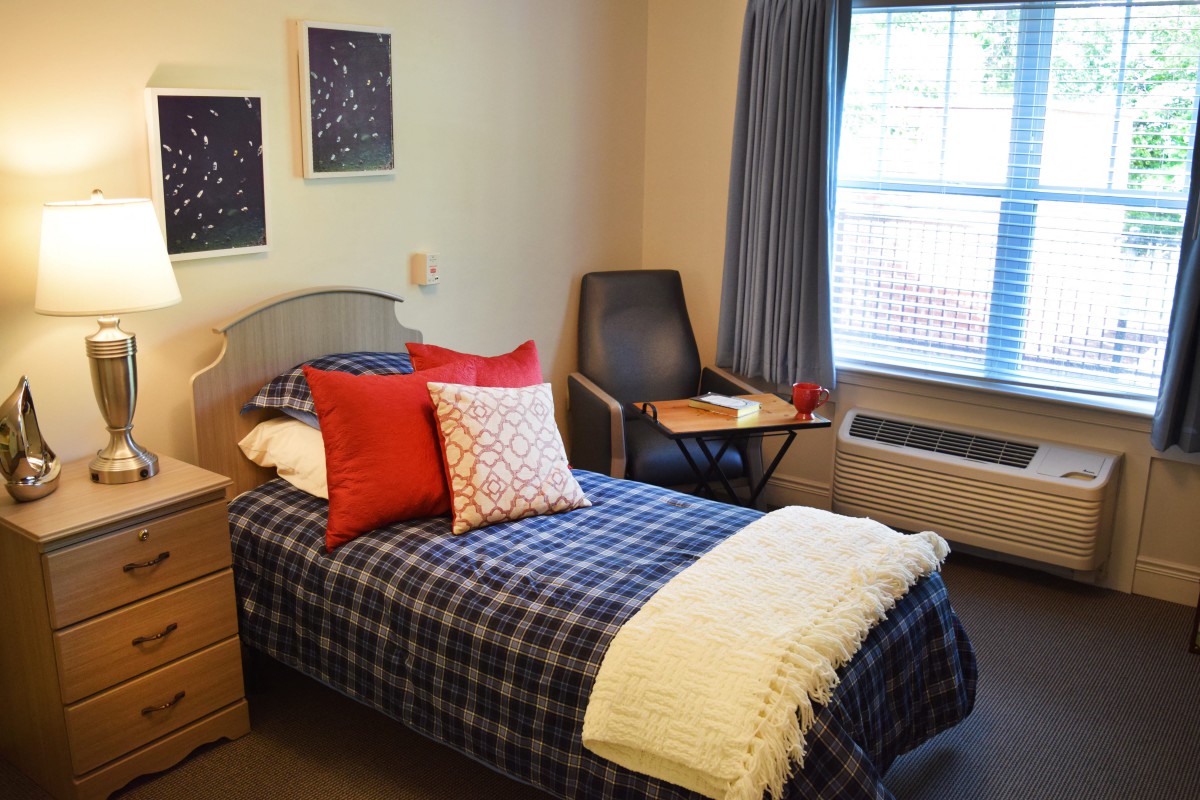
 Fully furnished
 Garden
 Ground floor units
 Handicap accessible
 Housekeeping services
 Indoor common areas
 Kitchenette
 Move-in coordination
 Outdoor common areas
 Respite or short term stays offered
 Telephone
 Wheelchair accessible showers
 Wi-Fi/high-speed internet available
 Richmond International (17 miles away)
 24-hour call system
 Ambulatory care
 Assistance with bathing
 Assistance with dressing
 Assistance with transfers
 Diabetes diet
 Diabetic care
 High acuity care
 Incontinence care
 Meal preparation and service
 Medication management
 Mental wellness program
 Special dietary restrictions
 Transportation arrangement (medical)
 Transportation to doctors appointments
 Art classes
 Bible study group
 Cooking classes
 Day trips and outings
 Happy hour
 Karaoke
 Live dance or theater performances
 Live musical performances
 Live well programs



 An In-Depth Look at Reminiscence Therapy in Dementia Care
 Dementia-Related Hallucinations: Causes, Experiences, and Practical Approaches
 Illuminating Insights About Alzheimer's Disease: Ten Crucial Realities