





1503 Michael Road, Richmond, VA 23229
For more information about senior living options: (866) 208-4318
Overall Review of St. Joseph's Home For The Aged
Pros
 The care at August Healthcare at Richmond has been excellent.
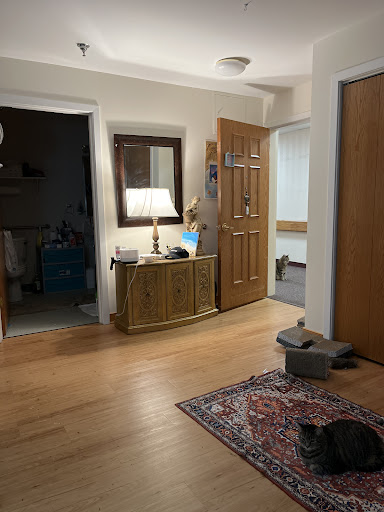
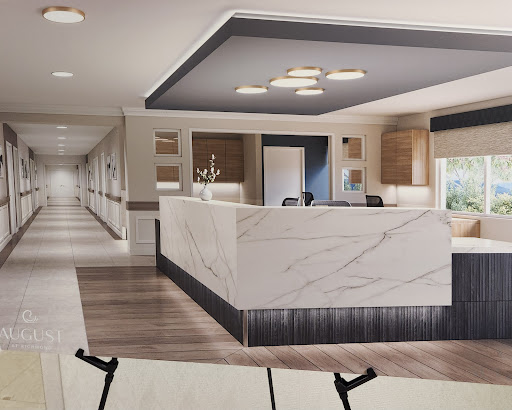
- The facilities are very good, and the renovation plans look promising.
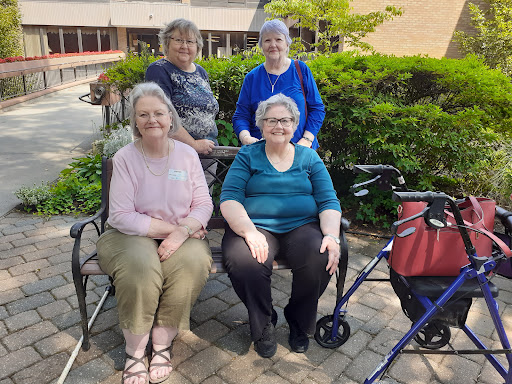
- The staff are excellent and get to know the residents well.
- He is receiving excellent care and loves the food.
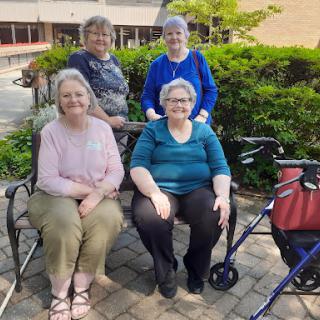
- The common areas are nice, with plenty of games, activities, and road trips.
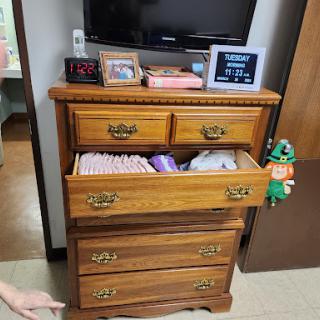
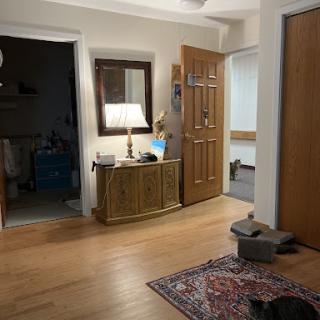
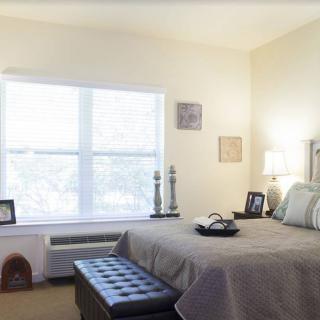
- The physical therapy there is excellent, and private rooms add value.
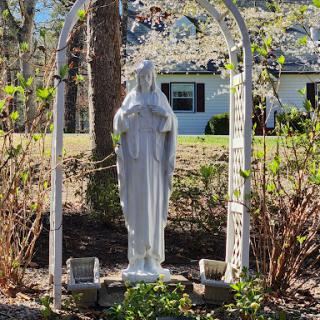
- Little Sisters of the Poor - St. Joseph's Home is well-run, pleasant, and genuinely attentive to residents' physical, emotional, and spiritual needs.
Cons
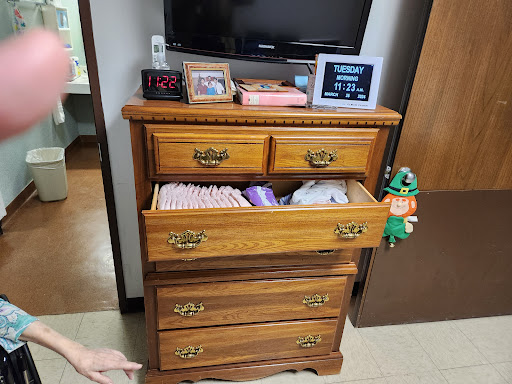
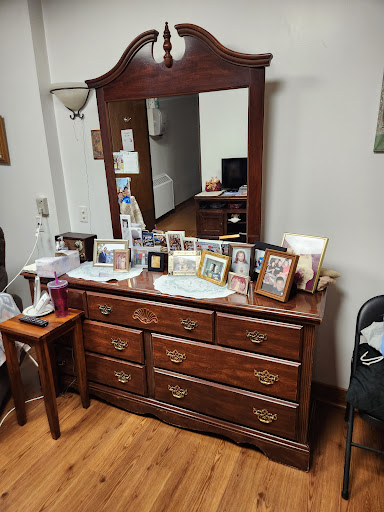
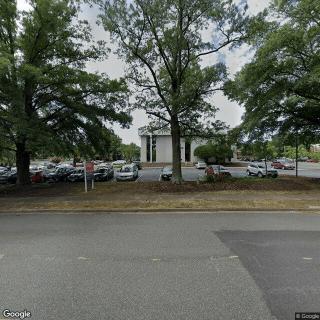
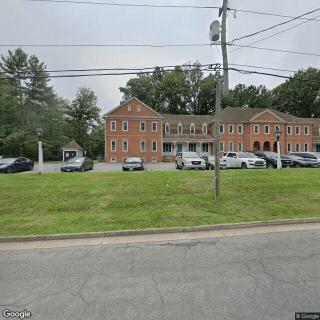
 The facility is a little bit dated.
- They were on lockdown due to COVID.
- The reviewer expected a run-down nursing home with drab rooms and sub-par care.
- They have seen better activity programs at other places.
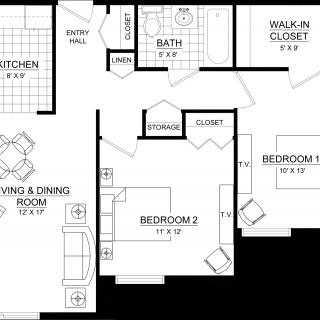
- Sharing a bathroom with one person is pretty unusual.
Review
St. Joseph's Home For The Aged in Richmond is best suited for families seeking a faith-centered, caregiving-focused environment where residents receive steady, on-site medical attention and a quiet, intimate community feel. Operated by the Little Sisters of the Poor, the facility prioritizes spiritual as well as physical well-being, and it appeals to those who value predictable routines, personal attention, and a budget-conscious option through Medicaid. Residents typically have private rooms, and the care model emphasizes continuity, staff who know each resident’s needs, preferences, and pace, with nursing and support personnel who can coordinate care across daily activities, therapy, and medical appointments.
Those who should consider alternatives are families looking for a secular setting with expansive amenities or a bustling social calendar. The setting is simple and deliberately low-key, not a resort-like campus, and the activity lineup can feel modest compared with large private facilities. If a resident or family member expects a highly varied stimulation program, cutting-edge rehab options, or modern décor, other communities may deliver more of what’s desired. Additionally, if the resident’s beliefs or spiritual needs diverge from Catholic practice, this environment may not be the best fit, making a secular or differently aligned community worth exploring.
The strongest positives center on care quality and the culture of the house. On-site medical care reduces transport needs, and the hands-on approach, from nuns and aides, creates a sense of reliability and warmth that families consistently note. Staff are described as courteous, patient, and genuinely attentive, with a nursing team that takes pride in knowing residents well and adapting to individual schedules. Private rooms contribute to privacy and comfort, while on-site physical therapy and regular medical services support ongoing functional well-being. The spiritual framework provides a stabilizing anchor, offering meaningful emotional support that resonates with residents seeking more than routine clinical care.
Yet the setting does come with trade-offs that prospective residents should weigh against these strengths. A broader activity program and more contemporary amenities are not the primary draw here, which can feel limiting for those who equate senior living with abundant social options. The Catholic orientation, while a strength for many, may not align with every resident’s beliefs, and the value of resources is shaped by Medicaid funding, which can influence the scope of services and facility upgrades. Still, these constraints often sharpen the focus on dependable caregiving, consistent routines, and a calm environment, benefits that many families prize when stability and long-term relationship-building with staff are paramount.
For families evaluating a visit, practical questions will help translate philosophy into daily lived experience. Confirm the availability and layout of private rooms and bathrooms, and probe how responsive the medical team is to urgent versus routine needs. Review the activity calendar, sponsorship of spiritual services, dining options, and whether meal plans accommodate dietary restrictions and preferences. It is worthwhile to observe meal quality and taste as a proxy for overall nutrition, and to assess how communication with family and coordination of external appointments are handled. Understanding how daily life is balanced between spiritual practices, social interaction, and medical routines will clarify alignment with a resident’s goals.
Bottom line: St. Joseph's Home For The Aged stands out for families prioritizing a faith-informed, compassionate care model enriched by reliable on-site medical support and private accommodations. It delivers solid value for those navigating Medicaid considerations, offering a warm, respectful environment where spiritual and emotional well-being sit alongside physical care. Alternatives should be contemplated if secular settings with more expansive activities, high-end amenities, or aggressive rehab programs are non-negotiable. For families leaning into the Catholic caregiving tradition or seeking a steady, intimate setting where staff know residents well, this community is a strong match. A focused visit with questions about care quality, spiritual life, and daily routines will finalize the fit.
 40 resident community capacity
 Assisted Living
 Respite Care
 Skilled Nursing Facility
 Beauty salon
 Cable or satellite TV
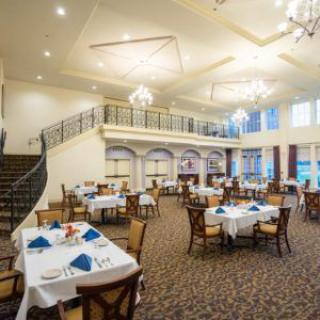
 Dining room
 Financial aid
 Fully furnished
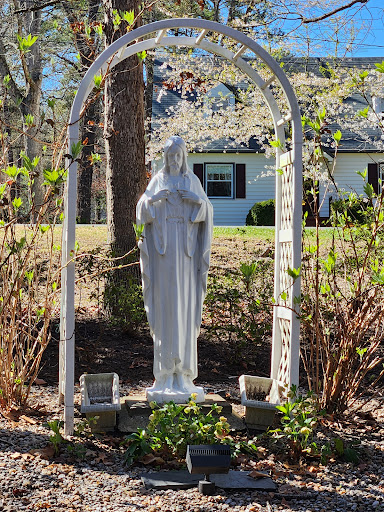
 Garden
 Housekeeping services
 Kitchenette
 Move-in coordination
 Outdoor space
 Restaurant-style dining
 Small library
 Telephone
 Wi-Fi/high-speed internet available
 Richmond International (14 miles away)
 24-hour call system
 Activities of daily living assistance
 Assistance with bathing
 Assistance with dressing
 Assistance with transfers
 Diabetes diet
 Medication management
 Mental wellness program
 Special dietary restrictions
 Religious services
 English


 Senior Transition Services: Understanding Their Role, Cost, and Importance
 Exploring the Path to Senior Living: A Comprehensive Look at Independent Living and Assisted Living
 Is Assisted Living Deductible on Your Taxes? Understanding the Complexities of Assisted Living Expenses and Deductions