For more information about senior living options: (866) 208-4318
4.2 from 54 reviews
5 stars
39
4 stars
2
3 stars
4
2 stars
2
1 stars
7
East Texas - Waterton Inn Costs & Pricing
At East Texas - Waterton Inn, the monthly costs for accommodations present an appealing option compared to both Smith County and the broader Texas market. For instance, a studio apartment at Waterton Inn is priced at $2,850, significantly lower than the county average of $3,389 and the state average of $3,758. One-bedroom units follow a similar trend; priced at $3,250, they offer compelling value against Smith County's rate of $3,183 and Texas's average of $3,761. Even in two-bedroom configurations, which cost $3,550 at Waterton Inn, it remains more economical than both county and state averages - $3,996 and $4,215 respectively. Overall, the pricing structure at East Texas - Waterton Inn positions it as a cost-effective choice for those seeking quality living arrangements in a competitive marketplace.
Floor plans
East Texas - Waterton Inn
Smith County
Texas
Studio
$2,850
$3,389
$3,758
1 Bedroom
$3,250
$3,183
$3,761
2 Bedrooms
$3,550
$3,996
$4,215
Assisted Living communities with a similar price nearby
Residents repeatedly highlight therapy as a major reason they noticed improvement.
A lot of reviews focus on therapy—especially balance work, outpatient therapy, and rehab after hospitalization. Several families describe measurable gains like improved walking or progress toward fall-prevention goals, and they frequently praise the therapists’ approach and encouragement. There’s also criticism from a smaller set of reviewers who felt rehab wasn’t effective for their loved one’s situation, with limited time or participation.
common10 reviews mention this
Facility stays notably clean
Many reviewers mention cleanliness and minimal odor during visits or stays.
Cleanliness comes up in multiple reviews, including comments that the facility does not smell and looks well kept, including around renovations and remodeling. Some reviewers also tie cleanliness to the dining areas and the overall space, reinforcing that they noticed upkeep during visits. On the downside, a few reviews report cleaning being sporadic or trash and care tasks not being handled consistently, which suggests the experience can vary by time and staffing.
caveat7 reviews mention this
Food quality is mixed
Food gets both praise and complaints in residents’ and families’ reviews.
Several reviewers describe the food positively, including lunches that were “cooked just right,” meals being good, and even room delivery in a timely way. Others specifically mention meal choices for dietary needs like renal or diabetic patients. But there are also negative comments about food not being good, along with broader complaints in the same reviews about conditions in public restrooms.
caveat5 reviews mention this
Care responsiveness can vary
Some reviews raise concerns about call-light response and consistency of nursing care.
A recurring negative thread is care responsiveness and follow-through, including reports that call lights were not answered and that weekend wound care wasn’t completed even with orders. Other reviewers describe periods when staffing felt short-handed, which they connect to delayed or strained care. The most severe criticisms include neglect-related outcomes and a lack of appropriate action after concerns were raised, while other reviews balance that with more positive experiences—suggesting results may depend on timing and the care team involved.
How we summarize
Counts show how many written reviews mention each theme; a review can touch several themes, and only frequently mentioned themes are displayed.
Features
Housing
39 resident community capacity
Types of Care
Assisted Living
Respite Care
Amenities
Activities on-site
Beauty salon
Cable or satellite TV
Devotional services off-site
Dining room
Fully furnished
Garden
Housekeeping services
Indoor common areas
Kitchenette
Move-in coordination
Outdoor space
Restaurant-style dining
Small library
Telephone
Wi-Fi/high-speed internet available
Transportation
Tyler Pounds (9 miles away)
Care Services
24-hour call system
24-hour supervision
Activities of daily living assistance
Ambulatory care
Assistance with bathing
Assistance with dressing
Assistance with transfers
Diabetes diet
Diabetic care
Meal preparation and service
Medication management
Mental wellness program
Special dietary restrictions
Dining
Diabetes diet
Meals provided
Special dietary restrictions
Activities
Activities on-site
Community-sponsored activities
Devotional activities offsite
Resident-run activities
Scheduled daily activities
Nearby Places of Interest
Located in the heart of Tyler, Texas, this area offers a wide range of amenities and services that cater to senior living needs. With multiple hospitals and medical centers nearby, including DaVita Renal Center and Christus Trinity Mother Frances Rehabilitation Hospital, residents can feel at ease knowing they have access to quality healthcare. In addition, there are numerous pharmacies, physicians' offices, and cafes within close proximity for convenience. Places of worship such as Green Acres Baptist Church and Tyler Tabernacle offer spiritual fulfillment, while entertainment options like Times Square Movie Theater provide opportunities for recreation. Overall, this area provides a well-rounded community with essential resources for seniors looking to reside in a vibrant and convenient location.
Hospitals
DaVita Renal Center Of Waterton (0.1 miles)
Christus Trinity Mother Frances Rehabilitation Hospital, a partner of Encompass Health (1.7 miles)
At East Texas - Waterton Inn, the monthly costs for accommodations present an appealing option compared to both Smith County and the broader Texas market. For instance, a studio apartment at Waterton Inn is priced at $2,850, significantly lower than the county average of $3,389 and the state average of $3,758. One-bedroom units follow a similar trend; priced at $3,250, they offer compelling value against Smith County's rate of $3,183 and Texas's average of $3,761. Even in two-bedroom configurations, which cost $3,550 at Waterton Inn, it remains more economical than both county and state averages - $3,996 and $4,215 respectively. Overall, the pricing structure at East Texas - Waterton Inn positions it as a cost-effective choice for those seeking quality living arrangements in a competitive marketplace.
Transitioning from assisted living to memory care is driven by an individual's cognitive decline and specific needs, requiring careful evaluation of indicators like increased confusion and wandering. The process involves consulting medical professionals, researching suitable communities, considering financial and legal aspects, and ensuring effective communication for personalized care plans.
Assisted living provides moderate support for seniors seeking independence, while memory care offers specialized support for individuals with dementia or cognitive impairments through structured routines and trained staff. Key differences include care approaches, environment security measures, staff training levels, activity types, and cost considerations.
Assisted living communities offer diverse activities beyond traditional games to enhance seniors' physical health, cognitive well-being, emotional enrichment, and social connections, including fitness classes, creative expression, and intergenerational interactions. These enriching programs foster community bonds and support residents' independence and happiness.
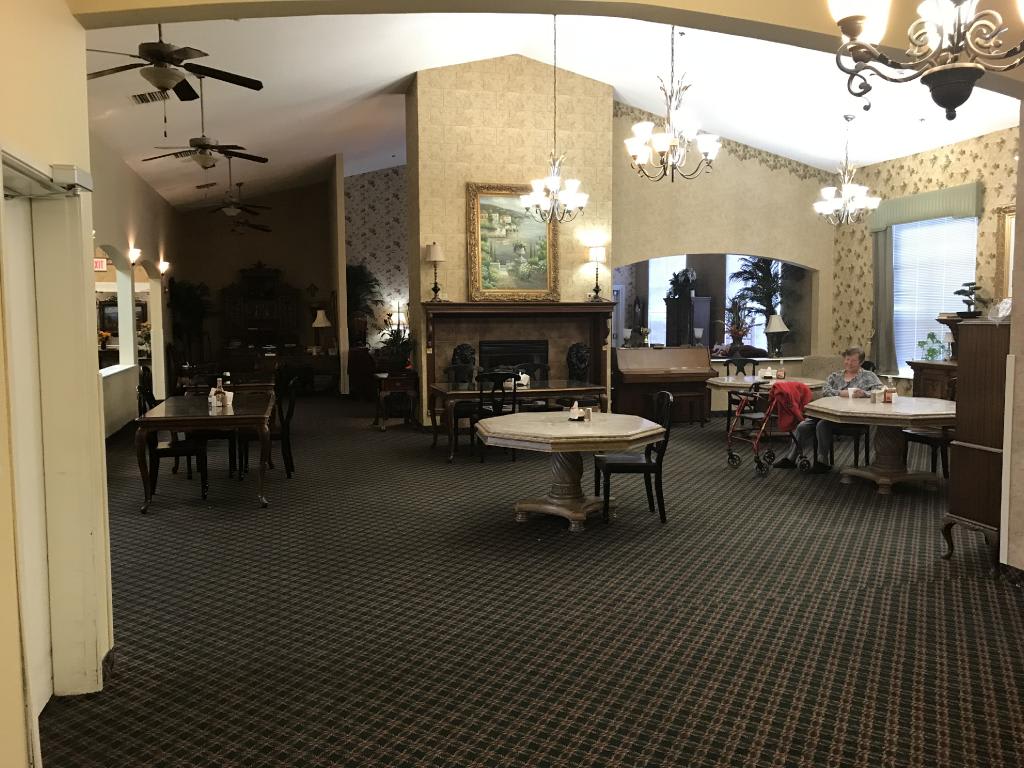
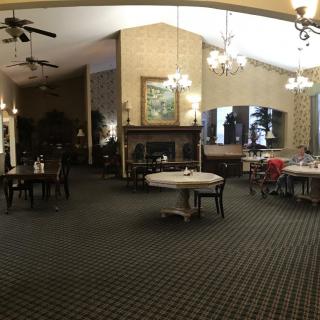
Interior, Dining, Lighting, Chandelier, and Fireplace
Get PricingAsk A QuestionSchedule A TourContact Senior Advisor
By clicking submit, you agree to our Partner's Terms of Use. You
also consent to receive calls and texts, which may be autodialed, from our Partner. Your consent is not a condition to
using our Partner's service. Please visit our Partner's Privacy Policy for information about their privacy practices.



 39 resident community capacity
 Assisted Living
 Respite Care
 Activities on-site
 Beauty salon
 Cable or satellite TV
 Devotional services off-site
 Dining room
 Fully furnished
 Garden
 Housekeeping services
 Indoor common areas
 Kitchenette
 Move-in coordination
 Outdoor space
 Restaurant-style dining
 Small library
 Telephone
 Wi-Fi/high-speed internet available
 Tyler Pounds (9 miles away)
 24-hour call system
 Ambulatory care
 Assistance with bathing
 Assistance with dressing
 Assistance with transfers
 Diabetes diet
 Diabetic care
 Medication management
 Mental wellness program
 Special dietary restrictions
 24/7 supervision with comprehensive care (ADL support, meals, and transportation).



 When to Transition from Assisted Living to Memory Care: Key Indicators, Steps, and Finding the Right Community
 Assisted Living and Memory Care: Understanding Their Core Differences
 Beyond the Bingo Hall: 50+ Enriching Activities for Seniors in Assisted Living