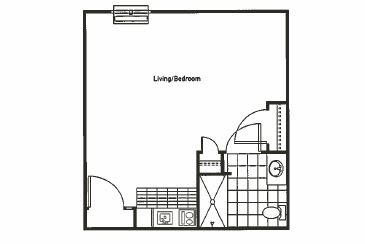
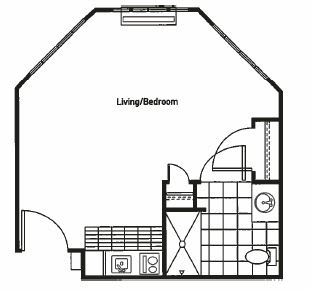
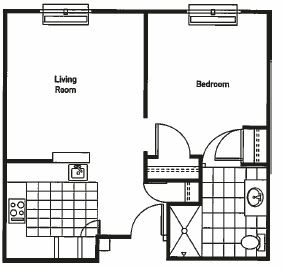
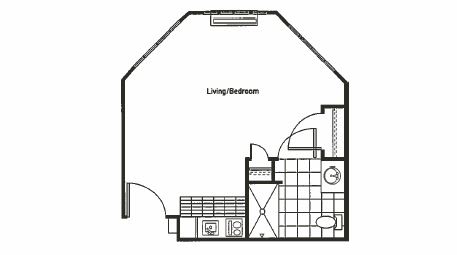
Garden Estates of Tyler offers competitive pricing for its accommodations when compared to both Smith County and the broader Texas market. For a studio, residents can expect to pay $2,295 monthly, significantly lower than the county average of $3,389 and the state average of $3,758. Similarly, the one-bedroom option at Garden Estates is priced at $2,595, which again presents a more affordable alternative compared to Smith County's $3,183 and Texas's $3,761. The two-bedroom units are also attractively priced at $3,695, undercutting the county's average of $3,996 and the state's average of $4,215. Overall, Garden Estates of Tyler provides an appealing value proposition for potential residents seeking quality living arrangements without the hefty price tag typically associated with similar facilities in the area.
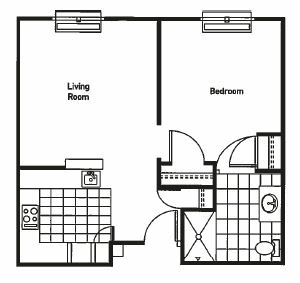
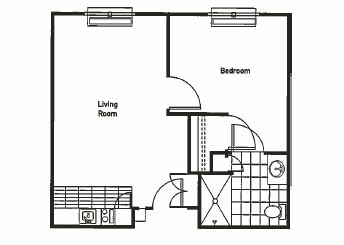
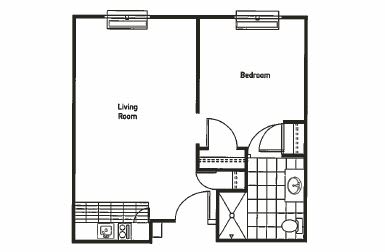
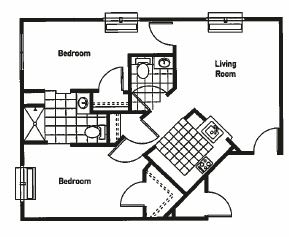
Floor plans
Garden Estates of Tyler
Smith County
Texas
Studio
$2,295
$3,389
$3,758
1 Bedroom
$2,595
$3,183
$3,761
2 Bedrooms
$3,695
$3,996
$4,215
Assisted Living communities with a similar price nearby
Residents and families repeatedly describe staff as kind, responsive, and supportive.
Many reviewers say the staff is friendly and makes them feel welcome, from move-in through day-to-day needs. Several families specifically mention quick responses to calls and questions, plus help finding local resources. A few reviews also mention professional conduct at the front desk and staff going out of their way during care situations and transitions.
common10 reviews mention this
Clean, well-kept facility
Cleanliness stands out as a consistent point in residents’ and families’ comments.
Multiple reviews highlight the facility as clean and fresh-smelling, and describe common areas and rooms as well kept. A few also connect cleanliness with overall confidence in the place, including for short visits and tours. Even among reviewers who had other concerns, cleanliness is mentioned as a strength.
common14 reviews mention this
Activities help residents stay engaged
Activities and social time are a frequent reason families say residents are happier.
Reviews often mention scheduled activities, daily exercise, bingo, games, and outings that keep residents occupied. Some reviewers describe the community as lively and family-like, where residents have chances to socialize and make friends. A few also note limitations based on individual preferences or hearing, but still credit the variety and planning of activities.
caveat23 reviews mention this
Food quality is inconsistent
Food is a recurring mixed point, with some residents and families unhappy with quality or diet fit.
Some reviewers praise the meals as good, restaurant-style, or having enough options to choose from. At the same time, multiple comments criticize the food, calling it bland, cold, overly carb-heavy, or not suitable for diabetics and other health needs. Others also mention declines over time or changes coming from corporate, and at least one reviewer says residents did not like what was being served frequently.
common9 reviews mention this
Good value and financial support
Pricing comes up often, with families saying it offers good value.
Several reviews say the community is affordable or a good value for what is included, sometimes comparing it favorably to other options they toured. Some reviewers also mention avoiding sticker shock and receiving help with financial planning. A few others note add-ons or cost concerns, but overall pricing and support are discussed more as positives than as dealbreakers.
How we summarize
Counts show how many written reviews mention each theme; a review can touch several themes, and only frequently mentioned themes are displayed.
Features
Housing
70 resident community capacity
1-bedroom apartments
2-bedroom apartments
Studio apartments
Types of Care
Assisted Living
Independent Living
Memory Care
Skilled Nursing Facility
Pets
Cats allowed
Dogs allowed
Amenities
Activities off-site
Activities on-site
Air-conditioning
Beautician on-site
Beauty salon
Cable or satellite TV
Computer center
Devotional services off-site
Devotional services on-site
Dining room
Financing advice
Fitness room
Full kitchen
Fully furnished
Gaming room
Garden
Garden view
General store
Ground floor units
Guasts at mealtime
Guest parking
Home sale assistance
Housekeeping services
Indoor common areas
Kitchenette
Laundry
Move-in coordination
Outdoor common areas
Outdoor space
Overnight guests
Party space
Private bathrooms
Private cleaning services
Resident parking
Respite or short term stays offered
Restaurant-style dining
Small library
TV room
Telephone
VA Benefits Consultation
Wellness center
Wheelchair accessible showers
Wi-Fi/high-speed internet available
Transportation
Tyler Pounds (7 miles away)
Community operated transportation
Transportation & parking
Transportation arrangement
Transportation to doctors appointments
Care Services
12-16 hour nursing
24-hour call system
24-hour supervision
Activities of daily living assistance
Ambulatory care
Assistance with bathing
Assistance with dressing
Assistance with transfers
Diabetes diet
Diabetic care
Incontinence care
Meal preparation and service
Medication management
Mental wellness program
Mild cognitive impairment
Physical therapy
Special dietary restrictions
Specialized memory care programming
Dining
Diabetes diet
Guest meals
Low / no sodium
Meals provided
No Sugar
Professional chef
Restaurant style dining
Room service
Special dietary restrictions
Activities
Activities off-site
Art classes
Arts and crafts
Community-sponsored activities
Concierge services
Cooking classes
Day trips and outings
Devotional activities offsite
Devotional activities on-site
Educational speakers / life long learning
Fitness programs
Gardening club
Happy hour
Live dance or theater performances
Live musical performances
Planned day trips
Religious services
Resident-run activities
Scheduled daily activities
Stories
Stretching classes
Wine tasting
Languages Spoken
English
Videos
Nearby Places of Interest
This area of Tyler, Texas offers a convenient and comfortable setting for senior living. With several pharmacies located within close proximity, easy access to restaurants, places of worship, physicians' offices, and cafes makes running errands or attending appointments hassle-free. The presence of theaters and parks provides opportunities for entertainment and recreation. Additionally, reliable transportation options such as Hertz Rent A Car are available for those who prefer not to drive. In case of medical emergencies or necessary care, the Christus Trinity Mother Frances Rehabilitation Hospital is located nearby. Overall, this neighborhood offers a well-rounded community with amenities tailored to meet the needs of seniors.
Pharmacies
Walmart Pharmacy (0.1 miles)
Good's Pharmacy (0.1 miles)
Smart Rx Pharmacy (1.4 miles)
Family First Pharmacy (1.5 miles)
Walgreens (1.5 miles)
Drug Emporium (1.6 miles)
Kinsey's Pharmacy (1.6 miles)
Restaurants
Whataburger (0.2 miles)
Taco Bell (0.2 miles)
Sonic Drive-In (0.2 miles)
1836 Texas Kitchen (0.4 miles)
Texas Music City Grill & Smokehouse (0.5 miles)
Javi's (1.2 miles)
Traditions (1.3 miles)
Places of Worship
Calvary Baptist Church (0.6 miles)
Congregation Beth El (1.5 miles)
Tyler Christian Fellowship (2.1 miles)
Green Acres Baptist Church (3.7 miles)
Physicians
Epiphany Dermatology (0.7 miles)
Drug & Alcohol Testing Compliance Services (1 miles)
Dr Hope Short, MD (1.2 miles)
Dermatology Associates of Tyler (1.3 miles)
Health At Work (1.4 miles)
Trinity Clinic, Medical Specialties, Urgent Care, Directcare (1.6 miles)
Audiology Associates of East Texas (1.6 miles)
Cafes
Crema Coffee Co. (1.1 miles)
The Coco Bean (1.3 miles)
Panera Bread (1.4 miles)
Ming's Cafe (1.4 miles)
Coffee City USA (1.4 miles)
Starbucks (1.9 miles)
Starbucks (2.5 miles)
Theaters
Times Square Movie Theater (1.6 miles)
SMG Tyler (2.7 miles)
Parks
Faulkner Park (2 miles)
Transportation
Hertz Rent A Car (2.1 miles)
Hospitals
Christus Trinity Mother Frances Rehabilitation Hospital, a partner of Encompass Health (3.7 miles)
Garden Estates of Tyler offers competitive pricing for its accommodations when compared to both Smith County and the broader Texas market. For a studio, residents can expect to pay $2,295 monthly, significantly lower than the county average of $3,389 and the state average of $3,758. Similarly, the one-bedroom option at Garden Estates is priced at $2,595, which again presents a more affordable alternative compared to Smith County's $3,183 and Texas's $3,761. The two-bedroom units are also attractively priced at $3,695, undercutting the county's average of $3,996 and the state's average of $4,215. Overall, Garden Estates of Tyler provides an appealing value proposition for potential residents seeking quality living arrangements without the hefty price tag typically associated with similar facilities in the area.
Garden Estates of Tyler offers a comprehensive range of features that are essential for supporting residents with dementia or Alzheimer's disease. The facility provides 24-hour supervision, ensuring a safe environment where staff can quickly respond to any needs or emergencies. Assistance with activities of daily living, such as bathing, dressing, and transfers helps maintain dignity while promoting independence. Incontinence care is sensitively managed to enhance comfort, while meal preparation and service cater to nutritional needs important for overall health. Medication management ensures each resident receives the correct prescriptions timely, reducing the risks associated with mismanagement. Additionally, a mental wellness program and specialized memory care programming engage residents cognitively and emotionally, fostering connections and improving quality of life. Incorporating physical therapy also aids in maintaining mobility and strength, addressing not only cognitive challenges but also physical well-being in individuals experiencing mild cognitive impairment or more advanced stages of memory loss.
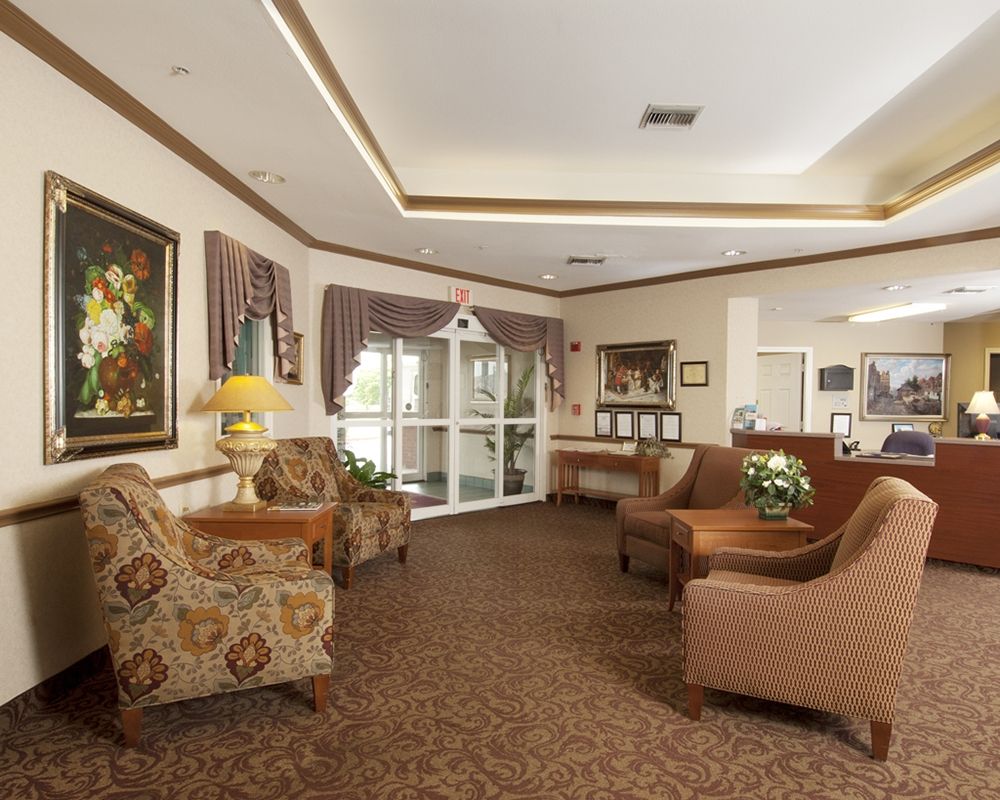
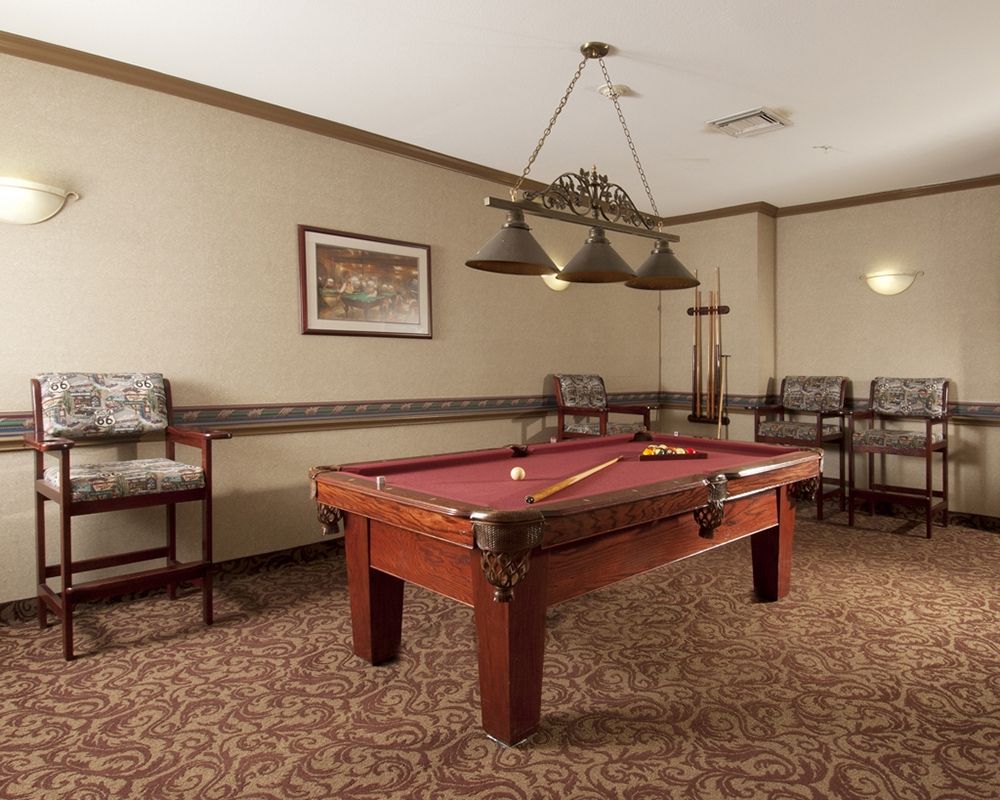
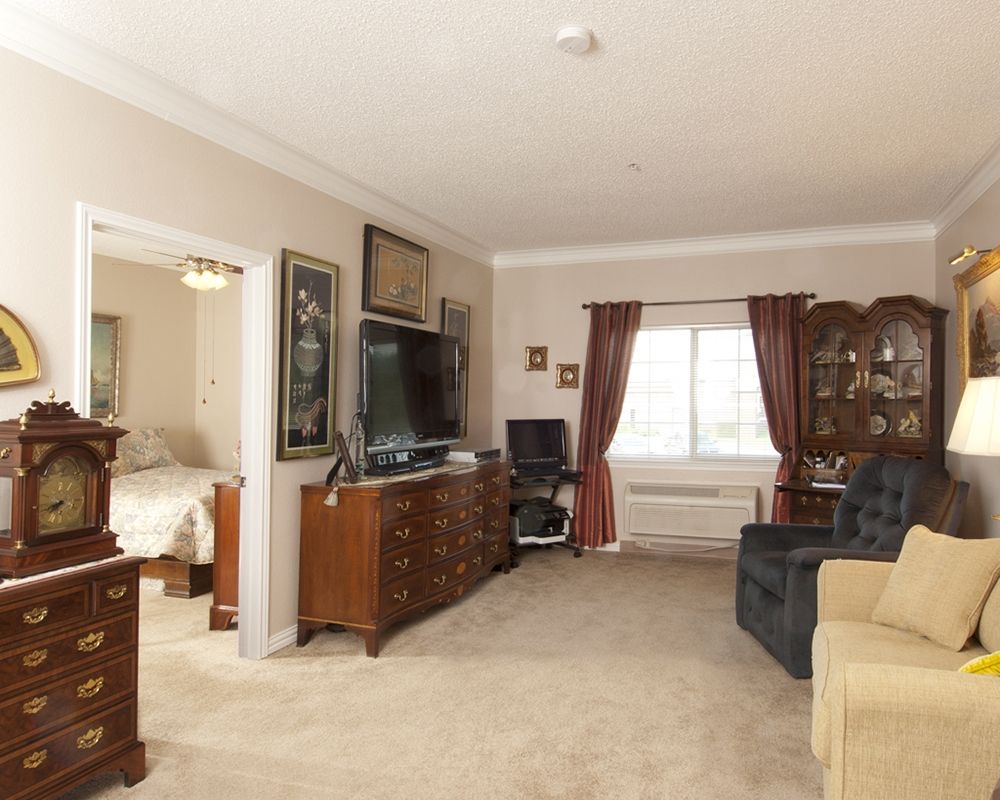
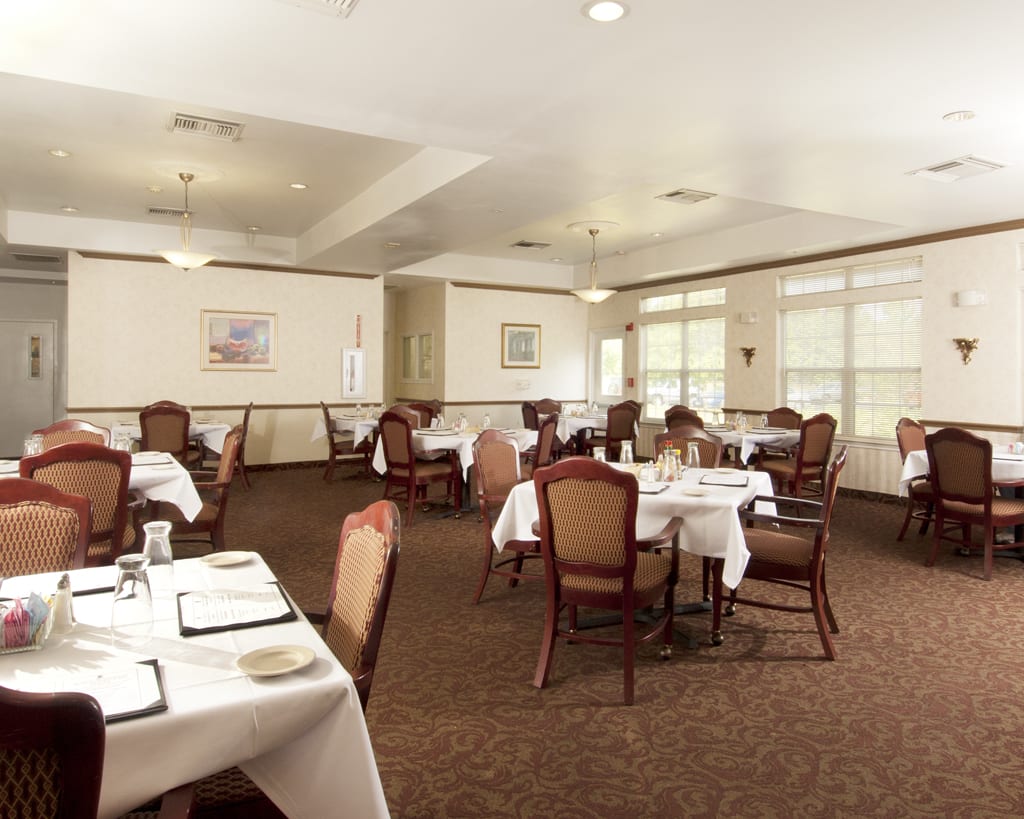
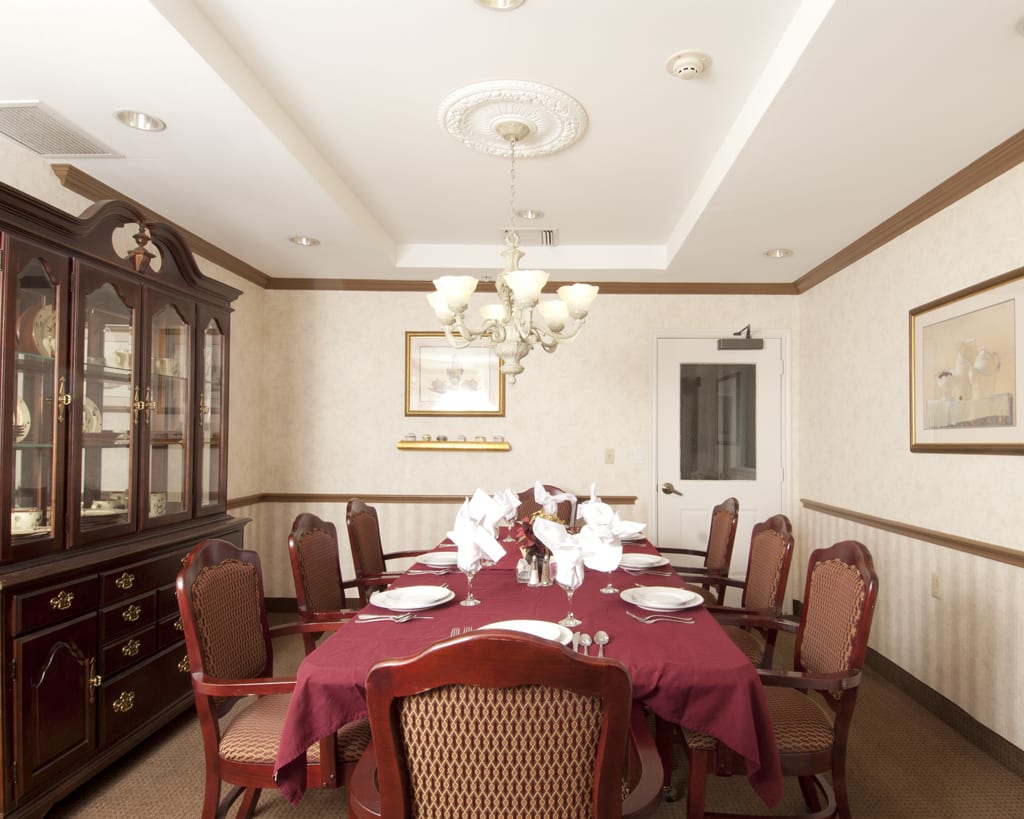
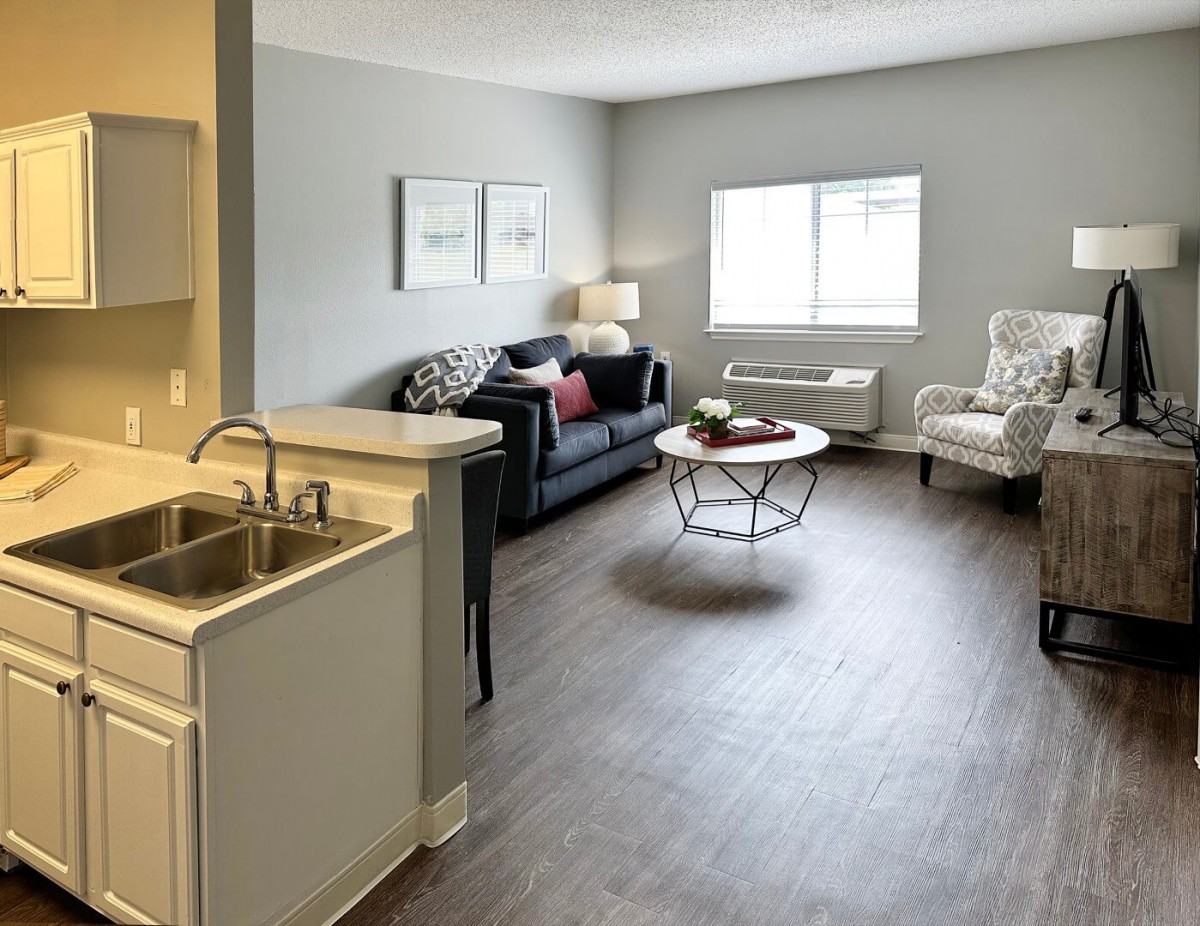
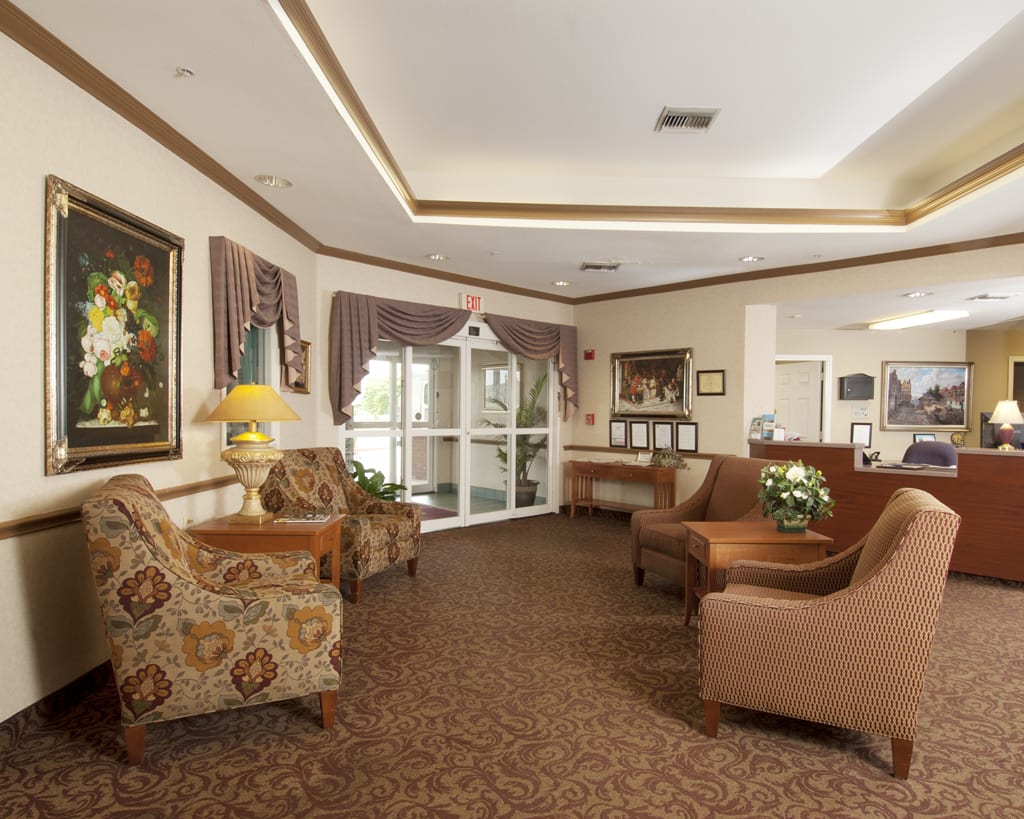
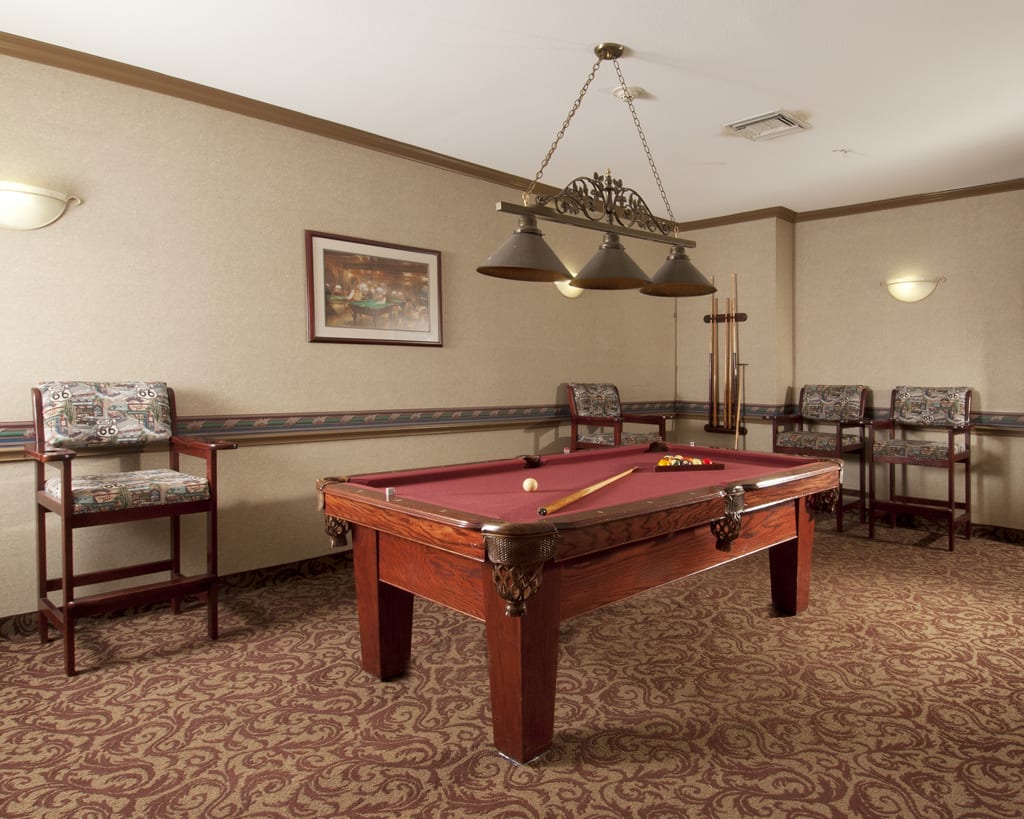
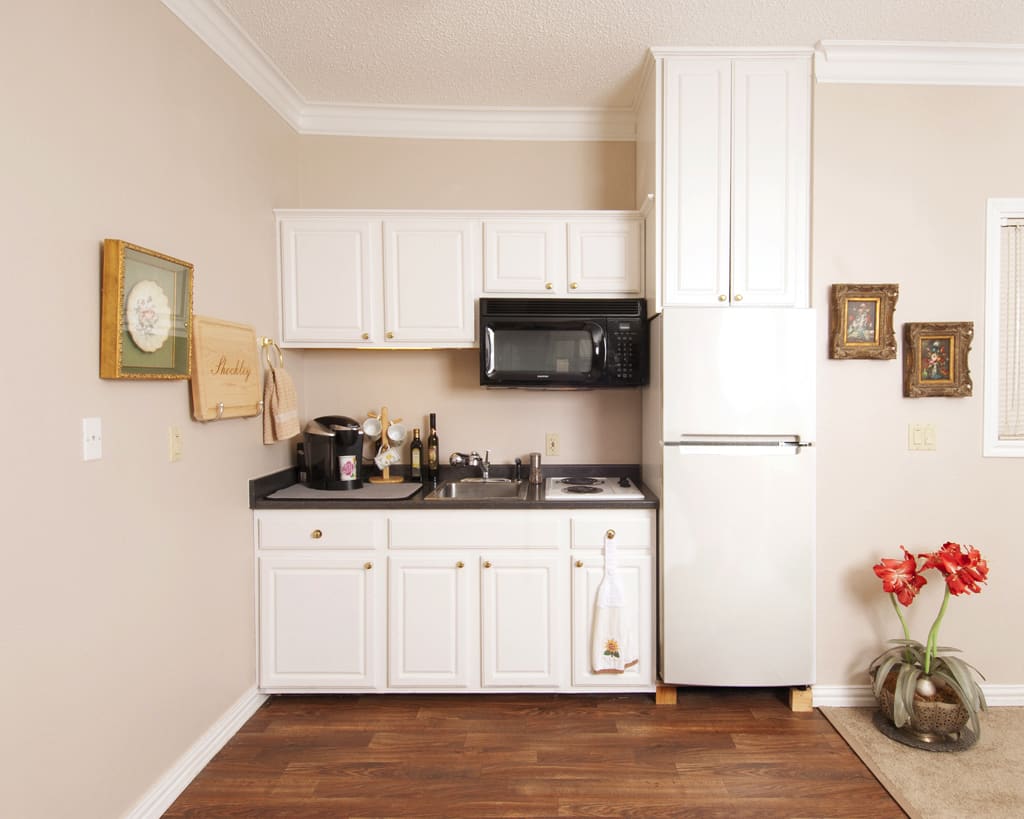
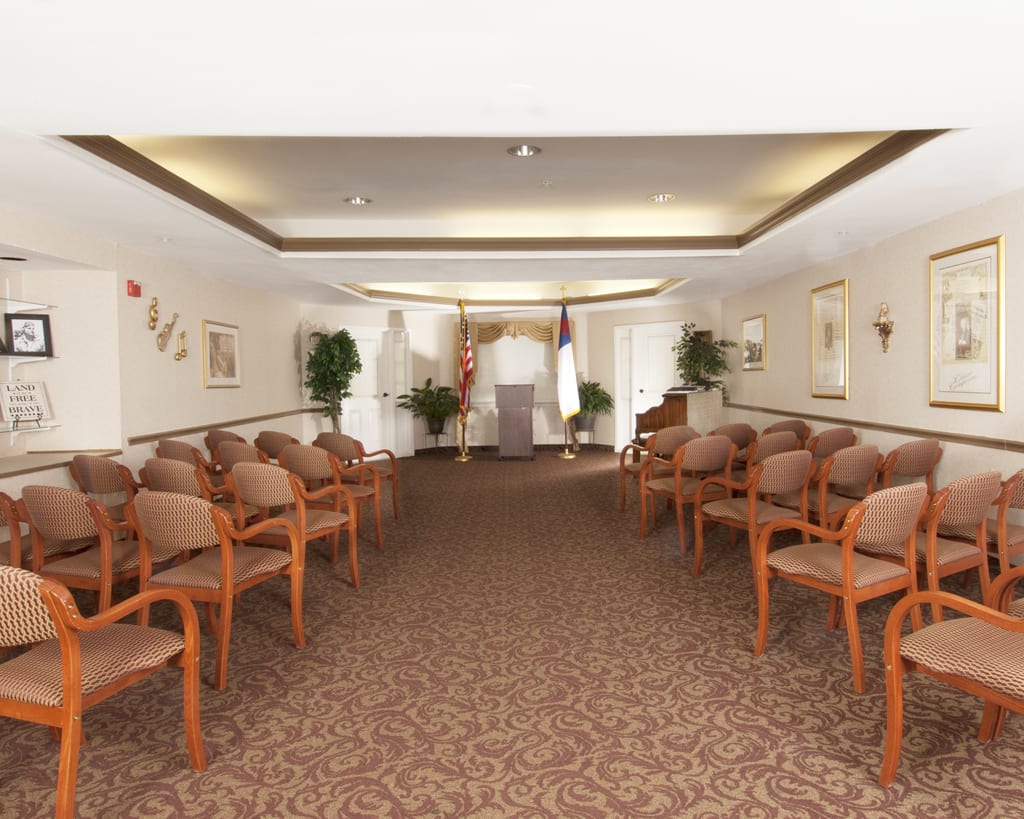
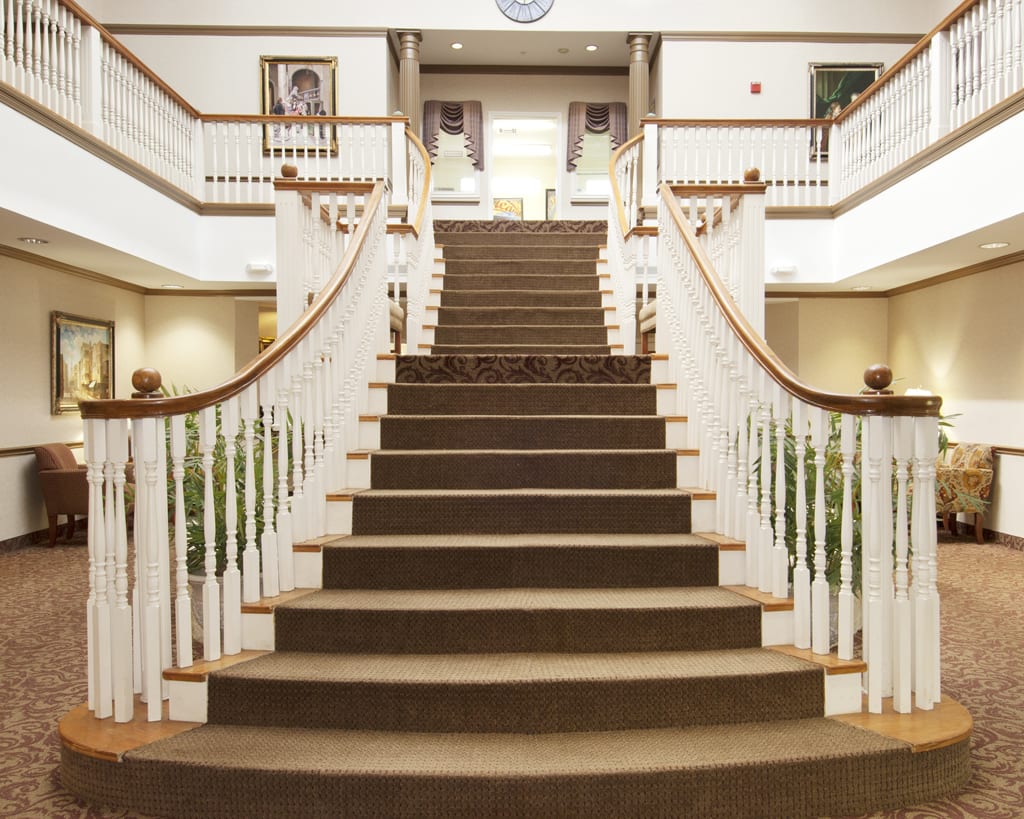
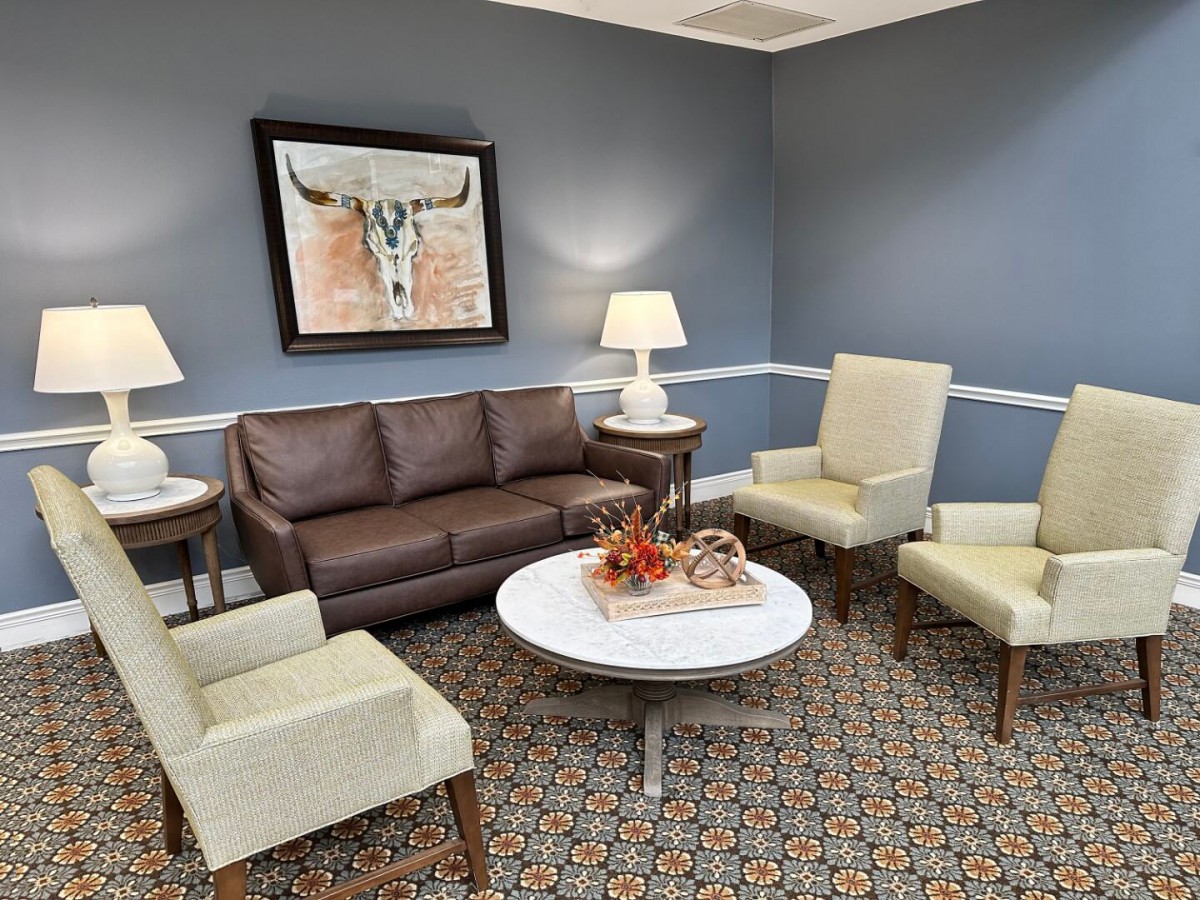
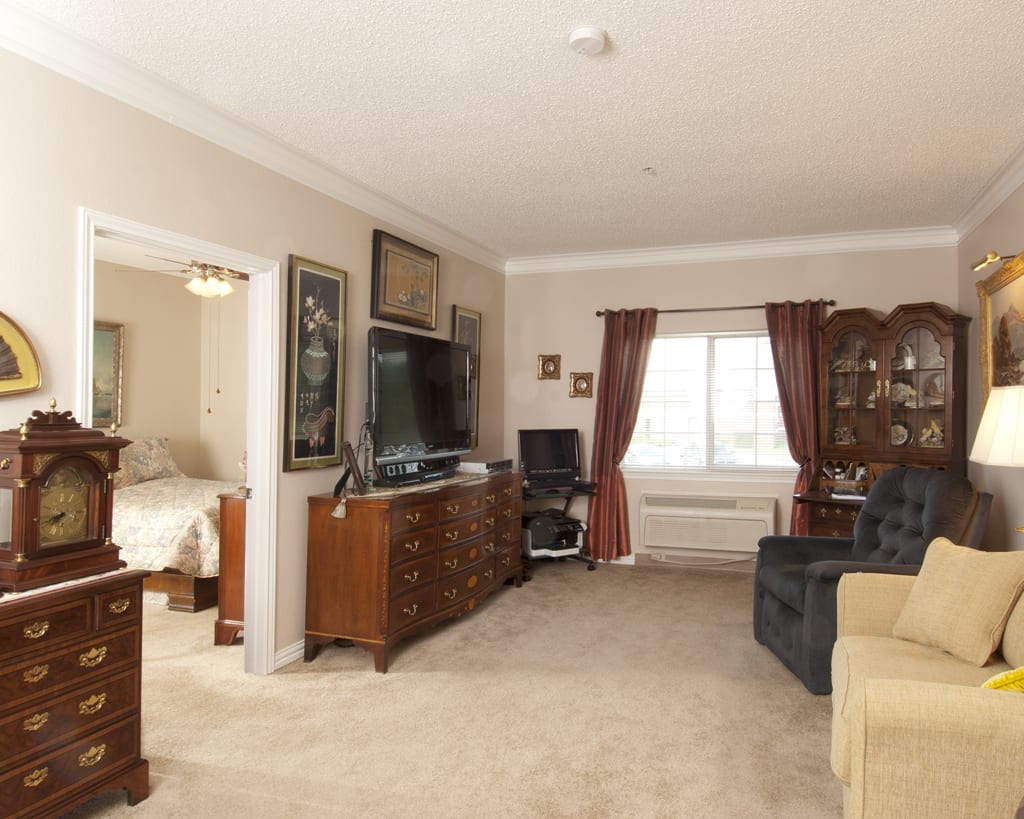
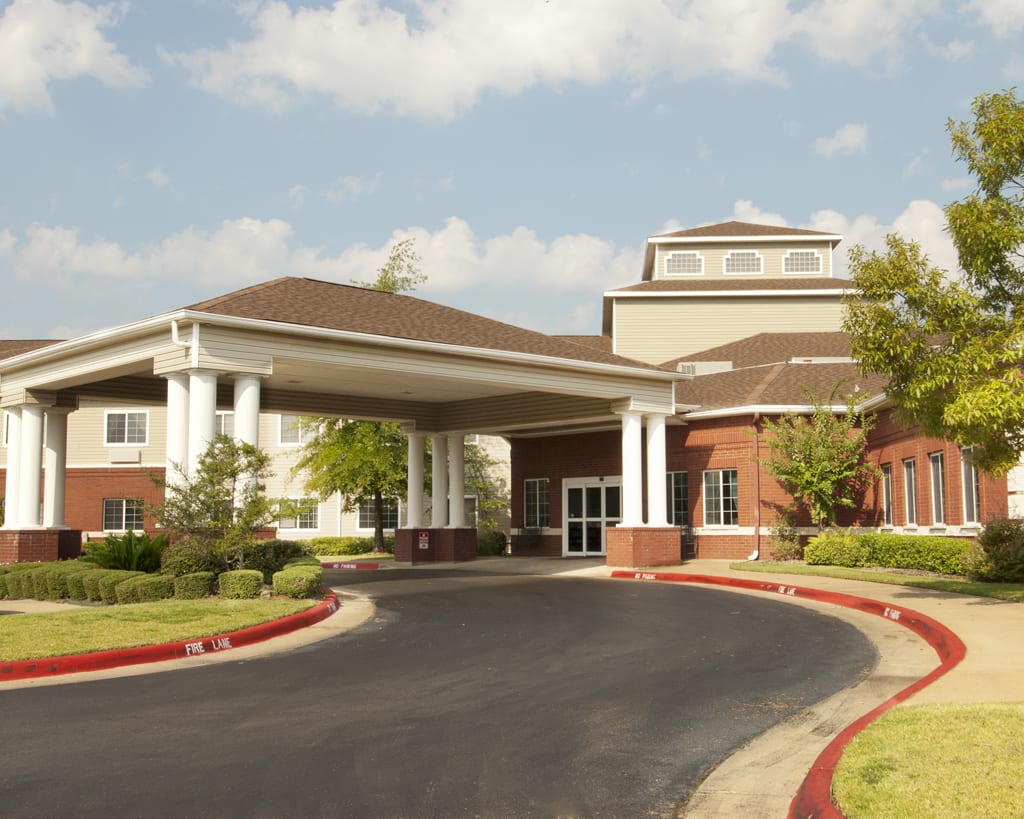
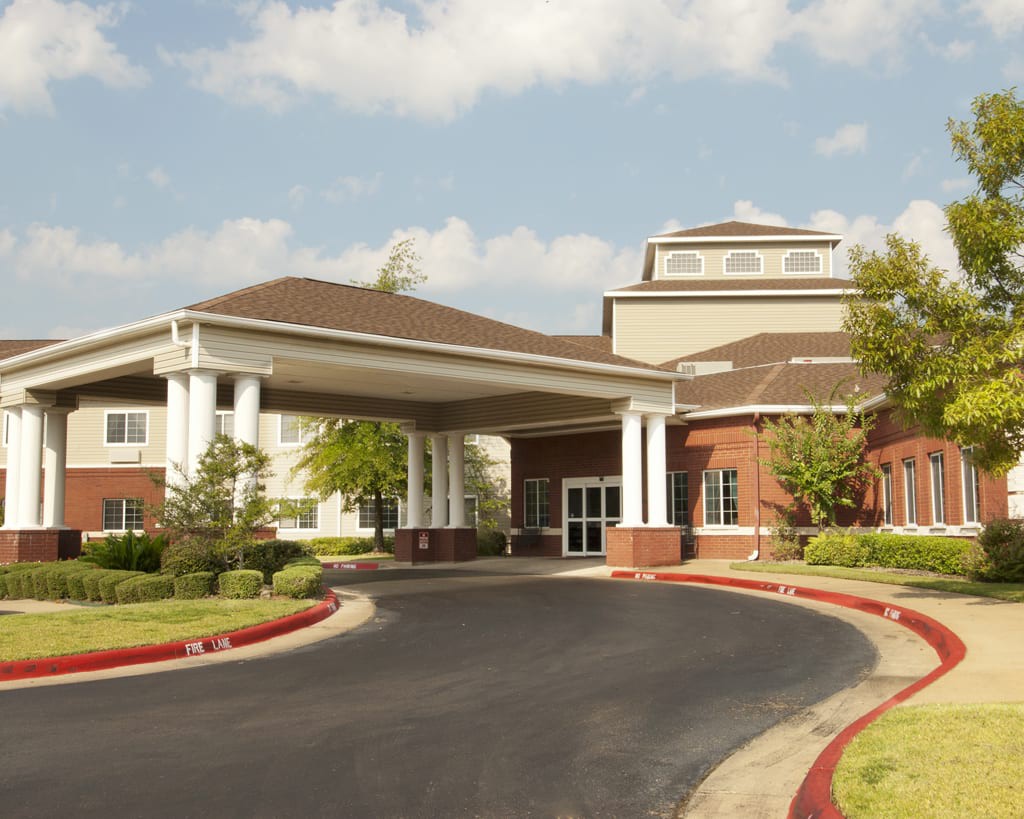
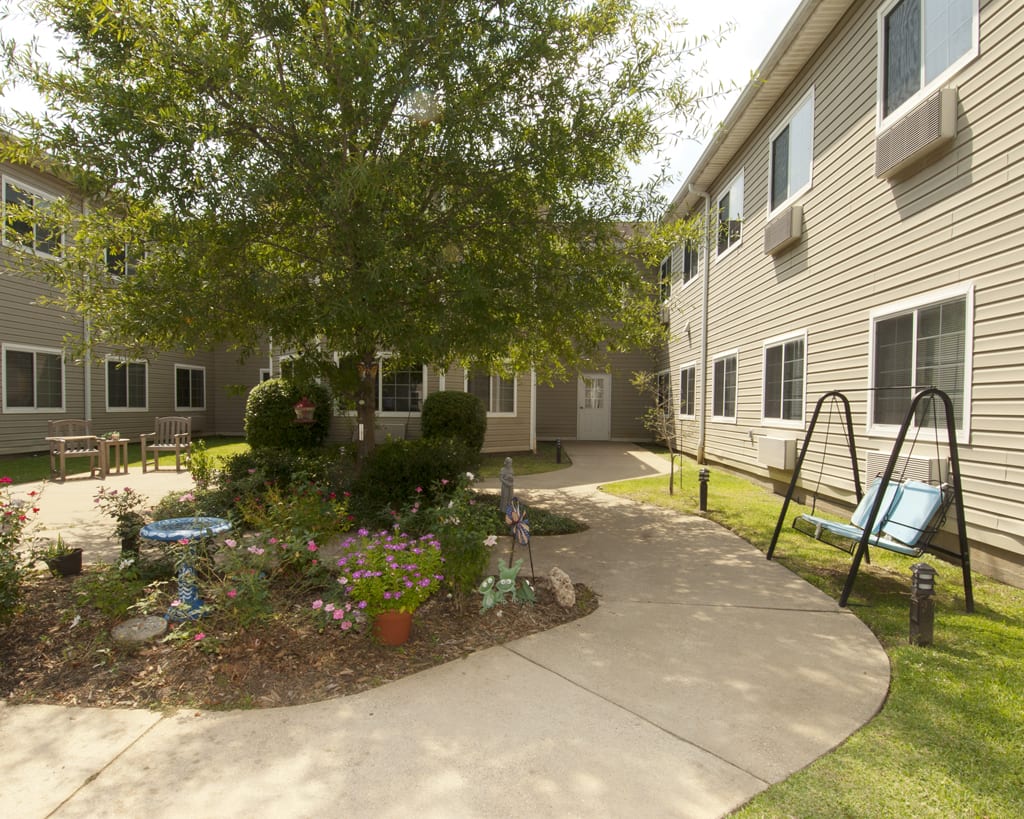
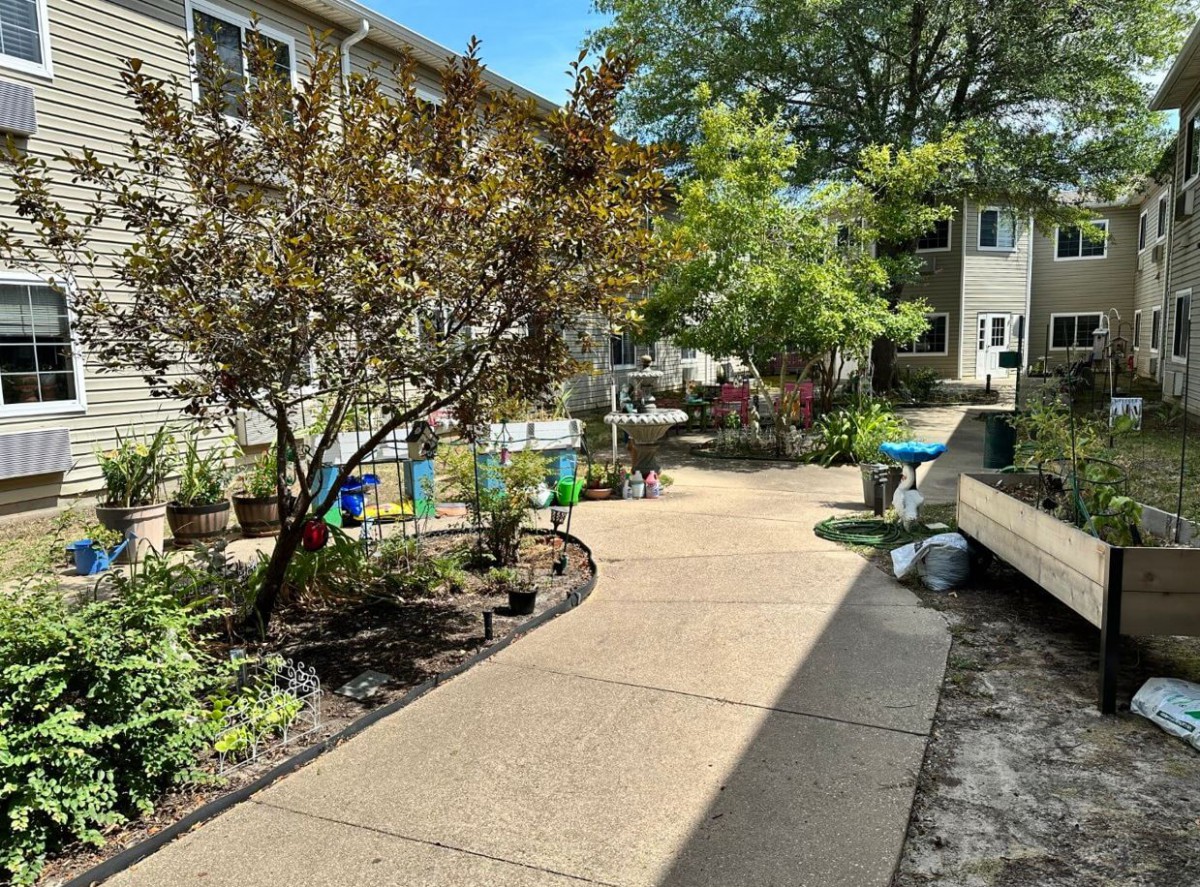
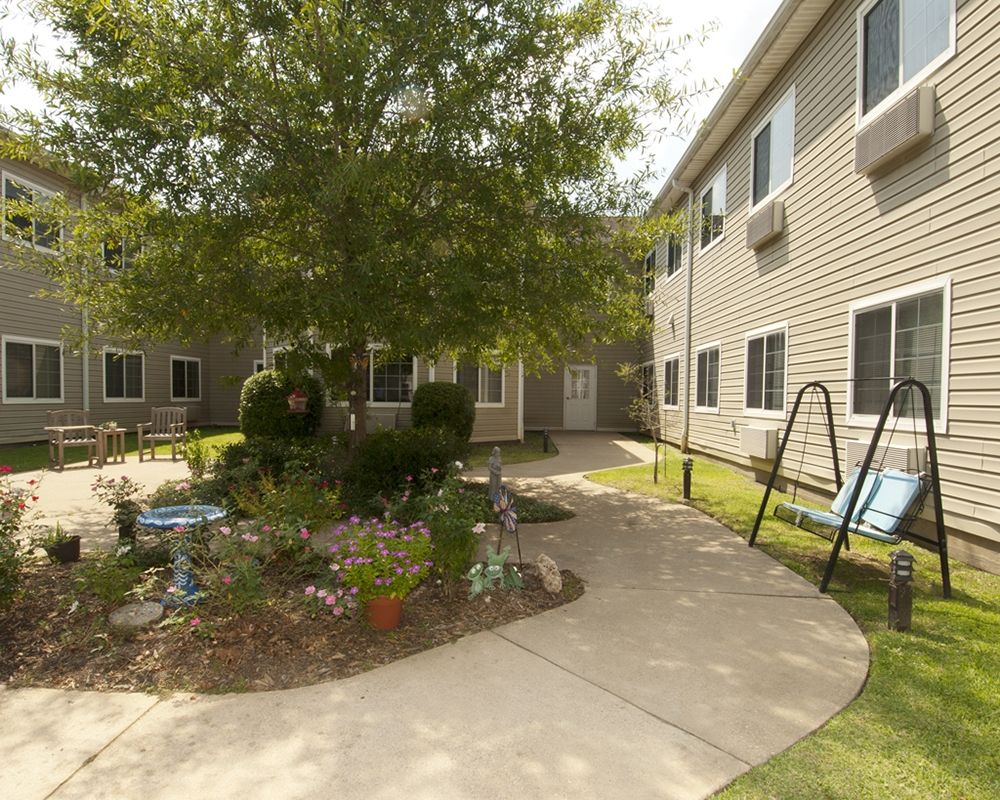
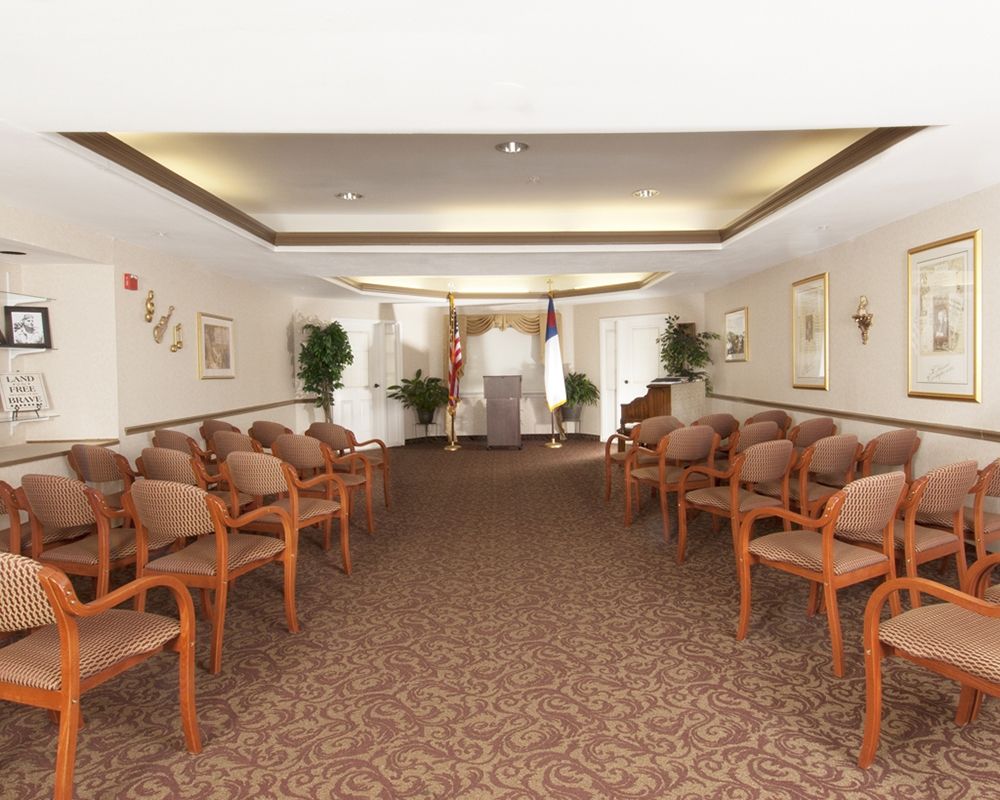
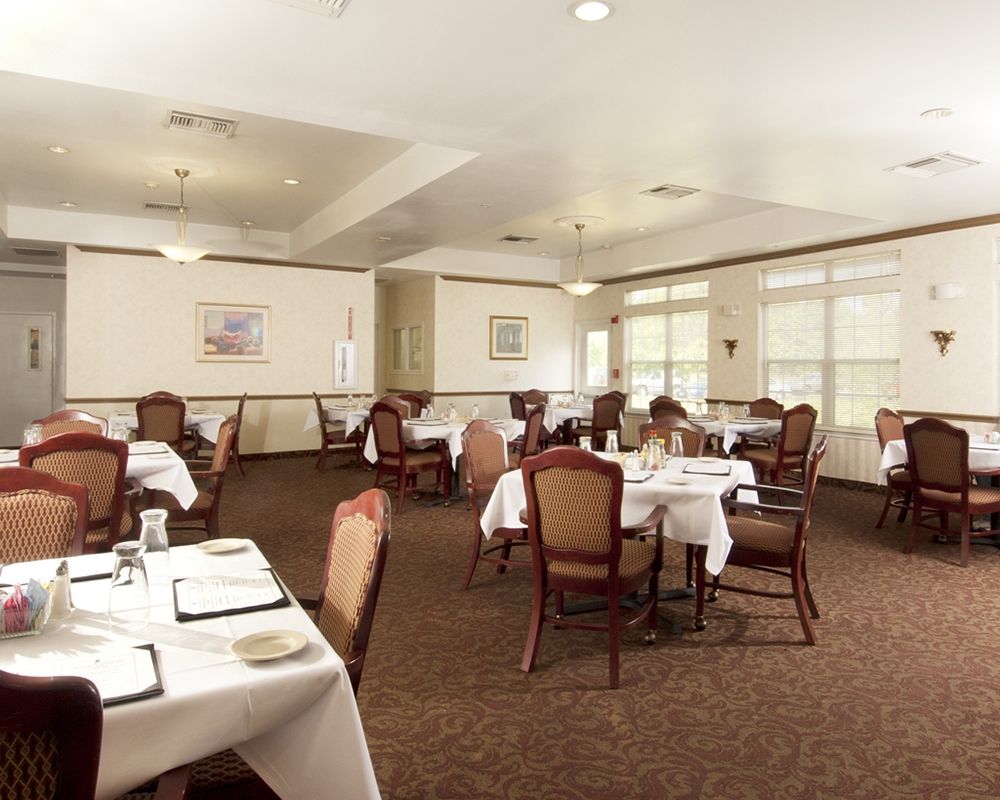
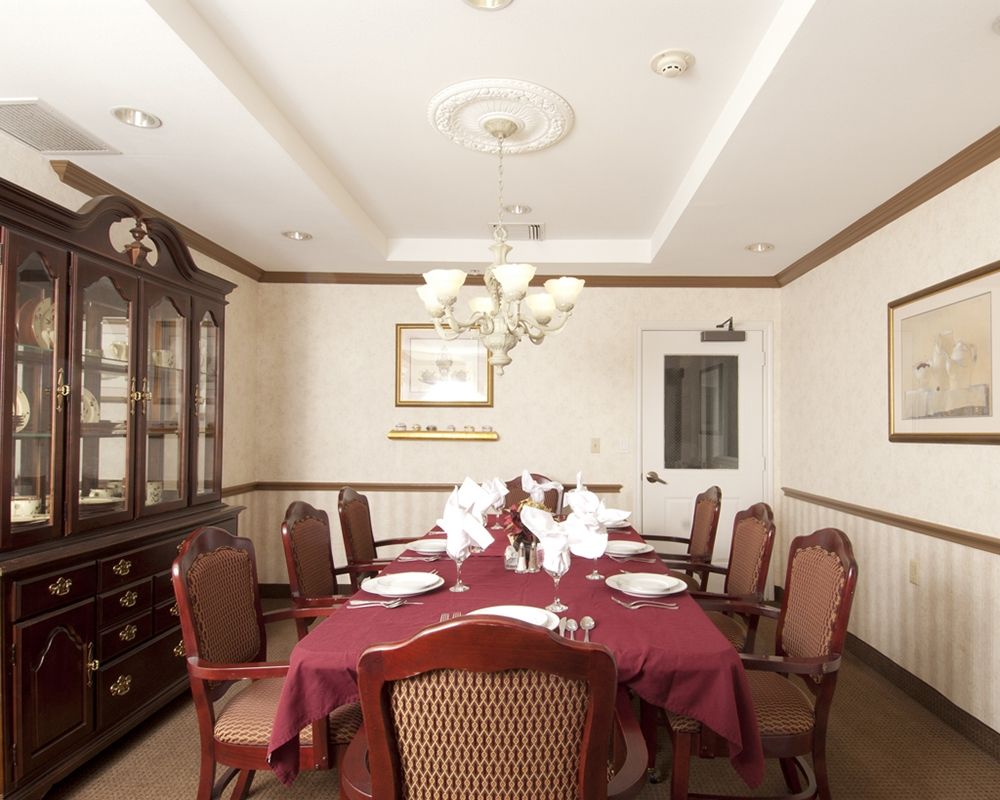
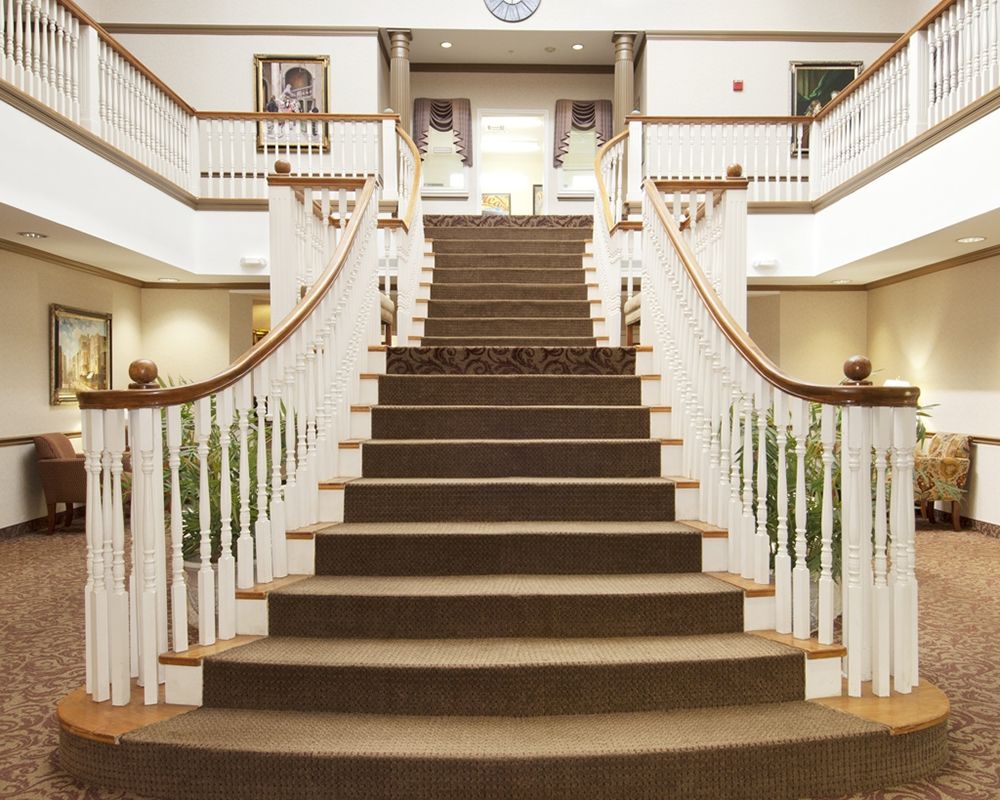
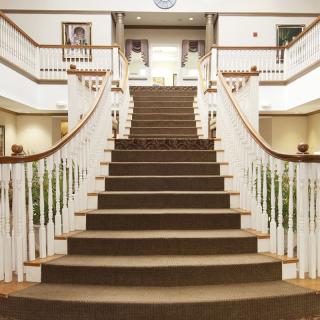
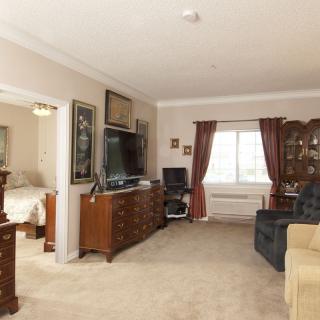
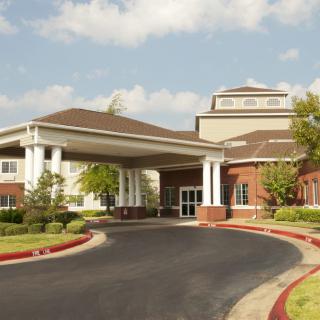
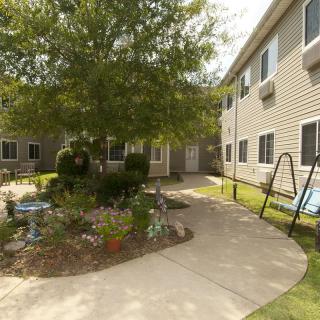
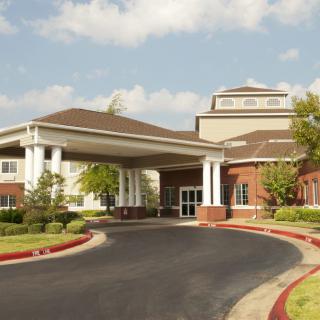
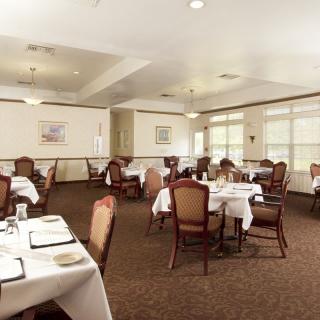
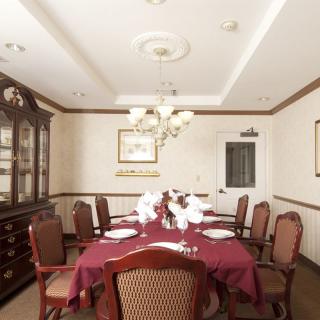
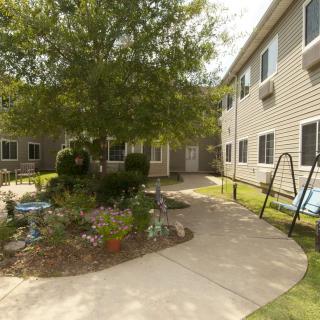
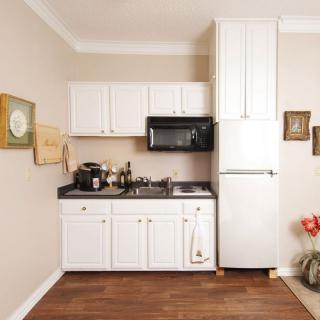
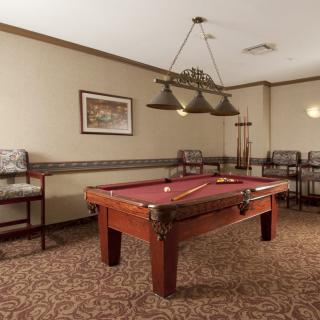
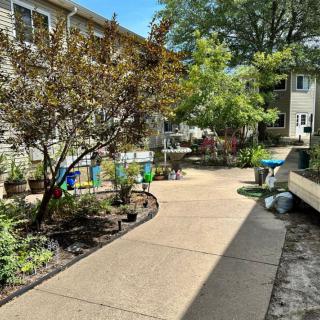
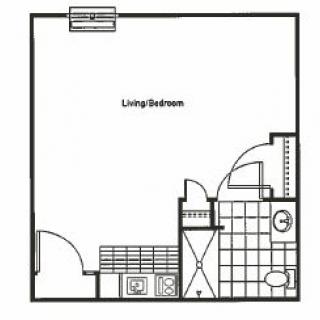
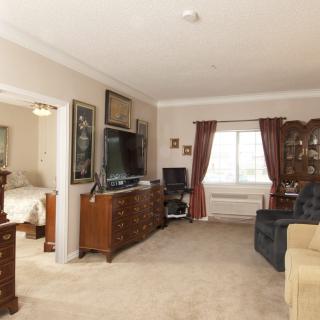
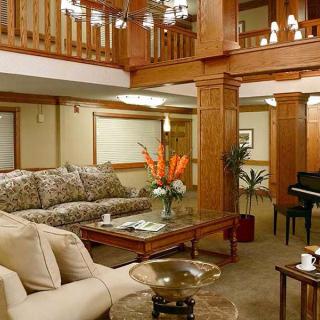
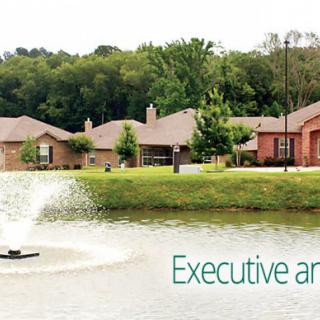
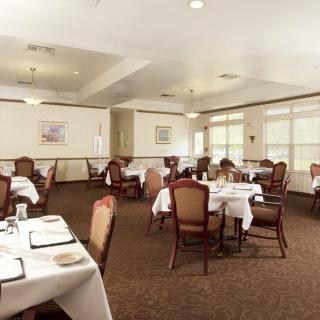
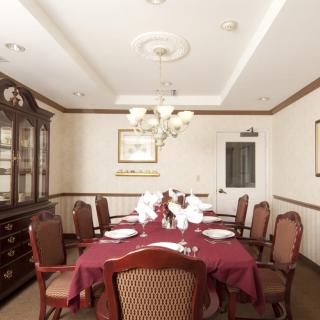
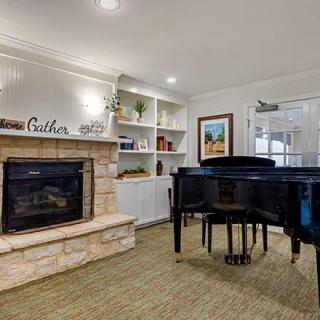
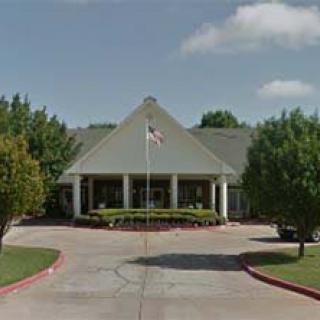
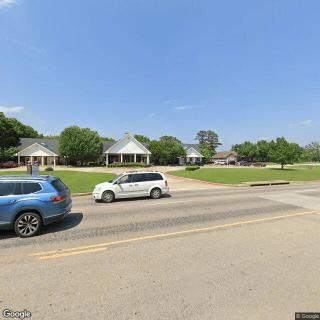
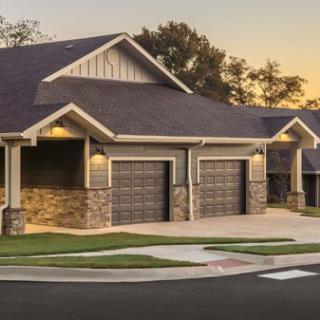
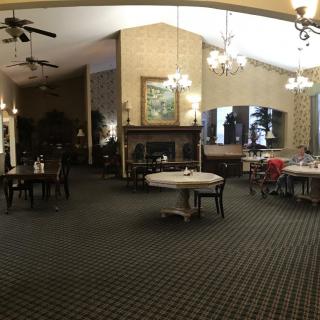
Garden Estates of Tyler on seniors.fyi includes 31 photos including images showing floor plan, interior, architecture, decor, living room, dining, trees, landscaping, and more.
Nearby Communities
Azalea Trails Assisted Living and Memory Care
Tyler, TX
4.6 from 154 reviews
$4,095 to $5,335 / month
Friendly staff, clean facility with good dining and engaging activities.
Oak Hills Terrace Memory Care
Tyler, TX
4.8 from 158 reviews
$4,630 to $5,045 / month
Caring staff with engaging activities in a clean, home-like setting.
The Heights Of Tyler
Tyler, TX
3.6 from 121 reviews
Compassionate staff, engaging activities, and a clean, well-maintained environment.
Brookdale Tyler South
Tyler, TX
4.4 from 82 reviews
$2,526 to $6,035 / month
Attentive staff in a clean, welcoming environment with engaging activities.
Reunion Inn Assisted Living
Tyler, TX
3.4 from 11 reviews
$2,800 to $3,500 / month
Genuine care from owners and staff in a warm, affordable setting with included transportation and housekeeping.
East Texas Alf Reunion Inn, LLC
Tyler, TX
4 from 8 reviews
Well-maintained, welcoming environment with friendly staff and personalized attention in a small, community-focused setting.
Primrose Retirement Community of Tyler
Tyler, TX
4.8 from 25 reviews
Excellent 24/7 nursing care, top-notch dining, and an active social program.
Prestige Estates Assisted Living and Memory Care
Tyler, TX
4.6 from 51 reviews
$3,200 to $4,875 / month
Kind, hands-on staff in a warm, home-like setting with strong dining and activities.
East Texas - Waterton Inn
Tyler, TX
4.2 from 54 reviews
$2,850 to $3,550 / month
Clean facility with engaging activities and good meal options.
Delirium is a rapidly onset, reversible cognitive disturbance often caused by acute medical issues, while dementia is a gradual and irreversible decline due to chronic neurodegenerative diseases. Accurate differentiation between the two is essential for appropriate treatment and management in older adults.
Dementia, including Alzheimer’s disease, is often mischaracterized in terms of lethality as it leads to complications that can be fatal rather than being a direct cause of death; it causes a progressive decline in cognitive and physical health, making patients vulnerable to infections and other health crises. Effective management of nutrition, hydration, and communication is crucial in patient care, with palliative care becoming vital in advanced stages to enhance comfort and quality of life while caregivers play a key role amidst the challenges posed by the disease.
Reminiscence therapy helps individuals with dementia recall past memories through structured discussions and meaningful objects, enhancing mood, relationships, and sense of identity while celebrating their lives. It can be practiced in formal settings or at home, requiring sensitivity to personal histories and cultural backgrounds.
Get PricingAsk A QuestionSchedule A TourContact Senior Advisor
By clicking submit, you agree to our Partner's Terms of Use. You
also consent to receive calls and texts, which may be autodialed, from our Partner. Your consent is not a condition to
using our Partner's service. Please visit our Partner's Privacy Policy for information about their privacy practices.



 70 resident community capacity
 1-bedroom apartments
 Assisted Living
 Independent Living
 Memory Care
 Skilled Nursing Facility
 Cats allowed
 Dogs allowed
 Activities off-site
 Air-conditioning
 Beautician on-site
 Cable or satellite TV
 Computer center
 Devotional services off-site
 Dining room
 Financing advice
 Fitness room
 Full kitchen
 Fully furnished
 Gaming room
 Garden
 General store
 Ground floor units
 Guest parking
 Housekeeping services
 Indoor common areas
 Laundry
 Move-in coordination
 Outdoor common areas
 Overnight guests
 Party space
 Private bathrooms
 Respite or short term stays offered
 Restaurant-style dining
 Small library
 Telephone
 Wellness center
 Wheelchair accessible showers
 Wi-Fi/high-speed internet available
 Tyler Pounds (7 miles away)
 Community operated transportation
 12-16 hour nursing
 24-hour call system
 Ambulatory care
 Assistance with bathing
 Assistance with dressing
 Assistance with transfers
 Diabetes diet
 Diabetic care
 Incontinence care
 Medication management
 Mental wellness program
 Physical therapy
 Special dietary restrictions
 Art classes
 Concierge services
 Cooking classes
 Day trips and outings
 Educational speakers / life long learning
 Happy hour
 Live dance or theater performances
 Live musical performances
 Stories
 Wine tasting
 English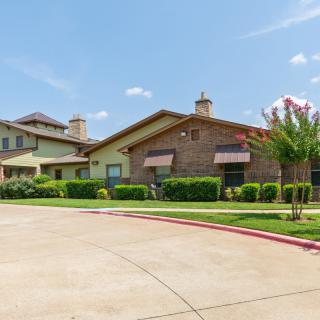
 Friendly staff, clean facility with good dining and engaging activities.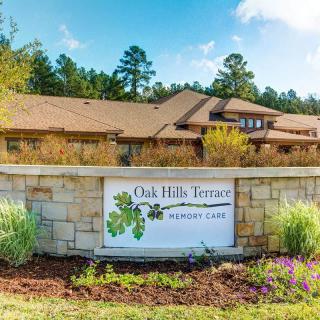

 Delirium and Dementia: Unraveling the Key Differences
 Are Dementia and Alzheimer's Disease Lethal? A Comprehensive Exploration
 Exploring the Power of Reminiscence Therapy for Individuals With Dementia