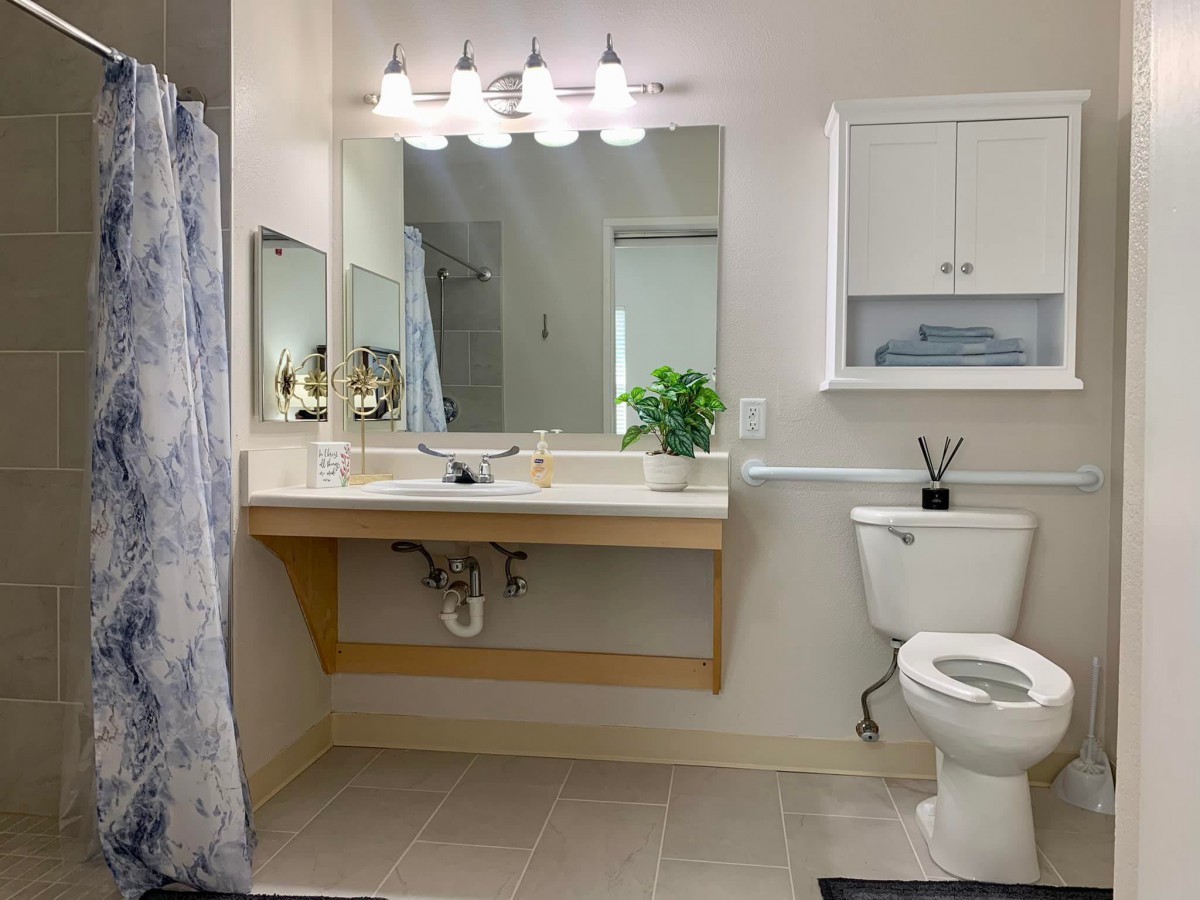
Azalea Trails Assisted Living and Memory Care Costs & Pricing
Azalea Trails Assisted Living and Memory Care offers a range of accommodations that reflect a commitment to quality care, though at a premium compared to both Smith County and the broader Texas market. The cost for a studio apartment at Azalea Trails is $4,095 per month, notably higher than the county average of $3,389 and the state average of $3,758. Similarly, the one-bedroom unit is priced at $4,320, outpacing both local and state figures. For those considering semi-private options, Azalea Trails charges $4,956 monthly, which exceeds the Smith County rate of $4,316 but is competitive with Texas averages. The two-bedroom unit is reflected in its highest cost of $5,335 monthly; this also positions it above regional and state benchmarks. These prices suggest that while Azalea Trails may be more expensive than nearby alternatives, they likely reflect enhanced services and amenities designed to cater to residents' needs in a supportive environment.
Floor plans
Azalea Trails Assisted Living and Memory Care
Smith County
Texas
Studio
$4,095
$3,389
$3,758
1 Bedroom
$4,320
$3,183
$3,761
Semi-Private
$4,956
$4,316
$3,680
2 Bedrooms
$5,335
$3,996
$4,215
Memory care communities with a similar price nearby
from +$535 / mo
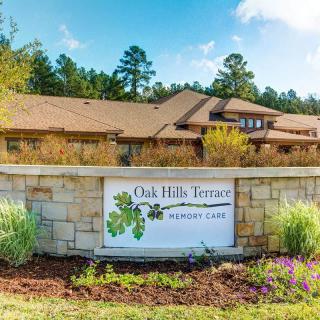
Oak Hills Terrace Memory Care
4.8 from 158 reviews
$4,630 to $5,045 / month
0.9 miles away
from +$159 / mo
Greenbrier Nursing & Rehabilitation Center Of Tyle
Overall Review of Azalea Trails Assisted Living and Memory Care
common25 reviews mention this
Staff care and responsiveness stand out
Residents and families repeatedly describe staff as kind, attentive, and responsive.
Across the reviews, families point to staff kindness and attentiveness as a major reason they feel comfortable with the move. Several describe prompt communication when issues come up, and others say the team goes above and beyond to make residents feel safe and valued. A few reviews also mention staff listening to concerns, though there are exceptions in memory care experiences.
common14 reviews mention this
Clean, home-like community feel
Reviews consistently highlight cleanliness and a warm, welcoming environment.
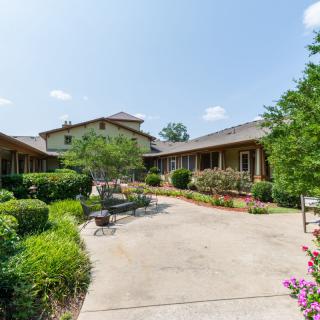
Multiple reviewers describe the building as clean, bright, and welcoming, often comparing it to feeling like home rather than a clinical setting. Others mention updates or remodels, along with courtyards and common areas they find pleasant for visits. Even when critiques appear, cleanliness is still called out by a number of residents and families.
differentiator12 reviews mention this
Dining quality is a frequent win
Residents and families frequently praise the quality and variety of meals.
Food comes up repeatedly as a standout, with reviewers describing it as tasty and satisfying across multiple meal periods. Several mention meal variety and that dining is something residents look forward to, not just a routine. The community also offers restaurant-style dining as part of its dining setup, which aligns with how reviewers describe the dining experience.
common11 reviews mention this
Activities keep residents engaged
Daily activities and games are repeatedly mentioned as a positive part of life here.
Reviewers describe a steady flow of activities, including games like bingo and group events that help residents stay busy. Many say they saw consistent programming during visits or after a loved one moved in, including exercise and outings. A few critiques say there could be more going on in certain situations, but engagement is still a common theme throughout the reviews.
differentiator3 reviews mention this
Safety features and 24-hour support
Residents describe safety support, including 24-hour staffing and fall-detection features.
Some reviews specifically mention feeling safe and point to 24-hour staffing as part of that reassurance. One reviewer also describes fall-detection technology that triggers an alarm if a resident falls in their room. Together, these comments suggest that safety is taken seriously in day-to-day operations.
caveat5 reviews mention this
Memory care staffing and training concerns
A portion of memory care reviews raise concerns about training, staffing, and follow-through.
Some reviewers describe high and low points during the transition to memory care, including staff appearing to lack information for specific needs. Several negative reviews describe problems such as inadequate staffing to meet care requirements and concerns about the level of supervision. A few of these reviews also describe serious mishaps, which contrasts with the positive experiences shared in other parts of the review set.
caveat4 reviews mention this
Cost feels high, especially with care changes
Multiple reviewers say pricing is too high, particularly when care levels change.
Several reviews call out the cost as a frequent drawback, including comments that prices increased as care needs rose. Some reviewers also suggest they would choose a community with one all-inclusive rate instead of add-ons by level of care. Pricing is indeed positioned as above typical local benchmarks across unit types in the listing’s price range.
How we summarize
Counts show how many written reviews mention each theme; a review can touch several themes, and only frequently mentioned themes are displayed.
Features
Housing
54 resident community capacity
1-bedroom apartments
2-bedroom apartments
Studio apartments
Types of Care
Assisted Living
Memory Care
Amenities
Activities off-site
Activities on-site
Air-conditioning
Beautician on-site
Beauty salon
Cable or satellite TV
Computer center
Devotional services off-site
Devotional services on-site
Dining room
Fitness room
Fully furnished
Gaming room
Garden
Garden view
Ground floor units
Handicap accessible
Housekeeping services
Indoor common areas
Kitchenette
Move-in coordination
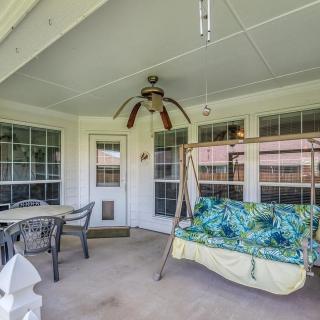
Outdoor common areas
Outdoor space
Private bathrooms
Private patio, deck, or balcony
Respite or short term stays offered
Restaurant-style dining
Small library
Spa
Telephone
Wellness center
Wheelchair accessible showers
Wi-Fi/high-speed internet available
Transportation
Tyler Pounds (6 miles away)
Community operated transportation
Transportation arrangement
Transportation arrangement (non-medical)
Transportation to doctors appointments
Care Services
12-16 hour nursing
24-hour call system
24-hour supervision
Activities of daily living assistance
Ambulatory care
Assistance with bathing
Assistance with dressing
Assistance with transfers
Coordination with health care providers
Dementia waiver
Diabetes diet
Diabetic care
High acuity care
Hospice waiver
Incontinence care
Meal preparation and service
Medication management
Mental wellness program
Mild cognitive impairment
Special dietary restrictions
Specialized memory care programming
Transportation arrangement (medical)
Transportation to doctors appointments
Dining
Diabetes diet
Guest meals
Meals provided
Professional chef
Restaurant style dining
Room service
Special dietary restrictions
Special dining programs
Vegetarian
Activities
Art classes
Bible study group
Catholic services
Community-sponsored activities
Concierge services
Cooking classes
Day trips and outings
Devotional activities offsite
Devotional activities on-site
Educational speakers / life long learning
Fitness programs
Happy hour
Live well programs
Planned day trips
Resident-run activities
Scheduled daily activities
Visiting chaplain or priest
Wine tasting
Nearby Places of Interest
This part of Tyler, Texas offers a range of amenities that cater to a comfortable and convenient lifestyle for seniors. With a variety of restaurants nearby such as Texas Music City Grill & Smokehouse, 1836 Texas Kitchen, and Whataburger, seniors can enjoy delicious meals without having to travel far. Additionally, there are several pharmacies in close proximity like Walmart Pharmacy and Good's Pharmacy for easy access to medication and healthcare needs. For medical care, there are reputable physicians offices including Epiphany Dermatology and Trinity Clinic within a short distance. Places of worship such as Calvary Baptist Church and Tyler Christian Fellowship offer spiritual support for those seeking it. Nearby cafes like Coffee City USA and Crema Coffee Co. provide opportunities for socializing and relaxation. The area also boasts entertainment options with theaters like Times Square Movie Theater not far away. Overall, this neighborhood in Tyler presents a well-rounded community ideal for senior living with its amenities and services within reach.
Restaurants
Texas Music City Grill & Smokehouse (0.1 miles)
1836 Texas Kitchen (0.1 miles)
Whataburger (0.3 miles)
Taco Bell (0.4 miles)
Sonic Drive-In (0.4 miles)
Yamato Hibachi & Sushi Bar (1 miles)
Mercado's (1 miles)
Pharmacies
Walmart Pharmacy (0.4 miles)
Good's Pharmacy (0.5 miles)
Kinsey's Pharmacy (1.3 miles)
Walgreens (1.5 miles)
Smart Rx Pharmacy (1.5 miles)
Brookshire Food & Pharmacy (1.6 miles)
Brookshire's (1.6 miles)
Physicians
Drug & Alcohol Testing Compliance Services (0.6 miles)
Epiphany Dermatology (0.9 miles)
Dermatology Associates of Tyler (0.9 miles)
Dr Hope Short, MD (1 miles)
Health At Work (1.2 miles)
Audiology Associates of East Texas (1.3 miles)
Trinity Clinic, Medical Specialties, Urgent Care, Directcare (1.5 miles)
Places of Worship
Calvary Baptist Church (1 miles)
Congregation Beth El (1.2 miles)
Tyler Christian Fellowship (1.7 miles)
Green Acres Baptist Church (3.5 miles)
Cafes
Coffee City USA (1.3 miles)
Crema Coffee Co. (1.4 miles)
Panera Bread (1.4 miles)
Ming's Cafe (1.4 miles)
The Coco Bean (1.6 miles)
Starbucks (1.8 miles)
Starbucks (2.9 miles)
Theaters
Times Square Movie Theater (1.5 miles)
SMG Tyler (3 miles)
Transportation
Hertz Rent A Car (1.8 miles)
Parks
Faulkner Park (2.4 miles)
Hospitals
Christus Trinity Mother Frances Rehabilitation Hospital, a partner of Encompass Health (3.5 miles)
Azalea Trails Assisted Living and Memory Care offers a range of accommodations that reflect a commitment to quality care, though at a premium compared to both Smith County and the broader Texas market. The cost for a studio apartment at Azalea Trails is $4,095 per month, notably higher than the county average of $3,389 and the state average of $3,758. Similarly, the one-bedroom unit is priced at $4,320, outpacing both local and state figures. For those considering semi-private options, Azalea Trails charges $4,956 monthly, which exceeds the Smith County rate of $4,316 but is competitive with Texas averages. The two-bedroom unit is reflected in its highest cost of $5,335 monthly; this also positions it above regional and state benchmarks. These prices suggest that while Azalea Trails may be more expensive than nearby alternatives, they likely reflect enhanced services and amenities designed to cater to residents' needs in a supportive environment.
The comprehensive features offered by Azalea Trails Assisted Living and Memory Care are integral to providing effective support for residents with dementia or Alzheimer's disease. The 24-hour supervision ensures a safe environment, while assistance with activities of daily living, bathing, and dressing promotes independence and dignity in personal care. By facilitating transfers and coordinating with healthcare providers, the facility helps maintain residents' health and mobility. The inclusion of a dementia waiver acknowledges the unique care requirements associated with cognitive impairments. Incontinence care is sensitively managed, enhancing comfort and well-being. Nutritional needs are met through tailored meal preparation and service, complemented by diligent medication management to ensure adherence to prescribed regimens. Engaging residents in mental wellness programs alongside specialized memory care programming fosters cognitive engagement and social interaction, crucial for emotional health. Additionally, transportation arrangements for medical appointments remove barriers to accessing necessary healthcare services, furthering holistic support for those experiencing mild cognitive impairment through advanced stages of dementia.
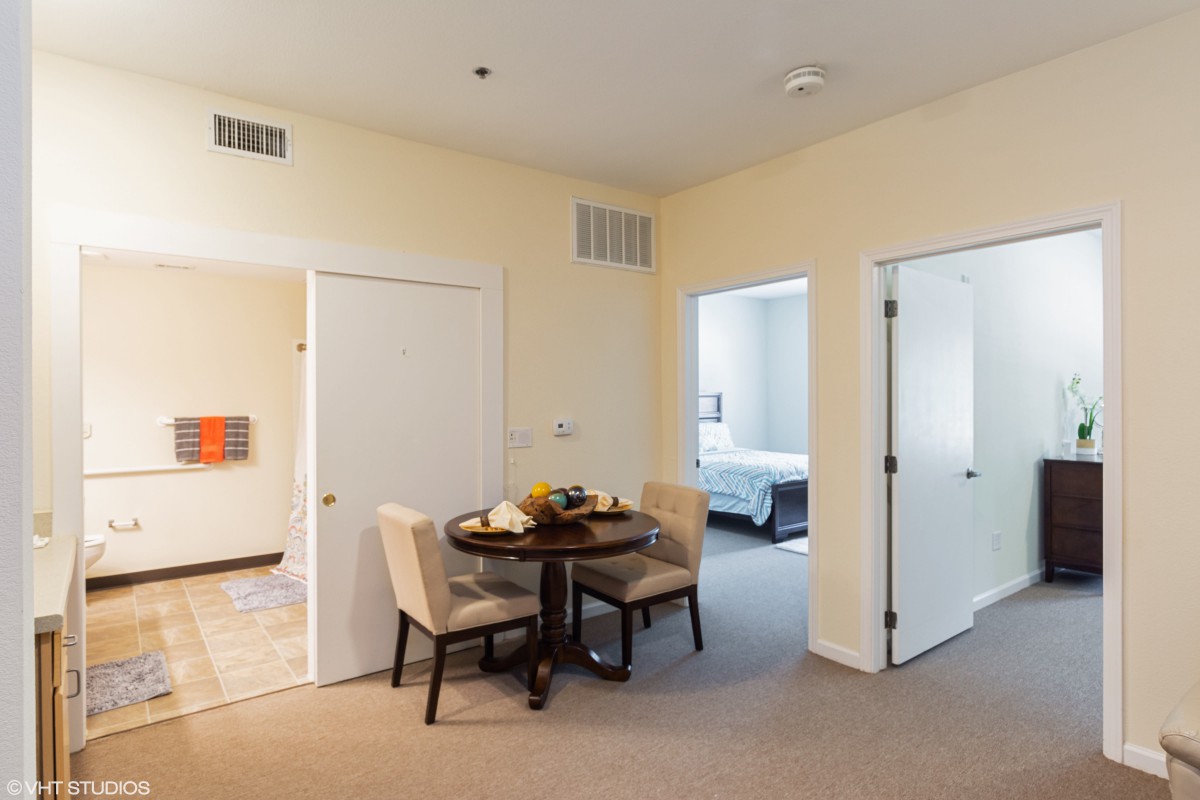
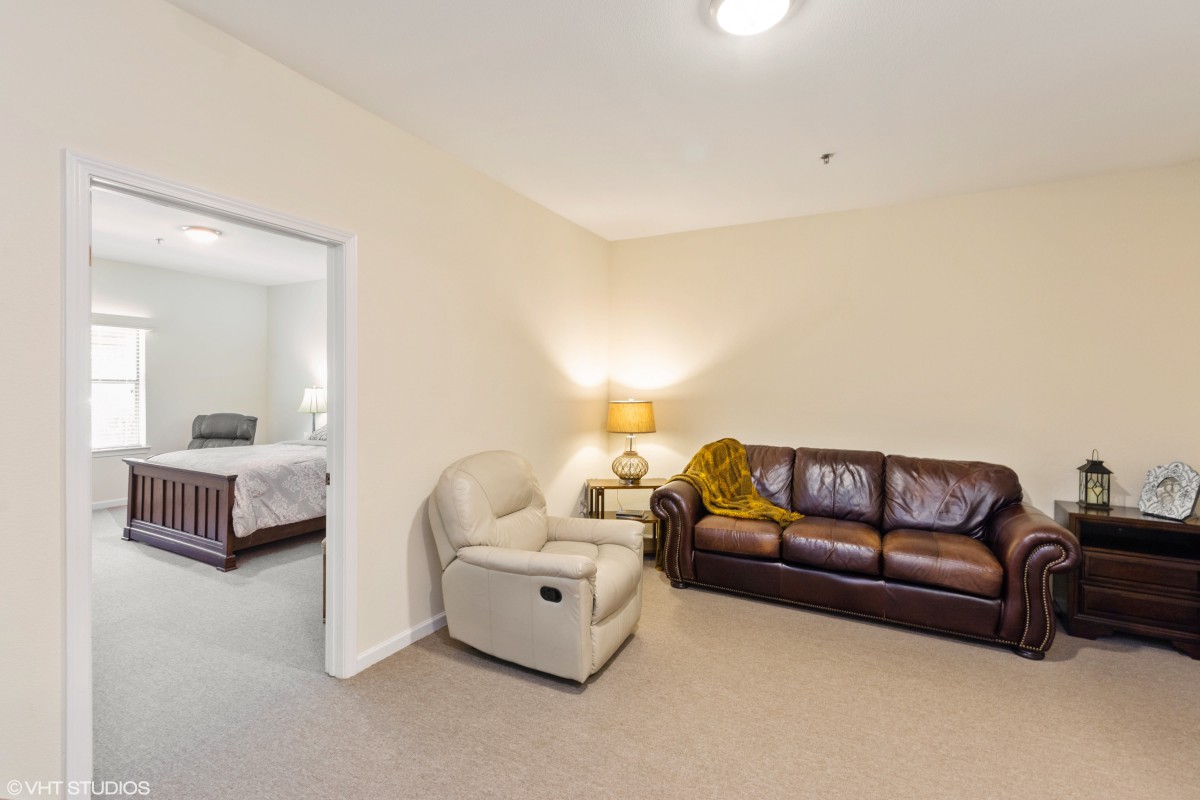
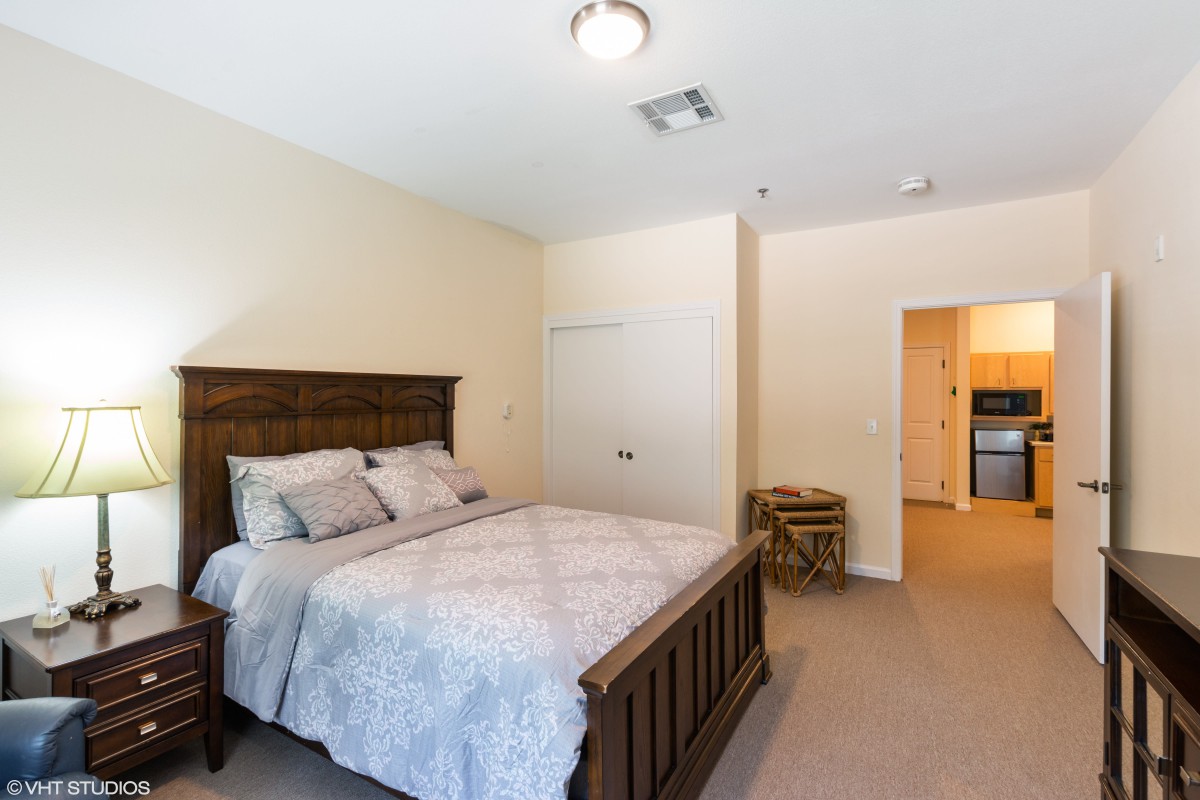
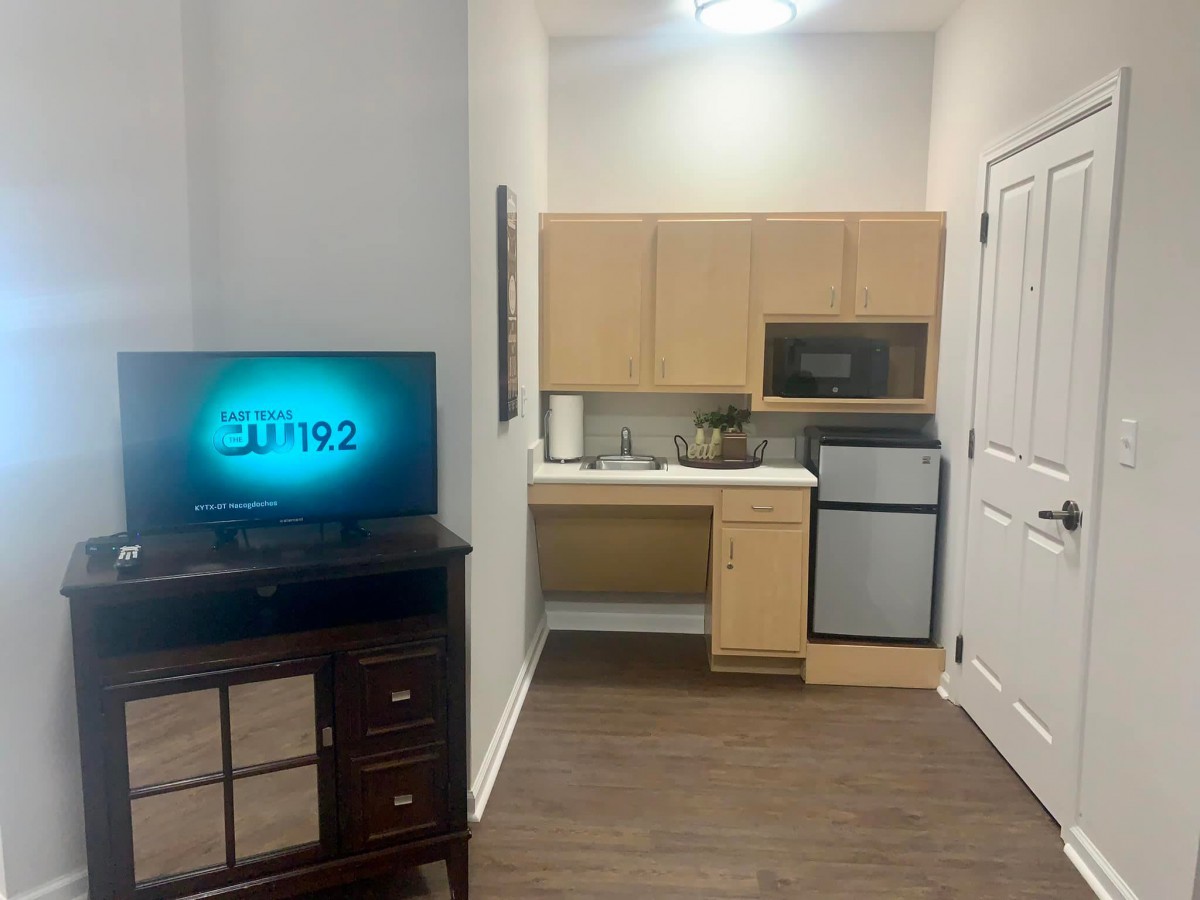
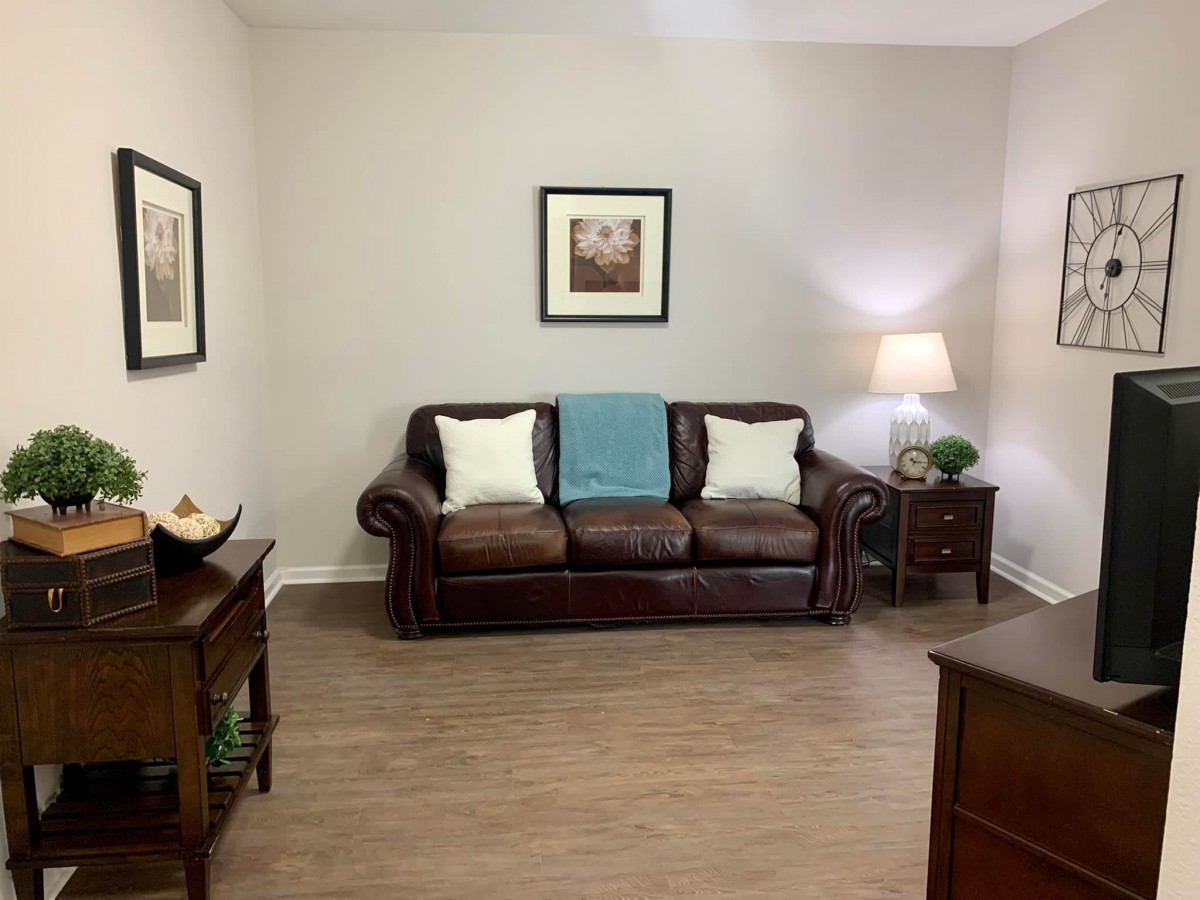
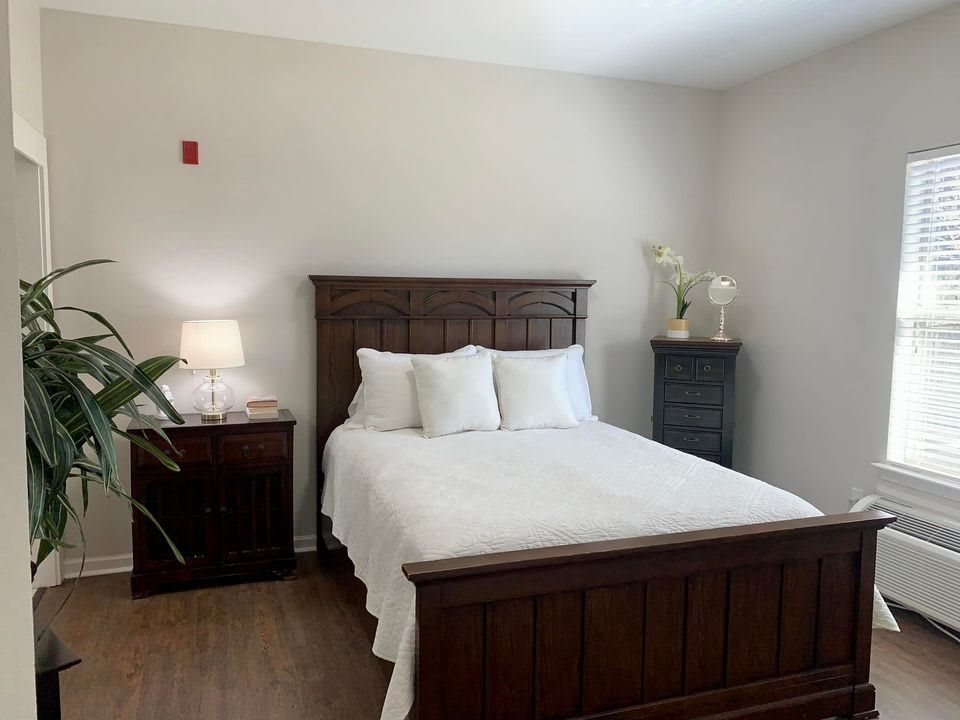
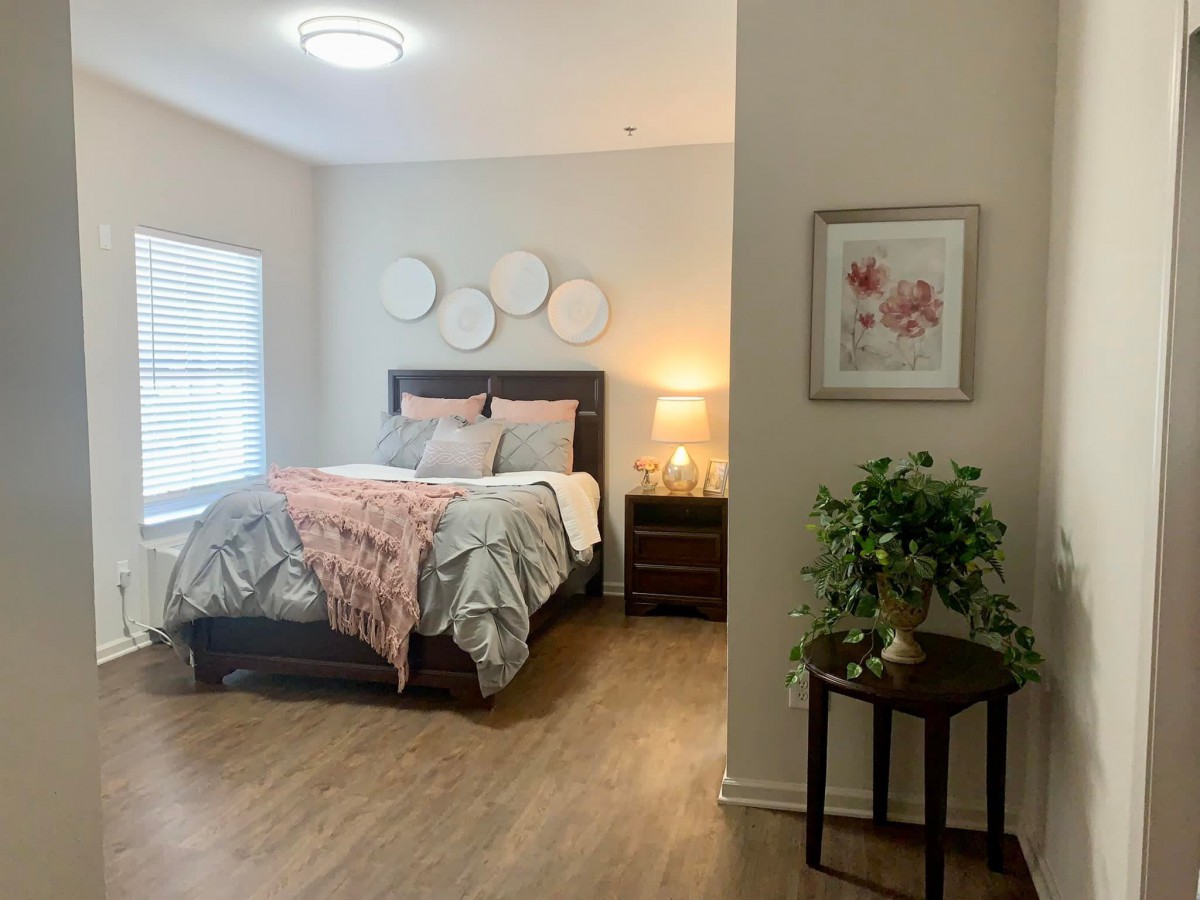
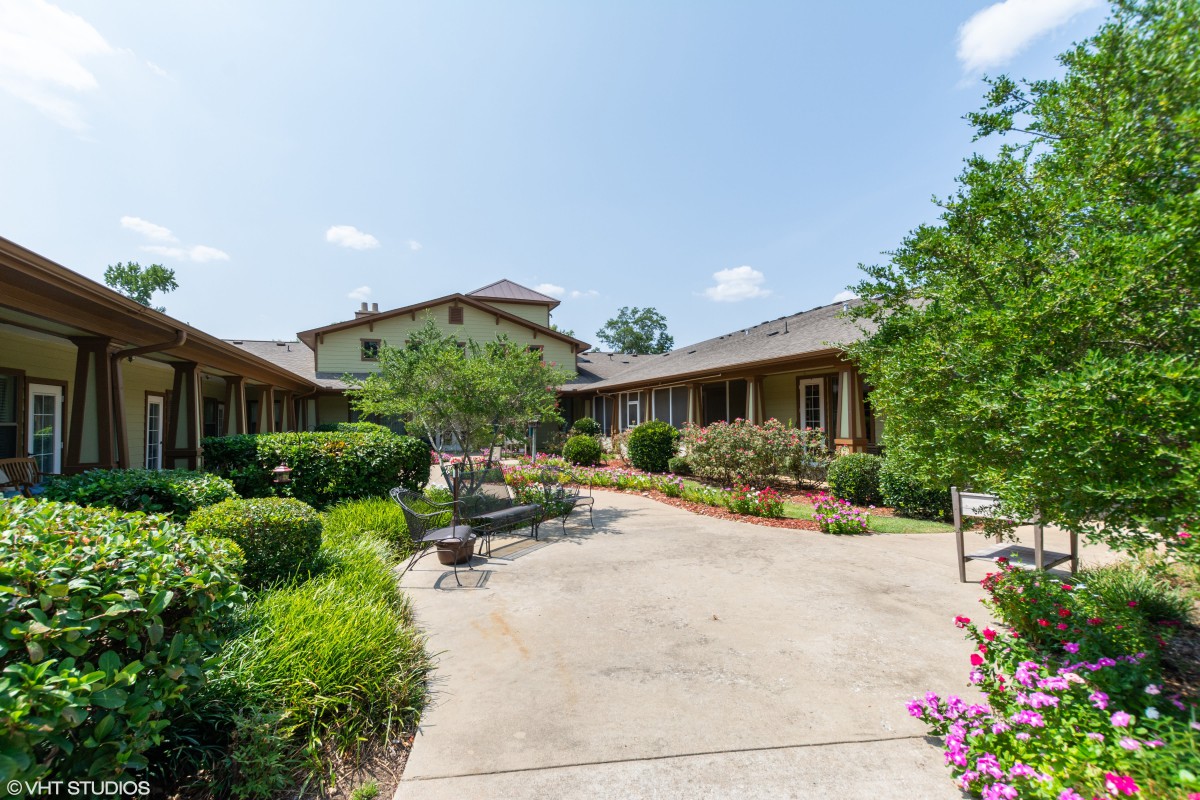
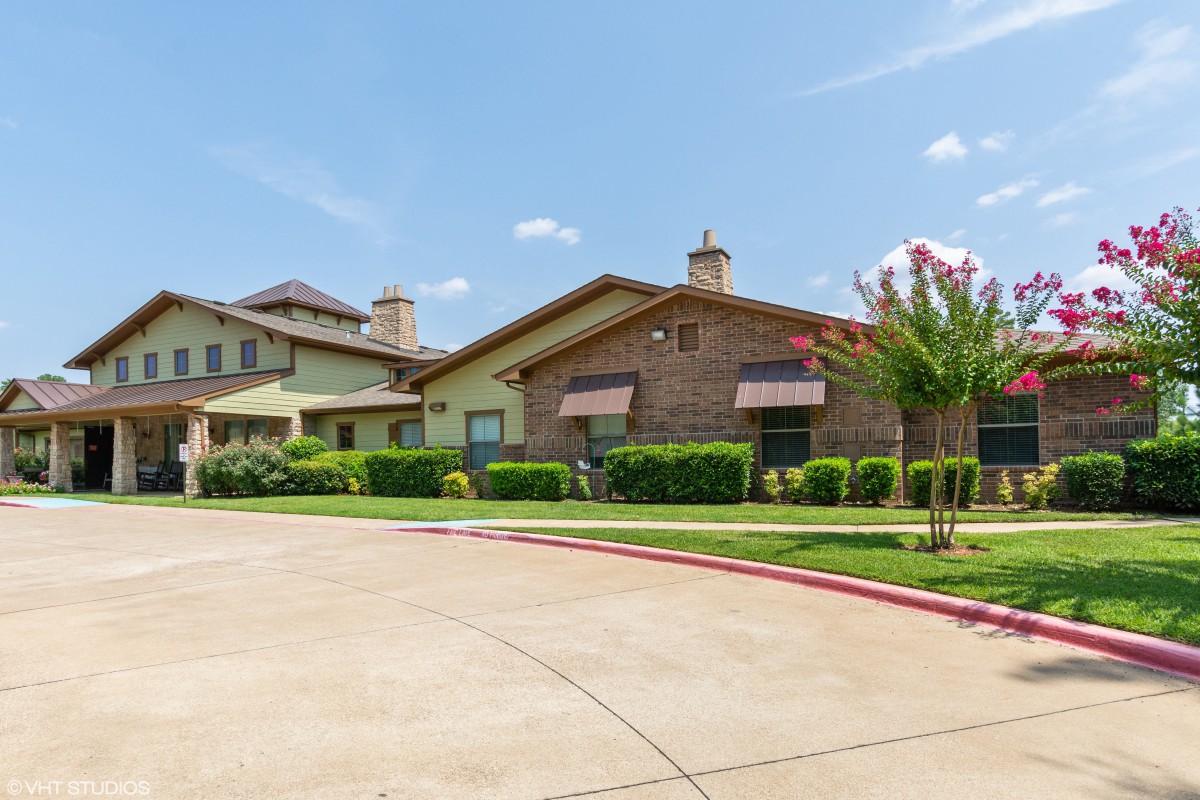
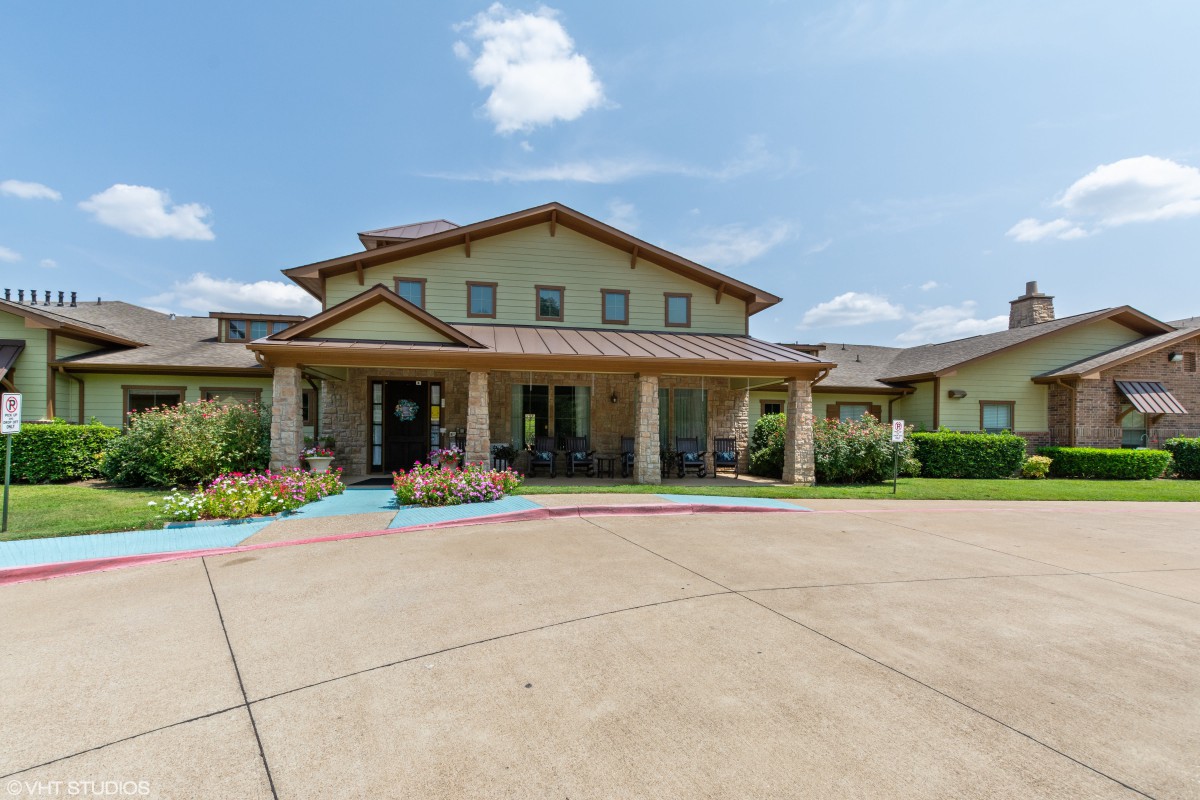
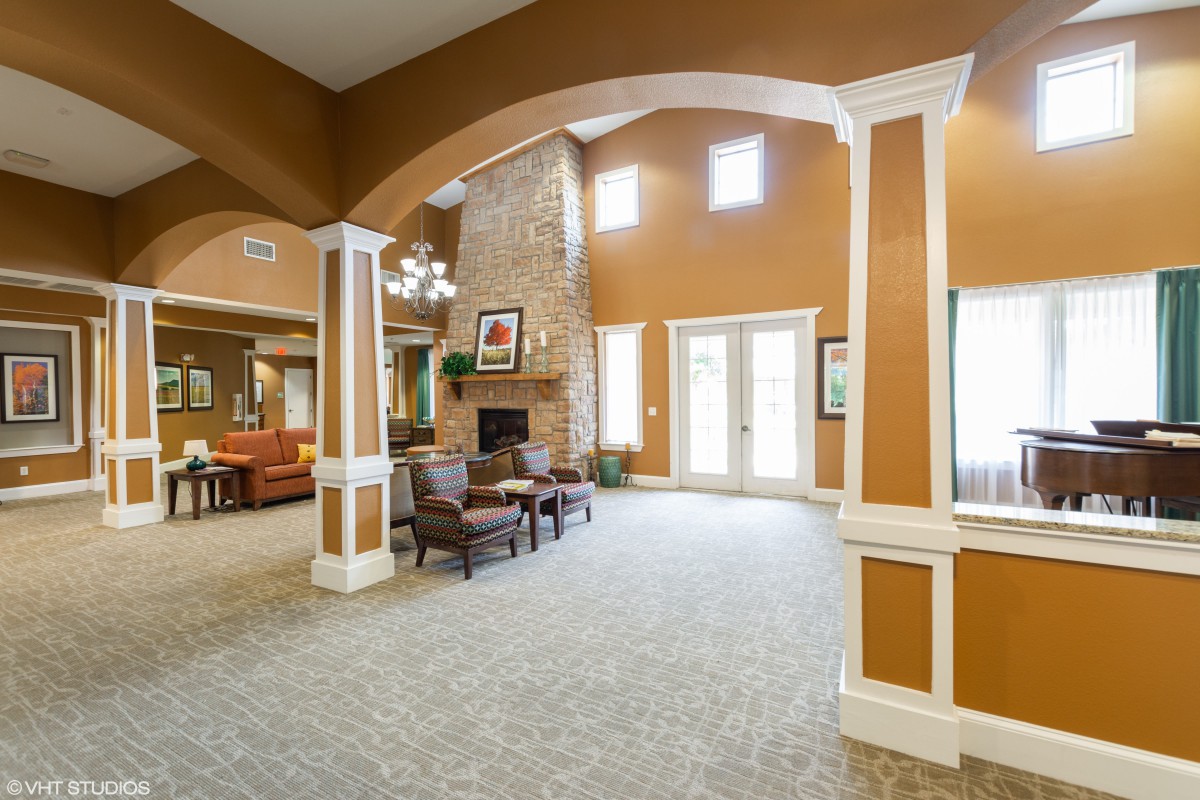
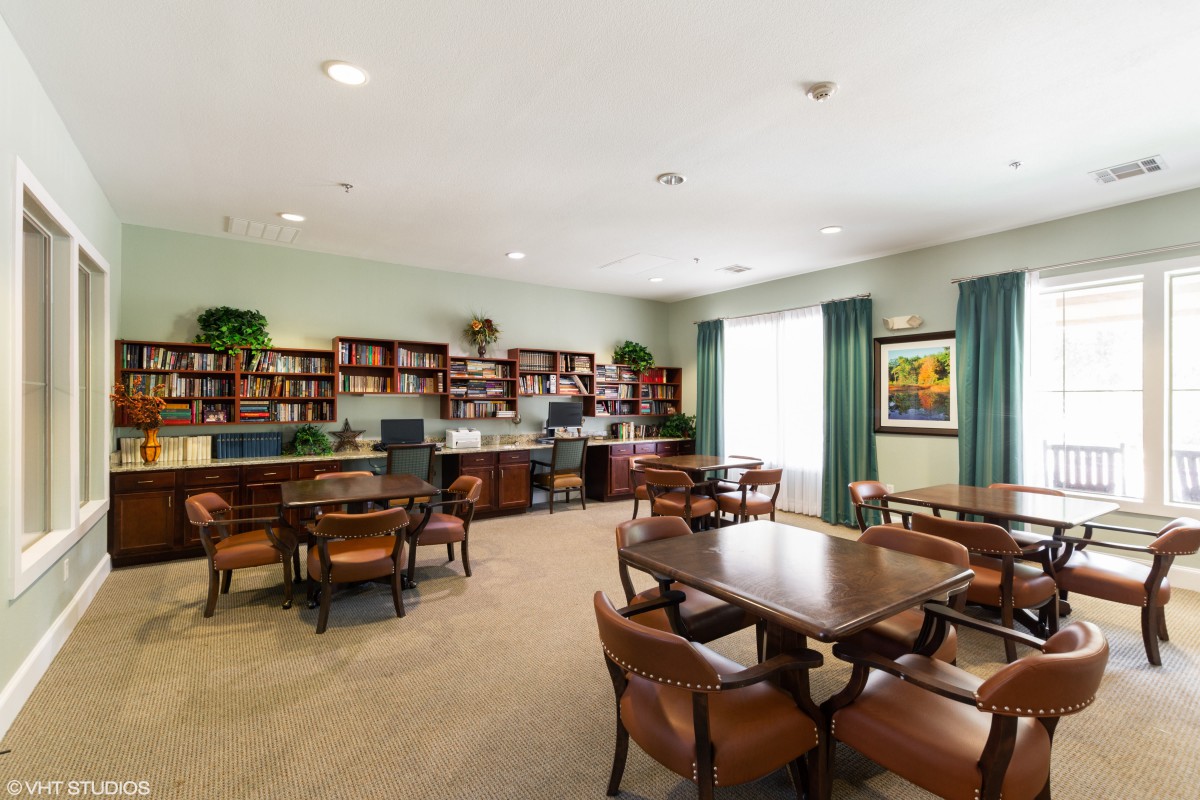
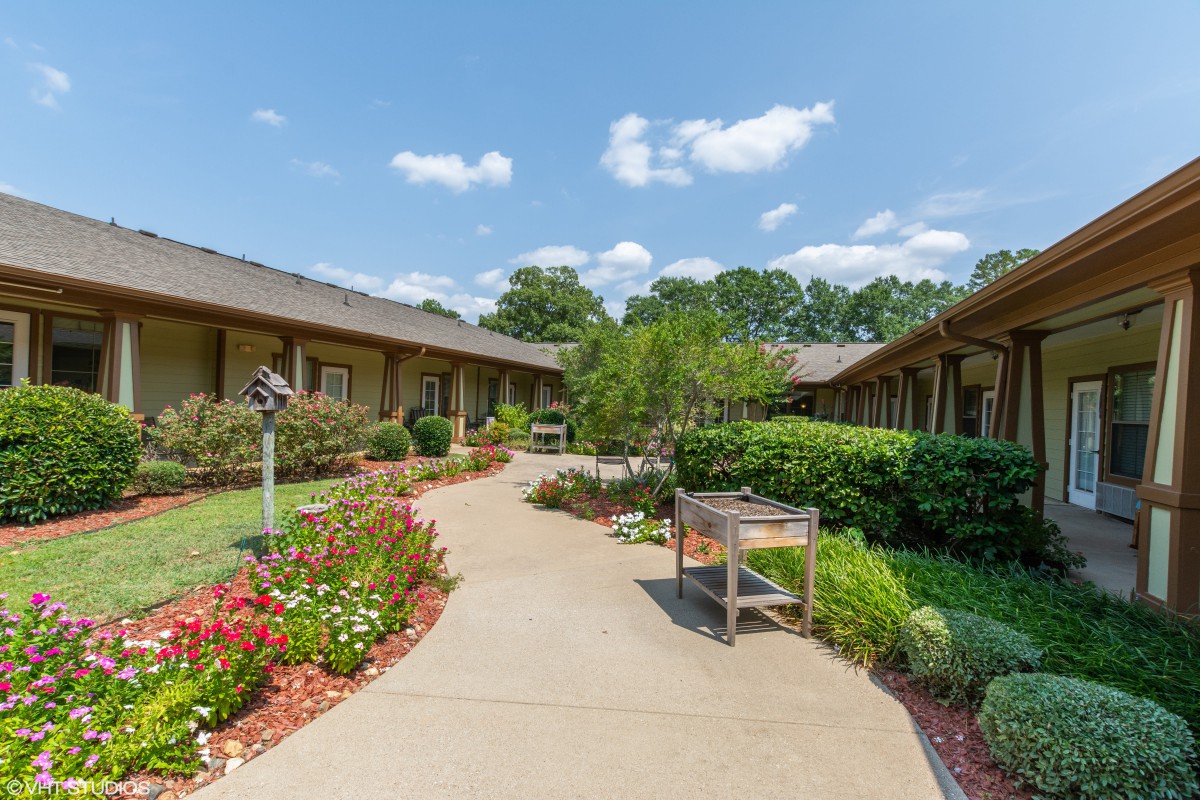
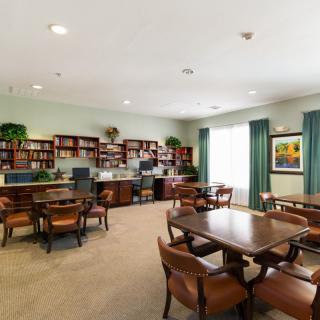
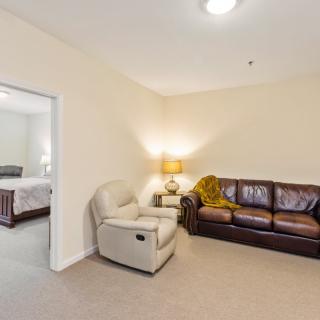
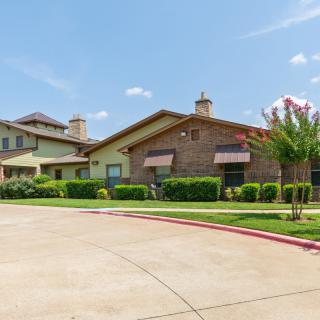
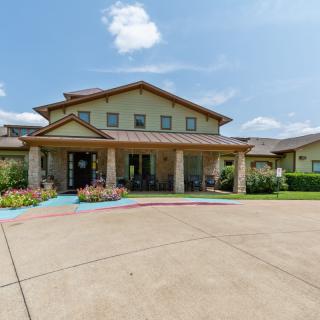
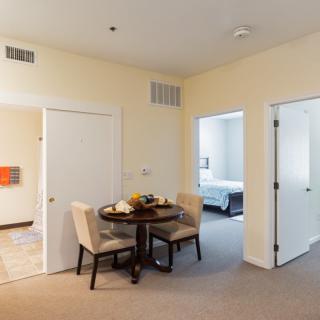
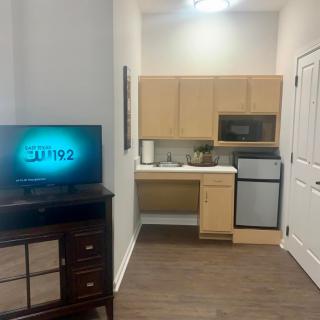
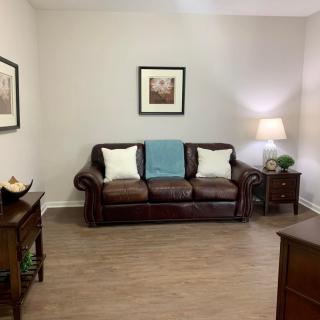
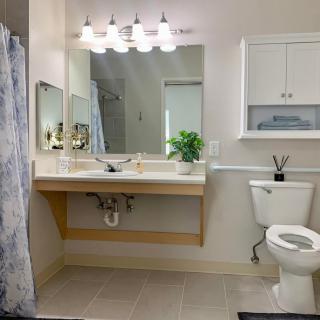
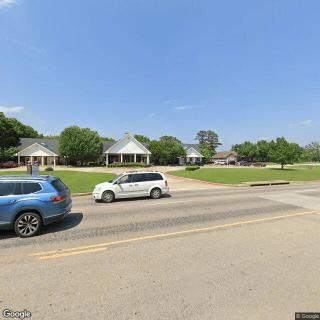
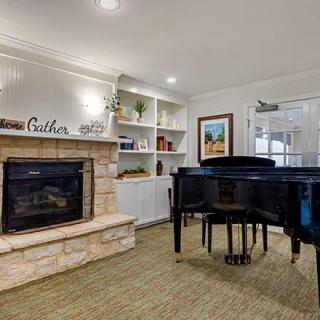
Azalea Trails Assisted Living and Memory Care on seniors.fyi includes 14 photos including images showing interior, bedroom, landscaping, decor, building, living room, bathroom, pathway, and more.
Nearby Communities
Garden Estates of Tyler
Tyler, TX
4.5 from 137 reviews
$2,295 to $3,695 / month
Friendly, professional staff with clean, spacious apartments and a warm community.
Reunion Inn Assisted Living
Tyler, TX
3.4 from 11 reviews
$2,800 to $3,500 / month
Genuine care from owners and staff in a warm, affordable setting with included transportation and housekeeping.
East Texas Alf Reunion Inn, LLC
Tyler, TX
4 from 8 reviews
Well-maintained, welcoming environment with friendly staff and personalized attention in a small, community-focused setting.
East Texas ALF Reunion Inn
Tyler, TX
3.7 from 3 reviews
Respite-focused ALF with extensive on-site amenities (dining, wellness, transportation, activities).
Brookdale Tyler South
Tyler, TX
4.4 from 82 reviews
$2,526 to $6,035 / month
Attentive staff in a clean, welcoming environment with engaging activities.
Reunion Plaza Healthcare & Rehabilitation
Tyler, TX
4 from 101 reviews
24/7 care with private bathrooms and restaurant-style dining.
Oak Hills Terrace Memory Care
Tyler, TX
4.8 from 158 reviews
$4,630 to $5,045 / month
Caring staff with engaging activities in a clean, home-like setting.
Primrose Retirement Community of Tyler
Tyler, TX
4.8 from 25 reviews
Excellent 24/7 nursing care, top-notch dining, and an active social program.
Prestige Estates Assisted Living and Memory Care
Tyler, TX
4.6 from 51 reviews
$3,200 to $4,875 / month
Kind, hands-on staff in a warm, home-like setting with strong dining and activities.
VA nursing homes, or Community Living Centers (CLCs), offer tailored long-term care for veterans, featuring medical attention and rehabilitation in a supportive environment. The guide covers facility types, eligibility criteria, financial assistance options, quality of care standards, and alternatives to full-time nursing home placement.
At-home dementia care expenses vary widely based on care levels, location, and caregiver expertise, with monthly costs for home health aides exceeding $4,500 and specialized care potentially surpassing $100,000 annually. While families favor in-home care for its comfort and personalized attention, they must consider financial planning and the challenges of caregiver fatigue.
The article discusses the late stages of dementia, detailing the progression from mild to severe impairment and highlighting key characteristics such as profound cognitive decline and dependency in daily activities. It emphasizes care strategies focused on comfort and dignity, the importance of advance directives, and the emotional support needed for family caregivers facing this challenging journey.
Azalea Trails Assisted Living and Memory Care photos
×
Interior
Outdoors
Decor
Living Room
Building
Architecture
Bedroom
Landscaping
Kitchen
Artwork
Bathroom
Interior
Decor
Bedroom
Dining
Living Room
Landscaping and Building
Windows, Fireplace, Spacious, and High Ceiling
Architecture
Bathroom, Lighting Fixture, and Potted Plant
Kitchen, Television, and Refrigerator
Garden and Pathway
Artwork
Outdoors and Nature
Bookshelves, Library, and Reading Area
Tree and Road
Courtyard
Living Space
Get PricingAsk A QuestionSchedule A TourContact Senior Advisor
By clicking submit, you agree to our Partner's Terms of Use. You
also consent to receive calls and texts, which may be autodialed, from our Partner. Your consent is not a condition to
using our Partner's service. Please visit our Partner's Privacy Policy for information about their privacy practices.


 54 resident community capacity
 1-bedroom apartments
 Assisted Living
 Memory Care
 Activities off-site
 Air-conditioning
 Beautician on-site
 Cable or satellite TV
 Computer center
 Devotional services off-site
 Dining room
 Fitness room
 Fully furnished
 Gaming room
 Garden
 Ground floor units
 Handicap accessible
 Housekeeping services
 Indoor common areas
 Kitchenette
 Move-in coordination
 Outdoor common areas
 Private bathrooms
 Private patio, deck, or balcony
 Respite or short term stays offered
 Restaurant-style dining
 Small library
 Spa
Spa Telephone
 Wheelchair accessible showers
 Wi-Fi/high-speed internet available
 Tyler Pounds (6 miles away)
 Community operated transportation
 12-16 hour nursing
 24-hour call system
 Ambulatory care
 Assistance with bathing
 Assistance with dressing
 Assistance with transfers
 Diabetes diet
 Diabetic care
 High acuity care
 Hospice waiver
 Incontinence care
 Medication management
 Mental wellness program
 Special dietary restrictions
 Transportation arrangement (medical)
 Art classes
 Bible study group
 Concierge services
 Cooking classes
 Day trips and outings
 Educational speakers / life long learning
 Happy hour
 Wine tasting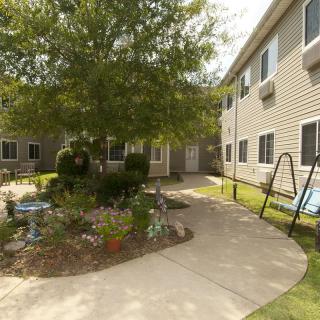
 Friendly, professional staff with clean, spacious apartments and a warm community.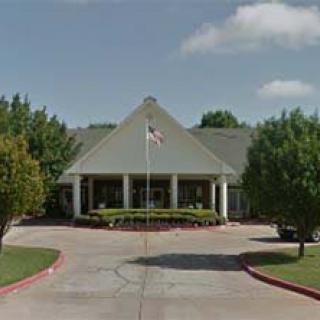

 Comprehensive Guide to VA Nursing Homes: A Crucial Long-Term Care Resource for Veterans
 Estimating the Expenses of At-Home Dementia Care: A Detailed Exploration
 Comprehensive Insights on the Late Stages of Dementia: What to Expect and How to Provide Care